Sauna Control Panels: Do You Need One, and Which?
Usually yes. Most premium electric heaters ship without controls, and a heater sold as requiring external controls won't run until you add a sauna control panel. That's part one. Two more parts decide what you actually pay and how the room feels. Those are the contactor or power box that switches a large heater, and the sensor nobody asks about.

In this article
- Part 1: which heaters need a separate sauna control panel?
- Part 2: the contactor or power box nobody budgets for
- Part 3: sensor placement, which decides how the room feels
- Is Wi-Fi worth paying for?
- Which sauna control panel fits your heater?
- Where does the sauna control panel go?
- What should you budget for sauna controls?
- Frequently asked questions
Part 1: which heaters need a separate sauna control panel?
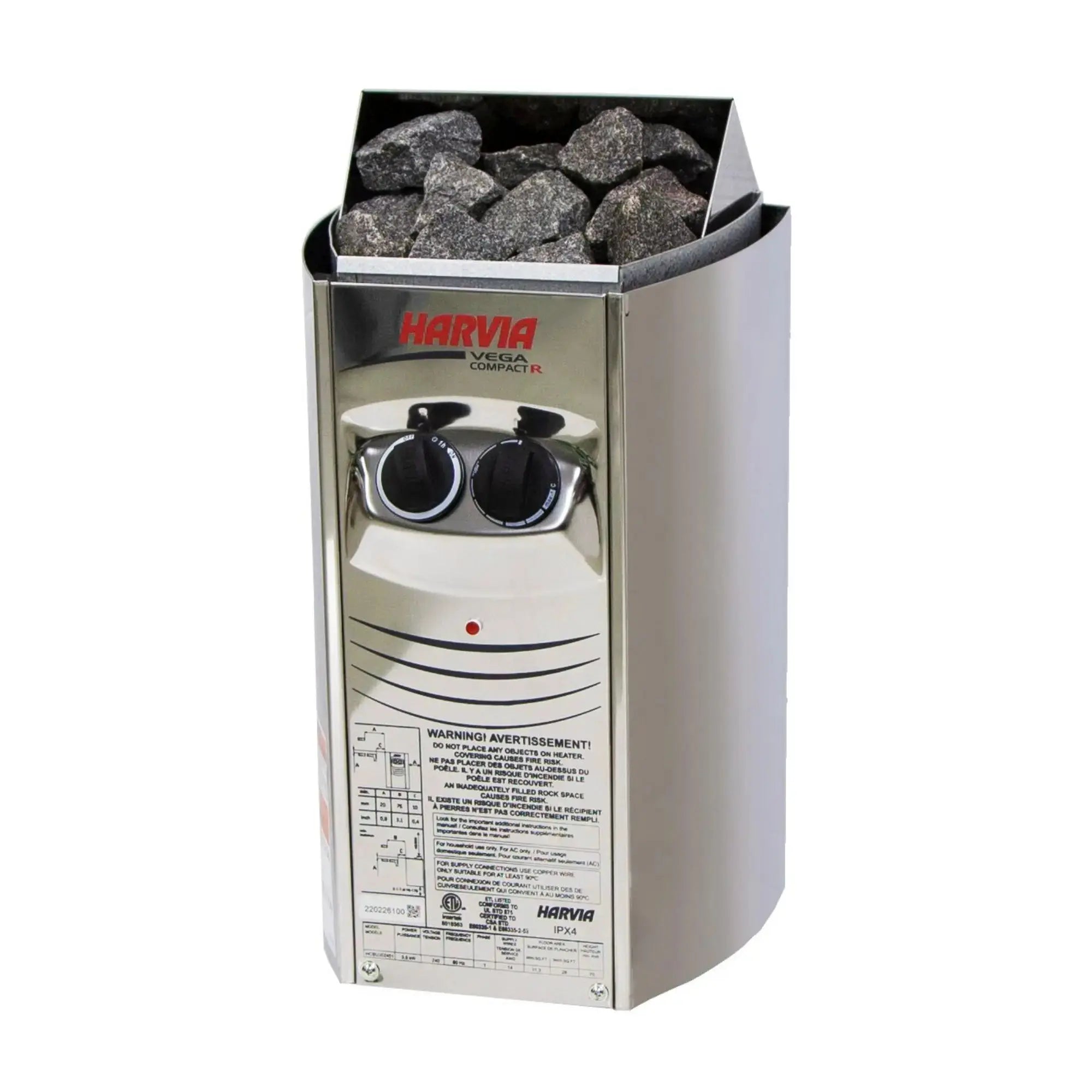
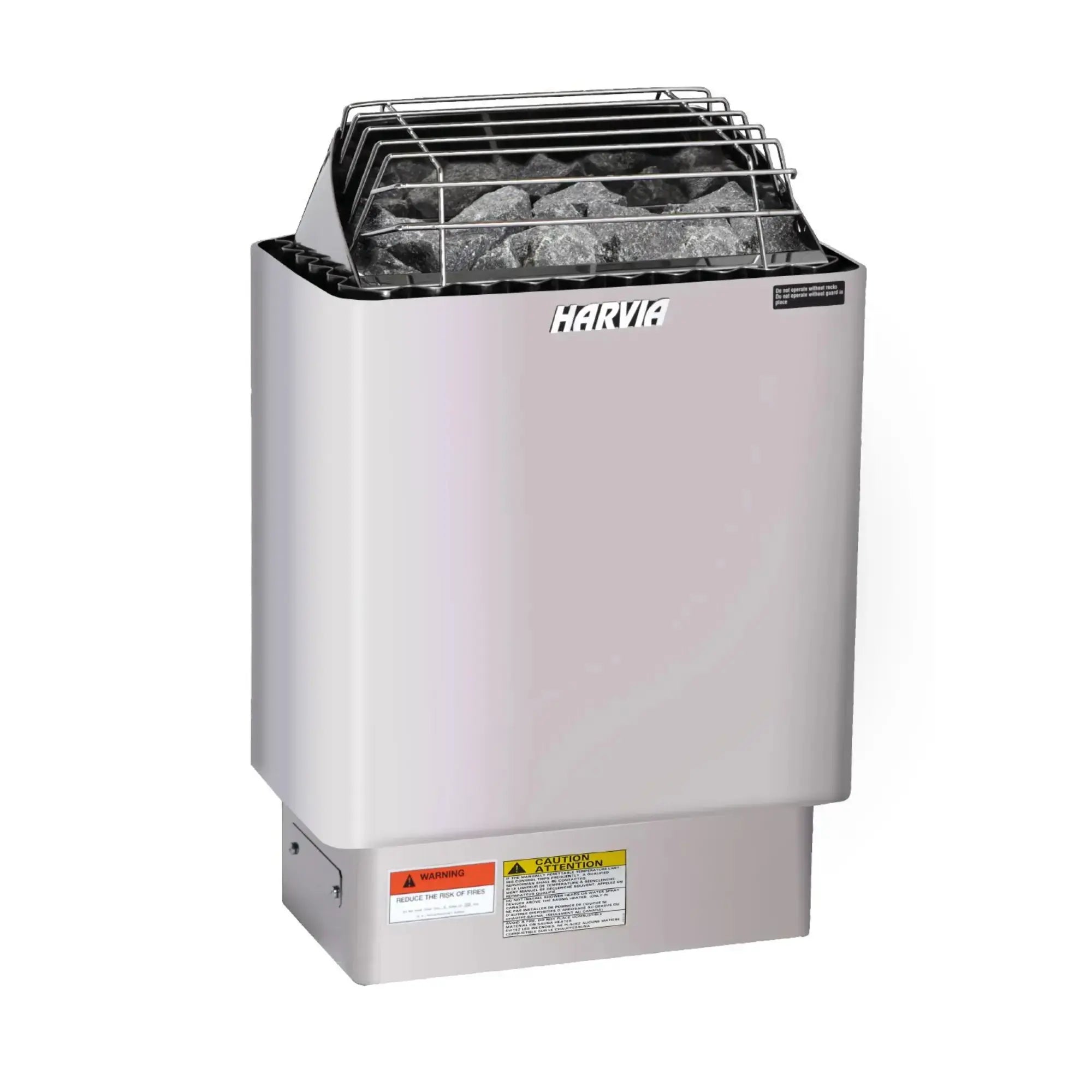
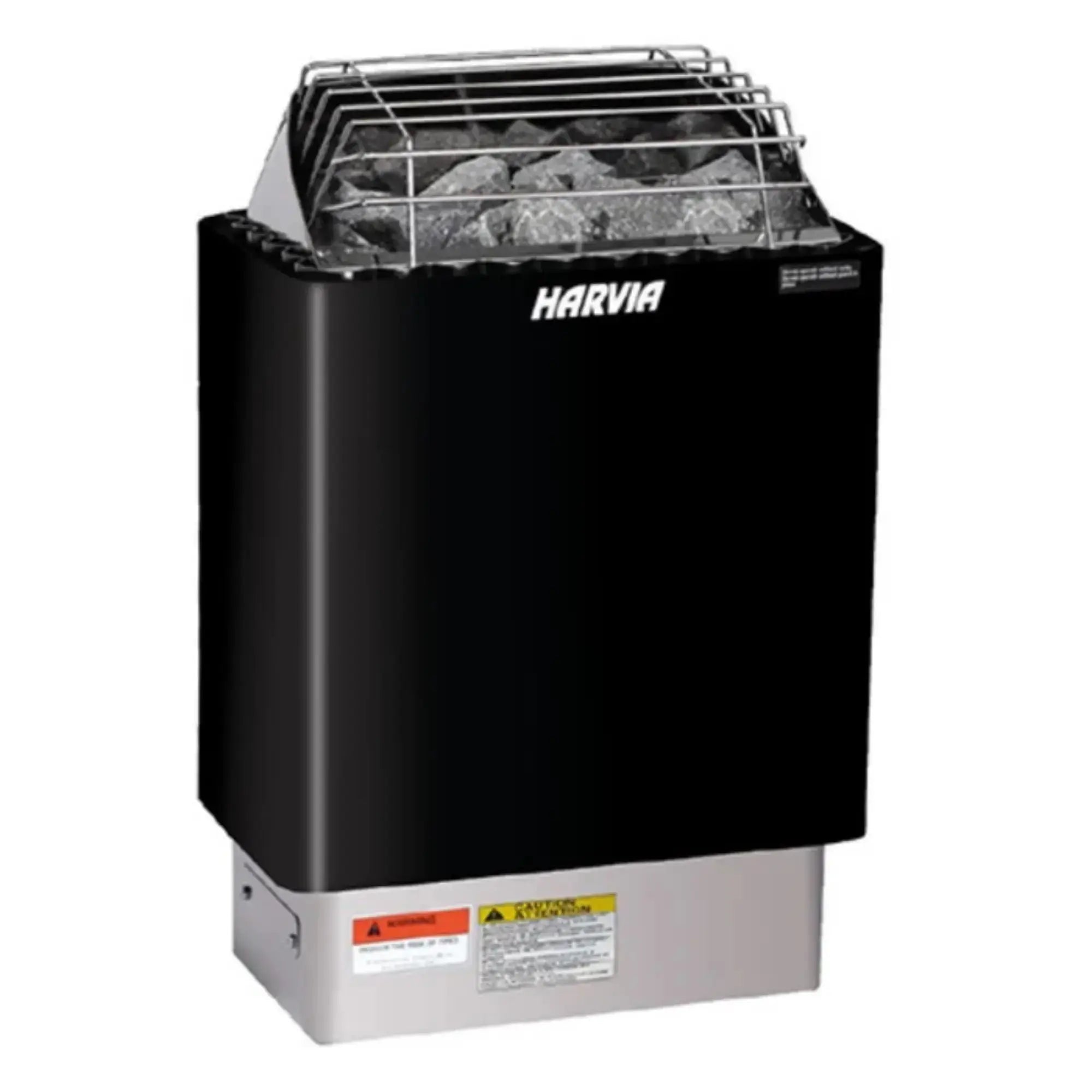
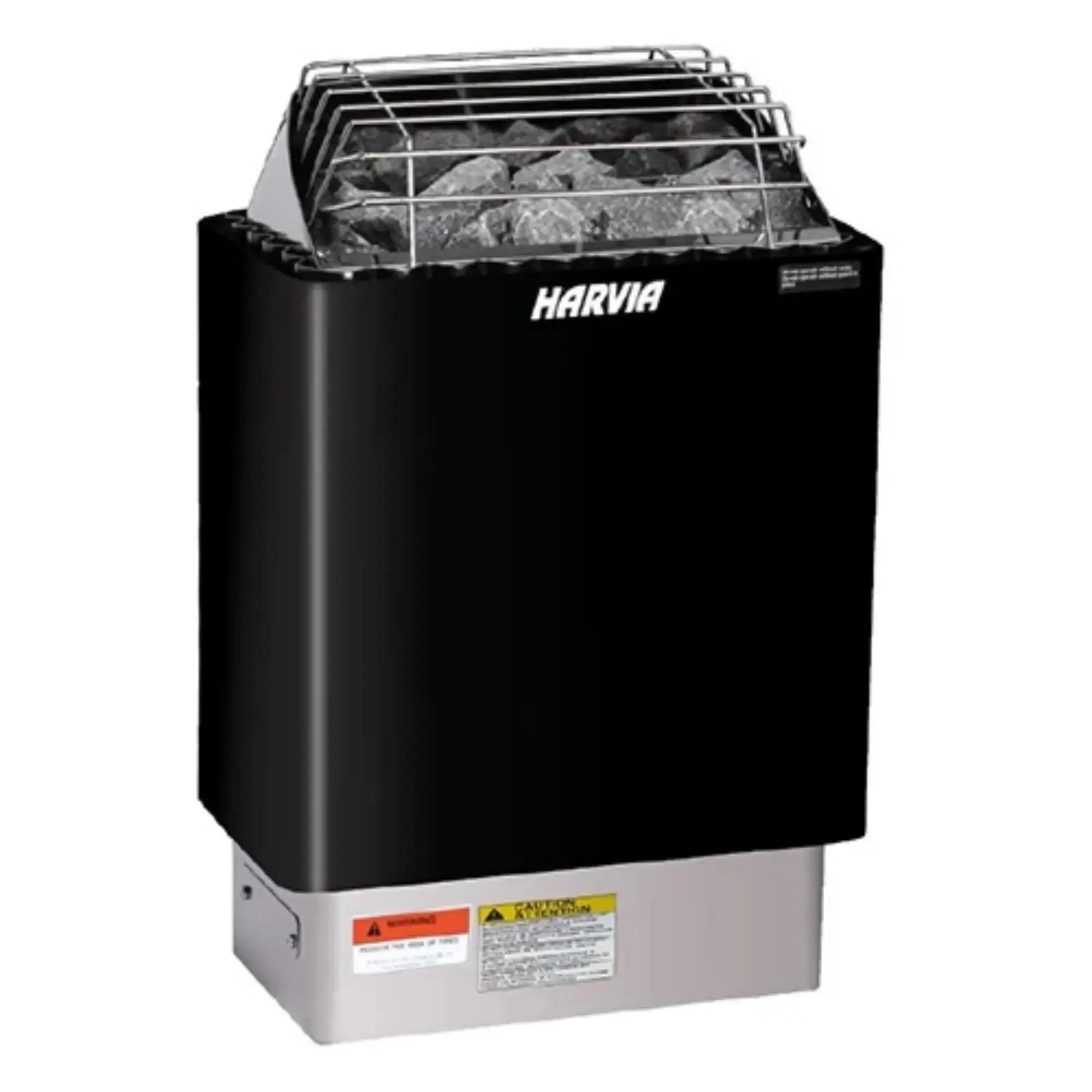
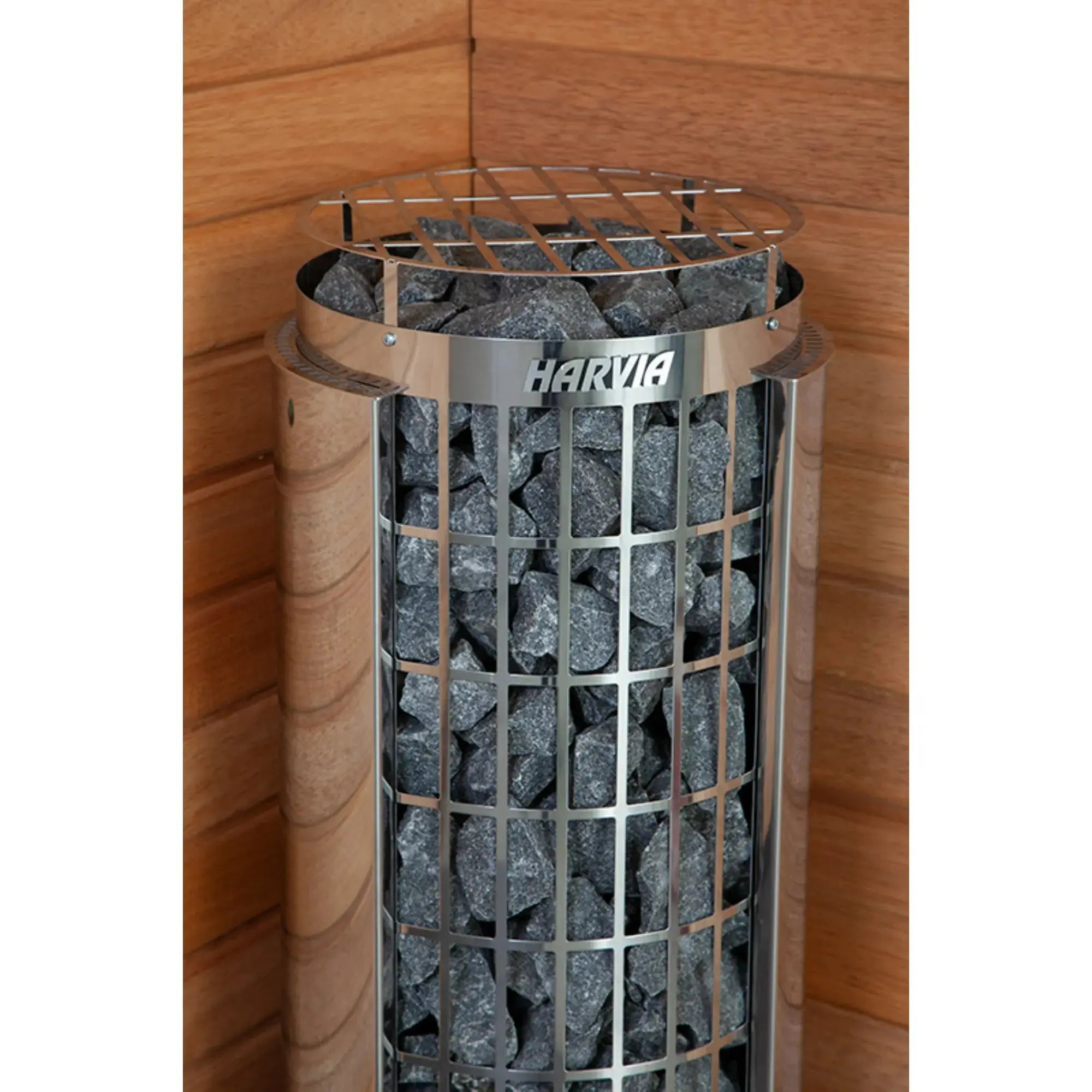
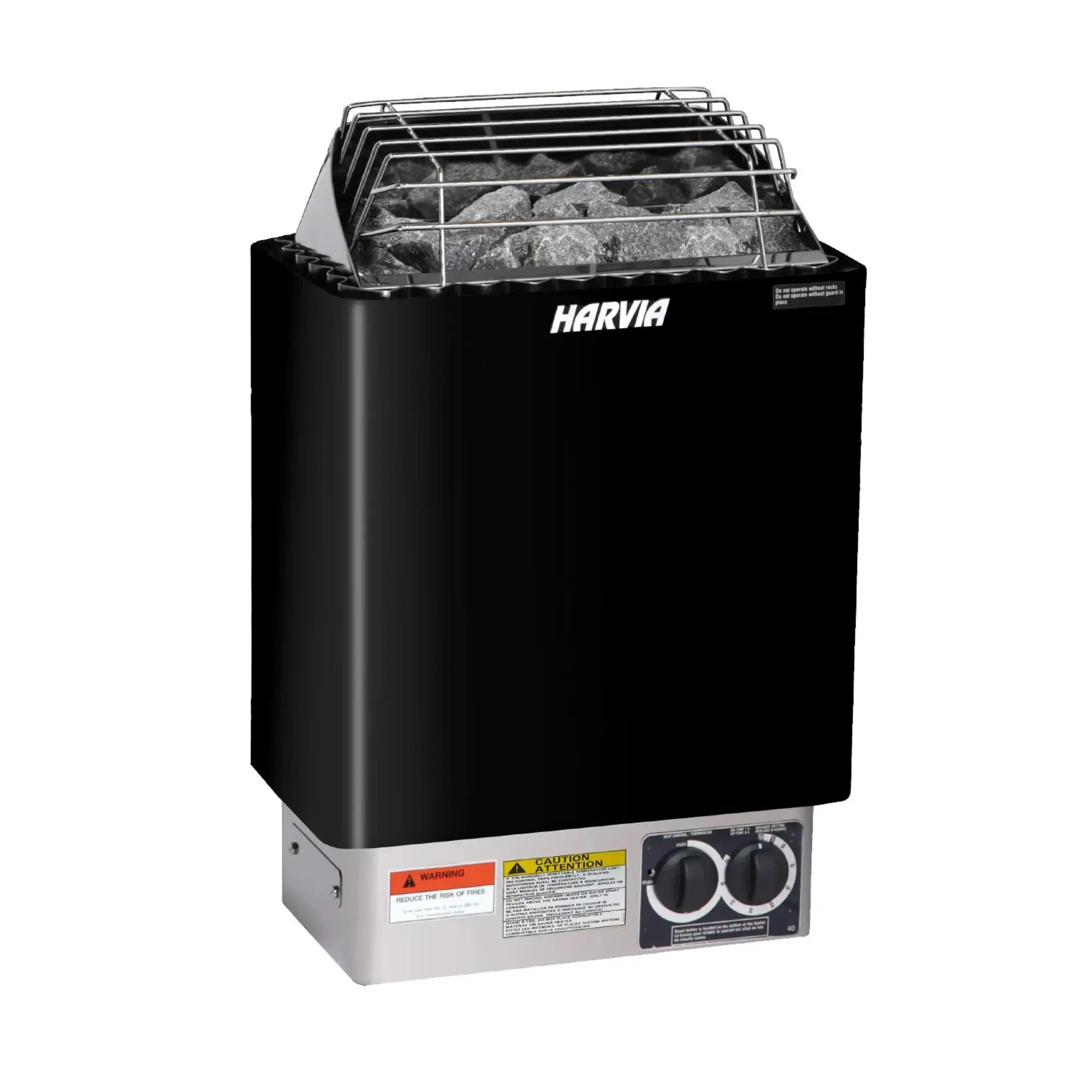
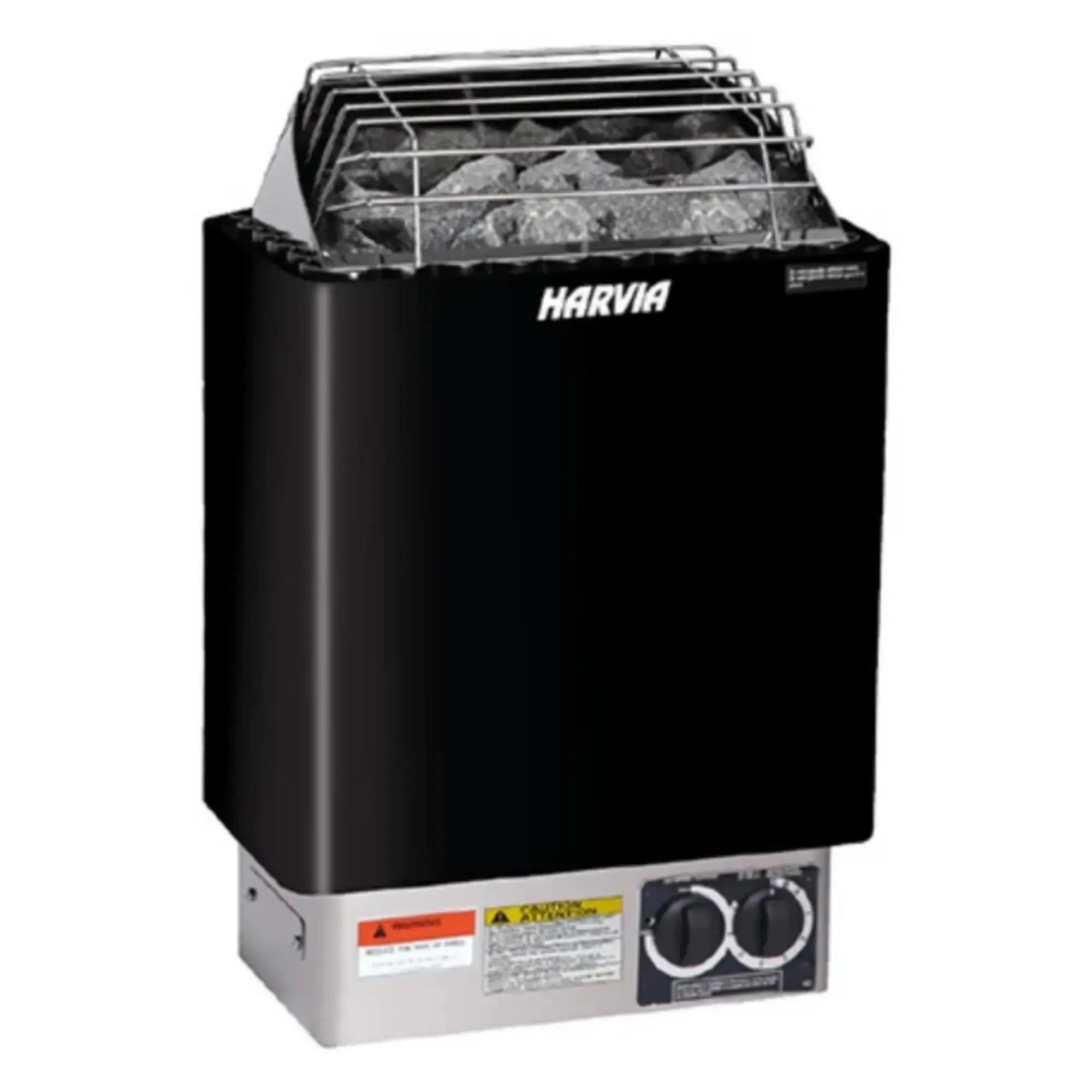
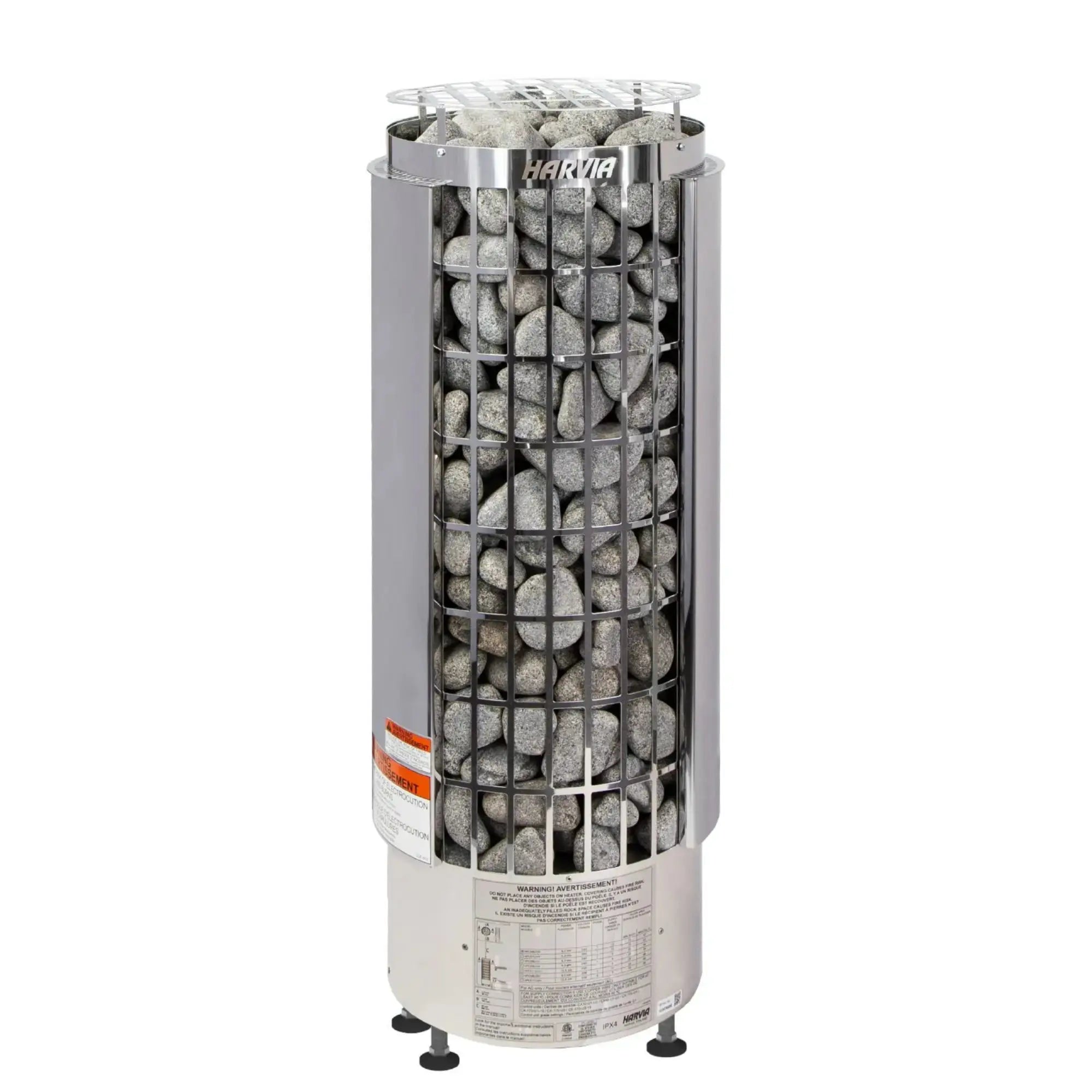
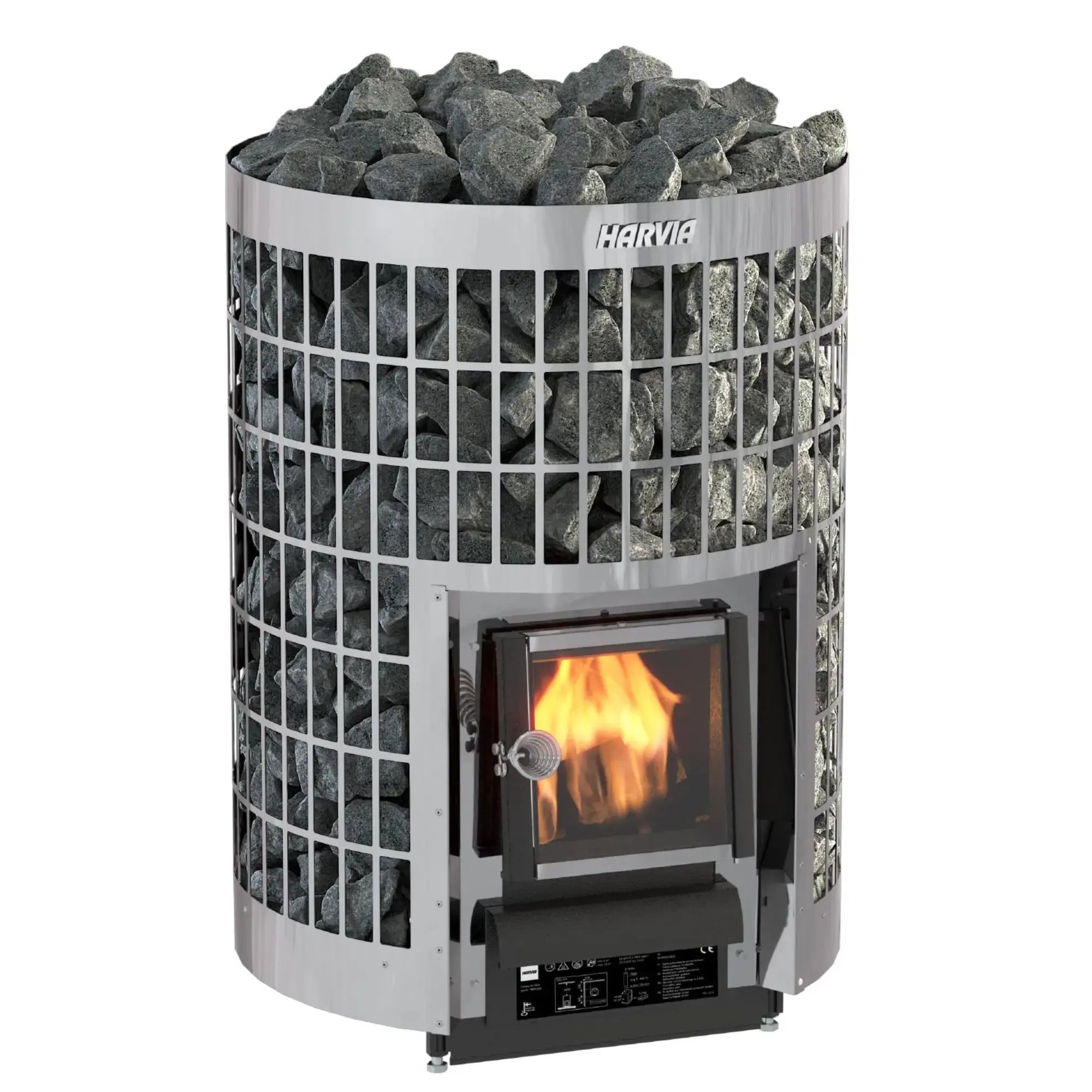
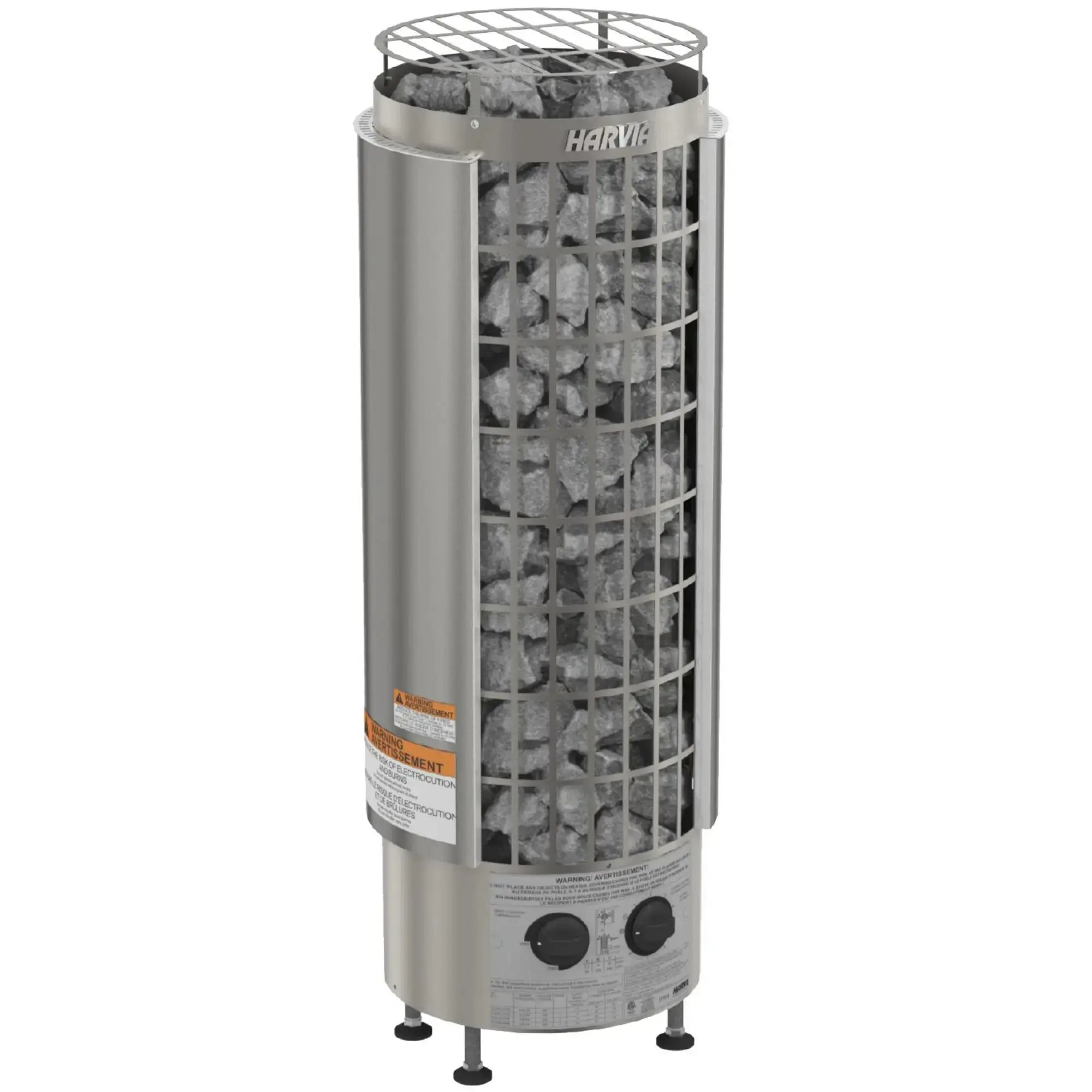
On Harvia's KIP series you can tell from the model code. W means wired for an external control, and B means built-in controls. The output is the same, but the shopping list is not.
| Heater | Controls | What you have to add |
|---|---|---|
| Harvia KIP45W, KIP60W, KIP80W | External | Harvia Xenio CX170, required |
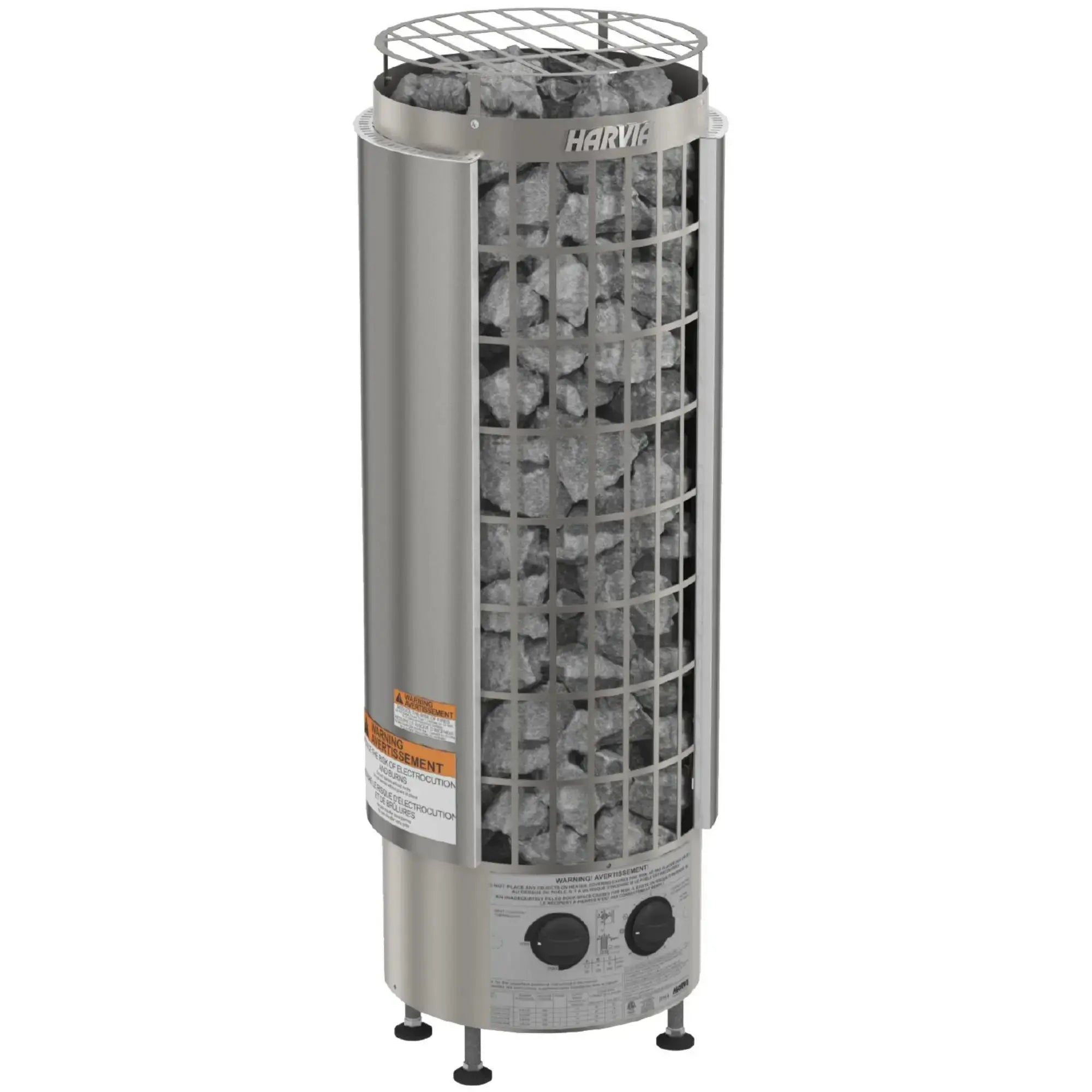
| Harvia Cilindro electric, Club, Spirit, Virta | External | Harvia Xenio CX30 or CX45, or Fenix FX30 or FX45 |
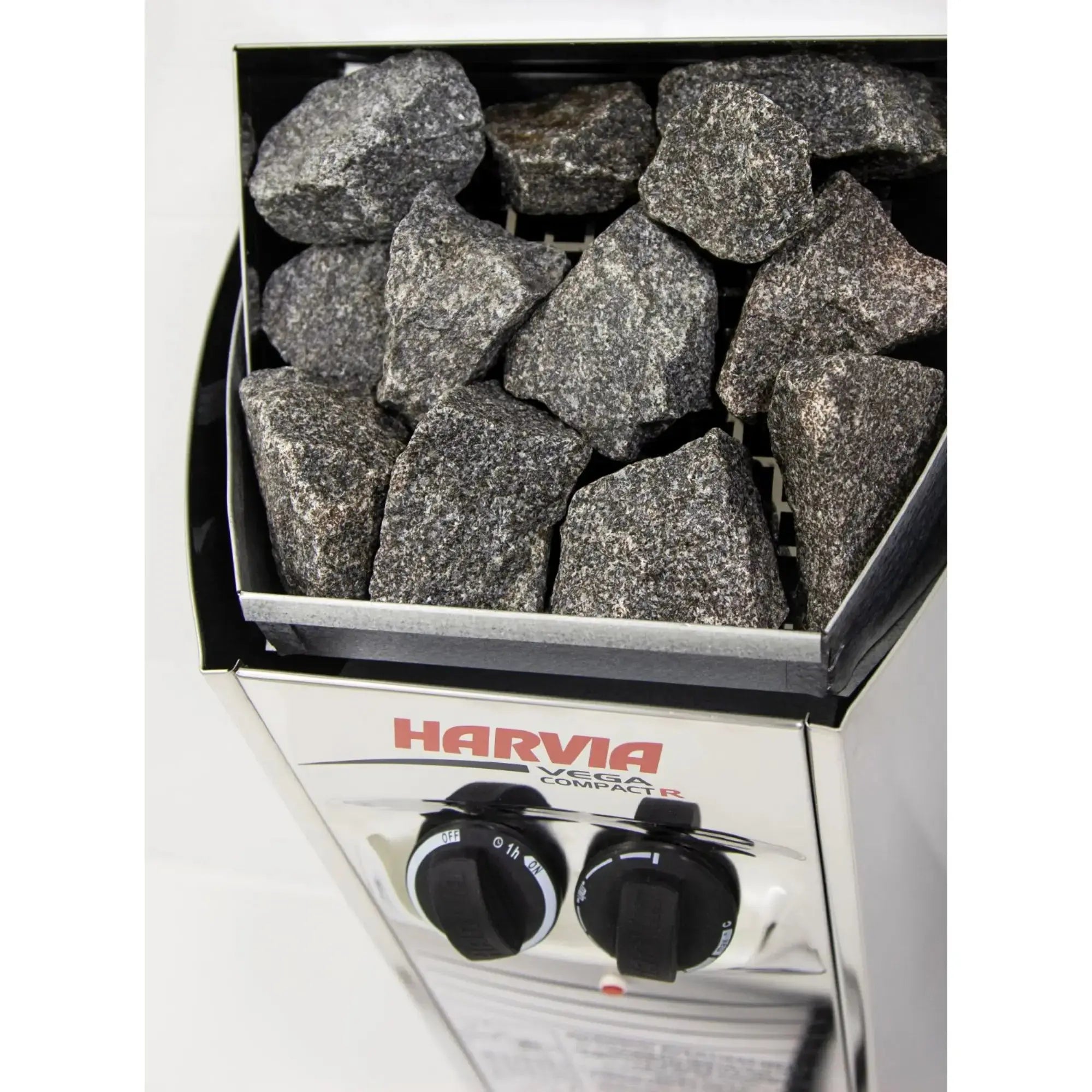
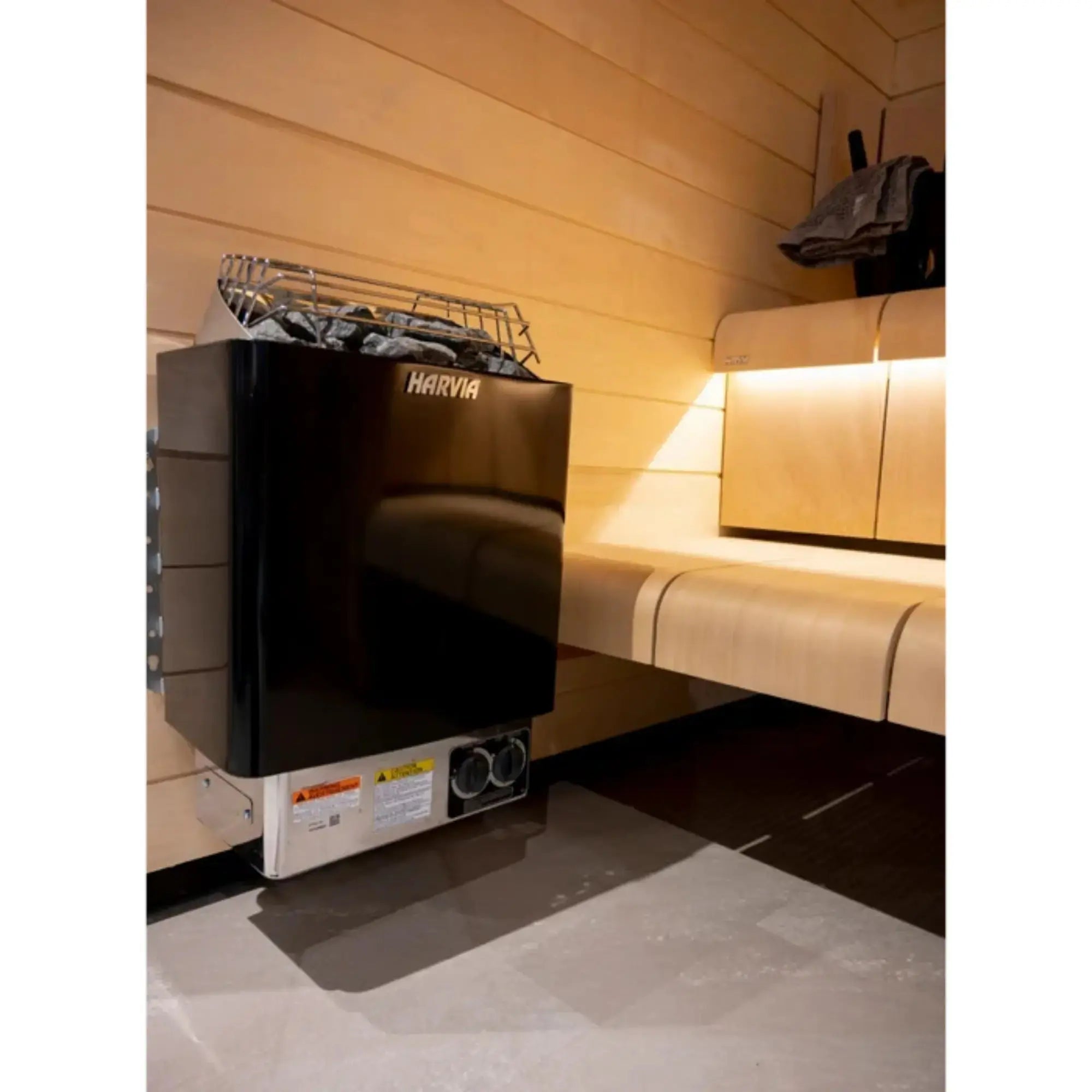
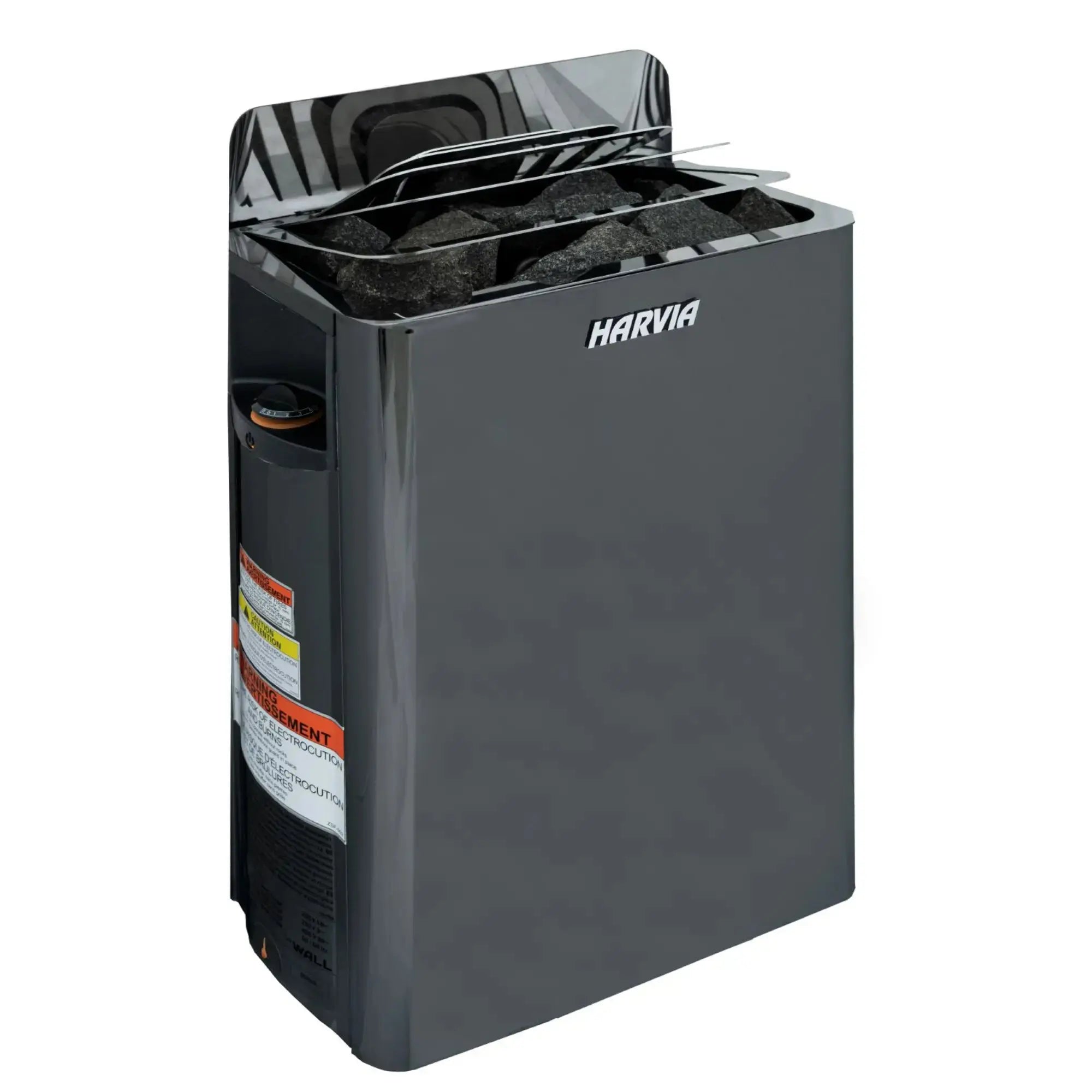
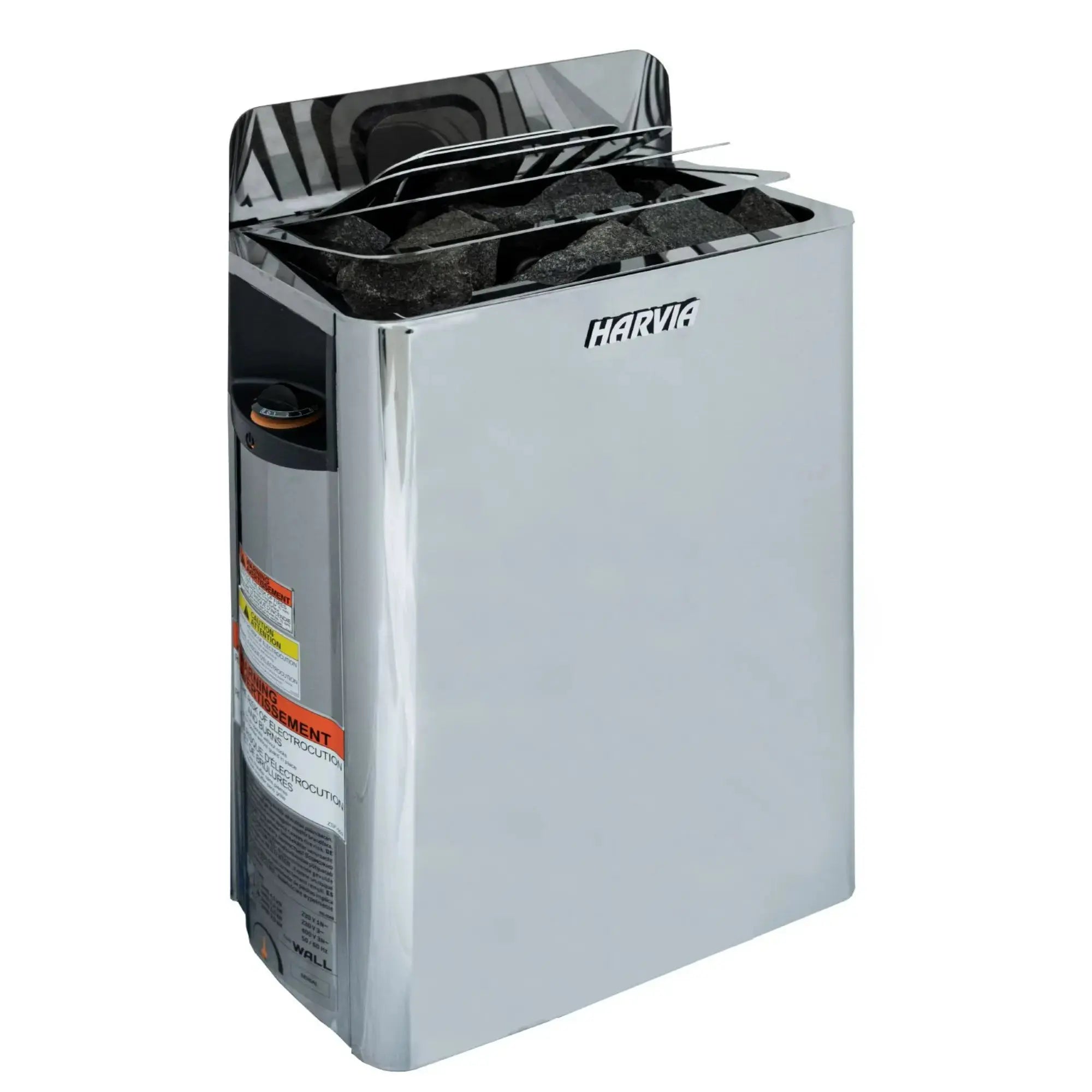
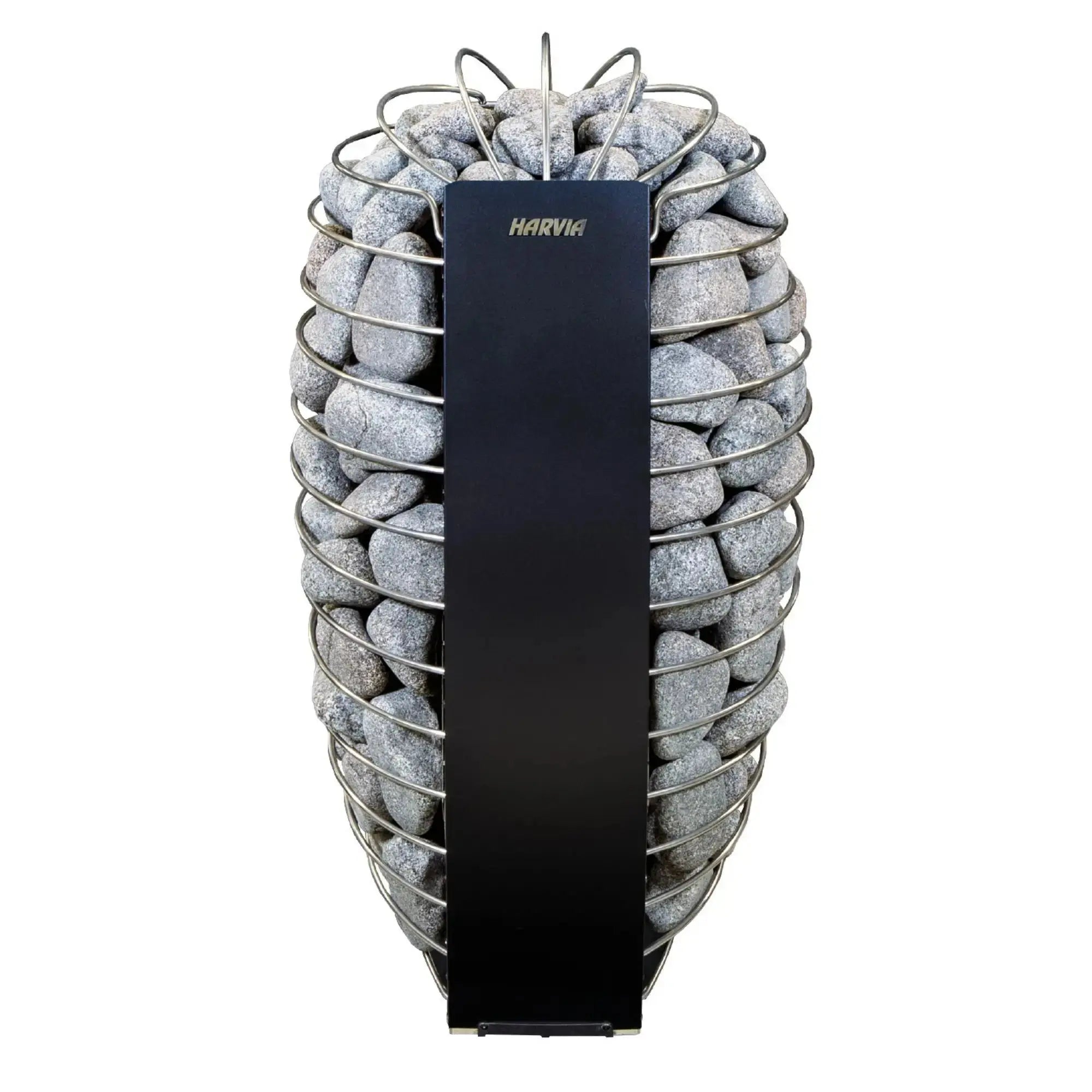
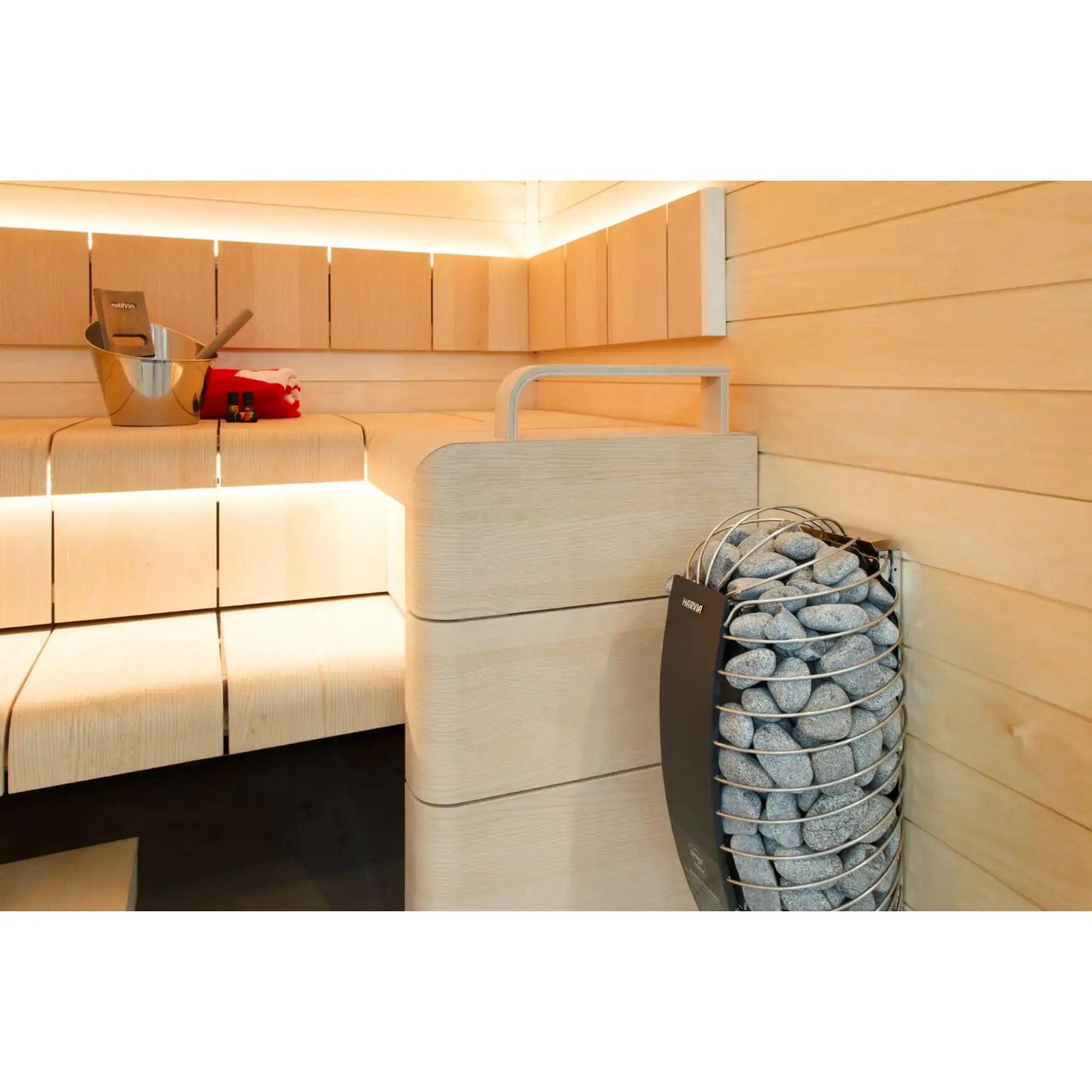
| Harvia KIP B models, Vega Compact 3500, The Wall SW60 | Built in | Nothing |
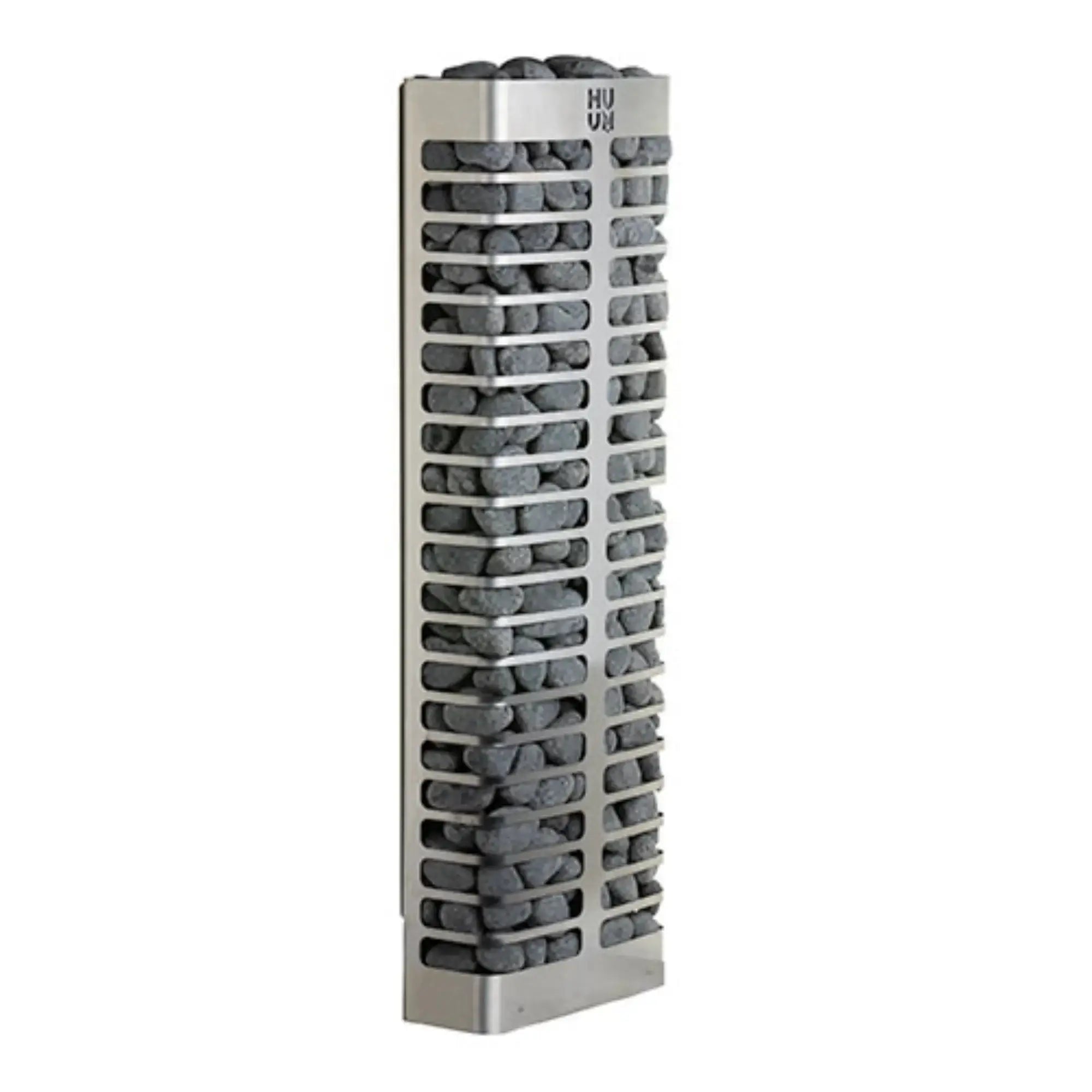
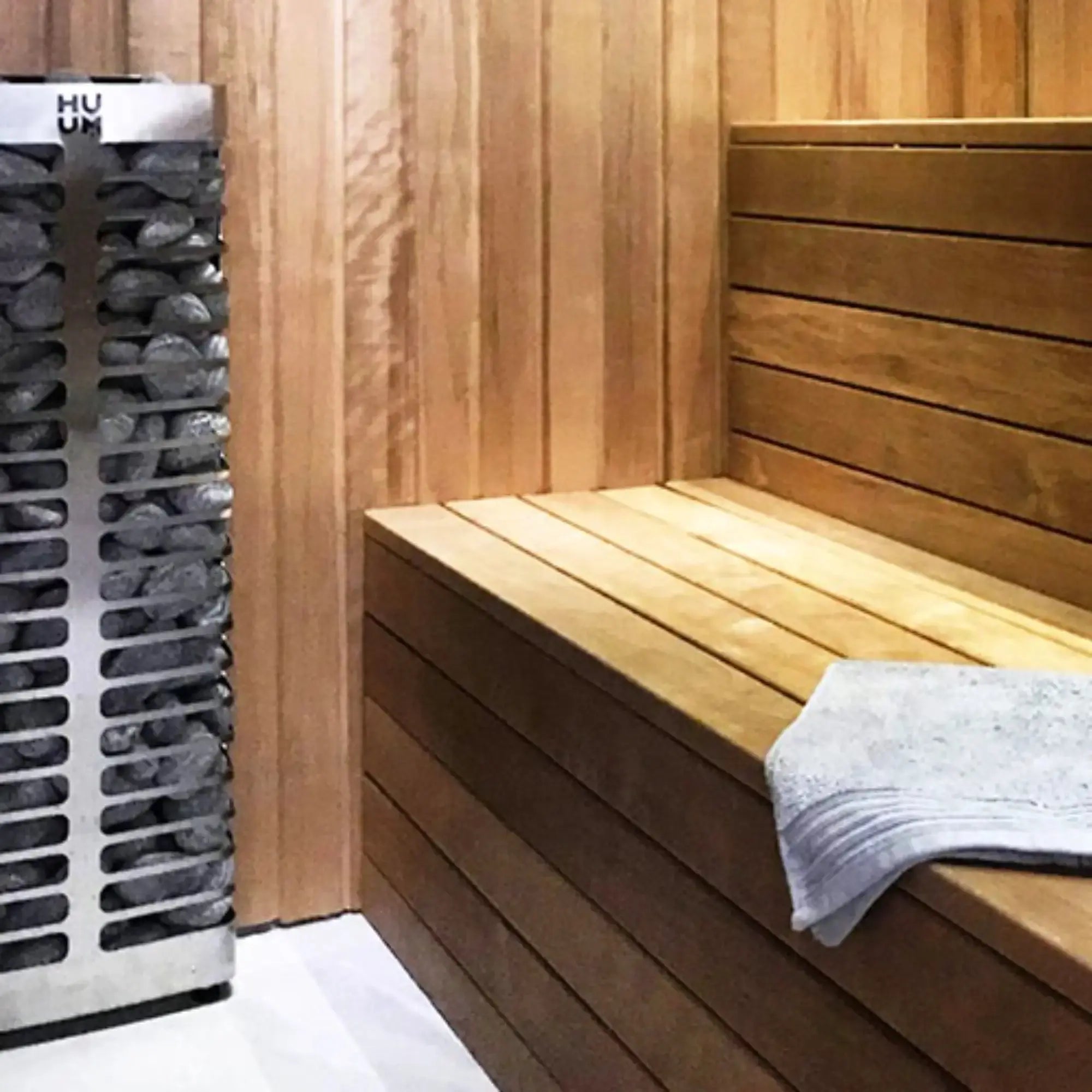
| Every HUUM electric (DROP, CLIFF, HIVE, STEEL) | External | HUUM UKU Local or UKU Wi-Fi, required |
| Every Saunum heater | External | Saunum AirIQ Wi-Fi, and nothing else works |
| Every EOS electric | External | EOS Touch 3 or EmoTec D, plus a separate power box, both required |
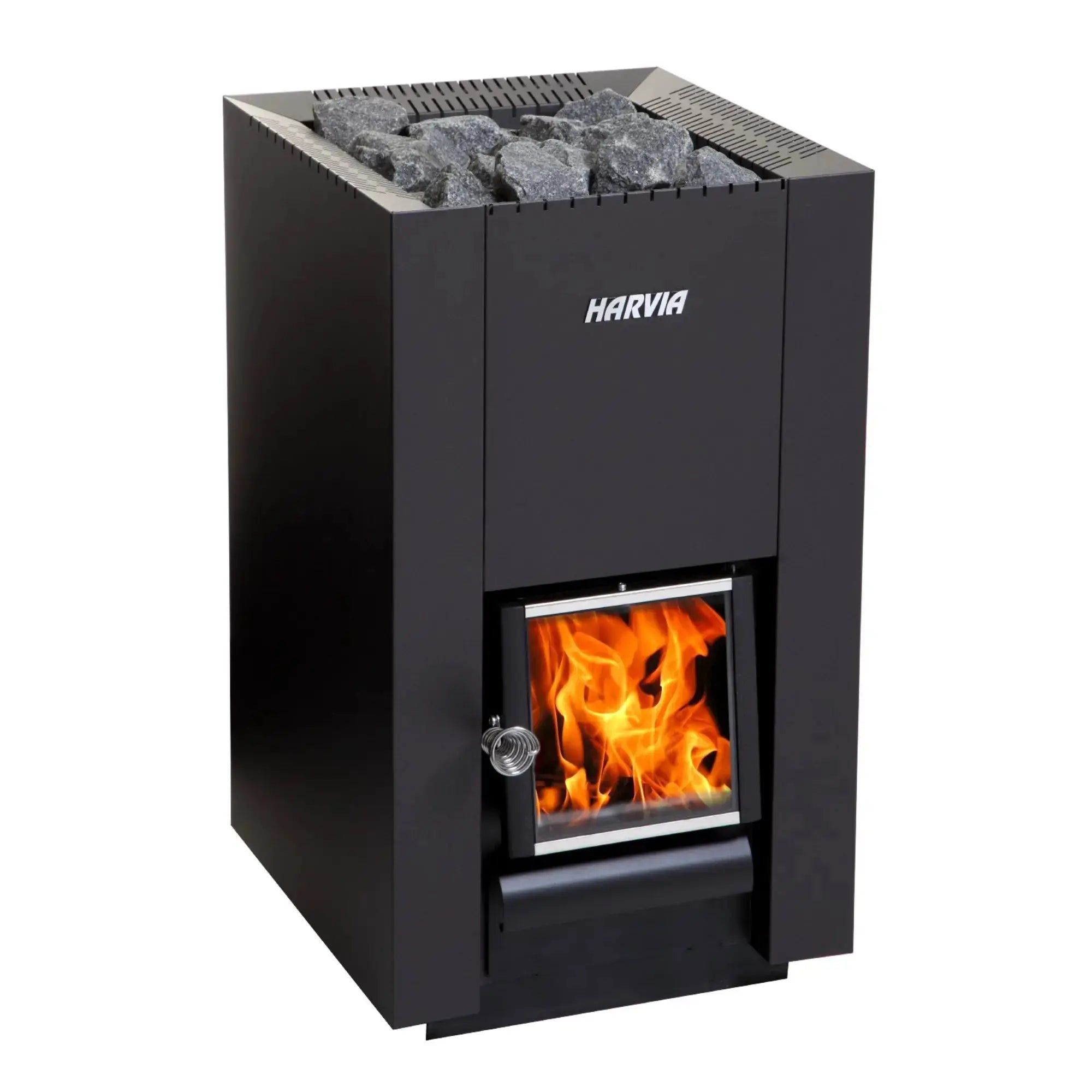
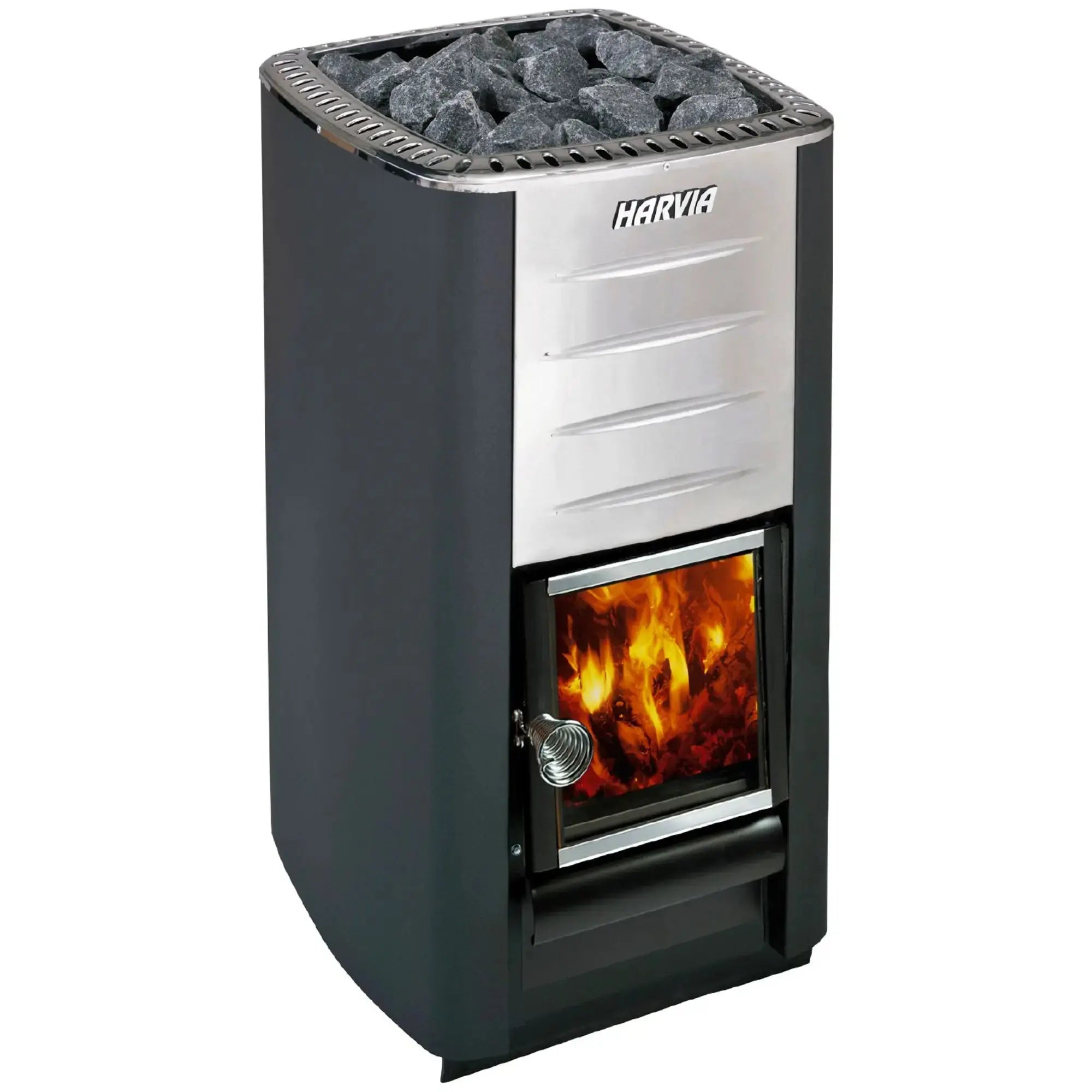
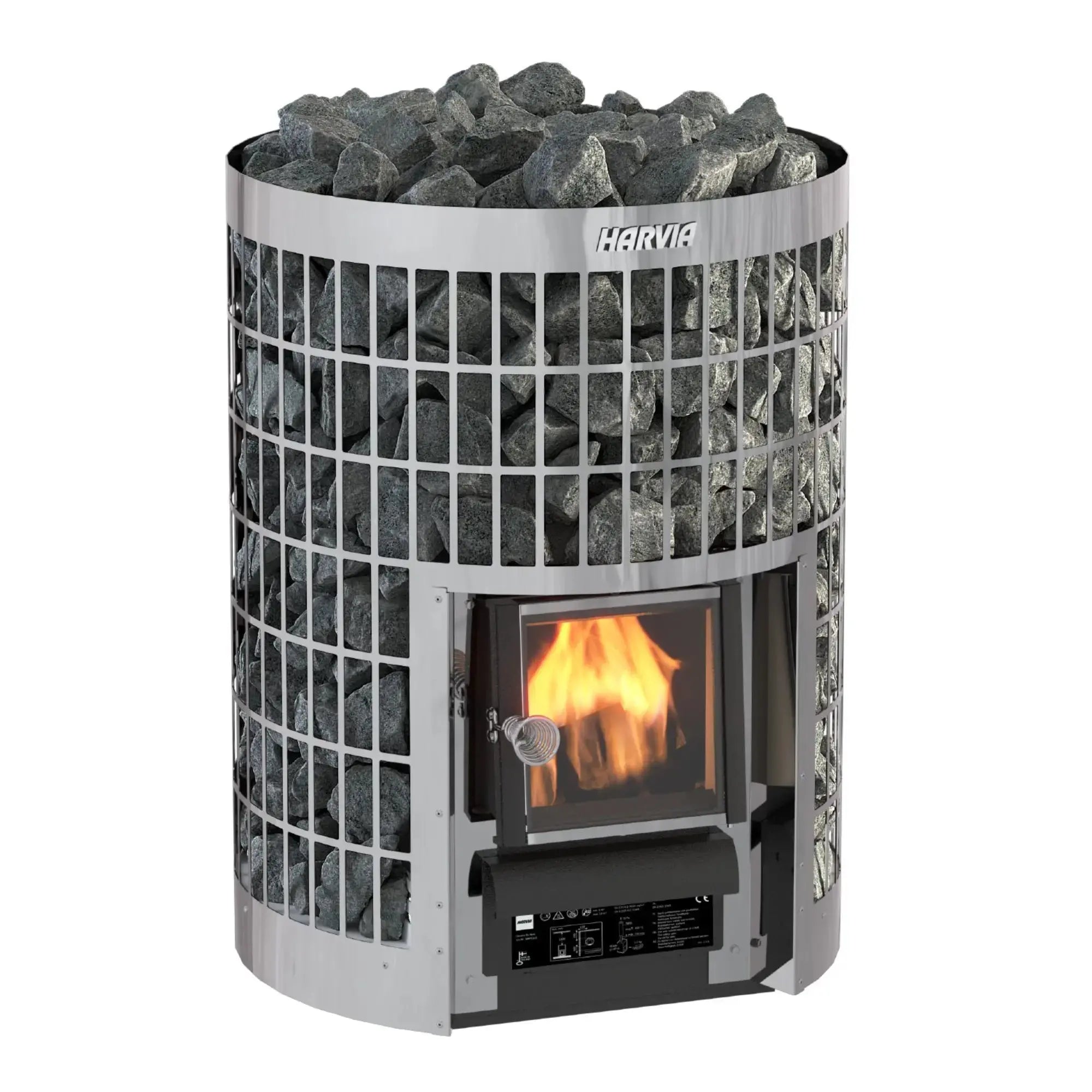
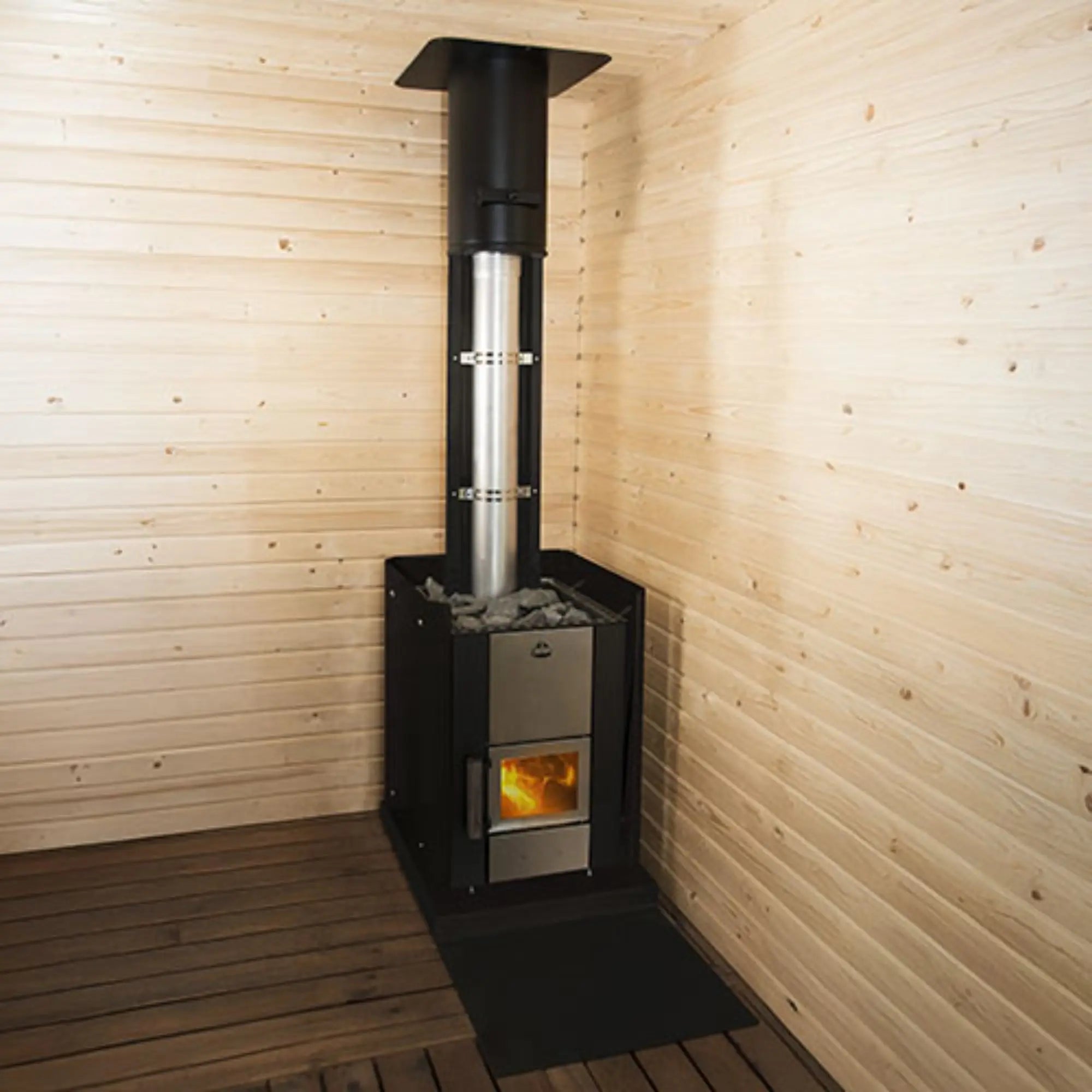
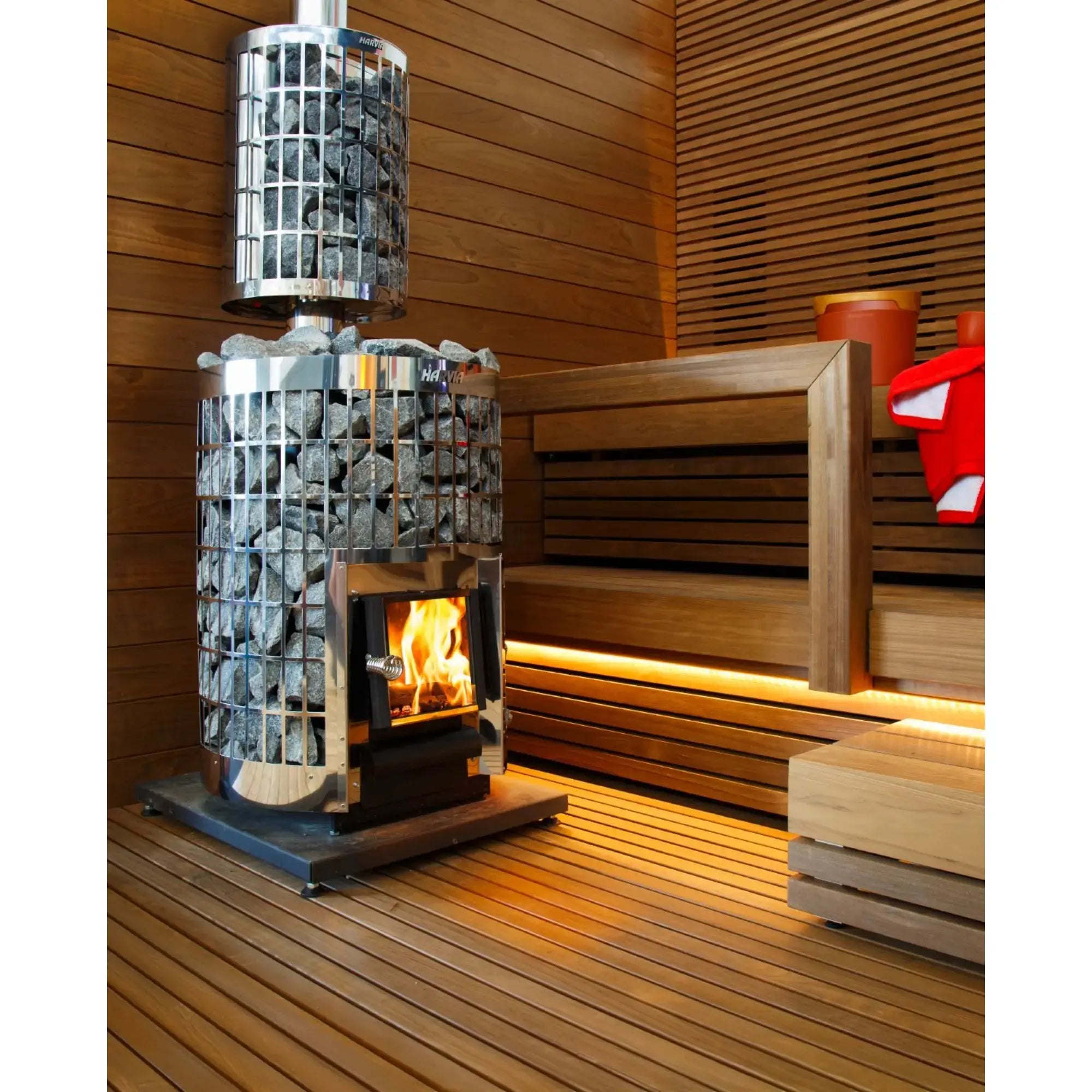
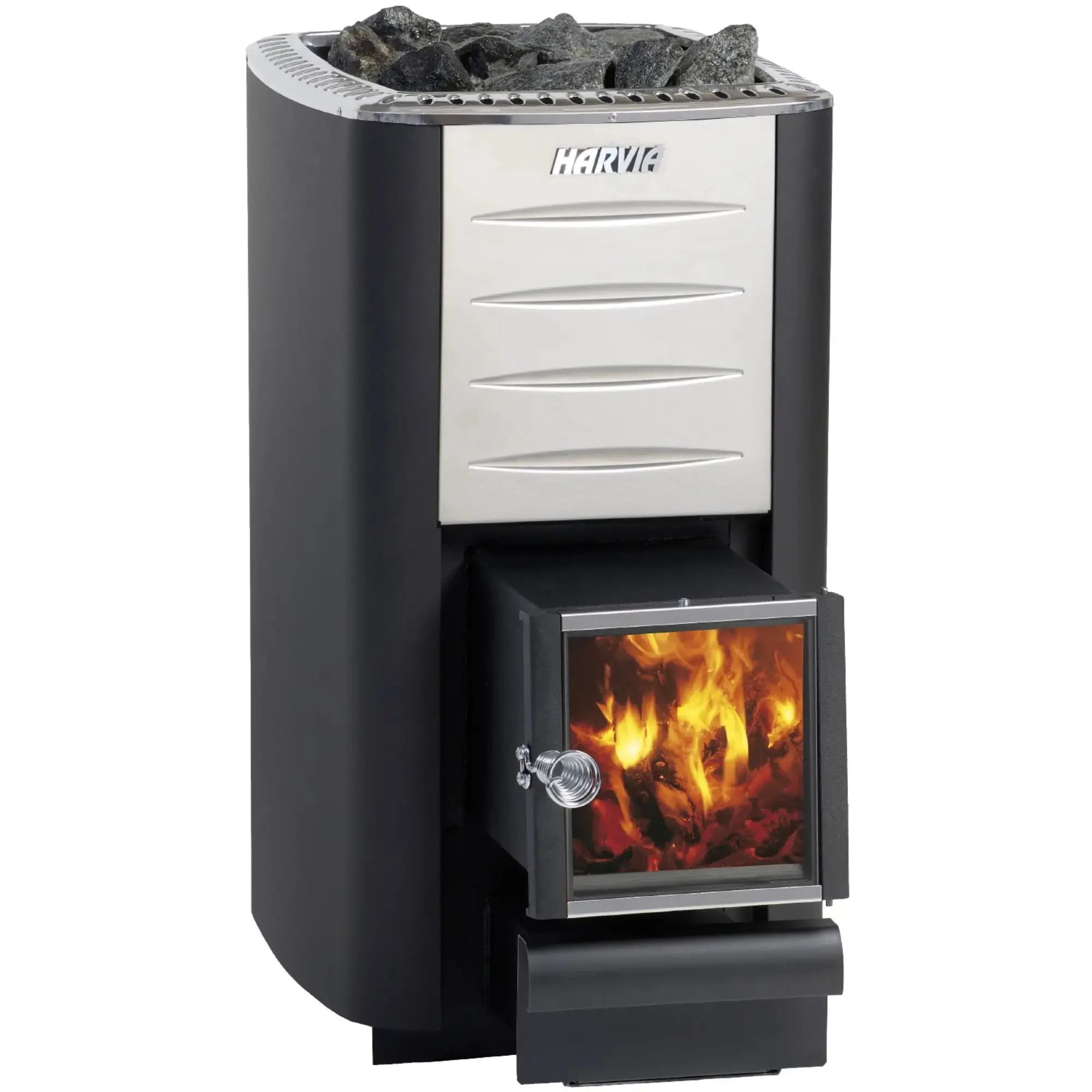
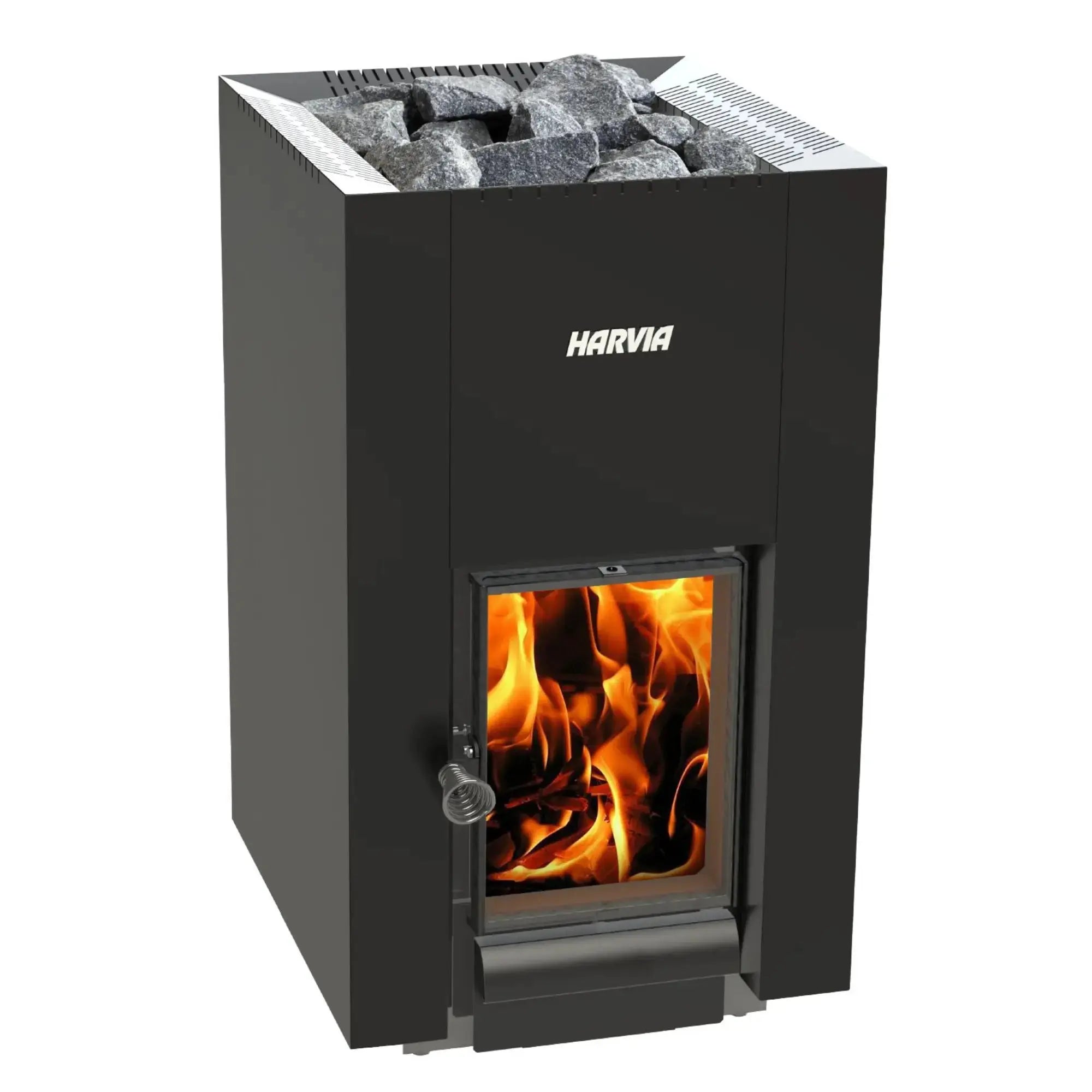
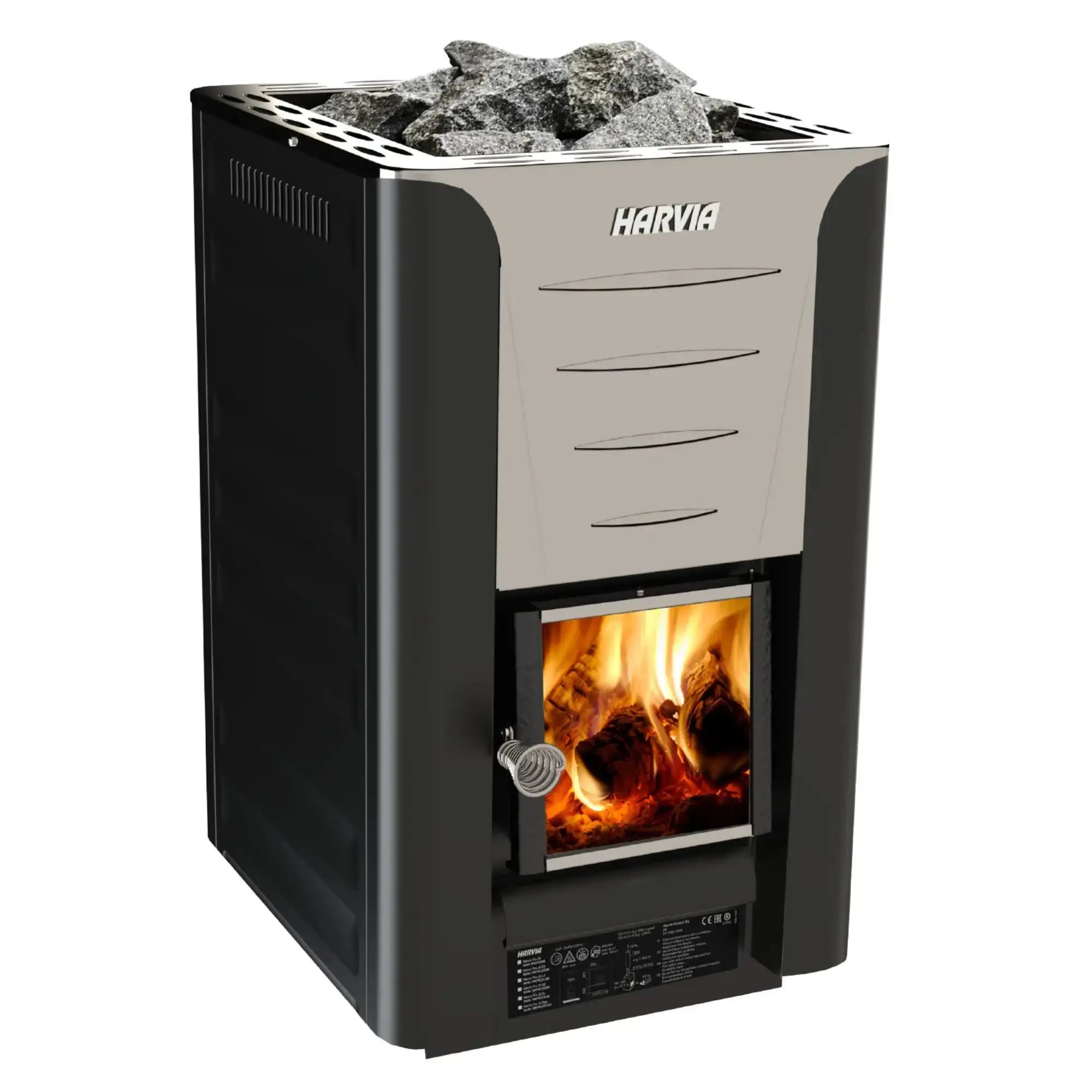
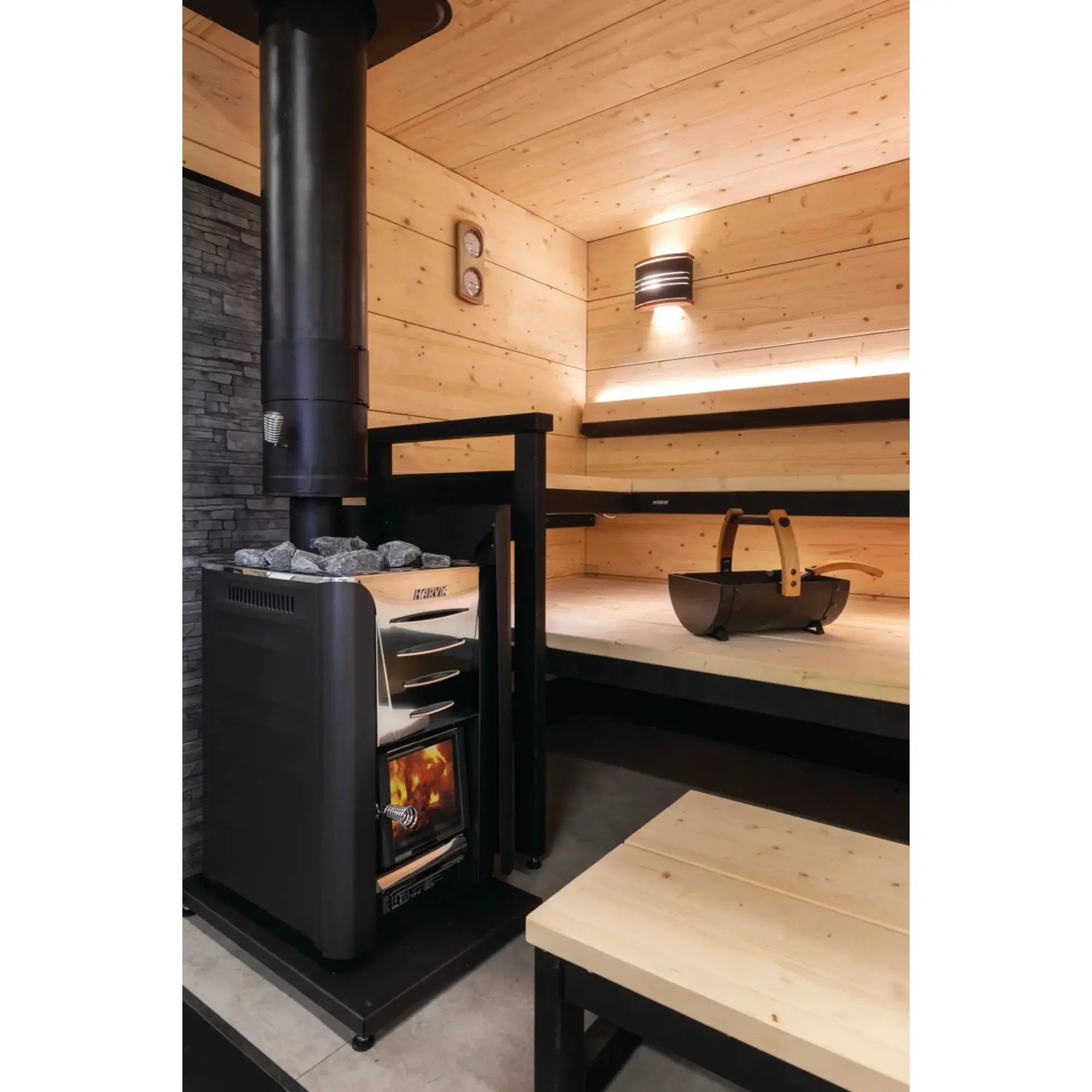
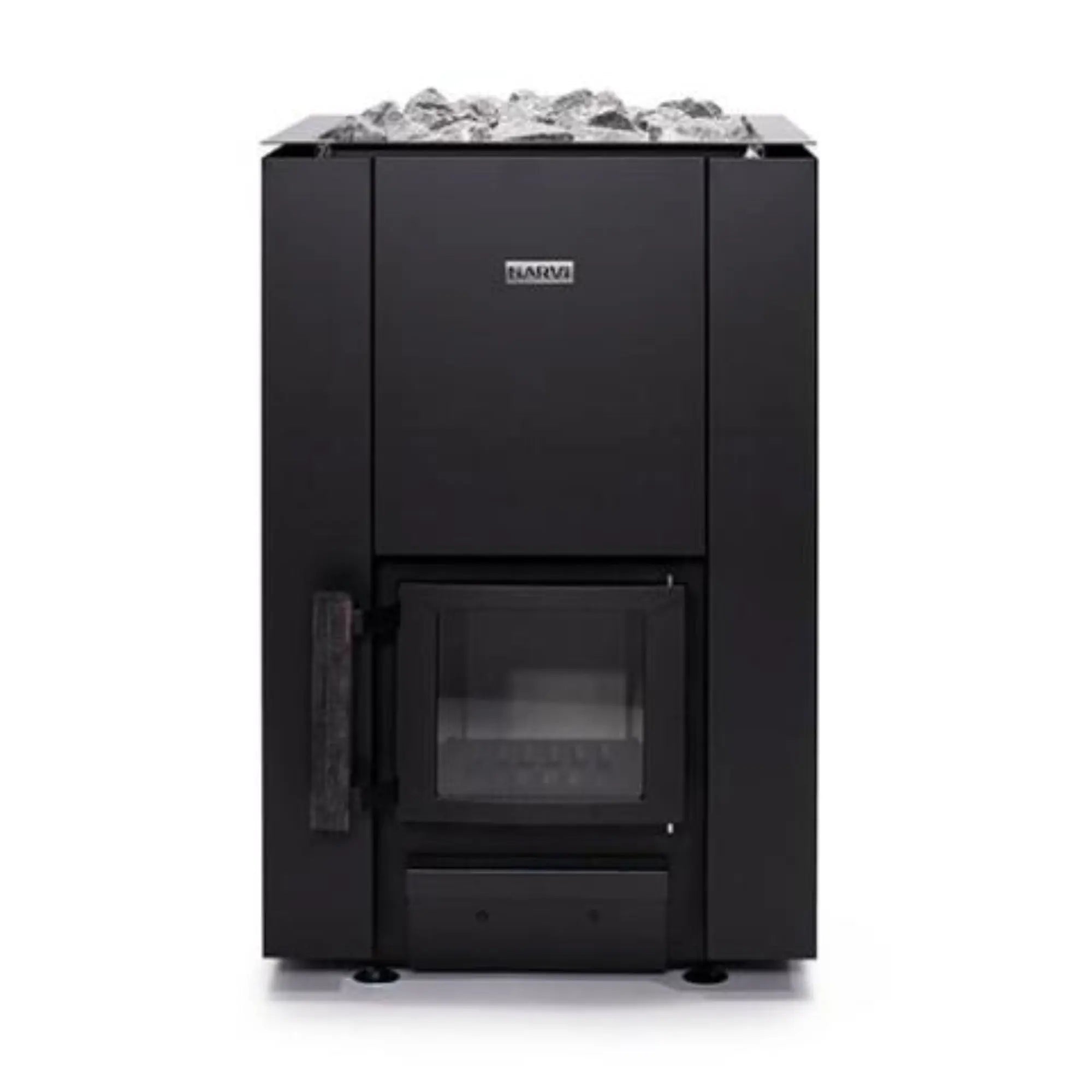
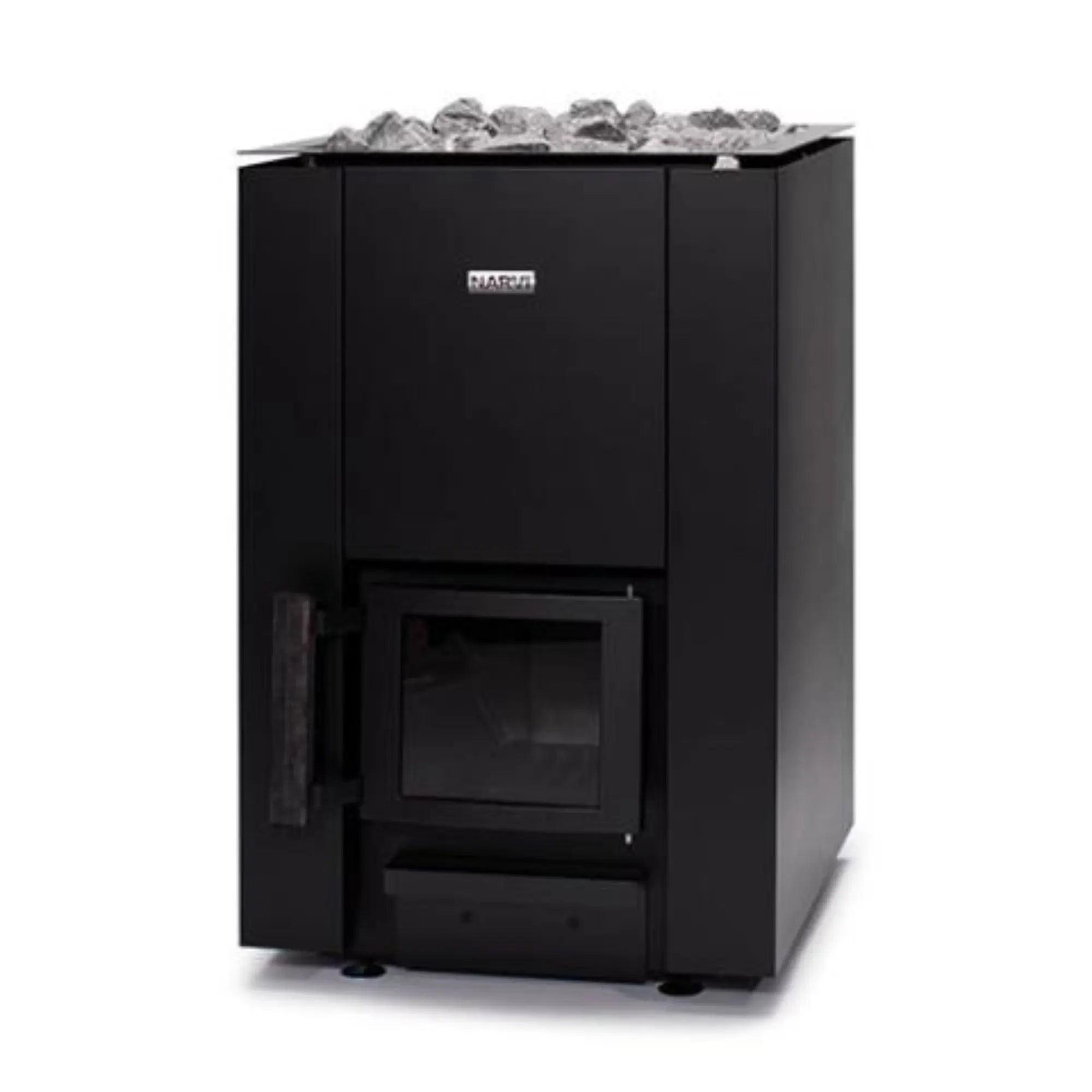
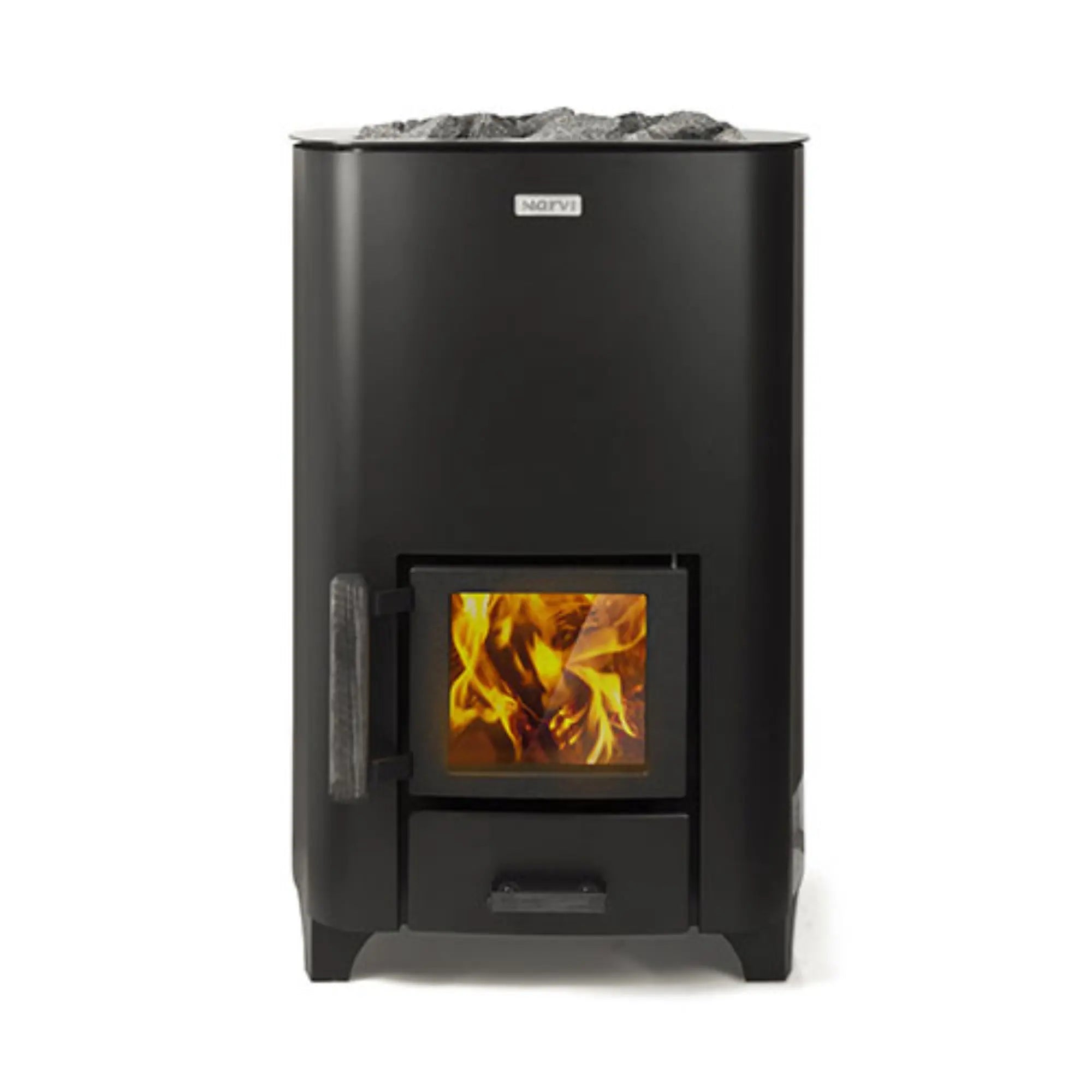
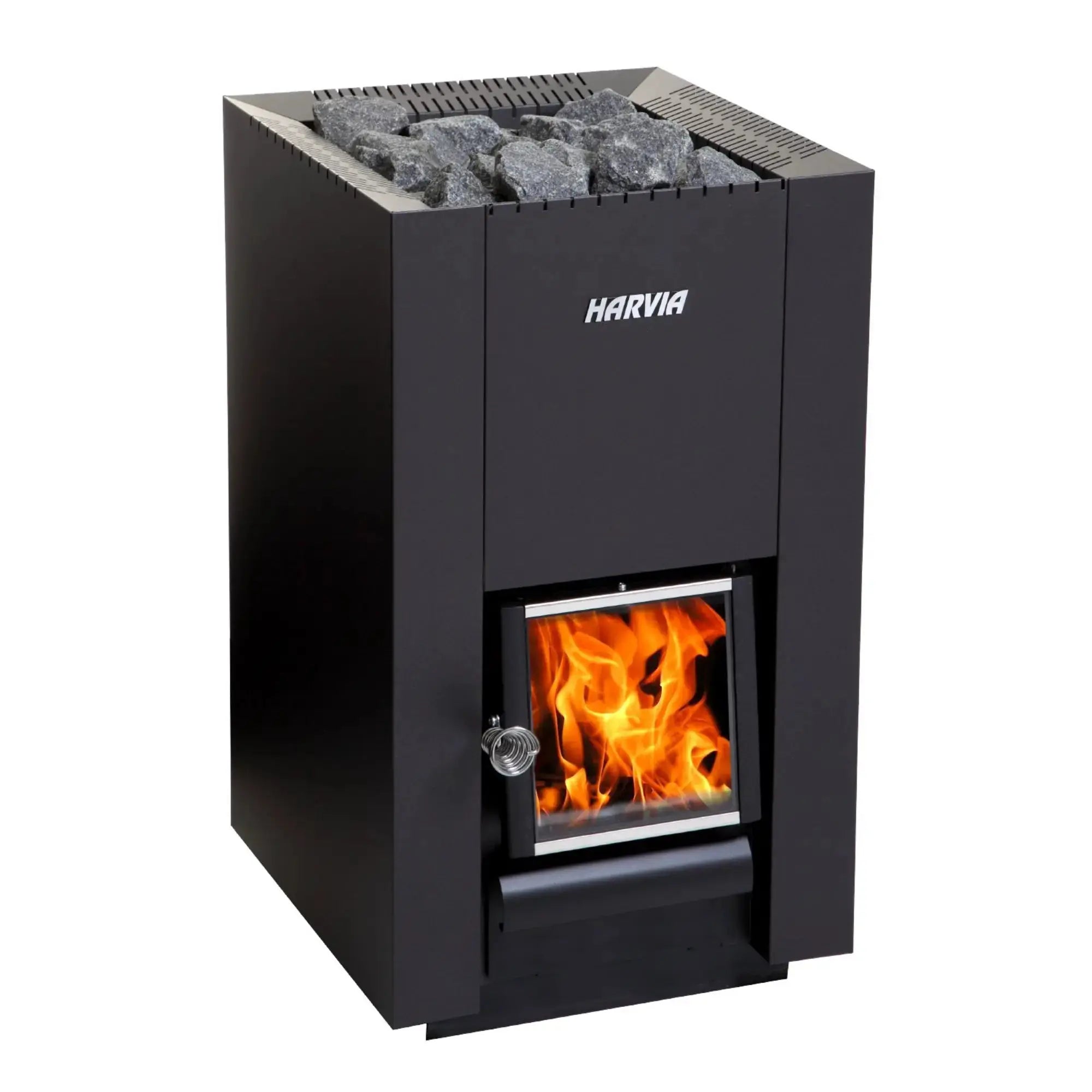
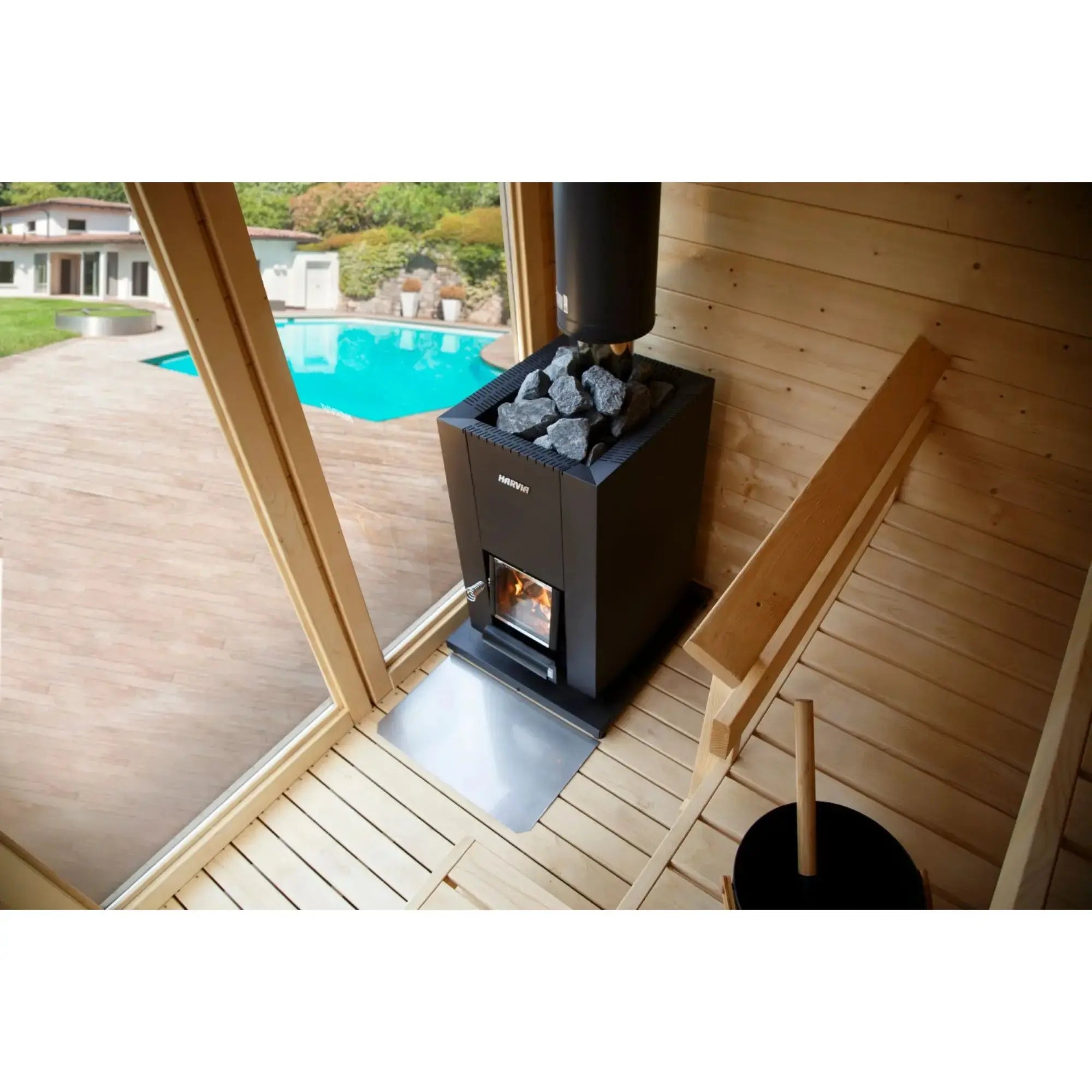
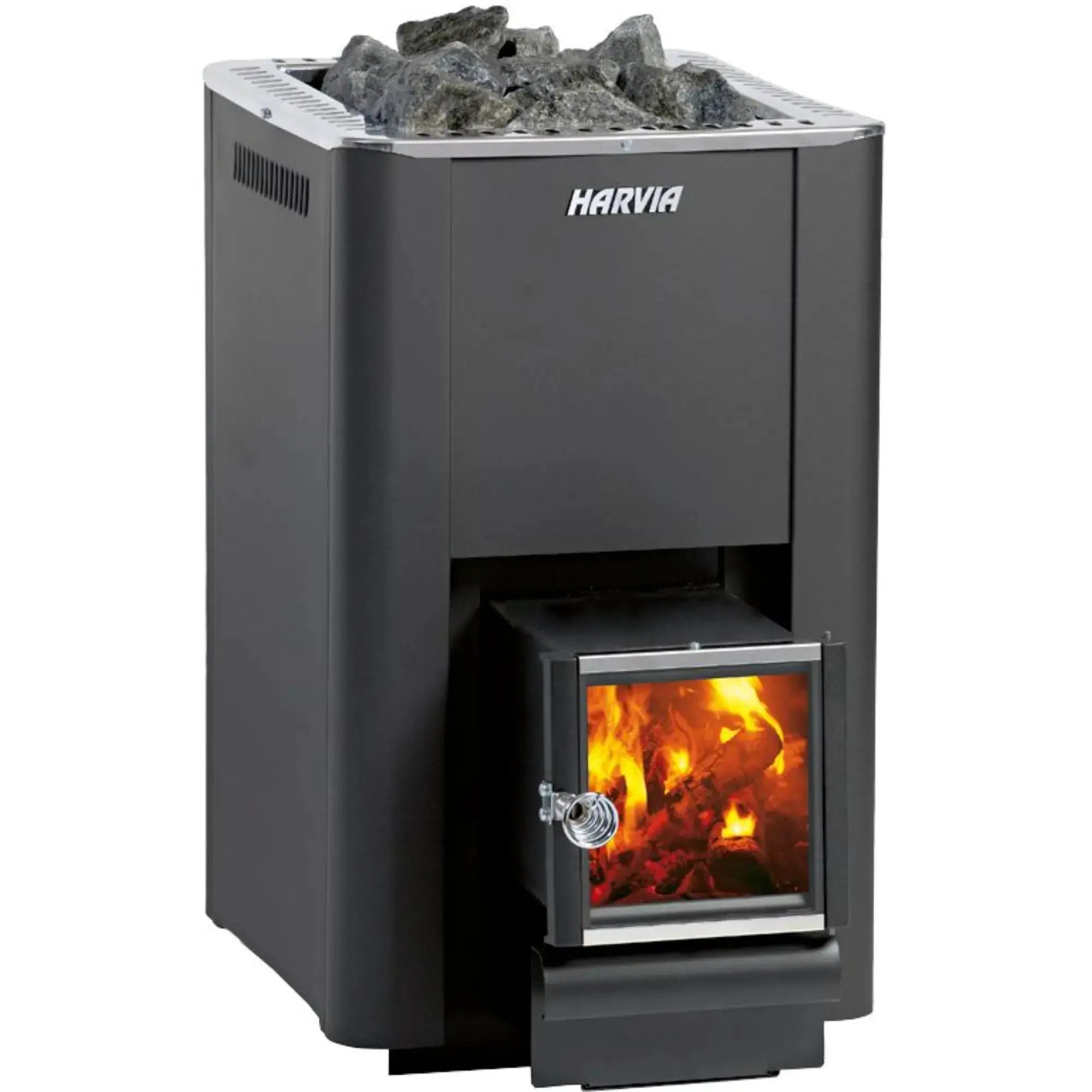
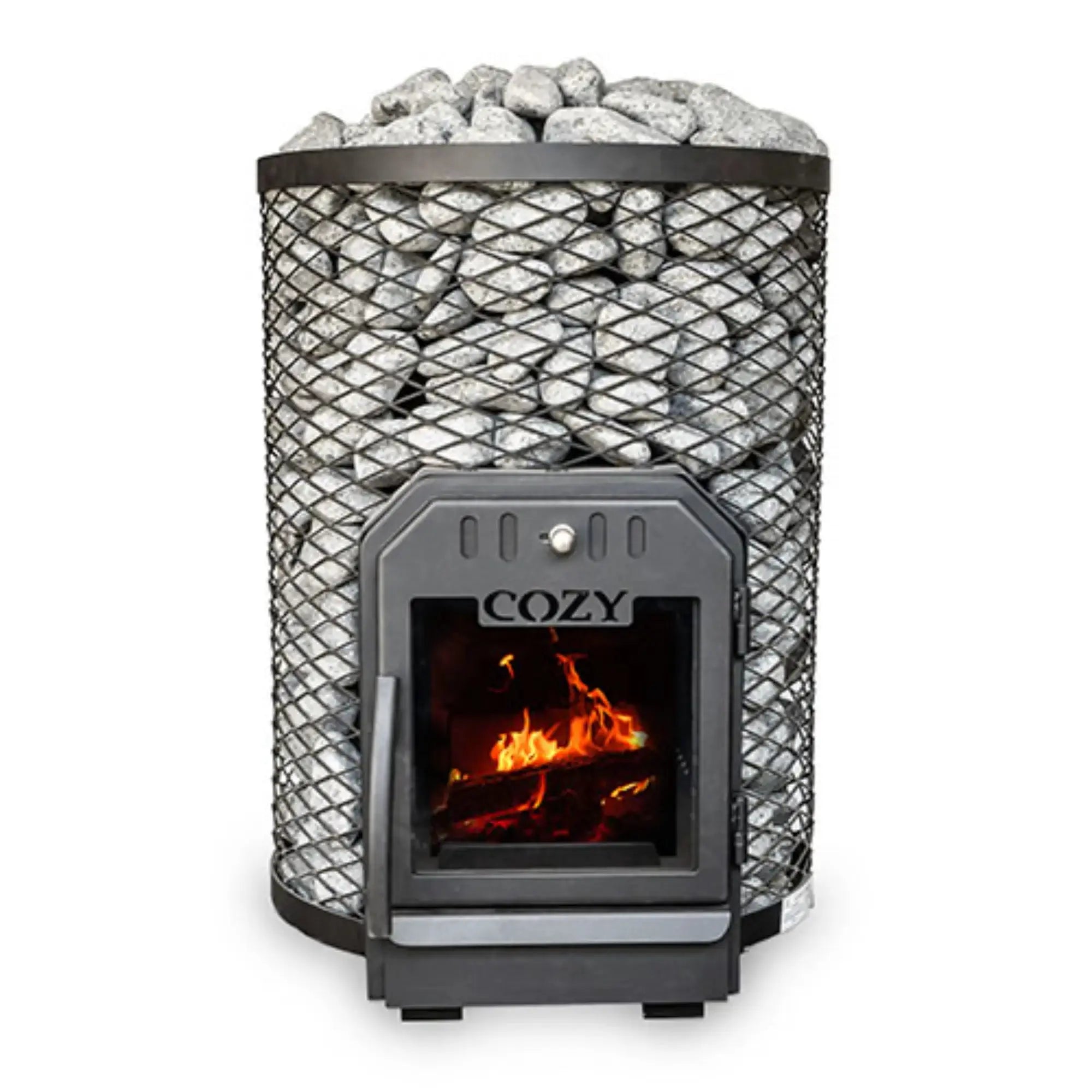
| All wood-burning stoves | None | Nothing. See our wood stove guide |
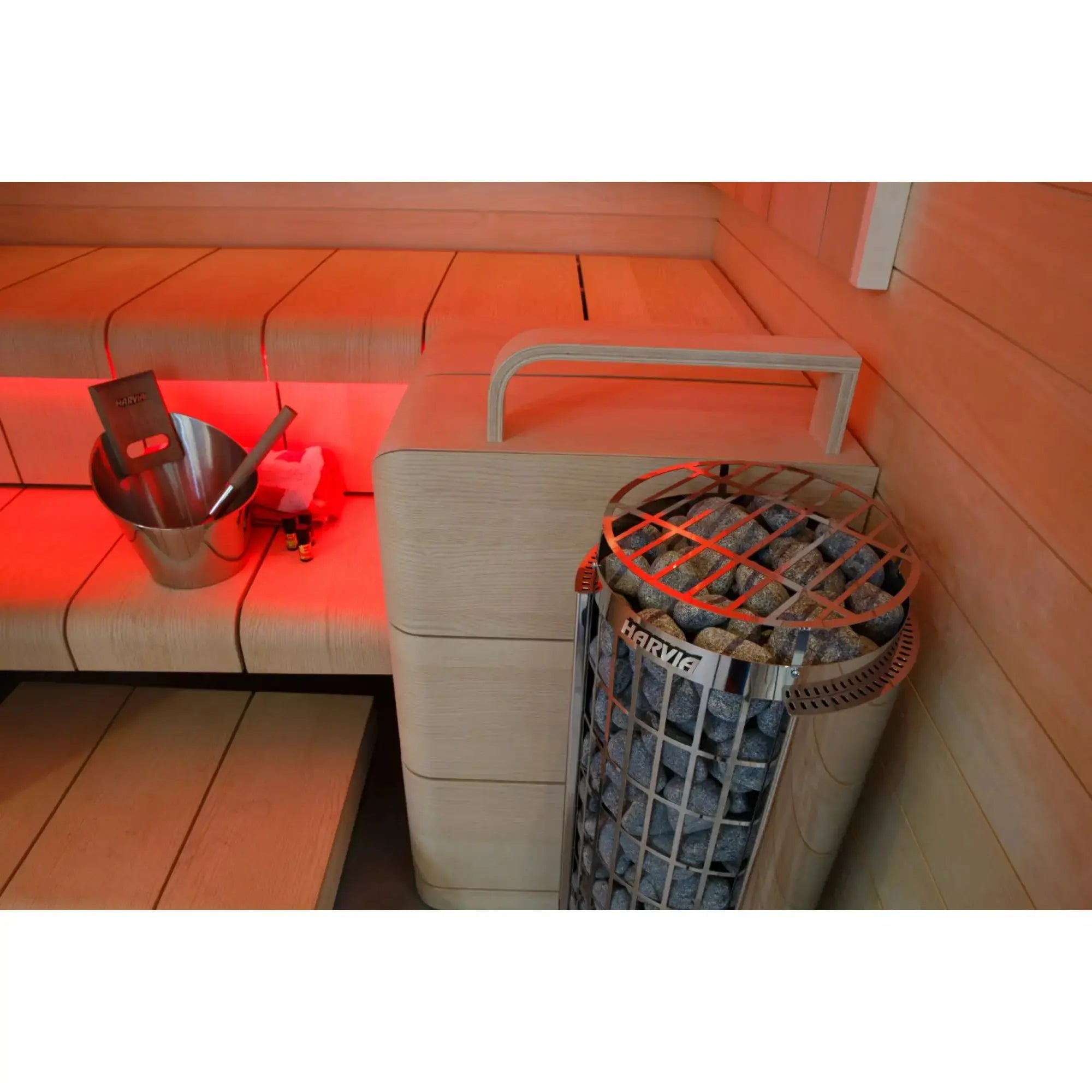
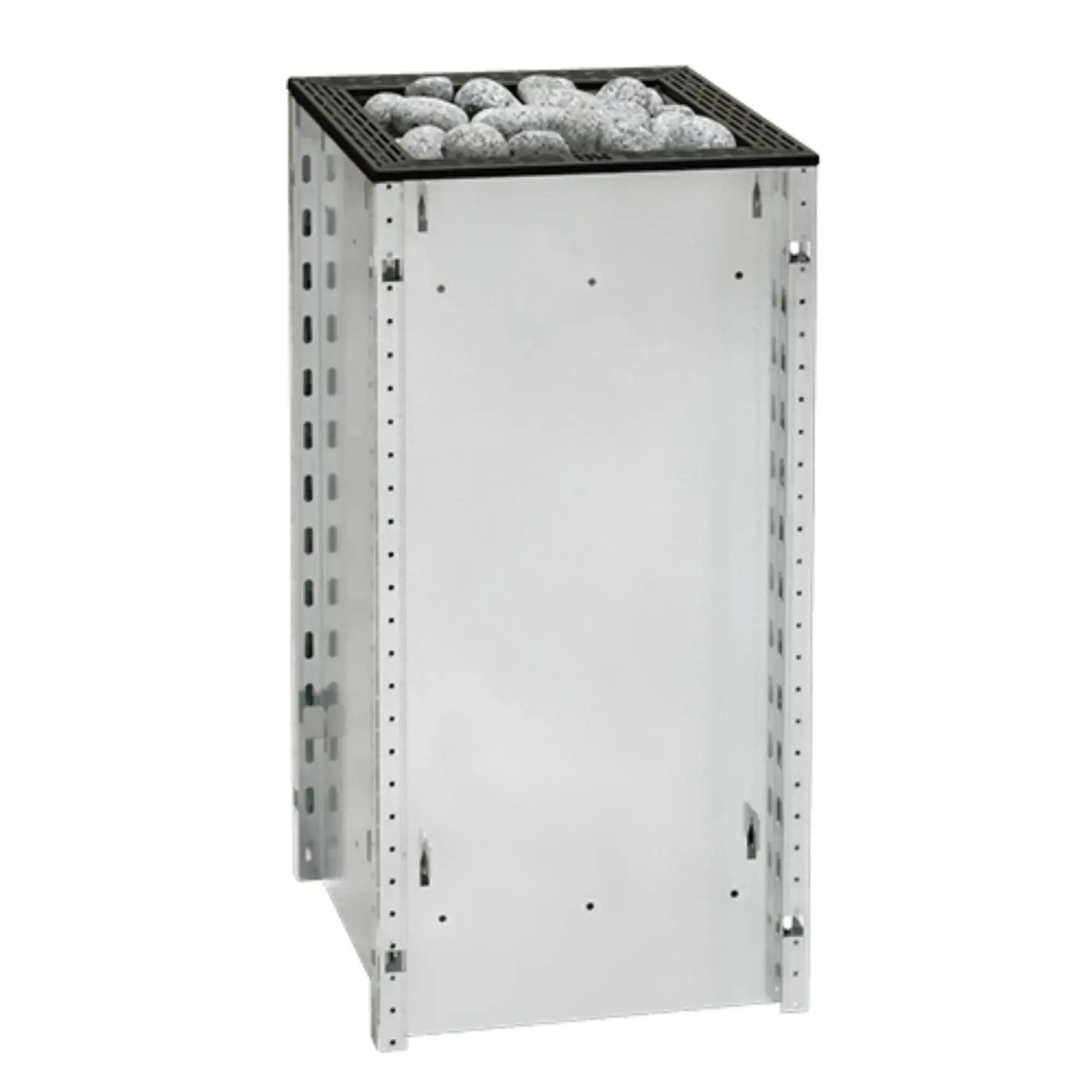
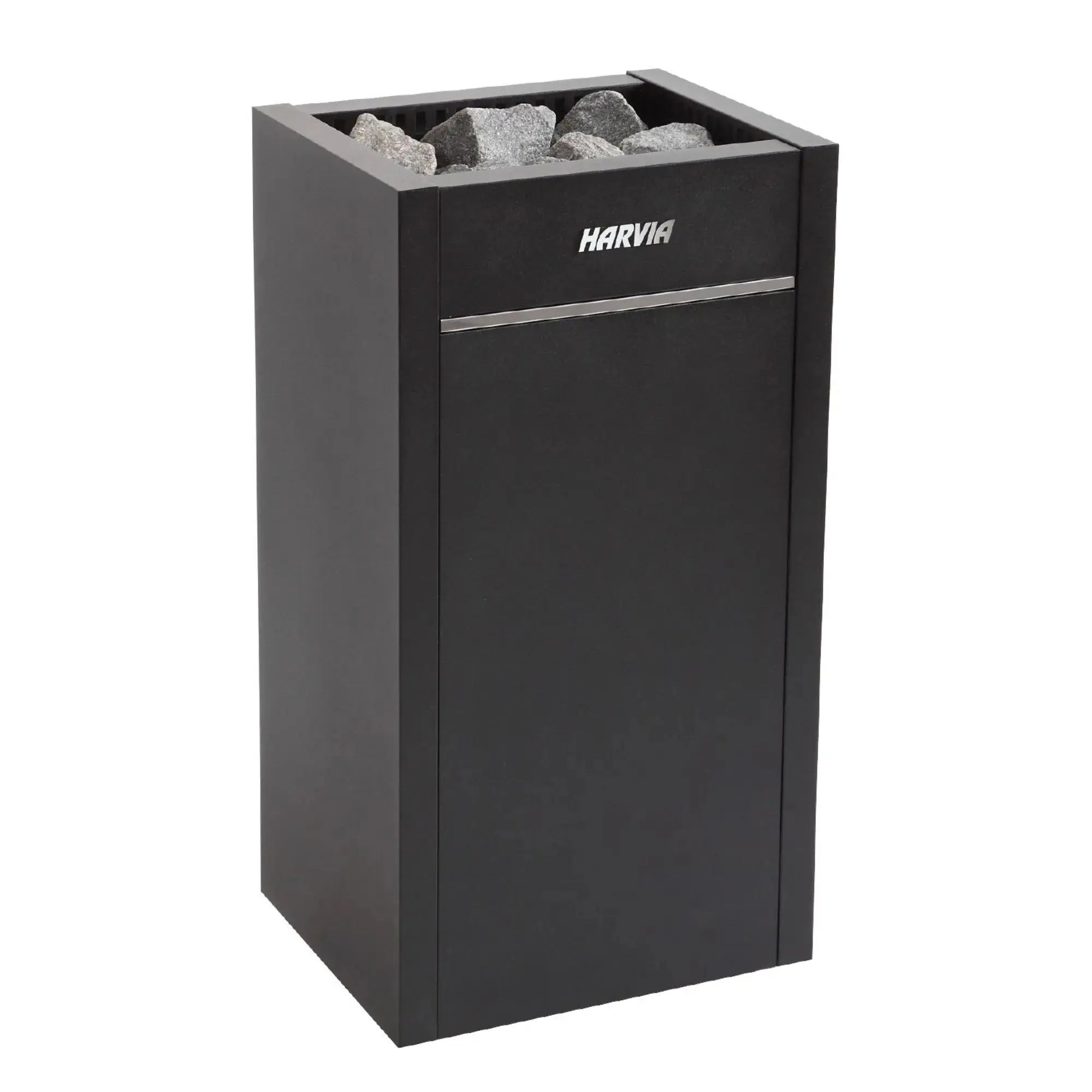
Read the specs, not the photo. Every heater page we publish says plainly whether a control is included. Most product photos show the heater with a panel beside it whether or not one is in the box.

Wi-Fi capable, 15 ft sensor cable included, and the control every KIP W heater takes.
Part 2: the contactor or power box nobody budgets for
A control doesn't just set a temperature. It switches the current feeding the elements, and every panel has a limit on the load its contactors can handle.
The HUUM UKU handles 11 kW on its own. Above that it needs the HUUM UKU Extension Box at $773, which covers the HIVE 12, 15 and 18. Harvia works the same way. The Harvia LTY45 Power Extension at $600 raises switchable load to 38 kW, and it's listed as required alongside the control on Virta Pro.
EOS is where this gets expensive. Every EOS electric takes three purchases: the heater, a control, and a power box between them. No other brand we carry needs one, and our EOS power boxes run $3,944.50 to $4,553.50, so the third part can cost as much as a mid-range heater. That's not a knock on EOS, it's just how EOS systems are built. It's also why you should price all three parts before you pick a brand.

Sits between an EOS control and the heater. Required, not optional, on every EOS electric build.

On a big heater the control isn't one purchase, it's two. Our guide to sauna heater installation covers the circuit that feeds it all.
Part 3: sensor placement, which decides how the room feels
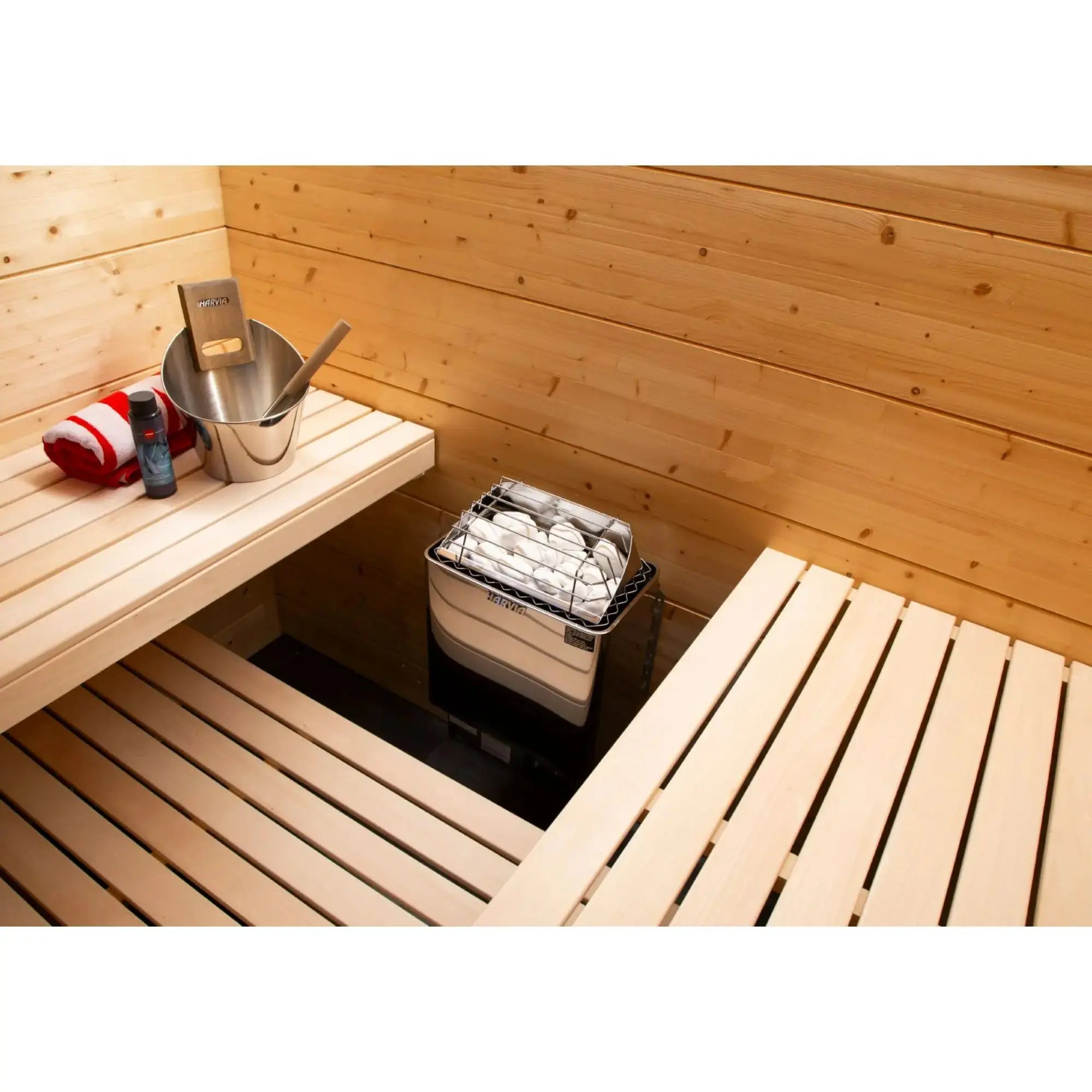
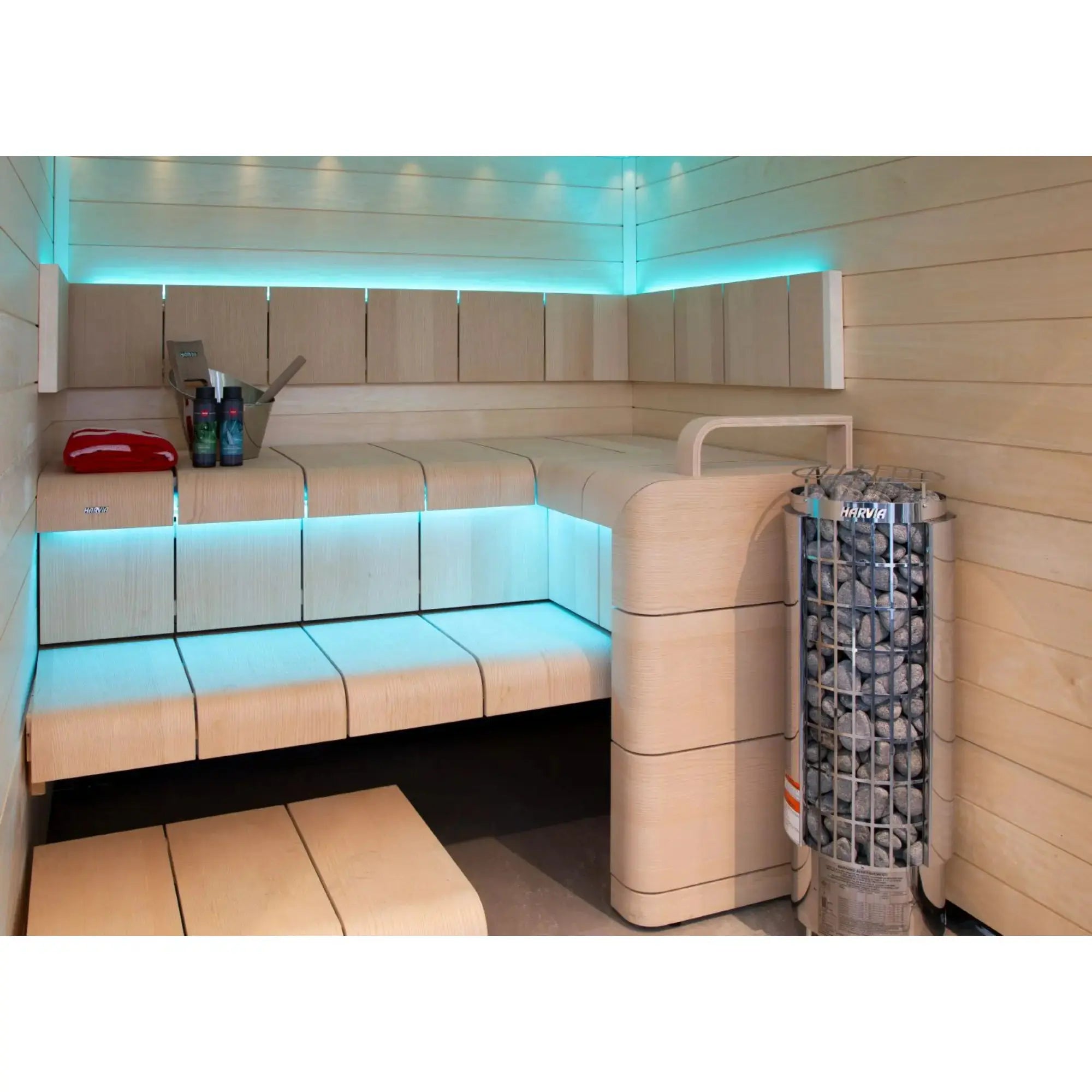
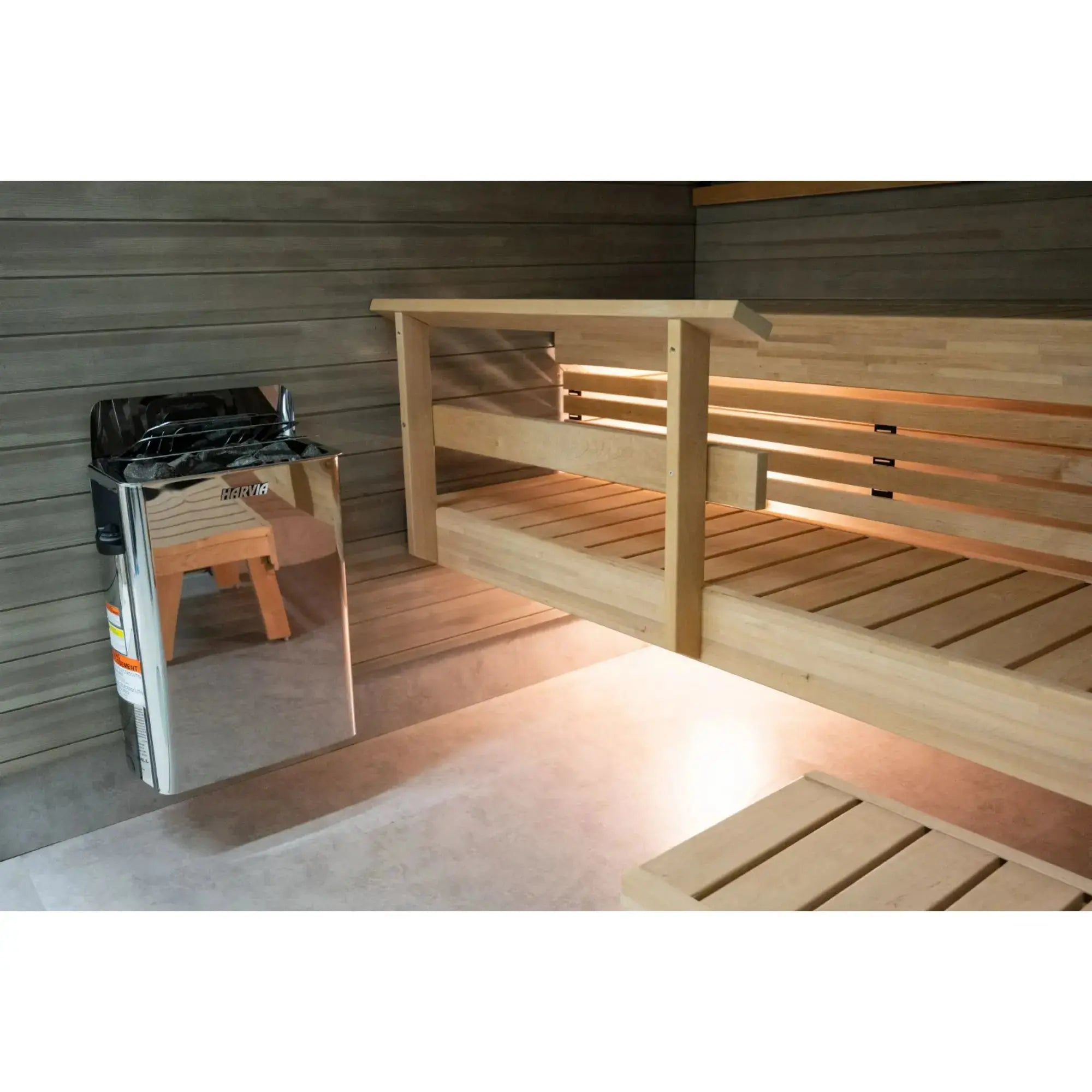
The sensor is a small box on the end of a cable. It mounts inside the hot room, on the wall above the heater, at the height your manual gives. Use the sensor that shipped with the control, because it's calibrated to it.
The common placement is about 18 inches above the heater and 18 inches to the side. Manufacturers land within a foot or two of that. HUUM publishes its own numbers on the UKU support pages: at least 20 inches from the outer edge of the heater, no more than 6 inches from the ceiling, 20 inches from corners and air openings. Follow your manual.

Put it too close to the stones and the sensor reads the hot air coming off the heater instead of the air at bench height. The control then cuts the heater while the benches are still cool, and turning the set point up only shortens the cycles. Put it too far away, or in dead air, and shut-off is delayed instead, so the room overshoots.
Sensor placement is a leading cause of the complaint we hear most, which is that the room won't get above 150. Check the sensor, the ventilation and the insulation before you blame the heater, then read what size sauna heater do I need.
Is Wi-Fi worth paying for?
App control gets sold hard, and it's worth the money in one situation: distance. If the sauna is far enough from the house that walking down to start it is a nuisance, Wi-Fi pays for itself. The same goes if you want the room hot the moment you arrive. Twenty feet from the kitchen door, the HUUM UKU Local does the same job for about $262 less, and it still offers delayed start up to 48 hours.

The practical limit is usually signal strength at the sauna, not the panel. These panels have no Ethernet port, so you can't hardwire around a weak connection. The fix is an access point near the sauna, planned before you cut the hole. Treat the app as a convenience, too. The panel on the wall still runs the room when the network isn't working.
Which sauna control panel fits your heater?
Harvia Xenio vs Fenix
Both are Wi-Fi capable. The difference is the heater family they pair with and the load they switch.
| Control | Max load | Pairs with | Price |
|---|---|---|---|
| Xenio CX30 | 11 kW | Cilindro electric, Club, Spirit, Virta | $973 |
| Xenio CX170 | Up to 15 kW, 10.5 kW on a single supply wire | KIP series | $1,035 |
| Xenio CX45 | 17 kW | Cilindro electric, Club, Spirit, Virta, Virta Pro | $1,292 |
| Fenix FX30 | 11 kW | Cilindro electric, Club, Spirit, Virta | $1,168 |
| Fenix FX45 | 17 kW | Virta Pro only | $1,551 |
The Xenio listings share one product photo. Go by the model number and kW, never by the image. The full Harvia heater range shows which control each family takes.
HUUM UKU Wi-Fi vs UKU Local
Same control, same 11 kW rating, same install. Wi-Fi adds the app, eight languages, unlimited users and a notification when the room hits temperature. Local has no app, but it does have 48 hour delayed start and a settable range of 122 to 230 F. Either runs any heater in the HUUM range.

Runs any HUUM electric to 11 kW, or 18 kW with the Extension Box.

Identical hardware, with 48 hour delayed start instead of the app.
Both ship with the same cables: a 16.4 ft 14 AWG temperature sensor cable, a 9.84 ft panel cable and a 16.4 ft door sensor cable. Measure those runs before the walls close.
Where does the sauna control panel go?
Outside the hot room, on the wall beside the sauna door.
HUUM's own UKU documentation isn't fully consistent on whether the panel can be mounted inside the room, and a Harvia power unit always sits outside it. Before you cut a hole anywhere but that outside wall, check the placement with us or with the manual for your exact model.
What should you budget for sauna controls?
Budget about $970 to $1,600 for a mainstream Wi-Fi sauna control panel, plus $600 to $773 for an extension unit on a large heater. A Saunum build is fixed at $1,295 for the required AirIQ Wi-Fi. An EOS build is the most expensive: $878.50 to $1,467 for the control, plus $3,944.50 to $4,553.50 for the power box.
Budget for it alongside the heater rather than after it. It's not an accessory, it's the on switch. Still choosing? The sauna heater buying guide ties the whole build together, our sauna rocks guide covers the other thing that ships separately, or browse all sauna controls.
Frequently asked questions
Can I add Wi-Fi control to my existing sauna?
Usually yes, if your heater is an external-control model. You swap the panel for a Wi-Fi capable one in the same family, so a HUUM moves from UKU Local to UKU Wi-Fi. You can't add Wi-Fi to a heater with built-in controls, such as the Harvia Vega Compact or The Wall SW60, because there's no wiring path for it.
Are sauna control panels compatible with all electric heaters?
No, and this is where people waste money. Controls are matched to a heater family: the Xenio CX170 is the KIP control, the UKU runs HUUM heaters, and the Saunum AirIQ runs Saunum and nothing else does. Check the pairing on the heater's spec sheet first.
What is the difference between a sauna control unit and a contactor?
The control unit does the thinking. It reads the sensor, holds the set point, runs timers and talks to the app. The contactor does the switching, and it's a heavy duty switch that makes and breaks current to the elements. Small heaters have contactors inside the control, and large ones need an external unit such as the UKU Extension Box or the Harvia LTY45.
Where should the temperature sensor be placed?
Inside the hot room, on the wall above the heater, at the offset your manual gives. About 18 inches above and 18 inches to the side is the common placement, and HUUM specifies at least 20 inches from the heater's outer edge and within 6 inches of the ceiling. Always use the supplied sensor.
Why does the temperature on the panel differ from my sauna thermometer?
Because they measure different air. The sensor sits high near the heater, and your wall thermometer sits at head height on a bench wall. A few degrees apart is normal. A gap of 10 to 15 degrees or more means one is badly placed, in a draft from a vent, or too near the stones.
Do I need an electrician to install a sauna control panel?
Yes. Electric heaters and their controls are hardwired to a dedicated circuit, and none plug into a normal outlet. A licensed electrician sizes the circuit from the nameplate and manual under the current NFPA 70 National Electrical Code and local amendments. The low voltage sensor and panel cables are the easy part, but the supply side is not a DIY job.
Not sure which sauna control panel your heater takes?
Send us the heater model and kW. We'll name the control, say whether you need an extension box, and tell you where the sensor goes.
Shop sauna controls →We stock controls for every electric heater brand we carry, so we have no reason to sell you the wrong one.