Sauna Heater Installation: What It Costs and What Your Electrician Needs
Every electric sauna heater is hardwired to its own dedicated 240V circuit. Nothing plugs into a normal outlet. Published rated draws run from about 18.8 A at 4.5 kW to 37.5 A at 9 kW. Your licensed electrician sizes the breaker and conductors from the nameplate and installation manual under the current NEC.
Here is what the headline never says: the heater is never the expensive part. A 6 kW heater is about $1,000. The circuit can be $500 or $6,000, and the difference has nothing to do with which heater you picked.
This is budgeting and planning information, not installation instruction. We publish manufacturers' rated amps and other people's published prices. Sizing is your electrician's call from the nameplate and manual under NFPA 70, the National Electrical Code, and your local code and AHJ decide what is acceptable.

In this article
What does the electrical actually cost?
Most sauna articles dodge this with "costs vary". Electric Avenue PNW, a Portland electrical contractor, publishes a 2026 sauna wiring guide. These are their figures.
| Scenario | Published 2026 Portland price |
|---|---|
| Indoor sauna, panel within 30 ft | $500 to $900 |
| Indoor sauna, difficult wire fishing | $800 to $1,500 |
| Outdoor sauna, trenched run | $1,500 to $2,500 and up |
| Sauna circuit plus a 200 A panel upgrade | $4,000 to $8,500 and up |
| The panel upgrade portion alone | adds $2,500 to $4,000 |
Those are one contractor's published Portland rates. Labor, permit fees and soil move them in your market, so treat them as a shape. Yard distance is what drives the outdoor number, because every extra foot of trench is billable.
Now look at rows three and four. Same sauna, same heater, same trench, and the bill roughly triples because the service could not carry another 25 A to 37.5 A appliance. A full panel turns a $700 job into a $6,000 one.
So have your electrician run a load calculation before you choose a heater. Free breaker slots are not spare capacity. That calculation, and the breaker and conductor sizing that follows it, is the licensed electrician's job under the current NEC, with local code and your AHJ having the final word.

What amperage does each heater size draw?
These are manufacturers' published rated amps at 240V single phase. They are not breaker sizes and not wire sizes.
| Output | Published rated amps | Models we carry |
|---|---|---|
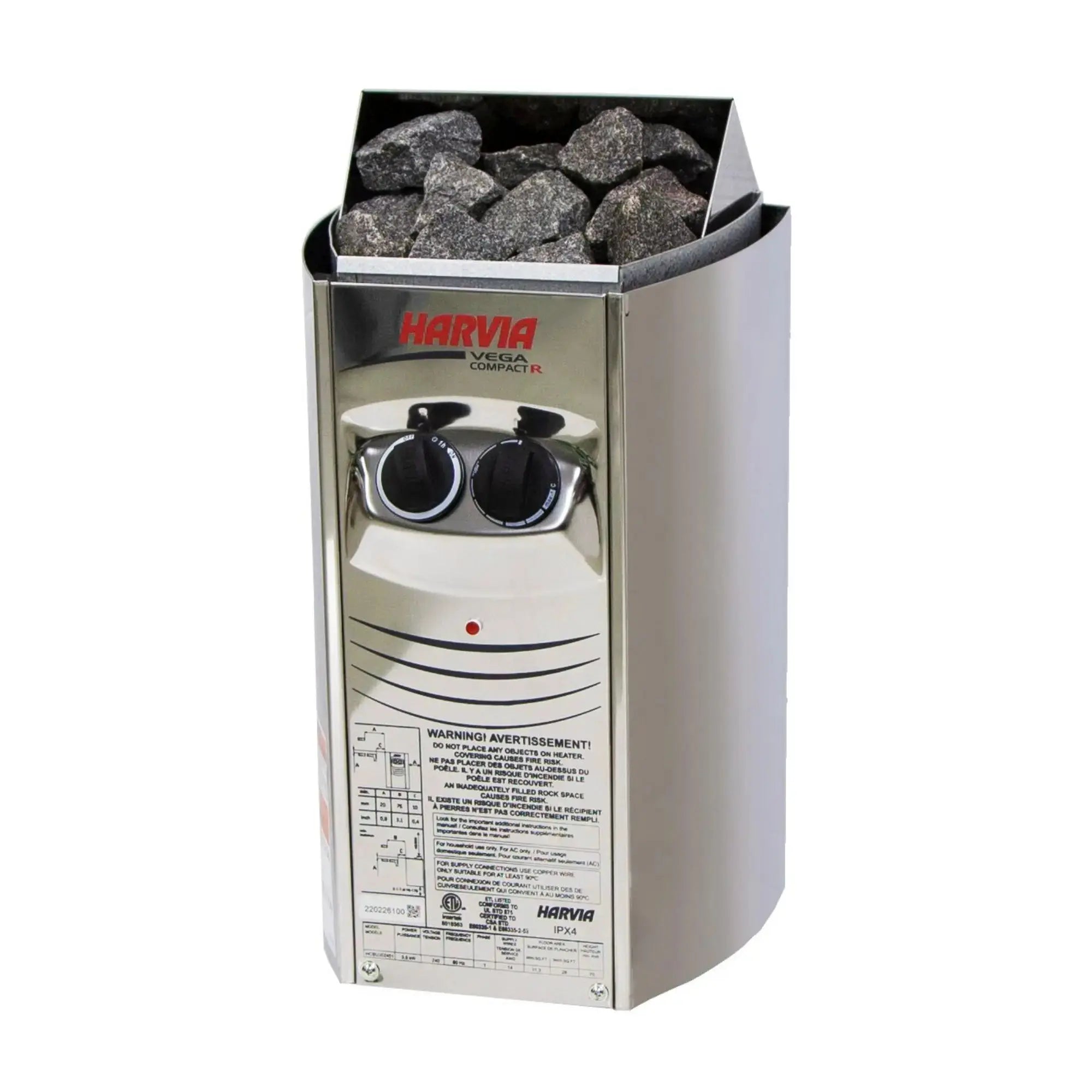
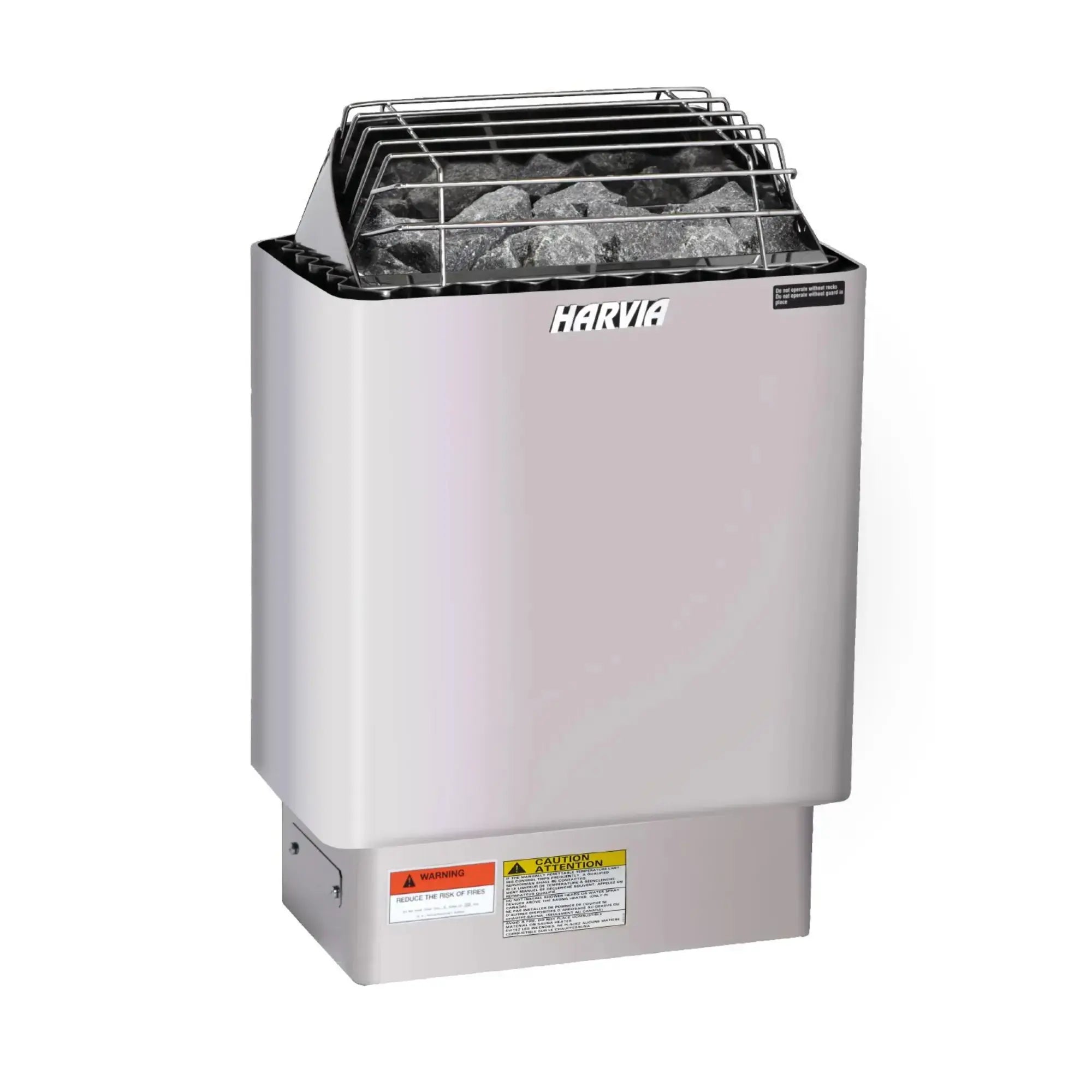
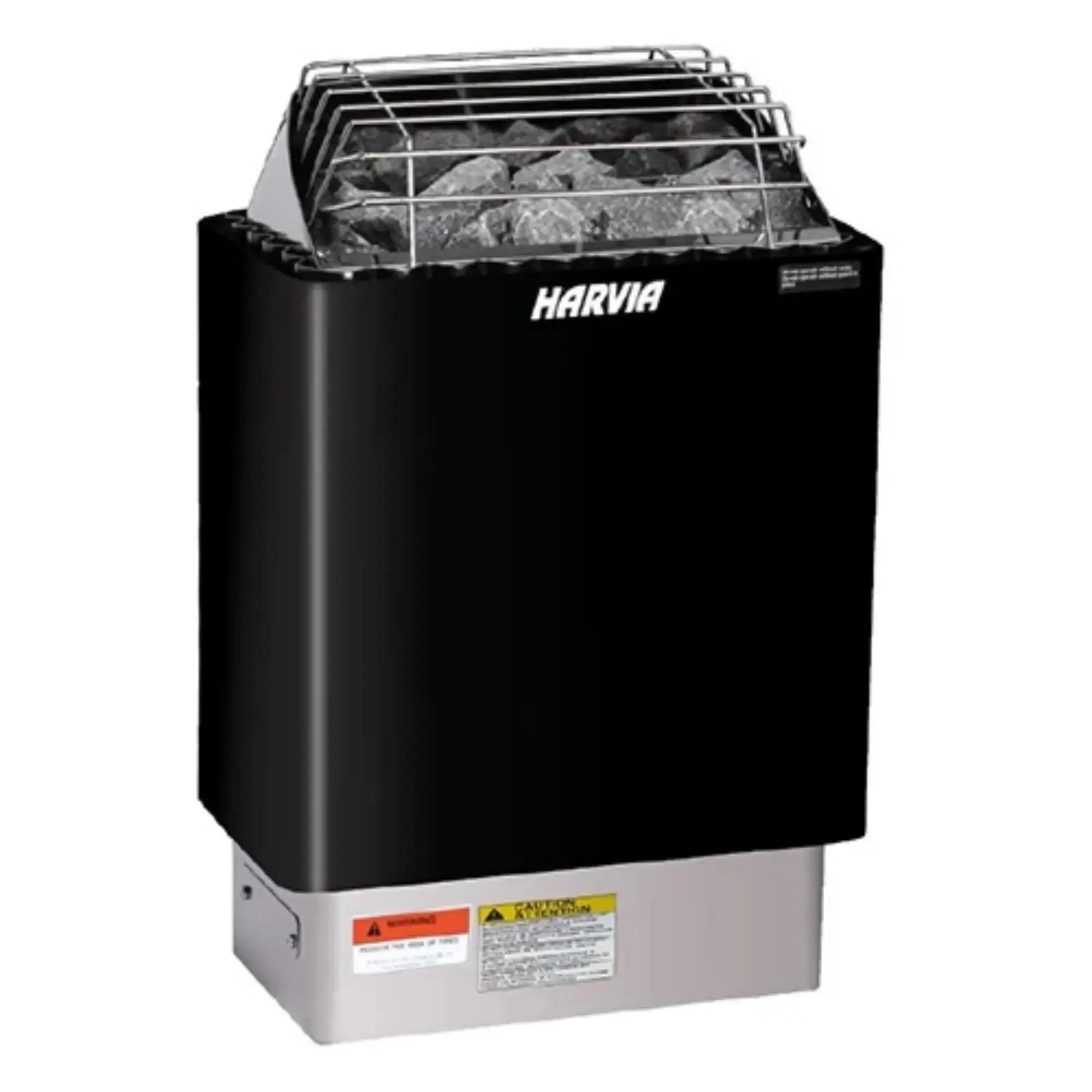
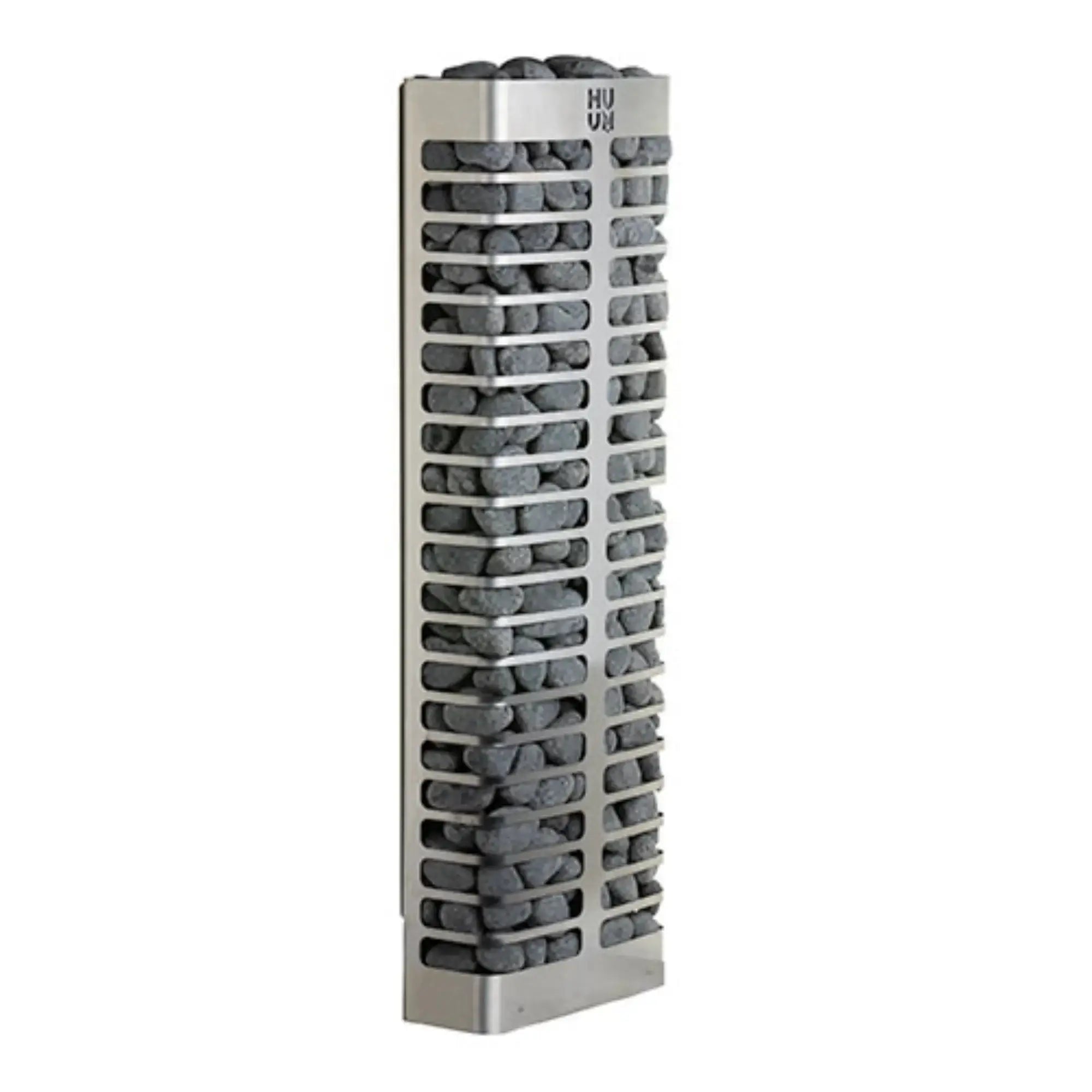
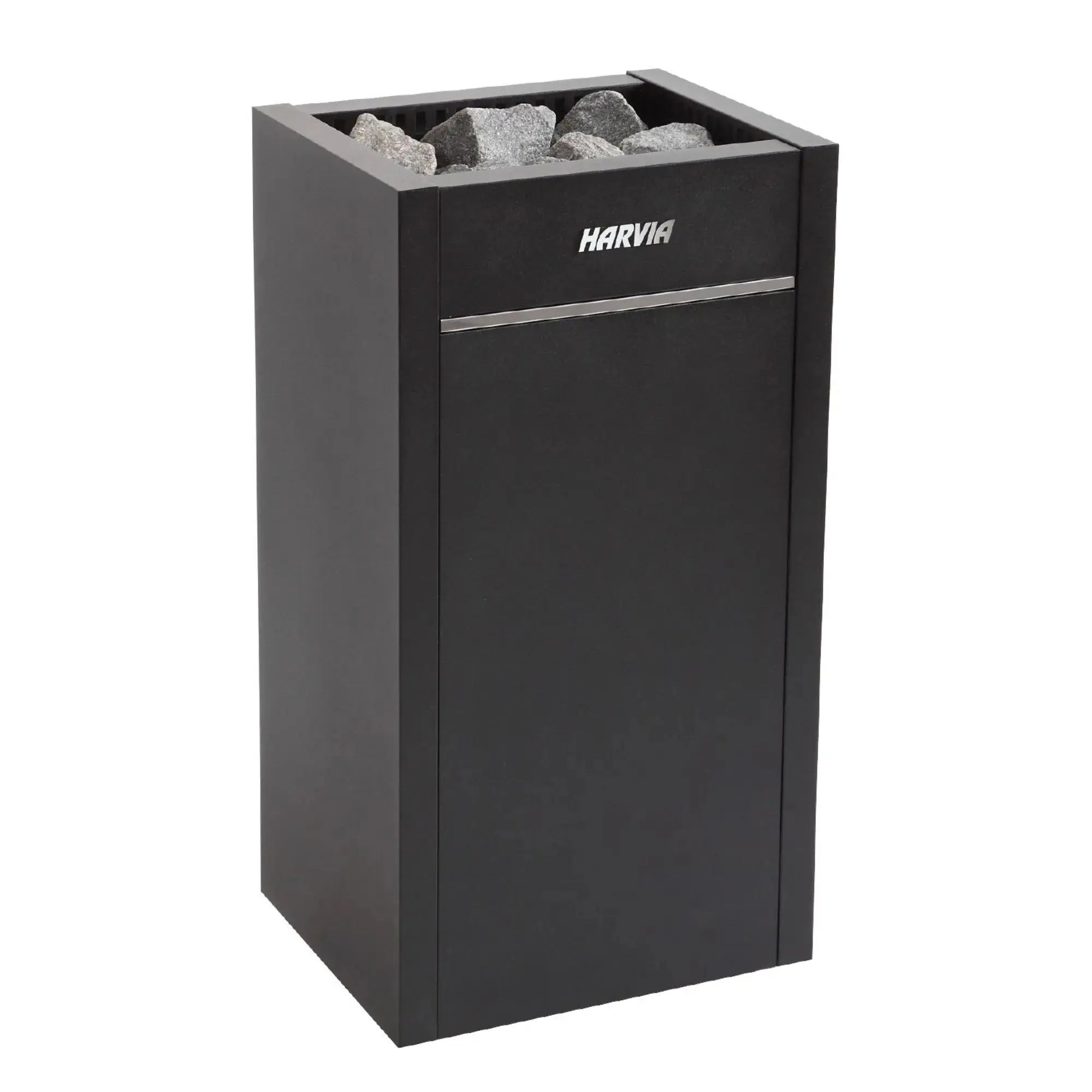
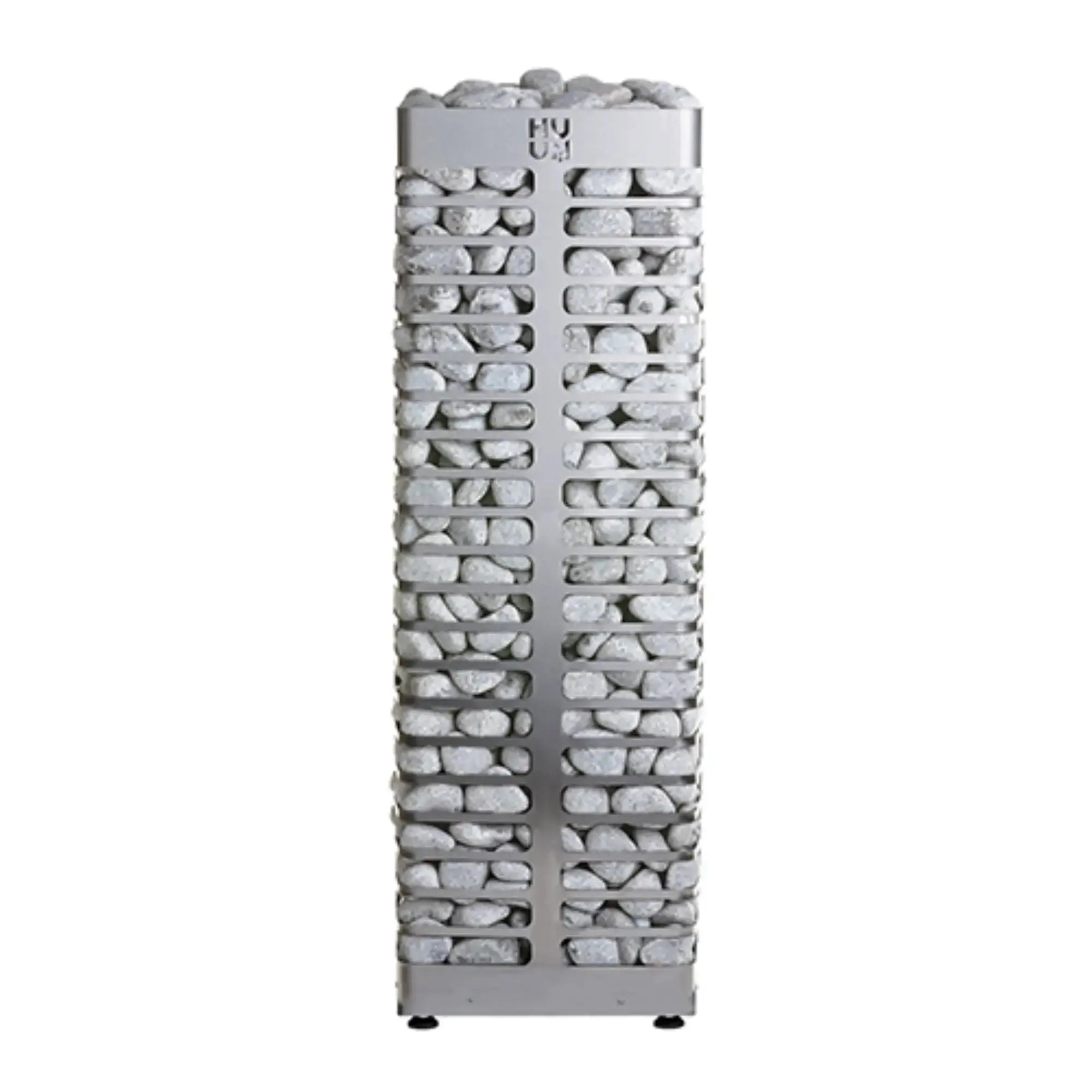
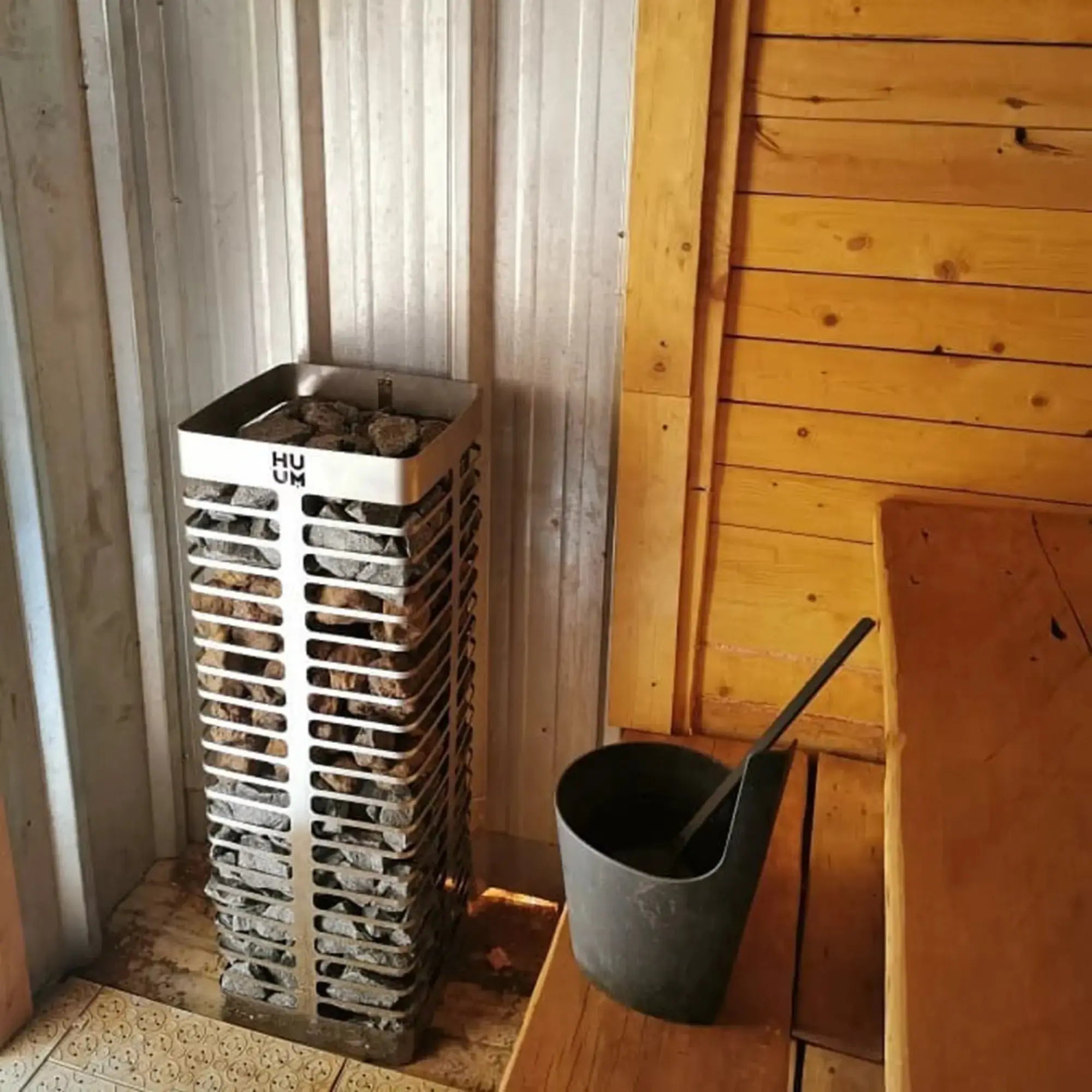
| 4.5 kW | 18.8 A | Harvia KIP45W, HUUM DROP 4 |
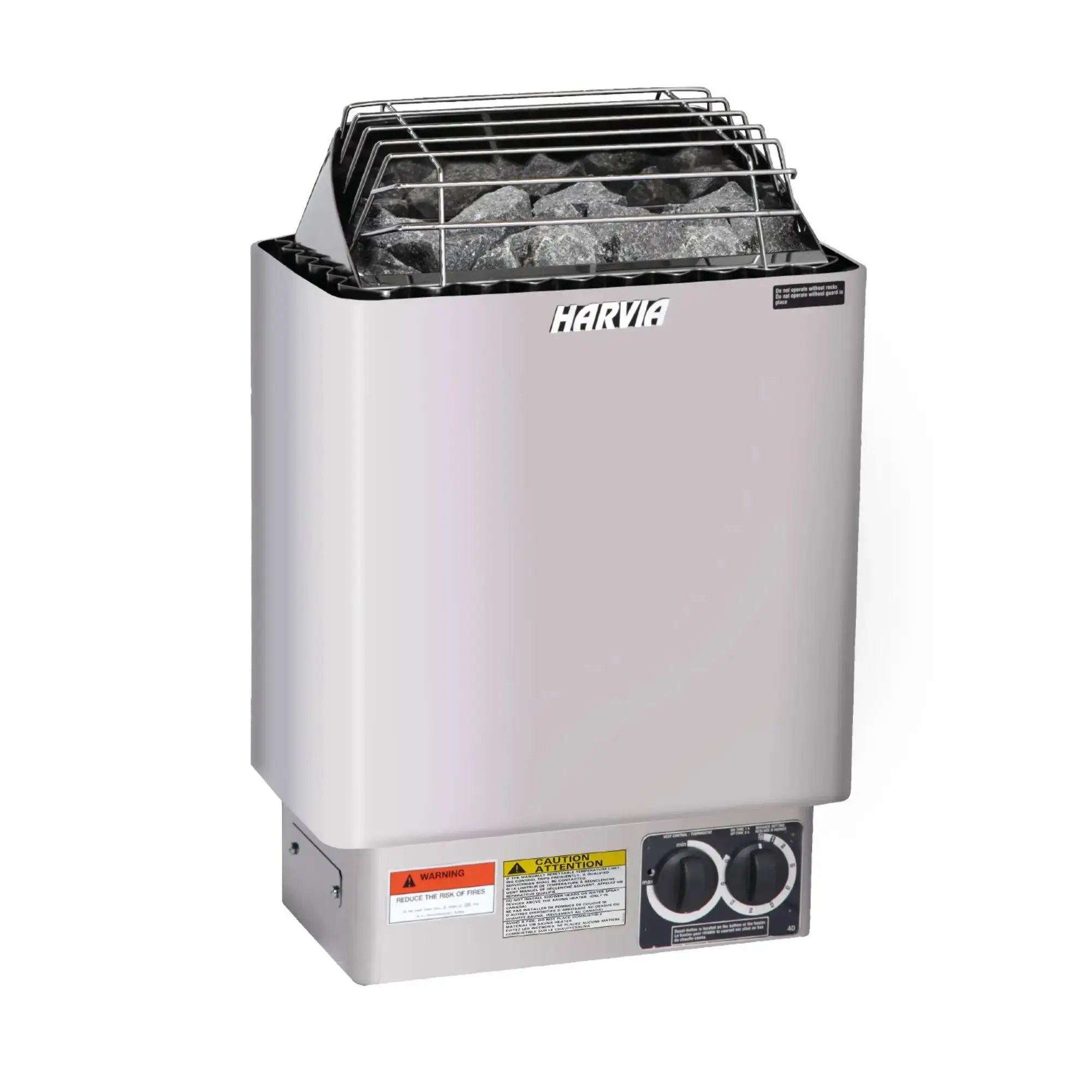
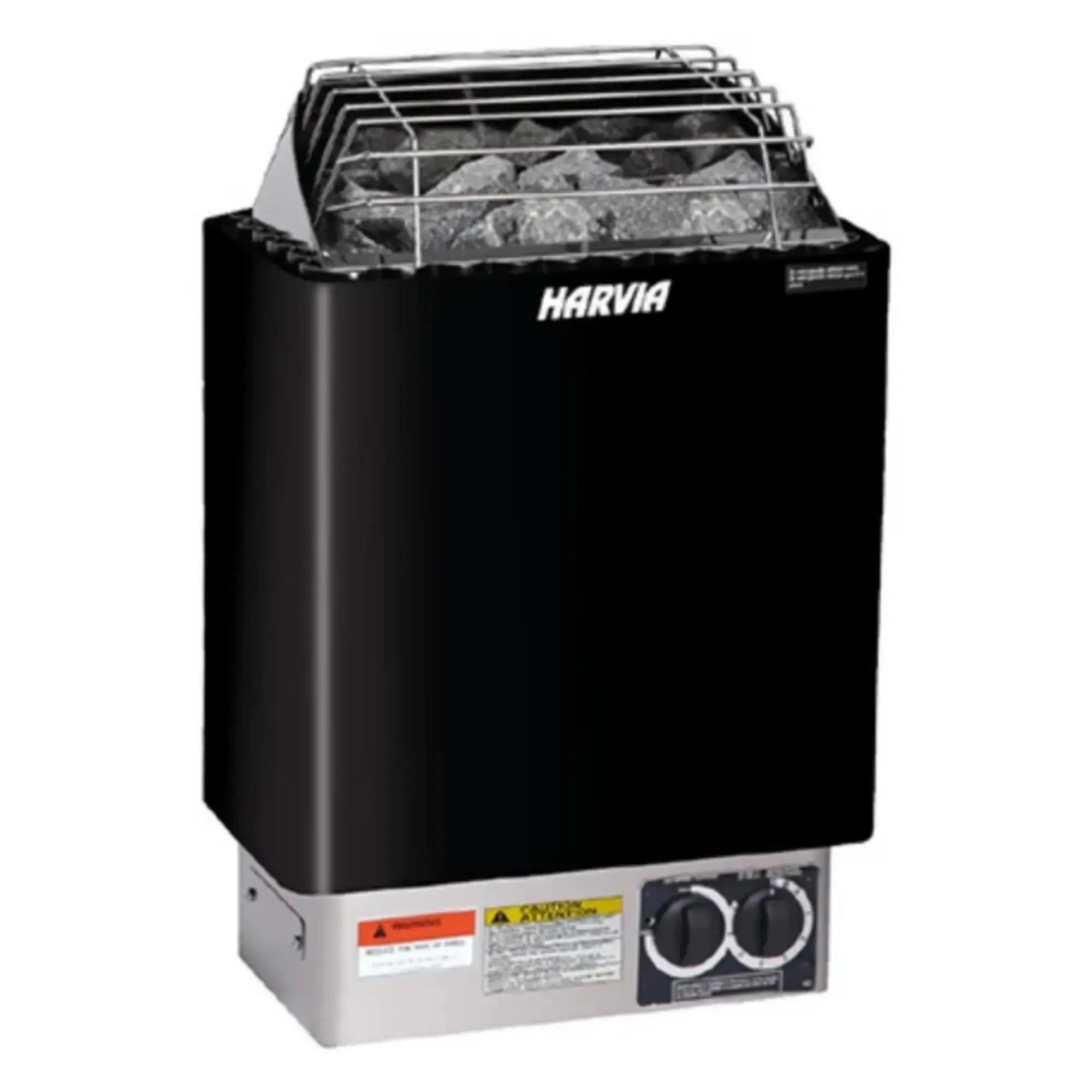
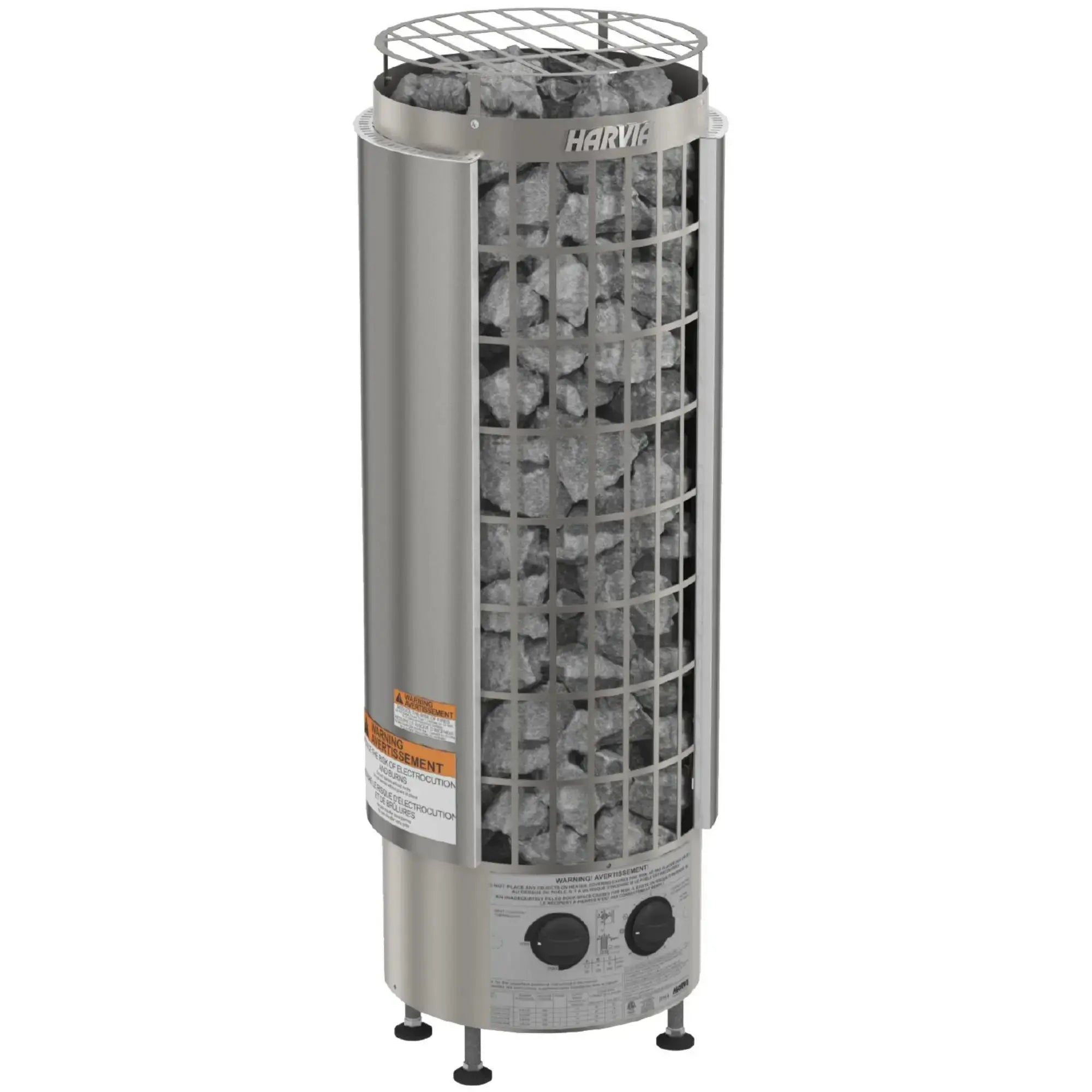
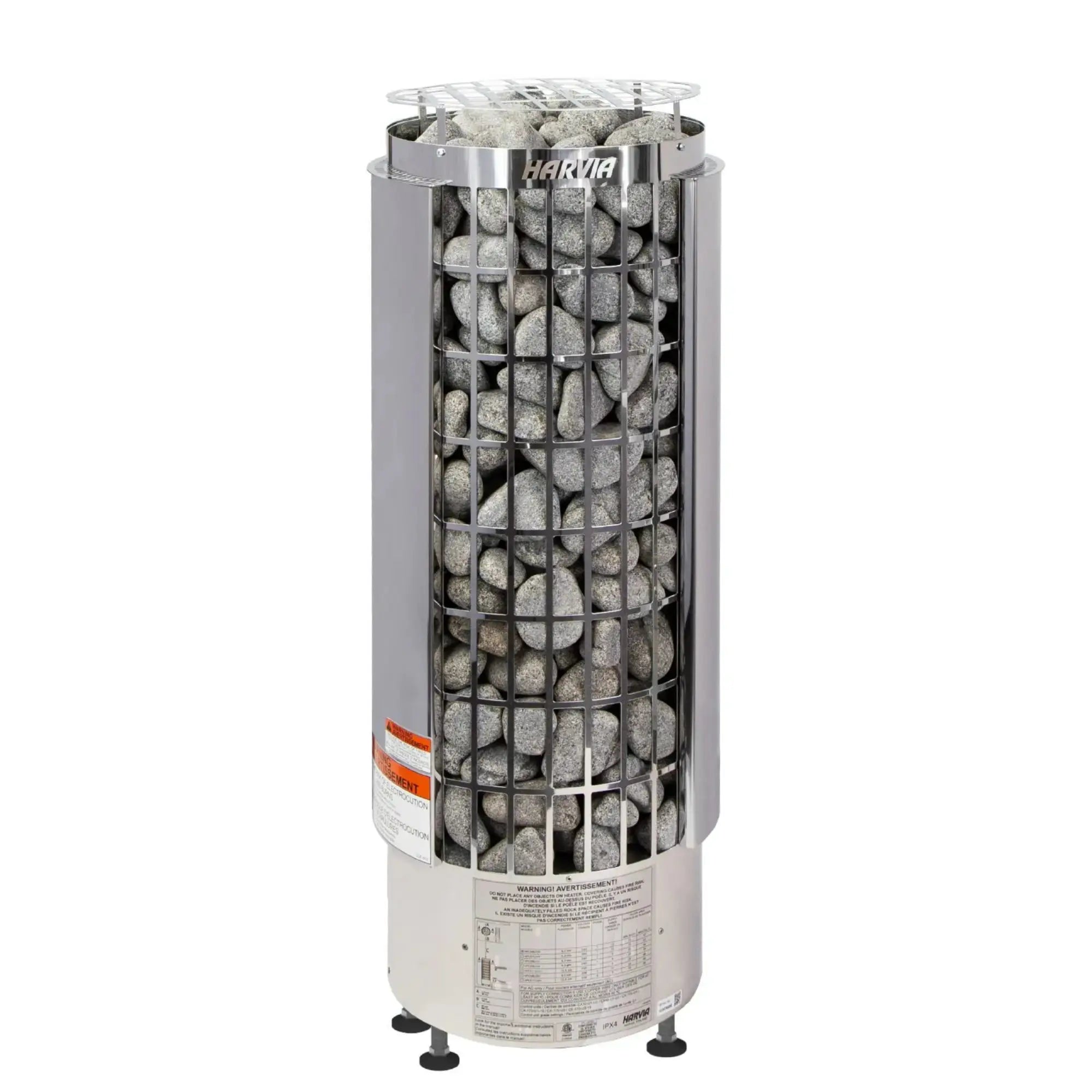
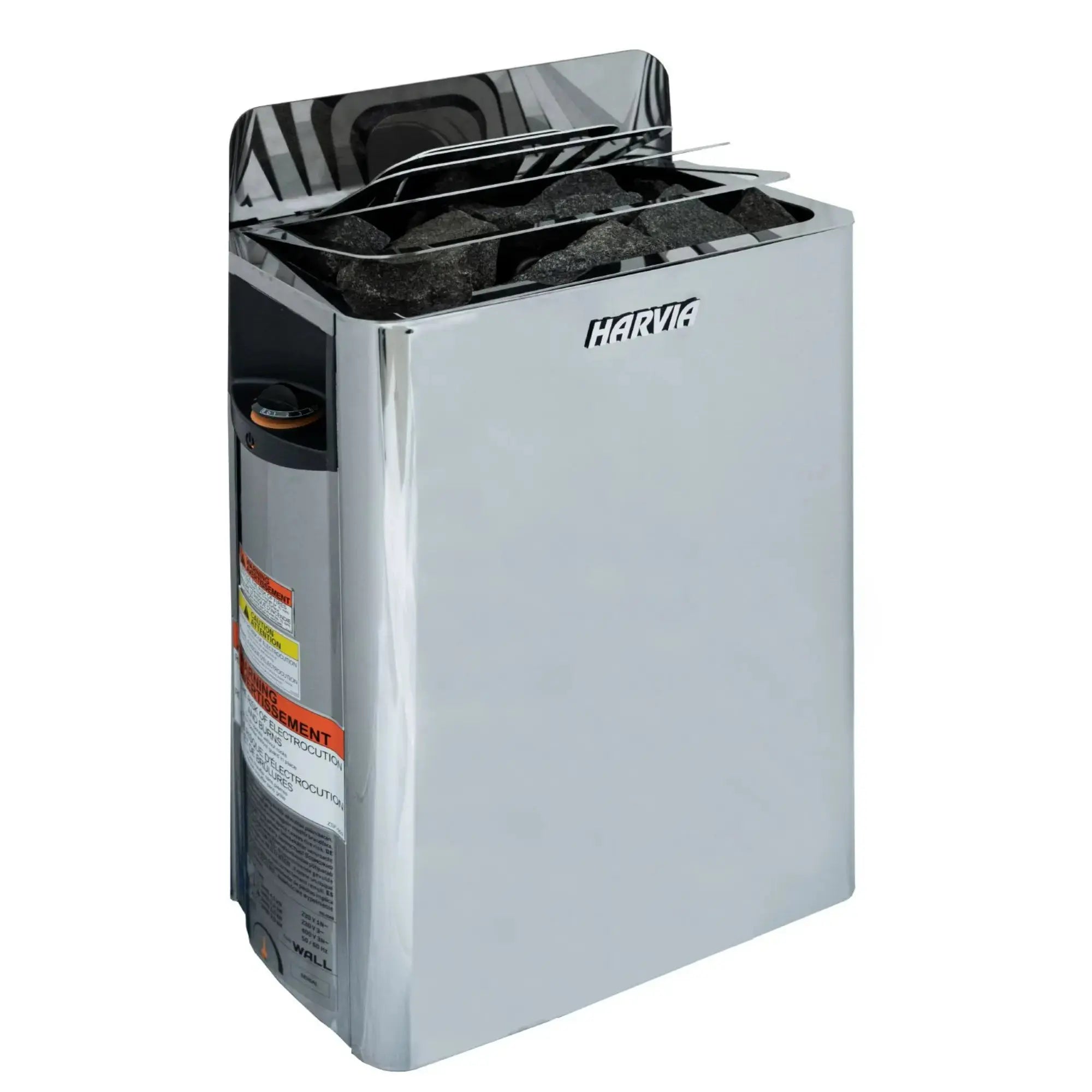
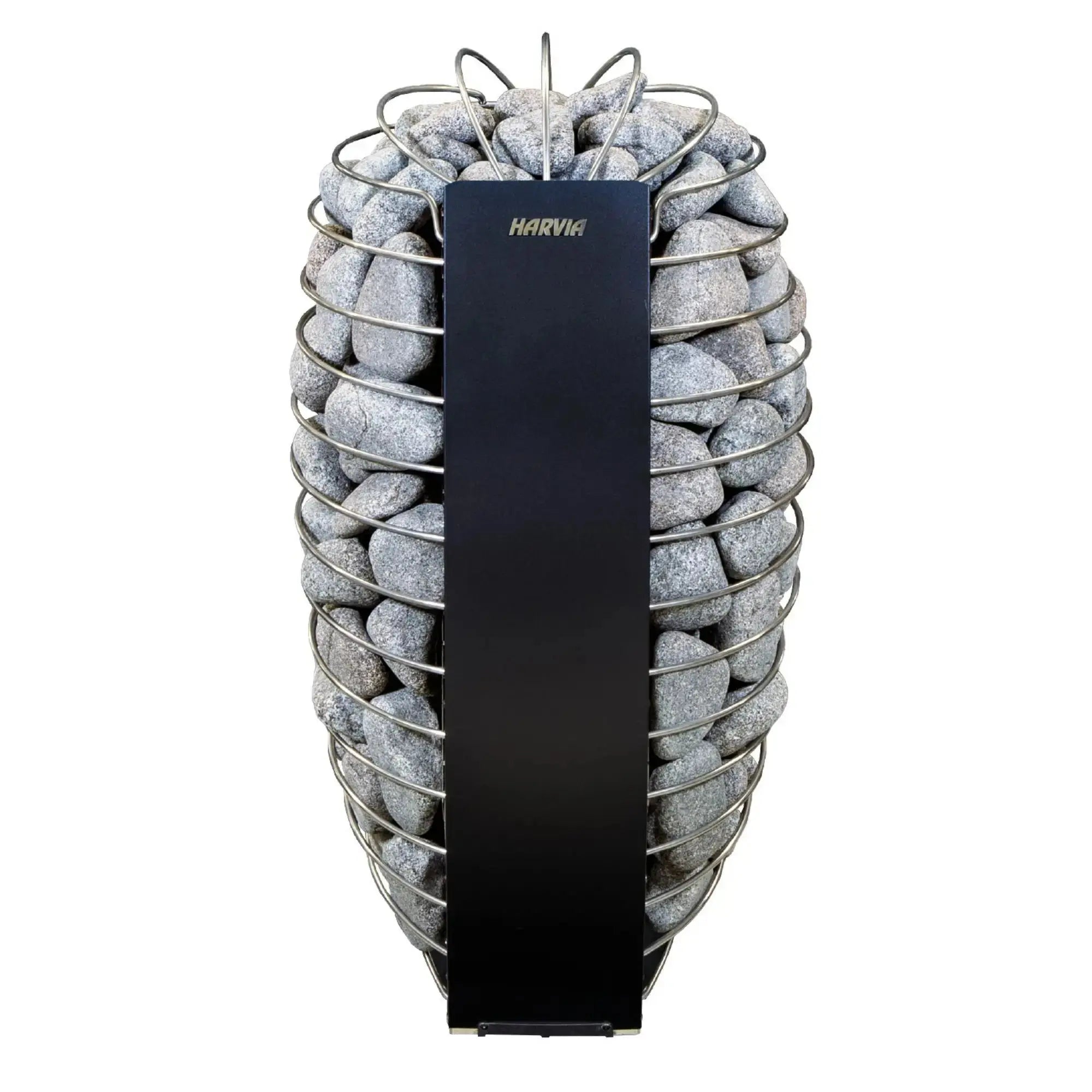
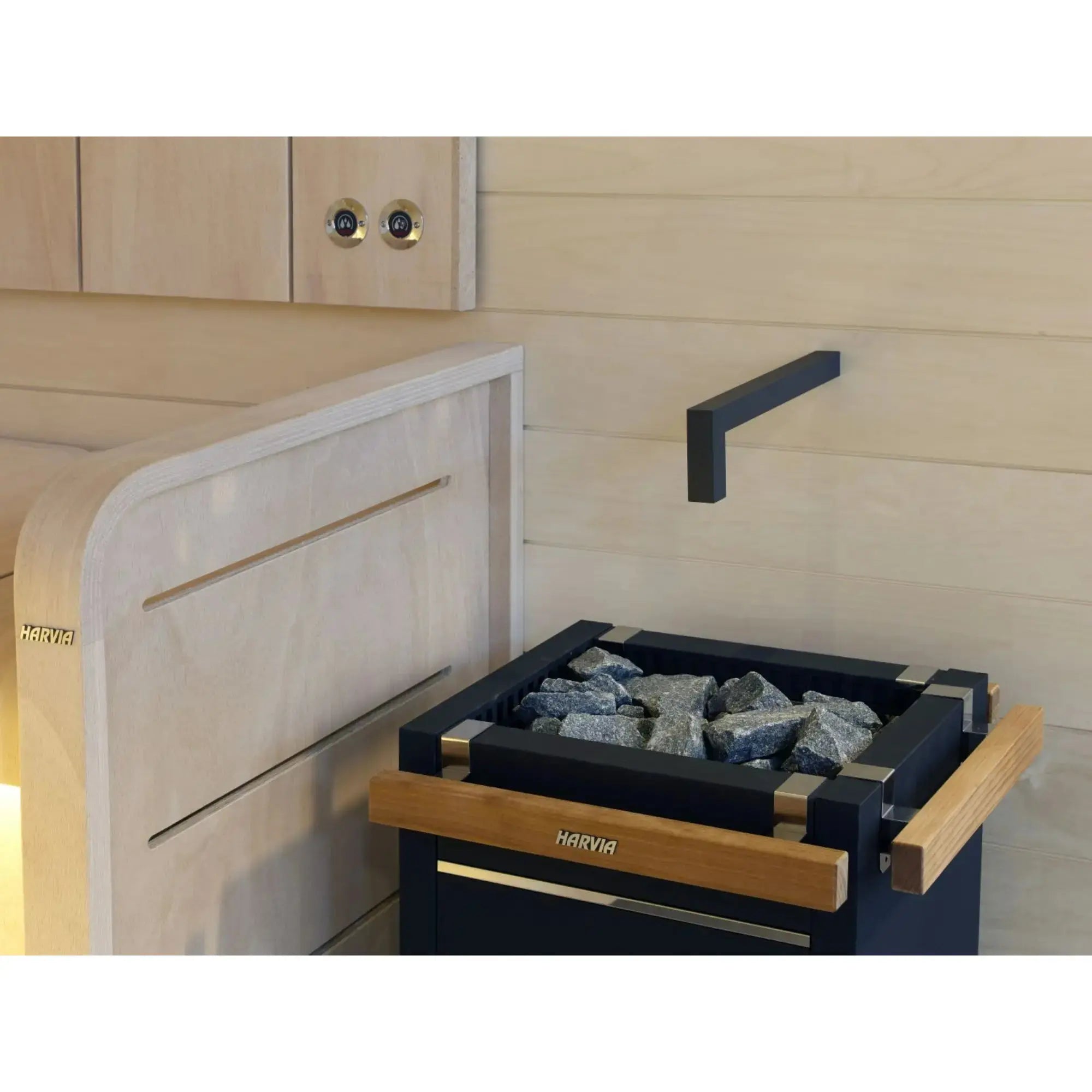
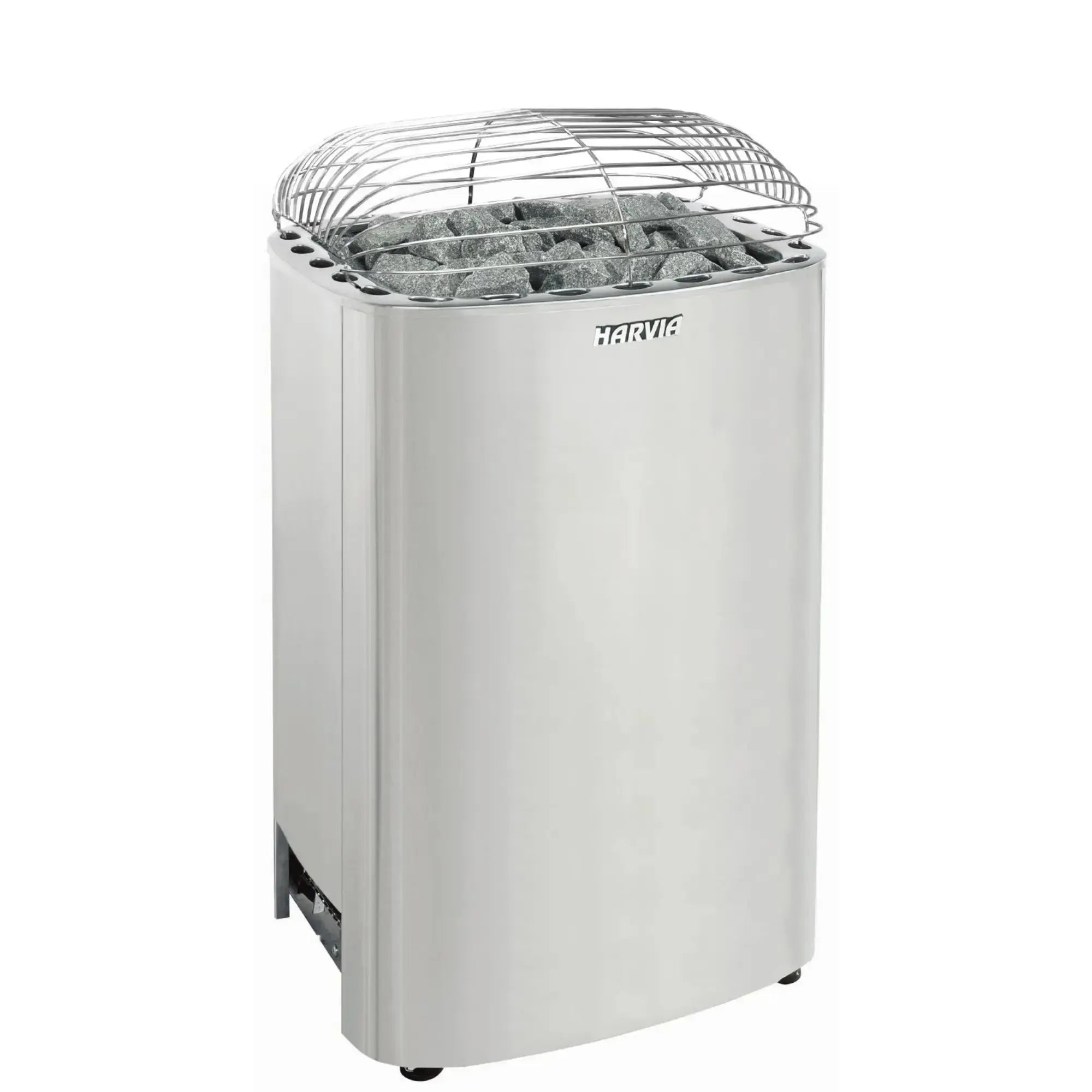
| 6 kW | 25 A | Harvia KIP60W, HUUM DROP 6, HUUM Cliff 6 |
| 7 kW | 28.75 A | Saunum Air 7 |
| 7.5 kW | 31.25 A | HUUM DROP 7 |
| 8 kW | 33.3 A | Harvia KIP80W |
| 9 kW | 37.5 A | HUUM DROP 9 |
The Saunum row catches people out. The Air 7 draws 28.75 A, higher than you would expect at 7 kW, because it also drives its climate equalizer. Budget from the exact model's published amps, not the kW number.
Which output you need is a room volume question, worked through in what size sauna heater do I need and on the size calculator. Take that model's rated amps to your electrician, who sizes the circuit from the nameplate and manual under the current NEC, with local code and the AHJ deciding.

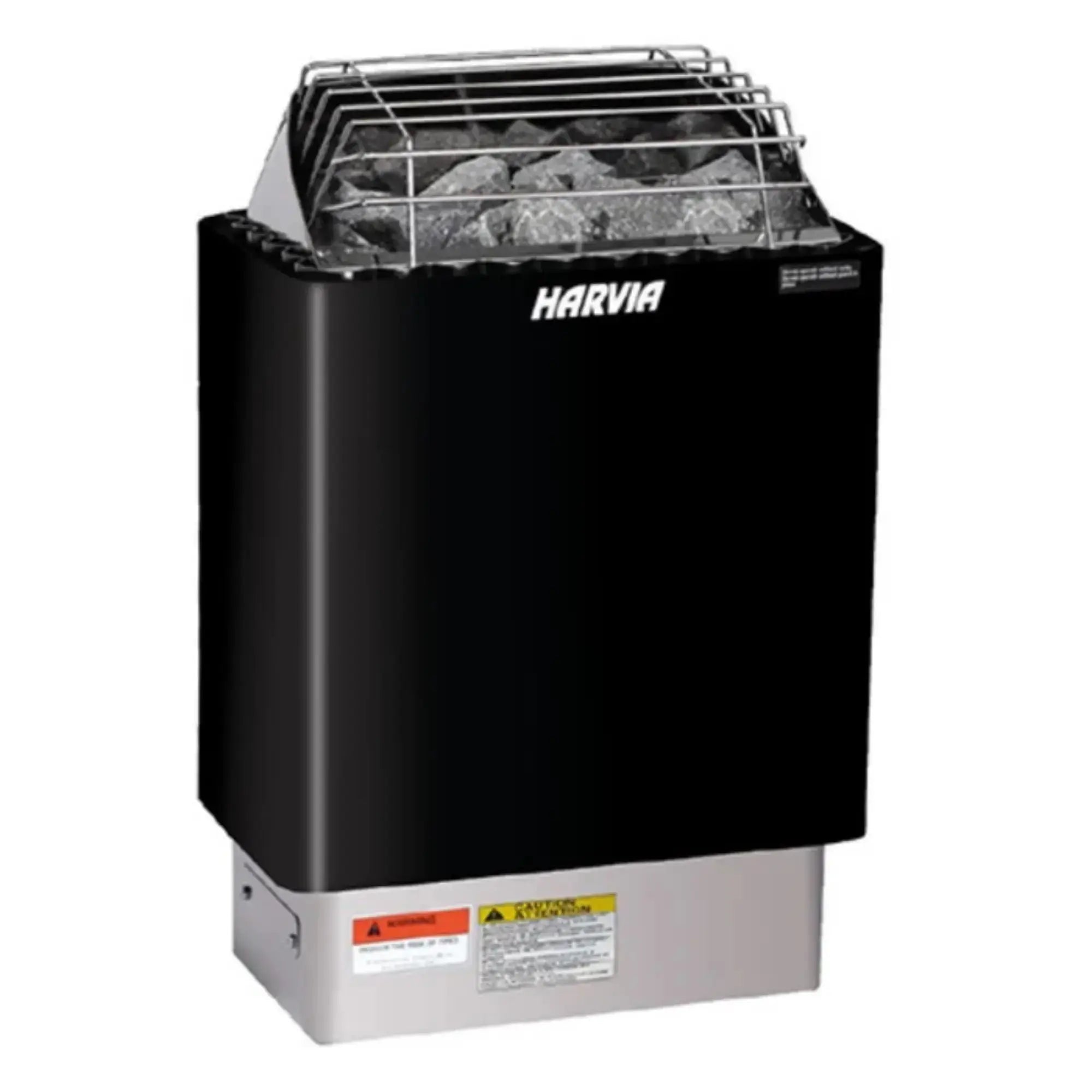
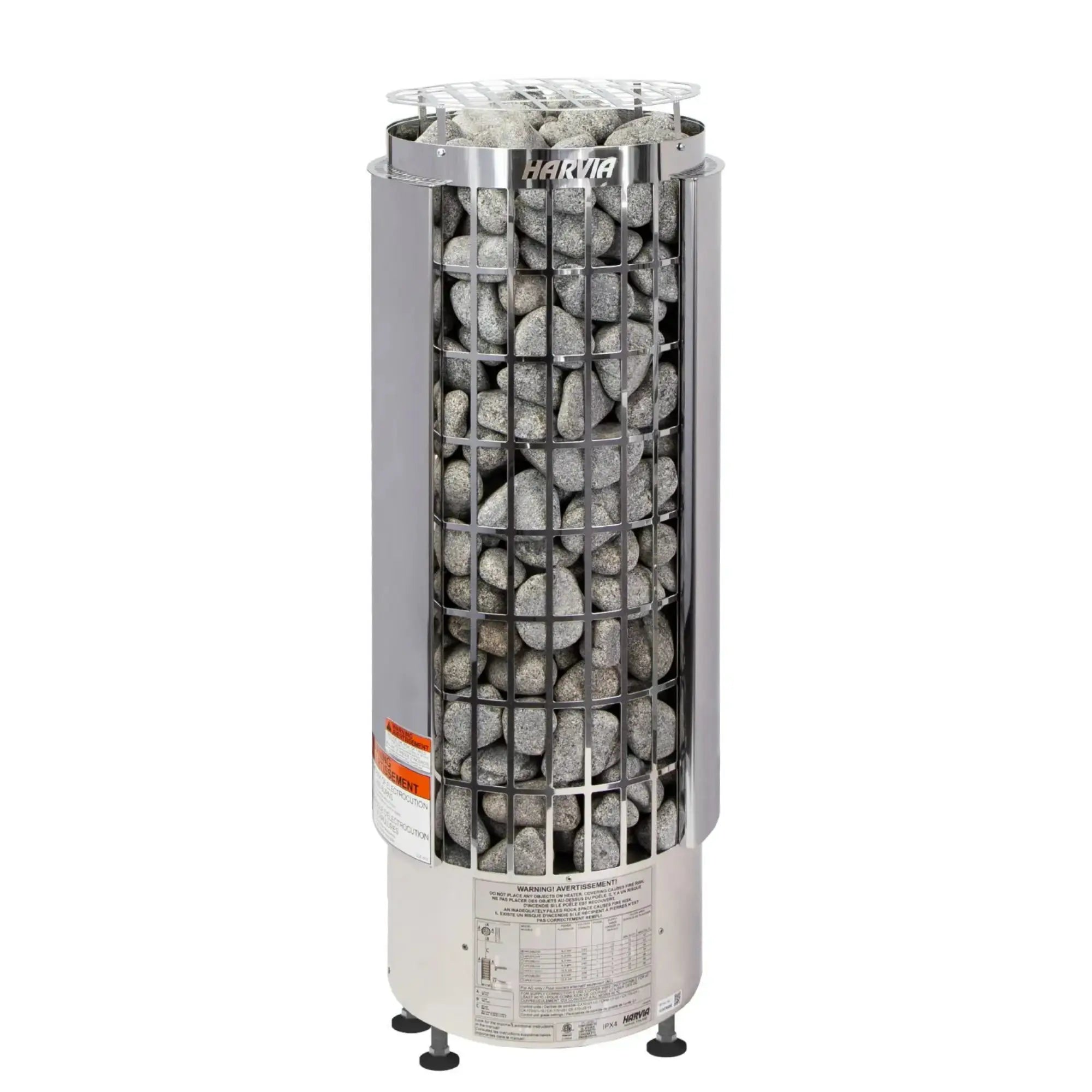
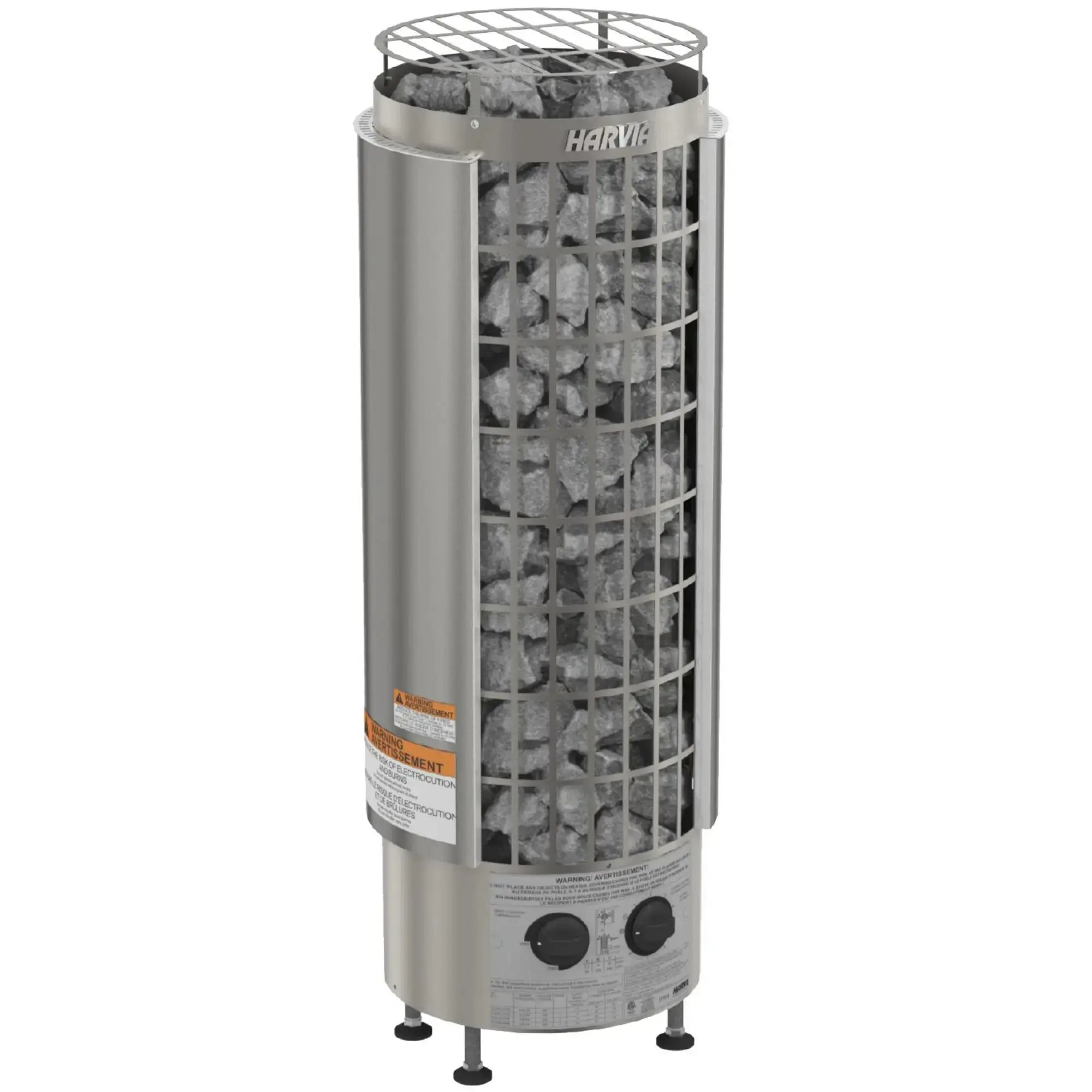
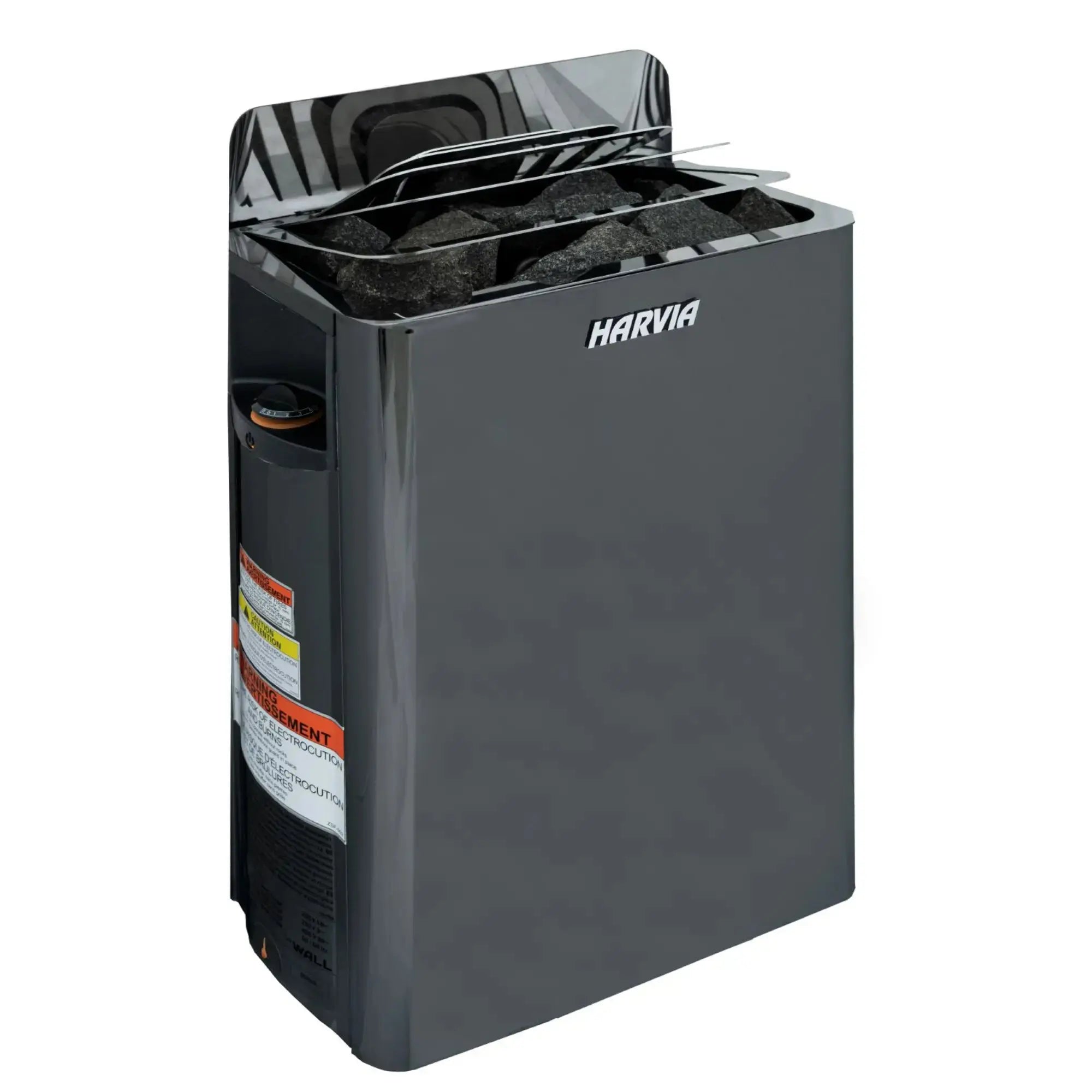
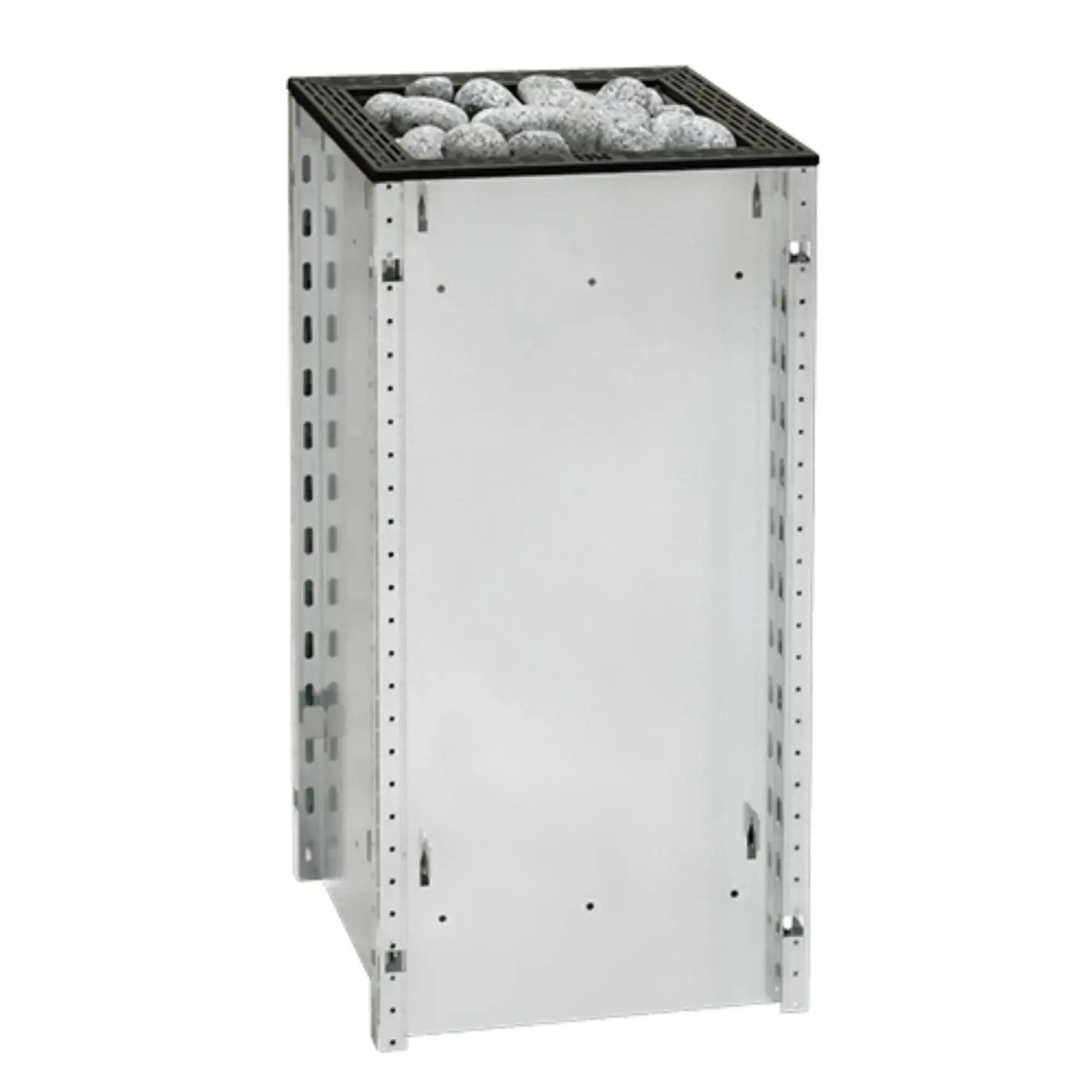
25 A rated with a published 30 A line fuse, 240V 1PH or 208V 3PH, UL listed, 170 to 300 adjusted cu ft.
Why do online breaker charts disagree with the manufacturer?
Search for a sauna breaker size and you will find charts that contradict the manual in the box. Nobody explains why.
Harvia's own manual specifies 30 A for a 6 kW heater and 40 A for an 8 kW heater. Most retailer blogs publish 40 A and 50 A for the same heaters. Both sides are confident, and they are not applying the same rule.
The blogs apply the 125 percent continuous load multiplier. The catch is the listing category: sauna heaters fall under the UL category "HEATERS, SAUNA AND STEAM BATH (KPJV)", not the Article 424 space heater category that triggers that provision. A moderator on the Mike Holt electricians' forum, on a 6 kW heater, put it this way:
"I cant think of any NEC section requiring that to be supplied at 125%. 6,000W/240V=25 amps. Looks like 10s on a 30 to me."
That is one moderator's reading on a public forum, quoted to show the disagreement is real, not as our recommendation or a wiring instruction.
The responsible conclusion is narrower than either camp wants. NEC 110.3(B) requires listed equipment to be installed per its instructions, so upsizing a breaker past the nameplate maximum is not automatically the safer choice. This is a question for your electrician with the manual open, under the current NEC and your AHJ, not for a chart on the internet.
One more trap: nameplates vary between models at the same nominal kW, so a blanket "6 kW equals 40 A" is wrong for some units. Read the nameplate on the heater you bought.
Do I need a GFCI?
A genuine three way conflict, better met here than at inspection.
- Manufacturers say do not fit one. Harvia's troubleshooting flow states it plainly: "Be sure a GFCI was NOT installed."
- The code pulls the other way. NEC 210.8(F) brings outdoor sauna circuits into mandatory GFCI protection.
- Installers report a delayed failure. Circuits pass inspection, work for months, then trip constantly, attributed to capacitive coupling in the heating elements.
The delayed onset is what makes it maddening. Nothing looks wrong at handover, and by the time the tripping starts the electrician has been paid and gone.
We will not tell you to omit a GFCI, and be wary of any retailer who does. Raise all three points with your electrician and building department early, manual on the table. That call belongs to them and your AHJ under the current NEC.

Do I need a permit, and what happens if I skip it?
The permit is the cheapest line on this page. Haven of Heat's permits guide puts residential electrical permits at $50 to $200. Against a $1,500 trenched run, that is rounding error.
The consequence of skipping it is the point. Haven of Heat puts it bluntly: "Unpermitted electrical work is one of the most common reasons insurers deny fire-related claims", and at resale "the buyer's inspector will likely identify unpermitted electrical work". Then you are negotiating a credit on work that has to be opened up and redone.
Permitting also puts a second qualified set of eyes on the job, and on a trenched run the inspection usually happens while the trench is open. Your building department and AHJ set the rules, so call them in week one.

What should I have ready before the electrician arrives?
One prepared hour saves a change order:
- The nameplate and installation manual. Everything needed to size the circuit under the current NEC is in those two documents, including the breaker and GFCI questions.
- The control unit. On most systems it sits between the supply and the heater. Harvia's KIP series requires a Xenio, every HUUM electric heater a UKU, and the Saunum Air the Saunum AirIQ Wi-Fi.
- Where the sensor goes. Its position changes how the room behaves more than any setting on the panel, so decide it before rough in. Our guide to whether you need a sauna control unit owns that topic.
- Photos of your panel: the door label, the breaker rows and the main breaker rating. That is what turns "we will see" into a load calculation.
- The run distance. Pace it from panel to sauna wall and note what is in the way.
- Indoor or outdoor. It decides whether NEC 210.8(F) applies, whether you trench, and which row of the cost table you land in.

Wi-Fi, sensor and 15 ft sensor cable included. Handles 10.5 kW on one supply wire or 15 kW on two at 240V.

Switches 11 kW alone and up to 18 kW with the Extension Box. Ships with a 16.4 ft temperature sensor and 9.84 ft panel cable.
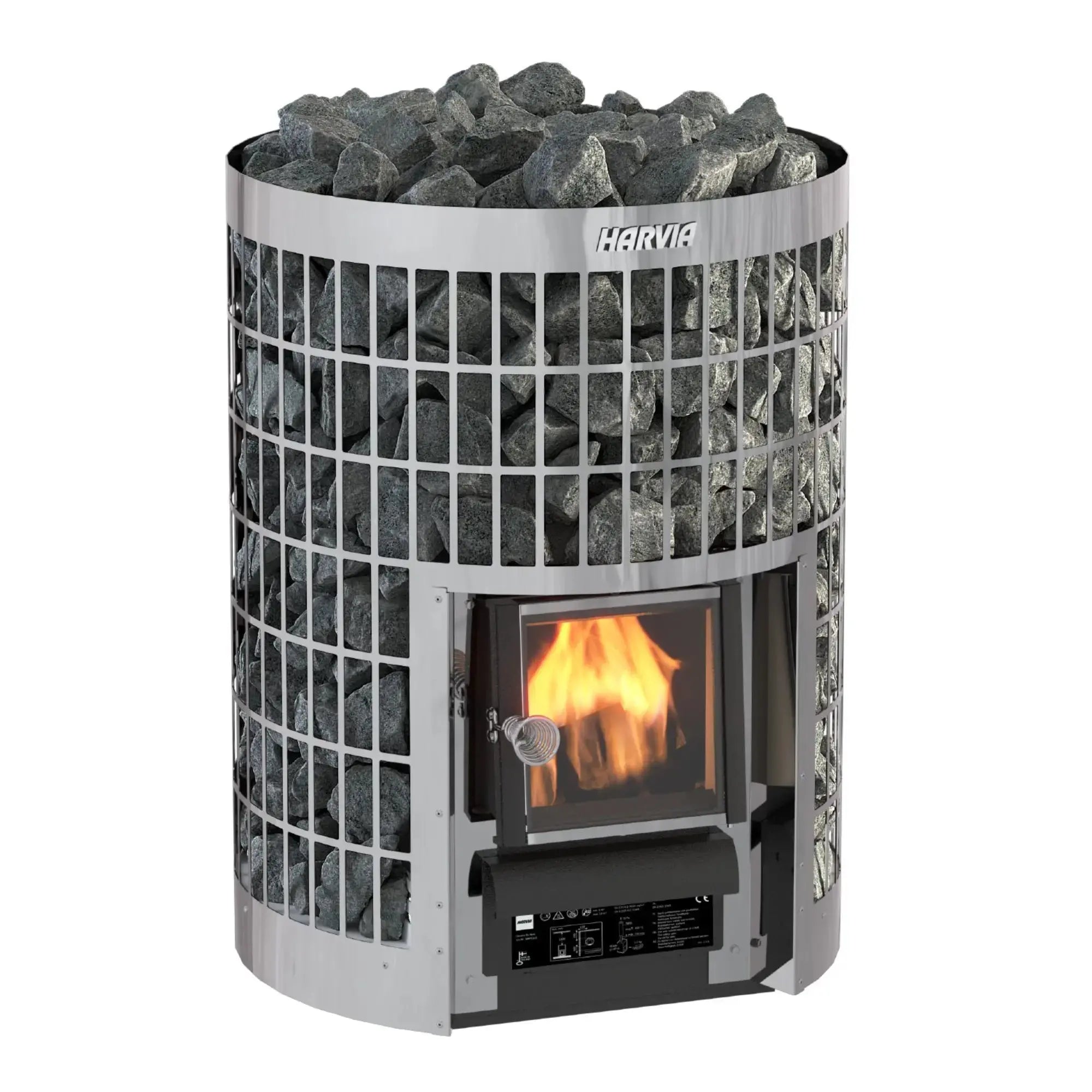
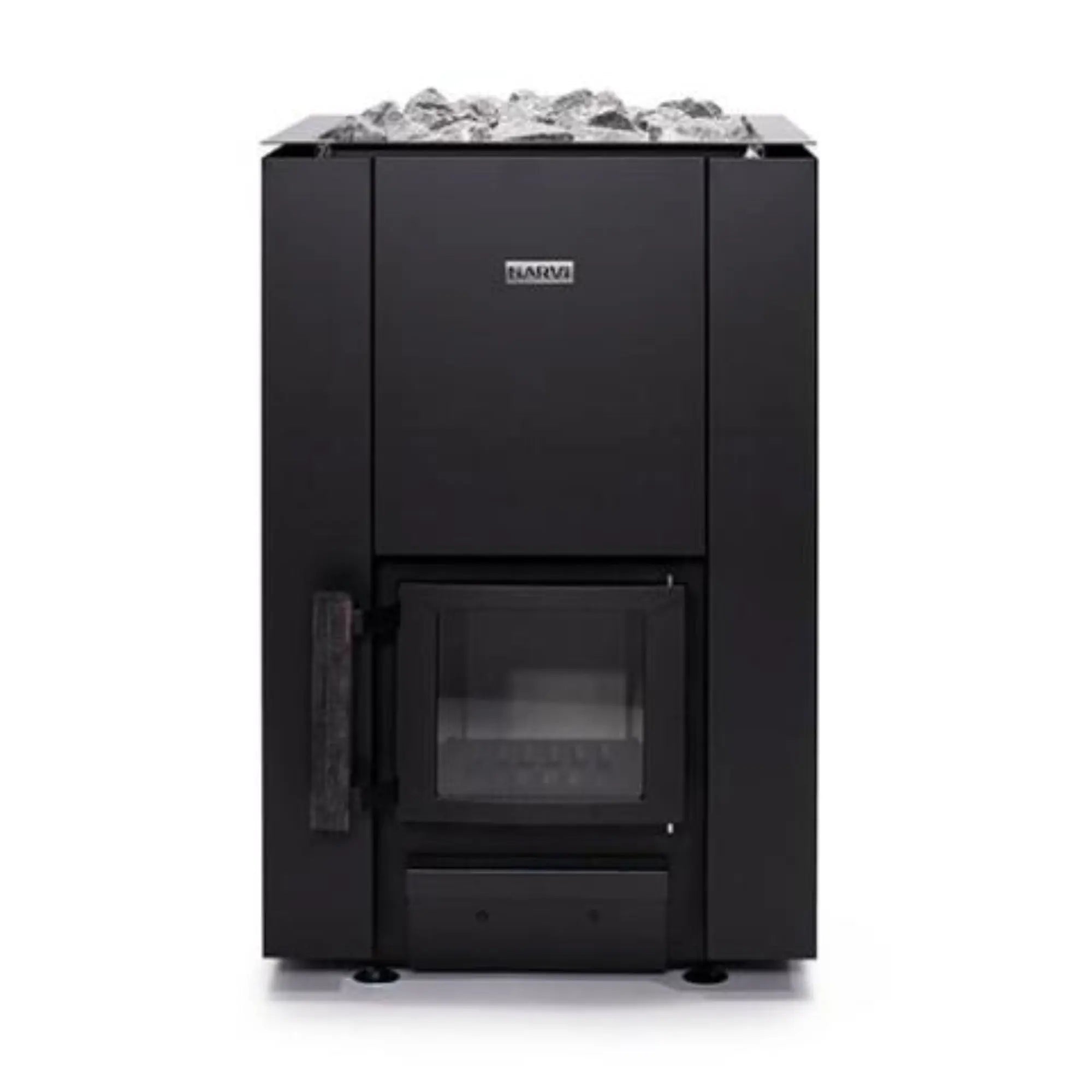
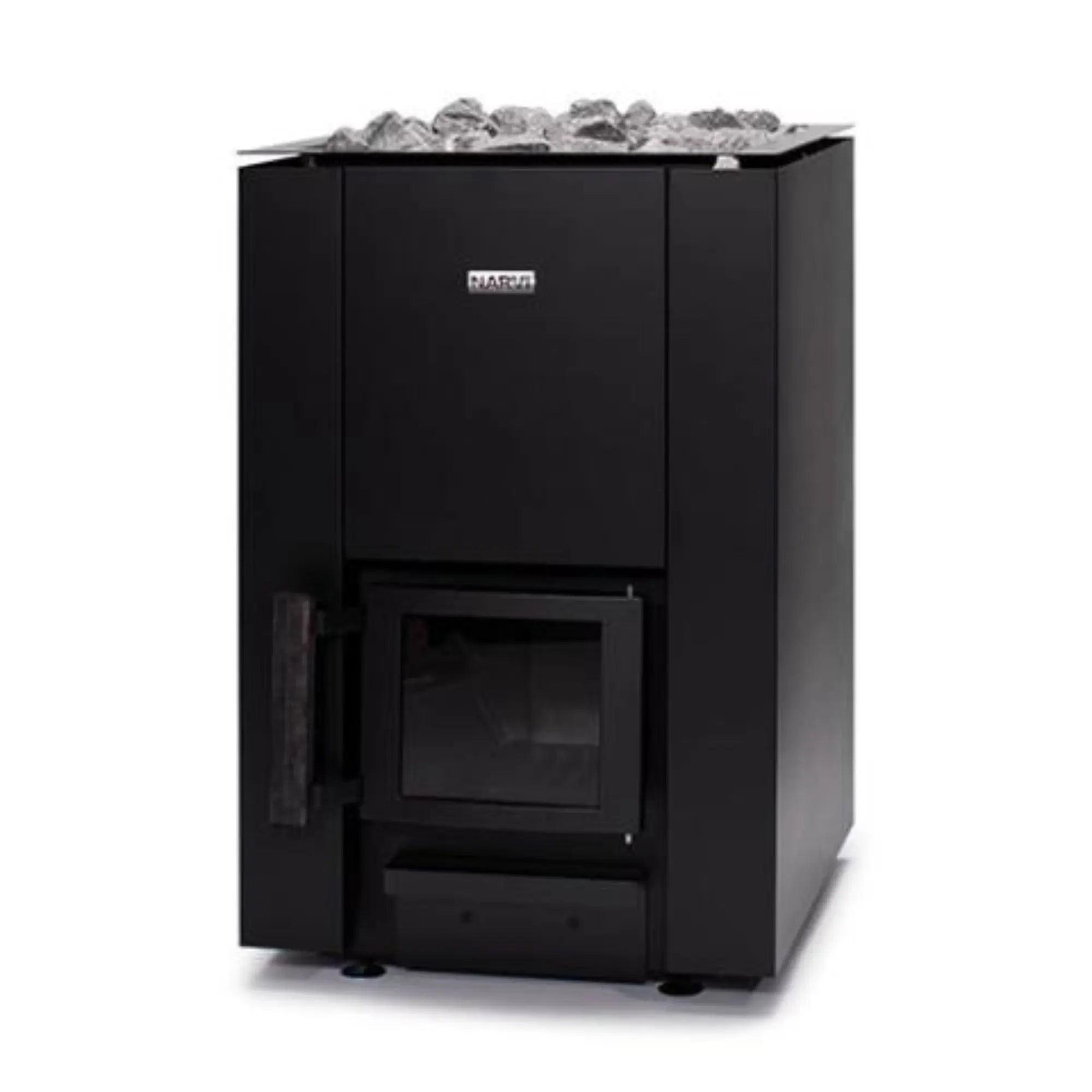
If the circuit maths is pushing you toward another fuel, see electric versus wood burning sauna heaters, and start at our sauna heater buying guide.
Frequently asked questions
Can I plug my sauna into a regular outlet?
No. Every electric sauna heater is hardwired to a dedicated 240V circuit. Published rated draws start around 18.8 A at 4.5 kW. Your electrician sizes it from the nameplate and manual under the current NEC.
What if my electrical panel is full?
A full panel is the biggest cost risk in a sauna project. Published Portland figures put a 200 A panel upgrade at $2,500 to $4,000 on top of the circuit, taking a job to $4,000 to $8,500 and up. Only a licensed electrician's load calculation, under local code and your AHJ, tells you where you stand.
How much does it typically cost to add a 240V circuit for a home sauna?
On Electric Avenue PNW's published 2026 Portland rates: $500 to $900 indoors with the panel within 30 ft, $800 to $1,500 for difficult wire fishing, $1,500 to $2,500 and up trenched outdoors. Markets vary, so get a local quote.
How far can I run wire to my sauna?
No single distance you can look up. Long runs increase voltage drop, and your electrician accounts for that when sizing conductors under the current NEC. What distance reliably changes is the bill, because every extra foot of trench and conductor is billable.
Do I need a permit for sauna electrical work?
In most US jurisdictions a new 240V circuit, and certainly a buried run to an outbuilding, requires a permit and inspection, and your AHJ sets the rules. Fees are modest, with Haven of Heat putting residential electrical permits at $50 to $200. Skipping it gives an insurer grounds to deny a claim.
Can I install the electrical myself?
We do not publish breaker sizes, wire gauges or installation steps. This is planning information, not instruction. A dedicated 240V circuit to a wet, high heat room is licensed electrician work in most jurisdictions, and your AHJ decides who may do it.
Get the panel answer before you pick the heater
Every electric heater we stock lists its published rated amps and voltage options on the product page, so your electrician can run the load calculation with real numbers.
Shop electric heaters →Breaker and conductor sizing is always your licensed electrician's call from the nameplate and manual, under the current NEC and your AHJ.