
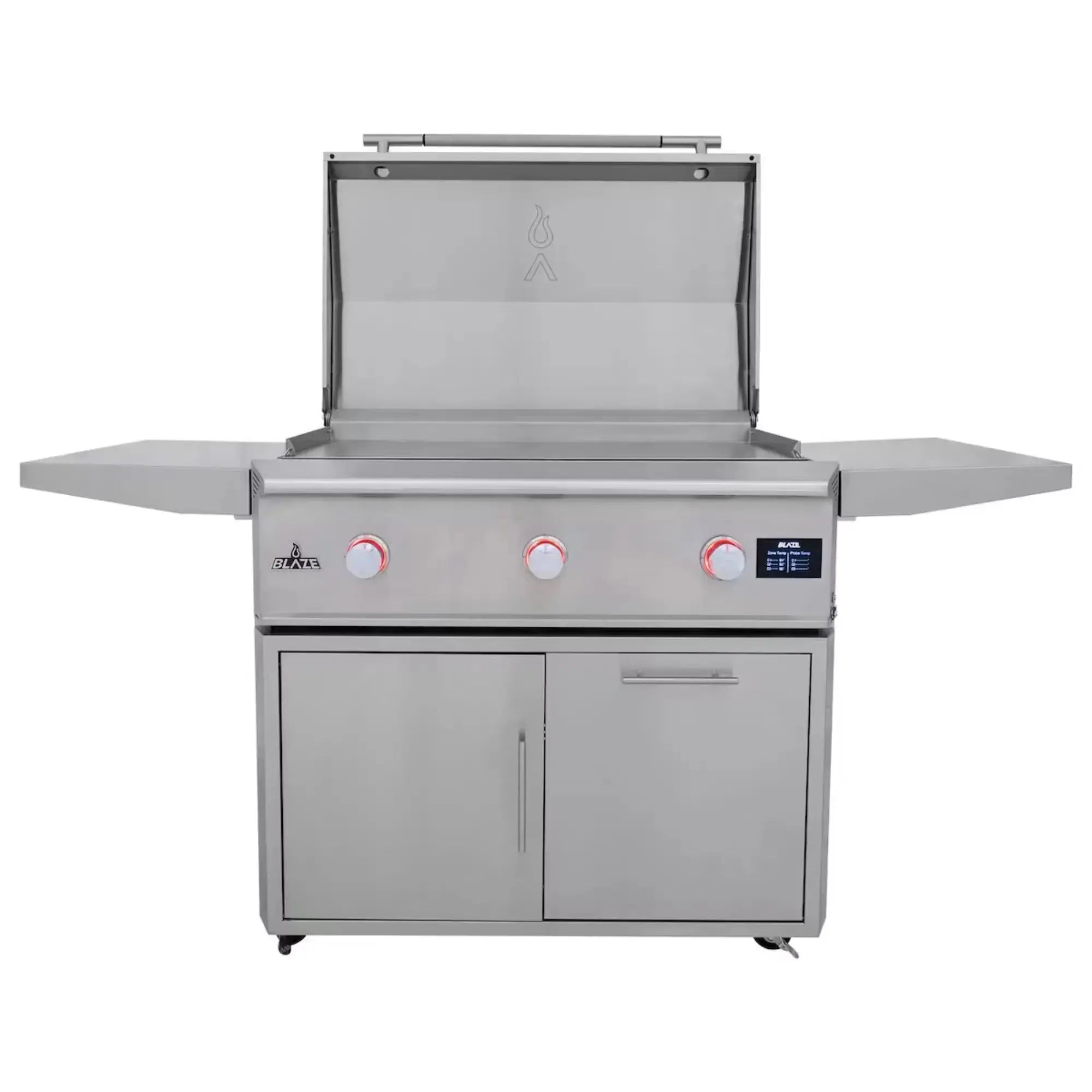
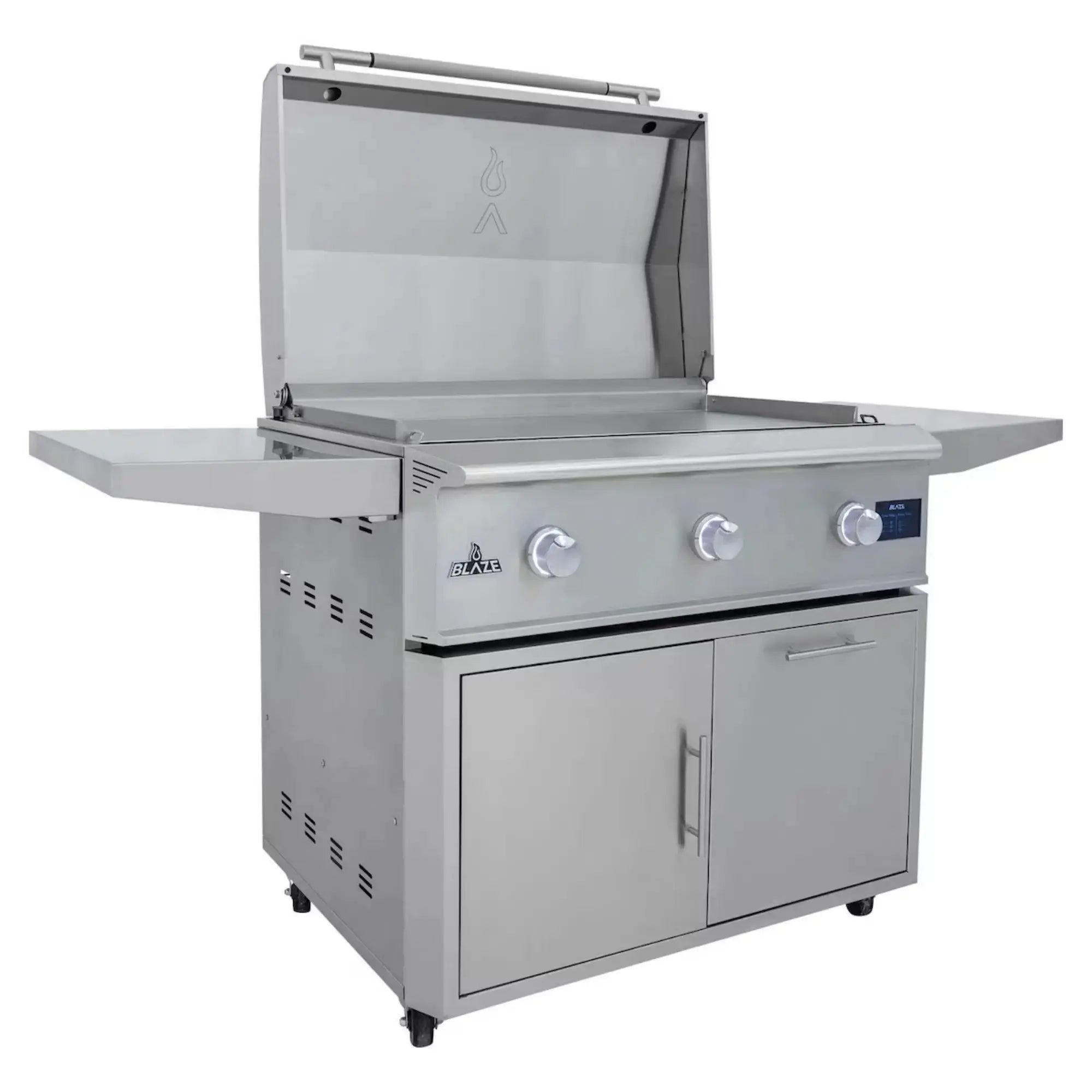
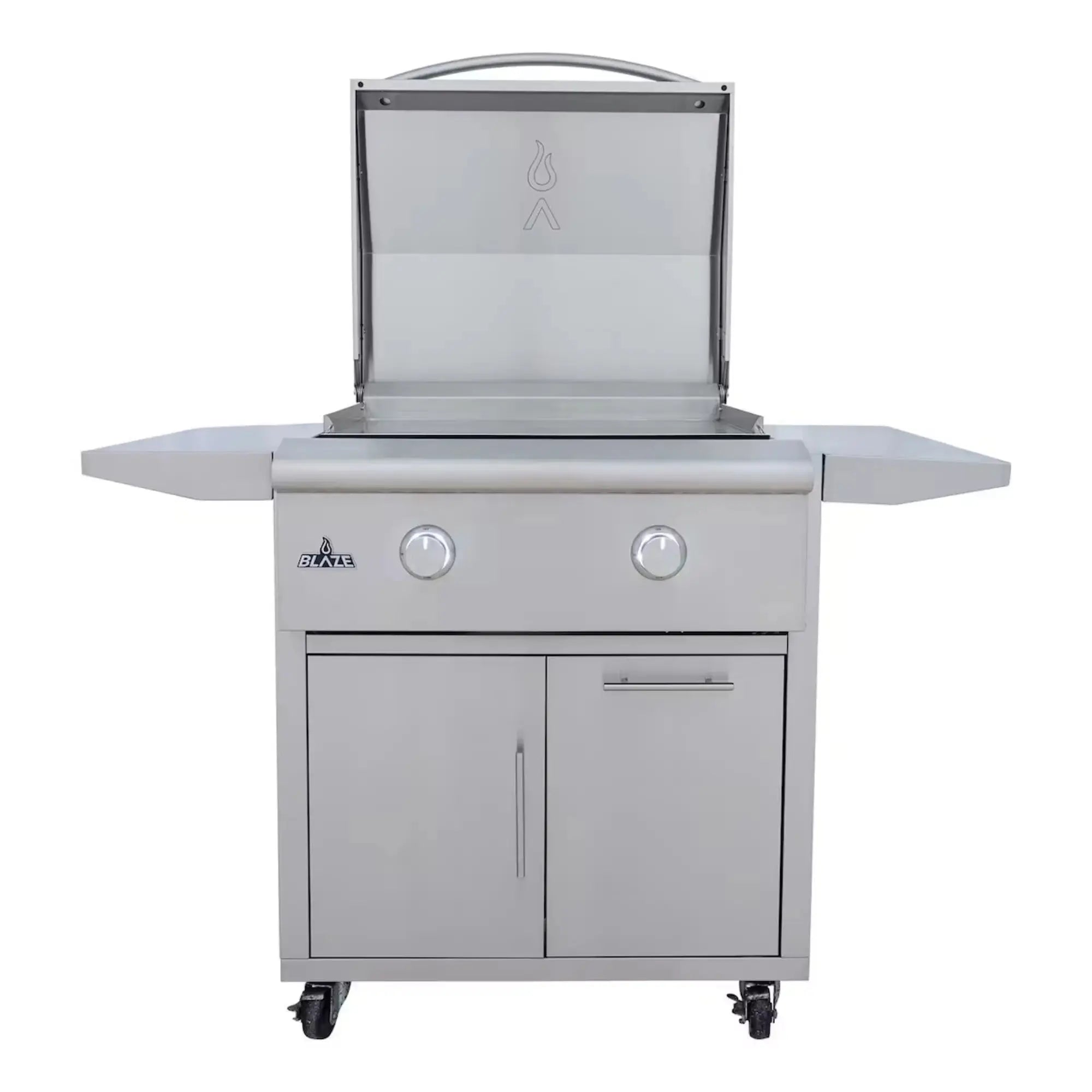
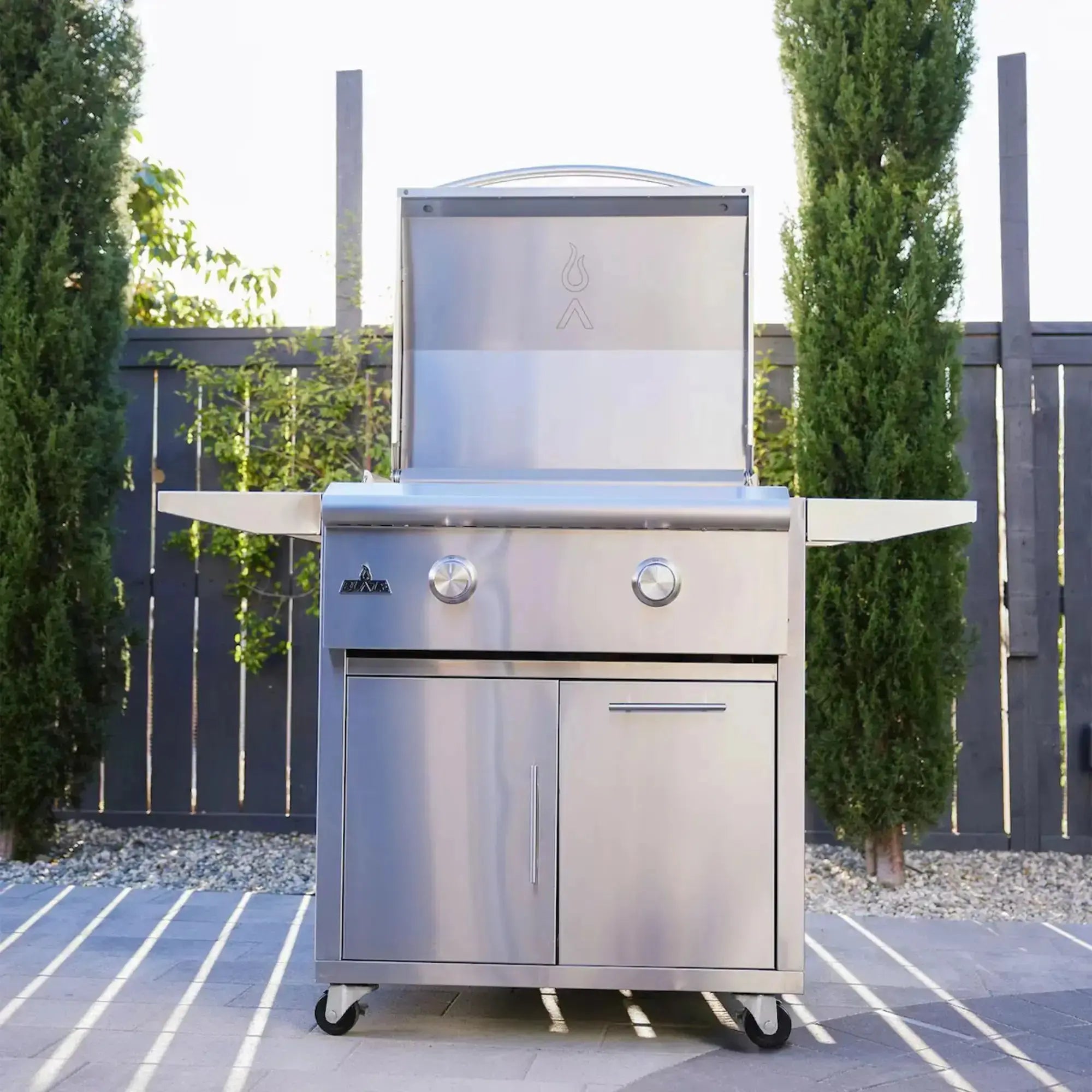
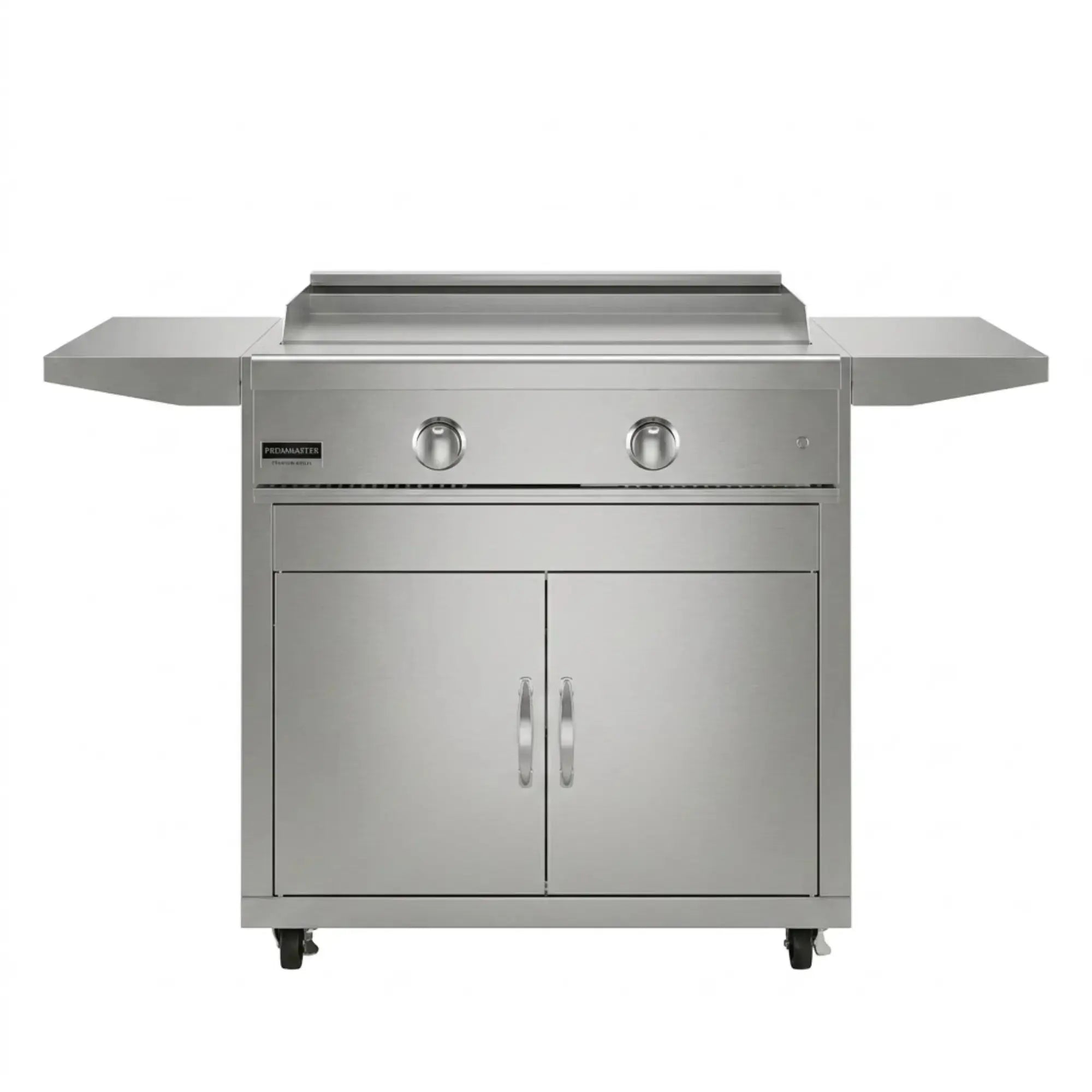
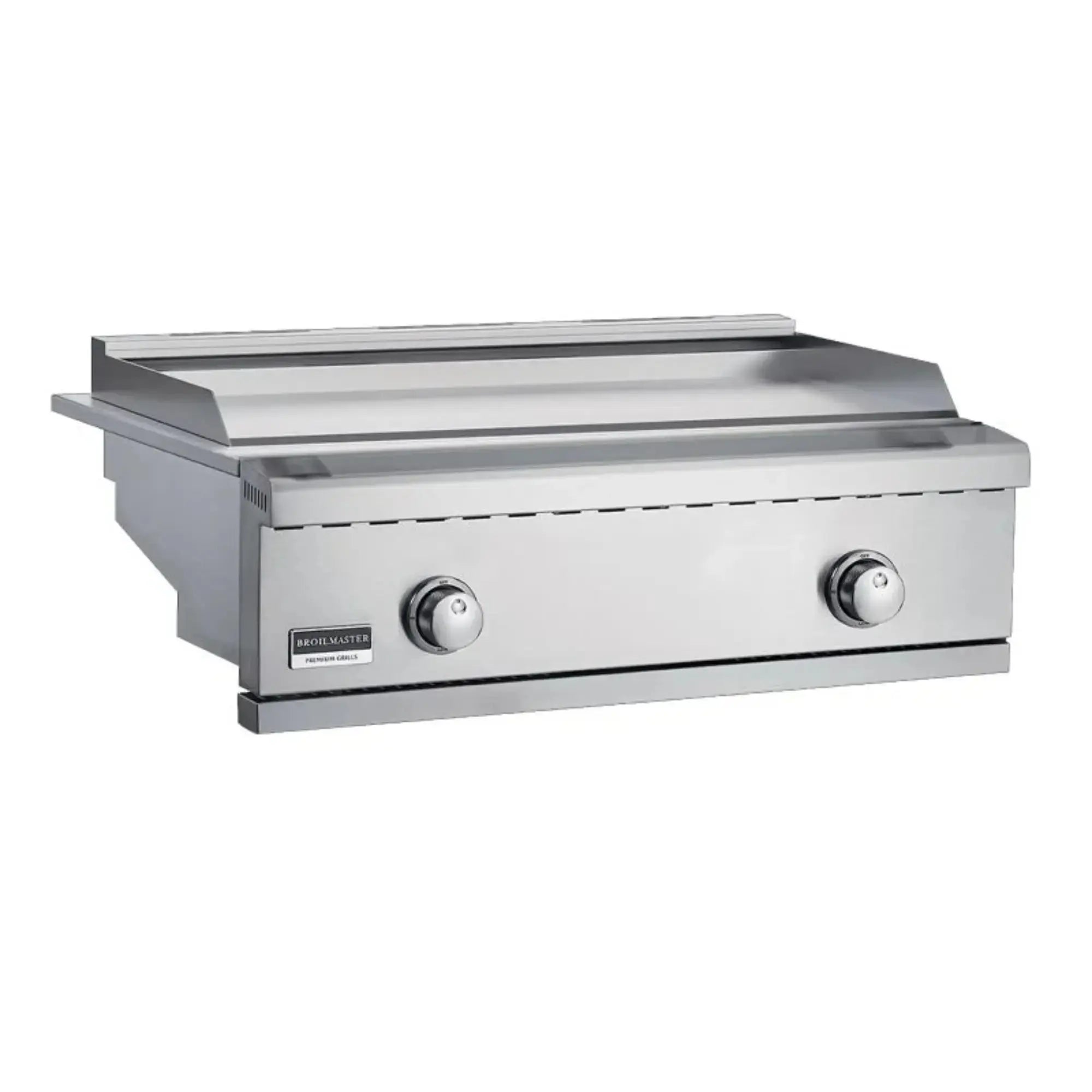
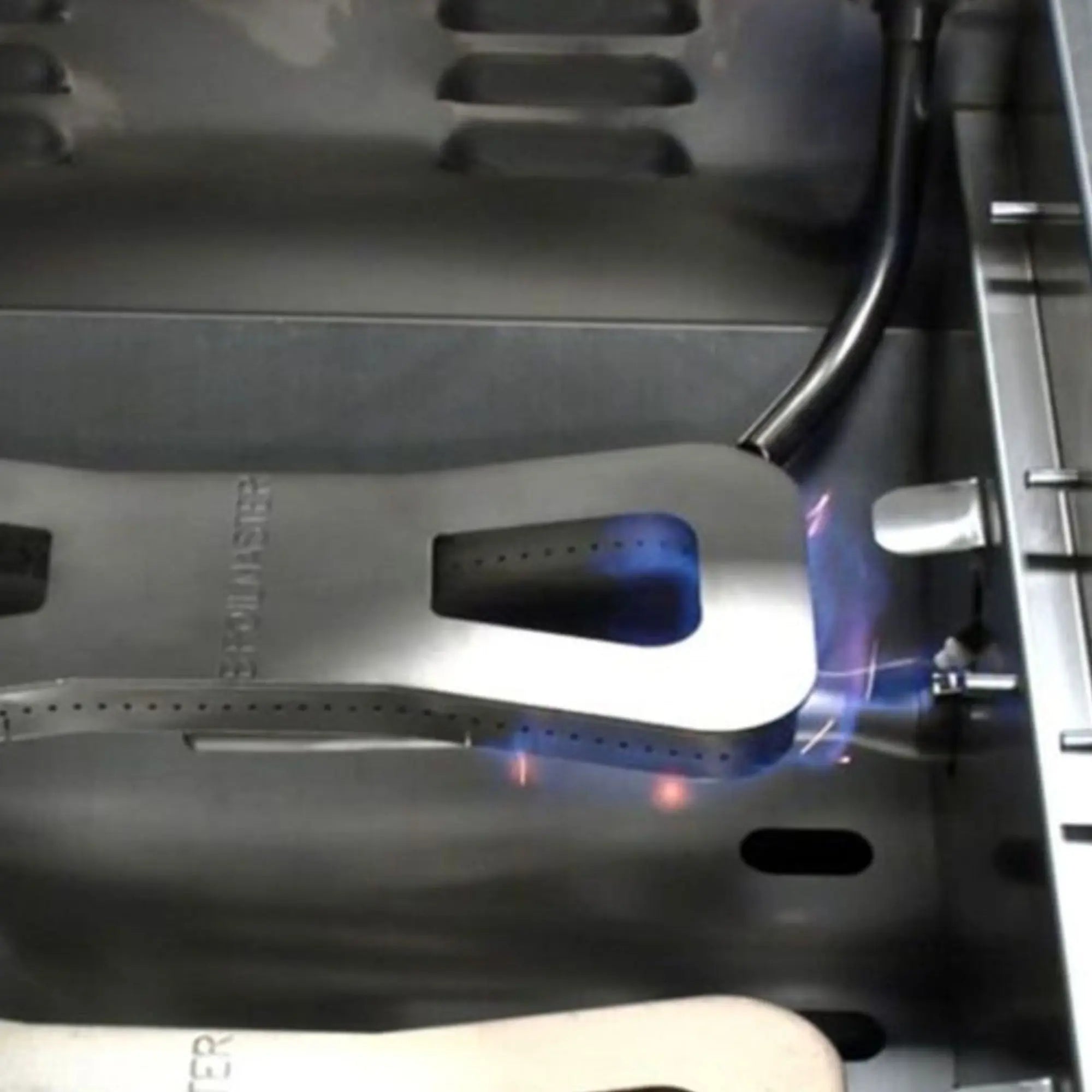
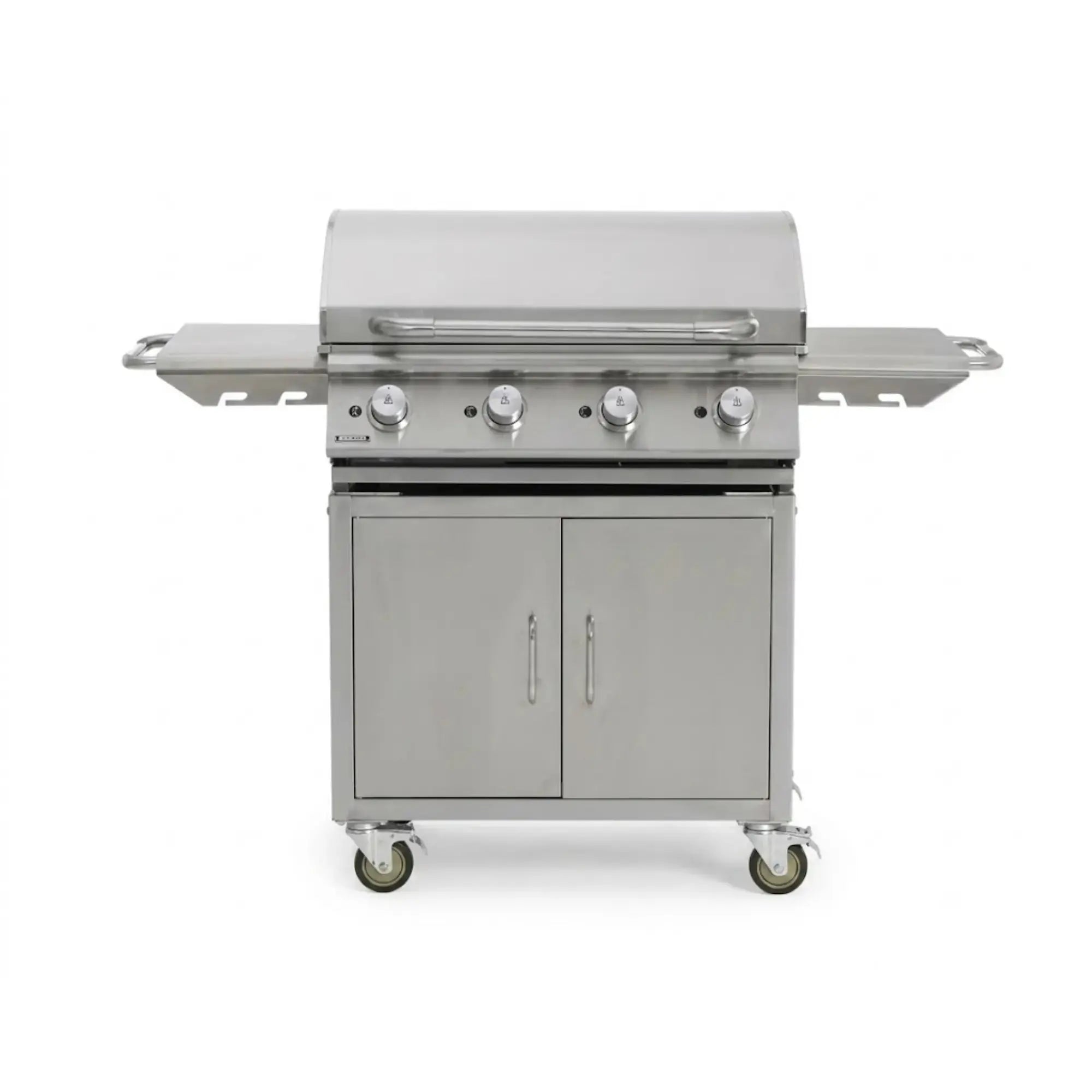
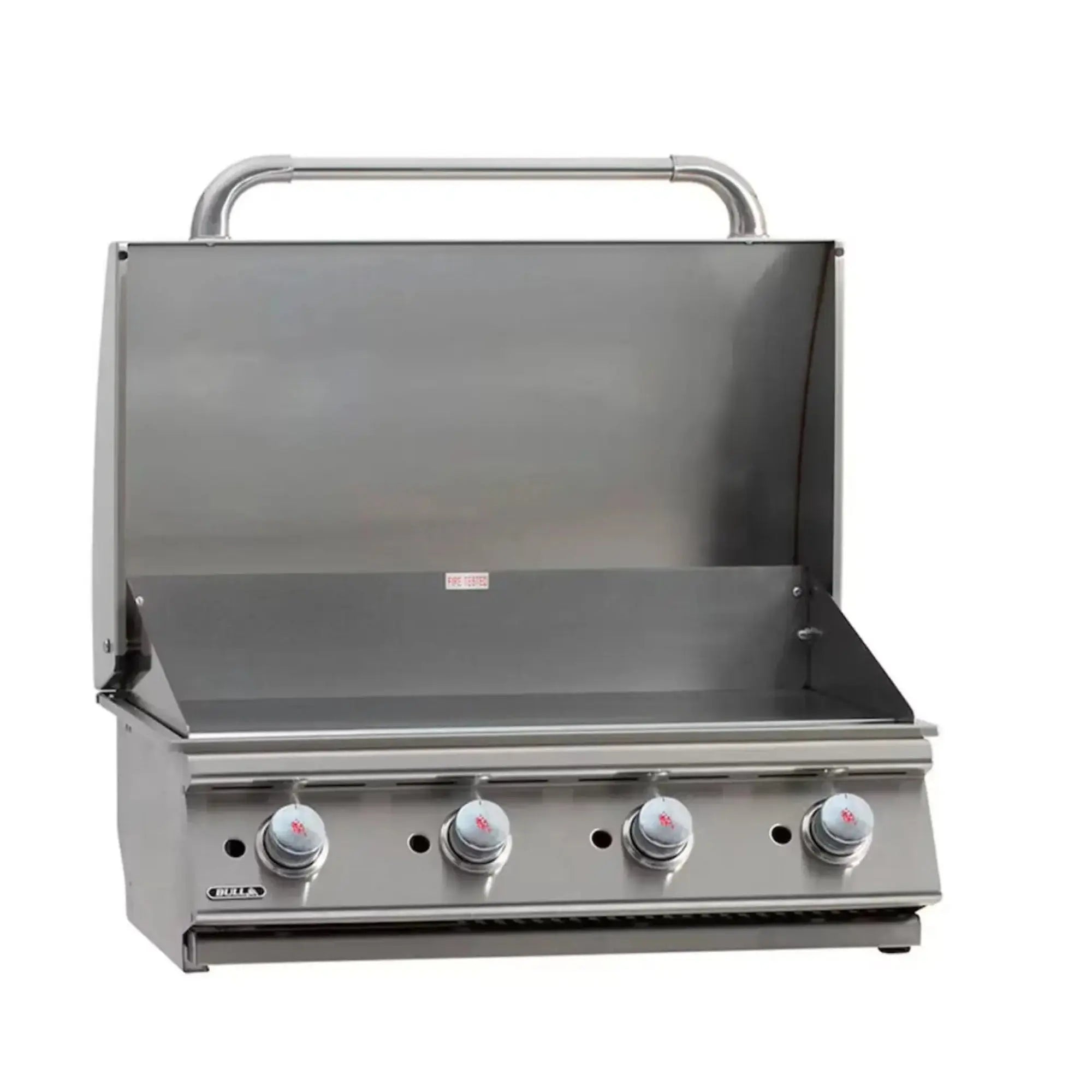
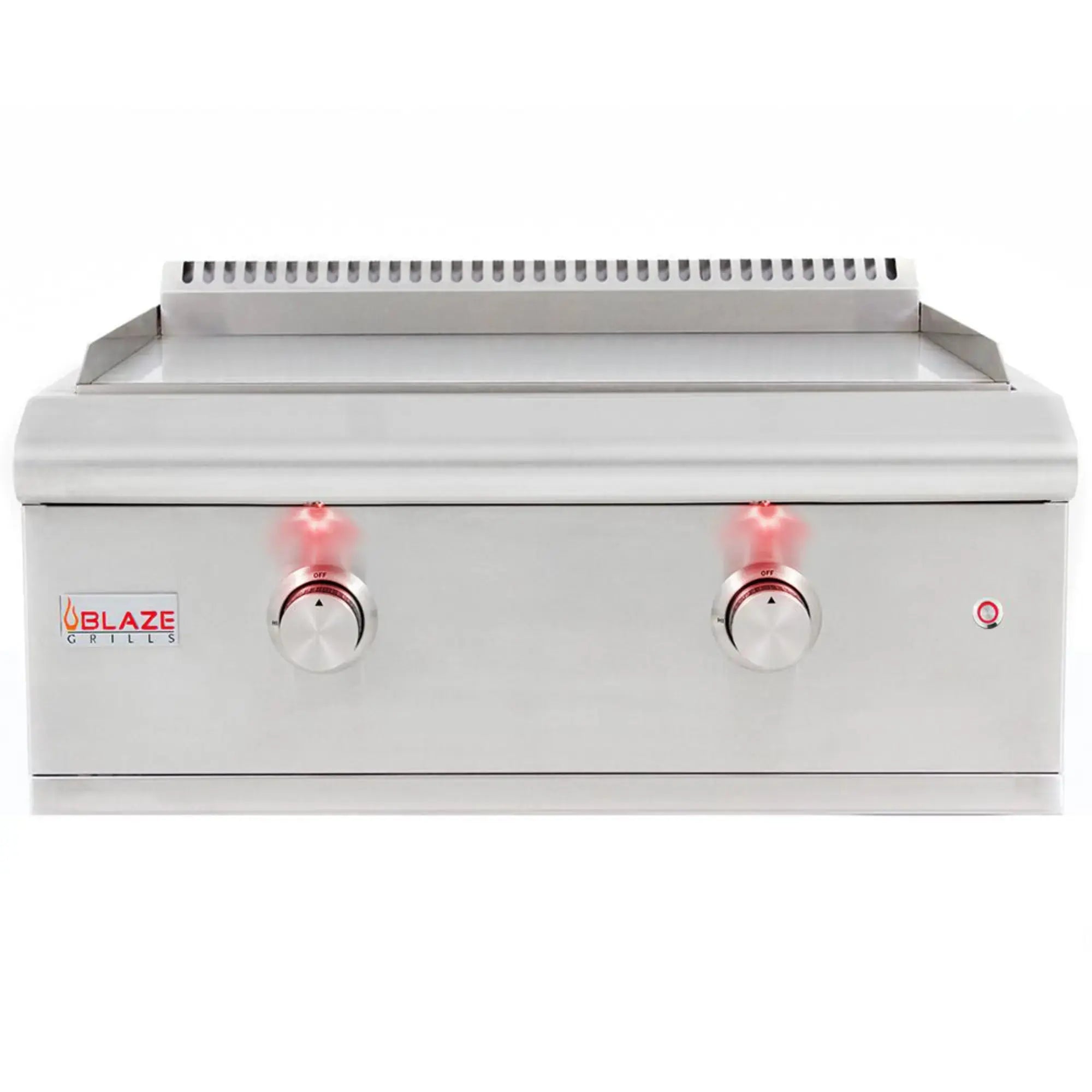
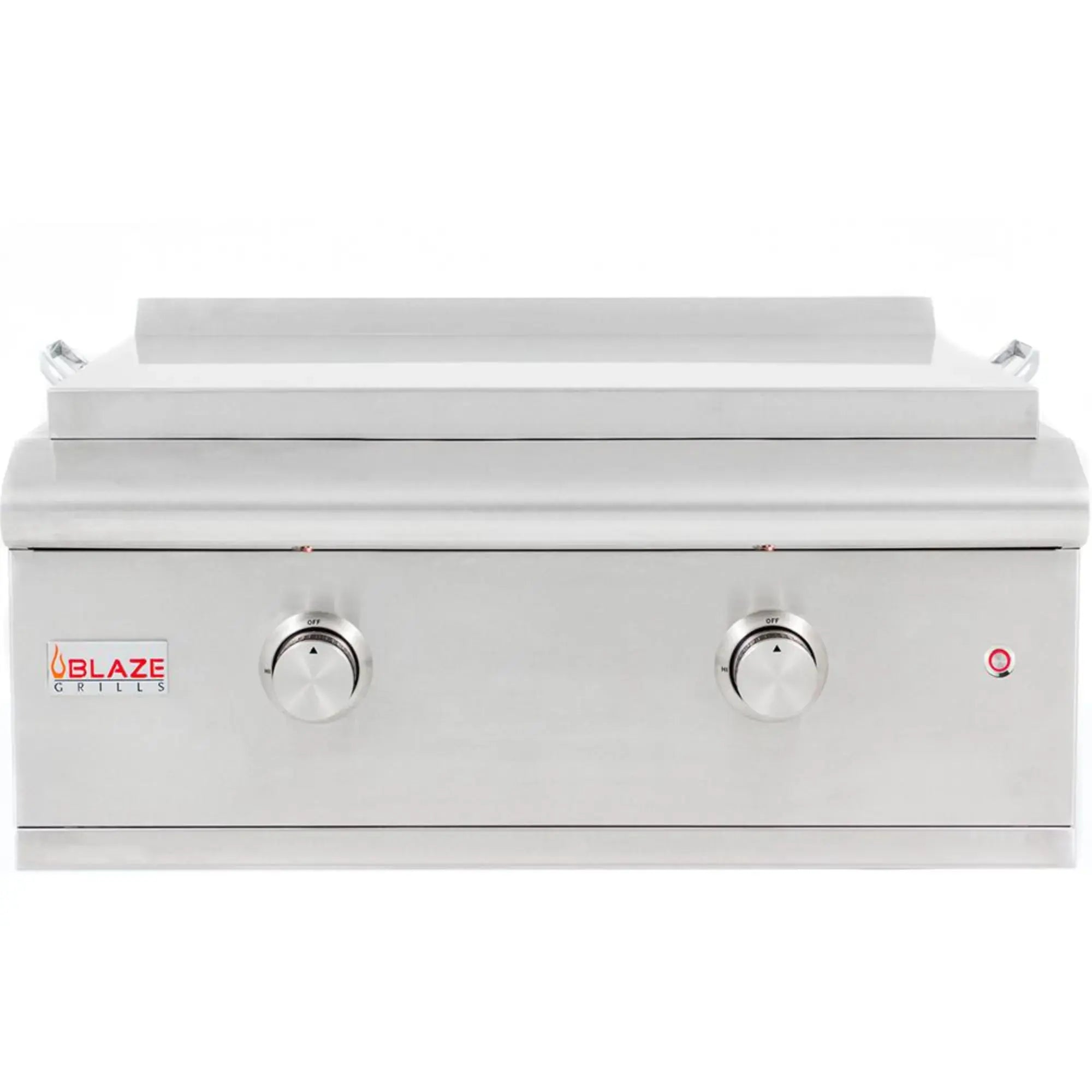


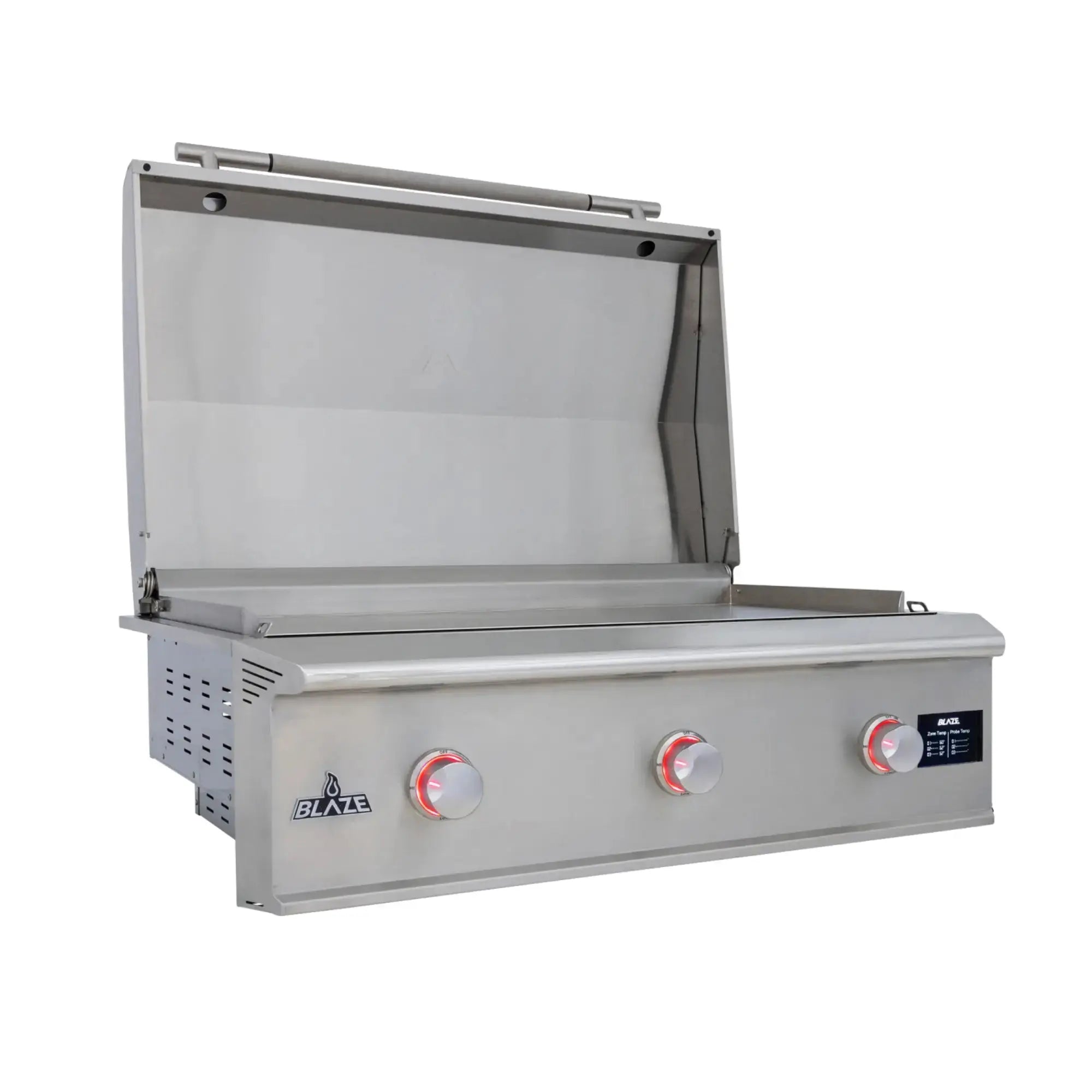
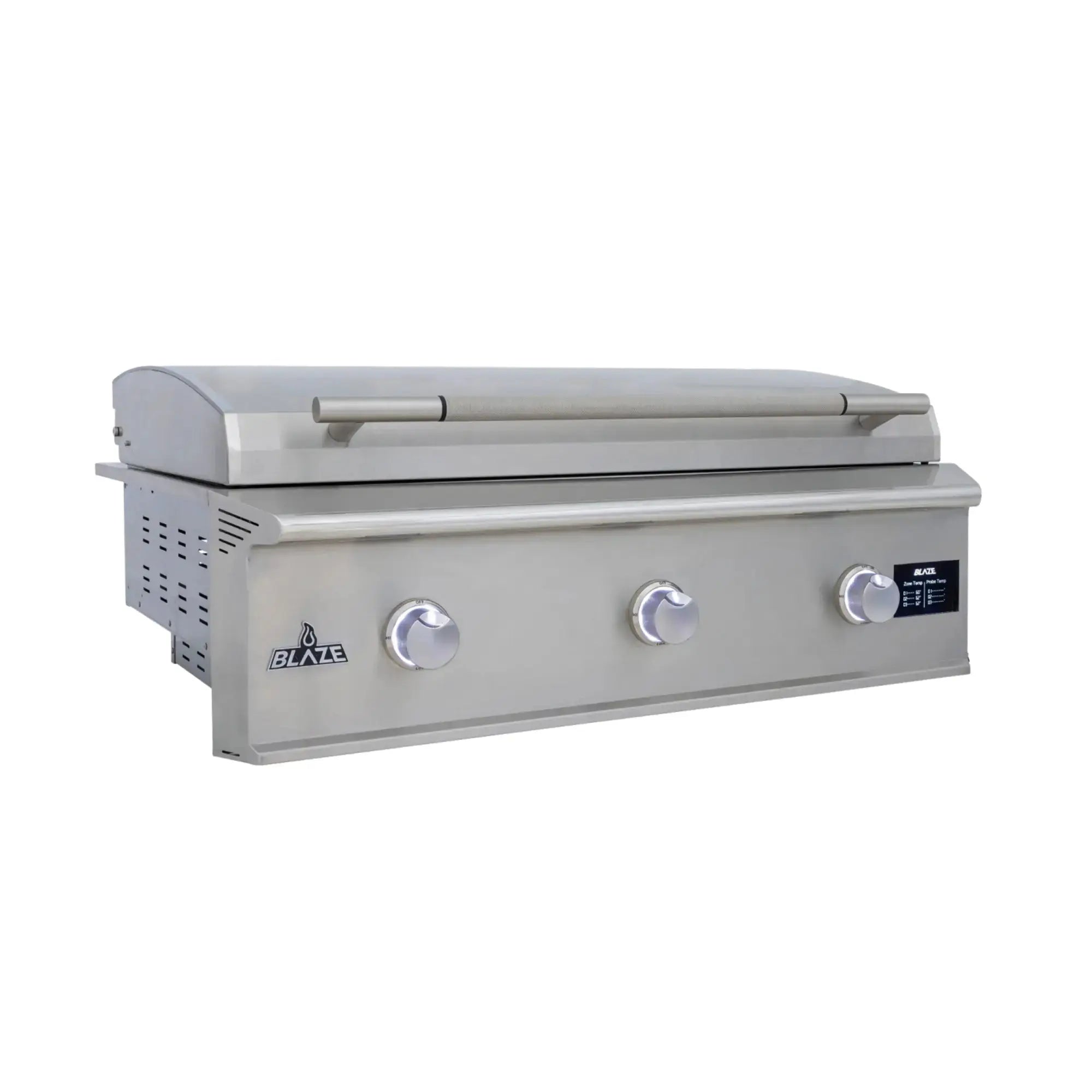
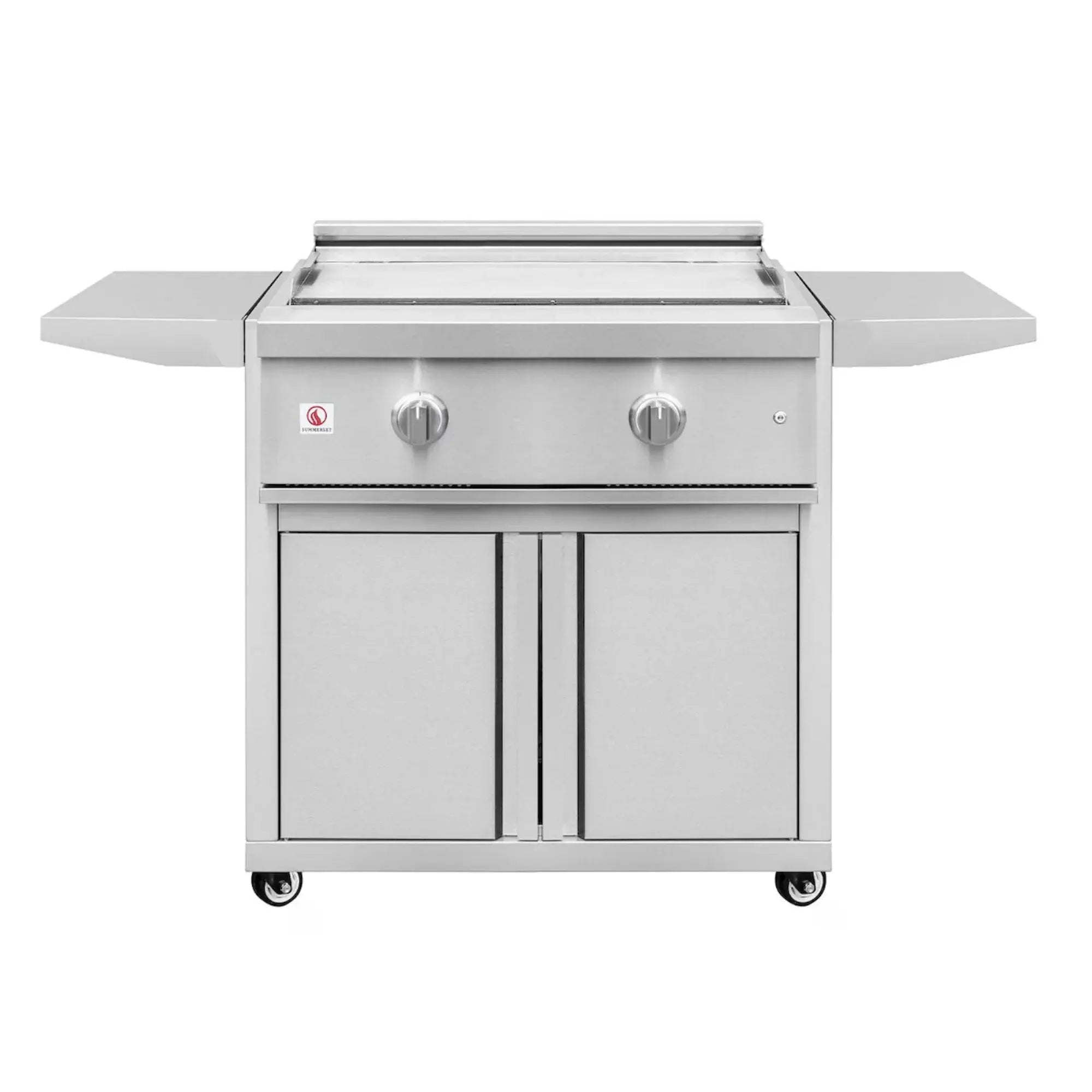
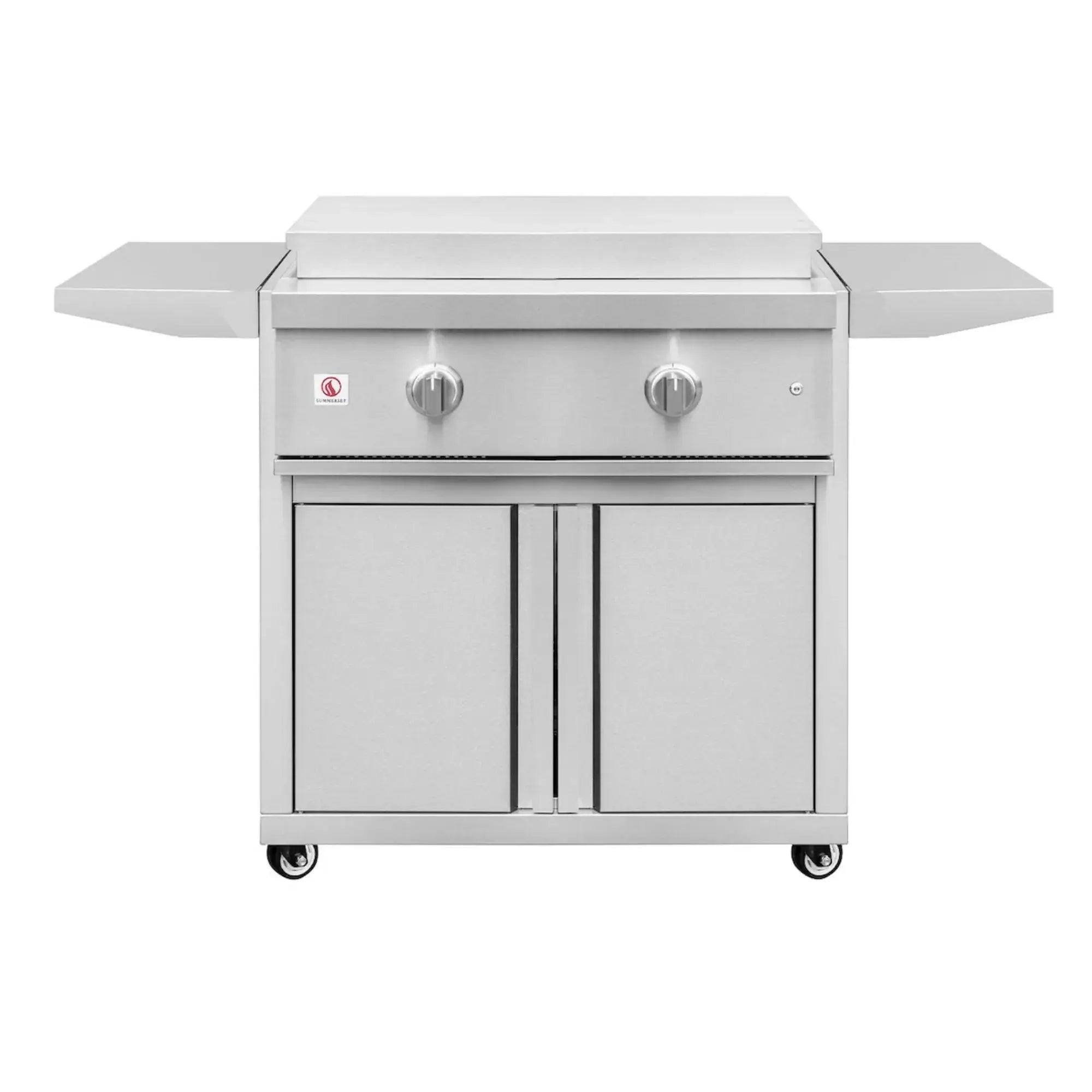
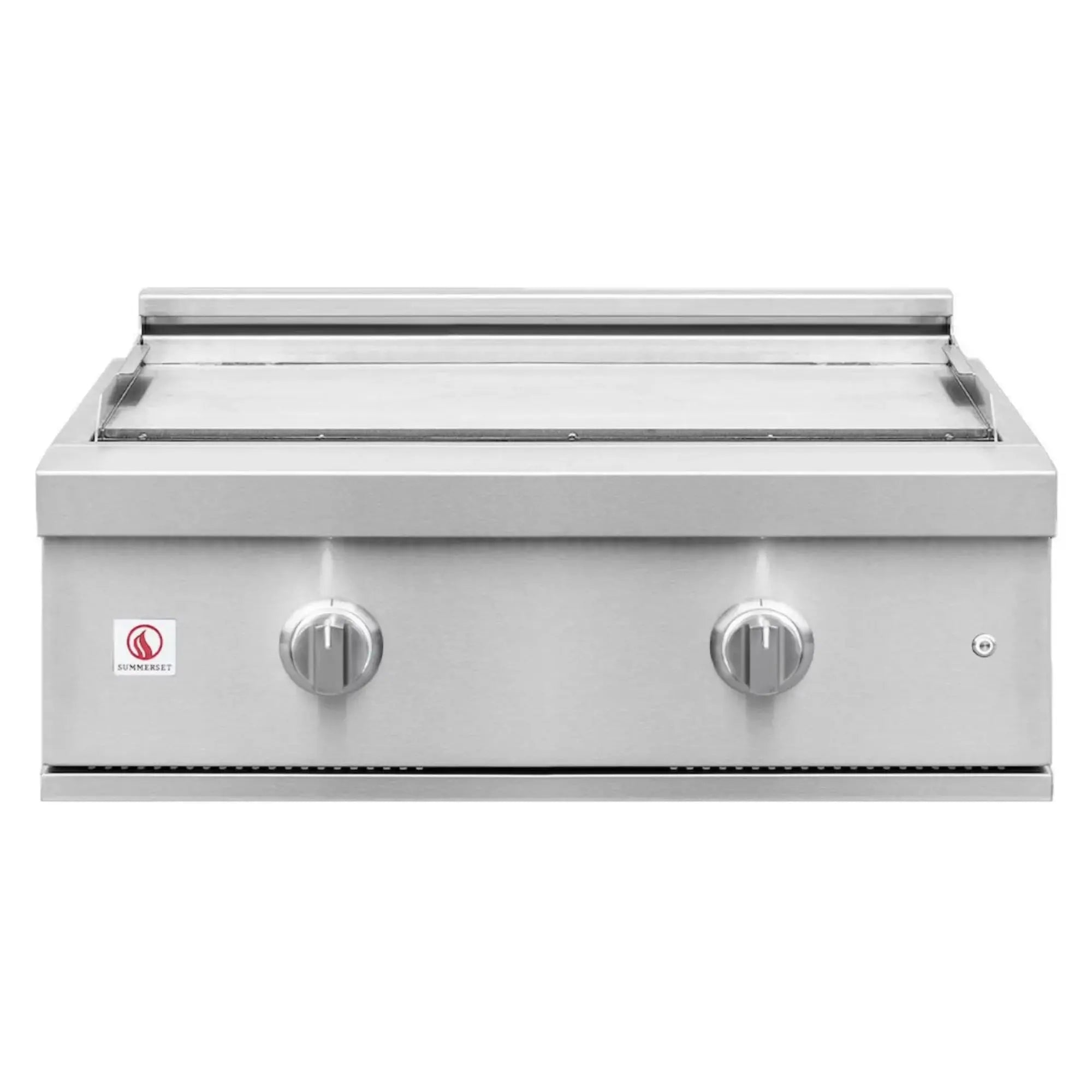
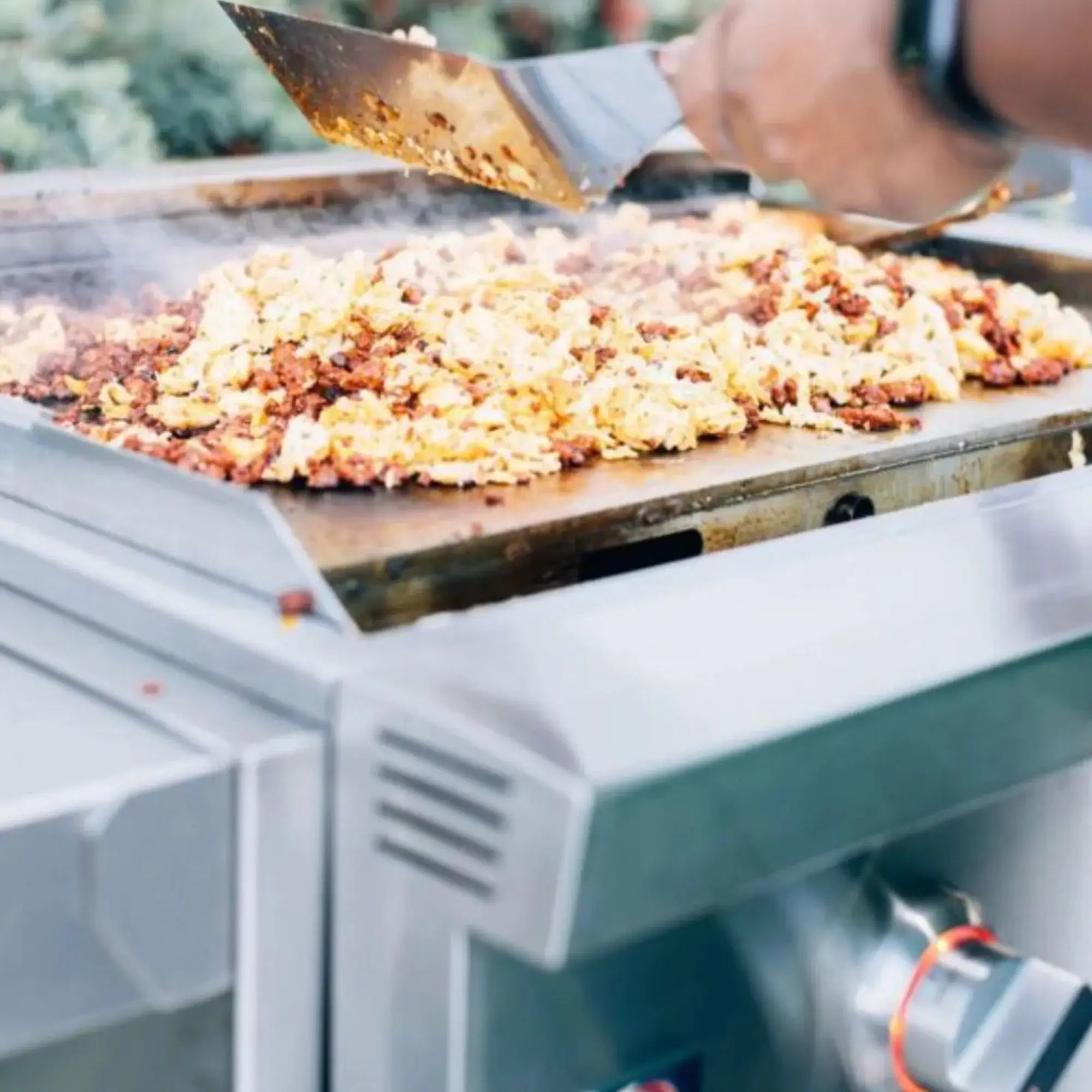


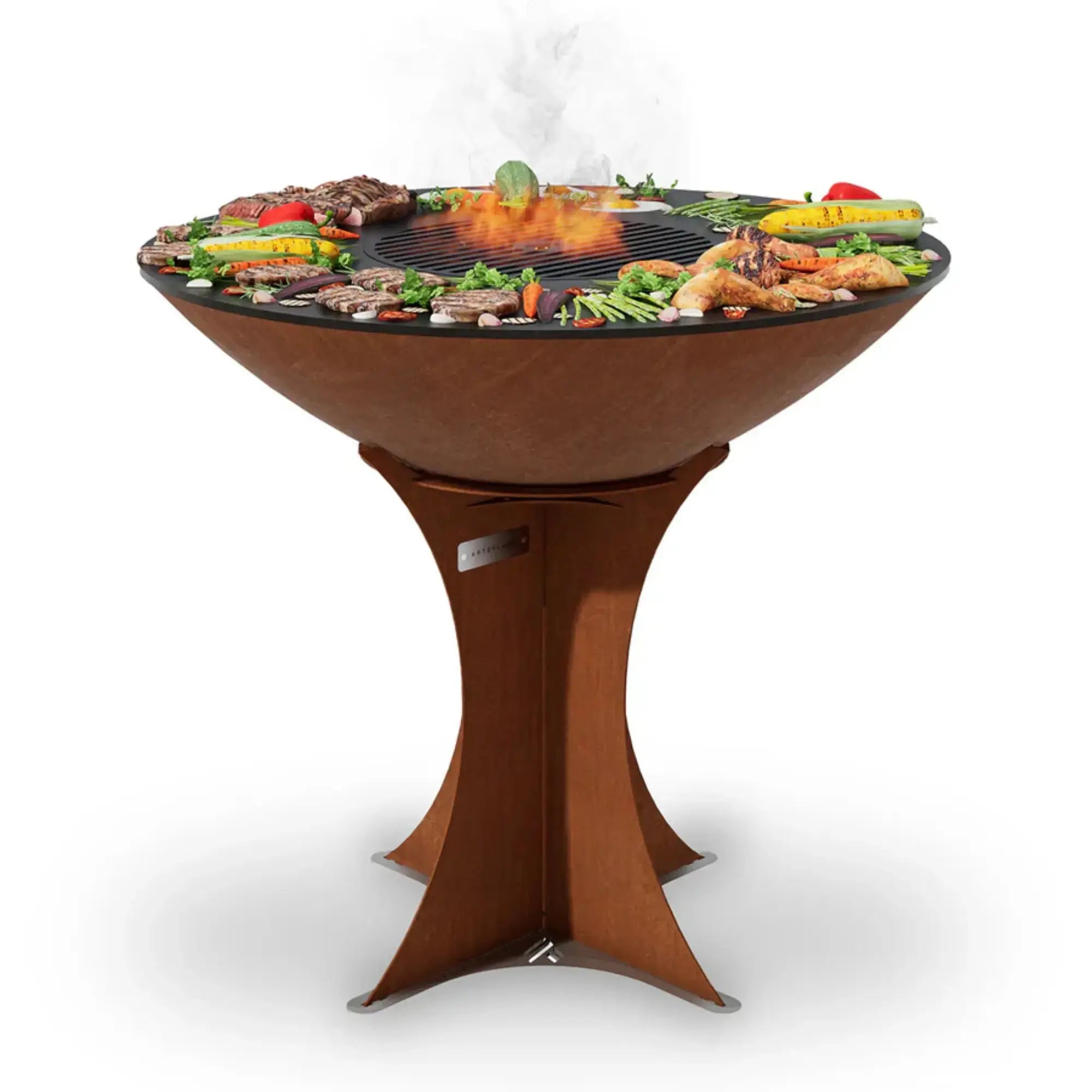
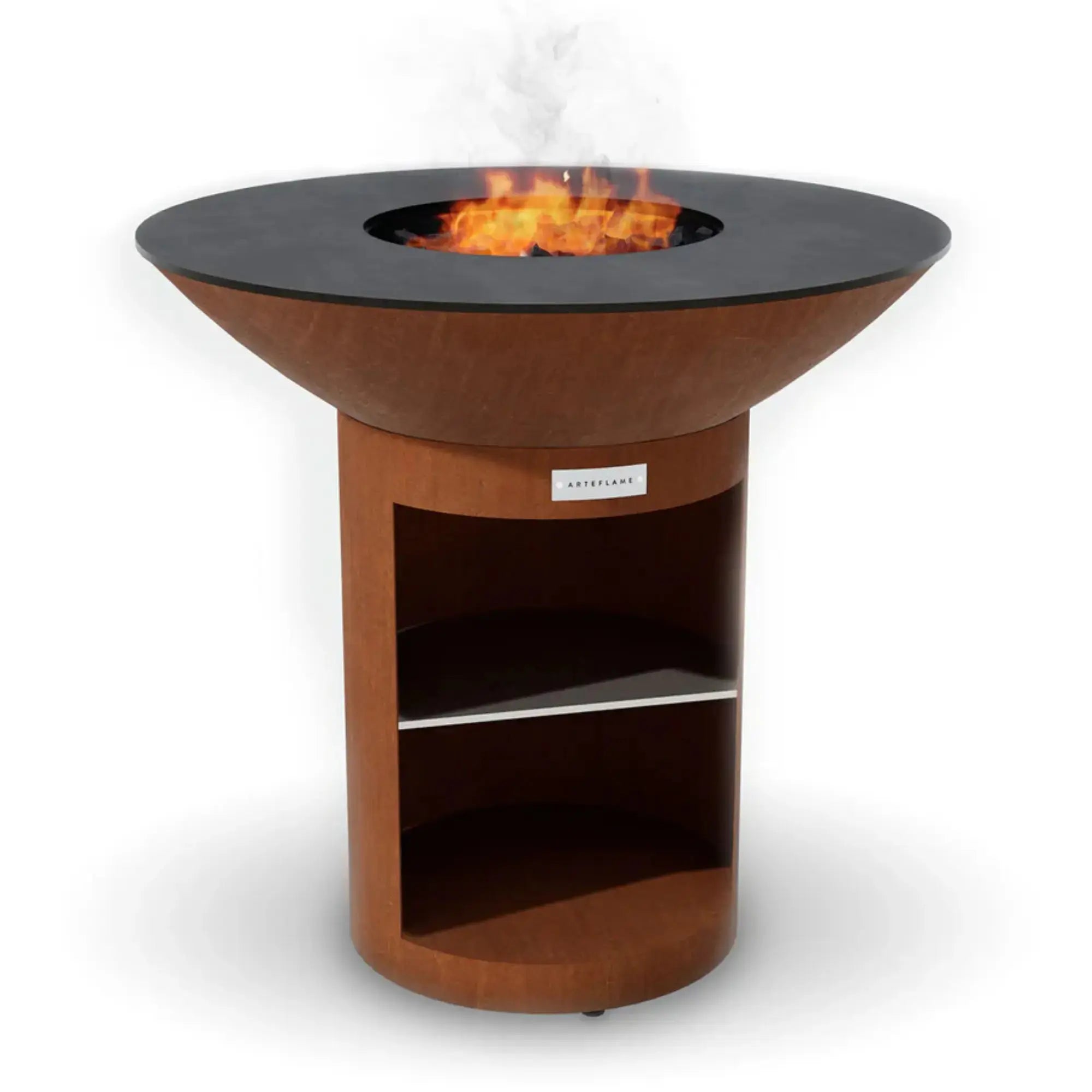
Cook everything from smash burgers to pancakes on one premium surface with our selection of flat top grills. Combining the searing power of a traditional grill with the versatility of a griddle, flat top grills handle delicate foods that fall through grates while delivering the deep crust and caramelization that makes outdoor cooking irresistible.

Why Flat Top Grills Are Essential for Outdoor Cooking
Even Cooking Surface for Consistent Results
Flat top grills provide a smooth, solid cooking surface that heats evenly, making it easier to cook multiple foods at once. Unlike traditional grills with grates, flat top grills allow you to prepare delicate items like eggs, pancakes, and vegetables without losing food through the gaps. The even heat distribution on flat top grills ensures consistent cooking temperatures across the entire surface, letting you achieve perfect sears and browning every time. This makes flat top grills a favorite among both casual and professional chefs for their reliable performance and versatility.
Easy Cleanup and Maintenance
One of the biggest advantages of flat top grills is how easy they are to clean. Since the cooking surface on flat top grills is flat and solid, grease and food particles don't fall through like on pellet or charcoal grills. Most flat top grills feature grease traps or channels that collect drippings, making cleanup quick and hassle-free. This design reduces the time and effort needed to maintain the grill, allowing you to spend more time enjoying your meals rather than scrubbing grill grates.
Versatility in Cooking Styles
Flat top grills are highly versatile, allowing you to cook a variety of meals beyond traditional grilling. From stir-frying and sautéing to grilling sandwiches and frying bacon, flat top grills can handle a wide range of cooking techniques. Their spacious surface lets you prepare multiple dishes simultaneously, perfect for gatherings or cooking for a family. This adaptability makes flat top grills ideal for those who enjoy experimenting with different recipes in an outdoor setting.

How to Choose the Right Flat Top Grill
Cooking Surface Size: Flat top grills range from compact 24" griddles to 40"+ circular cooktops. Smaller flat top grills suit families of 2–4; larger units handle group cookouts with multiple foods cooking simultaneously. Measure your available patio space before committing to a size.
Fuel Type: Flat top grills are available in gas (propane or natural gas), wood/charcoal, and electric versions. Gas flat top grills offer instant ignition and precise control. Wood-fired flat top grills like the Arteflame deliver authentic smoky flavor. Electric flat top grills are perfect for covered patios where ventilation is limited.
Cooking Surface Material: Carbon steel (used by Arteflame) develops a natural non-stick patina over time and retains heat beautifully. Stainless steel is easier to maintain but doesn't season the same way. Cast iron flat top grills offer excellent heat retention but require more care to prevent rust.
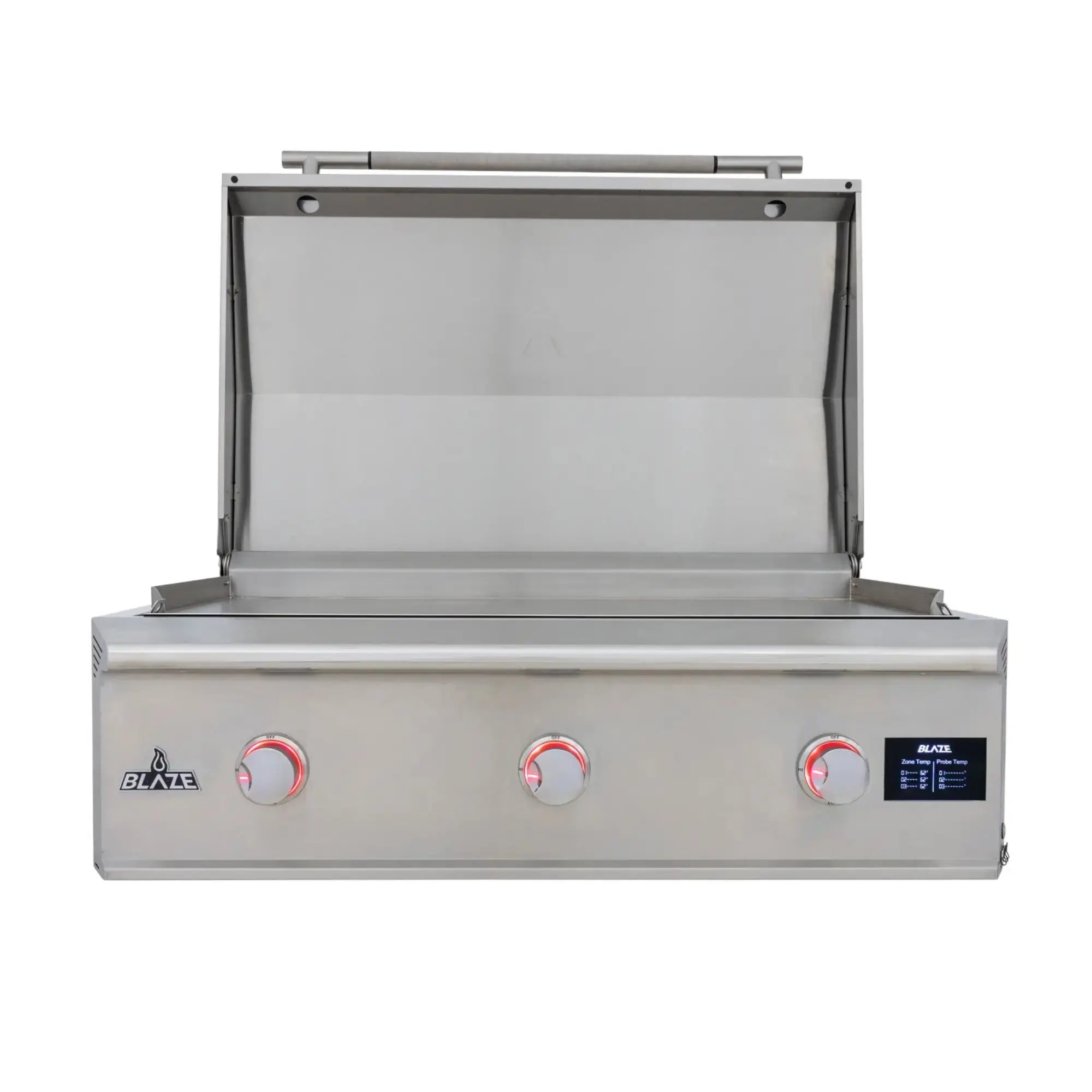
Style and Shape: Circular flat top grills create natural cooking zones — high heat at the center where the burner sits, gentler heat toward the edges. Rectangular griddle-style flat top grills offer maximum surface area and integrate easily into outdoor kitchen islands.
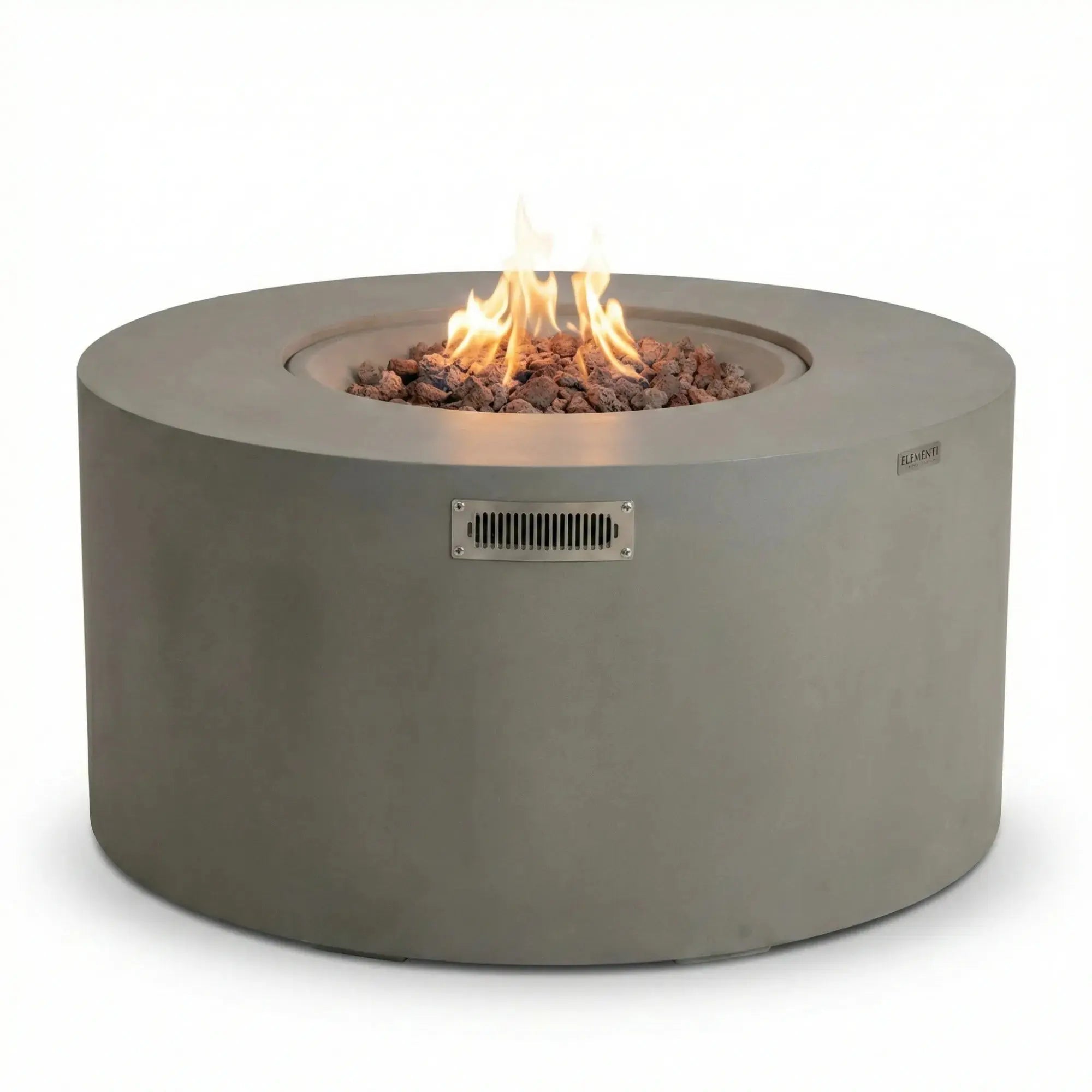
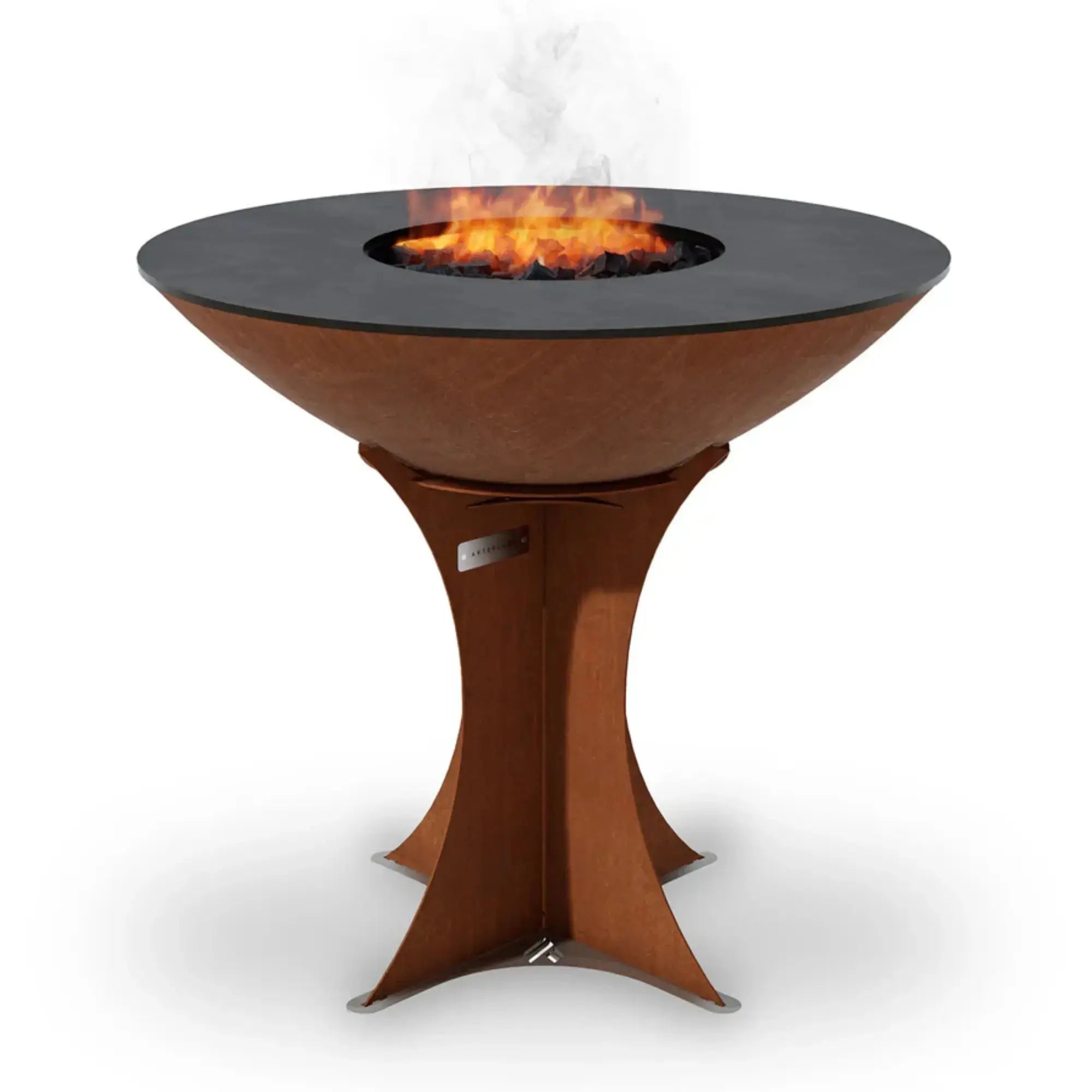
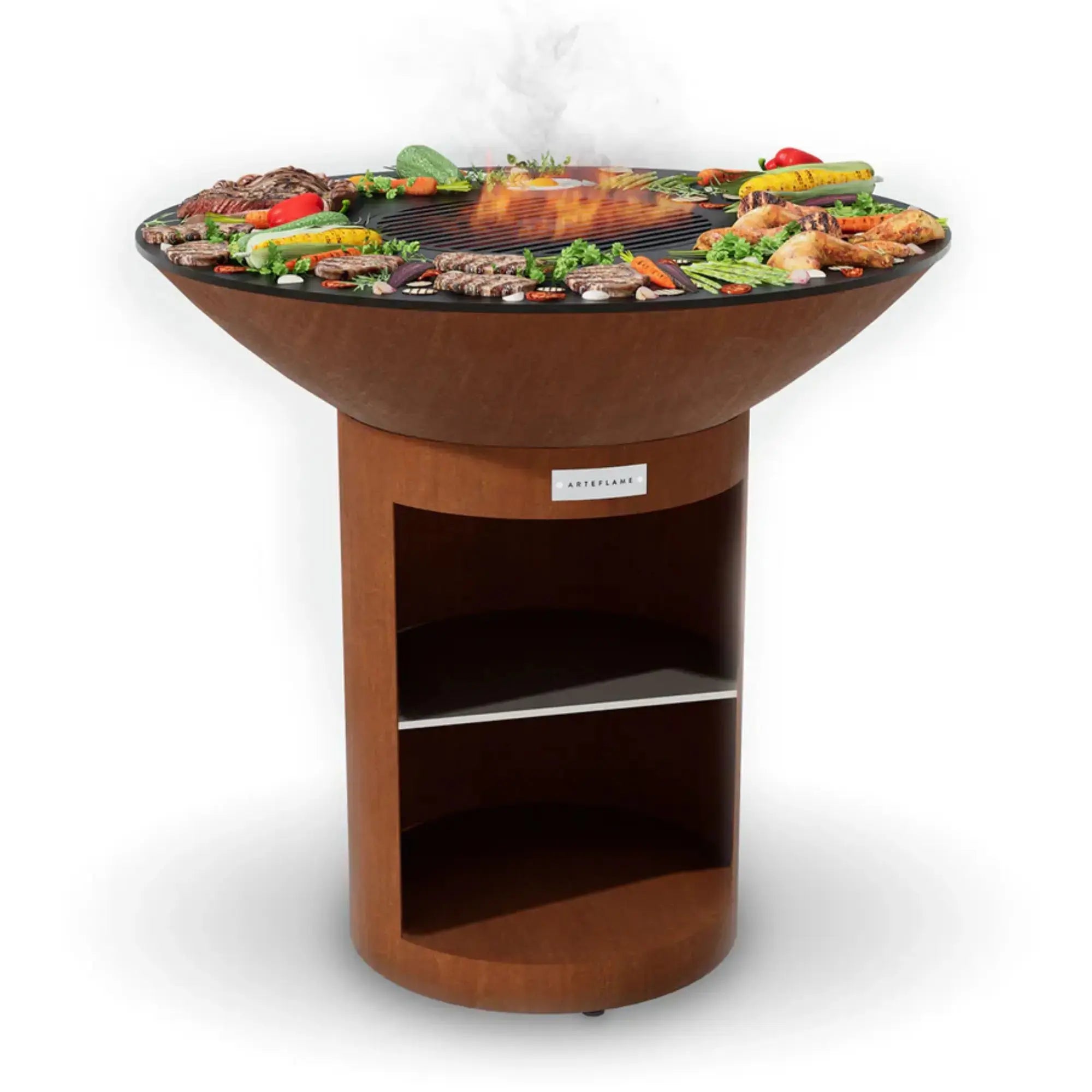
Features: Look for flat top grills with integrated storage, side prep shelves, grease management systems, and protective covers. Some flat top grills double as fire pits when not used for cooking — a major bonus for outdoor entertaining.

Frequently Asked Questions
What's the difference between a flat top grill and a griddle?
The terms overlap, but a griddle typically refers to a smooth, often rectangular cooking surface designed primarily for breakfast foods and smash burgers. Flat top grills can include circular wood-fired designs (like the Arteflame) and often combine searing power with broader versatility. In practice, all griddles are flat top grills, but not all flat top grills are griddles.
Can flat top grills replace a traditional grill?
For most cooks, yes. Flat top grills handle everything traditional grills do — burgers, steaks, chicken — plus foods that fall through grates like eggs, fish, shrimp, and stir-fries. Purists might miss the grate marks and direct flame char, but the cooking versatility of flat top grills more than makes up for it.
Do flat top grills need to be seasoned?
Carbon steel and cast iron flat top grills require seasoning — applying thin layers of oil and heating them to build a natural non-stick patina. Stainless steel flat top grills don't require seasoning but benefit from a light oil coating during cooking. Seasoning is the secret to a long-lasting, easy-release cooking surface.
Can you cook steaks on a flat top grill?
Absolutely — flat top grills excel at steaks. The solid surface delivers full edge-to-edge contact with the meat, creating a deep Maillard crust that's hard to achieve on grates. Carbon steel flat top grills like the Arteflame can hit screaming-hot temperatures perfect for steakhouse-style searing.
How do you clean a flat top grill?
While the surface is still warm (not screaming hot), scrape food residue with a metal scraper, wipe with a paper towel, then apply a thin layer of cooking oil to maintain the seasoning. For carbon steel flat top grills, avoid soap — it strips the seasoning. Deep cleaning is rarely needed if you maintain the surface after every cook.
Browse our complete selection of flat top grills at All Season Patio — including authorized dealer access to premium wood-fired flat top grills built for serious outdoor cooks.
Get the deals first
Exclusive offers, early access to sales, and seasonal patio tips — straight to your inbox.