Premium Outdoor Kitchen Planning Guide
A great outdoor kitchen usually looks simple once it is finished. That is exactly why planning matters. A premium outdoor kitchen planning guide is less about chasing features and more about getting the layout, utility access, materials, and appliance choices right before installation starts.
Most expensive mistakes happen early. A grill ends up too close to a walkway, refrigeration gets added without enough electrical capacity, or a beautiful stone finish starts showing wear because the kitchen was built for looks first and weather second. If you want an outdoor space that feels cohesive, works for real entertaining, and holds up over time, the planning stage deserves more attention than the shopping stage.
Start With How You Actually Entertain
Before you compare grills or countertop finishes, define what the kitchen needs to do. There is a big difference between a space built for weeknight family dinners and one built for large weekend gatherings. Both can be premium. They just should not be designed the same way.
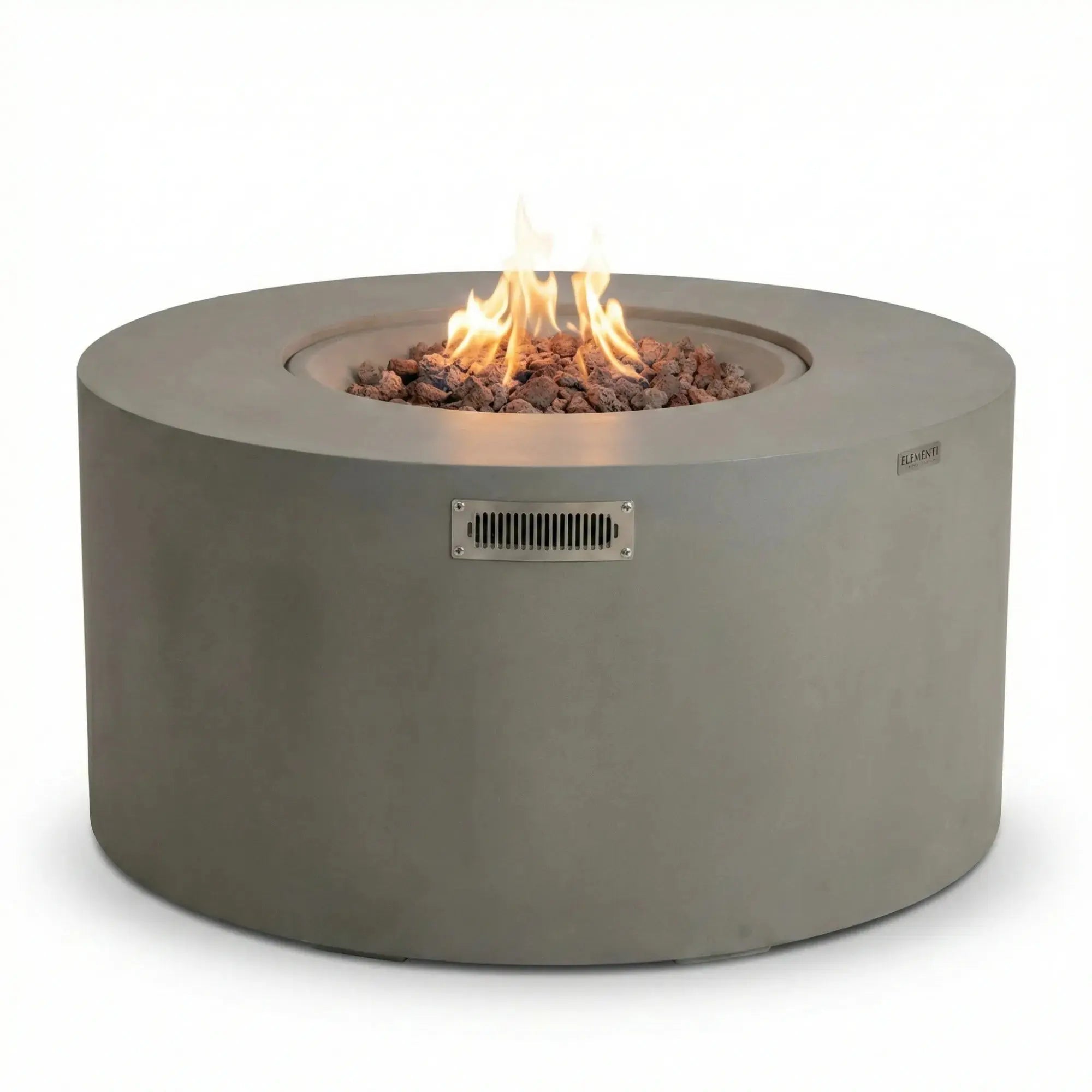
If you cook outside a few nights a week, your layout may prioritize a high-performance grill, durable prep space, and quick cleanup. If you host often, cold storage, bar seating, warming drawers, ice storage, and beverage service may matter just as much as the main cooking appliance. For some homeowners, the outdoor kitchen is the centerpiece. For others, it is one zone in a bigger backyard plan that includes a fire feature, dining area, and lounge space.
That distinction matters because premium design is not about adding every possible component. It is about choosing the right components so the space feels intentional instead of crowded.
Premium Outdoor Kitchen Planning Guide: Choose the Right Location
Placement affects comfort, cost, and long-term satisfaction more than most buyers expect. The shortest distance from your back door is not always the best answer, but convenience does matter. If carrying food, dishes, and supplies outside feels like work, the kitchen will get less use.
Start by thinking through traffic flow. You want enough space to move between the house, grill, prep area, seating, and dining zone without people crossing directly in front of the cooking station. Smoke direction also matters. A grill placed too close to doors, windows, or covered seating can turn a good layout into an annoying one.
Sun exposure is another big variable. Full sun can make cooking uncomfortable in the middle of summer and can put extra strain on refrigeration and some finishes. Shade structures, pergolas, and thoughtful orientation can improve daily use, but they also affect ventilation and clearance requirements. This is one of those areas where the right answer depends on your climate, your lot, and how often you cook during hot weather.
Build the Layout Around Function, Not Just Shape
Outdoor kitchens are often described by shape, straight, L-shaped, U-shaped, galley. That is helpful, but function matters more than geometry. For a full walkthrough, see our outdoor kitchen layout guide.
A strong layout usually creates a natural sequence: cold storage, prep space, cooking, landing space, and serving. You do not need a huge footprint to get this right, but you do need enough counter area on both sides of the grill. Premium kitchens feel easier to use because they account for what happens before and after cooking, not just the appliance in the middle.
Think carefully about seating placement. Bar seating can make the kitchen more social, but it should not interfere with the cook. If guests are sitting directly across from a hot grill or blocking prep access, the feature works against the space. In many backyards, separate but connected seating works better than forcing everyone into one island.
Appliances: Buy for Use Frequency and Climate
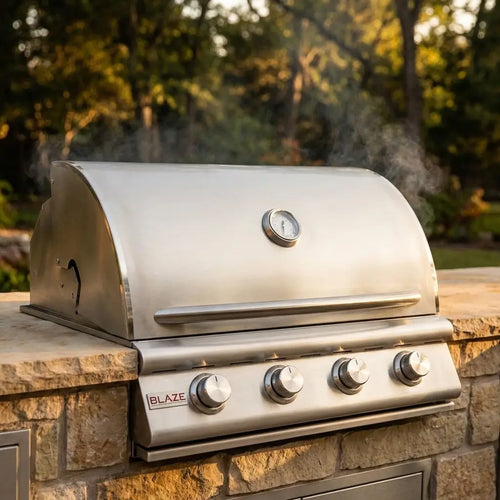
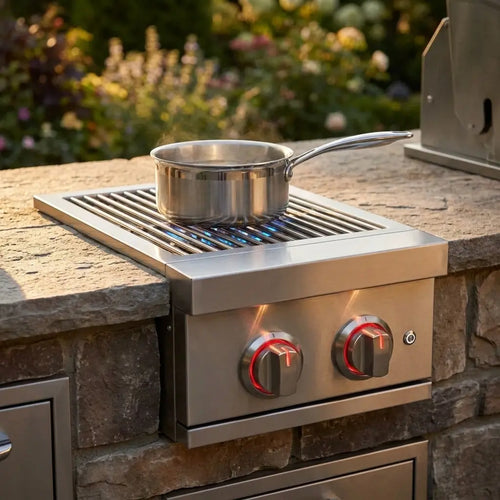
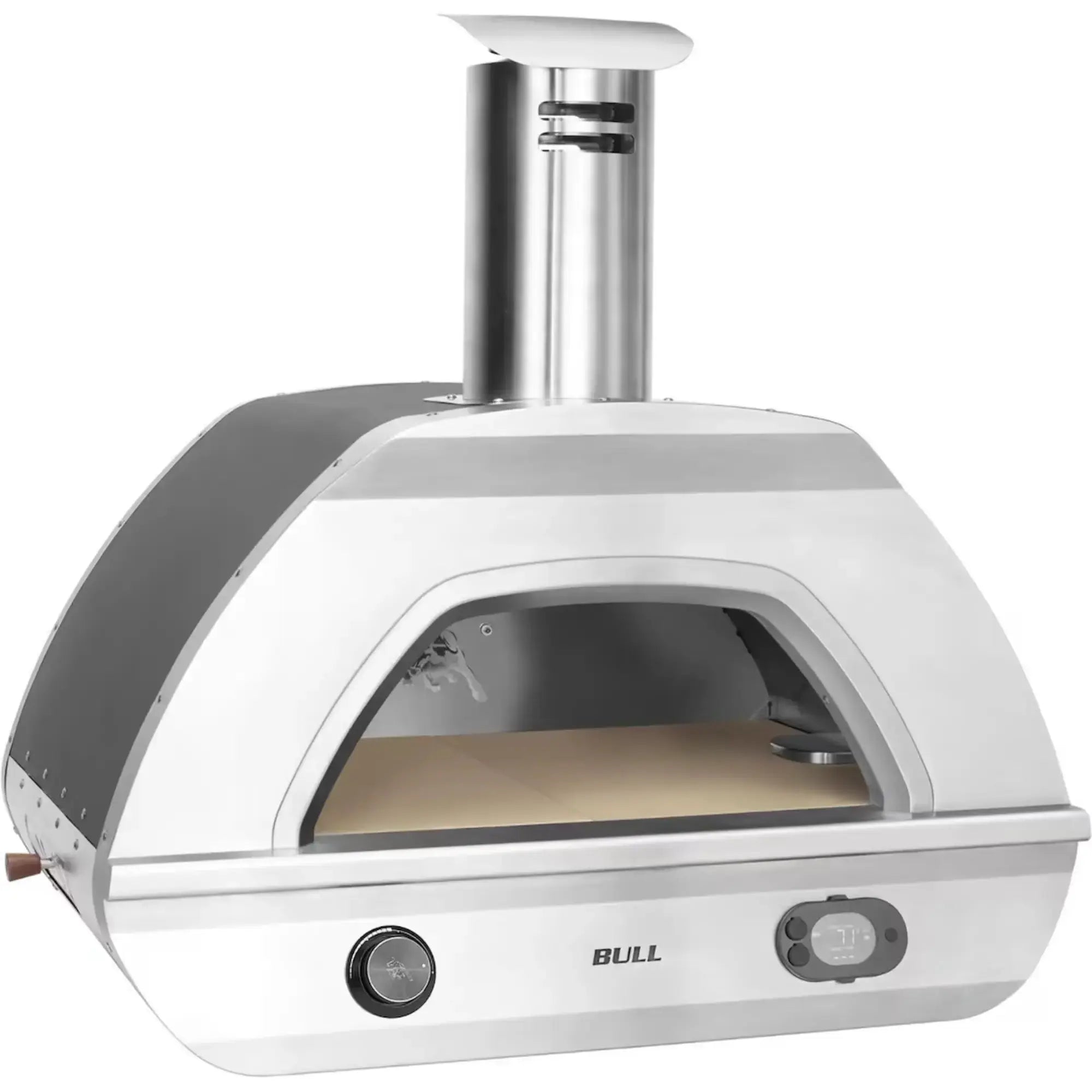
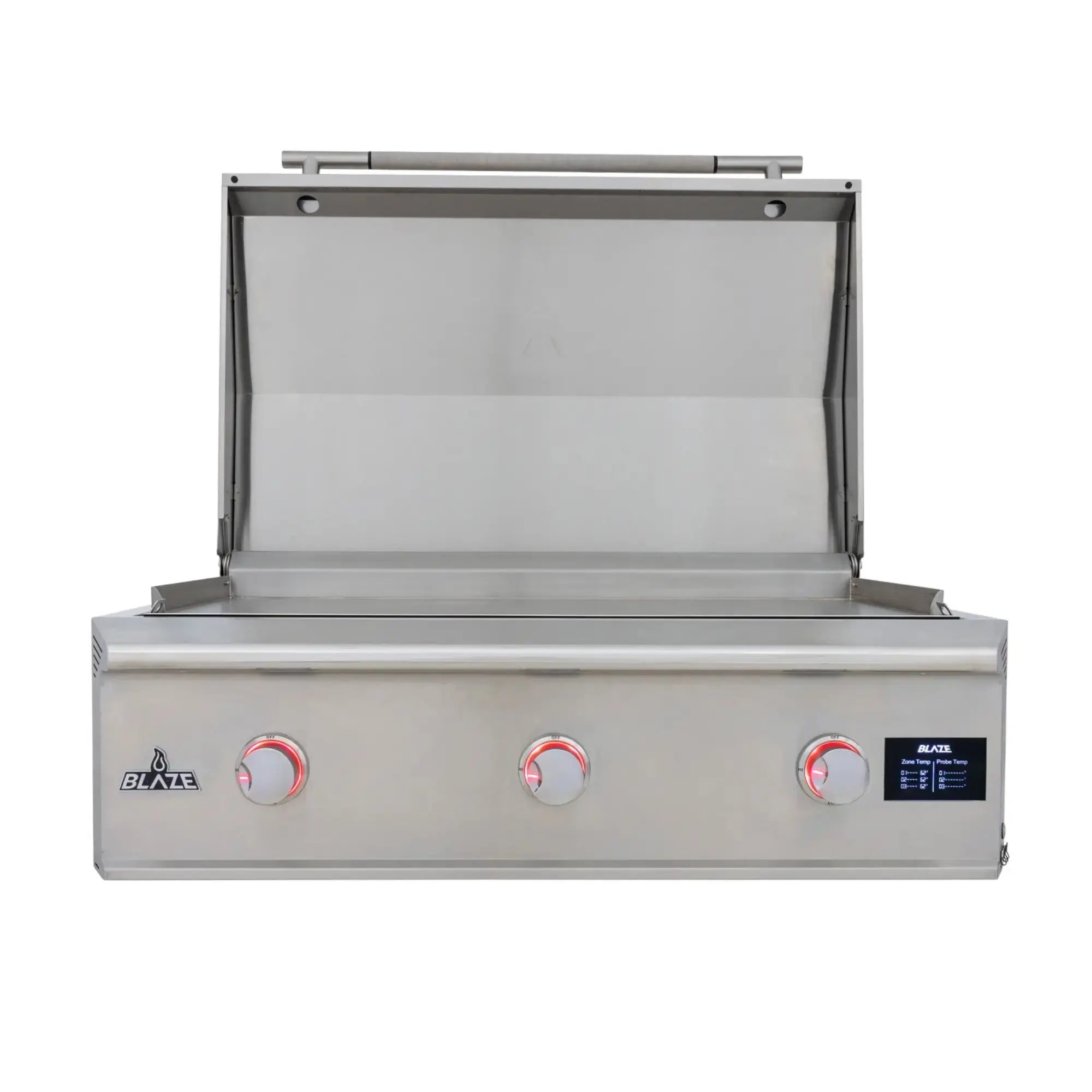
The appliance package is where many homeowners either overspend or underbuild. A premium setup should reflect how often each item will be used. A built-in grill is often the anchor, but side burners, power burners, refrigeration, sinks, smokers, pizza ovens, and beverage centers only make sense when they solve a real need.

If you cook full meals outdoors often, refrigeration and a sink can save time and reduce back-and-forth trips inside. If you mainly grill proteins and serve indoors, those upgrades may be less essential than a better grill, more prep space, or weather-resistant storage.
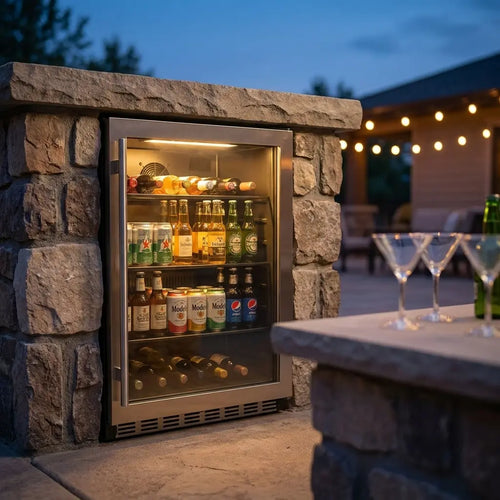
Climate should guide every appliance decision. Refrigeration that performs well in outdoor conditions is different from an indoor unit placed outside. Marine-grade or high-grade stainless construction matters more near the coast, where salt air accelerates corrosion. In freeze-prone regions, winterization planning matters from day one. The best appliance package is not the one with the longest feature list. It is the one chosen by people who actually use this stuff in conditions like yours.
Materials Make or Break a Premium Build
A premium outdoor kitchen should still look good after years of sun, rain, spills, grease, and temperature swings. That means materials need to be chosen for exposure, maintenance expectations, and local weather.
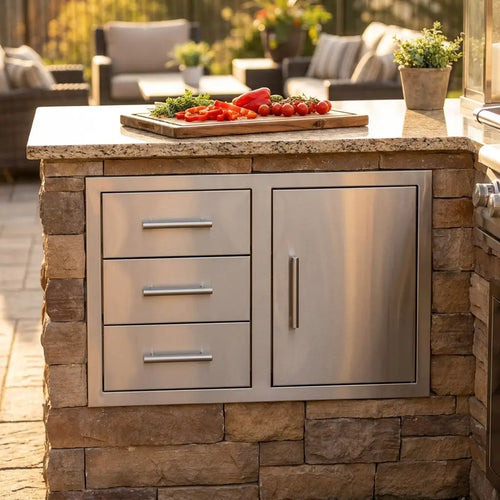
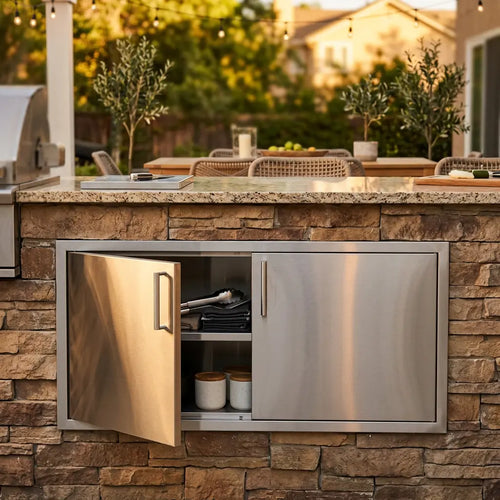
Stainless steel remains a go-to for many components because it is durable, clean-looking, and easy to coordinate with grills and access doors. But stainless quality varies. In harsher environments, especially coastal ones, higher-grade stainless is worth the premium.

Countertops require even more thought. Natural stone can look excellent, but not every slab performs equally well outdoors. Some materials stain, fade, or require more sealing than homeowners expect. Sintered stone, certain granites, and other exterior-rated surfaces often make more sense than choosing based on indoor kitchen trends. The same goes for cabinetry, veneer, and island finishes. A material that looks great in a showroom may not age well in direct sun or repeated freeze-thaw cycles.
There is always a trade-off here. Some of the best-performing materials offer a more understated look, while some visually striking options demand more upkeep. The right choice depends on whether you want the lowest maintenance path or are willing to do periodic care for a specific finish.
Utilities Should Be Planned Before You Finalize the Design
This is where outdoor kitchen projects either stay on budget or drift quickly. Gas, electric, and plumbing requirements need to be addressed early because they affect layout, installation cost, and what products you can realistically include.
A gas grill may be fueled by propane or natural gas, but the decision changes both convenience and installation planning. Natural gas can be excellent for frequent cooking if your home setup allows it. Propane offers flexibility but requires tank management and storage planning.
Electrical needs are often underestimated. Refrigeration, lighting, outlets, rotisserie systems, and specialty appliances all require proper power. A sink or ice maker brings plumbing and drainage into the conversation. If your outdoor kitchen sits far from the house, utility runs can become a major line item. That does not mean you should scale back automatically. It means you should know the cost before locking in the design.
Budget in Layers, Not as One Number
A practical premium outdoor kitchen planning guide should treat budget as a series of decisions, not a vague total. Homeowners often focus on appliance pricing first, even though cabinetry, countertops, utility work, labor, and site preparation can equal or exceed the cost of the equipment.
It helps to separate your budget into four buckets: core appliances, structural build, finish materials, and utility or installation work. Once you see the project this way, it becomes easier to decide where premium upgrades matter most.
For some buyers, the right move is investing heavily in the grill and refrigeration while keeping the island design straightforward. For others, a cleaner architectural build with fewer appliances creates a more cohesive result. There is also a strong case for phased planning. If the island, utilities, and core components are designed properly from the start, you can leave room to add specialty appliances later without redoing the whole space.
Storage, Lighting, and Weather Protection Are Not Extras
The difference between an outdoor kitchen that gets used constantly and one that feels occasional often comes down to supporting details.
Storage keeps tools, fuel, serving pieces, and cleaning supplies where you need them. Good lighting extends use into the evening and makes cooking safer. Task lighting near prep and grill zones matters more than ambient lighting alone. Weather protection, whether through covers, partial shelter, or full overhead structures, can dramatically affect appliance lifespan and user comfort.

These elements are easy to downplay because they are less exciting than a new grill. In practice, they are often what make the kitchen feel finished.
Premium Outdoor Kitchen Planning Guide: Common Mistakes to Avoid
The most common mistake is building too much kitchen and not enough usable space around it. Another is choosing components individually without thinking through the full environment. A premium grill paired with undersized prep space, poor ventilation, or low-grade storage does not create a premium experience.
It is also common to overbuild for rare occasions. If you host a huge party twice a year, that does not always justify designing the whole kitchen around maximum event capacity. Daily usability usually matters more. On the other hand, underbuilding can be just as frustrating if you know outdoor cooking is going to be central to how you live at home.
This is where a curated approach helps. Retailers like All Season Patio tend to be most useful when the project moves past browsing and into real decision-making, where product quality, compatibility, and practical trade-offs matter more than feature overload.
A premium outdoor kitchen should earn its cost over time. If the space is comfortable to use, built with materials that fit your climate, and planned around how you actually cook and entertain, it will feel less like a backyard add-on and more like part of the home. That is usually the difference between a project that looks impressive for a season and one you still appreciate years later.
Explore the outdoor kitchen guides. Planning and layout: outdoor kitchen layout and choosing components. Cabinets and storage: cabinets and storage, storage ideas, and modular kitchen kits. Appliances and grills: appliances, the best grill for an outdoor kitchen, built-in vs freestanding grills, and kitchen vs a standalone grill. Inspiration: BBQ and outdoor kitchen ideas.