Outdoor Kitchen Appliance Guide for Smart Buys
A good outdoor kitchen usually gets judged by the grill first. Fair enough - it does most of the heavy lifting. But the difference between a setup that looks impressive and one you actually use every week comes down to the supporting appliances. This outdoor kitchen appliance guide is built to help you choose the pieces that make cooking outside easier, cleaner, and more enjoyable over time.
The biggest mistake homeowners make is buying appliances in the wrong order. They start with what sounds exciting, then realize later they skipped refrigeration, prep space, storage, or proper utility planning. A better approach is to think in zones: cooking, prep, cold storage, cleanup, and entertaining. Once those zones are clear, the appliance decisions get much easier.
Start with how you actually cook outdoors
Before comparing burner counts or door styles, step back and think about use. If your outdoor kitchen is mainly for weekend burgers, the appliance package should look very different from a setup designed for frequent entertaining, low-and-slow smoking, pizza nights, and holiday gatherings.
For many households, the grill is the anchor, but not necessarily the only cooking appliance. If you regularly cook multiple dishes outside, a side burner, griddle, or power burner may save you from running back into the house. If you host often, refrigeration and ice storage quickly move from nice-to-have to essential. If cleanup is a pain point, a sink and trash pullout can make the whole kitchen feel complete.
That is why the best outdoor kitchen appliance guide is not just a list of products. It is a planning tool. The right mix depends on your menu, your climate, the amount of space you have, and whether this is a first-stage build or a long-term finished project.
The core appliances worth considering
Grill
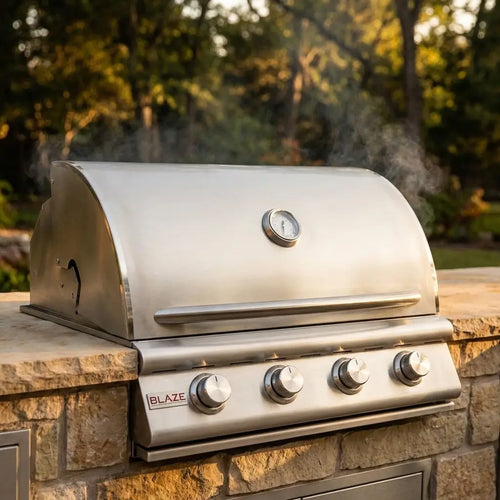
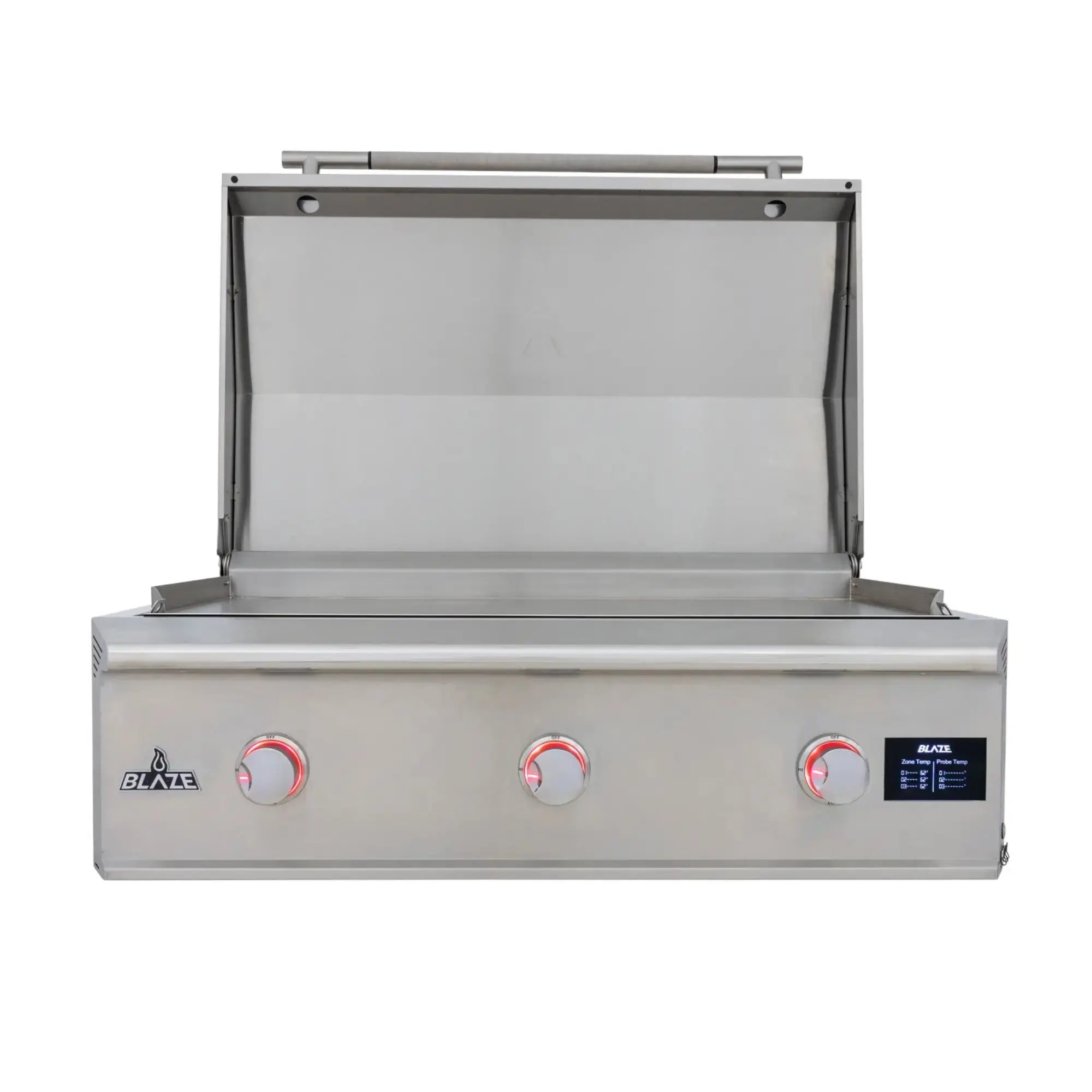
For most buyers, this is still the first decision, and it should be. Built-in gas grills are popular because they offer speed, convenience, and a clean integrated look. Charcoal grills appeal to people who prioritize flavor and do not mind extra prep and cleanup. Pellet options work well for buyers who want smoking versatility with more temperature control.
The trade-off is simple. Gas is easiest for weeknight use. Charcoal usually brings more hands-on cooking character. Pellet grills can be versatile, but they require power and have their own maintenance rhythm. There is no universal best choice - only the one that matches how often you will really use it.

Side burner or power burner
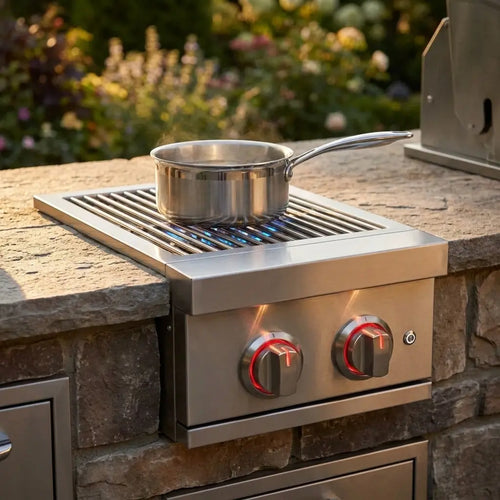
A side burner is one of those appliances people skip until they realize how often they need it. Heating sauce, sautéing vegetables, boiling corn, or finishing a side dish outdoors keeps traffic out of the indoor kitchen. A power burner makes sense if you cook with large pots, seafood boils, or wok-style heat.
If your outdoor cooking is simple, you may not need one. But for anyone building a true entertaining space, this small addition often earns its keep.

Outdoor refrigeration
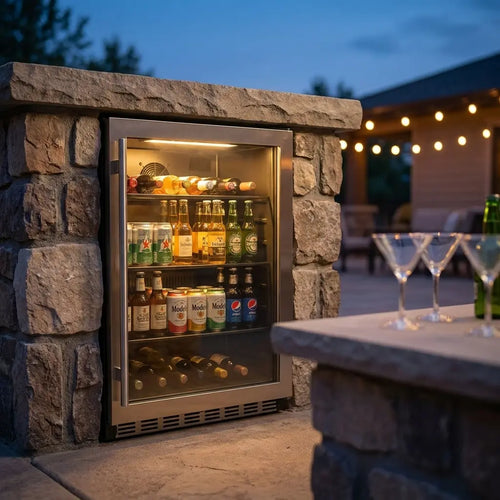
A refrigerator changes how functional your kitchen feels. It keeps drinks, condiments, meats, and prep ingredients within reach and cuts down on trips indoors. The key is choosing a unit specifically rated for outdoor use. Standard indoor refrigerators are not built for heat swings, moisture, or exposure to the conditions found in covered patios and open-air kitchens.
Capacity matters less than many people think. A smaller premium outdoor refrigerator is often more useful than a larger low-quality unit that struggles in summer heat. Think about whether you need everyday food storage, beverage-only cooling, or both.

Ice maker or beverage center
If you entertain frequently, this category deserves a hard look. An ice maker is incredibly useful for parties, but it is not always a must-have for daily cooking. A beverage center can be a smarter fit if your priority is drinks, wine, or easy guest access without opening the main refrigerator repeatedly.
This is one of those areas where budget discipline matters. These appliances are convenient, but they should support how you actually host rather than just filling cabinet space.
Sink and faucet
A sink is often undervalued because it is less exciting than cooking equipment. In practice, it may be one of the most useful additions in the entire kitchen. Washing hands, rinsing produce, filling pots, and cleaning utensils outside makes the space more self-sufficient.
The catch is utility planning. A sink adds plumbing complexity, and in colder regions you need to think seriously about winterization. If you are building in stages, roughing in plumbing now can save a lot of trouble later.
Storage and trash pullouts
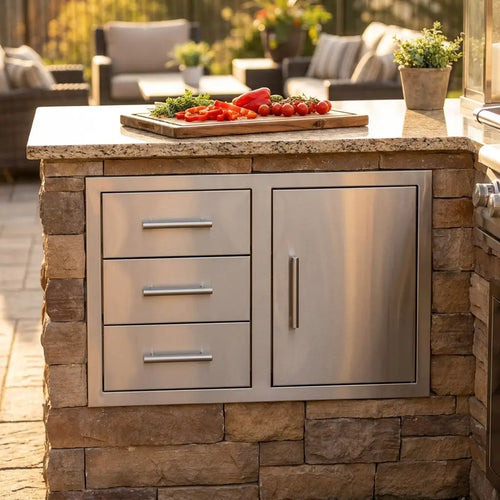
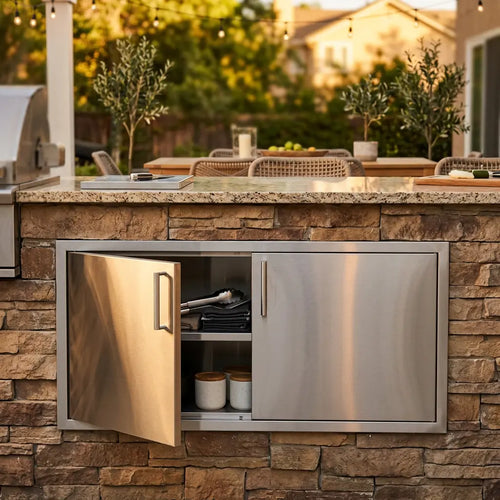
These are not glamorous purchases, but they matter. Dry storage keeps tools, seasonings, and grill accessories protected. A trash pullout helps maintain a cleaner cooking area and makes prep less chaotic. Soft-close drawers and well-built access doors also tend to hold up better over time in outdoor environments.
People who actually use their outdoor kitchens a lot usually care less about flashy extras and more about whether there is a logical place to put everything.

What materials and ratings really matter
Outdoor appliances live a harder life than indoor ones. Heat, rain, humidity, airborne salt, pollen, grease, and freeze-thaw cycles all take a toll. That is why material quality is not a small detail.
304 stainless steel is a common benchmark for good reason. It offers strong corrosion resistance and tends to perform well in many residential environments. In coastal areas or places with heavy salt exposure, you may want to look even more closely at marine-grade options, protective covers, and placement. Even high-quality stainless is not invincible if the environment is harsh and maintenance is neglected.
Look beyond the headline specs too. Burner construction, hinge quality, gasket design, insulation, and weld consistency all affect long-term durability. Premium appliances cost more upfront, but in outdoor categories, build quality often shows up quickly in day-to-day performance and lifespan.
Size your appliance package to the space
Bigger is not automatically better. Oversized appliances can make an outdoor kitchen feel crowded and leave you short on landing space, which is one of the most important parts of a functional layout. You need room to set trays down, plate food, and prep ingredients safely.
A compact kitchen can still perform extremely well if the appliances are chosen carefully. In a smaller footprint, it often makes more sense to prioritize a high-quality grill, useful storage, and refrigeration before adding specialty cooking equipment. In larger layouts, multiple cooking appliances can work well, but only if the surrounding counter space keeps pace.
Think about door swing, venting, utility runs, and service access as well. Appliances need breathing room and maintenance access. A layout that looks clean on paper can become frustrating fast if every repair requires disassembling part of the island.
Budgeting without wasting money
A premium outdoor kitchen does not mean buying every appliance at once. In fact, staged builds are often the smarter move. Start with the appliances that affect weekly use the most, then add specialty pieces later.
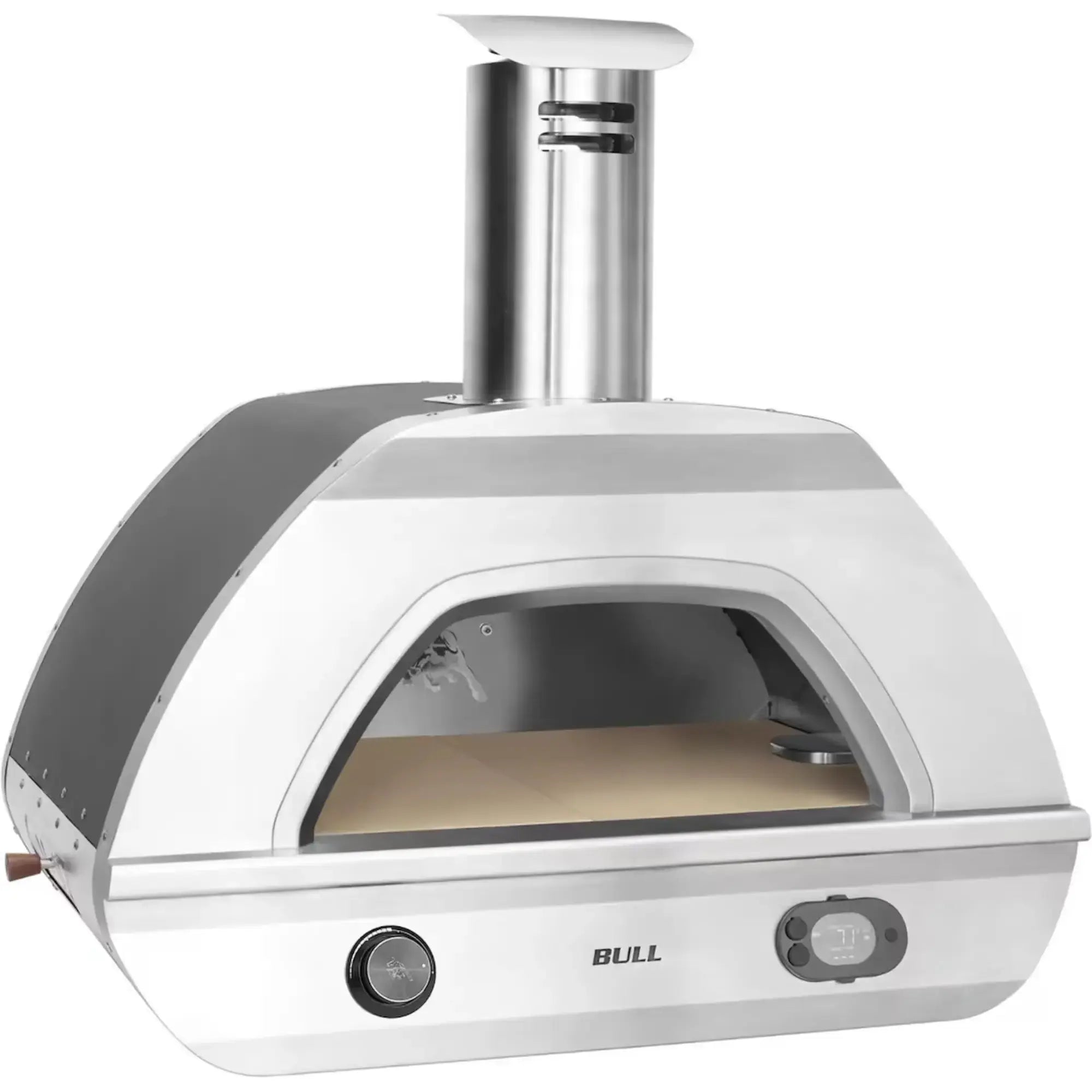
For many homeowners, the best first-phase package includes a quality grill, practical storage, and either refrigeration or a sink, depending on how the space will be used. Specialty upgrades like pizza ovens, kegerators, and ice makers are great when they fit the plan, but they should come after the core workflow is handled.
This is where curated shopping matters. Products chosen by people who actually use this stuff tend to hold their value better in the long run because they are built around real performance, not just showroom appeal. That is especially important when you are matching appliances across fuel types, cutout specs, and finish quality.

Common buying mistakes to avoid
The most common mistake is choosing indoor-rated products for outdoor use. The second is underestimating utility needs, especially electrical requirements, gas routing, drainage, and ventilation. The third is buying mismatched appliances that do not align in quality, style, or cutout compatibility.
Another issue is overbuilding for occasional use. If you host three big parties a year but mostly cook simple family dinners, your budget should reflect that reality. On the other hand, if your patio is the main gathering place from spring through fall, investing in refrigeration, cleanup, and storage can make the whole space far more enjoyable.
If you are not sure where to spend, put money toward the appliances that improve frequency of use. A kitchen that works well for ordinary nights will get more value than one designed only for special occasions.
A practical way to choose with confidence
If you want a straightforward path, choose appliances in this order: grill first, then refrigeration or sink, then storage, then secondary cooking appliances, then entertaining extras. That order covers the basics before the fun add-ons. It also helps prevent the all-too-common problem of building a beautiful island that is inconvenient to cook in.
At All Season Patio, that kind of practical breakdown matters because outdoor living purchases are rarely impulse buys. They are long-term decisions tied to how you want your home to function. The best appliance package is the one that fits your cooking habits, holds up to your climate, and leaves you with a space you will keep using year after year.
A well-planned outdoor kitchen should make you want to cook outside more often, not give you one more project to manage.