Built In Grill vs Freestanding Grill
If you are planning a backyard cooking setup, the built in grill vs freestanding grill question usually shows up earlier than people expect. It comes up before finish materials, before counters, and often before you have even decided how often you will cook outside. That makes sense, because this choice affects your layout, budget, fuel planning, and how permanent you want the whole project to be.
For some homeowners, a grill is the start of a full outdoor kitchen. For others, it is a high-quality cooking station that needs to work hard on weekends and stay easy to manage the rest of the year. Both approaches can be right. The better option depends less on which grill style sounds more premium and more on how you actually use your patio.
Built in grill vs freestanding grill: the core difference
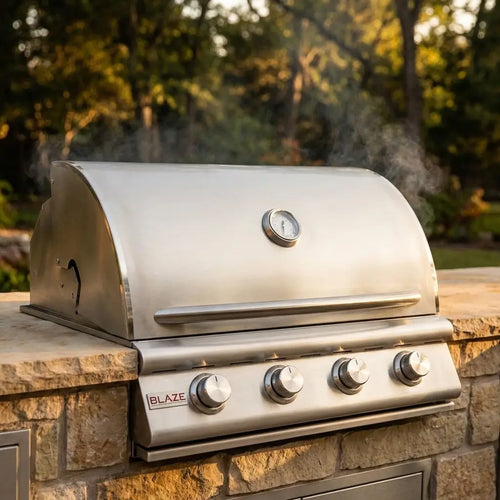
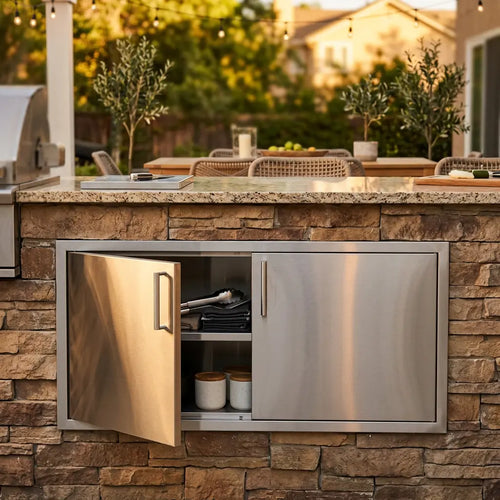
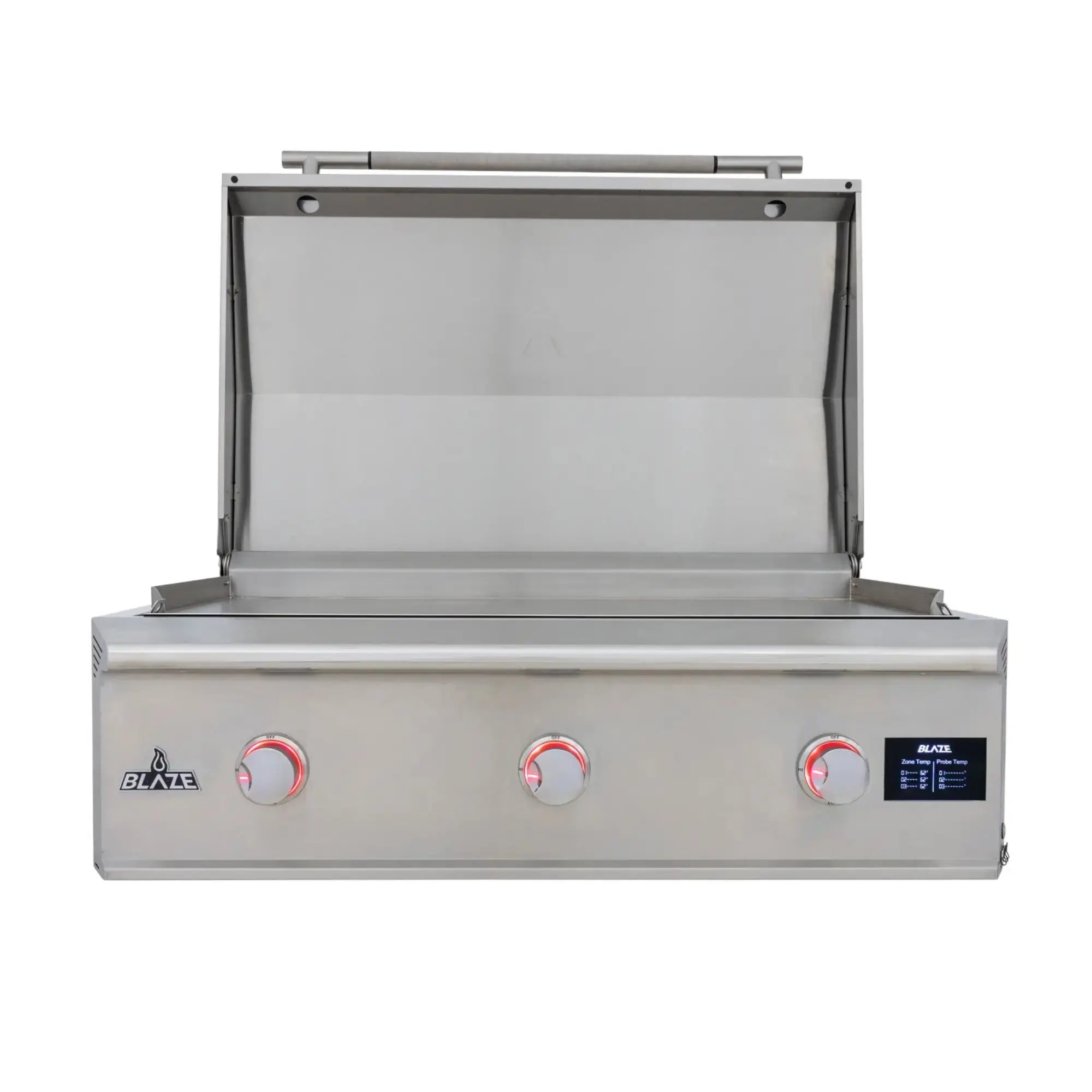
A built-in grill is designed to be installed into a permanent outdoor kitchen structure. It becomes part of the island or cabinet system, usually paired with countertops, storage, refrigeration, or other cooking components. Once it is installed, it is meant to stay there.

A freestanding grill is self-contained. It sits on a cart or base, includes its own support structure, and can usually be moved within the patio or deck area. Some are simple and compact. Others are premium, full-featured units with serious cooking power and upgraded materials.

That difference sounds basic, but it changes nearly everything. A built-in grill is part appliance, part construction decision. A freestanding grill is more of a product-only purchase, even when you are buying at a premium level.
When a built-in grill makes more sense
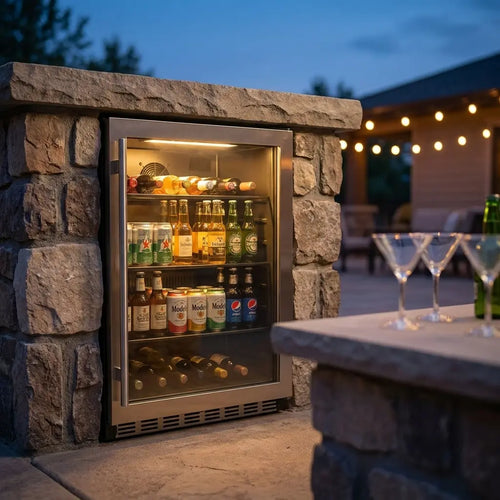
A built-in grill usually makes the most sense when your outdoor space is being planned as a long-term living area, not just a place to cook. If you are already investing in stonework, cabinetry, utilities, lighting, or seating zones, a built-in grill fits naturally into that bigger plan.
The biggest advantage is integration. A built-in model creates a cleaner visual line and a more finished outdoor kitchen look. It can be centered in the cooking zone, flanked by landing space, and paired with storage in a way that feels intentional rather than assembled over time. For homeowners who care about design consistency, this matters.
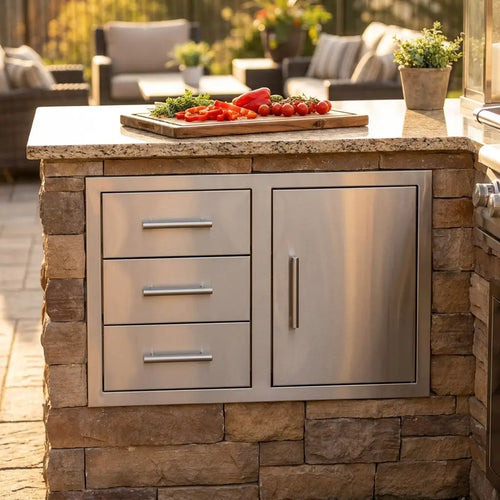
There is also a workflow benefit. Prep space on both sides of the grill, access to nearby drawers, and room for platters or tools make outdoor cooking easier when you are feeding a group. If you entertain often, that built-in layout can feel much more efficient than working off side shelves on a cart grill.
Still, built-in does not automatically mean better for everyone. Installation adds complexity. You need proper ventilation, correct cutout dimensions, the right non-combustible materials around the appliance, and a thoughtful plan for gas or electric access. If you are not ready for that level of commitment, built-in can turn a simple grill purchase into a larger project.
When a freestanding grill is the smarter buy
A freestanding grill is often the smarter choice when flexibility matters more than permanence. Maybe you are still figuring out your patio layout. Maybe you want premium performance without committing to a full kitchen build. Maybe you just want the ability to reposition the grill based on weather, traffic flow, or future renovations.
That flexibility is valuable. You can start with a high-quality freestanding unit now and upgrade the surrounding space later. For many homeowners, that staged approach makes better financial sense than trying to build everything at once.
Freestanding grills are also easier to replace down the road. If your needs change or you want a different size, fuel type, or feature set, you are usually swapping one unit for another rather than reworking built structures. That can save money and reduce headaches over the life of your setup.

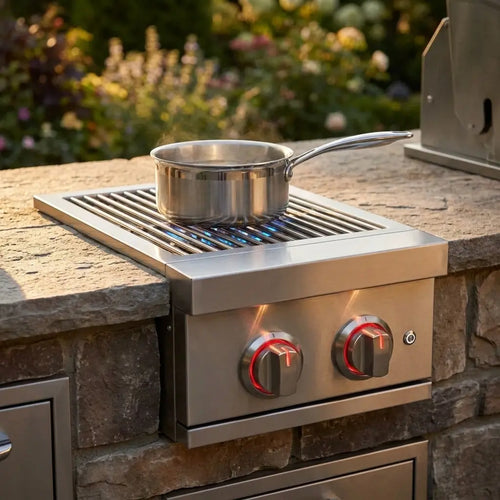
This does not mean freestanding grills are the budget-only option. Premium freestanding grills can offer excellent burners, durable stainless steel construction, strong heat retention, rotisserie systems, and side burner options. The main distinction is mobility and independence from a built enclosure, not a lack of quality.
Cost is more than the grill price
One of the biggest mistakes in the built in grill vs freestanding grill decision is comparing appliance price alone. The grill itself is only part of the total cost.
With a built-in grill, you need to think about the island or cabinet structure, countertop material, ventilation components, utility work, and labor. If the project involves natural gas lines, electrical access, or hardscaping changes, the total can increase quickly. That extra spending may be worth it, but it should be planned from the start.
A freestanding grill generally has a lower total cost to get up and running. Even if the grill is premium, the cart and support structure are included, so you are not building around it. You may still choose to place it near a prep table or seating area, but the purchase is more straightforward.
If budget is not unlimited, it helps to ask a simple question: do you want to spend more of your money on the cooking appliance itself, or on the broader outdoor kitchen environment? Built-in setups often shift more of the investment toward the overall space.
Design impact and resale appeal

A built-in grill usually wins on visual impact. It gives the patio a more architectural look and can make the outdoor area feel like a true extension of the home. For design-conscious homeowners, that level of finish is often a major reason to choose built-in.
It may also support resale appeal, especially in markets where outdoor entertaining spaces are a strong selling point. A well-designed outdoor kitchen can read as a meaningful upgrade, not just an added appliance.
That said, resale is not guaranteed simply because you installed a built-in grill. Quality of construction, material choices, climate suitability, and overall layout all matter. A poorly planned built-in setup can be harder to update than a freestanding arrangement.
Freestanding grills are less integrated, but they can still look polished when chosen carefully. In many patios, especially smaller ones, a premium freestanding grill feels appropriate and proportionate. Not every backyard benefits from a full kitchen footprint.
Performance depends on the model, not just the format
Some shoppers assume built-in grills are always better performers. That is not really the right way to think about it. Performance comes down to the specific grill's burner design, construction quality, heat distribution, cooking surface, and features.
There are exceptional built-in grills and exceptional freestanding grills. There are also mediocre examples of both. If cooking results are your top priority, compare the exact specifications and brand reputation rather than assuming the installation style tells you everything.
What can differ is how the grill works within the space. A built-in setup often gives you better surrounding prep support. A freestanding unit may offer easier access for cleaning or repositioning. The grill's performance is one part of the experience, but the environment around it affects how enjoyable it is to use.
Space, layout, and everyday practicality
Patio size matters more than many buyers expect. A built-in grill needs proper clearance, safe installation, and enough surrounding room to justify the footprint. In a compact backyard, a freestanding grill may preserve valuable space for dining, lounging, or circulation.

You should also think about how your backyard functions on ordinary days, not just party days. If kids are moving through the patio, if the grill area doubles as a walkway, or if your weather shifts quickly, a movable unit can be a practical advantage.
On the other hand, if you have a dedicated outdoor kitchen zone and know exactly where cooking should happen, built-in can create a more orderly and permanent setup. It often works best when the layout is already established and unlikely to change.
Which grill fits your timeline?
If you are renovating now and want a finished outdoor kitchen from the start, built-in is often the right path. It allows you to coordinate utilities, materials, and appliance placement in one project. That tends to produce the cleanest final result.
If your space is evolving in phases, a freestanding grill gives you breathing room. You can invest in a strong cooking platform now, learn how you actually use the space, and make bigger layout decisions later. That approach is often more realistic than forcing a permanent plan too early.
This is one reason experienced retailers such as All Season Patio focus on practical guidance rather than just features on a spec sheet. The right grill is not only about BTUs or burner count. It is about choosing a format that still works for your space and habits years from now.
How to decide without overthinking it
If you want a polished outdoor kitchen, expect to stay in the home long term, and are ready for installation planning, built-in is usually the better fit. If you want premium grilling performance with less commitment, easier setup, and more flexibility, freestanding is often the stronger choice.
The best answer is not about which option sounds more impressive. It is about whether you are buying a grill or building a destination. Those are related goals, but they are not the same. Choose the one that fits how you live outside now, with enough room for where your backyard is headed next.