Outdoor Sauna Buying Guide for Homeowners
A backyard sauna looks simple from a distance - a warm room, a door, a place to sit and sweat. The buying decision is not that simple. A good outdoor sauna buying guide should help you sort through heater types, wood choices, sizing, electrical needs, and weather exposure before you spend real money on something that is supposed to last for years.
This is the in-depth how-to-choose companion to our Backyard Sauna Guide: How to Plan & Install One, which walks through planning and installation step by step.
For most homeowners, the right sauna is not the biggest one or the most expensive one. It is the one that fits the way you will actually use it. A couple who wants quiet evening sessions has different needs than a family building out a full wellness zone next to a pool, shower, and lounge area. That difference matters because sauna comfort is shaped as much by layout and construction as by heat.
What this outdoor sauna buying guide should help you answer
Start with the practical question: who is going to use the sauna, and how often? Many buyers shop by capacity first, but listed capacity can be misleading. A 4-person sauna may technically fit four adults, but that does not mean four people will sit comfortably for a 30- to 45-minute session. If you want room to stretch out, shift positions, or sit on upper and lower benches without feeling cramped, sizing up is often the better move.

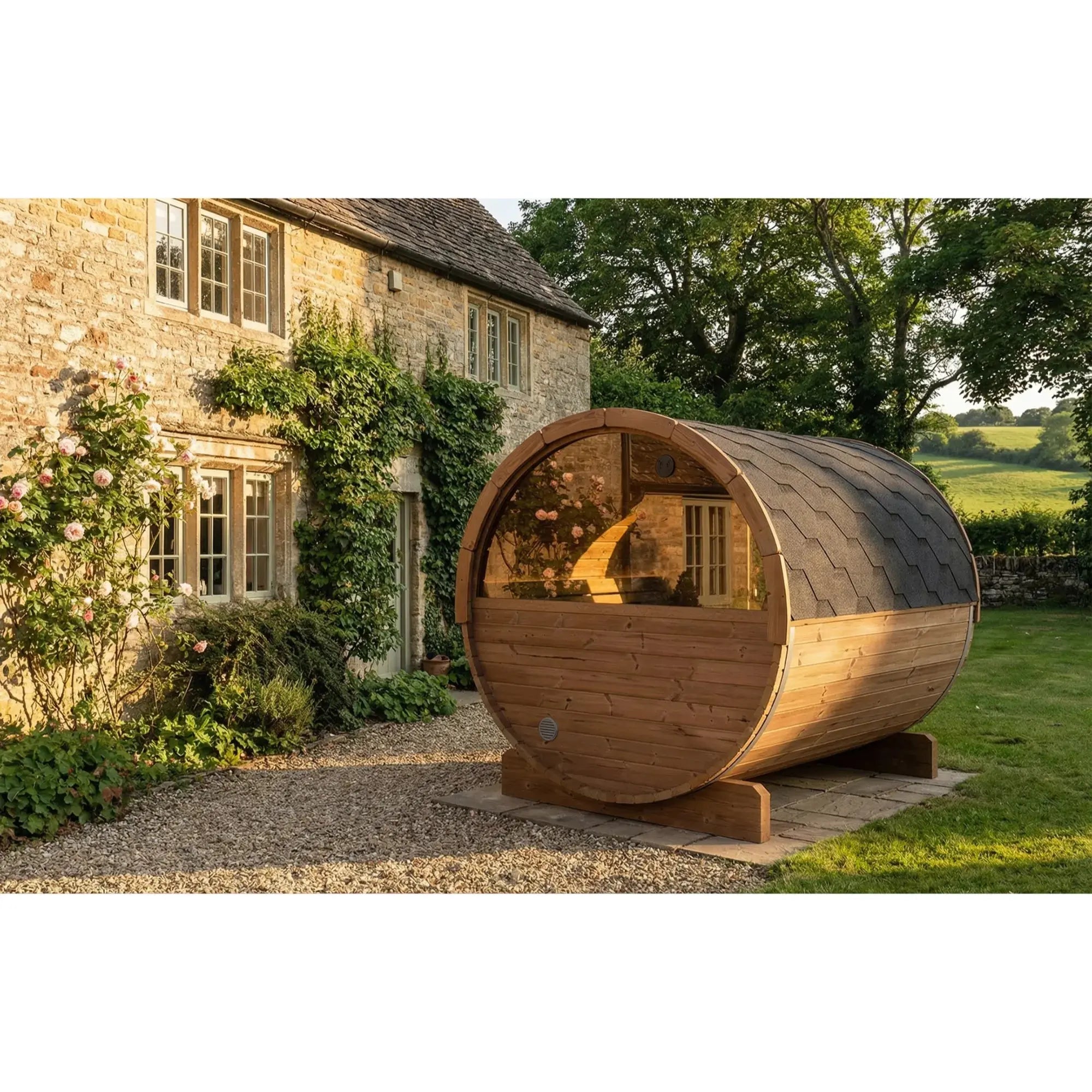
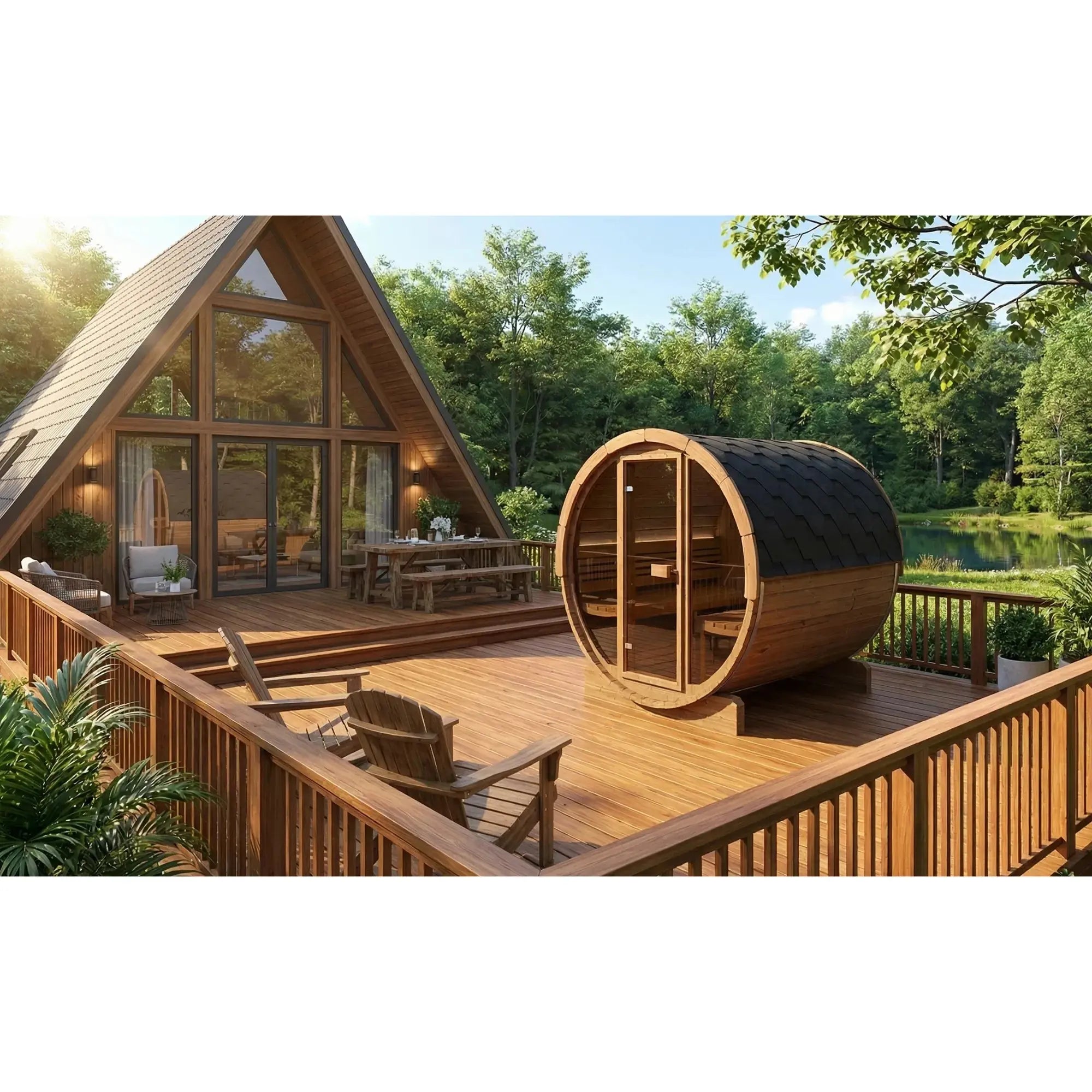
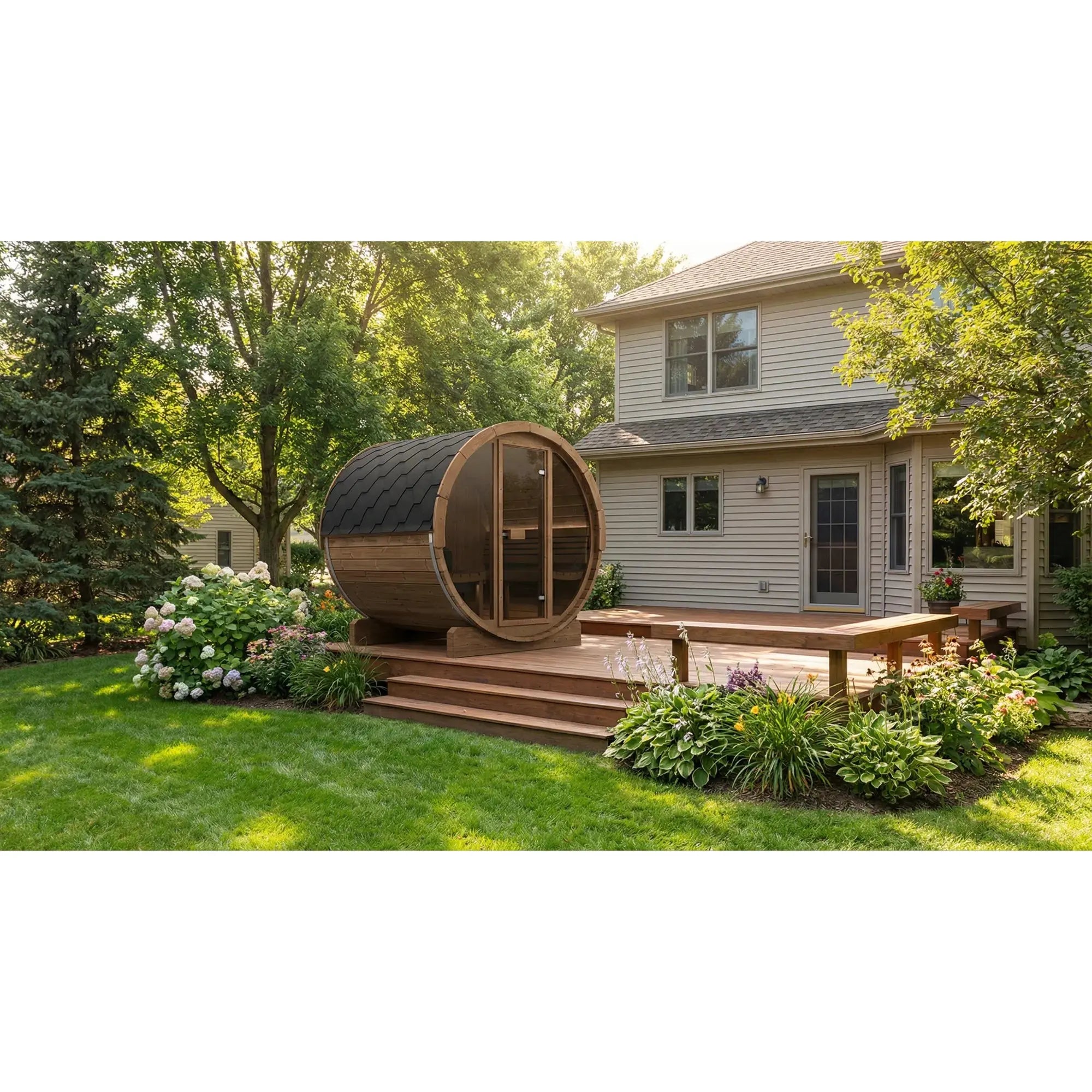
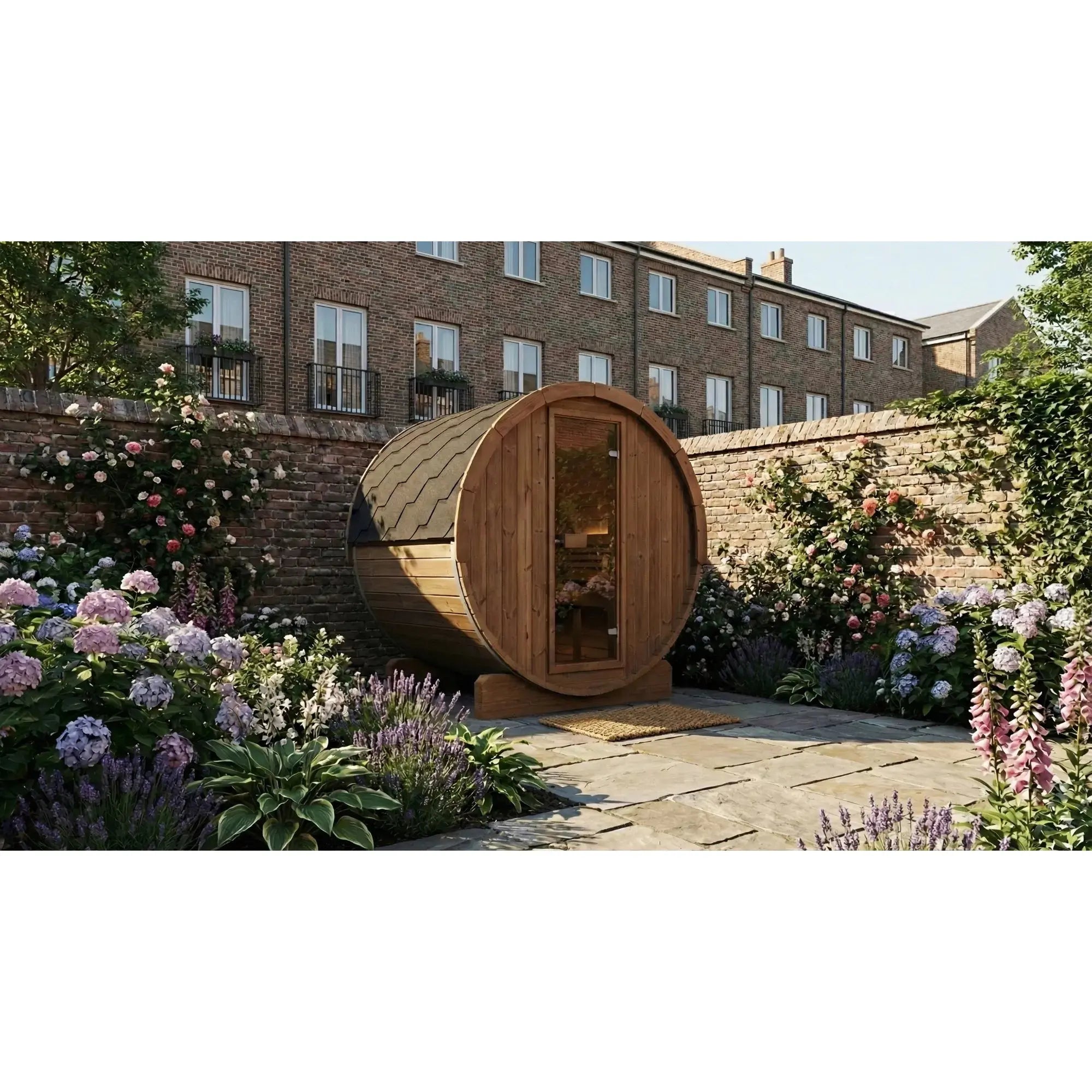
Placement matters just as much. An outdoor sauna can become part of a larger backyard plan, or it can end up feeling dropped into spare space with no clear connection to the rest of the yard. Think about the walk from the house, privacy from neighbors, drainage around the base, and whether you want the sauna near a cold plunge, outdoor shower, or seating area. People tend to use a sauna more when it feels easy to access year-round.
Choose the right sauna type for how you like heat
Most outdoor home saunas fall into one of two categories: traditional sauna or infrared sauna. Both can work well outdoors, but they deliver heat differently and appeal to different users.
Traditional saunas
A traditional sauna heats the air, usually with an electric heater and sauna stones. Water can be poured over the stones to create steam and a more humid feel. This is the classic sauna experience most people picture - higher room temperatures, that wrapped-in-heat sensation, and more flexibility in humidity.
Traditional outdoor saunas tend to appeal to buyers who want the most authentic experience and do not mind waiting a bit longer for preheat. They also make sense for households with multiple users because the heat profile is familiar and versatile. The trade-off is that installation can be more demanding, especially if the heater requires a dedicated electrical setup.
Infrared saunas
Infrared saunas heat the body more directly and usually operate at lower air temperatures. Some people prefer that because the sessions can feel more approachable, especially for users who do not enjoy intense ambient heat. Infrared models can also be simpler in some cases, but outdoor suitability depends heavily on cabinet construction, insulation, and weather resistance.
The trade-off here is expectation. If you want the steam-and-stones feel of a traditional sauna, infrared will not replicate it. Buyers sometimes assume all saunas produce the same experience, and that is where disappointment starts.
Size, shape, and layout matter more than spec sheets suggest
Once you know your preferred heat style, move to size and interior layout. Bench configuration affects comfort far more than many first-time buyers expect. In a traditional sauna, upper benches are hotter and lower benches are cooler, so tiered seating gives users options. That matters if two people have different heat tolerance.
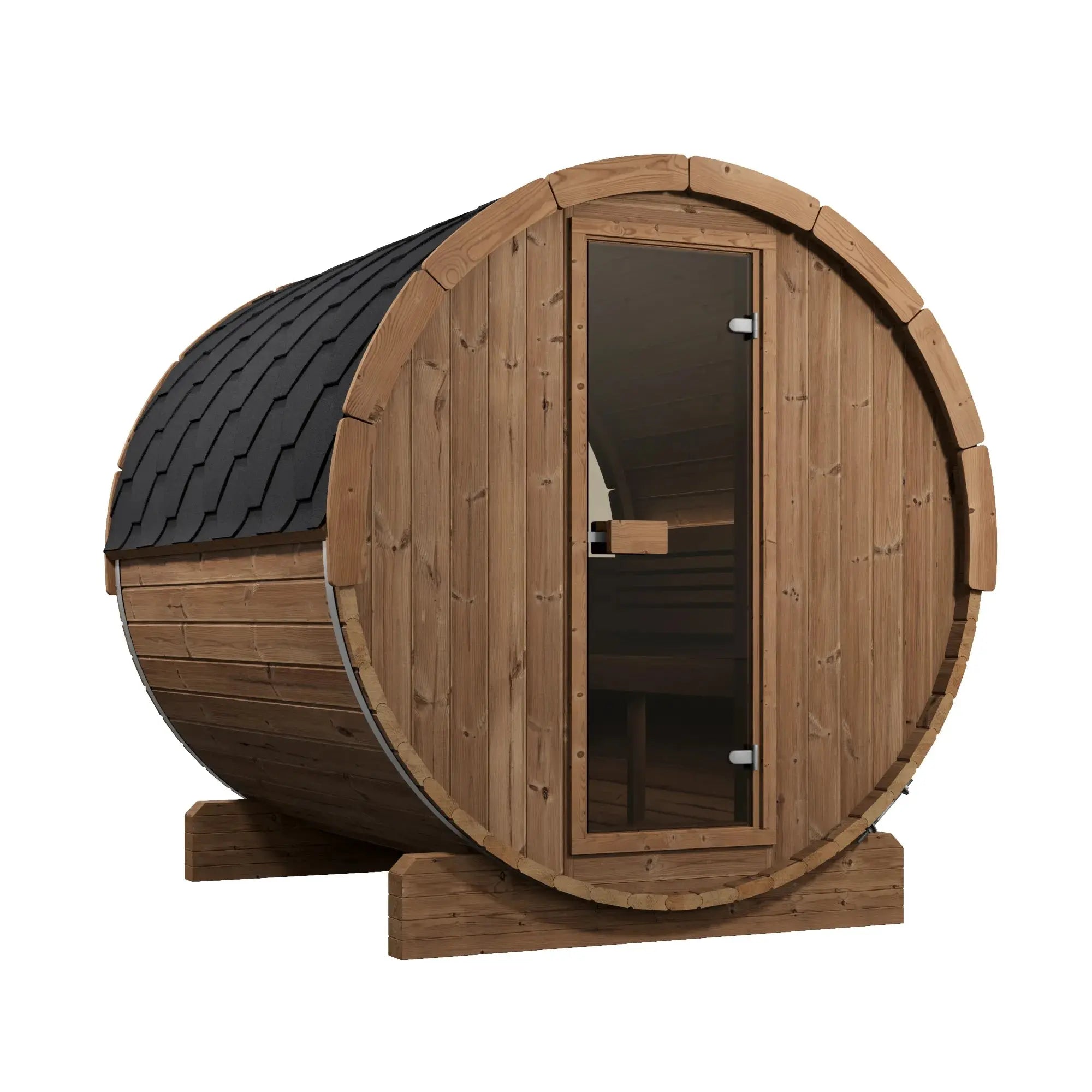
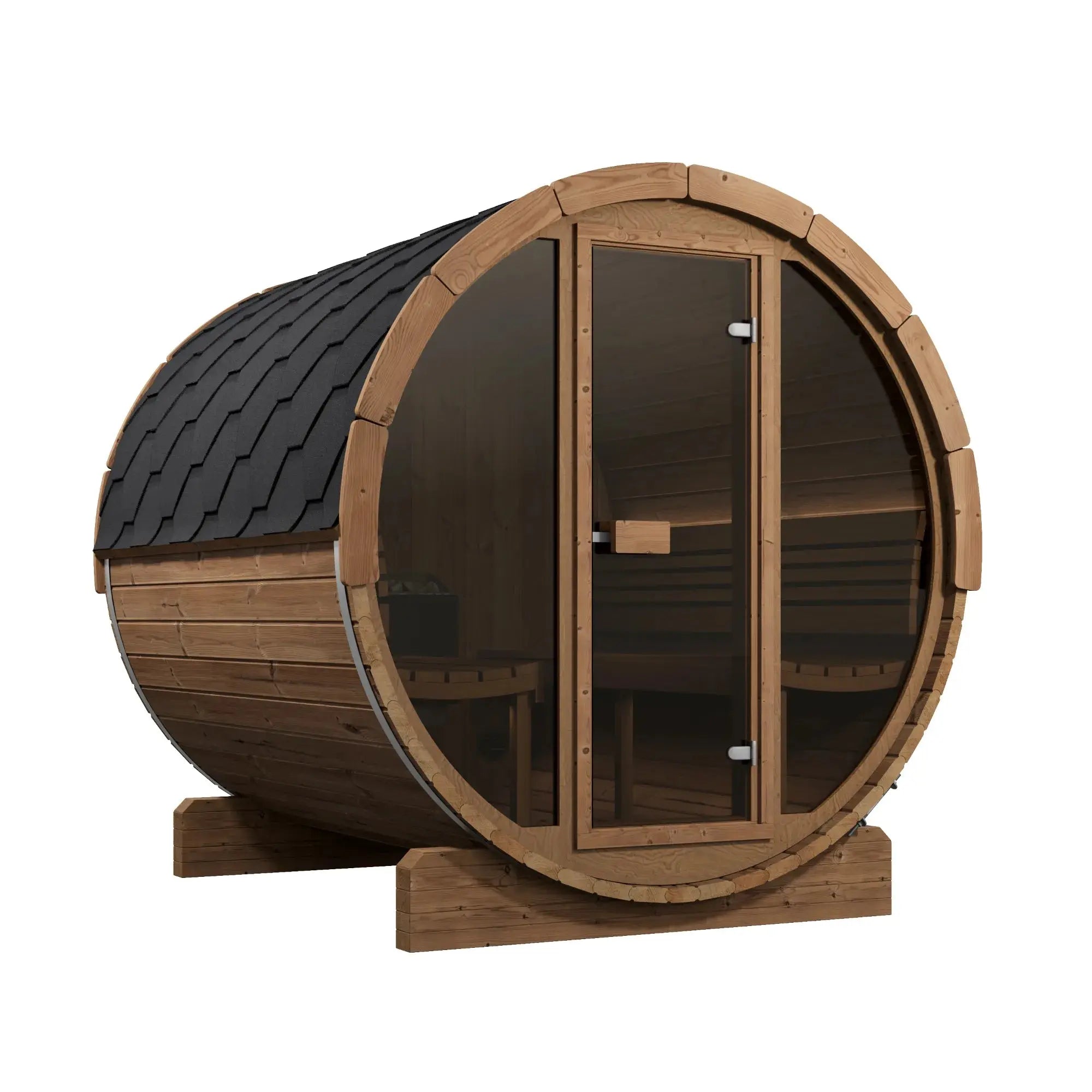
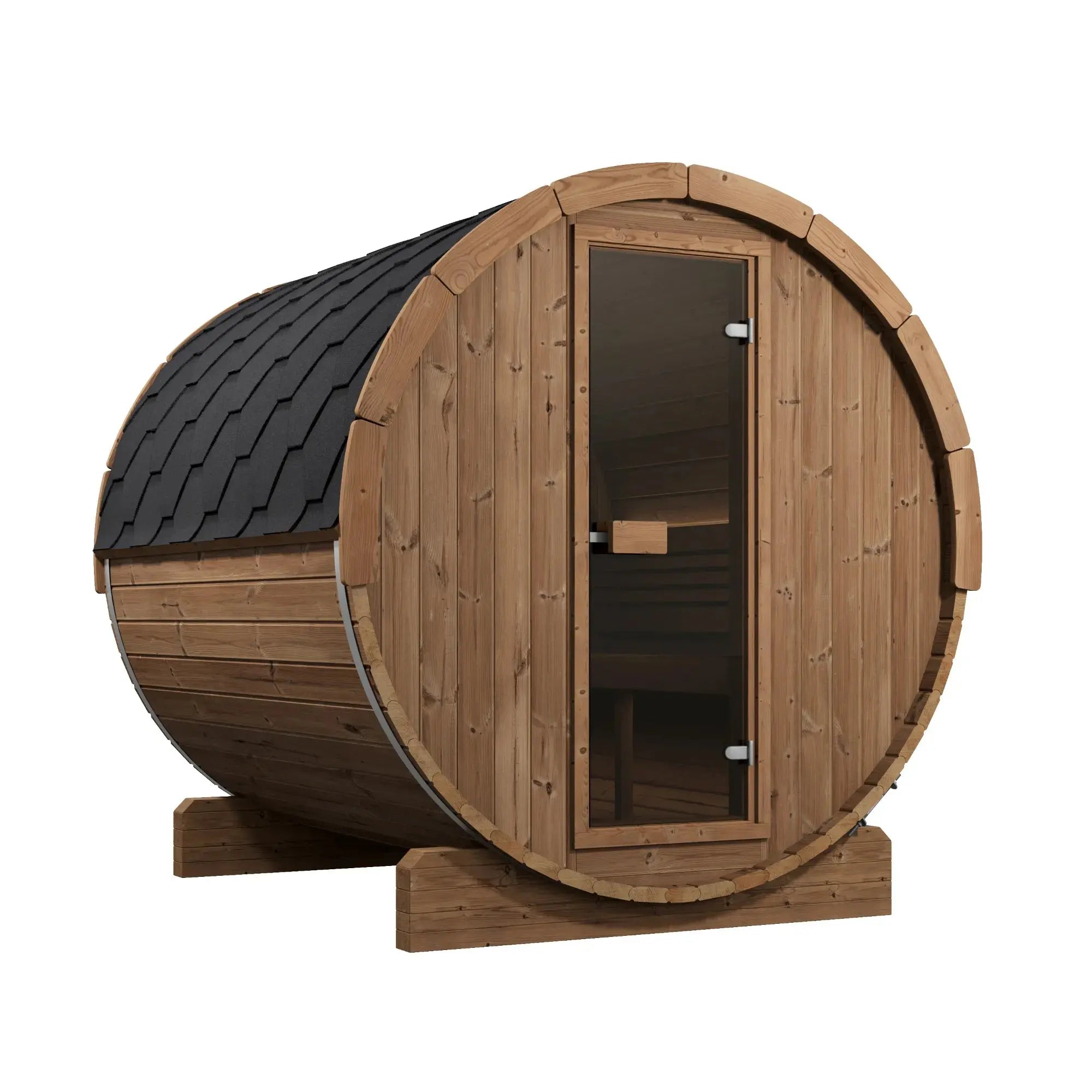
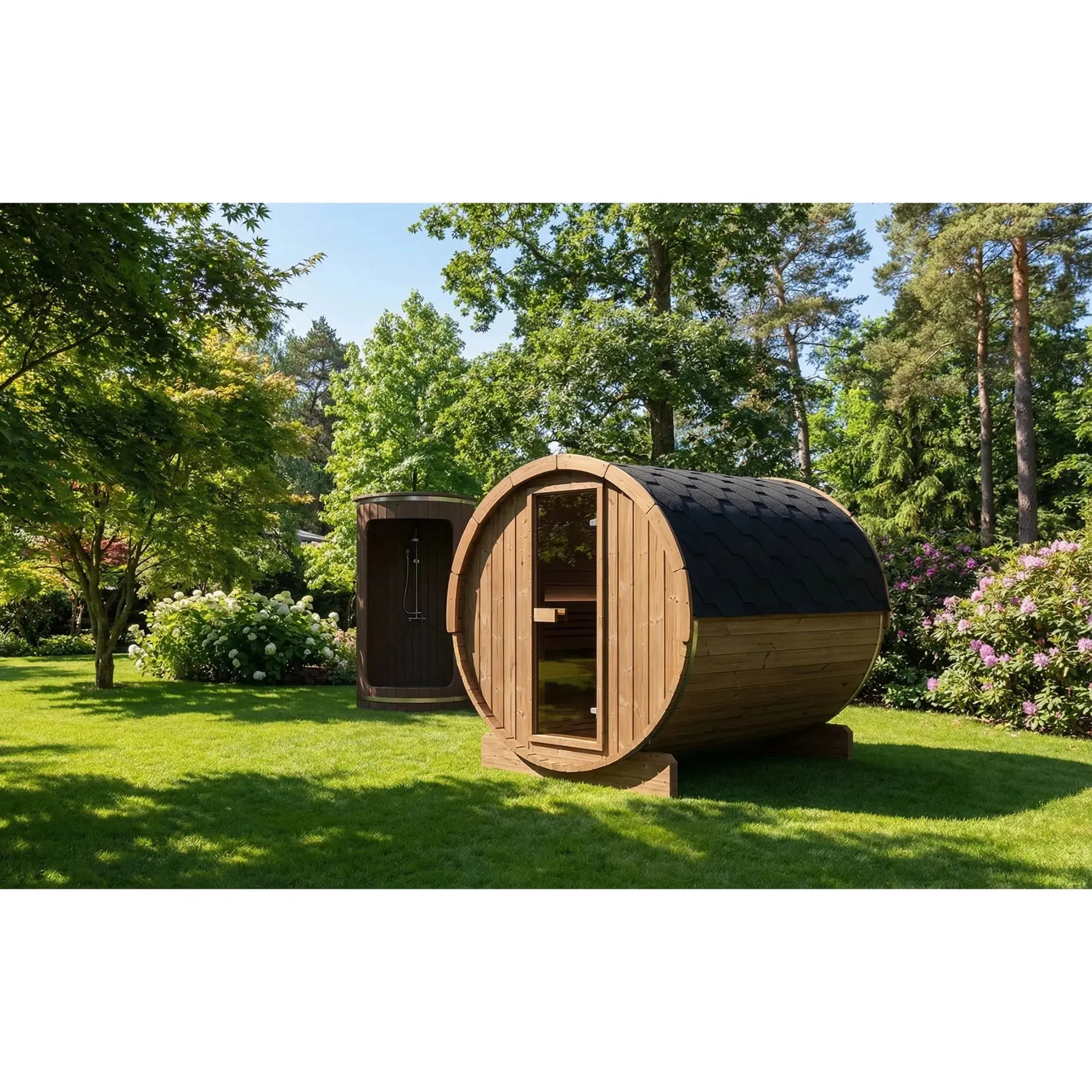
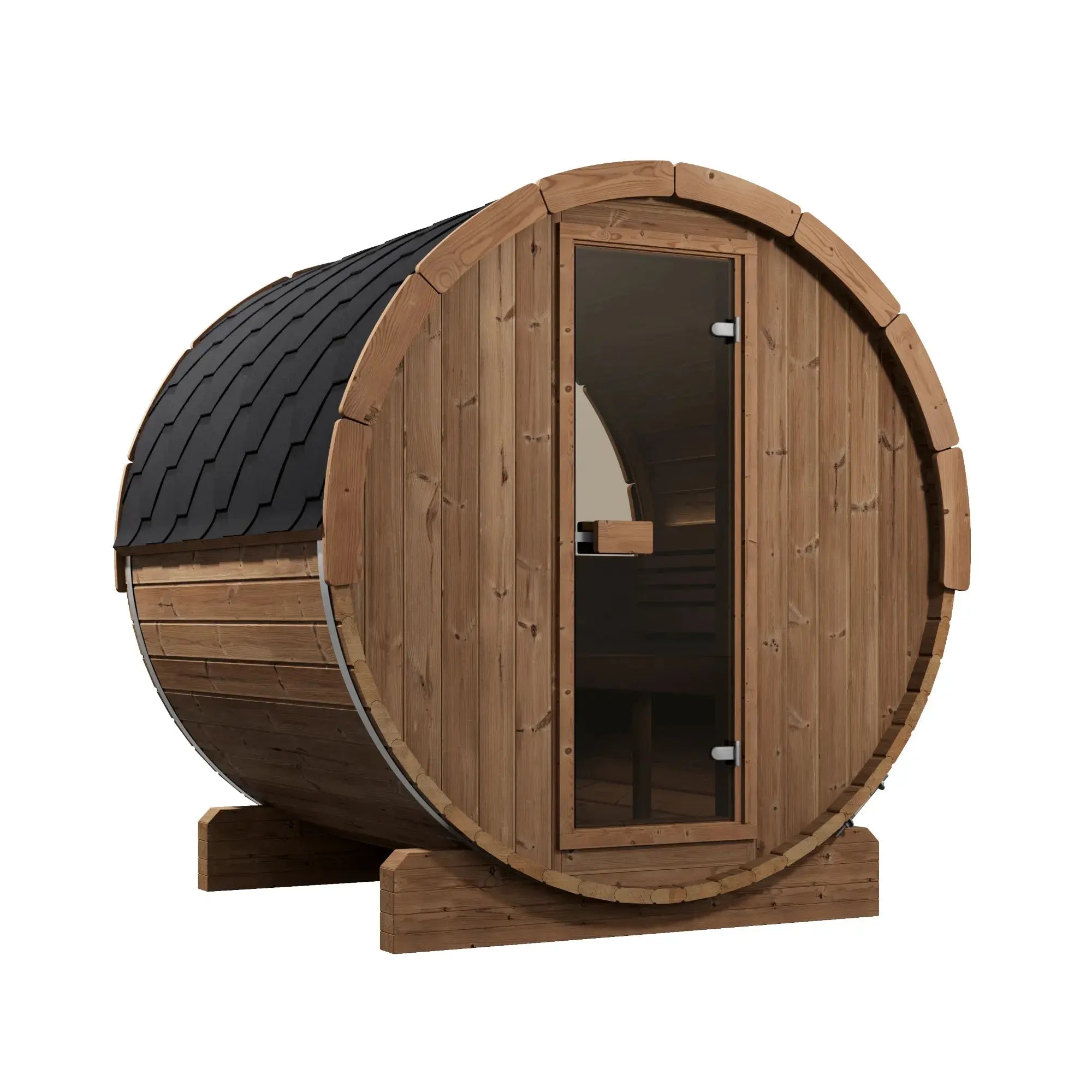
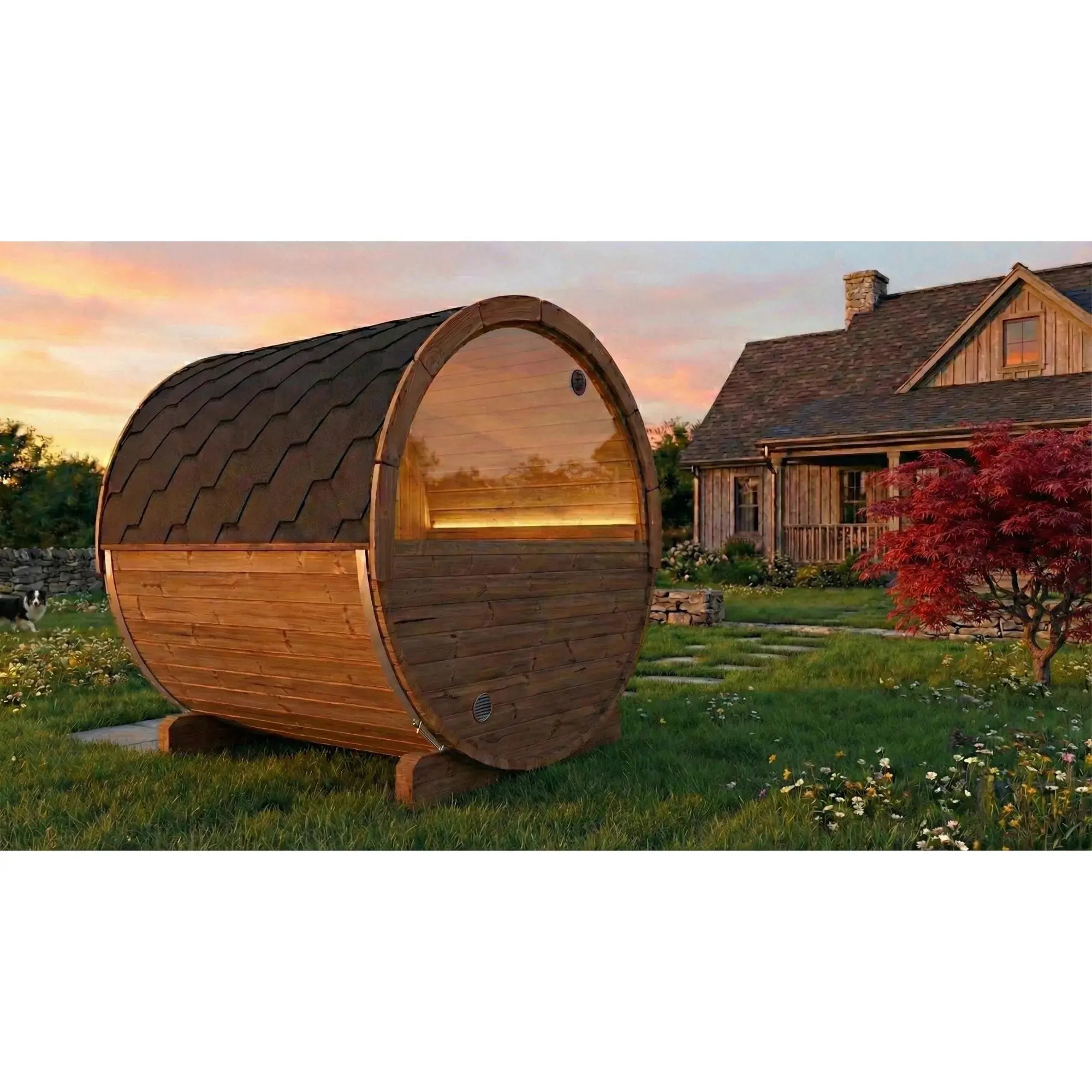
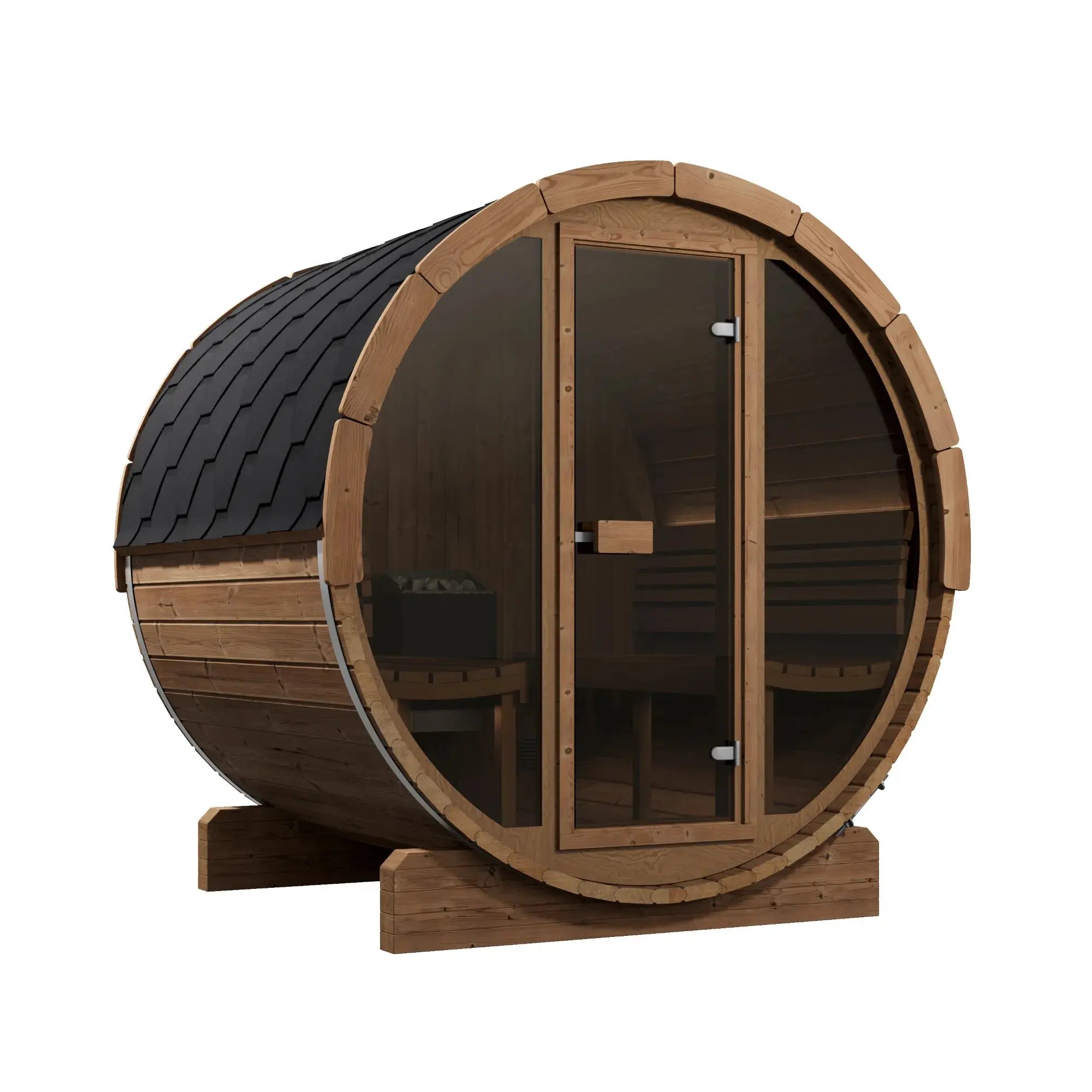
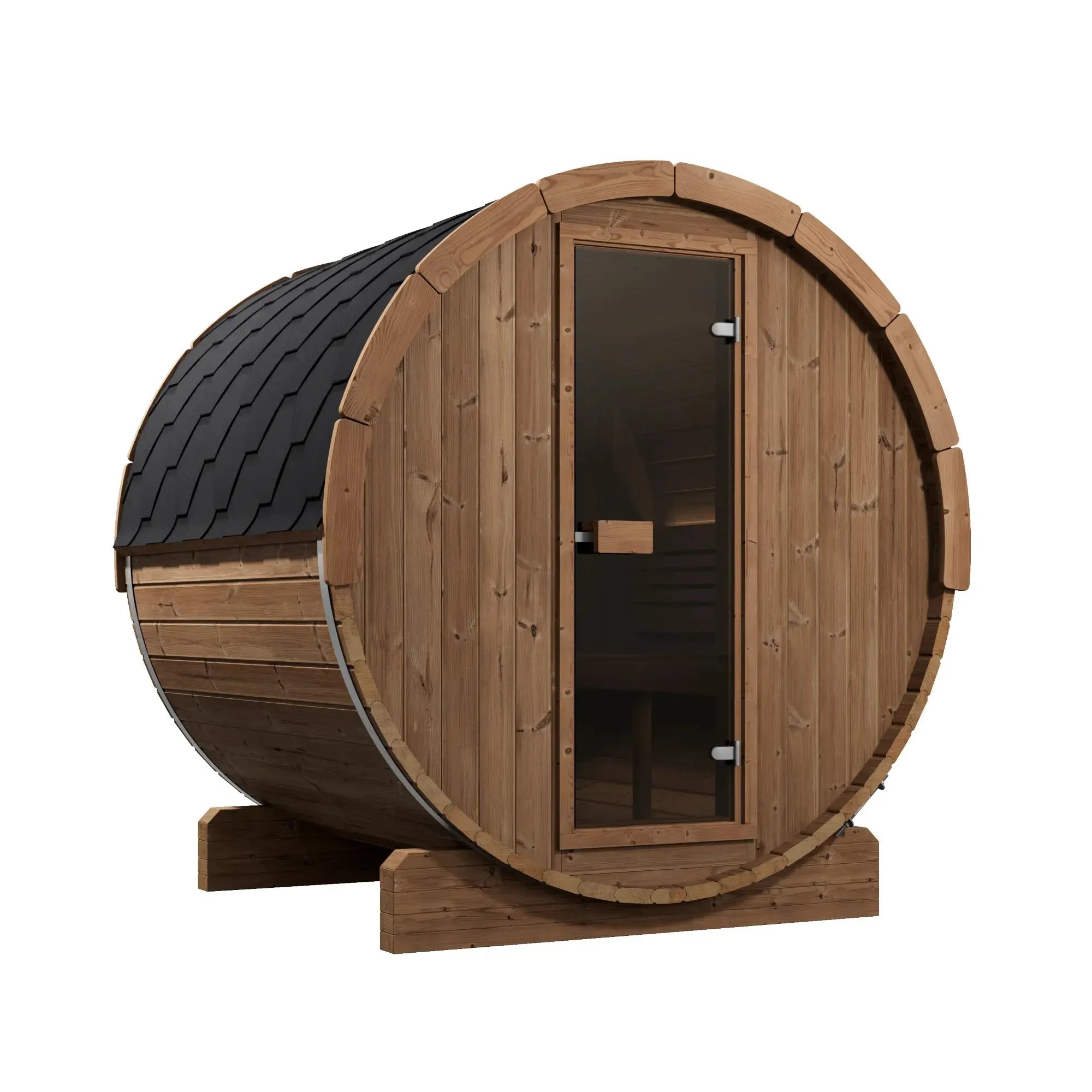
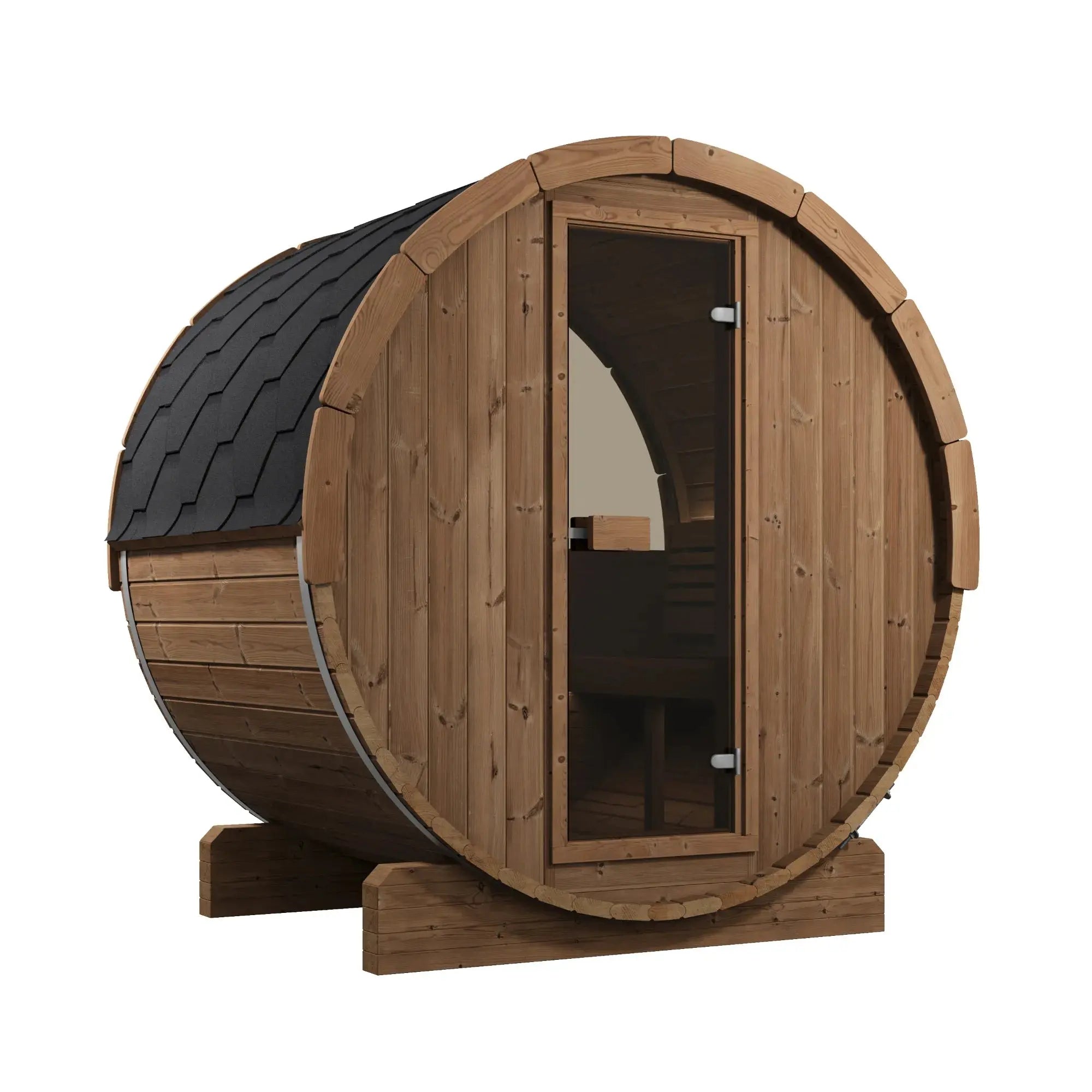
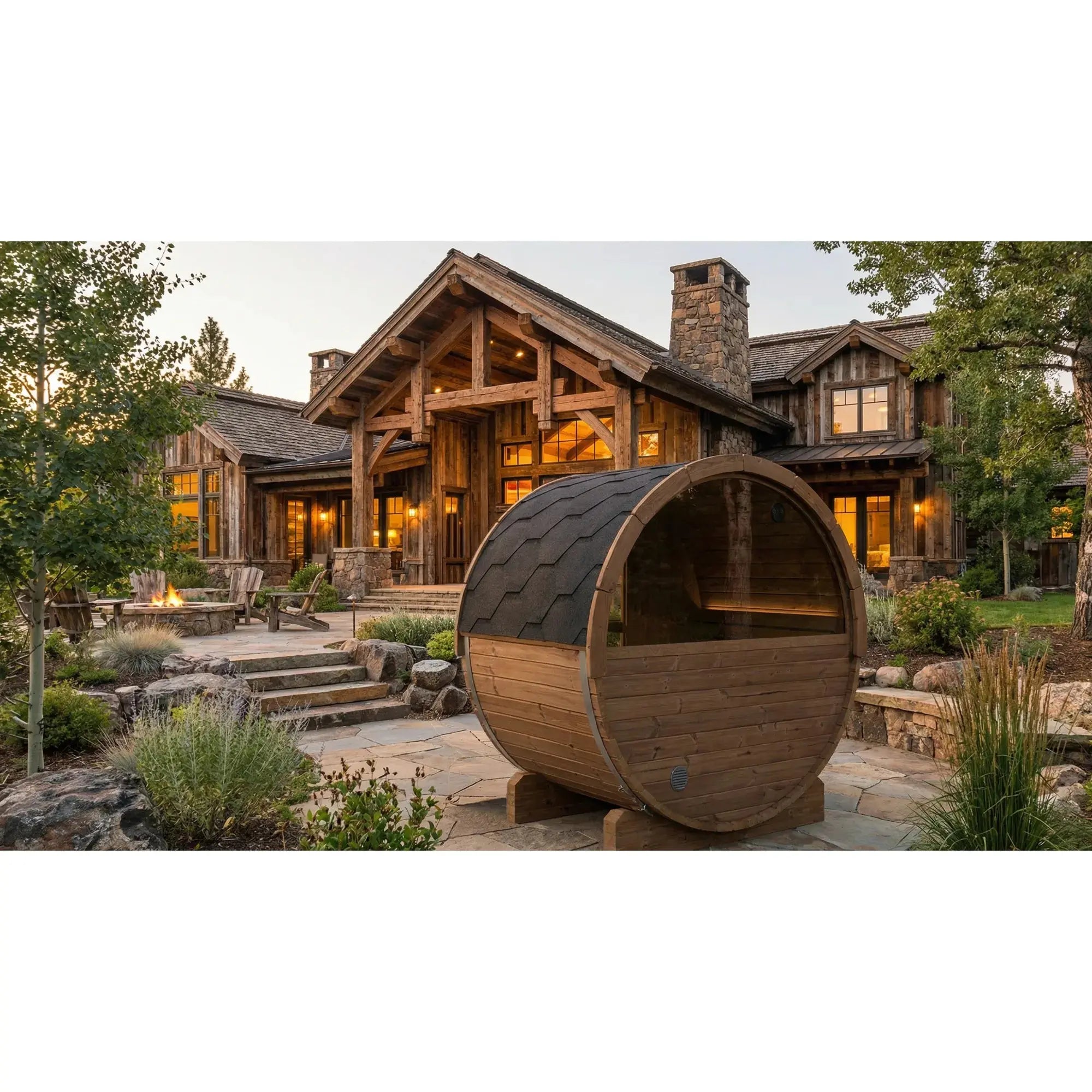
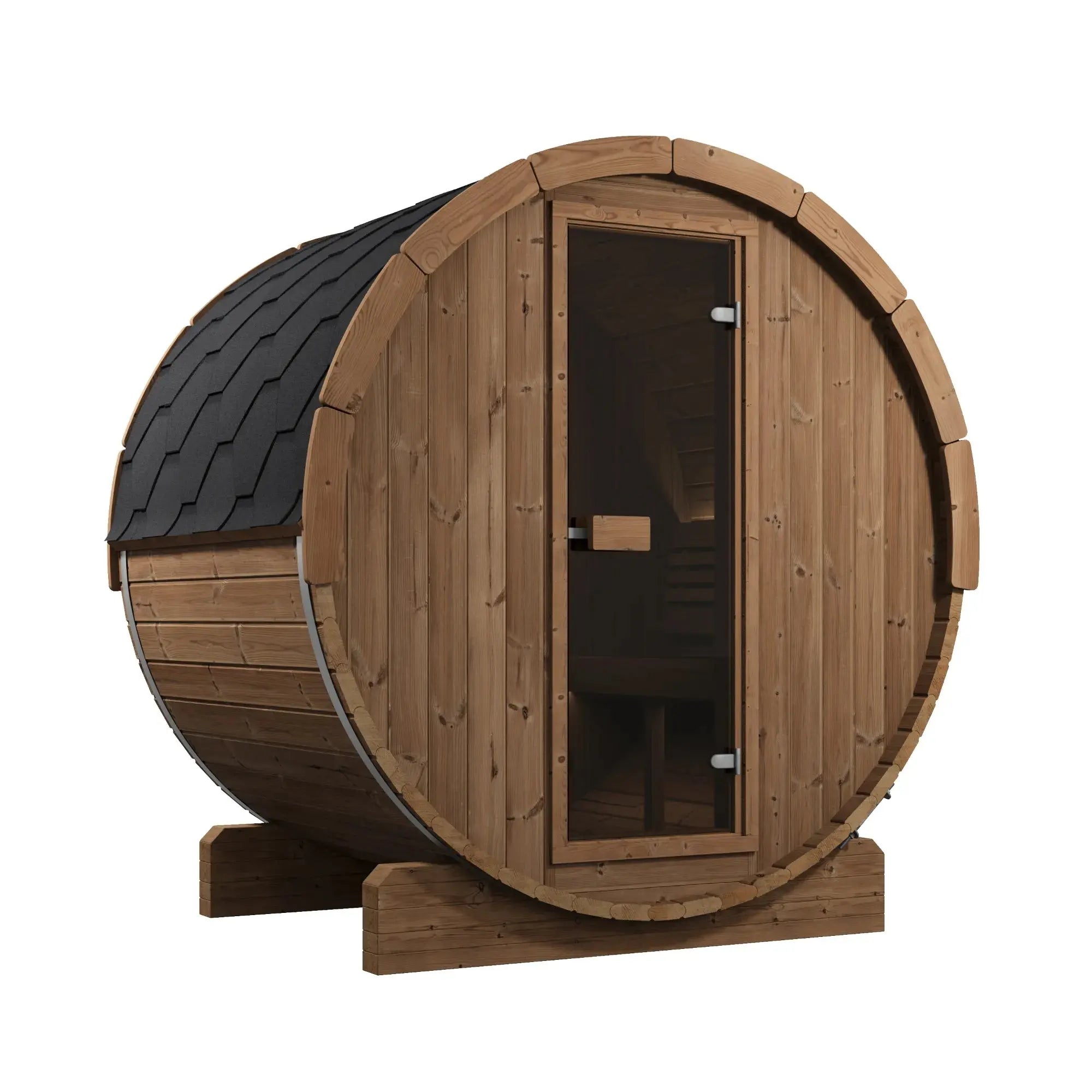
Barrel saunas are popular for outdoor spaces because they have a distinct look and can heat efficiently thanks to their curved design. They also work well in many backyards where a compact footprint matters. But the shape can reduce usable shoulder room along the sides, and interior bench arrangements may feel less flexible than in a cabin-style sauna.

Cabin-style saunas usually provide straighter walls, easier movement, and a roomier feel. They often integrate more naturally into a broader outdoor design plan, especially if your space already includes structured hardscaping, an outdoor kitchen, or a dedicated patio layout. They can, however, take up more visual and physical space.

Wood choice is not just about appearance
Wood plays a major role in performance, maintenance, and long-term satisfaction. Cedar remains a popular option because it handles moisture well, resists decay, and gives off the kind of aroma many buyers associate with sauna use. Heat-treated hemlock, often sold as thermowood, is another strong choice for outdoor installation: the thermal treatment improves stability and moisture resistance while keeping a clean, light natural tone. Many modern outdoor saunas, including the Redwood Outdoors models, are built from FSC-certified hemlock treated this way. Either wood tends to perform well in changing weather conditions, which matters for outdoor installation.
Other woods can still be excellent, but they should be evaluated with climate and maintenance in mind. Some buyers focus only on the initial look of the exterior, then realize later that sun exposure, freeze-thaw cycles, and moisture management are what determine how the sauna holds up.
Interior wood surfaces matter too. You want materials that stay comfortable to sit against, resist warping, and age well with repeated heating cycles. A premium sauna should feel solid when new and still feel solid after years of use. That is one reason curated, well-built models from established brands tend to stand apart from lower-cost alternatives that look fine online but cut corners in joinery, insulation, or hardware.

Heater selection affects both experience and installation
The heater is the working core of the sauna, and this is where buyers should slow down. An underpowered heater can lead to long heat-up times and underwhelming sessions. An oversized heater is not automatically better if the sauna room is not designed for it.
In a traditional outdoor sauna, electric heaters are the most common choice for residential use because they are predictable and relatively convenient. The main consideration is whether your home can support the electrical requirements. Some units may need professional installation, dedicated circuits, or panel capacity upgrades. That should be part of the budget from the start, not an unpleasant surprise after delivery.
Wood-burning heaters appeal to buyers who want a more off-grid, old-school sauna experience. They can be a great fit in rural properties or settings where the ritual is part of the appeal. They also require more user involvement, chimney planning, and attention to venting and safety clearances. For some people that is part of the charm. For others, it becomes a reason the sauna gets used less often.
Outdoor installation is where good decisions become expensive or smart
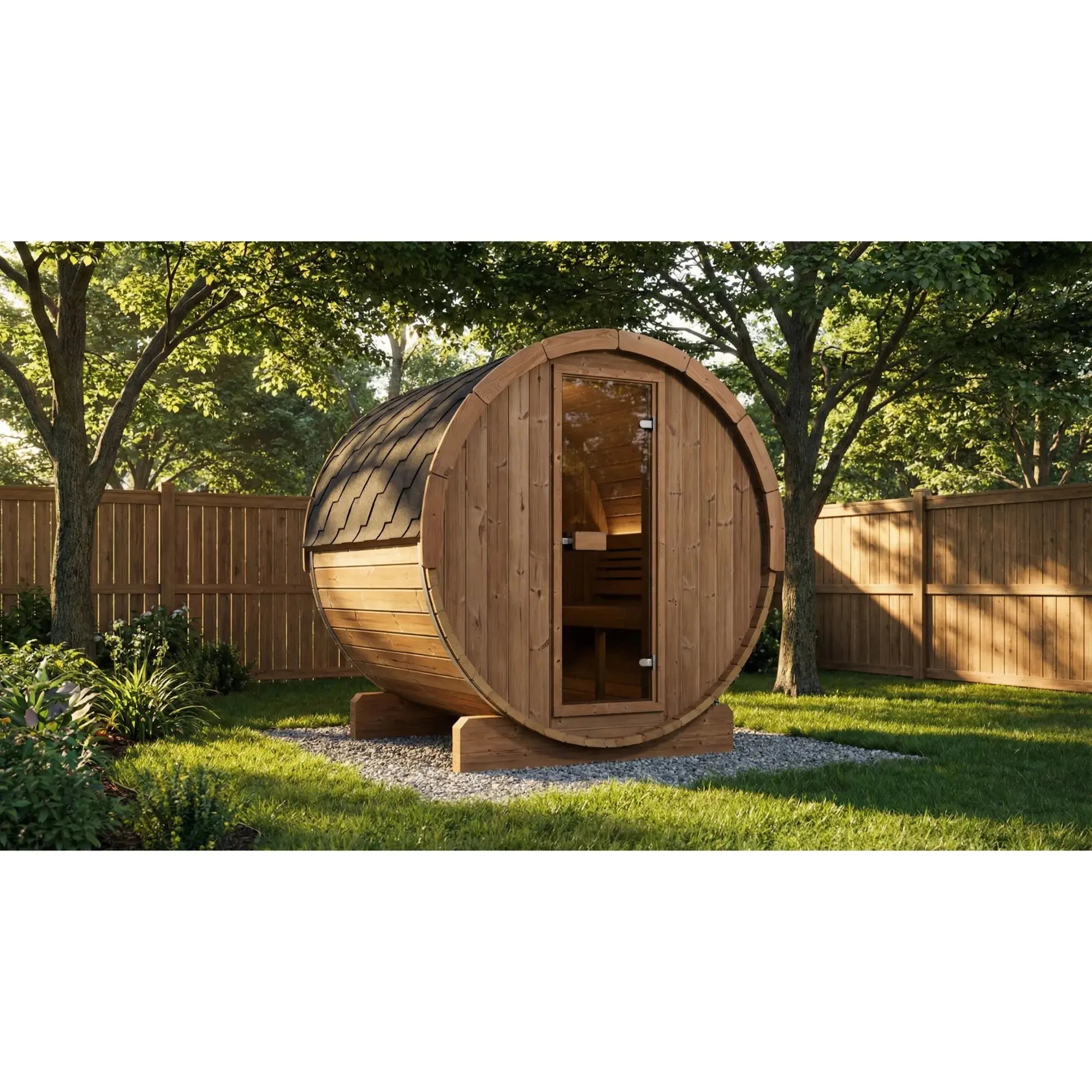
A lot of sauna satisfaction comes down to what happens before first use. Your base needs to be level, stable, and appropriate for the unit. Depending on the model, that may mean a concrete pad, pavers, or another approved surface. Drainage around the site matters because standing water and freeze conditions can shorten the life of the structure.
Weather exposure is another big factor. A sauna placed in an open, wind-heavy area may lose heat faster and take more abuse over time than one placed with some shelter. Tree cover can help in some yards, but too much debris and moisture retention can create new maintenance issues. It depends on your property.
If you are integrating the sauna into a more complete backyard setup, think beyond the footprint. You may want a path that stays usable in winter, exterior lighting for evening sessions, a towel storage solution, or an outdoor shower nearby as part of a complete wellness setup. The best sauna installations feel intentional, not isolated.

Budget for the full purchase, not just the box
This is the part many buyers underestimate. The sauna itself is only part of the cost. You may also need site prep, electrical work, delivery coordination, assembly, accessories, and ongoing maintenance products. If you compare models based only on sticker price, you can end up making a false economy decision.
Premium outdoor products tend to reward buyers who think in terms of total value instead of cheapest entry point. Better materials, reliable heaters, stronger warranties, and support from an authorized dealer can reduce the risk that comes with a high-ticket purchase. That matters in a category where replacement parts, technical questions, and setup guidance may come up after delivery.
This is also why many homeowners prefer to buy from specialists like All Season Patio rather than from sellers pushing commodity inventory. A curated selection usually means fewer weak options to sort through and better support when the details start to matter.
How to narrow your options without overcomplicating it
If you are comparing several models, narrow the field by answering five questions. Do you want traditional or infrared heat? How many people do you realistically want to seat comfortably? What is your installation site like? What is your total project budget including prep work? And how much maintenance are you willing to take on over time?
Those answers usually eliminate a lot of noise quickly. They also keep you from buying based on one feature that looks good in a product gallery but does not improve ownership in real life.
A well-chosen outdoor sauna should feel like a natural extension of your backyard, not a stand-alone splurge you second-guess six months later. The best time to be picky is before you buy, while the details are still easy to get right.