How to Choose Outdoor Kitchen Components
A lot of outdoor kitchens look great in a showroom and disappoint the first time you actually cook for six people. The usual problem is not the grill. It is the mix of components around it. If you are figuring out how to choose outdoor kitchen components, start with how you want the space to work on a real Saturday night, not with a wish list of premium add-ons.
That shift matters because outdoor kitchens are easy to overbuild in the wrong places and underbuild in the places that affect daily use. A well-planned setup feels simple when you cook. A poorly planned one leaves you walking back inside for prep space, storage, refrigeration, or cleanup.
How to choose outdoor kitchen components starts with use
Before comparing brands or finishes, think about the jobs your outdoor kitchen needs to handle. Some homeowners want a serious cooking station for weeknight meals and weekend hosting. Others want a social space built around a grill, beverage center, and enough storage to keep things organized. Those are different projects, even if the footprint is similar.
If you cook full meals outdoors, your core components usually include a grill, storage, refrigeration, and some form of sink or cleanup zone. If your priority is entertaining, refrigeration, ice storage, serving space, and trash access may matter just as much as the cooking appliance. The best component list comes from your habits, not from a prebuilt package.
It also helps to be honest about frequency. If you grill once a month, a large built-in setup with multiple specialty appliances may look impressive but add cost without much return. If you cook outside three nights a week, convenience features stop being luxuries and start being practical.
Start with the anchor appliance
In most outdoor kitchens, the grill is the anchor. It affects cabinet widths, countertop space, ventilation planning, and how people move through the area. Choosing the right grill size is less about showing off and more about matching your normal cooking volume.

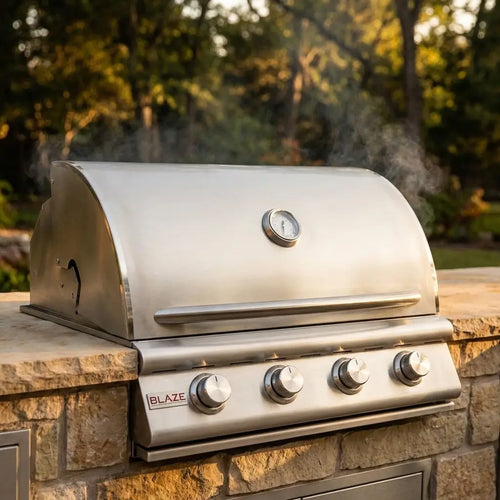
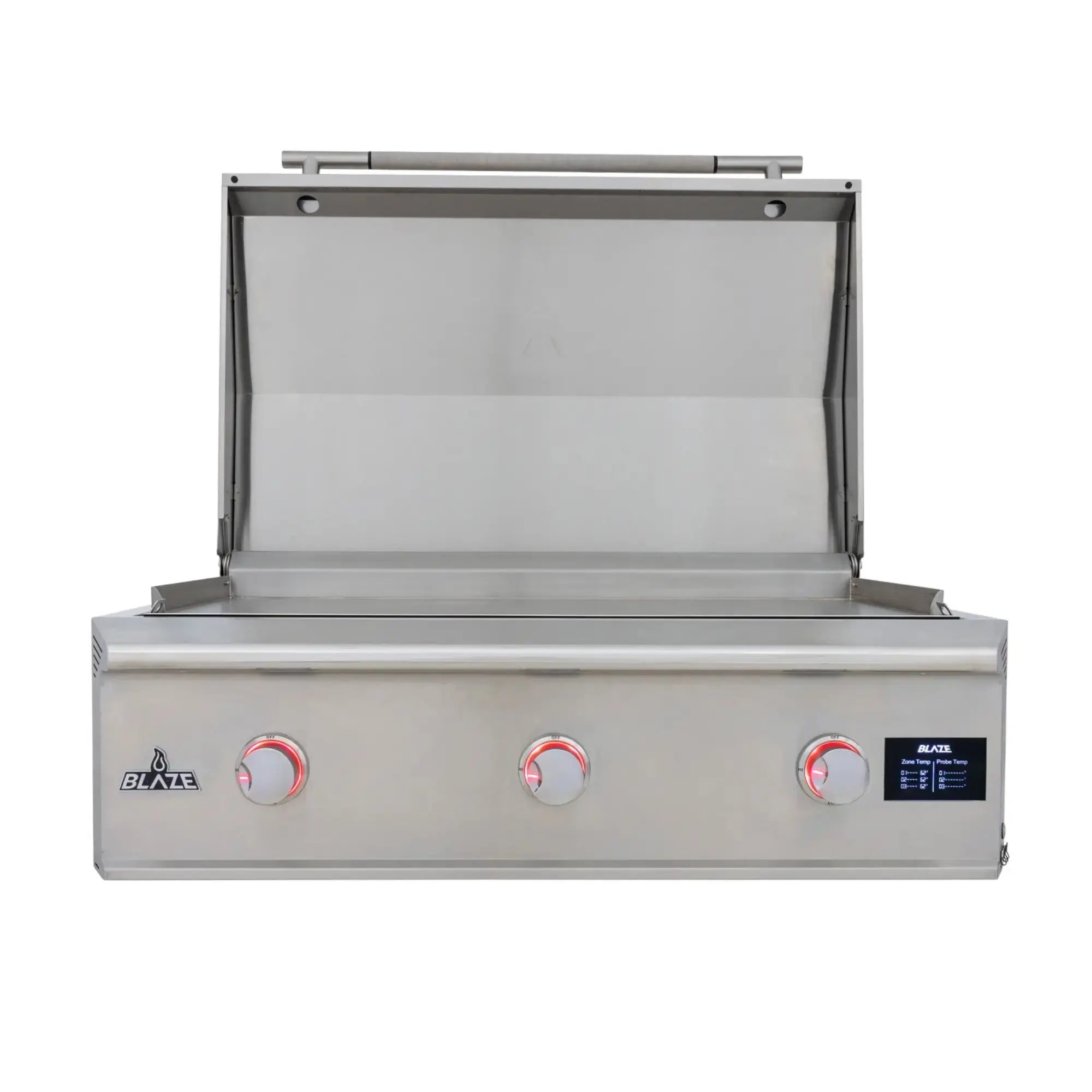
Blaze LTE+ 32-Inch 4-Burner Built-In Gas Grill
A 30-inch to 36-inch grill works well for many households. It gives you enough surface area for family meals and casual entertaining without dominating the layout. Larger grills make sense when you host often or regularly cook multiple food types at once, but they also require more surrounding space and often a bigger gas supply.
Fuel type matters too. Natural gas is convenient if you already have a line and want reliable fuel without refilling tanks. Propane gives you flexibility when fixed gas service is not practical. Charcoal, pellet, and hybrid options can be a better fit for flavor-focused cooks, but they change the workflow and often increase ash handling, storage needs, or clearance requirements.
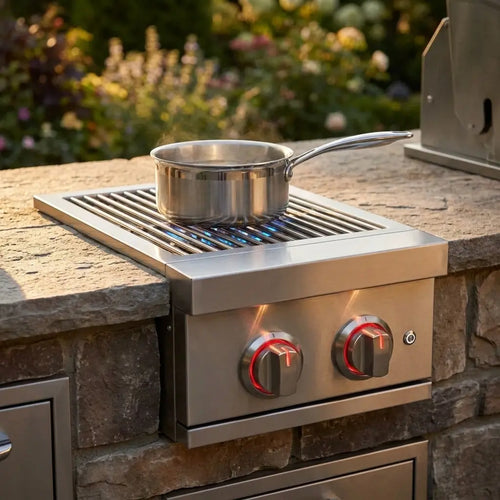
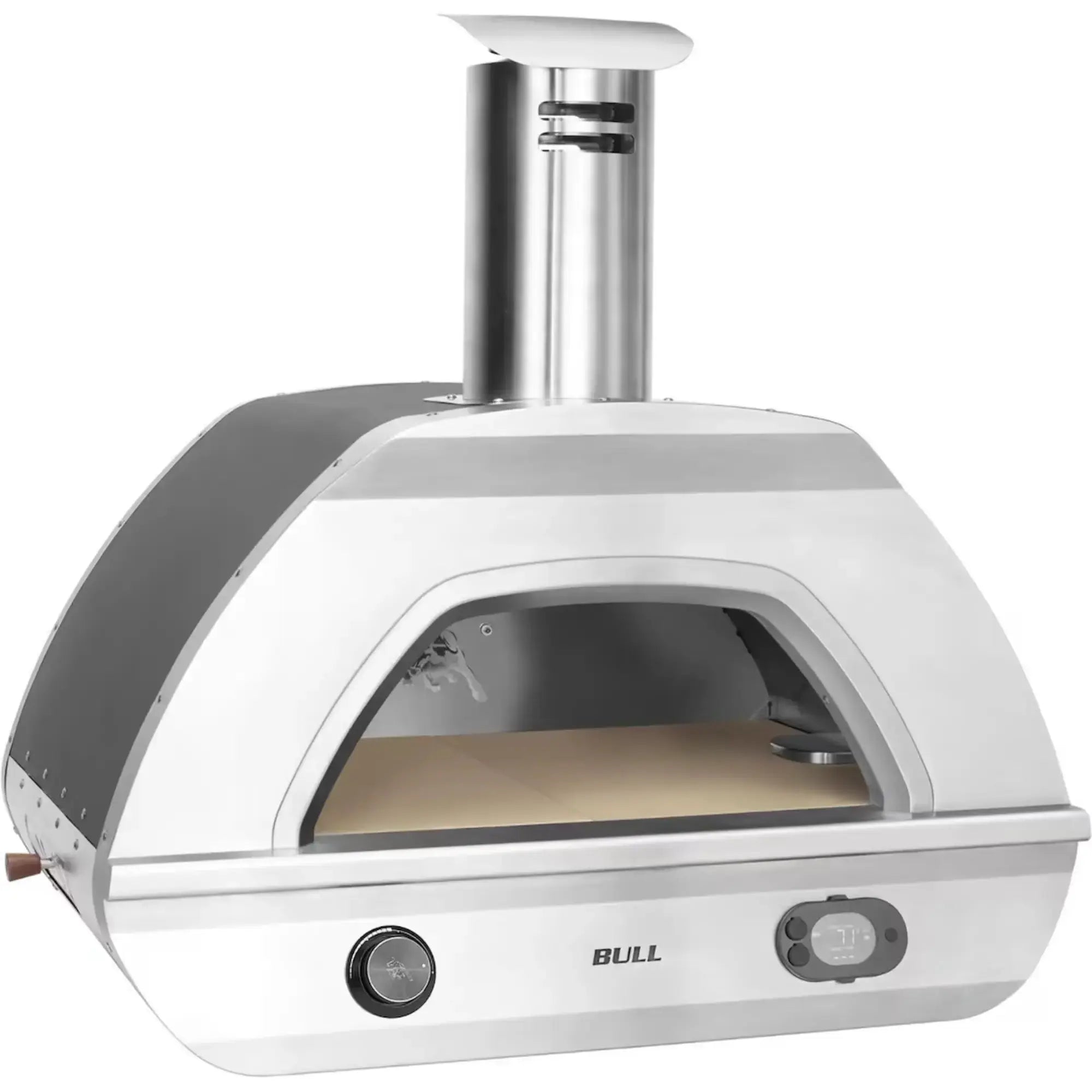
If you know you want more than standard grilling, decide that early. Side burners, power burners, griddles, pizza ovens, and smokers can all earn their place, but only if they match how you cook. A side burner is useful if you actually finish sauces or boil sides outdoors. A power burner makes more sense for high-heat cooking and larger cookware. Specialty appliances are easiest to justify when they replace indoor trips, not when they just sound appealing.
Build around the work zones
One of the easiest ways to choose outdoor kitchen components well is to think in zones. You need a place to cook, a place to prep, a place to serve, and a place to store what supports those tasks.
Prep space is usually where outdoor kitchens fall short. Homeowners focus on appliances and forget that they need clean landing areas next to the grill. You want usable counter space on at least one side of the main cooking appliance, and ideally both. That space handles trays, tools, raw ingredients, and finished food. Without it, even premium appliances feel awkward.

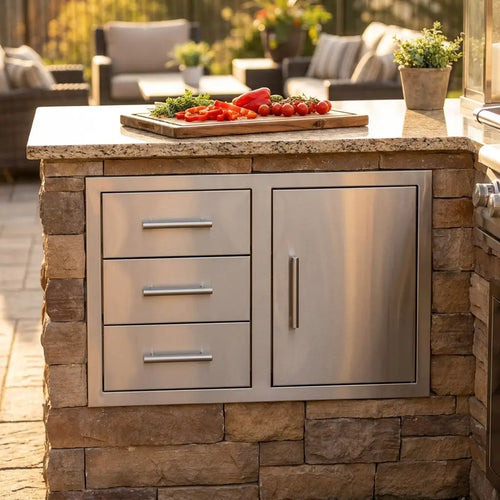
Blaze 30-Inch Triple Access Drawer with LED Lighting
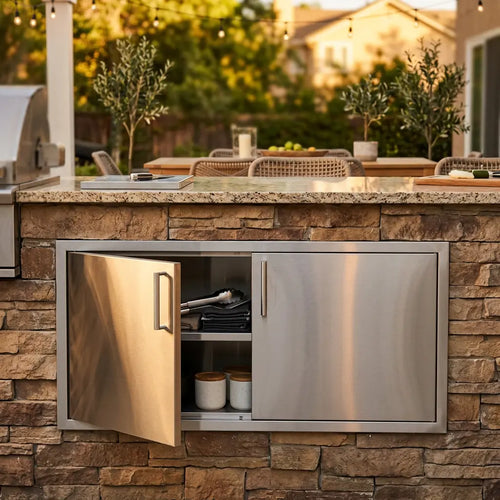
Storage should support the way you cook outside. Drawers for tools, doors for fuel or larger items, and access storage for plumbing or utilities each serve a different purpose. Good storage is not about packing in as many cabinets as possible. It is about placing the right storage where your hands naturally go. Grill tools near the grill, serving pieces near the entertaining side, and trash access where prep happens will make the whole kitchen feel better planned.
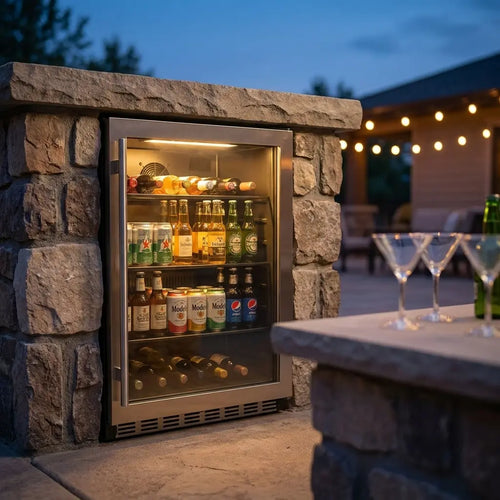
Refrigeration deserves the same practical lens. An outdoor-rated refrigerator is one of the most useful additions if you host often, keep drinks outside, or prep ingredients in advance. But size should reflect use. A compact unit may be enough for beverages and condiments, while a larger model makes sense if your outdoor kitchen functions as a true second cooking area.
Choose components for your climate, not just your style
Materials matter more outdoors because every weak point gets exposed. Sun, humidity, freeze-thaw cycles, salt air, and wind all change how components age. Stainless steel remains a strong choice for many outdoor kitchens, but grade and construction quality make a difference.

Blaze Premium LTE+ 32-Inch Marine Grade Built-In Gas Grill
In coastal areas or places with high humidity, corrosion resistance becomes a much bigger factor. Powder-coated finishes can also perform well, but only when they are designed for outdoor exposure and paired with quality construction underneath. Doors and drawers should feel solid, align cleanly, and close securely. Thin metal and cheap hardware tend to show their flaws quickly outdoors.
Countertop choice also affects which components make sense. Heavy-use kitchens benefit from durable, weather-tolerant surfaces that can handle heat, spills, and constant cleaning. If your layout includes refrigeration, sinks, or multiple appliances, make sure the surrounding materials can support that level of use without becoming a maintenance project.
This is where curated product selection matters. Components chosen by people who actually use this stuff tend to solve the problems that do not show up in staged photos, like poor drawer glide performance, weak handles, bad fit tolerances, or finishes that age badly in direct exposure.
Think about utility requirements before you buy
This is the less glamorous part of how to choose outdoor kitchen components, but it saves expensive surprises. Appliances need support systems, and not every component works in every setup.
Gas appliances may require line sizing that matches the total load, especially if you are combining a grill with burners or other cooking equipment. Refrigeration needs proper electrical access. Sinks need plumbing and drainage planning. Ventilation may be required depending on whether the kitchen is in an open area, under a covered patio, or inside a structure with partial enclosure.
Clearances also matter. Heat-producing appliances need proper spacing from cabinetry, walls, and combustible materials. That affects layout decisions early on. A component that fits on paper may not fit safely or comfortably once installation rules are applied.
If you are building in phases, plan utility access from the beginning. Even if you are starting with a grill and storage, leaving room and connections for refrigeration or a sink later can save major rework.
Match the budget to the long-term plan
Outdoor kitchens often go over budget because people buy components in the wrong order. Start with the parts that are hardest to change later. That usually means the grill, cabinetry framework, utility rough-ins, and countertops. Accessories and specialty add-ons can follow.
It is often smarter to buy fewer better components than to fill the layout with lower-quality pieces. A dependable grill, durable storage, and enough prep space will serve you better than a long list of underused features. Premium outdoor products are not just about branding. The difference often shows up in weather resistance, fit and finish, serviceability, and how the components feel after years of opening, closing, heating, and cleaning.
There is also a staging strategy that works well for many homeowners. Build the core kitchen first, then add refrigeration, specialty appliances, or entertaining extras as your use pattern becomes clear. That approach keeps the project functional from day one without forcing every decision into one purchase window.
When layout should change the component list
Not every backyard needs the same configuration. A compact patio kitchen may benefit from a straight-line layout with a grill, two-drawer storage, and a refrigerator tucked at the end. A larger entertaining space can support L-shaped or U-shaped designs that separate cooking from serving.
If your outdoor kitchen is close to the indoor kitchen, you can often scale back a few components. If it is farther from the house, convenience becomes more important. That is when sinks, refrigeration, and additional storage start pulling more weight.
Covered outdoor kitchens create another trade-off. They improve comfort and can protect components from direct exposure, but they also raise more questions about ventilation, heat, and clearance. Open-air setups simplify some of that, though they may demand more from materials and covers.
For many homeowners, the best buying decision is the one that keeps the outdoor kitchen easy to use year after year. At All Season Patio, that usually means helping people filter past the flashy extras and choose components that fit the space, the climate, and the way they actually live outside. If you build around use first, the finished kitchen tends to feel right for a long time.