
Best Exterior Lighting for Patio Ambiance
A patio can have great furniture, a strong layout, and a beautiful fire feature, then still fall flat the minute the sun goes down. That usually comes back to lighting. If you're shopping for the best exterior lighting for patio ambiance, the goal is not simply to make the space brighter. It is to make the space feel usable, comfortable, and intentionally designed after dark.
That distinction matters because patio lighting often gets overcorrected in one of two directions. Some spaces are lit like a parking lot, which kills warmth fast. Others rely on a few decorative lights that look nice in photos but do very little once people are actually outside. The right setup creates layers. It helps guests see where they are going, supports conversation, highlights the parts of the patio worth noticing, and keeps the entire space from feeling flat.
What actually creates patio ambiance
Ambiance is a combination of brightness, color temperature, fixture placement, and contrast. Most homeowners focus on fixture style first, but the effect of the light matters more than the fixture itself. A beautiful sconce with harsh output can make a seating area feel sterile. A simpler fixture with warm, controlled light can make the patio feel finished and relaxed.
Warm light is usually the better starting point for outdoor living spaces. In practical terms, that means leaning toward lower Kelvin temperatures, often around 2200K to 3000K depending on the fixture and the surrounding materials. Warmer light is especially effective around stone, wood, wicker, and upholstered seating because it brings out texture instead of washing it out.
Brightness also needs restraint. More lumens are not automatically better for ambiance. If your patio is used for dining, conversation, and late-night lounging, softer layered lighting almost always performs better than one strong overhead source. The eye is more comfortable in a space with pools of light than in one evenly blasted from every direction.
Best exterior lighting for patio ambiance starts with layers
The most inviting patios usually combine three kinds of lighting: overhead or structural light, low-level perimeter light, and accent light. You do not need all three in large quantities, but you usually need some version of each.
Overhead lighting gives the space its foundation. This might come from ceiling-mounted fixtures in a covered patio, pendants above a dining table, or a fan with integrated lighting. The purpose here is broad visibility, but the light should still feel controlled. If you can dim it, even better. A bright overhead fixture is useful while serving food or cleaning up, but too much direct light can make the space feel exposed during casual evenings.
Low-level lighting is where ambiance really starts to show up. Path lights, step lights, under-bench lighting, and subtle edge lighting give the patio depth. They define the space without pulling attention upward. This is especially important in larger backyards where the patio transitions into landscaping, a pool area, or an outdoor kitchen.
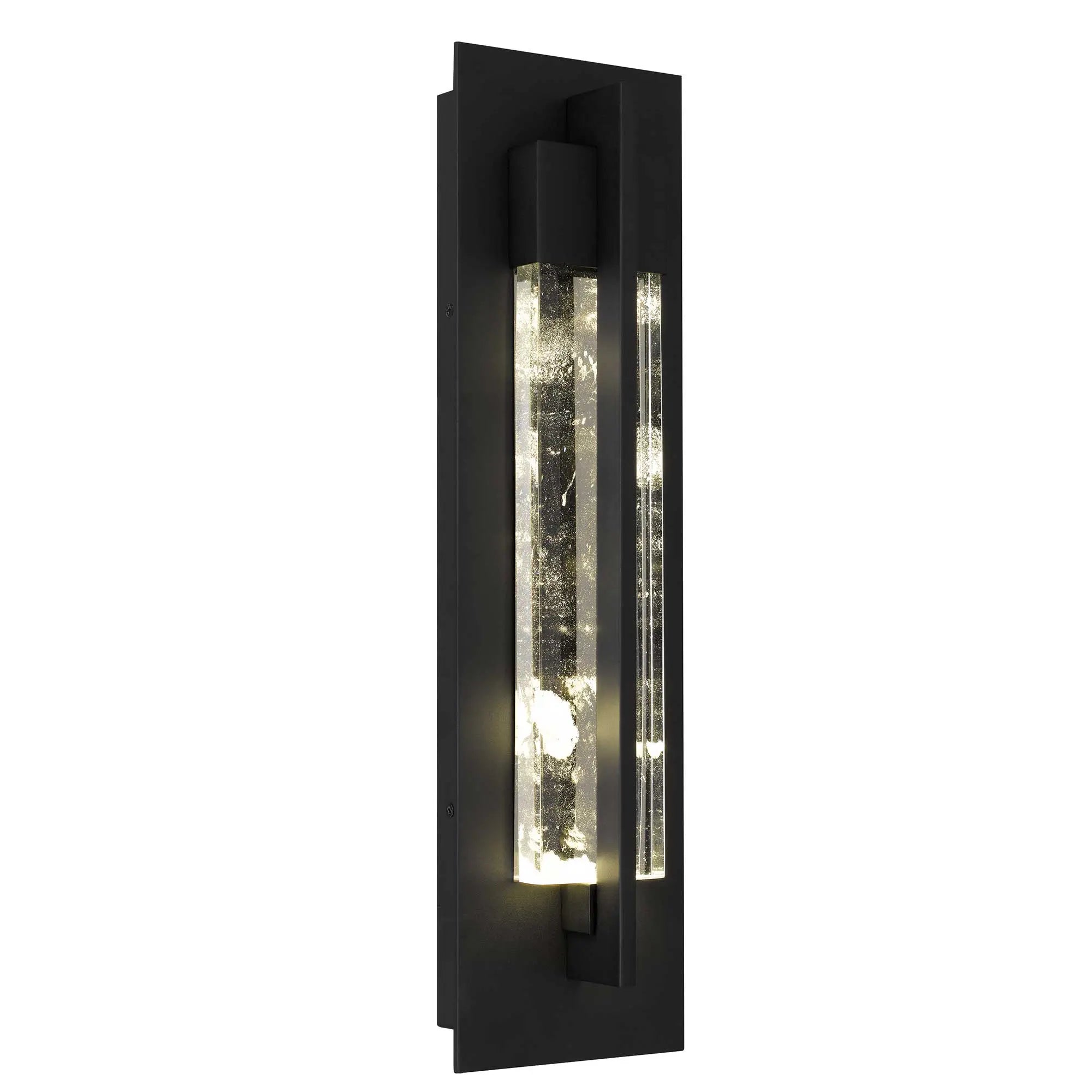
Accent lighting adds personality. Wall sconces, uplighting on columns, small spotlights on trees, or lighting that highlights planters and architectural textures can make the patio feel designed instead of merely lit. Used sparingly, accent lighting creates visual rhythm. Used too heavily, it starts to feel theatrical. This is one of those areas where less is usually better.
The best fixture types for a warm, usable patio
String lights are popular for a reason. When chosen well and installed cleanly, they create immediate warmth and visual softness. They work especially well above open patios, pergolas, and dining zones. The trade-off is that they are often more decorative than task-oriented. If string lights are your only source, the patio may still feel dim at table level.
Wall sconces are one of the most reliable options for patios that connect directly to the house. They provide structure, work with a wide range of home styles, and help frame doors and seating zones. The best results usually come from fixtures with shielded or diffused output rather than exposed bulbs that create glare. Lantern-style sconces with glass shades are especially well suited to patio use — they throw warm, controlled light without creating harsh spots.


Pendant lights are a strong choice for covered patios, especially over dining tables or seating areas. They help bring the ceiling plane down visually, which can make a larger covered patio feel more intimate. Size matters here. A fixture that is too small gets lost, while one that is too large can dominate the whole space.


Recessed lights can be useful, but they are often overused. They provide clean architecture and dependable visibility, yet too many recessed cans can make a patio feel like an indoor kitchen moved outside. They work best when paired with softer secondary lighting that offsets their more functional look.


Lantern-style portable lighting and rechargeable table lamps are increasingly useful for patio ambiance because they add light exactly where people gather. They are not a replacement for fixed lighting, but they are excellent for fine-tuning mood at dining tables, side tables, and lounge seating. Post lanterns serve a similar role at a larger scale — anchoring driveways, pathways, and patio edges with warm light that holds its presence after dark.


Landscape and hardscape lighting deserve more attention than they usually get. If your patio includes retaining walls, steps, planters, or built-in seating, integrated lighting in those elements can do more for ambiance than another decorative fixture overhead. It makes the space safer and visually richer at the same time. Bollard lights and deck lights are purpose-built for these transitions.


How to choose the right light level
One of the most common mistakes is choosing patio fixtures the same way people choose security lights. Patio ambiance depends on controlled illumination, not maximum spread. If a fixture throws bright light across the entire yard, it can flatten the patio and create harsh shadows.
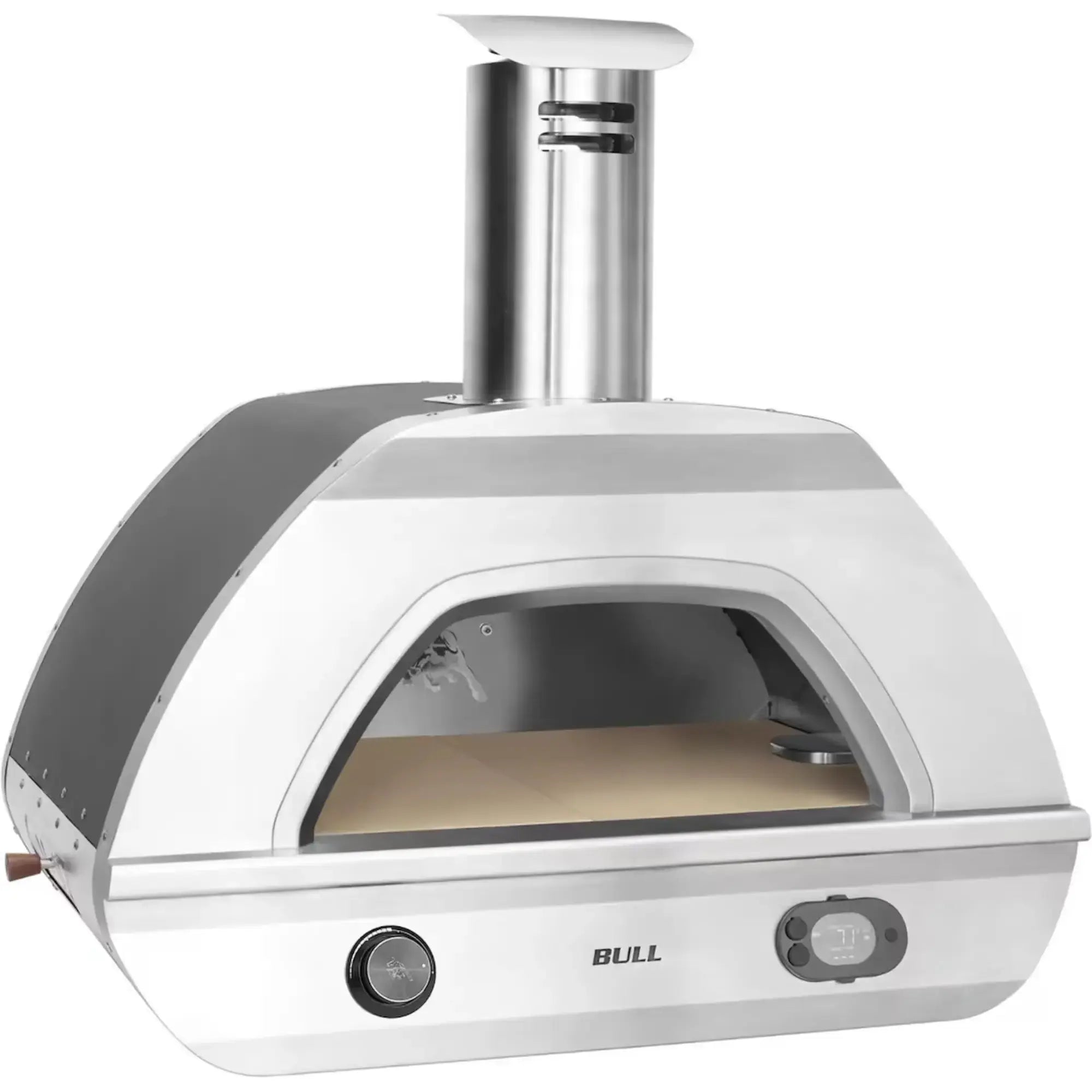
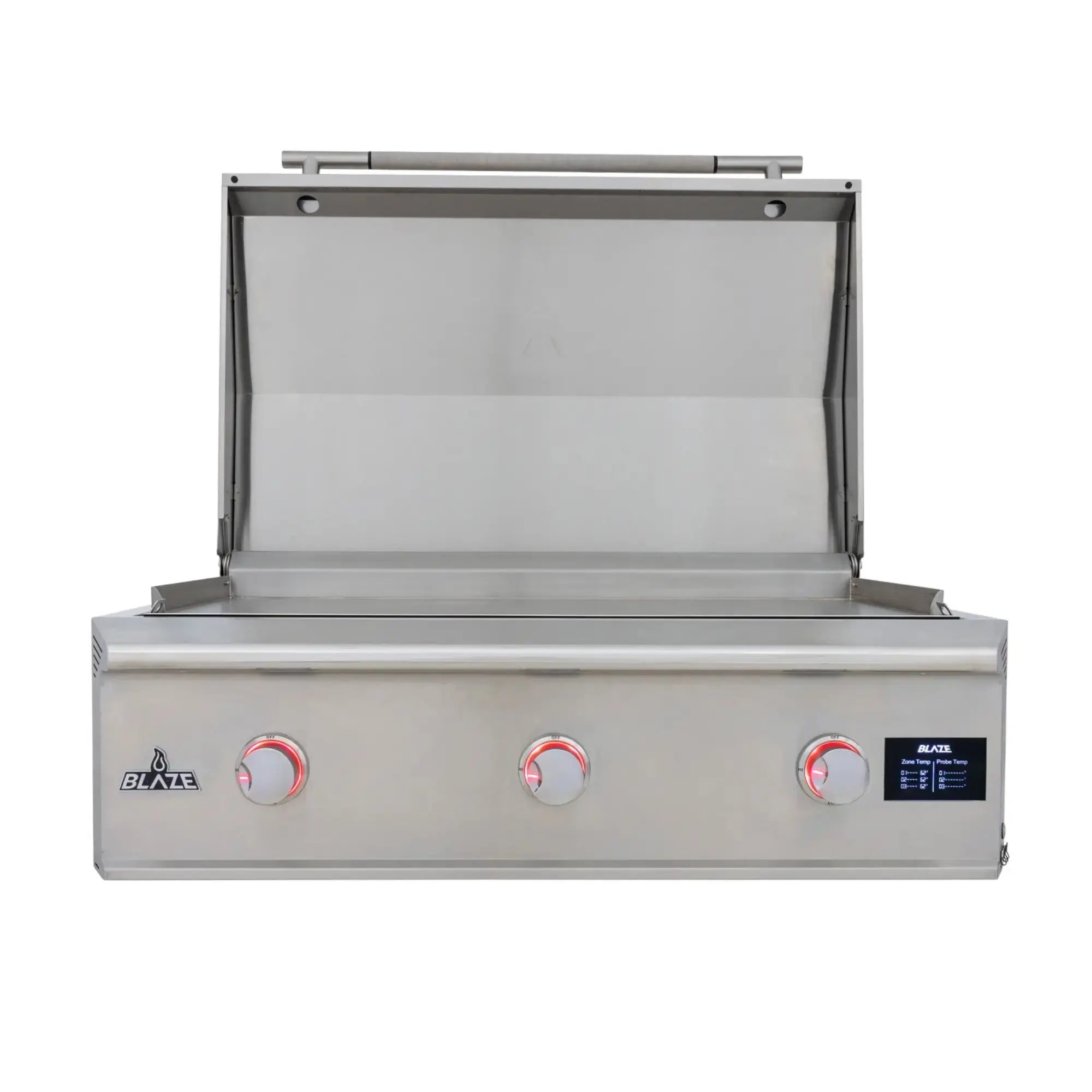
A better approach is to light based on activity zones. Dining areas need enough light to eat comfortably and see faces clearly. Lounge areas can be dimmer and warmer. Steps, transitions, and edges should be visible without becoming focal points. If your patio connects to a grill station or outdoor kitchen, that zone may need brighter task lighting than the rest of the space.
Dimmers are worth prioritizing whenever the fixture type allows it. Patio use changes throughout the evening. What feels right during dinner often feels too bright an hour later. Adjustable output gives you much more control without changing the overall design.
Matching the lighting to the patio design
The best exterior lighting for patio ambiance should fit the architecture and materials already in place. A modern patio with clean-lined furniture and a minimalist outdoor kitchen usually benefits from simple geometric fixtures, hidden light sources, and tighter beam control. A more traditional or transitional patio can handle lantern forms, visible hardware, and layered decorative fixtures more comfortably.


Material finish matters too. Matte black, bronze, and natural metal finishes tend to age well in outdoor settings and pair easily with premium patio materials. The right finish should connect with nearby door hardware, furniture frames, railing details, or kitchen components rather than stand apart from them.
There is also a scale issue that gets overlooked. Large patios need fixtures with enough visual presence to anchor the space. Small patios need restraint. Oversized fixtures can overwhelm a compact seating area just as quickly as undersized ones disappear on a broad covered porch.
Durability matters more outdoors than people expect
A patio light can look perfect online and still be the wrong choice if it cannot handle exposure. Moisture, heat, cold, wind, salt air, and UV exposure all affect performance over time. This is where premium exterior lighting often separates itself from lower-cost options. Better seals, better finishes, stronger materials, and more reliable components matter when the fixture is expected to stay outside year-round.
For covered patios, you still need to pay attention to damp-rated versus wet-rated use. A roof helps, but wind-driven rain and humidity can still reach fixtures. In open patios and exposed areas, wet-rated fixtures are the safer call.
Integrated LED fixtures can be a good long-term option when the build quality is there, but serviceability matters. Replaceable bulbs offer flexibility, while integrated systems can deliver cleaner design and efficiency. It depends on whether you value easier maintenance or a more streamlined fixture profile.
A smarter way to build your lighting plan
If you are starting from scratch, begin with the seating or dining zone that matters most. Get that area right first. Then add circulation lighting for steps and edges, and only after that move into accent lighting. This keeps the budget focused on the parts of the patio that actually drive use.
If your patio already has lighting but feels off, the fix may not require a complete overhaul. Often the issue is too much cool light, poor placement, or a lack of variation in height. Adding a few lower, warmer sources can completely change the feel of the space.
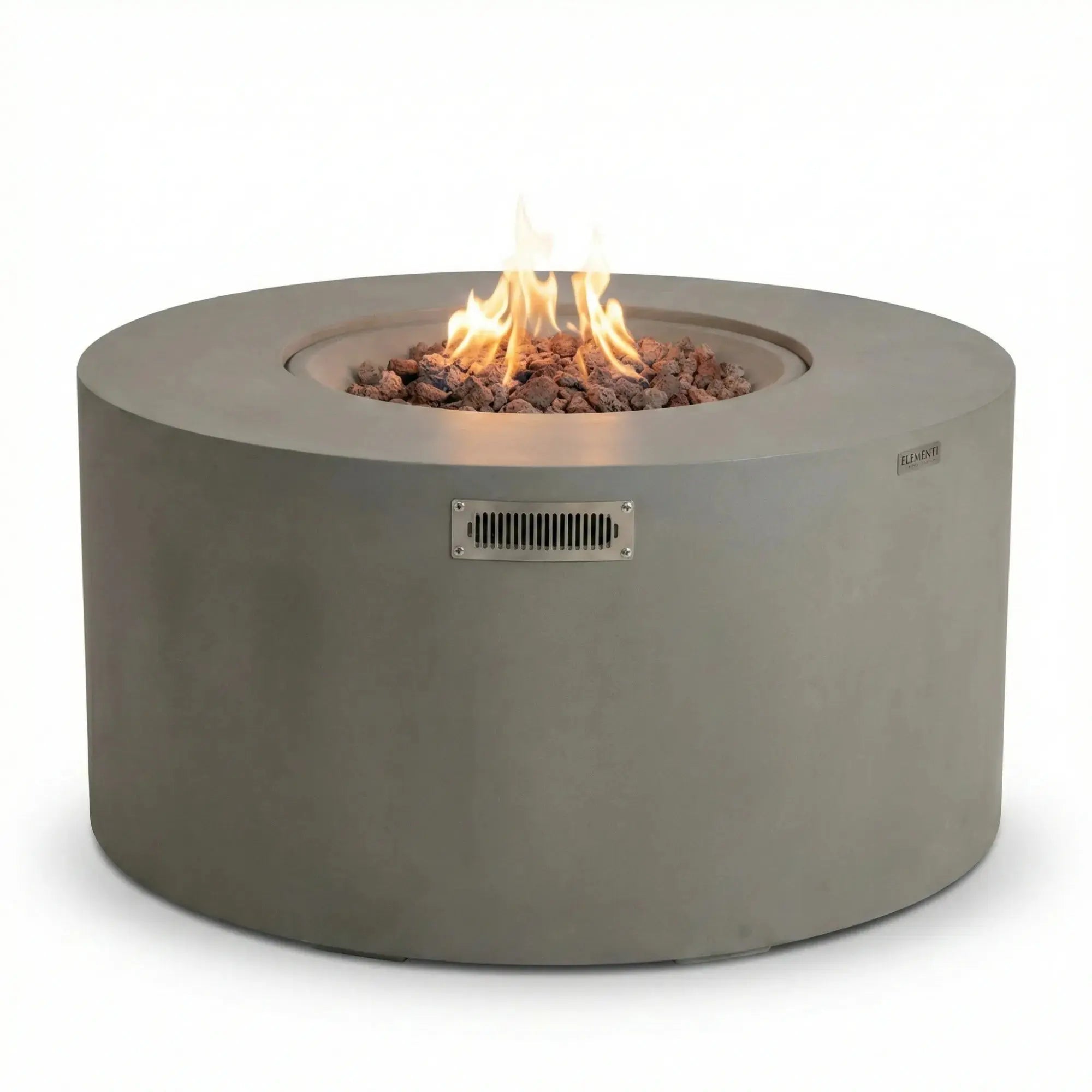
For homeowners building a more complete outdoor environment, lighting should be planned alongside fire features, outdoor kitchens, and furniture layouts rather than after the fact. The best results come when each element supports the others. That is especially true in premium outdoor spaces, where lighting is expected to do more than check a box.
A well-lit patio should make people want to stay outside longer without thinking about why. If the space feels warm, balanced, and easy to use after dark, the lighting is doing its job.