Infrared vs Propane Patio Heaters
A patio heater usually gets judged on one cold evening: guests arrive, the sun drops, and everyone either stays comfortable or drifts back indoors. That is why the choice between infrared vs propane patio heaters matters more than specs on a product page. The right heater depends on how your space is used, how open it is to wind, and whether you want portable heat, cleaner lines, lower maintenance, or stronger output over a wider area.
For most homeowners, this is not really about which heater is "better" in the abstract. It is about which one works better in your layout, climate, and entertaining style. If you are building a premium outdoor space that needs to look good and perform reliably, the details matter.
Infrared vs propane patio heaters: the core difference
Infrared and propane heaters warm outdoor spaces in different ways. An infrared heater uses electricity to produce radiant heat that warms people and objects directly. A propane heater burns fuel and typically radiates heat outward while also warming some of the surrounding air.
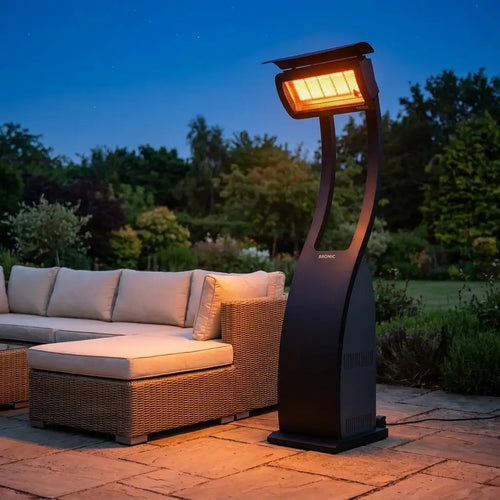
That difference affects almost everything else. Infrared tends to feel targeted and immediate, especially when mounted overhead or on a wall near a seating area. Propane tends to offer more flexible placement and often creates a broader heat zone, especially in freestanding mushroom-style models.
If you have ever sat under a mounted electric heater and felt warmth on your shoulders within seconds, that is the infrared advantage. If you have ever rolled a freestanding heater to the middle of a patio before a party, that is the propane advantage.

Heat performance in real outdoor conditions
On paper, shoppers often compare BTUs versus wattage, but real comfort is shaped by exposure and placement. A propane heater can produce a high heat output and warm a larger radius, which makes it appealing for open patios, larger gatherings, and spaces where people move around instead of staying seated in one zone.

Infrared heaters excel when you can aim the heat where people actually sit or stand. In a covered patio, outdoor kitchen bar, dining area, or lounge with a defined footprint, infrared often feels more efficient because less heat is wasted. Rather than trying to heat all the air around the space, it sends warmth where it is needed.
Wind is part of this equation. In breezy conditions, propane heat can dissipate faster, especially if the heater is trying to warm surrounding air. Infrared is often less affected because radiant heat is directed toward surfaces and people. That can make a mounted infrared unit a smart choice for semi-protected spaces that still get airflow.
Installation and placement trade-offs
This is where many buying decisions become clear.
Propane patio heaters are popular because they are easy to place almost anywhere. If you do not want to run electrical service or commit to a fixed installation, propane gives you mobility. You can move the heater as furniture layouts change or shift it to support different entertaining zones.
That flexibility comes with trade-offs. Freestanding propane units take up floor space, and the visual profile is larger. On a tighter patio, that can matter. You also need room for safe clearance and access to the tank.
Infrared heaters usually require more planning up front. Wall-mounted and ceiling-mounted units often need professional installation, especially for hardwired setups. But once installed, they free up valuable floor space and create a cleaner look. For design-conscious homeowners building a more permanent outdoor room, that is often a major advantage.

If your patio is part of a larger backyard plan with a dining zone, grill island, and lounge seating, fixed infrared heating can feel more integrated. If you want the option to rework the space often or heat different spots as needed, propane keeps things simpler.
Operating costs and convenience
When comparing infrared vs propane patio heaters, operating cost is one of the first practical questions. The answer depends on local energy rates, usage habits, and the size of the heater, but there are still some broad patterns.
Infrared electric heaters are often easier to live with day to day. There is no refueling, no tank swaps, and no concern about running out of propane during dinner. You flip a switch and get heat. For homeowners who use their patio frequently, that convenience adds real value.
Propane heaters involve a more hands-on routine. You need to monitor fuel levels, keep spare tanks if you entertain often, and account for refill costs over time. For occasional use, this may not be a problem. For regular use through multiple seasons, it becomes part of ownership.
Cost can go either way depending on your market, but convenience often favors infrared. If you want heat available at a moment's notice with minimal upkeep, electric radiant heating is hard to beat.
Maintenance, longevity, and weather exposure
Premium outdoor products should earn their place over time, not just on the first weekend. Maintenance is another area where the two heater types differ.
Infrared heaters are generally lower maintenance. With fewer moving parts and no fuel storage, there is less ongoing attention required. You still need to keep the unit clean, check connections, and follow manufacturer guidance, but ownership is usually straightforward.
Propane heaters need more routine care. Burners, igniters, regulators, and tanks all deserve occasional inspection. Outdoor exposure can also be harder on freestanding units, particularly if they are not covered when not in use. That does not mean propane heaters are unreliable. It means they ask a bit more from the owner.
For households that prioritize low-hassle performance, infrared often lines up better. For buyers who value mobility enough to accept more upkeep, propane still makes sense.
Safety and ventilation considerations
Both heater types can be safe when used correctly, but the setup matters.
Infrared electric heaters are often preferred in covered patios because there is no open flame and no combustion byproducts from fuel burning at the point of use. That said, you still need proper mounting clearances and weather-rated equipment suitable for the location.
Propane heaters require more attention to ventilation and placement. Because they burn fuel, they are typically best suited to open-air environments unless the model is specifically rated and installed for a particular covered application. Clearances from ceilings, furniture, and traffic paths matter a lot.

For many homeowners, this becomes a simple planning question. If you are heating a covered outdoor room or a patio tucked under a roof structure, infrared often offers a cleaner path. If you are heating a more open entertaining area, propane may fit naturally.
Design impact on the patio
Heaters are functional products, but they also change how a space looks and feels.
A freestanding propane heater is visible. Sometimes that is fine, especially in a larger patio where the unit feels proportional and can be moved aside when needed. In other spaces, it can look utilitarian and interrupt sight lines.
Infrared heaters usually win on visual integration. Mounted units can disappear into the architecture more easily, especially in modern patios, covered lounges, and outdoor kitchens where clean lines matter. If you have invested in coordinated finishes, lighting, and furniture, that less-cluttered look is often worth the extra planning.
This is one of the reasons buyers shopping premium outdoor spaces often lean electric. The heater becomes part of the environment instead of a standalone object dropped into it.

Which one is right for your space?
If you want portable heat, strong flexibility, and no installation commitment, propane is usually the better fit. It works well for open patios, occasional entertaining, and layouts that change often.
If you want targeted warmth, easier day-to-day use, lower maintenance, and a more built-in appearance, infrared is usually the better long-term choice. It is especially strong in covered patios, outdoor kitchens, dining areas, and lounge spaces with fixed furniture plans.
There is also a budget timing question. Propane can be easier to start with because the initial setup is simpler. Infrared may require more planning and installation cost upfront, but it can feel more convenient and refined over years of use.
At All Season Patio, this is the kind of decision we encourage customers to make based on the space, not just the spec sheet. A heater that looks great online but does not match your patio layout, climate exposure, or usage habits is not a smart buy.
The best patio heater is the one that fits the way you actually live outside. Think about where people sit, how often you entertain, how permanent the setup should be, and how much floor space you want to keep open. Get that part right, and your patio will stay useful long after the temperature drops.