


How to Layer Patio Lighting the Right Way
A patio with one bright fixture usually feels like a parking lot. A patio with no real lighting plan feels unfinished the minute the sun goes down. If you are figuring out how to layer patio lighting, the goal is not to add more lights everywhere. It is to place the right kinds of light at different levels so your outdoor space feels usable, comfortable, and intentional.
That matters even more when you are investing in a premium backyard setup. Good lighting affects how your furniture looks at night, how safely people move through the space, and whether your patio actually gets used after dinner. It also changes how fire features, outdoor kitchens, and lounge areas read visually. The difference between a harsh backyard and one that feels dialed in usually comes down to layering.
What layered patio lighting actually means
Layered lighting is simple in principle. You combine a few types of light that do different jobs instead of expecting one fixture to do everything. Indoors, that might mean overhead lighting, lamps, and accent lights. Outdoors, the same idea applies, but weather, layout, and visibility matter more.
A strong patio lighting plan usually includes ambient lighting for overall glow, task lighting for activities, and accent lighting for depth and mood. Some spaces also need safety lighting to help with stairs, pathways, and transitions. In many patios, one fixture can partly cover more than one role, but you still want to think about each function separately.
This is where a lot of homeowners overspend or end up disappointed. They buy attractive fixtures first, then try to force them into a layout that does not match how the patio is used. A better approach is to start with use zones.
Start with how the patio is used at night
Before choosing fixtures, stand outside after sunset and think through what actually happens in the space. Do you eat full dinners outdoors? Is there a grill station or outdoor kitchen that needs direct visibility? Do people move between a fire pit, seating area, and back door? Is the patio mostly for quiet evenings, or do you host often?
Those answers tell you where light should be stronger and where it should stay softer. A dining table needs enough illumination to see food and faces naturally. A lounge area near a fire pit usually benefits from much lower light so the flame remains the visual focal point. Steps, edges, and pathways need clear definition, but not necessarily brightness.
If your patio includes multiple zones, map them in order of importance. The main gathering area comes first. Then support areas like cooking zones, circulation paths, and landscape edges. This keeps the plan practical instead of decorative for decoration's sake.
How to layer patio lighting by zone
Ambient lighting sets the base
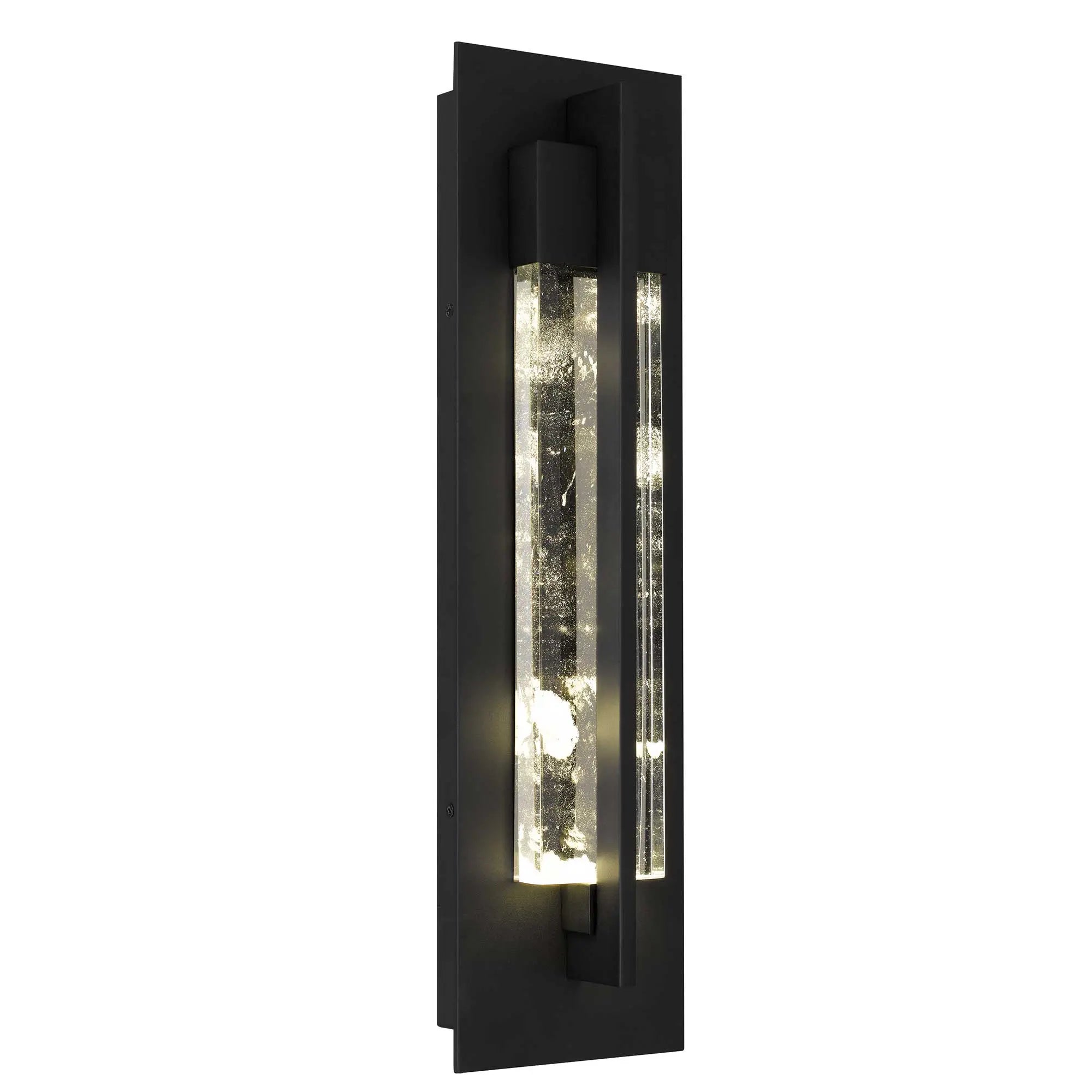
Ambient lighting is the general light level that makes the patio feel welcoming instead of dark. This can come from wall-mounted fixtures, overhead pendants in covered areas, string lights, post lights, or a mix of sources. The best ambient lighting is broad and comfortable, not glaring.
For covered patios, ceiling-mounted or pendant fixtures often make the most sense because they anchor the space visually and provide consistent illumination. For open patios, string lighting or nearby mounted fixtures may create the general glow, but placement matters. If all the light comes from one side, the patio can feel flat and shadowy at the same time.

Warm color temperature usually works best outdoors. It is easier on the eyes, more flattering on materials and skin tones, and less likely to make the patio feel commercial. Cooler light can make stone, concrete, and metal surfaces look stark unless that is specifically the look you want.
Task lighting makes the space functional
Task lighting is where precision counts. Outdoor kitchens, grill stations, serving counters, and dining tables often need more focused light than the rest of the patio. This is especially true if you cook outside regularly.
A grill area should be bright enough to see temperature controls, food surfaces, and prep zones clearly. Overhead lighting works well here if it is positioned to avoid casting your own shadow onto the cooking surface. Dining tables need enough illumination for meals without feeling like they are under a spotlight. Pendants, sconces, and carefully placed overhead fixtures can all work, depending on the structure around the patio.

This is one of the biggest trade-offs in patio design. Light that is ideal for cooking is often too bright for lounging. That is why separate circuits, dimmers, or different fixture groups are worth considering when possible.
Accent lighting adds depth
Accent lighting is what keeps a patio from looking one-dimensional. It highlights texture, planting, architectural details, and focal points such as a fire pit wall, outdoor fireplace, or feature planters. It is not the first layer to add, but it is often the layer that makes the space feel finished.
The key is restraint. Too many accent lights can make the yard feel busy and overly staged. A few targeted lights on a stone column, a row of planters, or a nearby privacy wall usually does more than trying to illuminate every feature at once.
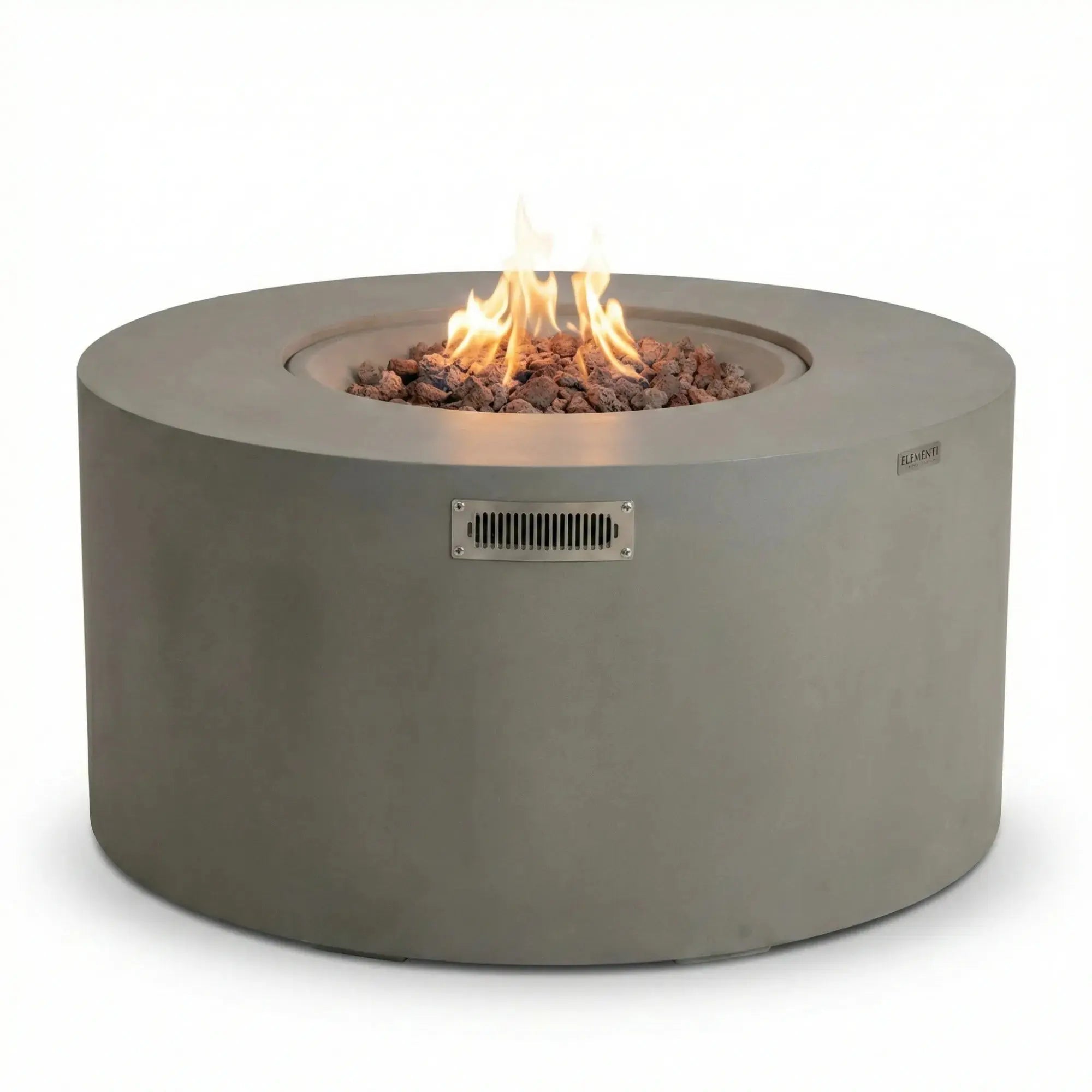
If you already have a strong fire feature, keep nearby accent lighting subtle. Flame naturally draws attention, so competing light sources can reduce the effect that made the feature appealing in the first place.

Safety lighting should be visible, not harsh
Safety lighting often gets treated like an afterthought, but it should be built into the plan from the start. Steps, changes in elevation, pathways, and transitions between patio zones need enough light for confident movement.
That does not mean flooding everything with bright path lights. Low-level fixtures, step lights, and edge lighting usually work better because they define where to walk without blowing out the mood. The best safety lighting almost disappears during the day and quietly does its job at night.

Avoid the most common lighting mistakes
The first mistake is relying on one fixture type for the whole patio. String lights alone can look great, but they rarely provide enough task or safety lighting. A single floodlight solves visibility but creates glare and hard shadows. Layering works because each light source has a purpose.
The second mistake is overlighting. Homeowners often assume brighter means better, especially when shopping online. In practice, too much brightness can flatten the space, create visual fatigue, and make premium materials look less refined. Outdoor lighting should help people relax, not feel exposed.
The third mistake is ignoring scale. Small fixtures can disappear on a large patio, while oversized fixtures can dominate a compact layout. This matters even more if your patio includes substantial pieces like a fire pit table, large dining set, or outdoor kitchen island. The lighting needs to feel proportionate to the rest of the space.
A fourth issue is poor fixture placement. Even high-quality lighting performs badly if mounted too high, too low, or at awkward angles. Glare is a common problem, especially when lights shine directly into seating areas.
Choosing fixtures that work with premium outdoor spaces
If you are building a patio meant to last, fixture quality matters as much as fixture style. Exterior lighting deals with moisture, temperature swings, UV exposure, and debris. Lower-quality finishes can fade or corrode faster than expected, especially in exposed conditions.
Look at construction, finish durability, and wet-location ratings, not just appearance. Match the fixture style to the larger design language of the space. A modern patio with clean-lined furniture and a streamlined fire feature usually benefits from simpler lighting forms. More traditional spaces may suit lantern-style sconces or classic post lights.
It also helps to think about your patio as a connected system. Lighting should support the materials, furniture, and features around it. At All Season Patio, that kind of coordination matters because outdoor spaces work best when products are chosen to perform together, not as isolated purchases.
A practical order for building your lighting plan
If you want a clear way to approach how to layer patio lighting, start with the main use area and work outward. Choose your ambient base first so the patio has an overall glow. Then add task lighting where actual activities happen. After that, place safety lighting along stairs and circulation paths. Finish with accent lighting only where it adds visual structure or highlights a feature worth noticing.
This order prevents a common problem: buying attractive accent fixtures before solving basic visibility. It also helps with budgeting. If you are improving the patio in stages, functional layers should come before decorative ones.
Dimming is worth planning for whenever possible. Outdoor spaces rarely need the same light level all night. Brighter settings may make sense while cooking or cleaning up, while lower settings are better for dining or sitting by the fire.
The best patio lighting feels almost effortless
When patio lighting is layered well, people usually do not comment on the fixtures first. They notice that dinner feels easy, the seating area feels comfortable, and the whole backyard looks better after dark. That is the result you want - not a collection of lights, but a space that works.
If you are planning upgrades, think of lighting as part of the patio's structure rather than an accessory you add at the end. A good layout makes every other investment look more complete, from your furniture and hardscape to the fire feature that keeps everyone outside a little longer.