Commercial Patio Heaters: The Complete Guide for Restaurants, Hotels & Cafes (2026)
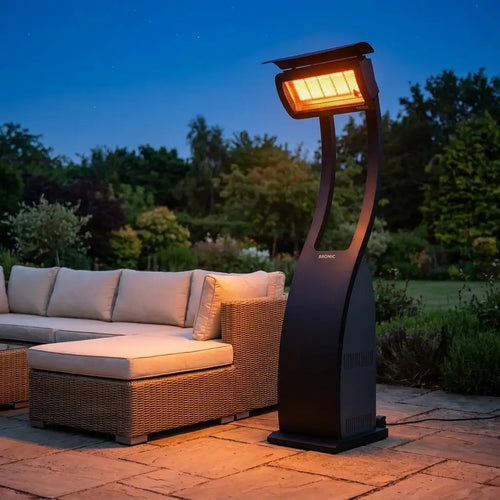
Quick answer: Commercial patio heaters for restaurants, hotels, and cafes are mounted radiant heaters (wall, ceiling, or pendant) rather than the portable mushroom units you see at rentals. Gas models deliver the most warmth on open patios; electric models are the standard under covers, pergolas, and awnings and in cities that restrict open flame. The brand hospitality designers specify most often is Bromic, whose Platinum and Tungsten Smart-Heat series mount out of the way, heat guests rather than the air, and tie into dimmers and zone controls your staff can run from one panel.
This guide covers how commercial heaters differ from residential ones, gas versus electric for a business, how to plan zones and sizing, and the controls that make a multi-heater install manageable. Every unit mentioned lives in our Commercial Patio Heaters collection.
In this article
- What makes a patio heater commercial grade?
- Should a business choose gas or electric heaters?
- How do you plan heater zones and sizing?
- What about controls, dimmers, and staff operation?
- Which heaters fit which venue?
- Frequently asked questions
What Makes a Patio Heater Commercial Grade?
Three things separate a hospitality-spec heater from a box-store patio heater. First, mounting: commercial installs go on walls, ceilings, poles, or pendants so floor space stays clear for tables and servers, and nobody can tip one over. Second, radiant directional heat: infrared warms people and surfaces directly instead of heating the air, which is the only approach that works outdoors in wind. Third, duty cycle and build: stainless internals and weatherproof housings built to run every night of the season, with parts availability when a burner or element eventually needs service.

Should a Business Choose Gas or Electric Heaters?
The decision usually makes itself once you look at the space:
| Gas (NG or LP) | Electric | |
| Heat output | Highest per unit; best for open-air patios | Strong but smaller coverage per unit |
| Covered areas | Needs generous overhead clearance and ventilation | The standard for pergolas, awnings, and enclosed patios |
| City rules | Some cities restrict open-flame heating | Allowed almost everywhere, no emissions on site |
| Controls | On/off zone control | Dimmable output, instant on and off |
| Supply | Plumbed gas line (licensed installer) | Dedicated circuits (electrician) |
Many venues mix both: gas over the open dining rows for maximum warmth, electric under the covered bar and entry. If your whole patio is covered, start with our guide to the best patio heaters for covered patios.

Low-profile wall or ceiling mounted gas radiant heat for open dining rows, in natural gas or propane. Quick ship.

The highest-output electric in the line, built for pergolas, awnings, and cities that restrict open flame. Dimmable with Bromic controls.
How Do You Plan Heater Zones and Sizing?
Plan by seating zone, not square footage. Each dining row or lounge cluster gets its own heater (or pair), sized to mounting height and wind exposure: the higher the mount and the more open the site, the more output each zone needs. Corner tables against a wall need less; an open rail on a rooftop needs the most. Sketch the patio, mark the zones, then work through mounting height for each. Our patio heater size calculator walks the same math for any single space, and for a full commercial layout our team will spec the heater plan from your patio drawing at no charge.

What About Controls, Dimmers, and Staff Operation?
Controls are what turn a set of heaters into a system your staff actually uses. Wall switches handle single zones. Bromic's Affinity Smart-Heat controllers run one to five channels with on/off or dimmer control, so a manager can bring the whole patio up before service and trim output zone by zone as the night cools, instead of guests flagging servers to fiddle with individual heaters. Electric models dim smoothly; gas zones switch on and off. If you are running more than two heaters, spec the controller at the same time as the heaters so the electrician wires it once.
Which Heaters Fit Which Venue?
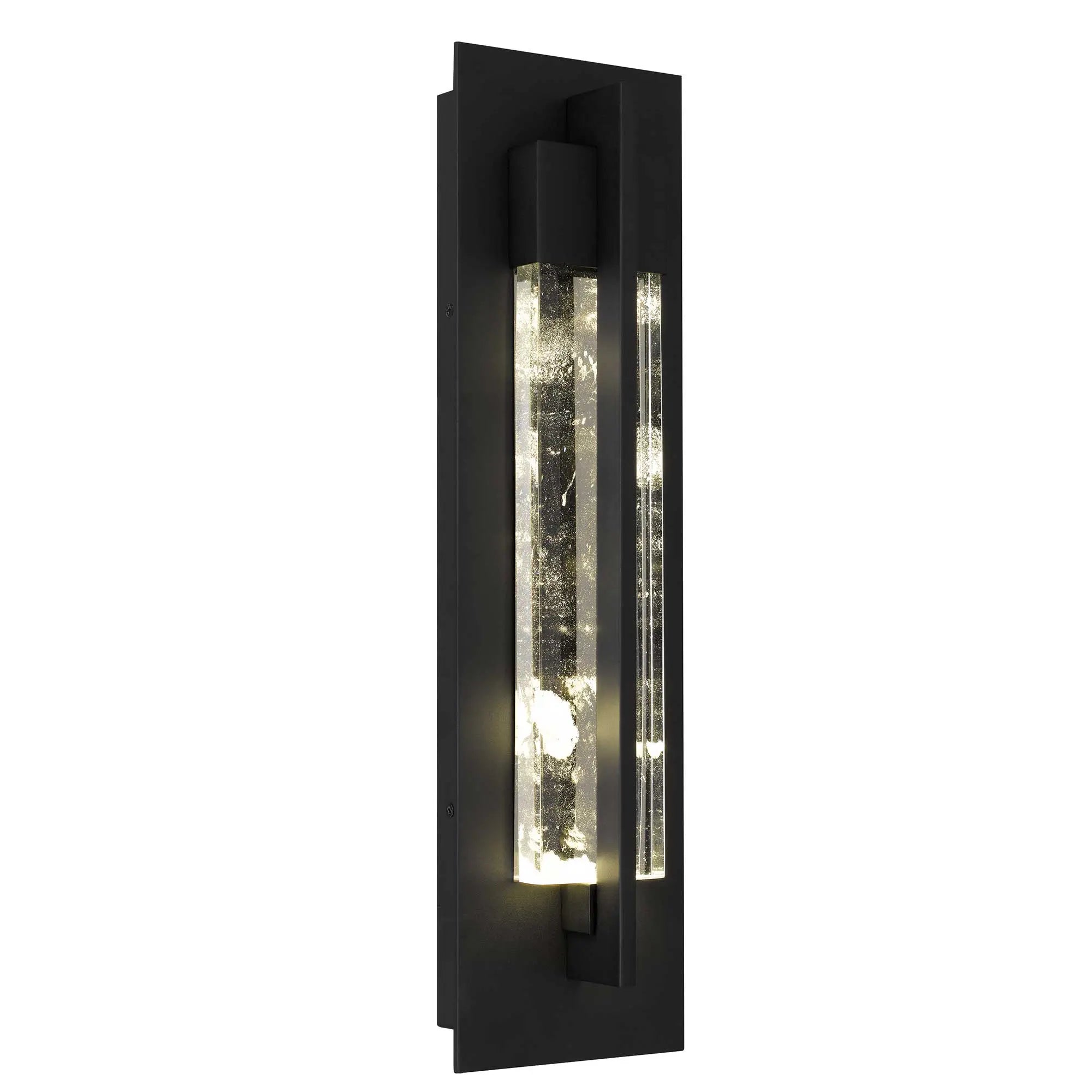
Open restaurant patios: Platinum or Tungsten gas, wall or ceiling mounted over dining rows. Covered bars, pergolas, and awnings: Tungsten or Platinum electric. Hotel terraces and upscale lounges: the Eclipse pendant, which pairs radiant heat with LED light as a design feature. Coastal and rooftop venues: Platinum Marine-grade electric, built with corrosion-resistant construction for salt air. And if your patio has a lounge zone, the strongest combination we see is a gas fire table as the social anchor with mounted heaters over the dining rows; that pairing is covered in our commercial fire pits collection.

Heat and ambient light in one ceiling-hung piece; the hotel and fine-dining favorite for lounge zones.

Corrosion-resistant build for salt air and exposed rooftops, in three output sizes.

Frequently Asked Questions
What patio heaters do restaurants actually use?
Full-service patios overwhelmingly use mounted radiant heaters (wall, ceiling, or pendant) rather than portable mushroom heaters. Mounted units heat tables consistently, cannot be tipped, take no floor space, and tie into central controls. Bromic Platinum and Tungsten are the models hospitality designers specify most often; see Bromic's commercial portfolio for the installs the brand is known for.
Can patio heaters run under an awning or pergola?
Electric radiant heaters are designed for covered mounting when installed to their listed clearances. Gas heaters need substantially more overhead clearance and ventilation, which is why covered zones almost always go electric.
How many heaters does a restaurant patio need?
One heater (or pair) per seating zone, sized to mounting height and wind exposure. A typical mid-size dining patio lands between four and eight mounted units plus a controller; open or coastal sites need more output per zone.
Are commercial patio heaters expensive to run?
Radiant heaters only run when guests are seated, and zone controls keep unused areas off. Natural gas is the cheapest fuel per hour of heat, electric is close behind with the advantage of dimming, and propane costs the most but needs no plumbing. Whatever the fuel, heating a seated table for an evening costs far less than the revenue of keeping that table open in shoulder season.
Do heated patios need permits?
Plumbed gas heaters and new electrical circuits are permitted work in most jurisdictions, handled by your licensed installer. The fire marshal or building department has the final word on clearances for commercial spaces, so involve them at the planning stage.
Keep every table open, every season
Bromic gas and electric commercial heaters with the mounts and controls to heat your whole patio as one system.
Shop commercial patio heaters →Gas and electric models, wall, ceiling, and pendant mounts, zone controls included in the collection.