Charcoal Grill vs Gas Grill: Which Fits Your Patio?
A charcoal grill vs gas grill decision usually comes down to one moment: it is 6:15 p.m., guests arrive at 7, and someone asks whether the grill is hot yet. Gas wins that moment. But if your ideal Saturday includes a slow fire, woodsy smoke, and a steak with a hard, dark crust, charcoal has a pull that convenience does not replace.
Neither fuel is automatically better. The right grill depends on how often you cook, what you cook, how your patio is set up, and how much hands-on fire management you enjoy. For a backyard built around regular entertaining, the grill should work with your routine, not create another chore.
Charcoal Grill vs Gas Grill: The Practical Difference
The biggest difference is control. A gas grill gives you immediate, adjustable heat through burner knobs. A charcoal grill asks you to build and manage a fire, then use vent settings and coal placement to control the cooking environment. That extra involvement is part of the appeal for many grillers, but it is also the reason charcoal is not the best fit for every household.
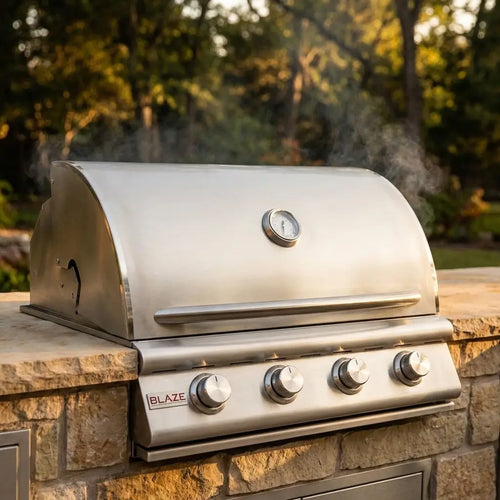
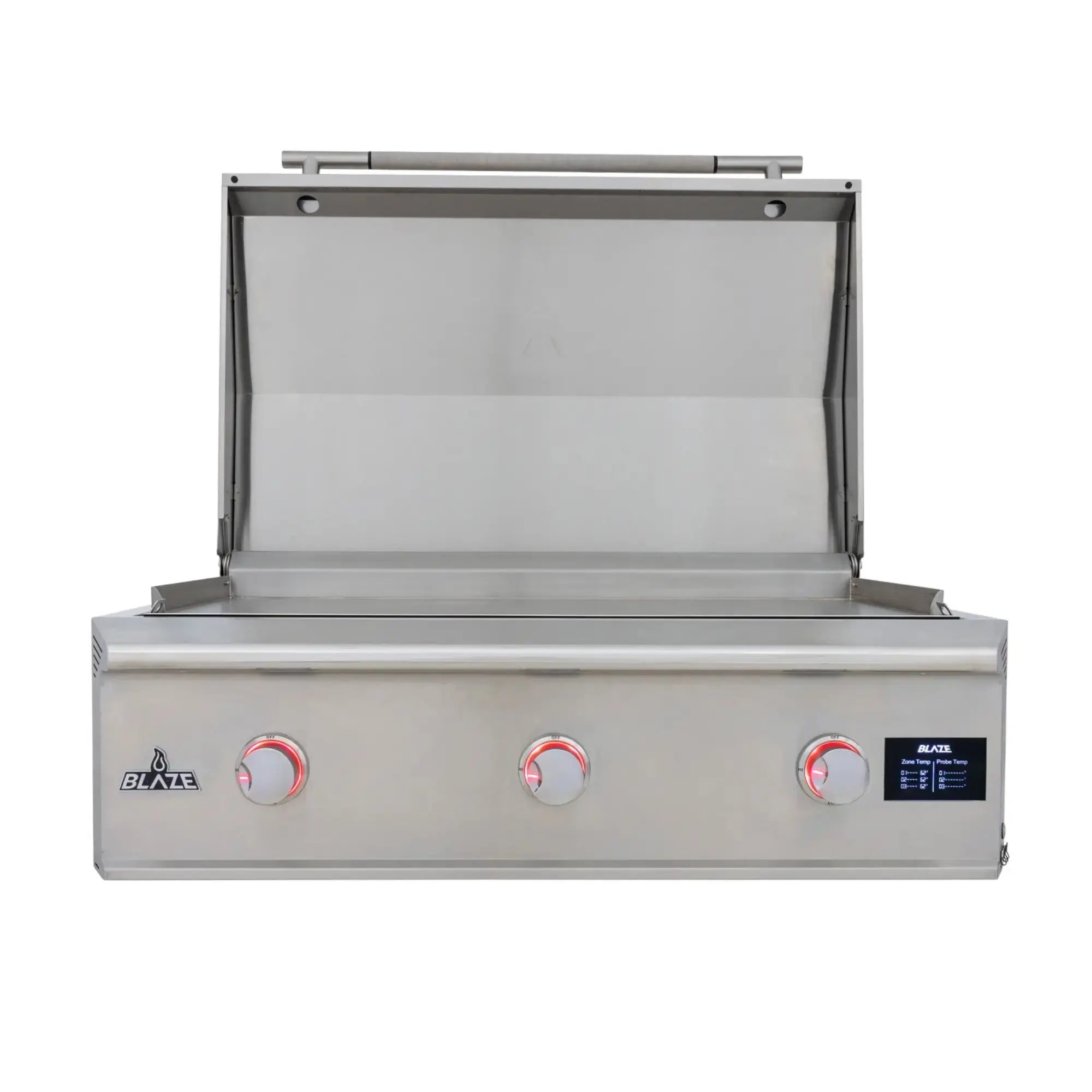
Gas grills are designed for repeatable weeknight cooking. Preheat the grill, set the burners, and cook. Quality models provide separate heat zones, which makes it easier to sear burgers over high heat while finishing chicken or vegetables more gently on another section of the grate.

Charcoal grills reward a little more patience. You can bank coals to one side for two-zone cooking, add fresh fuel for longer sessions, or use a ceramic cooker to hold low-and-slow temperatures for hours. The learning curve is real, but so is the flexibility once you understand how air, fuel, and lid position affect the fire.

Flavor: What You Actually Taste
Charcoal is often called the better flavor choice, but the answer needs context. Charcoal does not magically make every meal better. What it does provide is live-fire cooking, including drippings that hit the coals and create aromatic smoke. Lump charcoal can add a subtle wood-fire character, while briquettes tend to offer a more consistent burn.
Gas grills can produce excellent food, especially when they are hot enough to sear properly. Their flavor is cleaner and less smoky, which many people prefer for seafood, vegetables, delicate proteins, and quick family meals. If smoky flavor is the goal, a smoker box or wood chip accessory can help, though it will not fully duplicate cooking directly over charcoal.

For thick steaks, bone-in chicken, burgers, and foods where crust matters, charcoal has a noticeable edge. For salmon, shrimp, pizza, grilled fruit, and everyday mixed menus, gas can be just as satisfying with far less setup.
Speed, Convenience, and Real-Life Use
A gas grill typically reaches cooking temperature in 10 to 15 minutes. With a natural gas connection, there is no tank to refill and no fuel handling beyond routine maintenance. With propane, you still get fast starts, but it is wise to keep a second full tank available before a party or holiday weekend.
Charcoal usually takes 20 to 30 minutes to become ready for direct grilling, especially when using a chimney starter. Add time for cooling and ash disposal afterward. That does not make charcoal impractical. It simply makes it better suited to cooks who see grilling as part of the event rather than a fast way to get dinner on the table.
Think honestly about your habits. If you grill two or three nights a week after work, gas is usually the more useful primary grill. If you cook outdoors mainly on weekends and enjoy tending a fire, charcoal may become the centerpiece of your patio. Some serious outdoor kitchens include both because the two formats solve different problems.
Heat Control and Cooking Range
Gas grills make temperature changes simple. Turn a burner down, move food to an indirect zone, close the lid, and monitor the result. This is particularly helpful when cooking for a group, where timing matters and several foods need different levels of heat.

Charcoal can reach intense temperatures and is excellent for searing. It also handles indirect cooking well when the coals are arranged in a two-zone setup. The trade-off is that adjustments are slower. Opening vents increases airflow and heat, but it takes time for the fire to respond. Closing vents reduces the burn, but shutting them too far can smother the fire or create dirty smoke.
A well-built ceramic charcoal grill changes the equation for cooks who want versatility. Its insulated construction can maintain steady low temperatures for ribs, pork shoulder, or brisket, then climb high enough for pizza or steakhouse-style searing. It requires technique, but it can replace several specialized cooking tools in one compact footprint.
Cleanup, Maintenance, and Patio Considerations
Gas grills need regular brushing, grease management, and occasional burner inspection. Grease trays and drip systems should be cleaned before buildup becomes a fire risk. Stainless steel grates, burners, and exterior panels also benefit from seasonal care, particularly in humid, coastal, or snowy climates.
Charcoal creates ash, and ash needs to be fully cool before removal. A grill with an accessible ash catcher makes this much easier. Expect to brush grates, empty ash, and periodically clear residue from the bowl or firebox. Lump charcoal can produce less ash than briquettes, but it may burn less predictably depending on the brand and piece size.
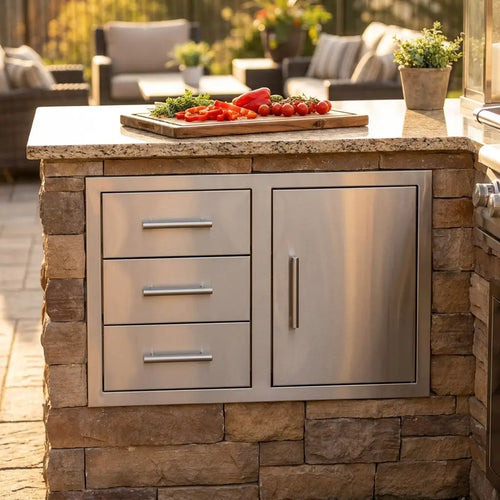
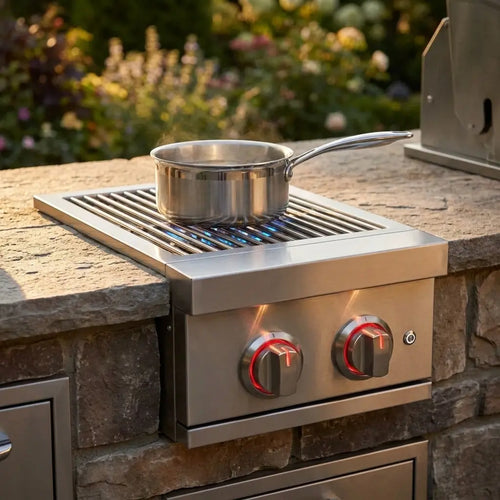
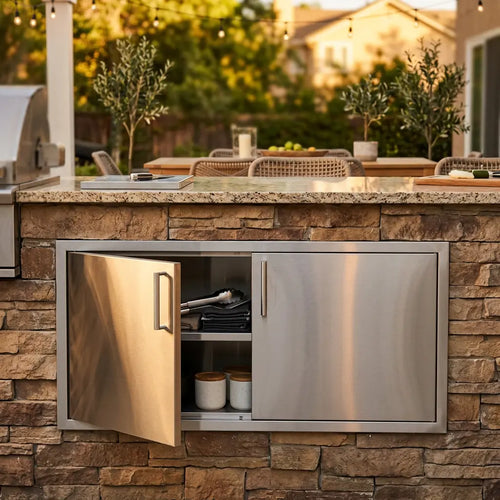
Your patio layout matters too. Both grill types need open clearance from walls, railings, overhangs, furniture, and combustible materials. Charcoal produces more sparks and airborne ash, so it deserves extra space and a stable, noncombustible surface nearby. For a built-in outdoor kitchen, gas is often the cleanest integration, especially if natural gas can be safely planned into the installation.
Do not place either grill inside an enclosed porch, garage, or poorly ventilated structure. A premium grill is a long-term outdoor investment, but safe placement is the first feature it needs.
Cost: Purchase Price Is Only Part of It
Entry-level charcoal grills can cost less than comparable gas grills, though premium charcoal cookers and ceramic models can easily exceed the price of many gas units. High-quality gas grills cost more upfront because of burners, ignition systems, valves, heat distribution components, and cabinetry options for built-in installations.
Fuel costs vary by region and cooking frequency. Natural gas is usually economical for frequent use, while propane offers flexibility for freestanding grills. Charcoal is a recurring cost that can add up if you cook often, especially with premium lump charcoal. That said, it may be a worthwhile expense if charcoal cooking is a hobby you use and enjoy.
Durability matters more than the lowest initial price. Look for solid construction, dependable ignition and burner support on gas models, or durable fire bowls, grates, and airflow components on charcoal models. A grill that performs consistently for years is usually the better value than one that looks good for one season.
Which Grill Is Right for You?
Choose a gas grill if you want quick starts, easy temperature adjustment, simple weeknight meals, and a grill that supports frequent entertaining. It is the practical choice for homeowners who want outdoor cooking to feel as dependable as their indoor range.

Choose a charcoal grill if flavor, live-fire cooking, high-heat searing, and slower weekend sessions are central to the experience you want. It is especially rewarding for cooks who enjoy experimenting with coal arrangements, airflow, and wood smoke.
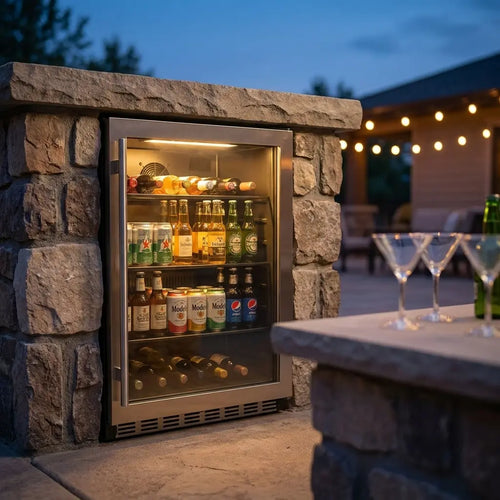
If your outdoor space is becoming a true gathering area, do not treat the grill as an isolated purchase. Consider counter space, lighting, seating, fuel access, weather exposure, and how people will move around while you cook. The best choice is the one that makes you want to use your patio more often - and makes hosting feel easier when everyone is already hungry.