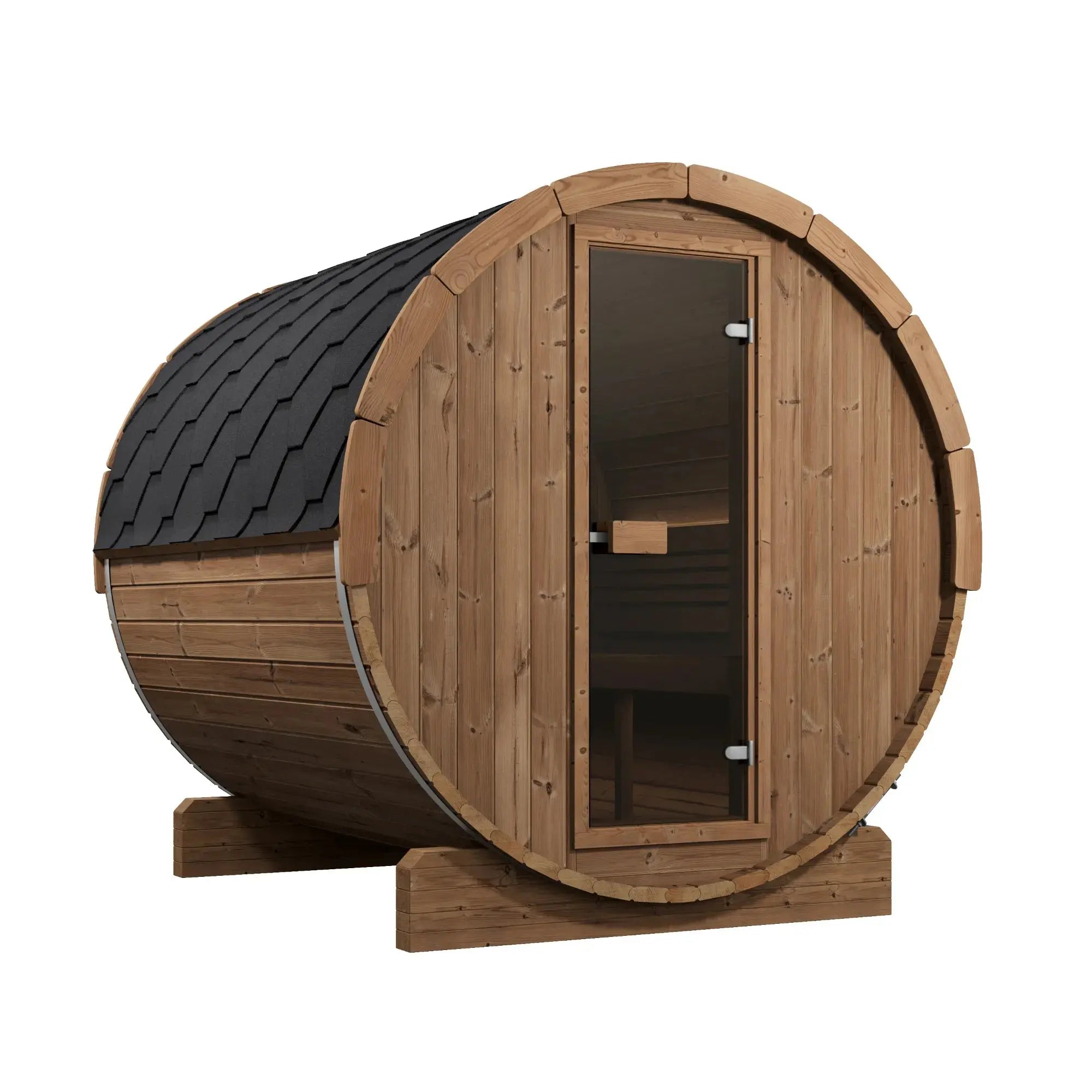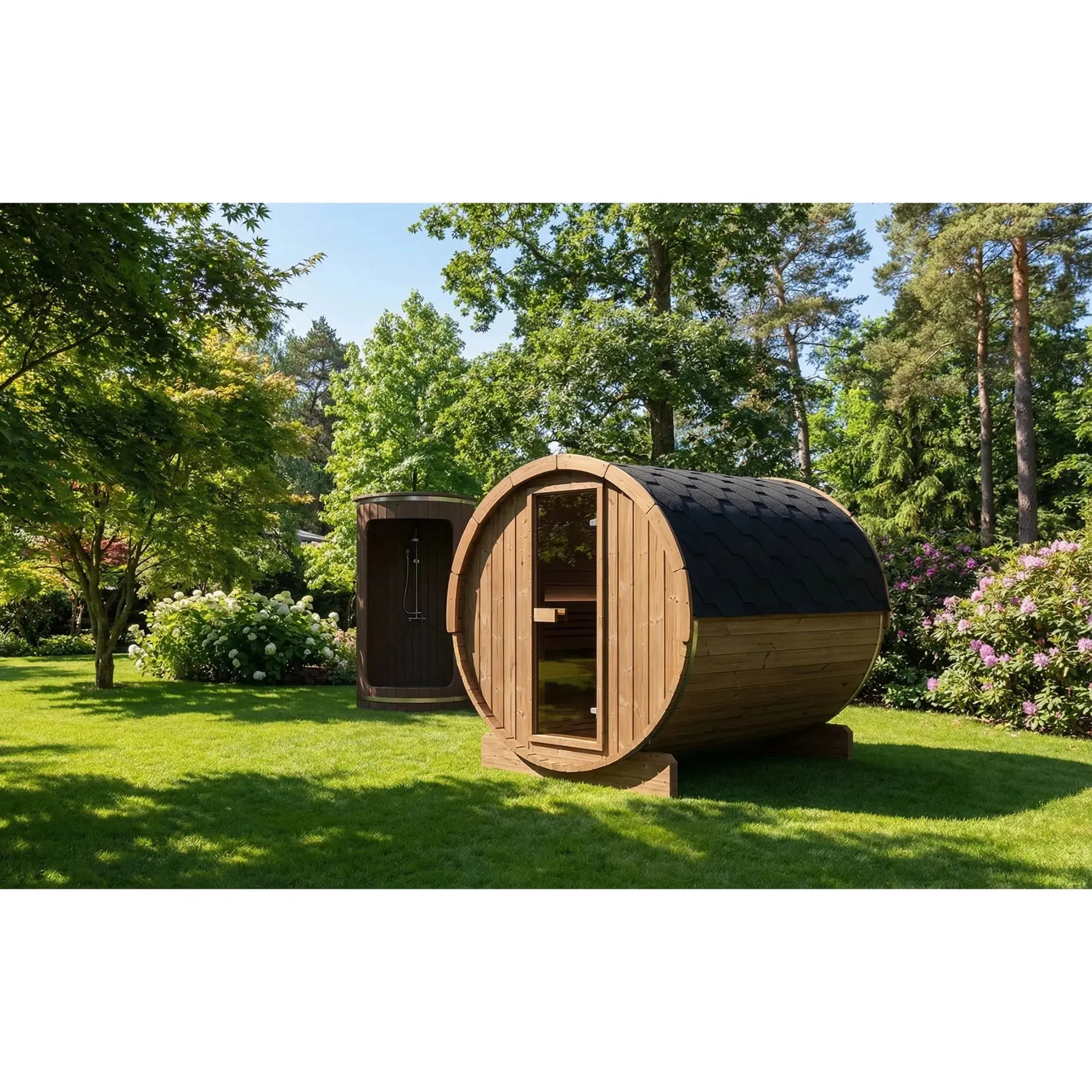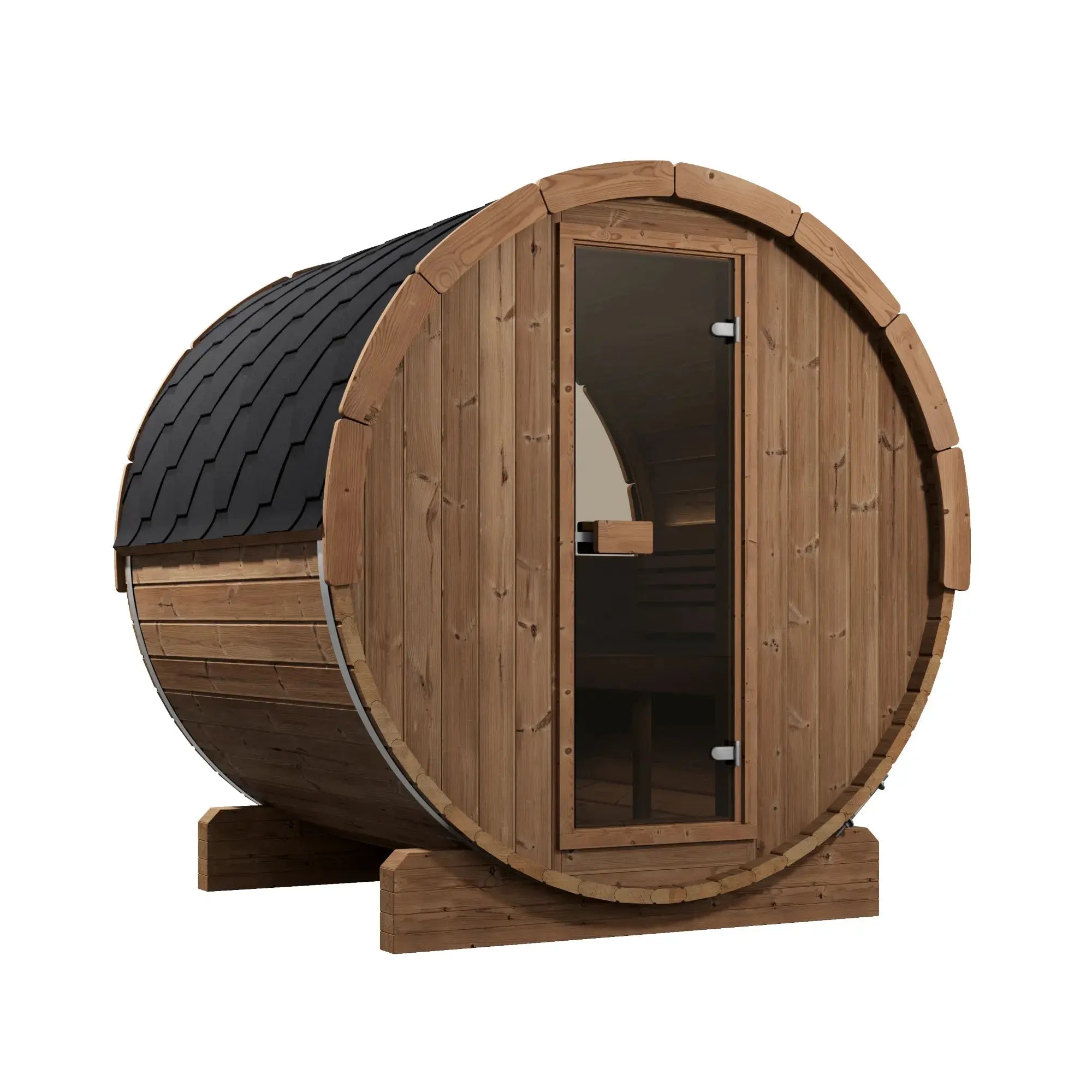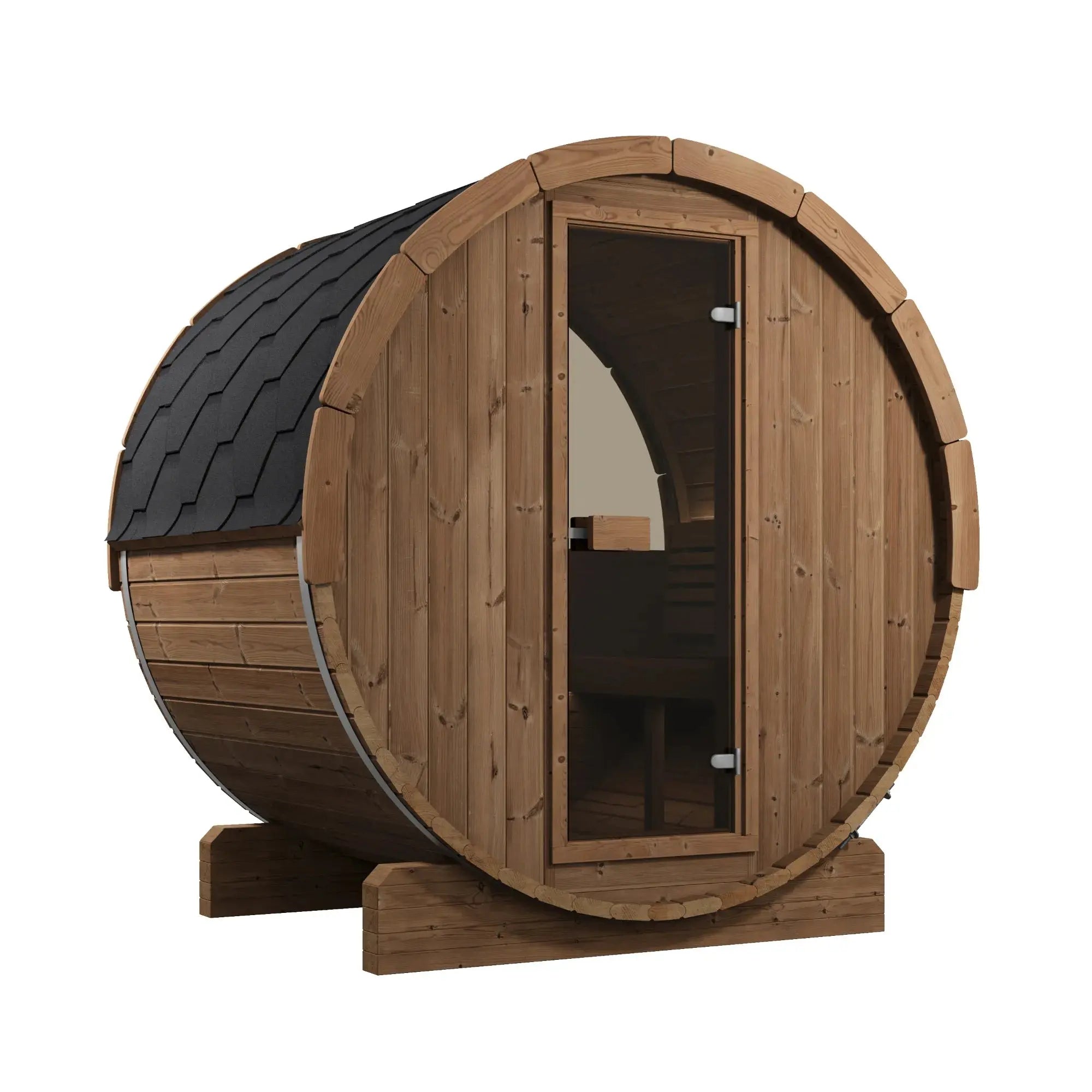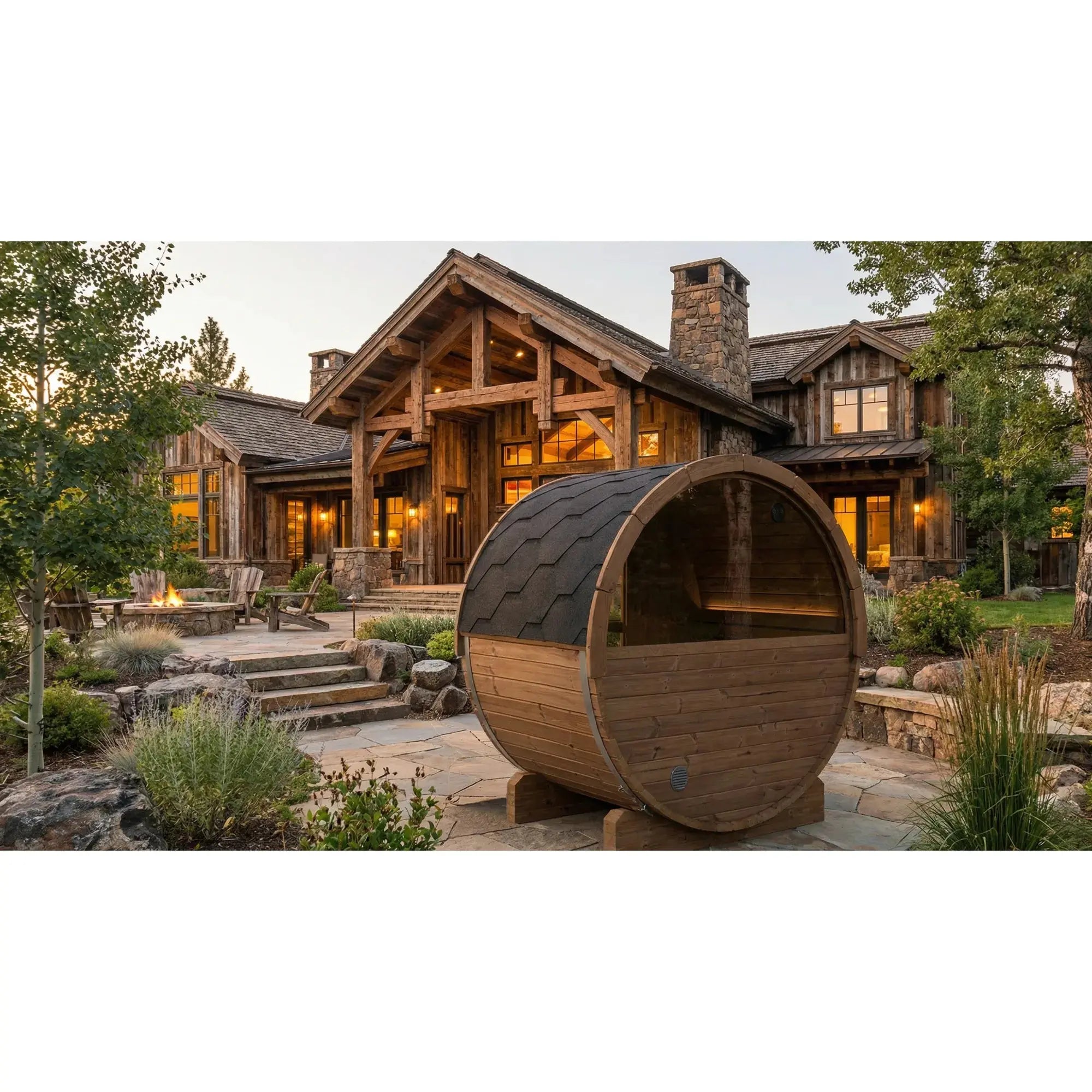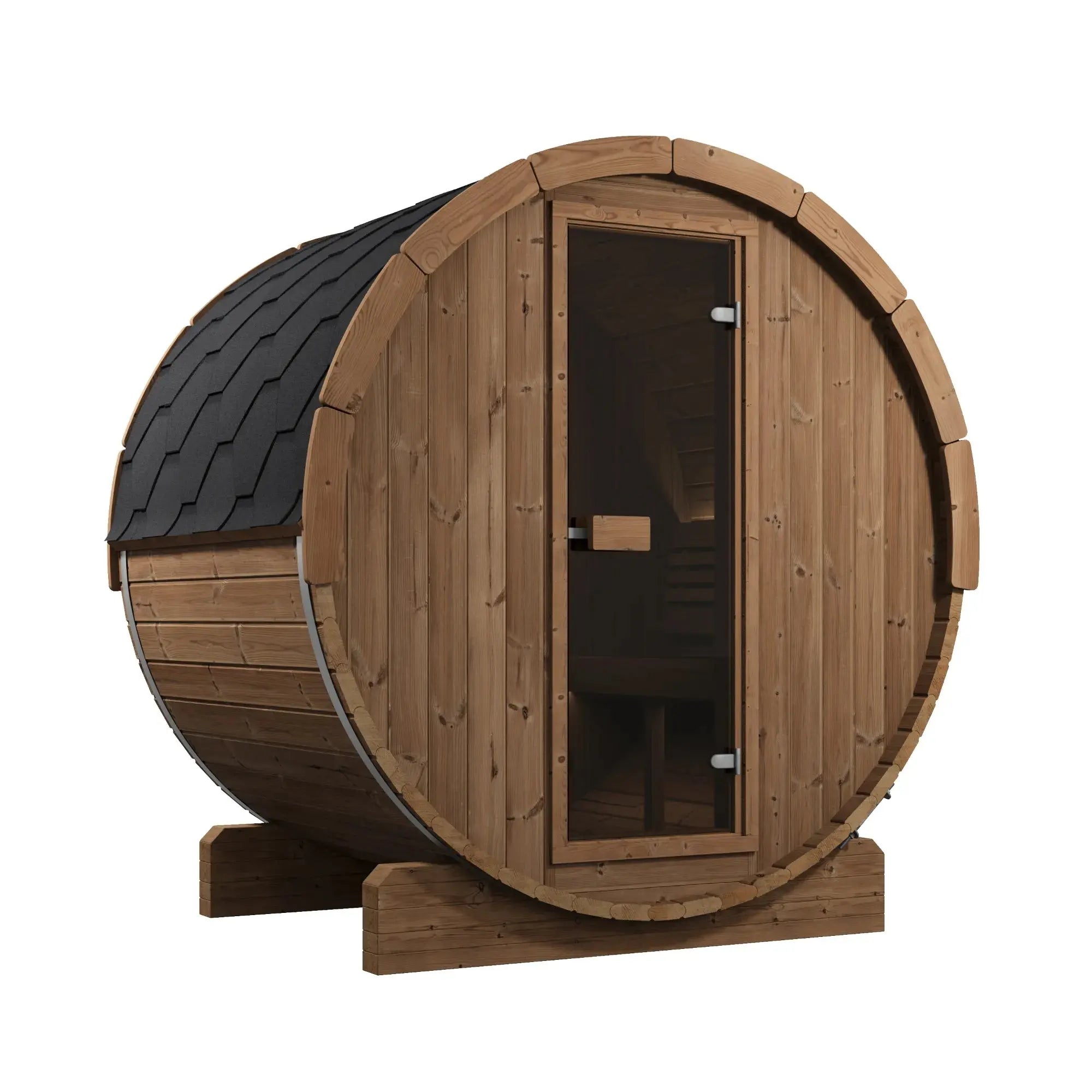
Are Outdoor Saunas Expensive to Run? Real Costs
A sauna can be one of the most satisfying additions to a backyard wellness space, but the question comes up before nearly every purchase: are outdoor saunas expensive to run? Usually, no - not compared with many homeowners’ expectations. The actual cost per session is often modest. What changes the math is the sauna’s heater, insulation, local utility rates, climate, and how often you use it.
For most electric outdoor saunas, plan on a few dollars per session rather than a major jump in the monthly electric bill. A well-built, properly sized sauna used regularly can be a practical year-round investment. The key is choosing equipment and a location that match the way your household will actually use it.
Are Outdoor Saunas Expensive to Run Each Month?
An electric sauna heater typically uses between 4.5 and 9 kilowatts of power, although larger cabins may require more. The heater draws the most power while bringing the room up to temperature. Once the sauna is hot, it cycles on and off to maintain the setting instead of running at full output continuously.
Here is a realistic example. Assume a 6 kW heater runs at full power for 45 minutes to heat up, then averages about half its output during a 45-minute session. That works out to roughly 6.75 kilowatt-hours of electricity. At a national-average-style electricity rate of $0.16 per kWh, that session costs around $1.08.
Actual rates vary widely by state and utility plan. At $0.25 per kWh, the same session would cost about $1.69. Use the sauna three times each week and you may spend roughly $13 to $22 per month in electricity, depending on the heater, weather, session length, and local rate. A larger sauna used daily will cost more, but it is still often comparable to operating other comfort-focused outdoor features.
The important distinction is between operating cost and total ownership cost. Electrical installation, site preparation, a dedicated circuit, and any required permits can add meaningfully to the upfront budget. Those are one-time project costs, not monthly sauna expenses.

What Makes an Outdoor Sauna Cost More to Operate?
The biggest driver is not simply whether the sauna sits outdoors. It is how effectively the structure holds heat. Outdoor use does introduce weather exposure, but a quality sauna designed for exterior placement is built around that reality.
Heater size and sauna size
A larger cabin needs a larger heater, and a heater that is oversized or undersized for the room can create problems. An undersized heater may run nearly nonstop and still struggle to reach temperature in cold conditions. An oversized unit can heat quickly, but it may not be the best fit for the room’s volume or electrical requirements.
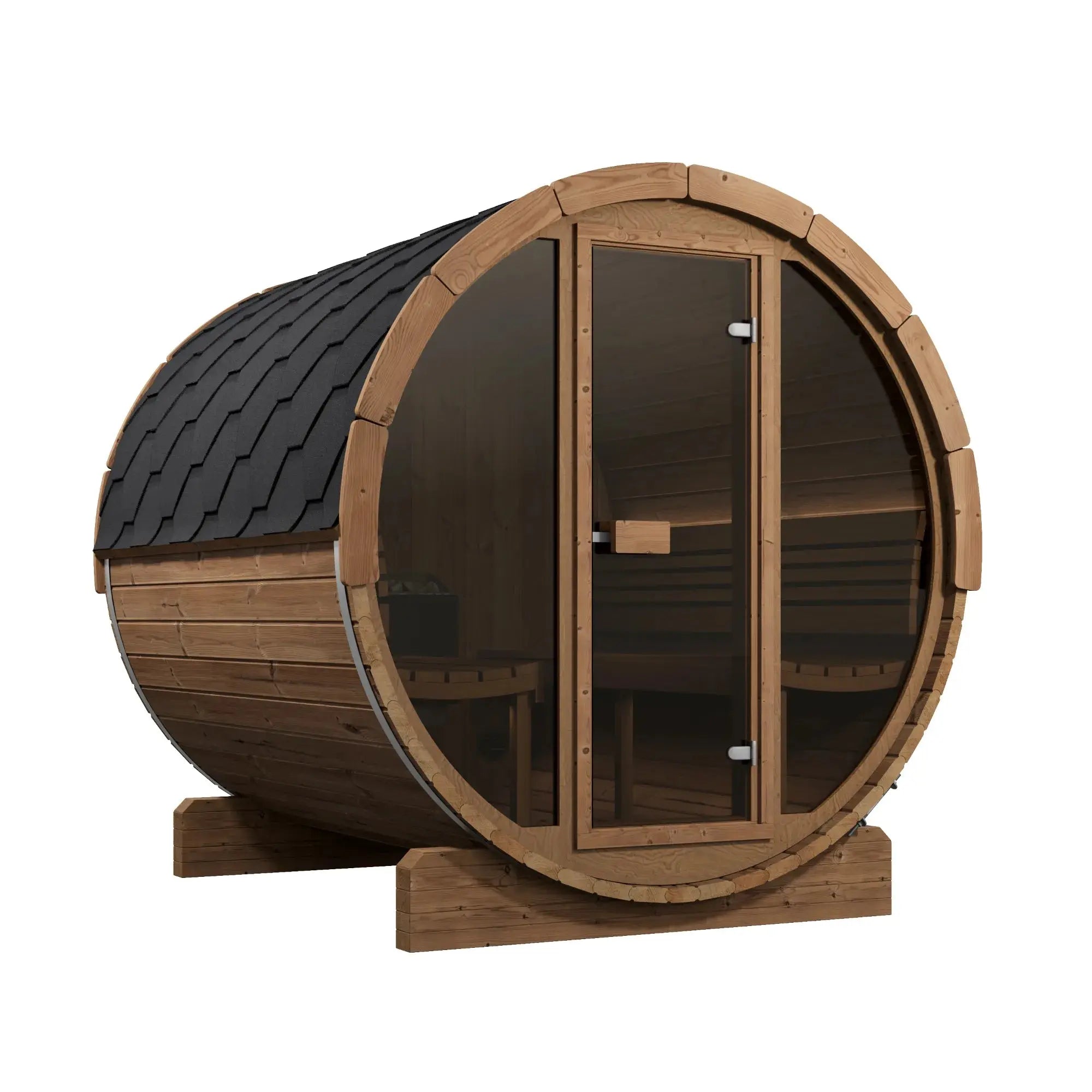
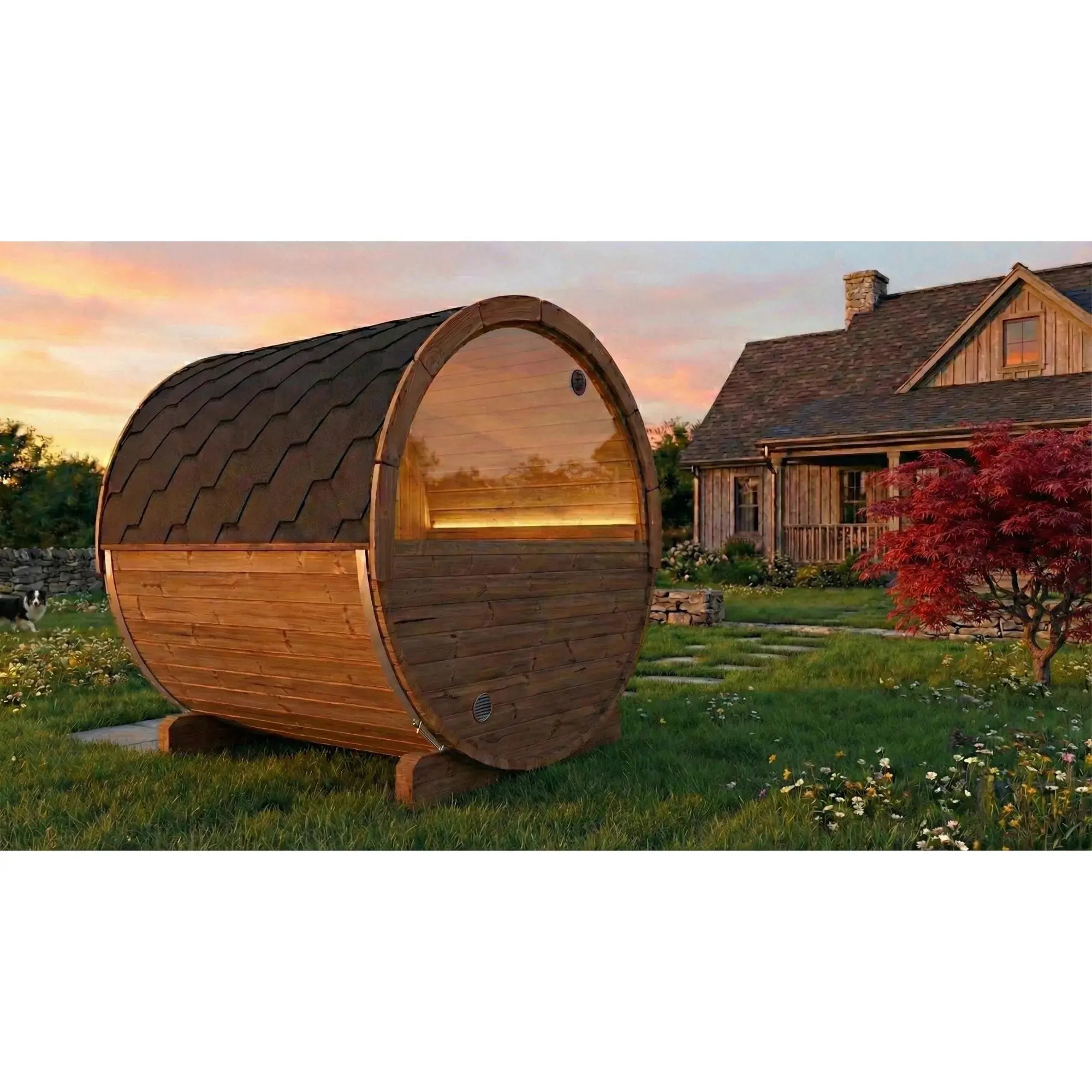
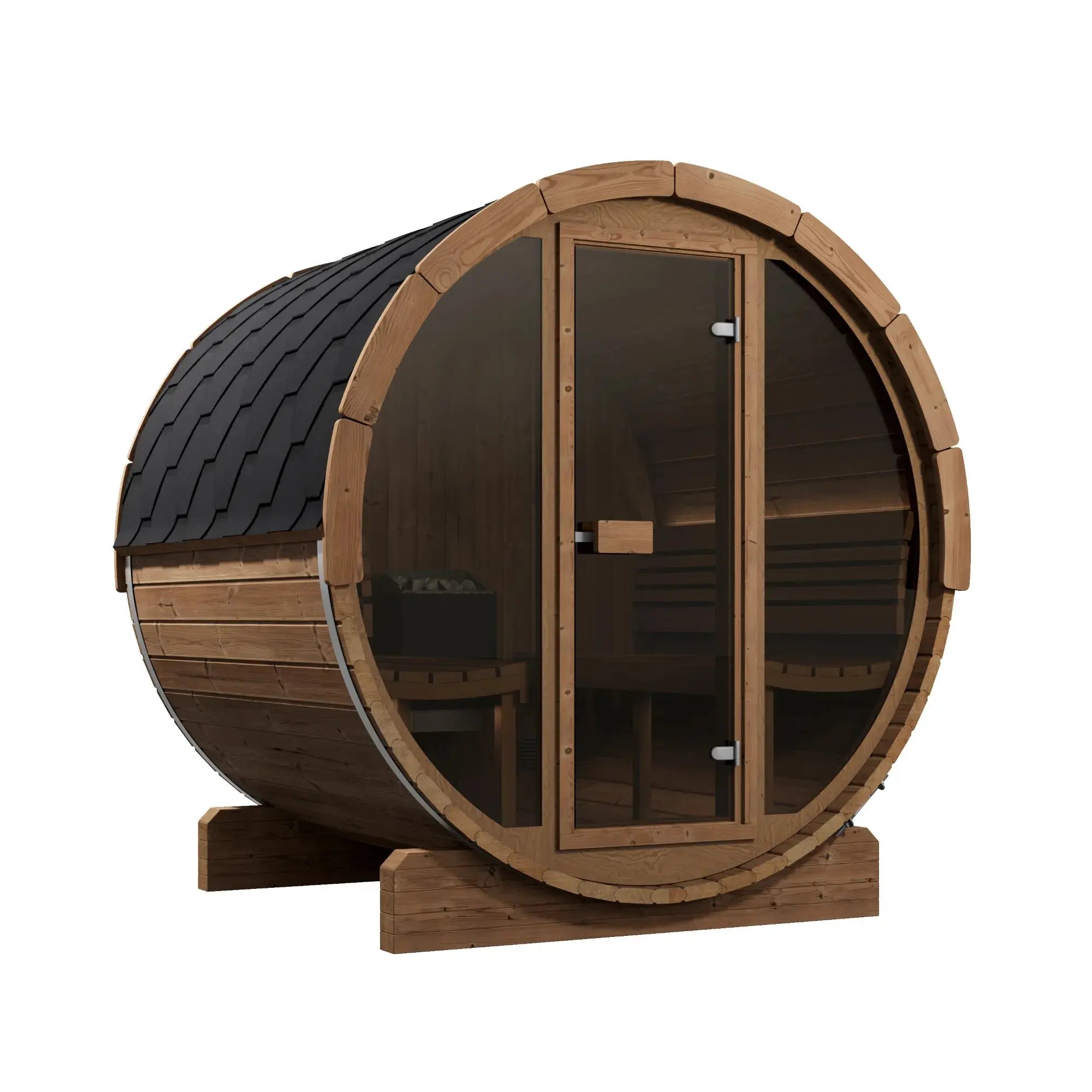
Glass also affects heater sizing. A wide glass front looks great and makes a sauna feel less enclosed, but glass loses heat faster than insulated wall construction. Manufacturers commonly account for this by recommending additional heater capacity for each square foot of glass.
Insulation, construction, and door fit
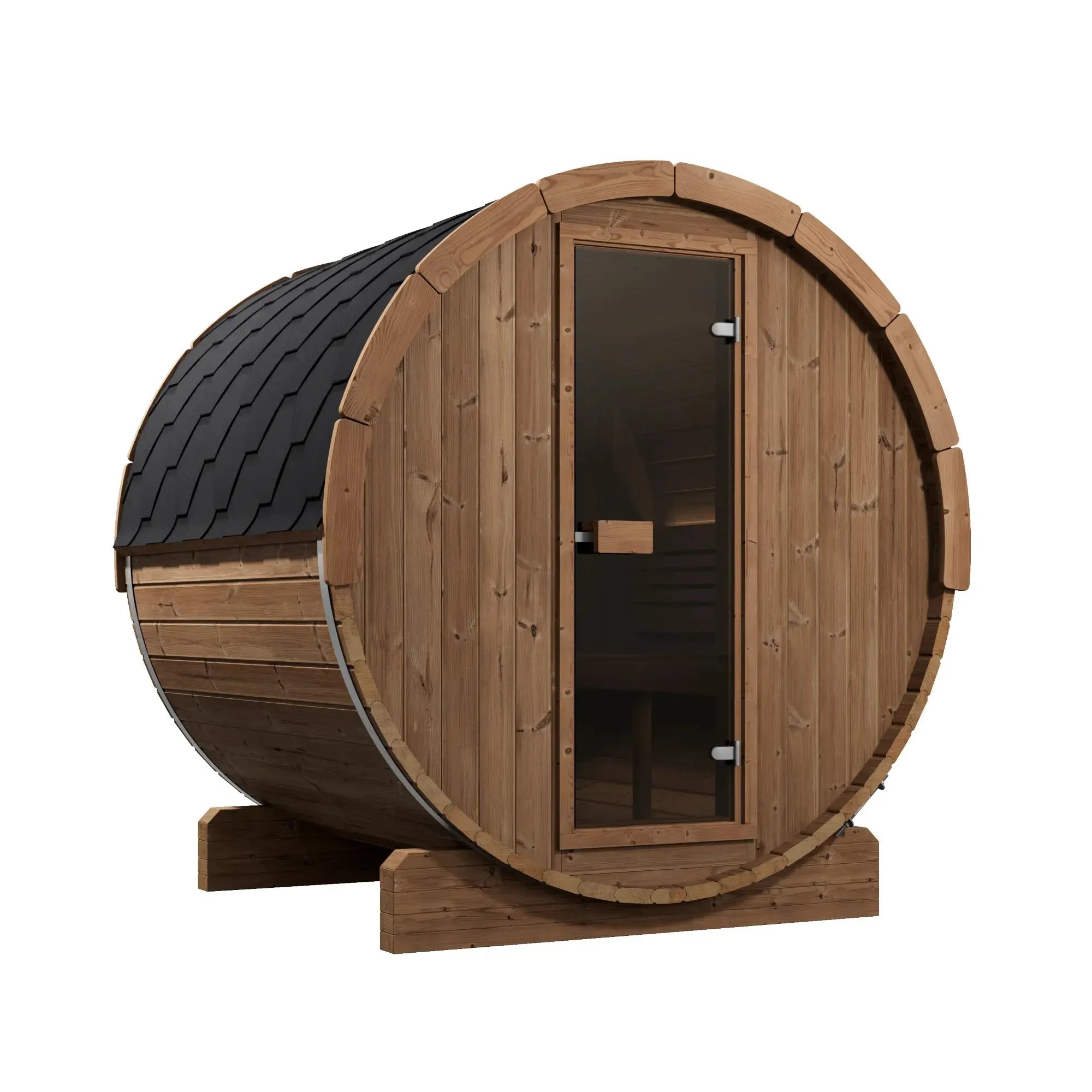
This is where premium construction earns its place. Insulated walls and ceilings, well-fitted doors, quality seals, and durable exterior cladding reduce heat loss and help the sauna recover after the door opens. A cheaper structure can look acceptable on day one while requiring more energy and more maintenance over time.
Pay attention to the door in particular. A poorly aligned or loosely fitted door lets heated air escape at exactly the point where it is trying hardest to rise. That affects warm-up time, comfort, and operating efficiency.

Climate and placement
A sauna in Arizona has a different heating task than one in Minnesota. Very cold air, high winds, and a fully exposed location can extend warm-up time, especially during winter. That does not mean an outdoor sauna is impractical in colder regions. It means build quality, placement, and realistic heater sizing matter more.
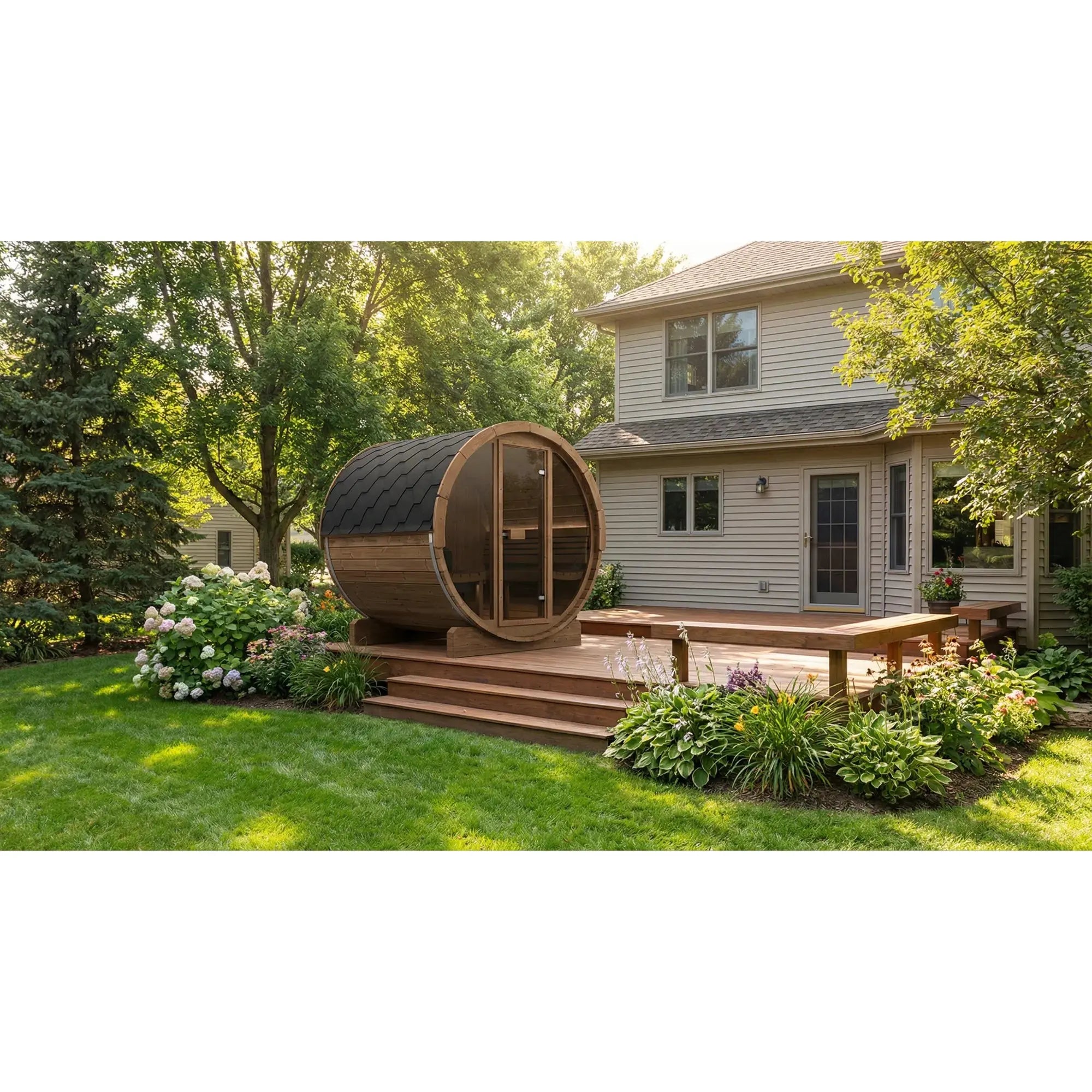
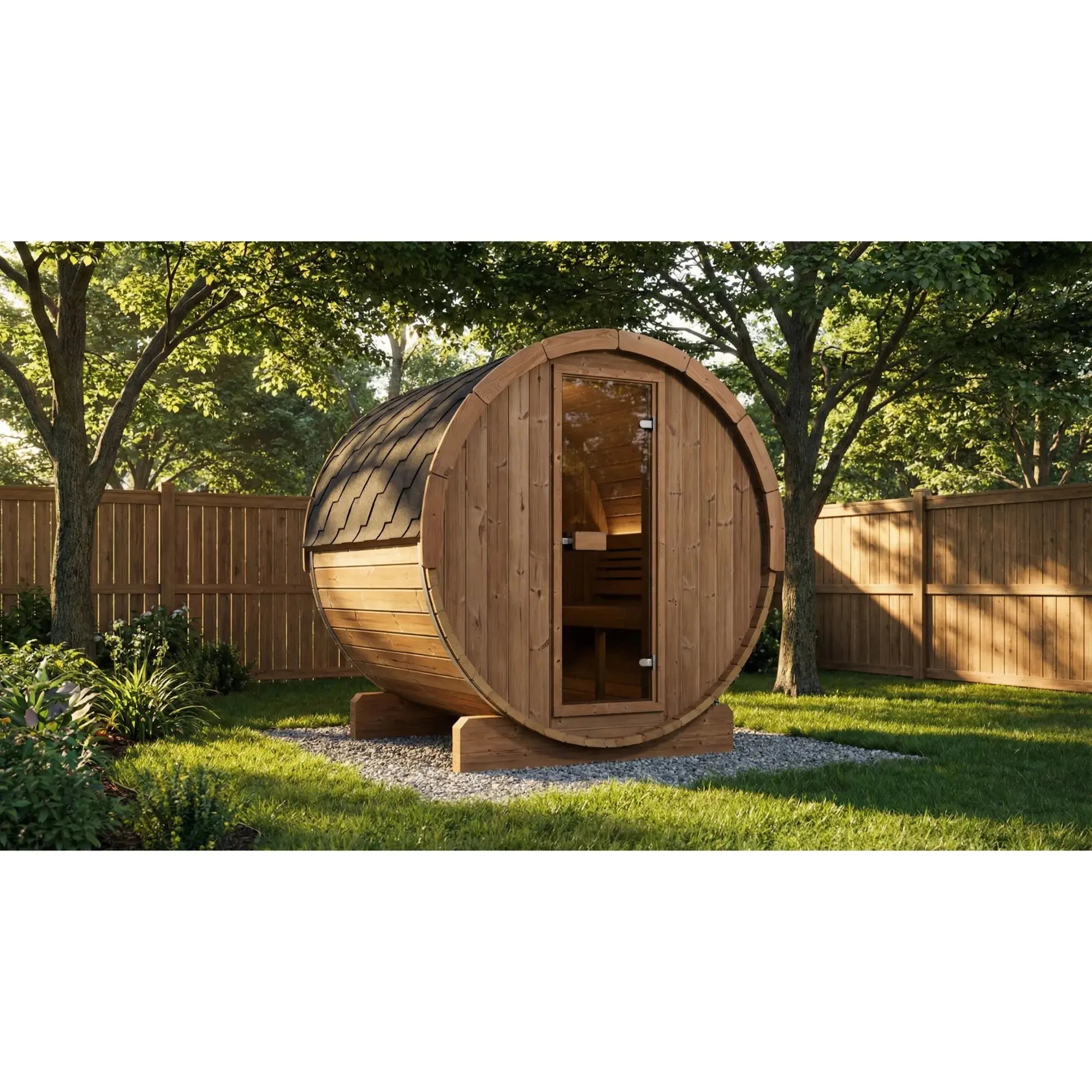
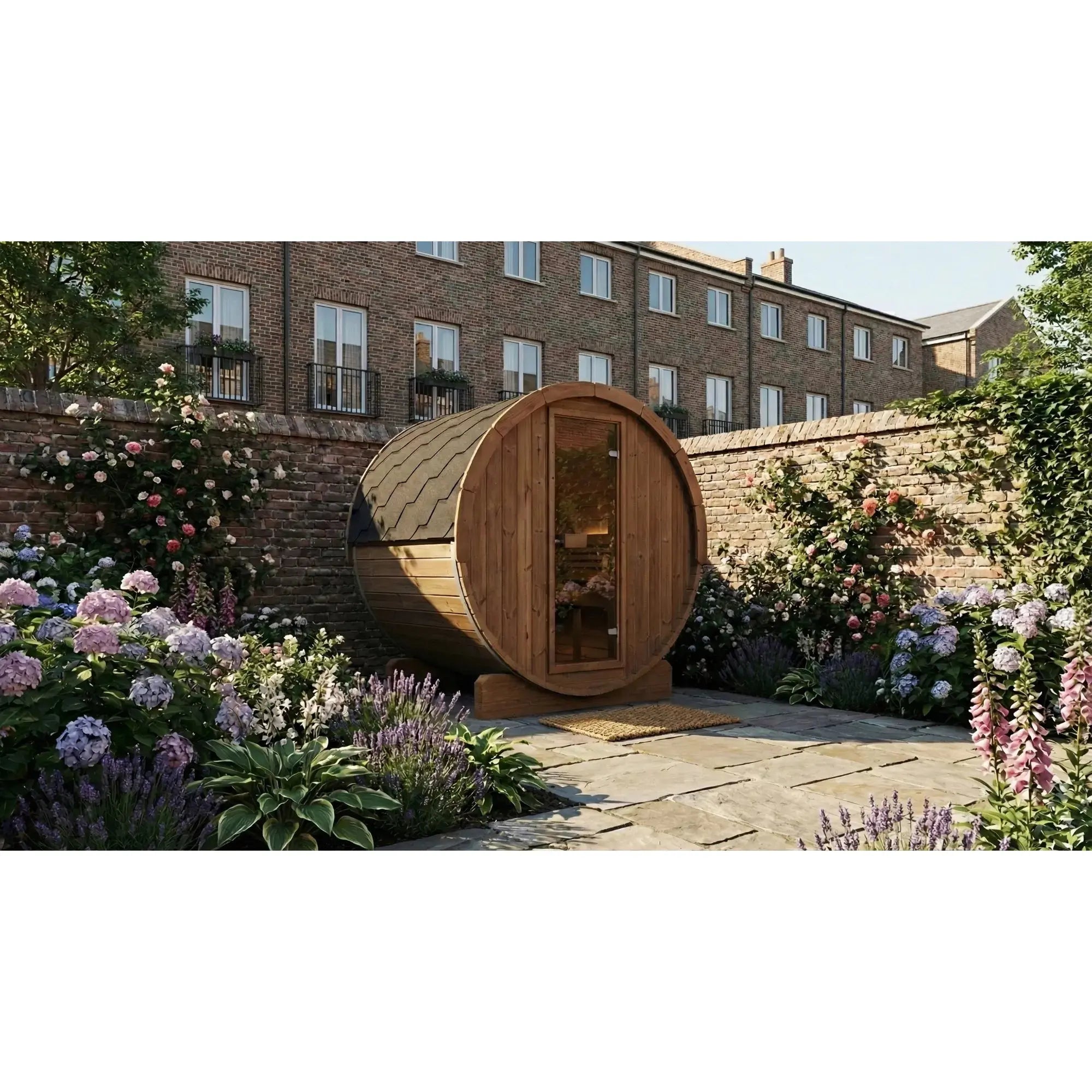
A spot with reasonable wind protection can help. Positioning the sauna near a privacy wall, fence, or landscaping buffer may reduce exposure without compromising safe clearances or access. It also makes the walk from the house more comfortable, which often leads to more consistent use.
How you use it
One 90-minute session for two people uses less energy than heating the sauna separately for two individual sessions. Families who use the sauna back-to-back get more value from each warm-up cycle. If the sauna is part of a routine after workouts or evening downtime, scheduling use in groups is a simple way to keep energy use efficient.
Leaving an electric sauna running all day is where costs can rise unnecessarily. Most homeowners are better served by heating it shortly before use and turning it off afterward, unless their model and lifestyle justify a different routine.
Electric vs. Wood-Fired Sauna Operating Costs
Electric heaters offer the clearest cost calculation. You can estimate usage from the heater’s kilowatt rating, warm-up time, and your utility rate. They are easy to control, convenient for frequent use, and well suited to homeowners who want a predictable routine.
Wood-fired saunas change the cost equation. If you have access to seasoned firewood at little or no cost, the per-session expense can be low. If you purchase bundled firewood or premium split hardwood, the cost can rival or exceed an electric heater depending on how much wood the stove uses and local pricing.
Wood heat also requires more involvement. You will need to light the fire, manage it during the session, store dry wood, remove ash, and follow clearance and chimney requirements carefully. Many sauna owners enjoy that ritual. Others prefer to press a button and have the sauna ready on schedule.
Neither option is automatically cheaper in every setting. Electric is generally the more convenient choice for frequent, predictable use. Wood-fired models appeal to homeowners who value an off-grid feel, traditional heat, or a sauna location where electrical service would be difficult or costly to install.
A Practical Way to Estimate Your Own Cost
Before buying, ask for the recommended heater size for the exact sauna model, including any glass areas. Then use this simple calculation:
Heater kW × estimated hours of operation × your electric rate = estimated session cost
For a conservative estimate, count the first hour as full heater output. For each additional hour, assume the heater averages 40% to 60% output while maintaining temperature. This will not produce a utility-bill-perfect number, but it gives you a useful planning range.
For example, an 8 kW heater used for one hour at full power plus one hour at 50% output uses about 12 kWh. At $0.18 per kWh, that is about $2.16 for a two-hour heating and sauna window. Divide that between two or three users, and the cost per person becomes quite reasonable.

Ways to Keep Outdoor Sauna Costs Under Control
Start with the right size. A four- to six-person sauna may be ideal for entertaining, but it costs more to heat than a compact two-person model. Buy for your real household habits, not the occasional holiday gathering.
Choose a sauna made for outdoor conditions, with solid insulation, weather-resistant materials, and a properly fitted door. This is one of those categories where construction quality affects not only longevity but also everyday operating cost.
Keep the cover or door closed while the sauna heats, avoid opening the door repeatedly during use, and do not use more ventilation than the manufacturer recommends. Proper ventilation is necessary for comfort and moisture management, but excessive airflow wastes heat.
If your utility offers time-of-use pricing, heating the sauna during lower-rate periods may reduce costs further. For electric models with app controls or timers, preheating can be scheduled around your actual routine rather than becoming an all-day energy draw.

A thoughtfully chosen sauna should feel like a part of the backyard you use, not another appliance you hesitate to turn on. When the size, heater, and construction are right, the cost of a warm session is usually small enough that the best reason to use it is simply that it is there.
Running cost is only half the picture. What you install decides most of it, and the electric vs wood-burning comparison breaks down where the money actually goes. If you are still choosing, start with the sauna heater buying guide.