Is a Charcoal and Gas Combo Grill Worth It?

Most grill regrets come from picking one fuel type and realizing six months later you wanted the other one too. A charcoal and gas combo grill solves that problem by giving you fast weeknight convenience on one side and classic live-fire flavor on the other.
That sounds ideal, but it is not automatically the right fit for every patio, budget, or cooking style. If you are building an outdoor setup that needs to work well for years, the better question is not whether combo grills are good. It is whether this format matches how you actually cook.

What a Charcoal and Gas Combo Grill Does Well
The biggest advantage is flexibility. Gas is quick, predictable, and easy to control, which makes it great for burgers after work, vegetables, or anytime you do not want to wait on coals. Charcoal takes more setup, but it gives you the smoke, sear, and overall flavor profile many grill owners still prefer for steaks, ribs, and longer weekend cooks.
A combo unit lets you keep both options in one footprint instead of choosing between two separate grills. For homeowners with a medium-sized patio or a planned outdoor kitchen zone, that can be a smart use of space. You get more cooking range without doubling the clutter.
There is also a hosting advantage. If you regularly entertain, dual-fuel cooking can be genuinely useful. You might run the gas side for quick-start items and hold food at stable temperatures while using the charcoal side for anything where flavor matters most. That kind of control is hard to get from a single-format grill.
The Trade-Offs to Know Before You Buy
Combo grills ask for more from the owner. They are usually larger, heavier, and more complex than a standard gas grill or kettle-style charcoal grill. That matters if your deck is tight, if you move furniture around often, or if you want something simple to maintain.
Cleaning is also a bigger job. You are not just managing grease. You are dealing with grease on one side and ash on the other, with separate grates, burners, trays, and airflow systems. If you like the idea of versatility but know you tend to avoid maintenance, a combo model may sound better on paper than it feels in real life.
Cost is another real factor. A well-built charcoal and gas combo grill can deliver strong value compared with buying two premium standalone units, but cheap versions often cut corners in the places that matter most — burner quality, metal thickness, cart stability, and heat retention. On a product that lives outdoors and handles high heat, construction quality is not a minor detail.

Who Should Buy a Combo Grill?
This style makes the most sense for homeowners who grill often enough to use both fuel types. If you already know you enjoy charcoal on weekends but rely on gas during the week, the case is easy. It also works well for families creating a more complete backyard cooking area without committing to a full built-in outdoor kitchen right away.
It is also a strong option for buyers who care about entertaining. If your patio is a real gathering space, having two heat sources in one station gives you more flexibility and less bottleneck during larger meals.
On the other hand, if you almost always use one fuel type, a dedicated grill is often the better purchase. You may get better performance, simpler upkeep, and a cleaner layout by buying exactly what you use instead of paying for versatility you will not touch.
How to Choose the Right Charcoal and Gas Combo Grill
Start with size, but think beyond grate dimensions. Ask how many people you actually cook for most often. A huge grill looks impressive, but if you usually cook for two to four people, oversized units can eat up patio space and fuel efficiency without giving you much practical return.
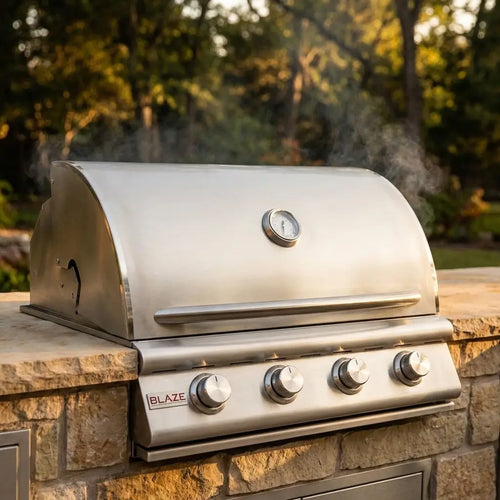
Next, look at construction. Stainless steel sounds appealing, but grade and thickness matter — a heavier gauge of 304 stainless holds heat better and resists warping far longer than the thin steel found on budget grills. Powder-coated steel can perform well too if the build quality is solid. What you want is a grill that feels stable, holds heat consistently, and is designed for repeated outdoor use in changing weather.
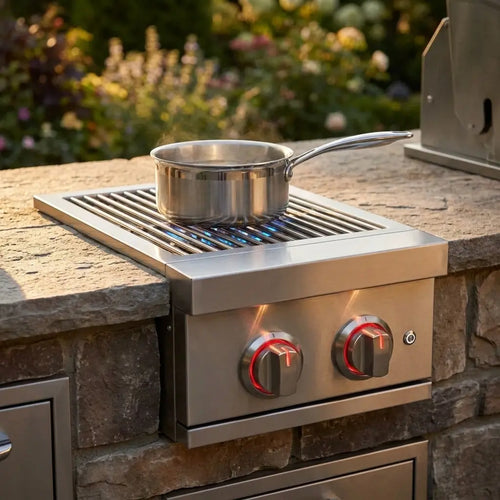
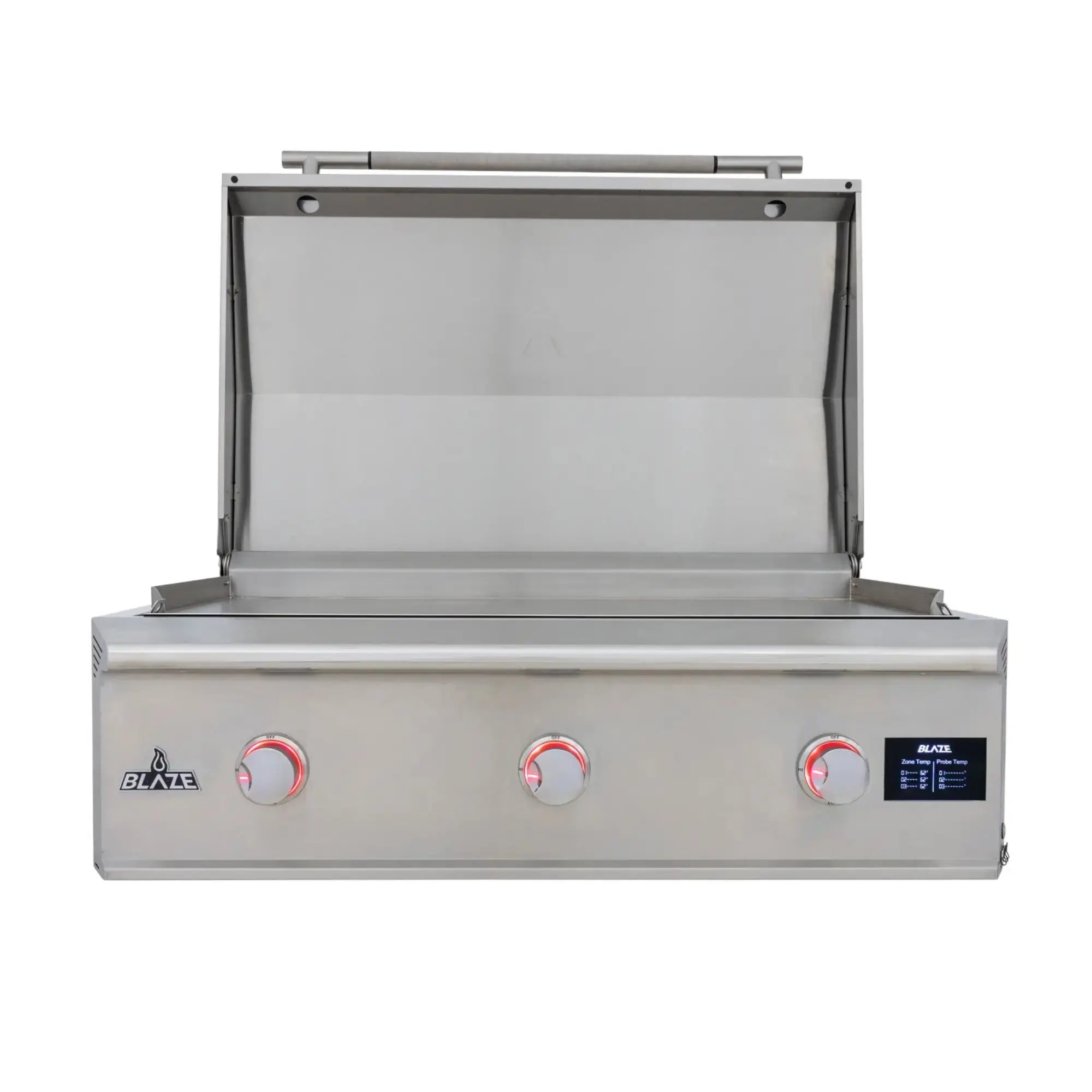
Pay attention to how the charcoal side is managed. Adjustable charcoal trays, easy ash removal, and usable airflow controls make a meaningful difference. On the gas side, burner layout, ignition reliability, and lid fit are worth close attention. These are not flashy features, but they shape the day-to-day experience.
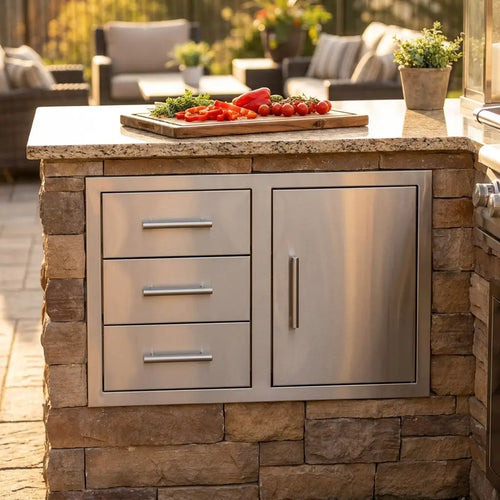
Storage and prep space matter more than many buyers expect. Side shelves, enclosed carts, and tool access can make the grill feel much more functional, especially if it is serving as the main cooking hub on your patio.

Best Fit for Patios and Outdoor Kitchens
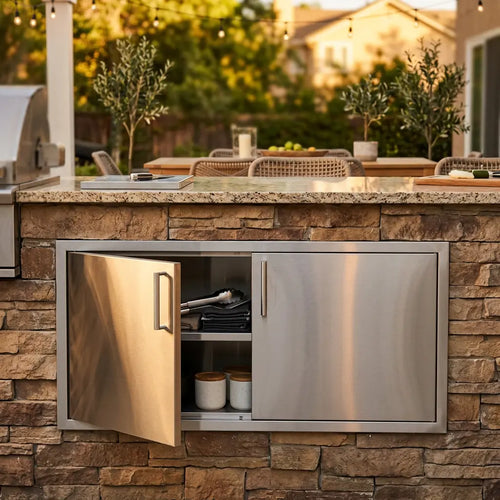
A combo grill is often a practical middle ground between a simple freestanding grill and a more expensive custom setup. For homeowners upgrading their backyard in phases, it can deliver a lot of capability without requiring a full outdoor kitchen build from day one.
That said, placement matters. These units need room for safe clearance, lid operation, and comfortable movement around the cooking area. If you are designing a patio around long-term use, treat the grill as part of the overall layout, not just a standalone appliance. The most successful outdoor spaces are the ones that balance cooking performance with flow, seating, and storage.
At All Season Patio, this is the kind of purchase we encourage customers to think through carefully. The right grill should match your cooking habits, your space, and the level of upkeep you are actually willing to handle. If you have decided a dual-fuel unit is right for you, you can browse our full range of charcoal and gas combo grills to compare sizes and configurations.
So, Is a Charcoal and Gas Combo Grill Worth It?
If you want both convenience and flavor, and you will genuinely use both sides, a charcoal and gas combo grill can be one of the smartest backyard upgrades you make. If you want the easiest ownership experience possible, a dedicated grill is usually the cleaner answer. The best choice is the one that fits how you cook on an ordinary Tuesday, not just how you imagine grilling on a holiday weekend.