Gas vs Wood Fire Pit: Which Fits Best?
 The wrong fire pit gets used twice, then turns into patio decor. The right one becomes the place everyone drifts toward after dinner, during cool weekends, and on the first good evening of spring. If you're weighing a gas vs wood fire pit, the best choice usually comes down to how you actually live outdoors, not which option sounds more traditional or more modern.
A lot of homeowners start with appearance. They picture either a clean flame line with built-in seating and no smoke, or the familiar crackle and scent of a real wood fire. Both can work beautifully. The difference is that they ask for very different things from you in day-to-day use.
Gas vs wood fire pit: the real decision points
At a glance, gas is about convenience and control. Wood is about experience and atmosphere. That sounds simple, but most buyers are really deciding between maintenance habits, yard layout, local regulations, and how often they want to use the feature.
If you want a fire pit that starts in seconds, turns off just as fast, and fits easily into a polished outdoor living area, gas has a strong advantage. If you care most about the sensory side of a fire - crackling logs, visible embers, and that classic campfire feel - wood still has a hold on people for a reason.
The better question is not which one is better overall. It is which one fits your space, your tolerance for upkeep, and the way you host.
Heat output and overall comfort
Many people assume wood automatically gives off more heat. Sometimes it does, especially in a larger pit loaded with seasoned hardwood. But heat is not just about raw intensity. It is also about consistency and how usable that warmth feels when people are sitting around it.
Gas fire pits usually produce a steady, predictable flame. You can often adjust the output, which helps on nights when you want ambiance more than maximum heat. They are especially practical in lounge settings where people are talking, eating, and moving in and out of the seating area.
Wood fire pits can feel hotter and more immersive, but they are less uniform. The fire changes as logs burn down, and the smoke can shift with the wind. On one night that feels cozy. On another, it sends everyone changing seats every few minutes.
For entertaining, gas tends to create more reliable comfort. For a more rustic fire experience, wood delivers something gas cannot fully replicate.
What the flame experience feels like
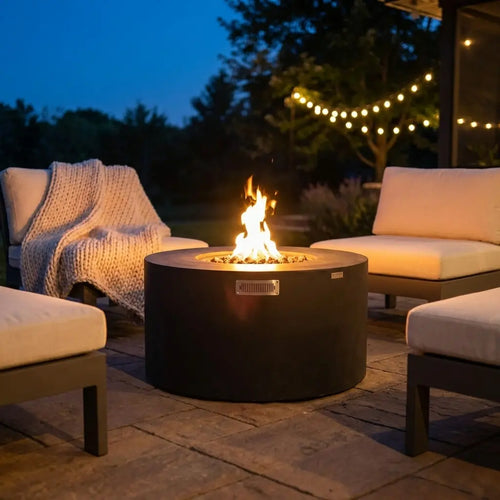
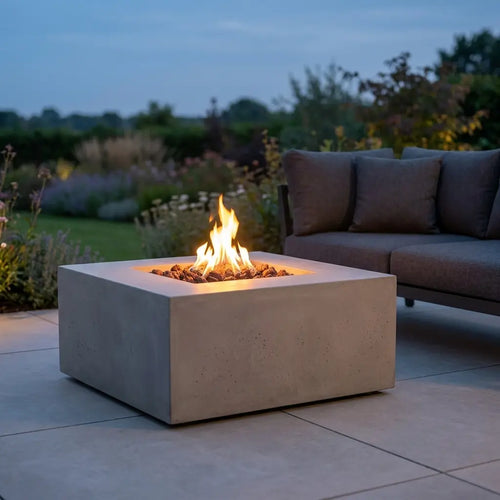
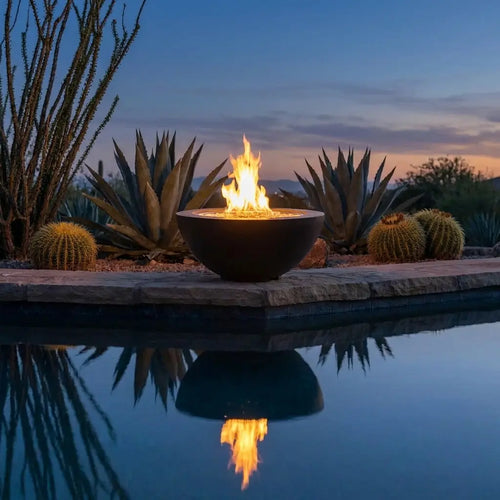
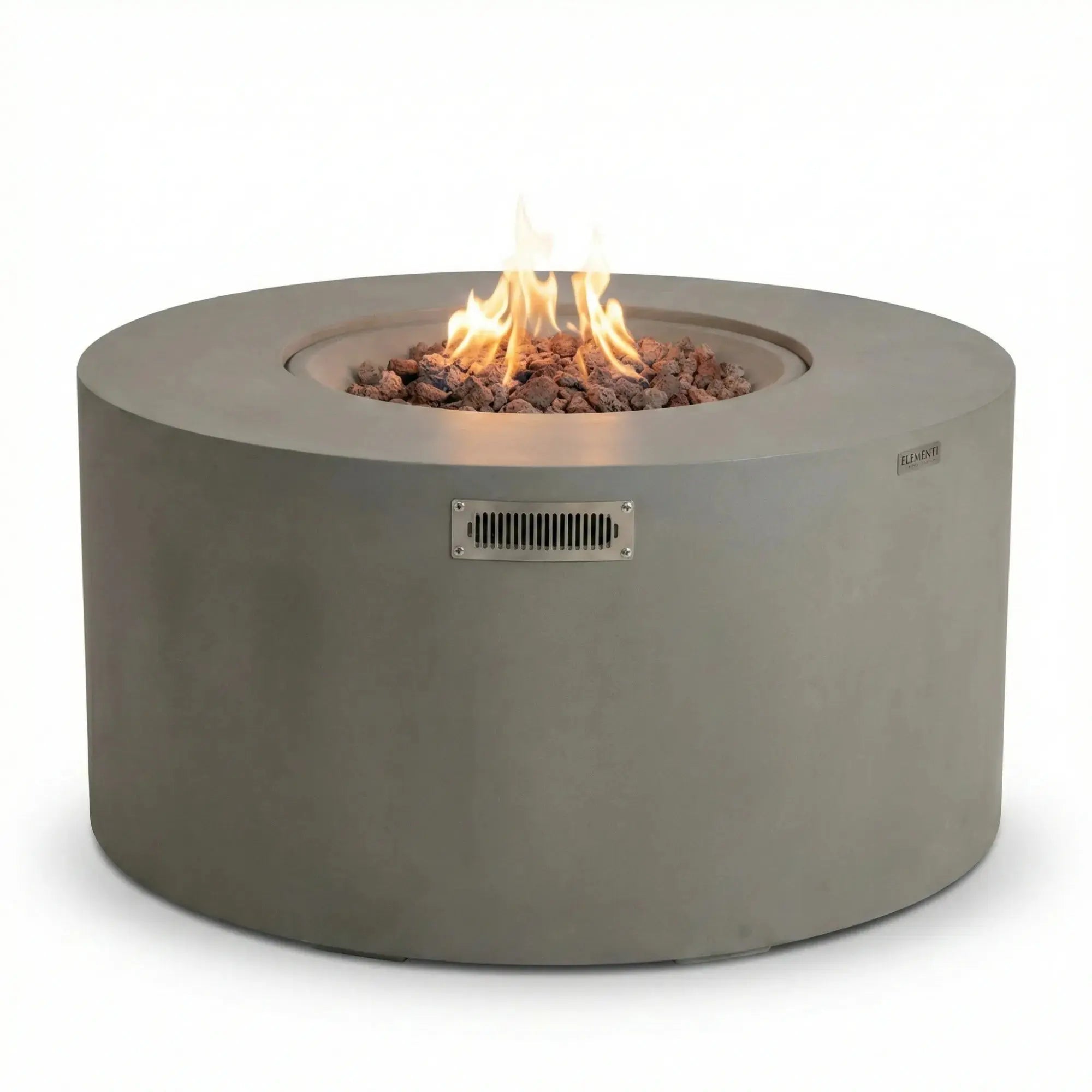
This is where preference matters more than specs. Gas flames are clean, attractive, and easy to design around. They pair well with modern patios, fire pit tables, and outdoor rooms where the fire feature is part of a larger layout.
Wood flames are more active and less controlled. They pop, glow, and change shape constantly. If your ideal evening includes tending the fire and staying outside for hours, that interaction can be part of the appeal rather than a drawback.
Convenience, maintenance, and cleanup
This is often the deciding category once homeowners think past first impressions.
A gas fire pit is easy to live with. Turn a key or press an ignition, enjoy the flame, then shut it off when you're done. There is no wood pile to manage, no ash to scoop, and no concern about whether your logs are dry enough to burn cleanly. That simplicity matters if you want to use your fire feature on weeknights, not just on special occasions.
A wood fire pit takes more work before, during, and after use. You need a supply of firewood, a dry place to store it, and some patience to get the fire going well. Then there is cleanup. Ash, soot, and partially burned wood are part of the package.
None of that is a problem if you enjoy the process. In fact, for some buyers, that process is the point. But if you want low-friction outdoor living, gas usually wins by a wide margin.
Cost: upfront and over time
The gas vs wood fire pit cost question is more layered than it first appears.
Wood-burning fire pits often have a lower entry cost, especially for simpler standalone models. If you're comparing basic products only, wood may look like the budget-friendly route. But long-term cost depends on how often you use it and whether you're buying seasoned firewood regularly.
Gas fire pits can cost more upfront, particularly if you want a premium fire pit table, built-in installation, or a natural gas line. Propane models are usually easier to add without major construction, while natural gas can be more convenient over time if your patio is already set up for it.
Operating costs vary by fuel type and local pricing. Natural gas is often economical for frequent use. Propane is flexible but may require tank refills. Wood costs can add up faster than some homeowners expect if they are buying bundles instead of sourcing larger quantities.
For occasional use, either option can be reasonable. For frequent use, gas often feels more cost-efficient in time and effort, even if the initial investment is higher.
Safety and local restrictions
This is one of the most practical parts of the decision, and it should be handled early.
Gas fire pits are generally easier to manage from a safety standpoint because the flame is controlled and easier to extinguish immediately. There are no flying embers, and the surrounding area stays cleaner. That makes gas especially appealing on smaller patios, in neighborhoods with tighter lot lines, or in homes where kids and pets are frequently nearby.
Wood fire pits require more clearance, more supervision, and more attention to wind conditions. Sparks and smoke are real considerations, especially under covered spaces or near landscaping, fences, and outdoor furniture.
There is also the question of local code. Some cities, HOAs, and fire districts place limits on wood-burning features because of smoke, air quality, or open-flame rules. Gas is often the easier option to approve and use consistently, though built-in installations may still need to meet code.
If you're planning a permanent backyard upgrade, checking regulations before choosing a fire pit style can save a lot of frustration.
Design fit and how the fire pit works with your patio
A fire pit is rarely just a heat source. It changes the layout of the space around it.
Gas fire pits tend to integrate better into finished patios and design-forward outdoor rooms. They work well with sectionals, dining sets, and coordinated materials like aluminum, concrete, teak, and stone. Fire pit tables, in particular, make sense for homeowners who want one feature to serve as both a visual anchor and a functional gathering point.
Wood fire pits lean more casual and traditional. That is not a limitation, but it does shape the space differently. They often feel most natural in open backyard zones, gravel seating areas, or less formal entertaining setups where smoke and ash are less of a concern.
If your goal is a cohesive, polished outdoor living area, gas usually offers more flexibility. If your backyard has a more relaxed, campfire-style personality, wood can feel more authentic.
Which one is better for entertaining?
If you host often, think about the flow of the evening.
Gas is easier when guests are arriving and leaving at different times. You can start it quickly, adjust the flame as needed, and shut it down without waiting for logs to burn out. It supports a cleaner, more effortless kind of entertaining.
Wood creates a stronger sense of occasion, but it also asks more of the host. Someone needs to build the fire, feed it, and monitor it. That can be enjoyable for hands-on homeowners, but less ideal if you would rather focus on food, drinks, and conversation.
In our experience, people who picture themselves using a fire feature two or three times a week usually end up happier with gas. People who want the classic fire ritual and do not mind the extra work often stay loyal to wood.
Who should choose gas and who should choose wood?
Choose gas if you want easy ignition, simple cleanup, reliable performance, and a fire feature that feels at home in a refined patio layout. It is especially strong for homeowners building a full outdoor living space and wanting something chosen by people who actually use this stuff on a regular basis.
Choose wood if you care most about tradition, aroma, crackle, and the hands-on rhythm of a real fire. It makes sense for larger yards, more casual setups, and buyers who see fire-building as part of the experience rather than a task.
There is also a middle ground. Some homeowners love the feel of wood but use their patios often enough that convenience matters more over time. Others assume gas will feel too sterile, then realize how much more often they would actually use a clean-burning fire feature. That is why the right answer often shows up when you picture a normal Tuesday night, not an idealized fall gathering.
If you are investing in a long-term outdoor setup, match the fire pit to your habits first and your image second. The best fire feature is the one that fits your space so well that using it becomes routine.