Fire Pit Table Buying Guide for Smart Buyers
A fire pit table can make a patio feel finished fast, but it is also one of the easier outdoor purchases to get wrong. The model that looks perfect in a product photo may run too hot for your seating layout, sit too low for dining, or require a fuel setup that does not make sense for your space. This fire pit table buying guide is a practical breakdown of what actually matters before you buy.
This is the how-to-choose companion to our Ultimate Fire Pit Table Buyer’s Guide (2026). It covers all fuel types; for gas-specific tables see our gas fire pit tables guide.
Start with how you plan to use it
The first question is not fuel type or finish. It is how the table will live in your backyard. Some people want a low-profile centerpiece for a lounge set where guests can set down drinks and stay warm on cool evenings. Others want a fire feature that works with outdoor dining, or something that ties into a larger outdoor kitchen and entertaining area.
That use case affects almost every other decision. A conversation-height fire pit table works well with deep seating and sectionals. A dining-height model makes more sense if meals and larger gatherings are the priority. If you mostly want ambiance, you may not need the highest heat output on the market. If you want to extend your patio season in a colder climate, heat performance matters much more.
It also helps to think about how often you entertain. For a couple or a small family, a compact rectangular or round table may be plenty. If your patio regularly fills up with guests, a longer table usually creates better sightlines and gives more people access to the flame without everyone crowding one side.
Fuel type shapes the ownership experience
Propane is usually the easiest fit
For many homeowners, propane is the most straightforward choice. It gives you a clean flame, quick ignition, and flexibility in placement because you are not tied to a permanent gas line. If you like the idea of rearranging furniture or moving the fire pit table in the future, propane keeps your options open.
The trade-off is tank storage. Some models hide the propane tank inside the base, which creates a cleaner look and a more self-contained setup. Others require an external tank or side compartment. You will also need to refill or exchange tanks, which is simple but worth factoring into regular use.
Natural gas is great for permanent layouts
If your patio is already set up for natural gas, or you are building a more permanent outdoor living area, natural gas can be the better long-term play. You do not have to monitor fuel levels, and operating costs are often lower over time. For households that expect to use the fire feature often, that convenience adds up.

The catch is installation. Natural gas usually requires professional planning and connection, and it makes the fire pit table part of a more fixed layout. That can be the right call for a polished, built-in feel, but it is less forgiving if you later want to change the design of the space.
Size matters more than most buyers expect
A fire pit table should fit the room the same way indoor furniture does. Too small, and it looks disconnected. Too large, and it overwhelms traffic flow and seating comfort.
Start with the footprint of the patio and the furniture around it. You want enough clearance for chairs to slide, guests to walk around the table, and heat to feel comfortable rather than aggressive. In tighter spaces, a smaller round or square model usually keeps movement easier. In wider seating arrangements, rectangular fire pit tables often look more intentional and distribute warmth better across a longer conversation area.

Height matters too. A low fire pit table pairs well with lounge seating, while a taller model can serve more naturally between upright chairs. If you are trying to make one piece do double duty for both dining and lounging, be careful. Those hybrid setups can work, but they usually involve compromise on comfort in one direction or the other.
A practical fire pit table buying guide to materials
Materials affect appearance, maintenance, and how well the table holds up over time. This is one area where premium construction tends to show its value.
Aluminum is a strong choice if you want something lighter, rust-resistant, and relatively easy to maintain. It fits a wide range of styles, from modern to transitional, and performs well in many climates. It is especially useful if portability matters.

Steel can offer solid structure and a substantial feel, but the finish quality matters. In wetter or coastal environments, lower-grade steel products can become a headache faster than buyers expect.
Cast aluminum and powder-coated metals usually hold up better than budget-painted surfaces. If you live near salt air, material selection becomes even more important. A fire pit table that looks good on day one but struggles in a coastal climate is not a good value, no matter how attractive the price looks.

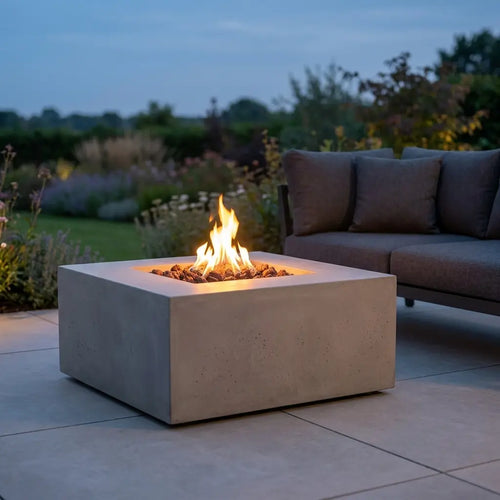
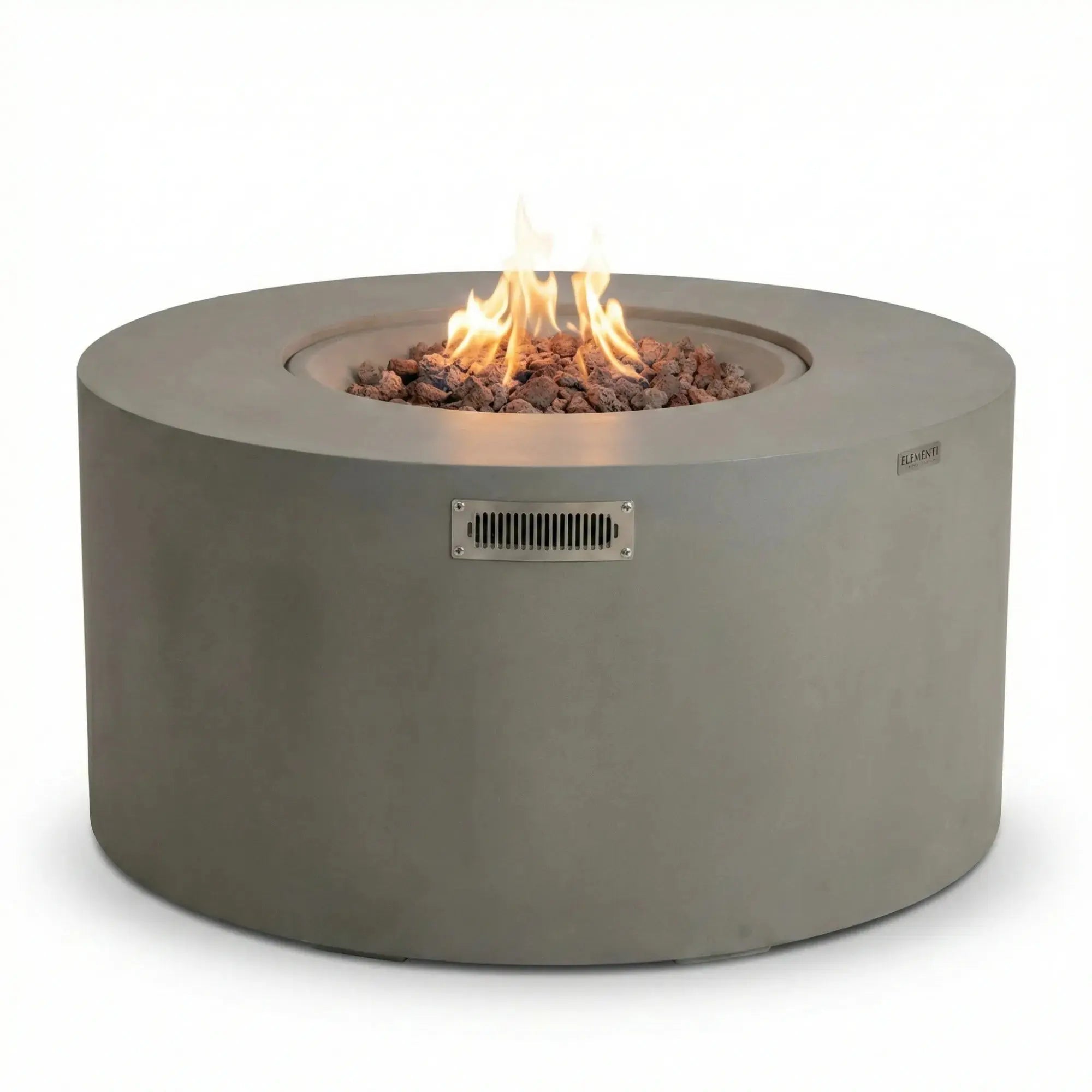
Concrete and GFRC models have become popular for a reason. They offer weight, texture, and a high-end look that works especially well in contemporary outdoor spaces. They are often more substantial and wind-resistant, but that added weight can limit flexibility if you like to reconfigure your patio.
Wicker-wrapped or woven designs can work nicely with traditional patio furniture, though buyers should pay close attention to weather resistance and the quality of the underlying frame. The best choice is not just about style. It is about matching the material to your climate, your maintenance tolerance, and how permanent you want the setup to feel.
Heat output is important, but BTUs are not the whole story
Many shoppers focus on BTUs first, and that makes sense to a point. Higher BTU ratings generally mean more heat potential. But published numbers do not tell the whole story.
The size of the burner, the shape of the tabletop, wind exposure, and your seating distance all affect what you actually feel. A larger table with a high BTU rating may still feel less intense if the flame is spread out or if seating sits farther back. In a sheltered covered patio, moderate BTUs may be more than enough. In an open backyard with regular breeze, stronger output becomes more valuable.
This is one of those categories where bigger is not always better. Too much heat can make guests pull their chairs back, which defeats the purpose. A well-matched fire pit table feels inviting across the whole seating area, not just dramatic in the center.
Burner area and tabletop space should stay balanced
The visual flame gets attention, but the usable tabletop often determines whether owners truly enjoy the piece. If the burner area takes up most of the surface, you may end up with a beautiful fire feature that is not very functional when friends come over.
Look at how much ledge space surrounds the burner. Can people rest plates, drinks, or small serving items comfortably? Does the design allow for a burner cover so the table can serve as a flat surface when the flame is off? That cover can make a big difference in day-to-day usefulness.
Fire glass, lava rock, and decorative media also affect the look. This is mostly a style decision, but it should match the overall finish and design of the space. In premium outdoor settings, those details matter.
Don’t overlook ignition, controls, and safety
A fire pit table should be easy to use. If ignition is inconsistent or controls feel awkward, that frustration shows up quickly in real life. Reliable push-button or electronic ignition systems are worth paying attention to, especially for a product you expect to use often.
Safety features matter just as much. Look for models designed for outdoor use with clear burner housing, stable construction, and appropriate certifications. If children or pets will be around, think carefully about flame height, tabletop temperature, and furniture spacing. Wind guards can also be helpful in exposed areas, both for safety and for flame performance.
If your fire pit table will sit under a covered patio, verify the clearance and ventilation requirements. Not every model is suited to every installation type, and this is not an area where guessing makes sense.
Style should match the rest of the patio
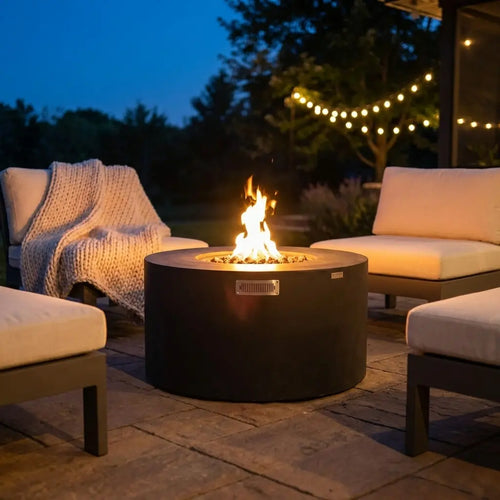
The best fire pit table rarely looks like an afterthought. It should make sense with your seating, finishes, and overall layout. A sleek concrete rectangle can look sharp with clean-lined sectionals and modern lighting. A woven or aluminum model may fit better in a more casual, traditional setting.
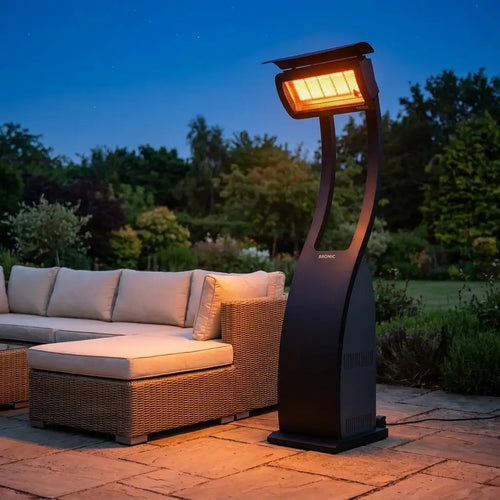
Try to think beyond the table by itself. Consider frame colors, cushion tones, hardscape materials, and nearby pieces like patio heaters, grills, or dining furniture. Homeowners building a full outdoor living space usually get better results when they choose a fire pit table as part of the larger plan, not as a standalone impulse buy.
That is one reason curated assortments tend to help. At All Season Patio, the better choices are usually the ones chosen by people who actually use this stuff and understand how materials, performance, and design work together over time.
Budget for value, not just for price
There is a wide spread in this category, and price differences are not random. Better materials, stronger burners, cleaner finishes, and more reliable ignition systems all affect the cost. So does brand reputation and support after the sale.
A low-priced fire pit table can be tempting, but premium outdoor products are long-term purchases. If the finish fails early, replacement parts are hard to find, or the unit struggles in your climate, that lower upfront price stops looking like a bargain.
A better way to budget is to ask what you need the table to do for the next several years. If it will anchor a primary seating area and get regular use, durability and support should carry more weight than saving a few hundred dollars. If it is for occasional use in a secondary space, your priorities may shift.
The right fire pit table is not the one with the biggest flame or the flashiest finish. It is the one that fits your layout, fuel setup, climate, and how you actually spend time outside. Buy with that in mind, and you will end up with a piece that gets used far more often than you expected.