The Outdoor Kitchen Starter Guide
If you're staring at an empty patio thinking "outdoor kitchen" but don't know where to begin, you're in the right place. This is the entry-level overview — what an outdoor kitchen actually is, the four pieces most people end up needing, and how to phase the build so you don't over-spend on day one.
What "outdoor kitchen" actually means
The phrase is fuzzy. A grill on a deck isn't really an outdoor kitchen. A full setup with countertops, refrigeration, sink, and storage absolutely is. Most people land somewhere in the middle.
The useful definition: an outdoor kitchen is a permanent or semi-permanent cooking station with at least one major appliance, prep space, and storage. The grill is the anchor. Everything else is built around it.
The four core components
Most functional outdoor kitchens have these four things, in this order of priority:
1. The grill

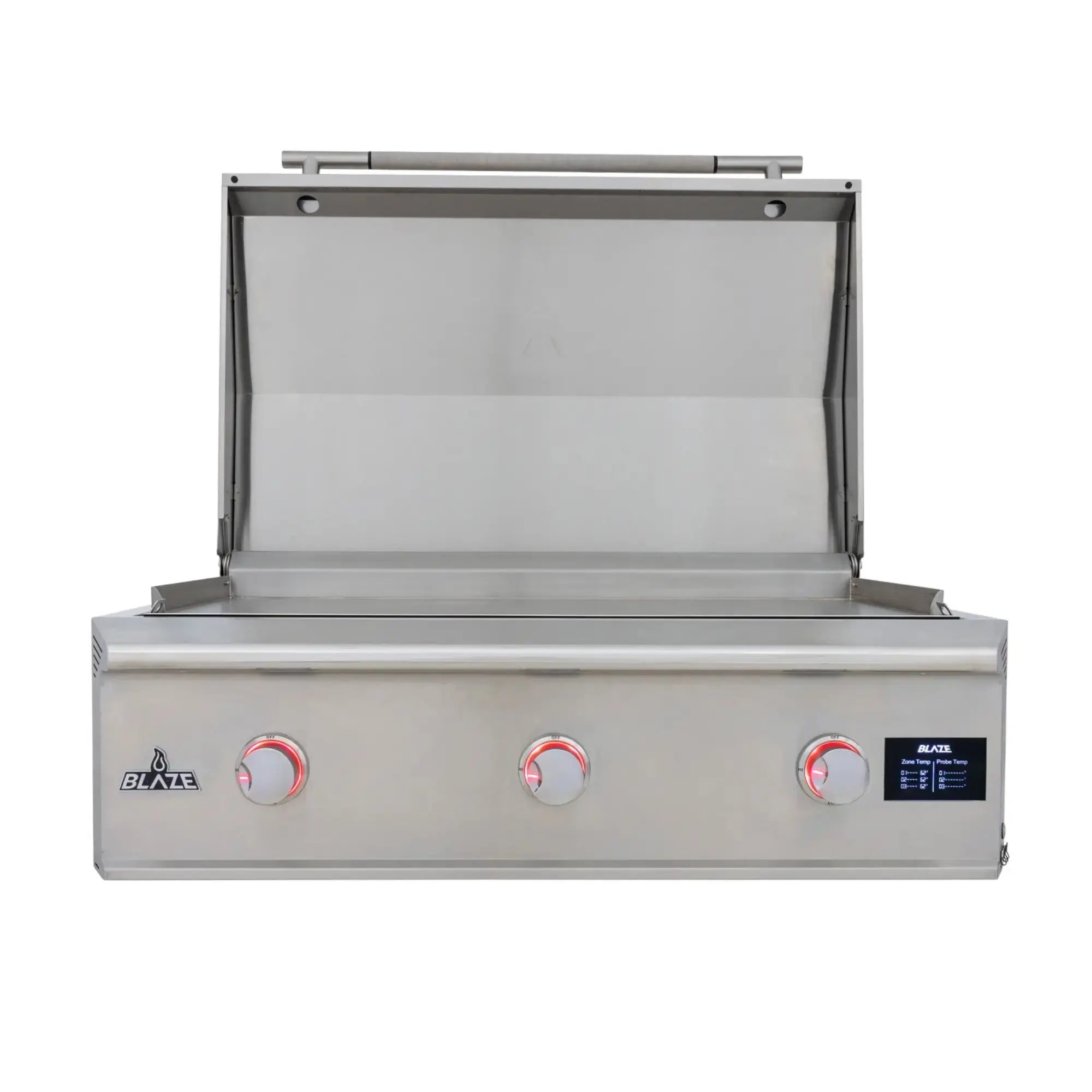
This is the anchor. Built-in if you're committing to a permanent island; freestanding if you want flexibility. Gas is the default for convenience; charcoal or pellet if flavor is the priority. Sized to your typical use — 30–36" cooking width is the sweet spot for most households.
2. Counter / prep space
You need somewhere to put a tray of raw meat before it goes on, and a finished platter when it comes off. Aim for at least 18" of landing space on each side of the grill, and 4–6 feet of additional prep counter if you're doing real meal prep outside. Less than this and you'll be running back into the indoor kitchen constantly.
3. Storage

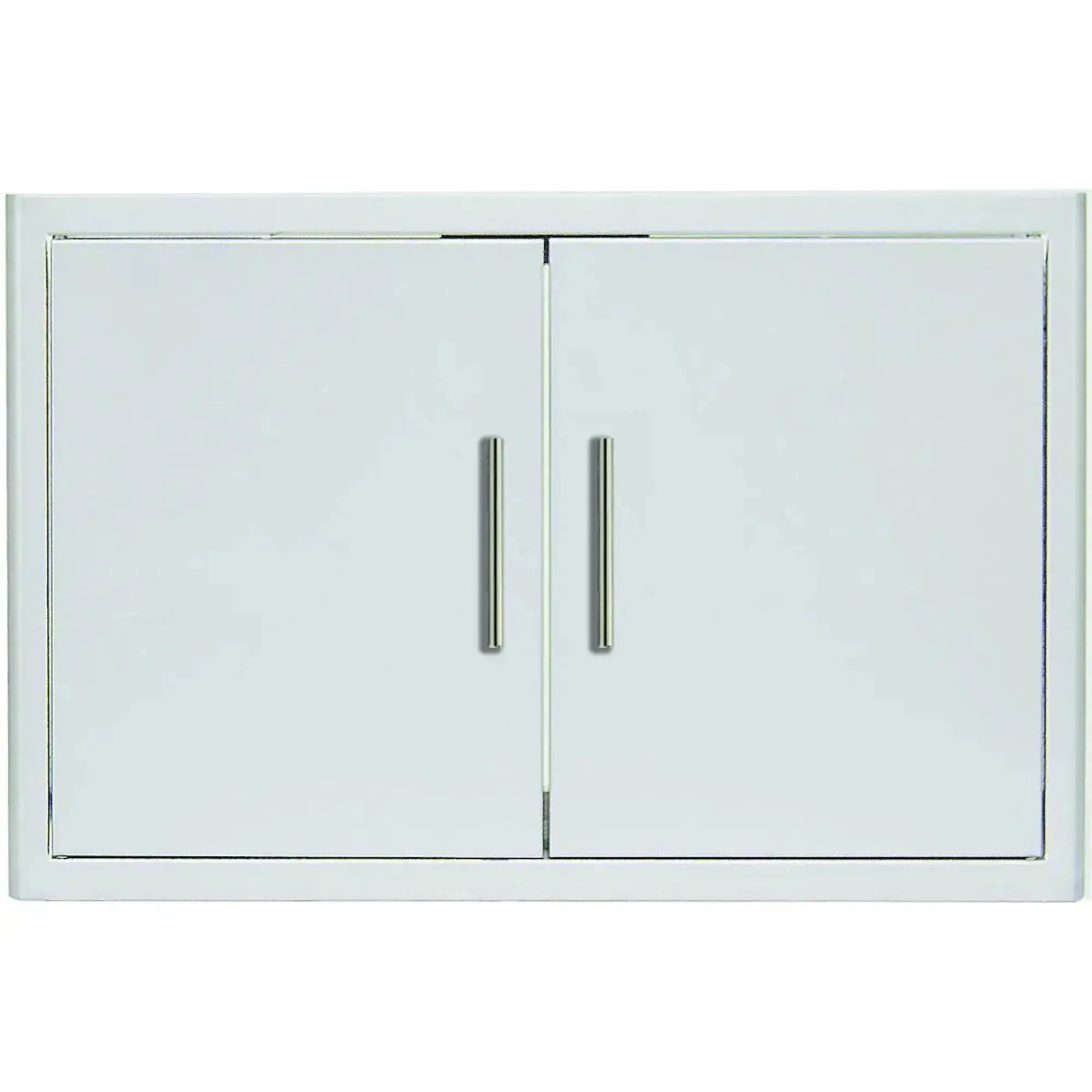
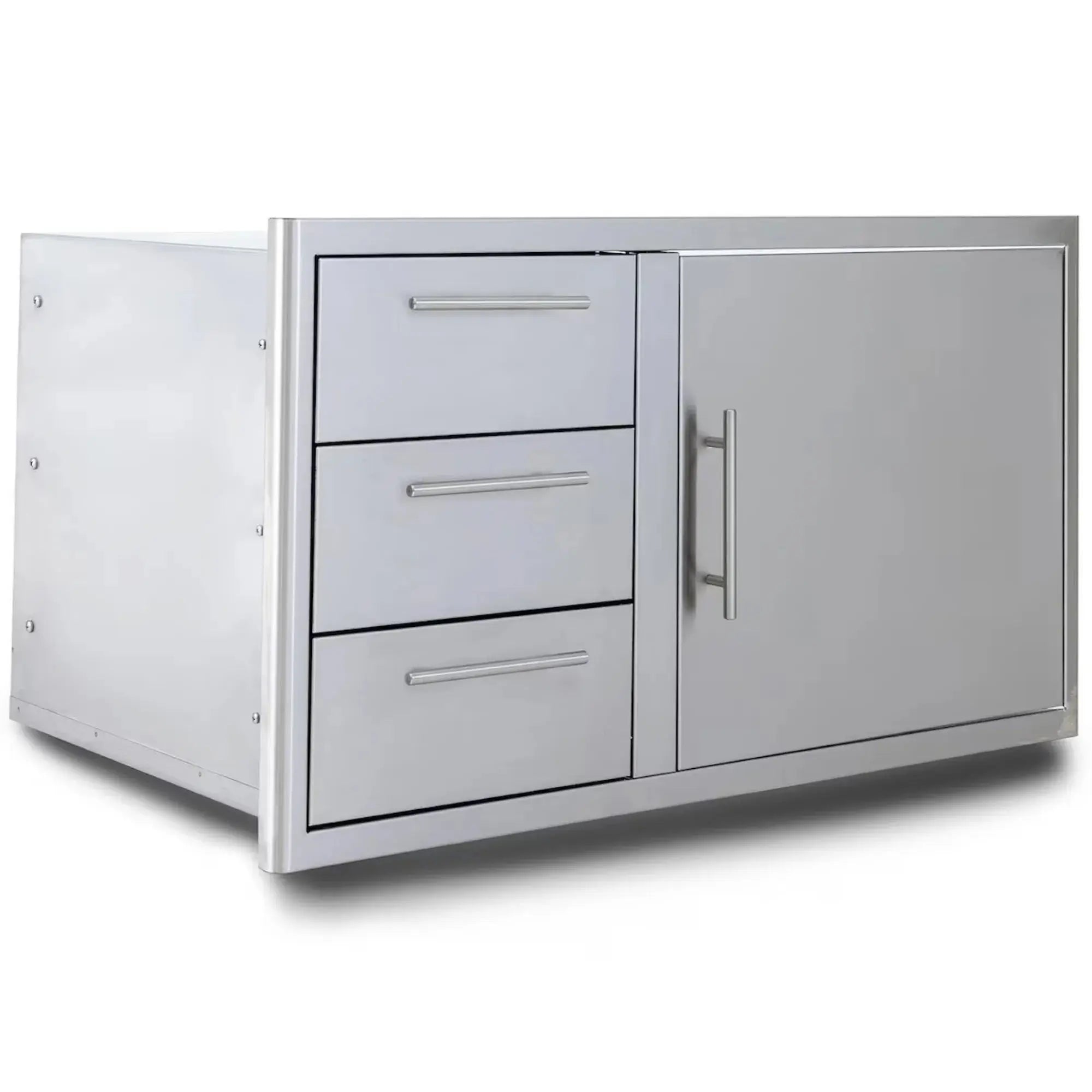
Doors and drawers. Where the propane tank lives (if propane), where tools and platters go, where the trash goes. The biggest mistake people make is skipping storage and ending up with a beautiful island that's useless because everything they need is still in the garage.
4. Refrigeration

An outdoor-rated fridge or beverage cooler. Drinks for guests, raw proteins staying cold while you cook, leftovers. This is the upgrade that transforms an outdoor kitchen from "fancy grill area" to actually functional. Worth the spend.
The "phase 2" pieces (skip on first build)

It's tempting to build everything at once. Don't. These are great additions but you can add them later without major demolition:
- Side burner. For sauces and side dishes. Useful if you'll actually use it; many people don't.
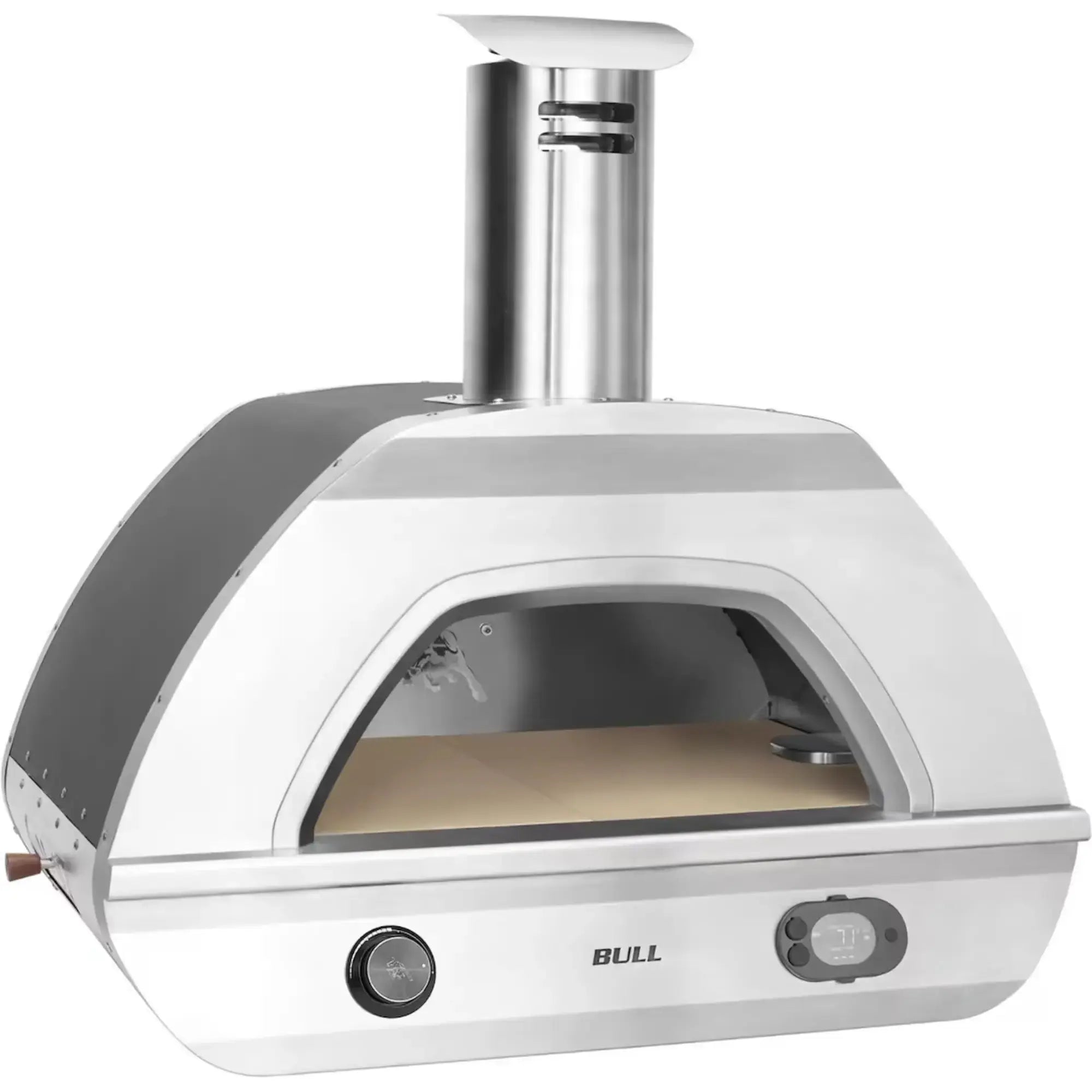
- Pizza oven. Genuinely transformative if you make pizza often. A waste of money if you don't.
- Power burner. For wok cooking, large stockpots, frying. Niche but irreplaceable if you do these things.
- Sink. Doubles your plumbing cost and complexity. Add only if you're cooking complete meals outside.
- Vent hood. Required if you're cooking under a covered structure with a roof. Skip if you're fully open-air.
Built-in vs. modular vs. freestanding

Three approaches, three different commitment levels:
Built-in (custom masonry)
Block or poured concrete island, faced with stone or stucco. Most permanent, most expensive, takes longest to build. Looks like part of the house. Resale value if done well. Timeline: 8–16 weeks. Budget: $20K–$60K+.
Modular / metal-frame
Pre-engineered frame kits (Blaze and others sell these) that bolt together in a few days. You face them with stone or stucco panels. Looks built-in, builds 5x faster, easier to modify or move later. Timeline: 1–3 weeks. Budget: $10K–$30K.
Freestanding setup
Freestanding grill cart, separate prep cart, separate beverage cooler. Looks less integrated but moves with you and starts at half the price. Timeline: Days. Budget: $4K–$15K.
Where to put it
Three things to think about before picking a location:
- Wind direction. Smoke blows downwind. Don't put the grill where prevailing wind blows smoke into the house — through windows, screen doors, or a covered porch where guests sit.
- Distance from the indoor kitchen. You will carry things back and forth more than you think. Closer is better. 30 feet is a reasonable max.
- Distance to gas, water, electric. Every utility you need adds cost the further away you go. A location 5 feet from your existing gas meter is dramatically cheaper than one across the yard.
What this typically costs
Rough 2026 budget brackets for the four core components, professionally installed, excluding patio/foundation work:
- Entry: $8,000–$15,000. Modular frame, mid-tier grill, basic fridge, granite counter, minimal storage.
- Mid-range: $20,000–$40,000. Premium grill (Blaze Professional, Hestan), full storage drawers, integrated fridge, nicer counter.
- High-end: $50,000+. Custom masonry, multiple cooking stations, sink, premium appliances, architectural cover.
Utility connection costs are on top: gas line $1,500–$5,000, electric $800–$2,500, plumbing $1,500–$4,000.
Next step
Ready to start specing components? Or still thinking through layout?
Outdoor Kitchen Components Talk to a Specialist