
Weatherproof Outdoor Lighting Guide
A light fixture can look perfect on day one and still be the wrong choice for your patio six months later. Rain gets into a poorly sealed housing, coastal air starts corroding the finish, or a bright path light throws glare straight into the seating area. That is why a weatherproof outdoor lighting guide matters before you buy. Good exterior lighting is not just about brightness or style. It has to handle exposure, fit the way you actually use the space, and hold up through seasons of heat, moisture, wind, and dirt.
For most homeowners, the challenge is not finding outdoor lights. It is narrowing the field to fixtures that are built for real conditions and still look right with the rest of the backyard. If you are investing in a patio, outdoor kitchen, fire feature, or lounge area, lighting should support the whole space rather than feel like an afterthought.
What weatherproof really means
Weatherproof is one of those terms that gets used loosely. In practice, it should mean the fixture is designed to resist moisture, dust, temperature swings, and outdoor wear based on where you install it. A covered porch and an exposed pool deck do not demand the same level of protection.
This is where IP ratings matter. IP stands for Ingress Protection, and the numbers tell you how well a fixture resists solids and water. The first number refers to dust protection. The second refers to water resistance. A higher number usually signals better protection, but the right rating depends on the application.
For example, a wall sconce installed under a covered patio may be fine with a lower water-resistance rating than a path light or hardscape fixture sitting in full rain and irrigation spray. If a fixture is going near a water feature, pool area, or low-to-the-ground landscape zone, you want to be more careful. Outdoor lighting is not one-size-fits-all, and this is one of the biggest reasons cheap fixtures disappoint early.
A practical weatherproof outdoor lighting guide to ratings and locations
The simplest way to think about ratings is by exposure. Covered areas can tolerate less direct water contact. Open areas need more protection. Ground-level fixtures often need more protection still because they deal with standing water, debris, and splashback.
If you are shopping for sconces beside an entry or under a deep roofline, damp-rated or lower-exposure fixtures may work. For uncovered patios, pergolas, driveways, and walkways, wet-rated fixtures are the safer call. In coastal regions, the equation changes again. Salt air can shorten the life of finishes and hardware even when water exposure seems moderate.
This is where buyers often focus too heavily on the light output and ignore the environment. A fixture can have excellent LEDs and still fail early if the housing, seals, or finish are not suited to the location.

The best materials for long-term outdoor use
Material quality is one of the clearest dividing lines between decorative outdoor lighting and outdoor lighting that actually lasts. Powder-coated aluminum is a common strong choice because it is relatively lightweight, resists rust, and works well across many styles. Brass is another excellent option, especially in landscape lighting, because it holds up well outdoors and ages in a way many homeowners like.
Stainless steel can work very well too, but not all stainless is equal. In milder climates, it may perform just fine. In coastal environments, lower-grade stainless can still show wear or corrosion faster than expected. Composite materials and high-grade polymers also have a place, especially when the manufacturer has a strong track record. They can handle moisture without rusting, though they may not always deliver the same premium feel as metal.
The lens matters too. Tempered glass generally feels more substantial and resists yellowing better than lower-end plastics. On the other hand, some quality acrylics and polycarbonates are impact-resistant and practical in active family spaces. The trade-off is appearance over time. If longevity and finish quality matter, the construction details deserve as much attention as the shape of the fixture.
Match the fixture to the job
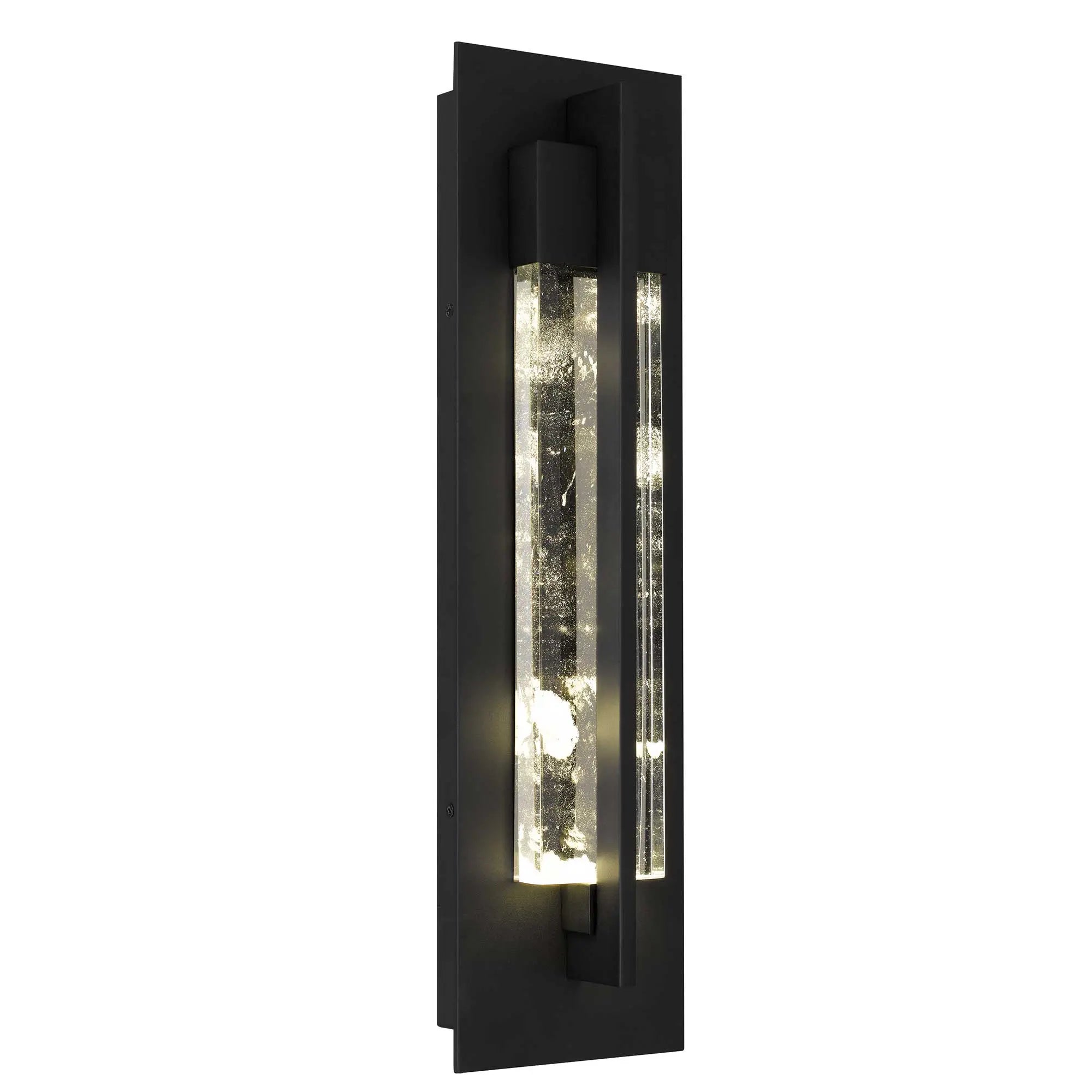
The best outdoor lighting plans usually combine several fixture types instead of asking one fixture to do everything. Path lights should guide movement without creating runway-level brightness. Step lights should improve safety while staying subtle. Wall sconces should frame entries, doors, and transitions. Overhead pendants or flush mounts can define covered dining or lounge areas, while accent lighting can highlight stonework, plantings, or architectural lines.

This matters because weather exposure is only half the decision. The other half is function. If you install very bright flood-style lighting over a seating area, the space may feel harsh instead of inviting. If you rely only on decorative sconces for a larger patio, the room may look good from the yard but feel underlit when you are actually outside using it.
A more effective approach is layering. Use ambient light for overall visibility, task light where people cook or prep, and accent light where you want depth and atmosphere. That mix tends to feel more finished and more comfortable at night.
LED performance, color temperature, and heat
Most premium outdoor fixtures now use LED technology, and for good reason. LEDs are efficient, long-lasting, and available in a wide range of color temperatures and output levels. But outdoor performance still depends on fixture design. Heat management matters. If the housing traps heat badly, even an LED fixture can have a shorter lifespan.
Color temperature is another choice that affects the feel of the space. Warm white light, often in the 2700K to 3000K range, usually works best for patios, dining areas, and lounge zones because it feels inviting and works well with natural materials like wood, stone, and wicker. Cooler temperatures can make an exterior look more commercial or stark, though they may make sense in security-focused areas.
Brightness should be chosen by purpose, not assumption. More lumens are not always better. For pathways and landscape edges, subtle light often looks more refined and causes less glare. For grilling stations and outdoor kitchens, stronger task lighting is usually worth it. This is one of those areas where it depends on how the space gets used after dark.
Low voltage, line voltage, and solar
Power source affects both performance and installation planning. Low-voltage lighting is popular for landscape and pathway applications because it is versatile, efficient, and often easier to expand later. Line-voltage fixtures can make sense for permanent architectural lighting, overhead fixtures, or areas where stronger output is needed.

Solar lighting is appealing because installation is simple, but it comes with trade-offs. In ideal sun exposure, some solar fixtures perform well enough for accents and light pathway definition. In shaded yards, cloudy climates, or premium outdoor spaces where consistency matters, solar can be less reliable. Homeowners often choose it expecting convenience, then end up disappointed by weak output or uneven runtime.
If the goal is a long-term, cohesive outdoor lighting plan, hardwired or professionally designed low-voltage systems usually offer better control and more dependable results.
Placement mistakes that cause problems later
Even good fixtures underperform when they are poorly placed. A common mistake is installing lights where they shine directly into seated eye level. Another is crowding fixtures too close together, which creates hot spots and makes the yard look overlit.
Spacing should match beam spread, fixture height, and the width of the area being lit. Entries should feel welcoming, not blinding. Pathways should read clearly without every inch being flooded with light. Around an outdoor kitchen, the goal is visibility on counters and cooking surfaces without casting hard shadows from overhead angles.
Think about maintenance access as well. If replacing a bulb, driver, or component requires moving heavy planters or climbing over built-in features, that inconvenience adds up.
Finish durability and climate matter more than style trends
A fixture finish that looks sharp in product photos may not be the best fit for your region. Matte black remains popular, but in harsh sun it can show fading over time if the finish quality is poor. Coastal climates are especially demanding. Salt, humidity, and wind-driven moisture can shorten the life of fasteners, housings, and decorative coatings.

That does not mean you need to avoid a specific look. It means you should check how the fixture is made, where it will be used, and whether the manufacturer builds for real outdoor conditions. This is one reason curated product selection matters. The difference between a fixture that lasts and one that becomes a replacement project often comes down to details that are easy to miss on a generic listing.
When to spend more
Not every fixture in a lighting plan needs to be top-of-market, but the exposed, high-use, and design-critical pieces usually deserve a better budget. Entry sconces, overhead fixtures above dining areas, and lights integrated into hardscape or landscape work are worth getting right the first time. Replacing them later is more expensive than the initial upgrade.
The same goes for spaces where lighting supports a larger investment. If you have already spent on a patio build, outdoor kitchen, or premium furniture setup, weak lighting can drag the whole project down. At All Season Patio, that is usually how we frame it for shoppers: buy lighting as part of the outdoor living plan, not as a last-minute add-on.
A good weatherproof outdoor lighting guide should make one thing clear. The best fixture is not just the one that fits your style. It is the one that fits your weather, your layout, and the way you want the space to feel after sunset. Choose with that in mind, and your backyard will work better for years, not just for the first season.