Grills Outdoor Kitchen Designs That Work

A lot of outdoor kitchens look impressive in photos and get frustrating fast once you actually start cooking. The grill sits too close to a wall, there is nowhere to set a hot tray, or the refrigerator door collides with a cabinet every Saturday night. The best grills outdoor kitchen designs are not built around looks alone. They are built around movement, heat, storage, and the way people really use a backyard.
If you are planning an outdoor kitchen, start with the grill, but do not stop there. Your grill is the anchor, yet the success of the whole setup depends on how well everything around it supports prep, cooking, serving, and cleanup. That is where smart design pays off.
Start with the grill, not the accessories
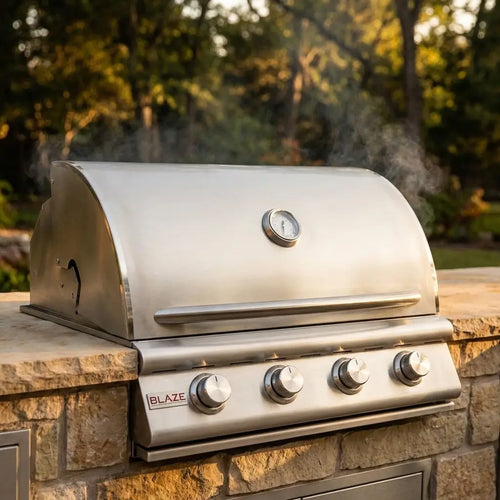
Homeowners often begin by choosing doors, countertops, and finish materials because those details are easy to picture. In practice, the grill should drive the entire design. Its size, fuel type, ventilation needs, and required clearances all affect the layout.
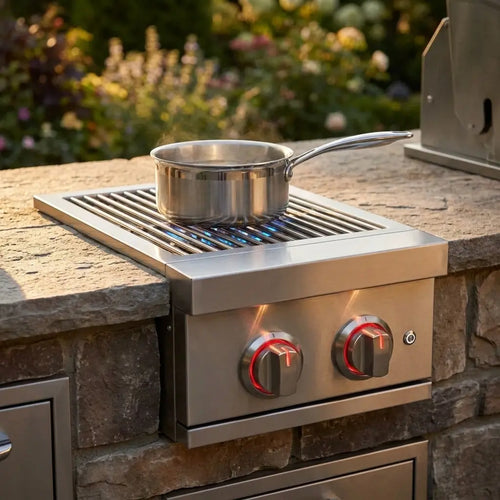
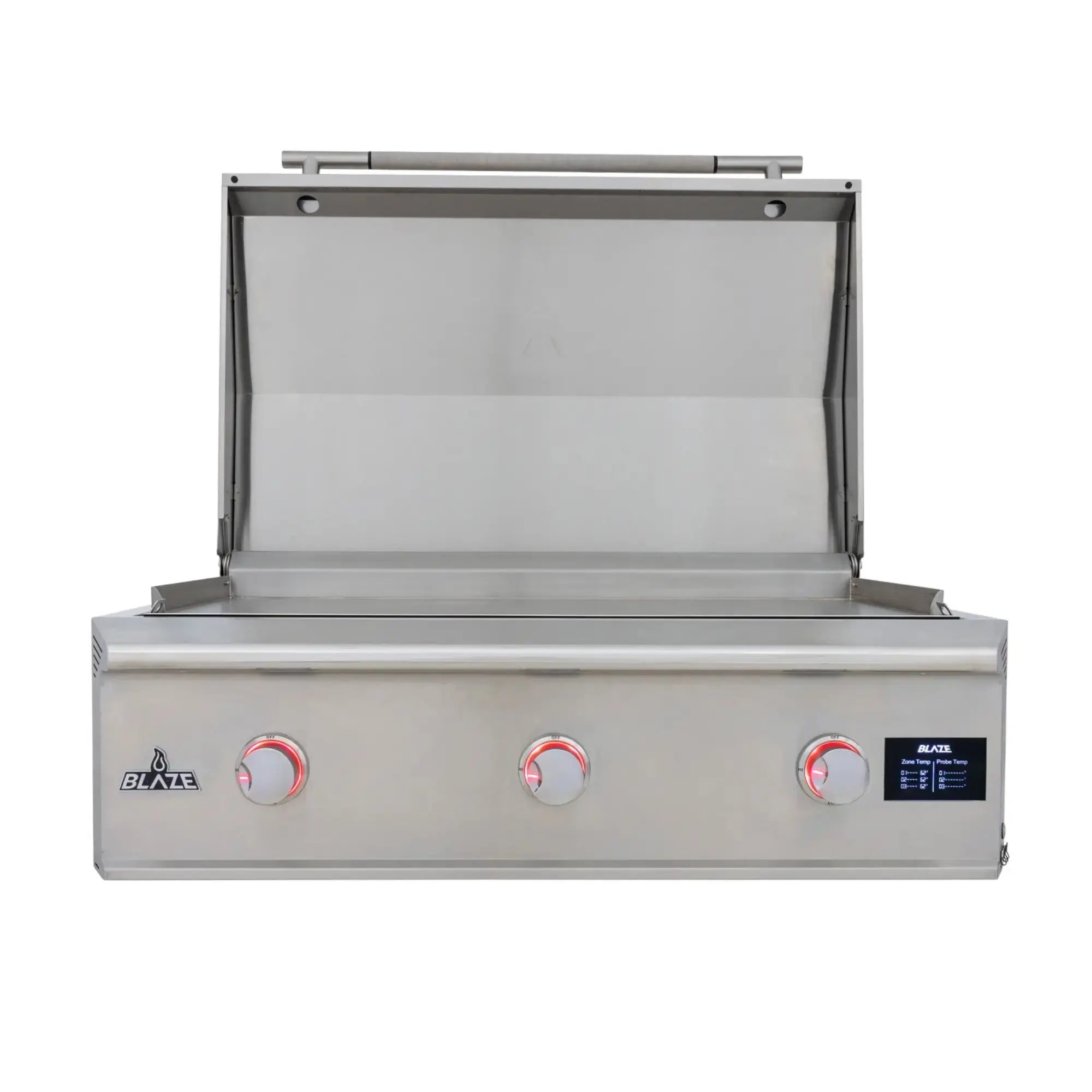
A compact built-in gas grill can fit comfortably in a smaller island and still leave room for landing space on both sides. A larger grill with an infrared burner, rotisserie, or side burner demands more elbow room and stronger support around it. If you plan to smoke, sear, and entertain for larger groups, a bigger cooking surface may be justified. If most of your meals are weeknight burgers and vegetables for four, oversizing the grill can add cost without adding much value.
Fuel choice matters just as much. Natural gas is convenient and practical for frequent cooks, but it needs a dedicated line. Propane gives you flexibility, though you will need a clean place to store and access the tank. Charcoal and pellet grills bring flavor and versatility, but they also introduce ash, extra ventilation concerns, and different workflow needs. There is no universal best option. It depends on how you cook and how much maintenance you are willing to handle.
What good grills outdoor kitchen designs get right
The strongest outdoor kitchen layouts are usually simple. They leave room to cook safely and move naturally between tasks. That sounds basic, but it is where many projects go off track.
At a minimum, you want useful counter space on both sides of the grill. One side handles prep and staging. The other catches finished food, hot tools, and serving trays. Without that landing space, even a premium grill feels awkward. A common mistake is packing in too many features and sacrificing the work surface that makes the space functional.
Traffic flow matters too. If guests regularly walk behind the cook to reach seating, the grill zone can feel crowded and unsafe. A better layout creates a clear working area for the person cooking while still letting the space feel social. In many backyards, that means keeping the grill on the outer edge of the kitchen island or arranging seating nearby rather than directly in the cook path.
Shape also affects performance. A straight island works well for tighter patios and simpler cooking setups. An L-shape adds prep space and can help separate hot cooking from cold storage. A U-shape creates the most complete work zone, but it needs enough square footage to avoid feeling boxed in. Bigger is not always better. A layout that fits your patio properly will outperform a large one that crowds the space.
The work triangle still matters outdoors
Indoor kitchen design has long relied on the relationship between cooking, prep, and cleanup zones. That same logic applies outside, just in a more flexible way. Your grill is the cooking zone. Prep space should sit close enough to support active cooking. If you include a sink, trash pullout, or refrigerator, place them where they reduce backtracking instead of adding steps.
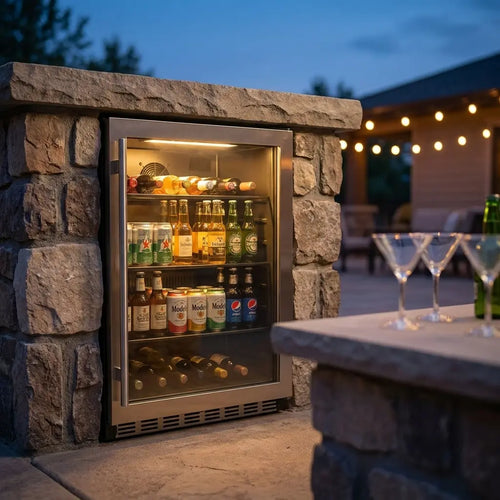
For example, an outdoor refrigerator tucked at the far end of the island may look balanced visually, but it can be irritating if you have to cross the entire kitchen every time you grab drinks or ingredients. On the other hand, putting cold storage too close to the hottest part of the grill run can be less efficient and harder on the components. Good design is a practical balance.
Materials should match weather and cooking habits
Outdoor kitchens fail early when materials are chosen for appearance first and exposure second. Heat, moisture, freeze-thaw cycles, and sun can punish the wrong finishes. A setup that looks great on installation day may not hold up if the cabinet material swells, the countertop stains easily, or metal components are not rated for outdoor use.
Stainless steel remains a strong choice for many grill islands because it handles heat well and offers a clean, durable look. Marine-grade or higher-quality stainless options are especially worth considering in coastal or humid climates. Powder-coated aluminum cabinetry can also be a smart move if you want durability with a different finish style.
For countertops, dense stone and outdoor-rated surfaces usually perform best. Lighter colors can stay more comfortable in direct sun, while darker surfaces may show less staining depending on the finish. Tile can work, but grout maintenance is the trade-off. Concrete offers a custom look, though it needs proper sealing and may develop character over time. That is not necessarily a flaw, but homeowners should know what kind of aging to expect.
Storage is where convenience shows up
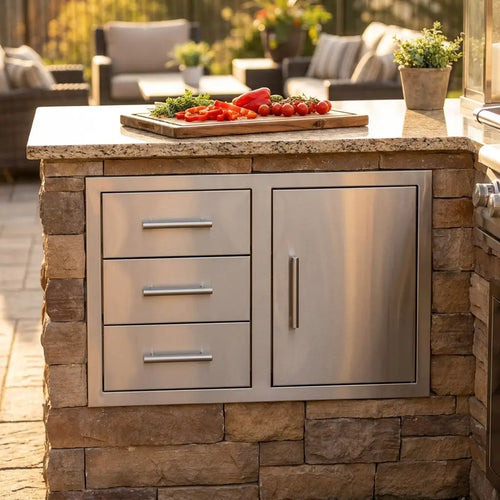
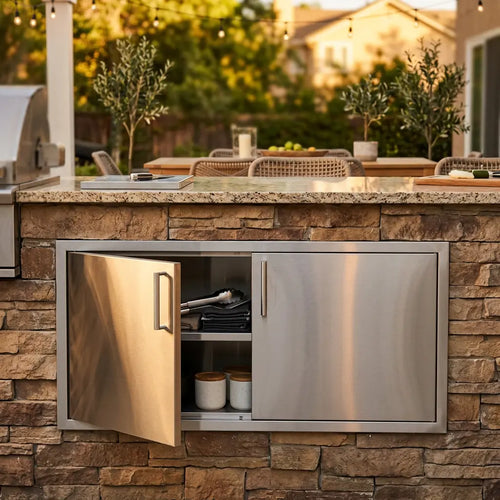
Storage is easy to underestimate until you are carrying tools, platters, and fuel back and forth from the house. Well-planned drawers and access doors make the kitchen feel complete. You do not need every add-on, but you do need a place for grill tools, gloves, cleaning supplies, and serving pieces.
If you cook often, dedicated trash storage and a paper towel holder can make the space far more usable. If you host regularly, cold storage and larger drawers earn their keep quickly. Chasing every premium accessory can inflate the budget. Choosing the ones that match your real habits is usually the better investment.
Design for stages if you are watching the budget
Not every outdoor kitchen has to be built all at once. In fact, some of the smartest projects are phased. Start with the core elements that are hardest to change later: the grill, the frame or island structure, utility rough-ins, and enough counter space to cook comfortably.
From there, you can add storage upgrades, refrigeration, specialty burners, or finish enhancements as budget allows. Planning for future expansion is different from cutting corners. If gas, electric, and layout allowances are considered up front, you can grow the kitchen without tearing it apart later.
This is often the right move for homeowners who want premium components but do not want to overspend on day one. A well-built base kitchen with room to evolve will age better than a feature-heavy setup assembled around short-term compromises.
Match the design to how you entertain
The best grills outdoor kitchen designs reflect the way the household actually uses the patio. A grill enthusiast who cooks year-round has different priorities than a family that hosts a handful of summer gatherings. One may need stronger task lighting, weather-ready storage, and a serious ventilation plan. The other may care more about serving space, bar seating, and easy cleanup.
If your backyard is entertainment-focused, think beyond the grill station. Where do guests naturally gather? Can people talk to the cook without crowding the work zone? Is there enough space to plate food and set out drinks? Outdoor kitchens work best when they are connected to the larger patio rather than treated like a stand-alone appliance wall.
That broader view is where a curated approach helps. At All Season Patio, this category works best when grills, kitchen components, heating, seating, and lighting are planned as one outdoor living system rather than purchased as disconnected upgrades.
Common mistakes worth avoiding
One of the biggest mistakes is overbuilding for occasional use. A massive grill island with every accessory sounds appealing, but if it takes up most of the patio and rarely gets used to its full potential, it may not improve the space much. Another common issue is underestimating ventilation, clearance, and service access. Built-in grills need proper installation conditions to perform safely and hold up over time.
There is also a tendency to copy restaurant-style setups without thinking about maintenance. Extra burners, sinks, and specialty appliances are useful only if they fit your habits and your climate. Every component added outdoors is another component exposed to weather, grease, and wear.
The better question is not, what can I fit into this island? It is, what will make this kitchen easier and more enjoyable to use five years from now?
Think beyond the reveal photo
A finished outdoor kitchen should look good, but that is only part of the job. It should feel intuitive on a busy weekend, stay durable through changing seasons, and support the kind of cooking you actually enjoy. When layout, grill choice, storage, and materials are working together, the space becomes more than a showpiece. It becomes part of how you live outside.
If you are still narrowing down options, focus on decisions that improve real use first. A little more counter space, smarter storage, or a better-suited grill often does more for long-term satisfaction than another decorative upgrade ever will.