Layered Lighting: The Three-Layer Patio System
Most patios are either pitch-dark or floodlit. Neither feels good to be in. The fix is the same principle interior designers use indoors: layer your lighting in three levels — ambient, task, and accent — so the patio feels intentional at any time of night.
The three layers
Layer 1: Ambient
The base layer. Soft, even illumination across the whole patio that lets you see and move without being intrusive. Think of it as the room's background light — the level you keep on whenever you're outside, regardless of activity.

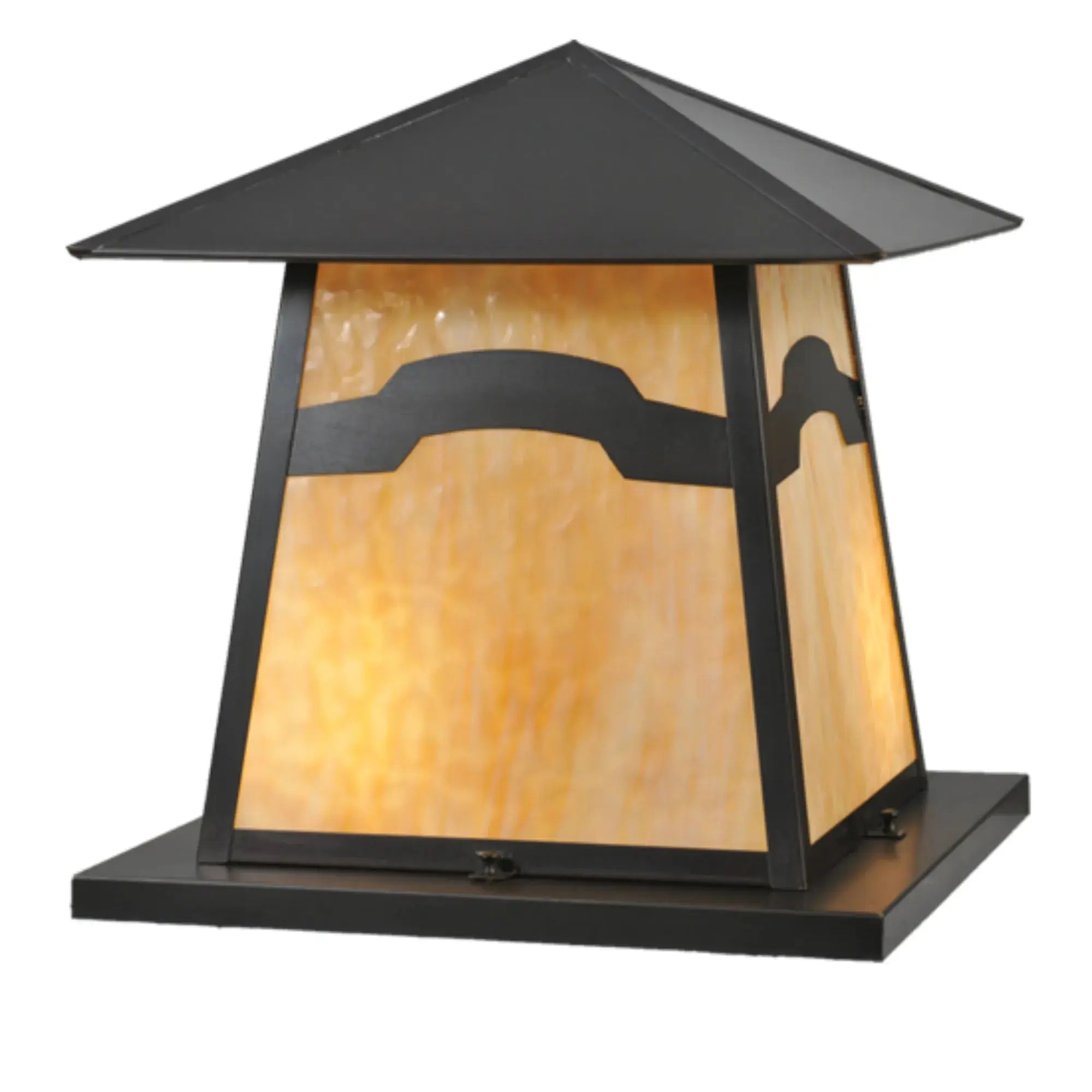
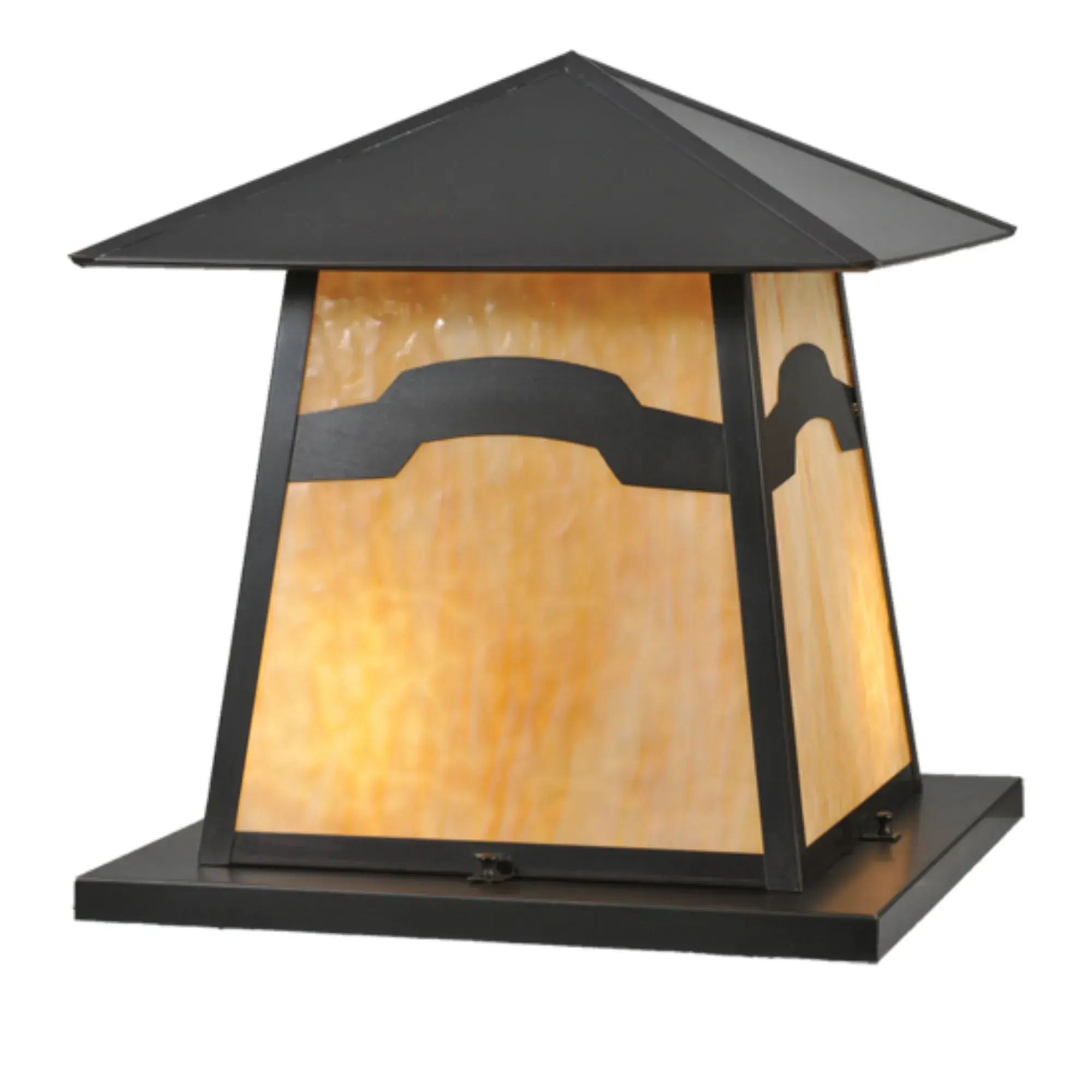
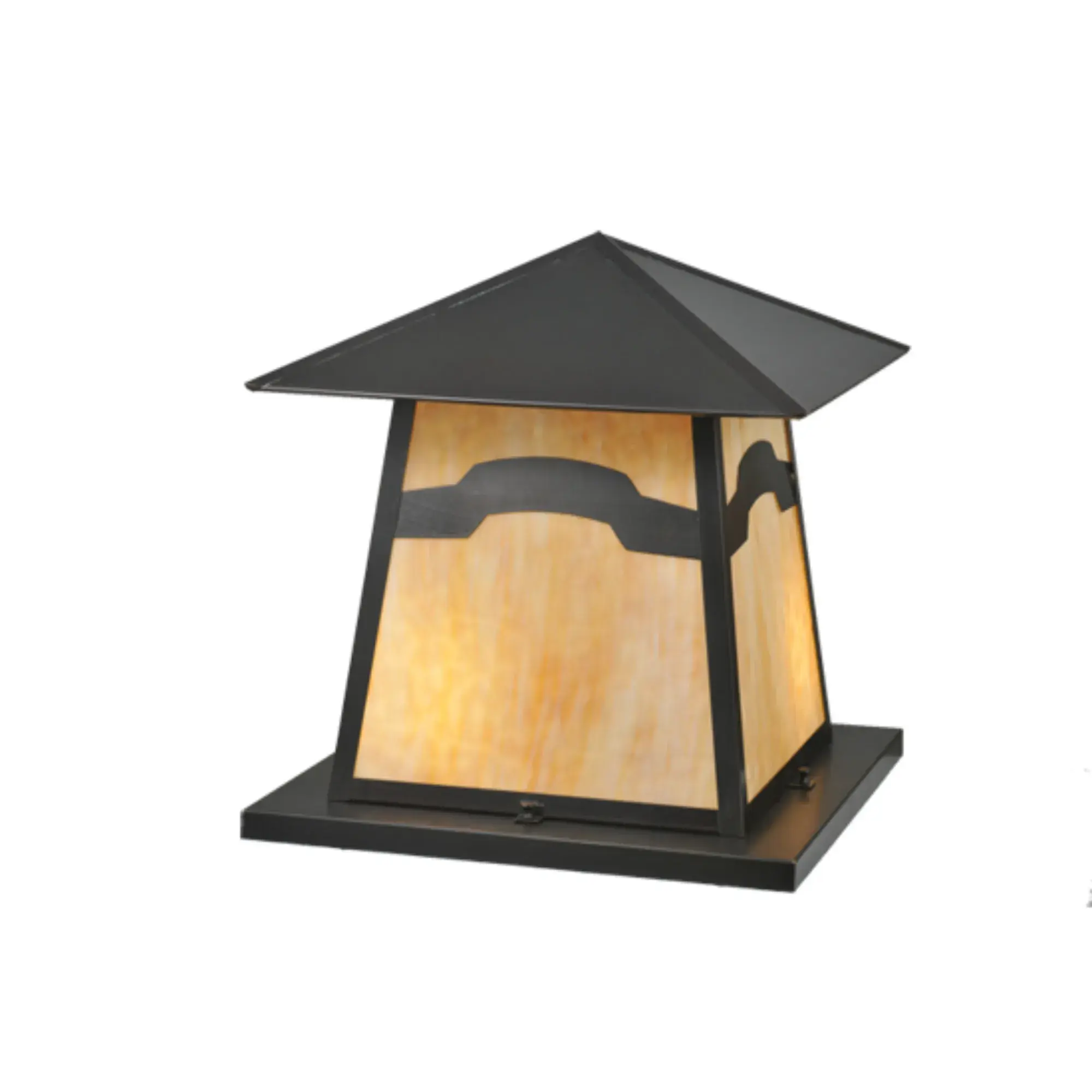
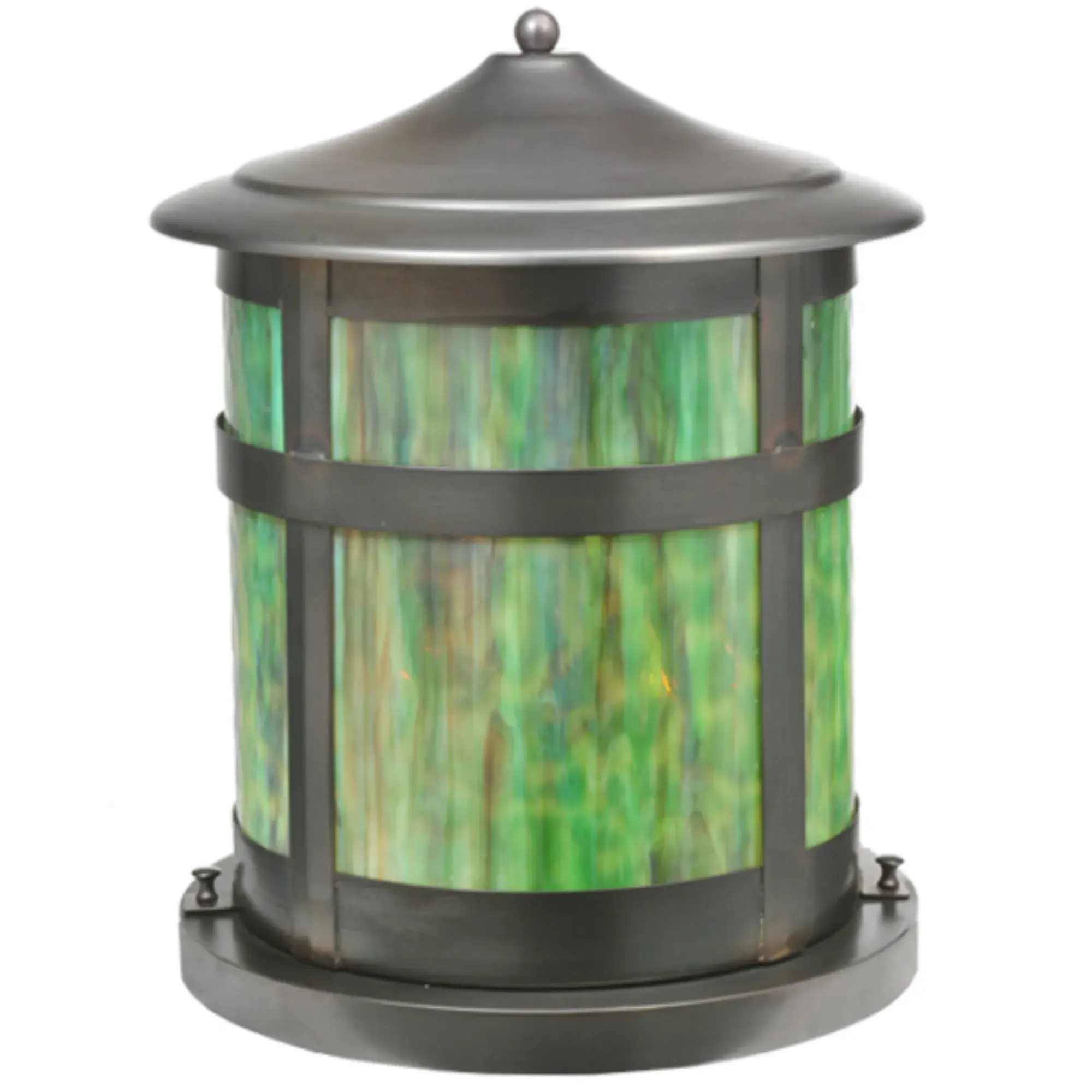
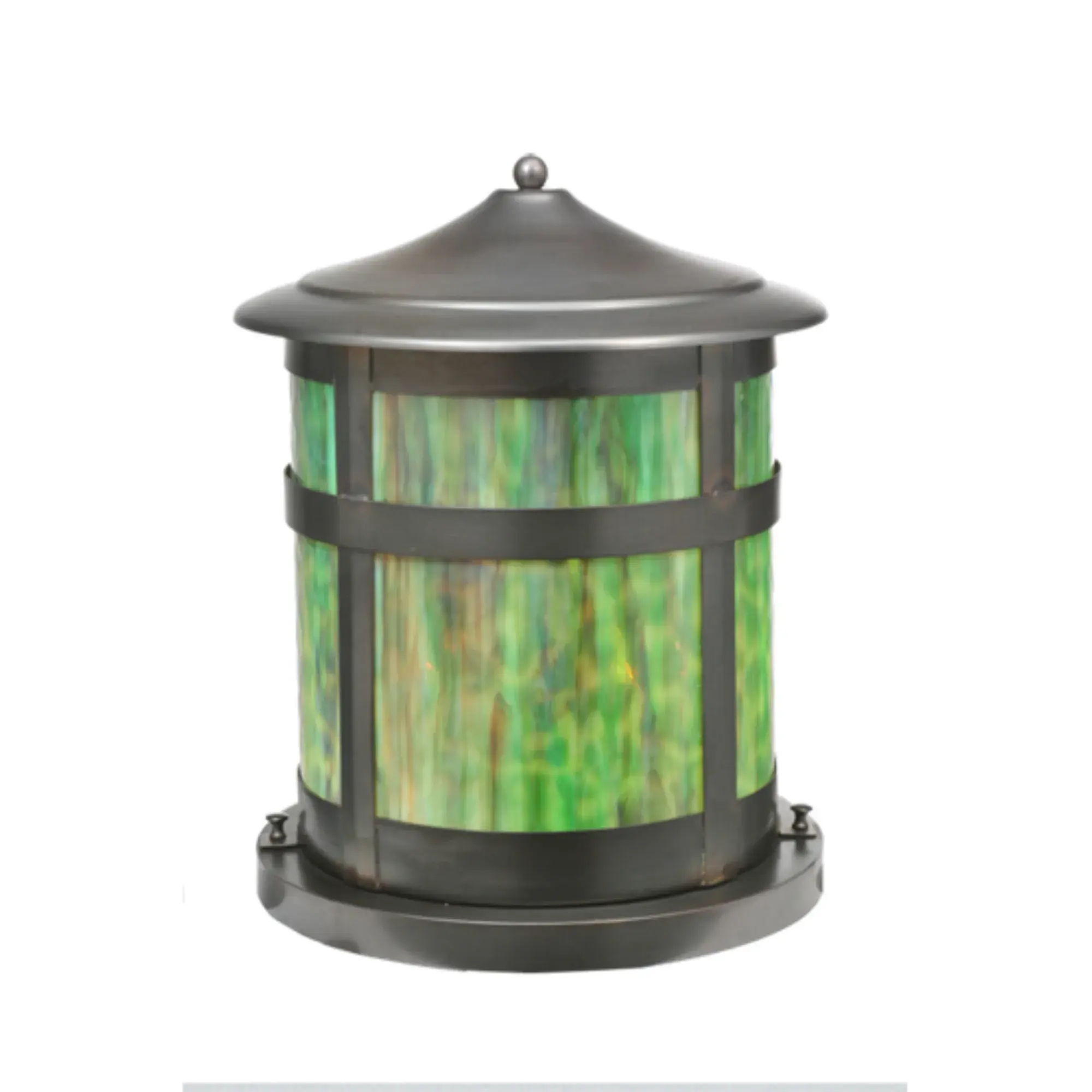
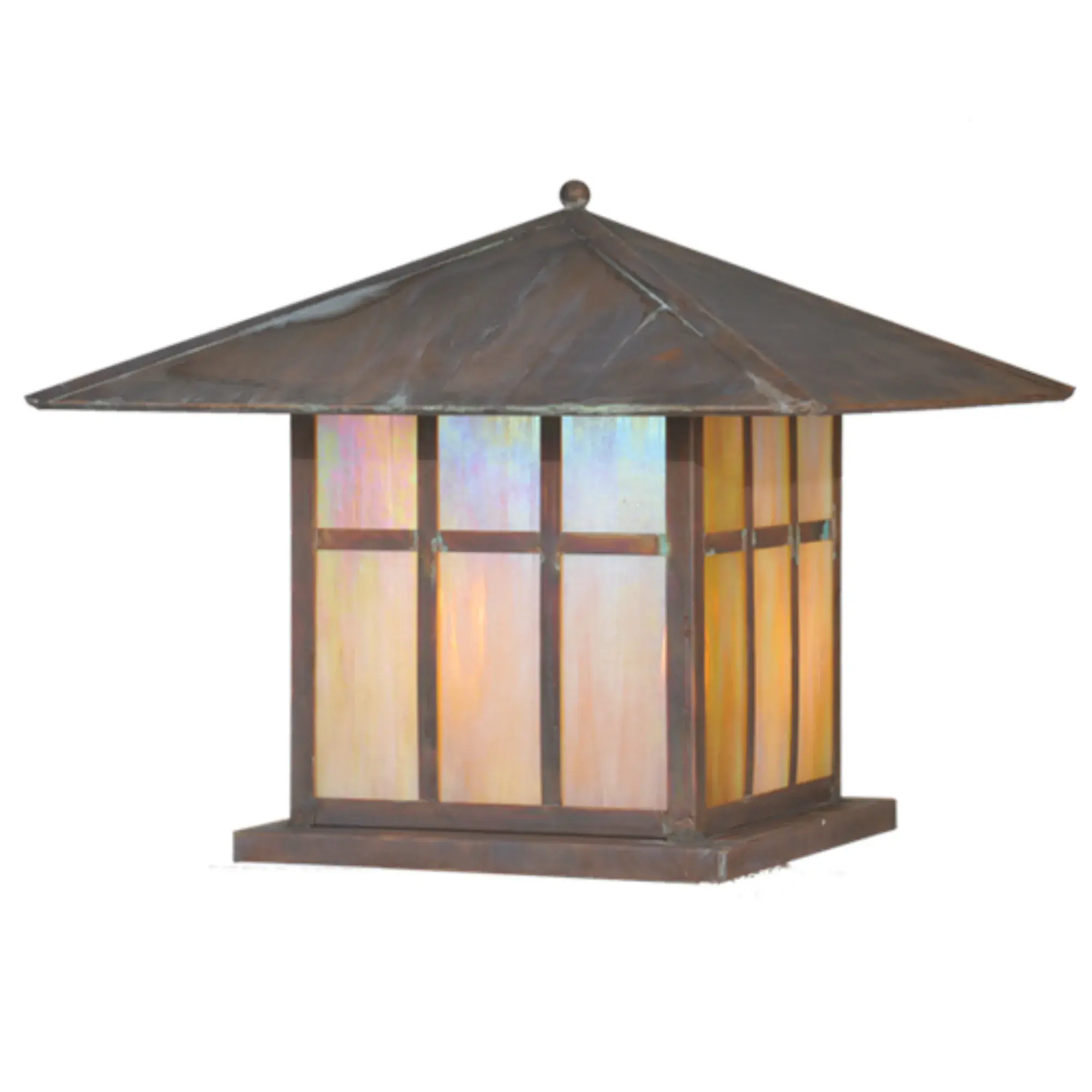
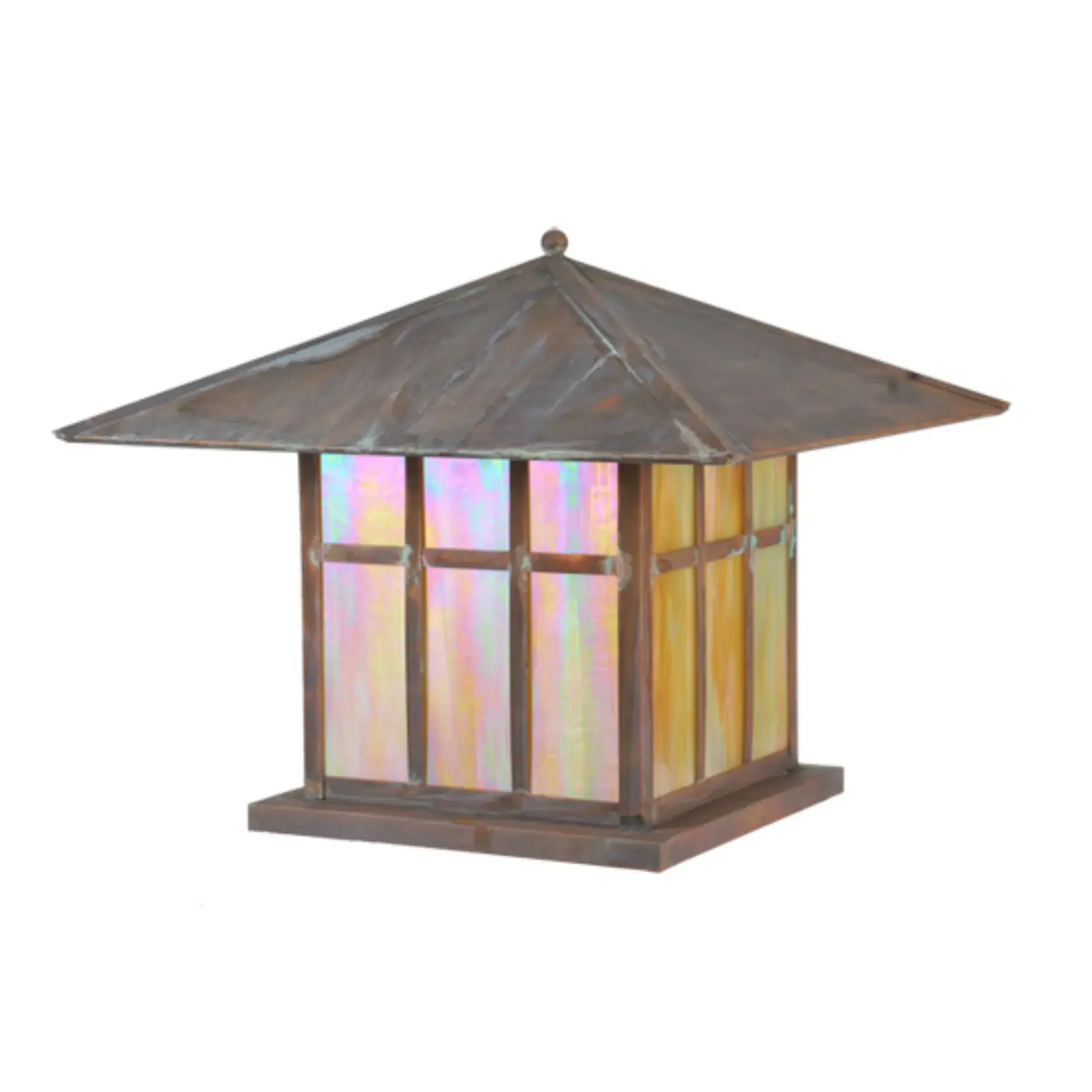
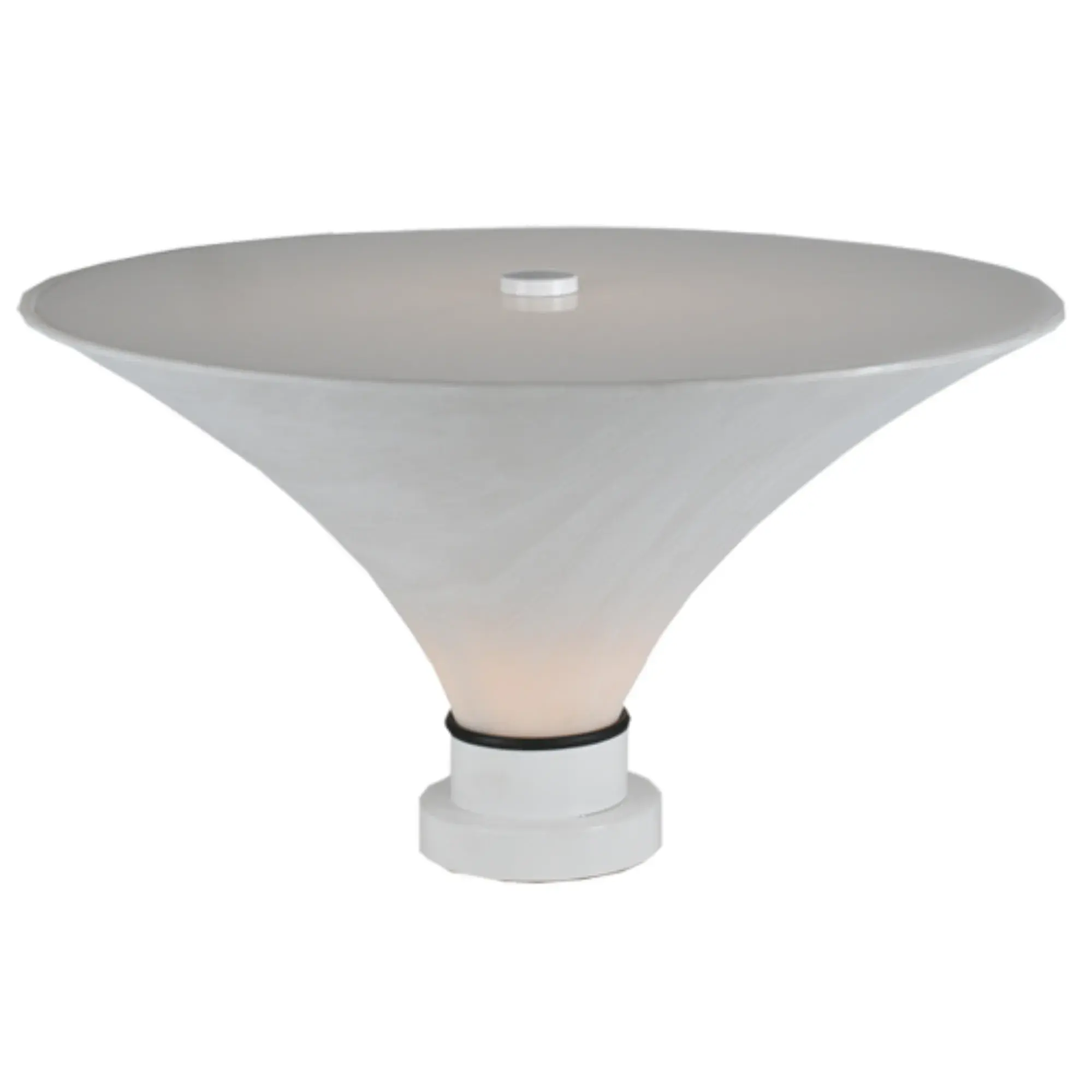
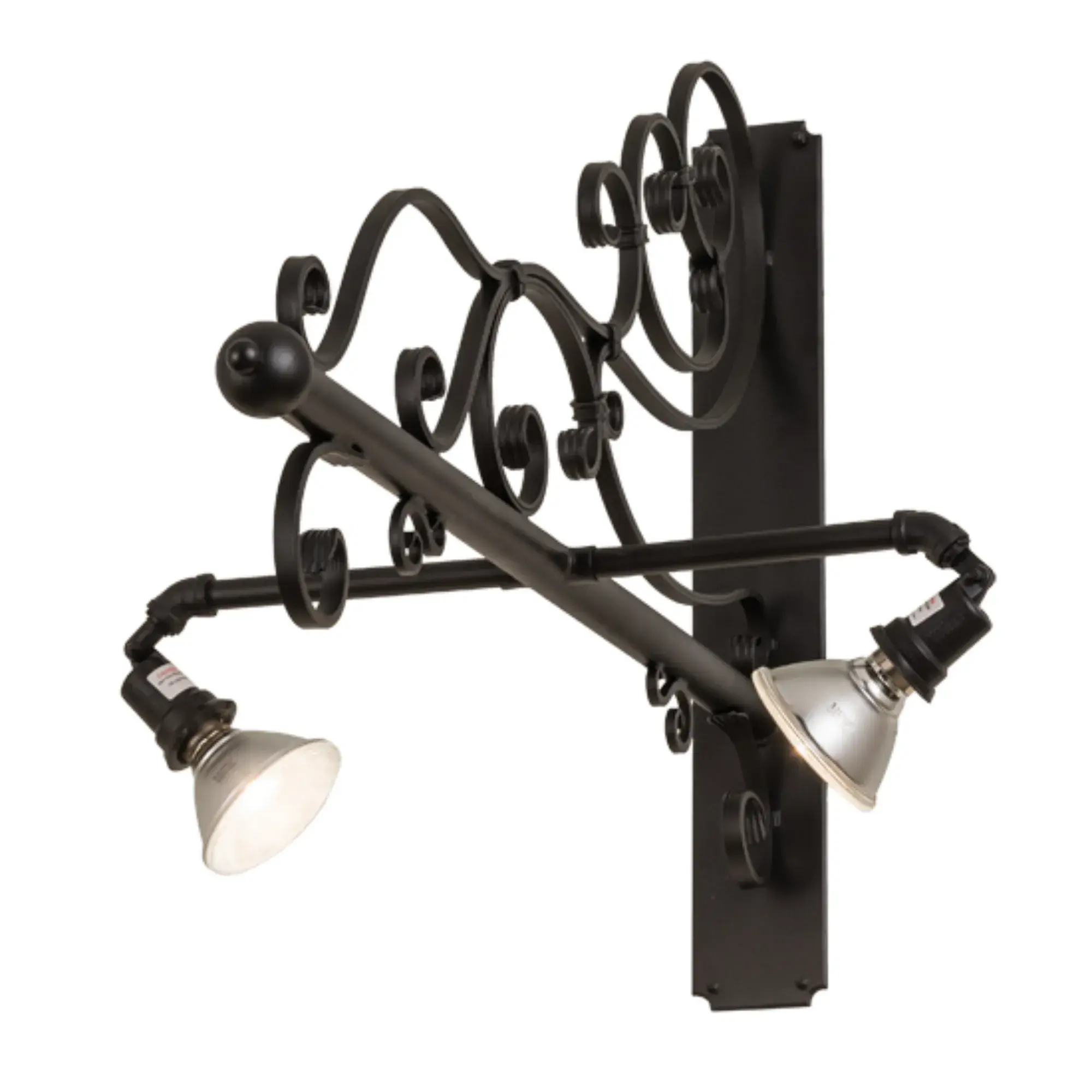
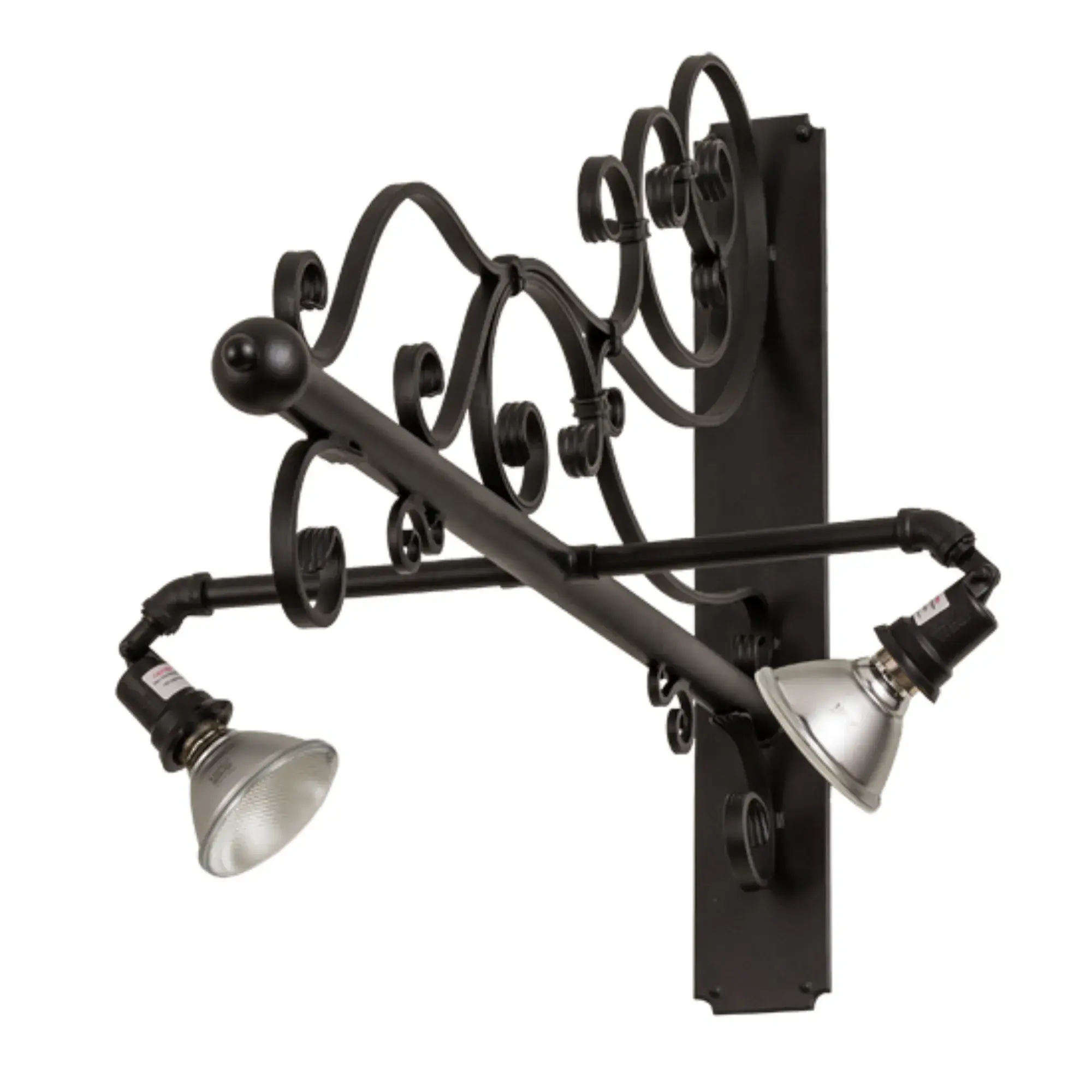
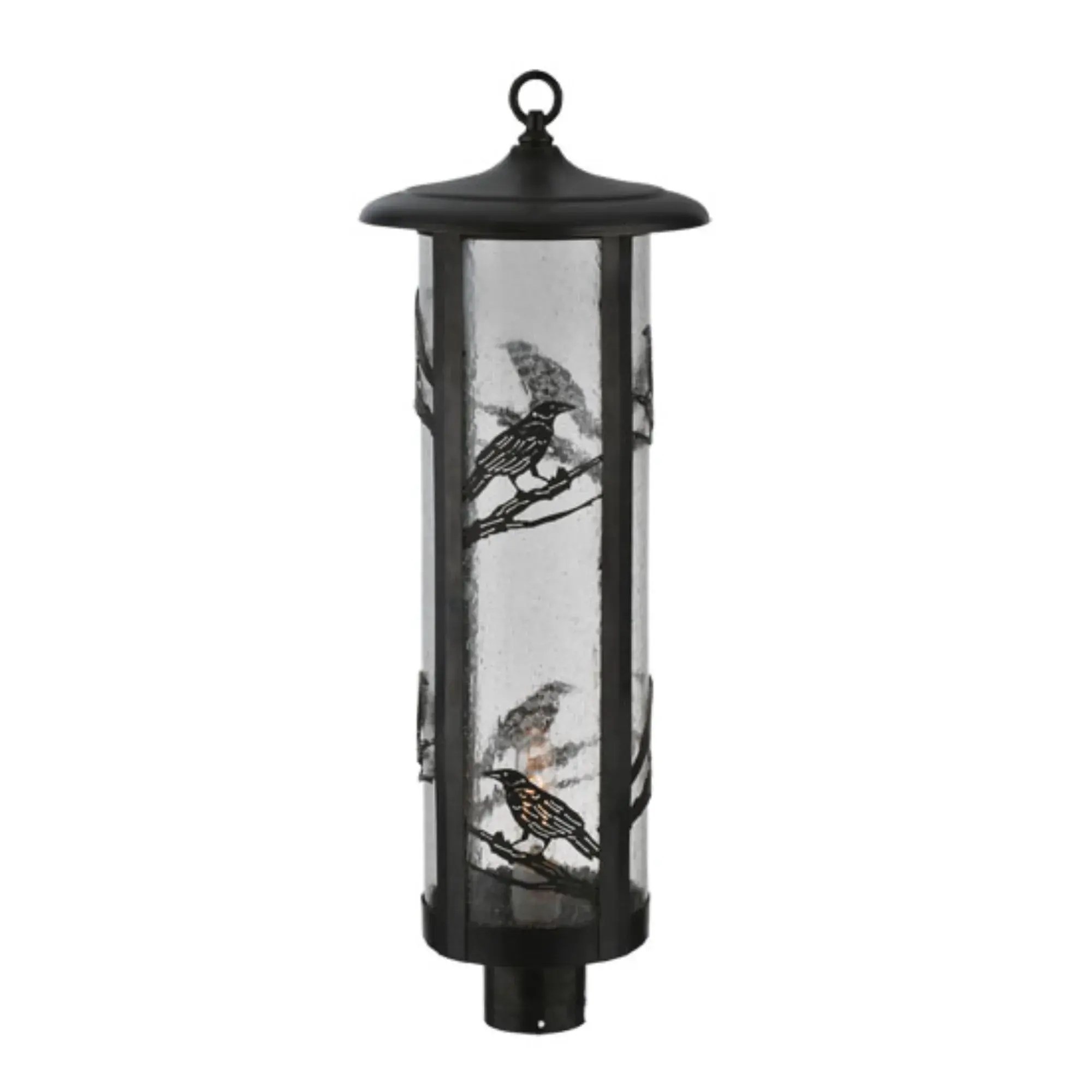
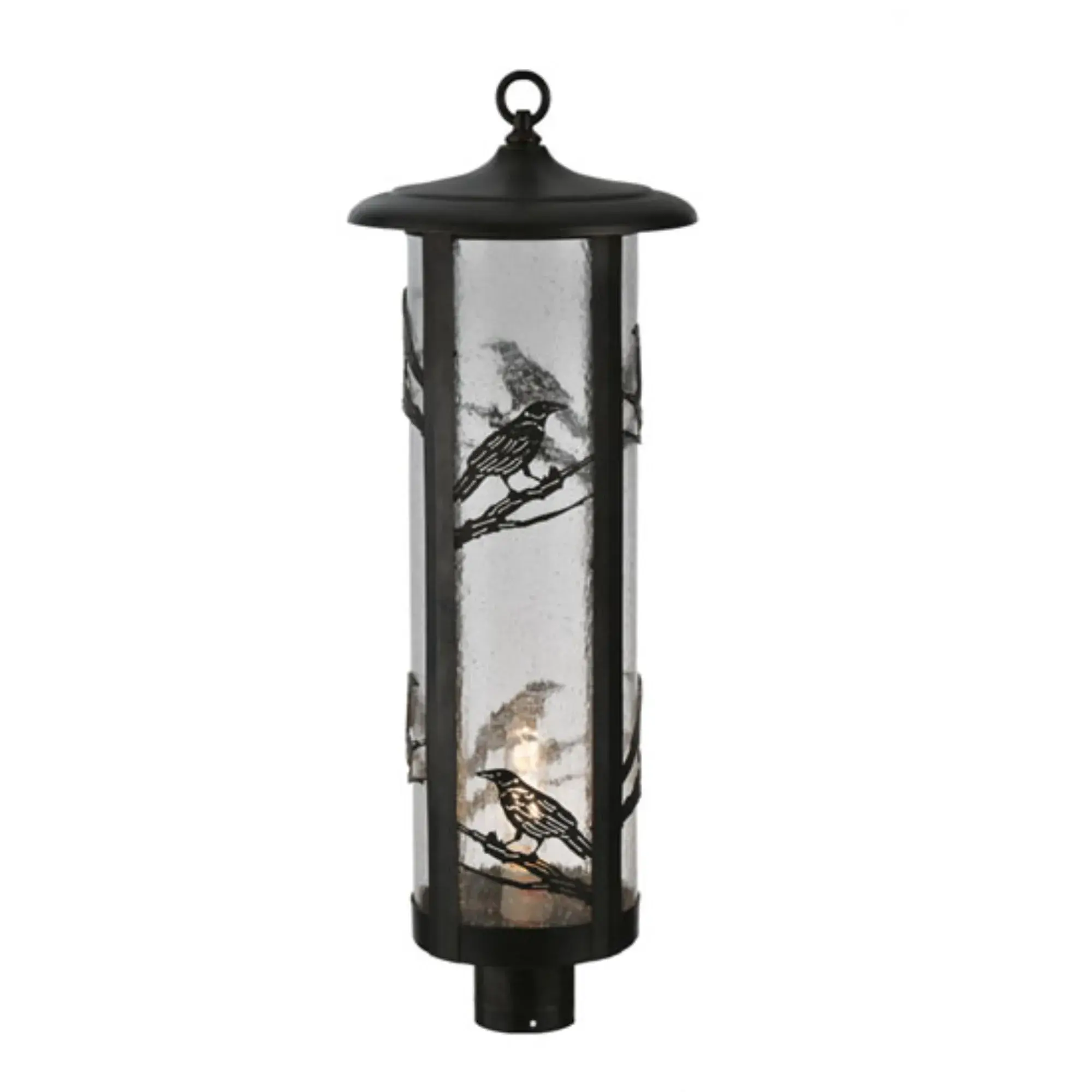
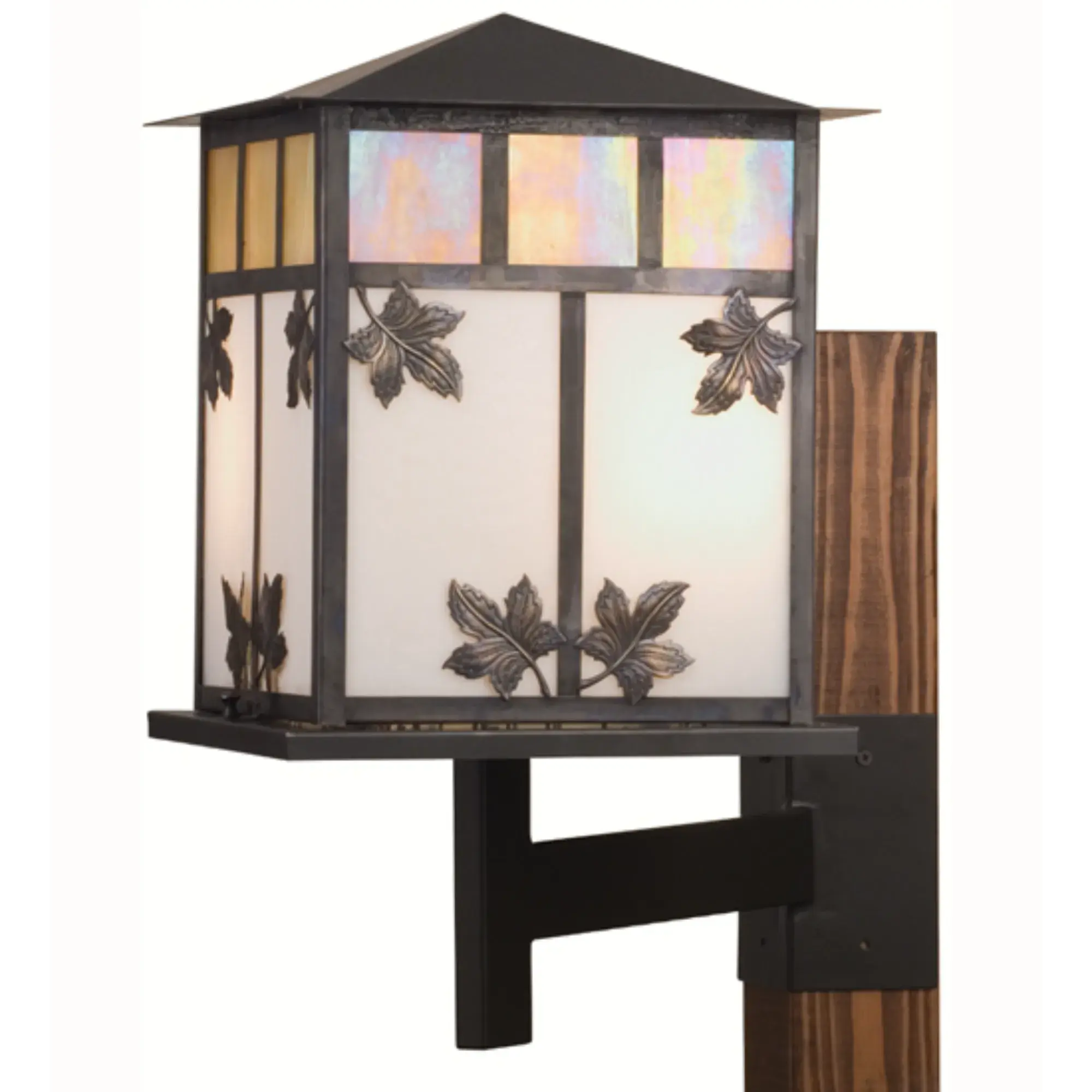
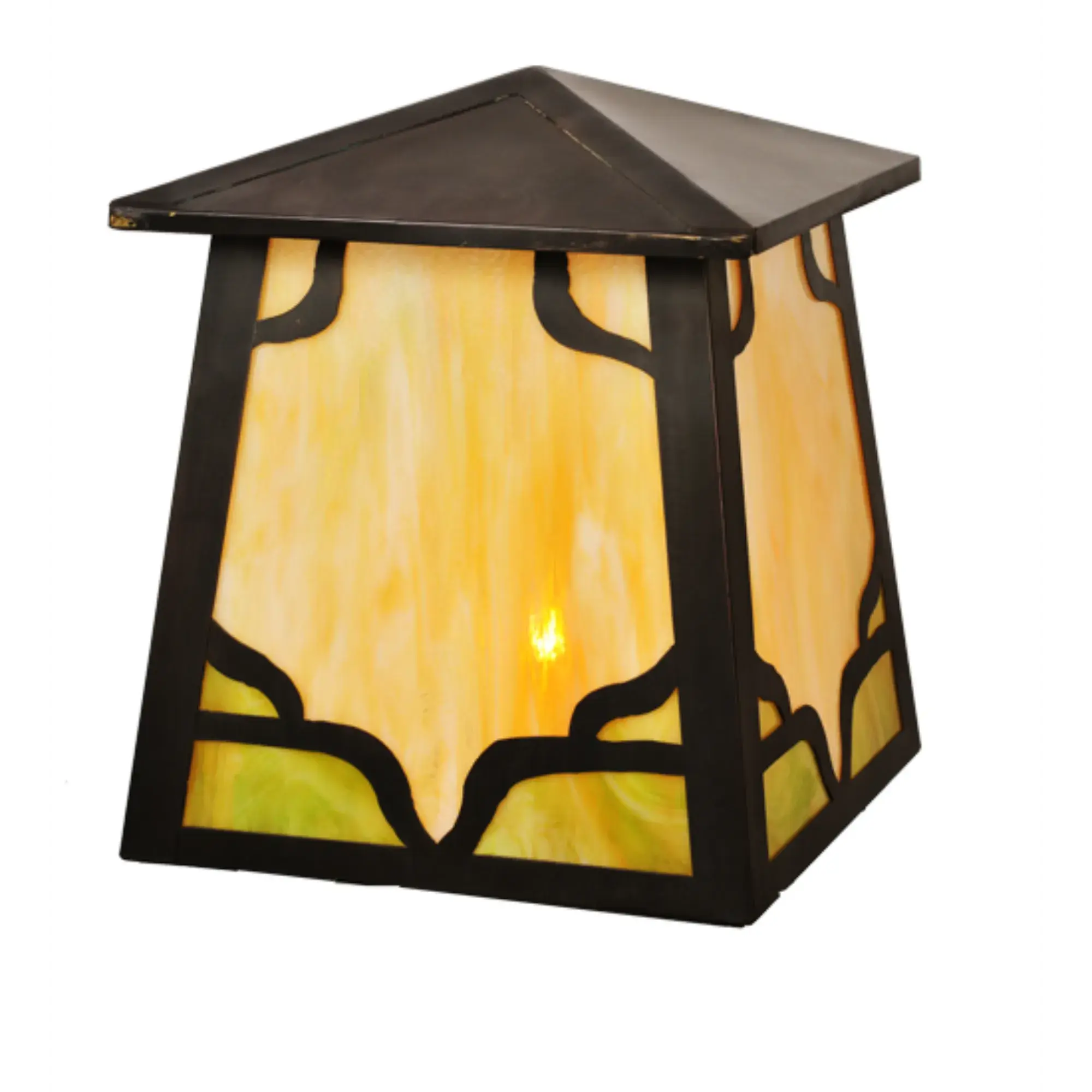
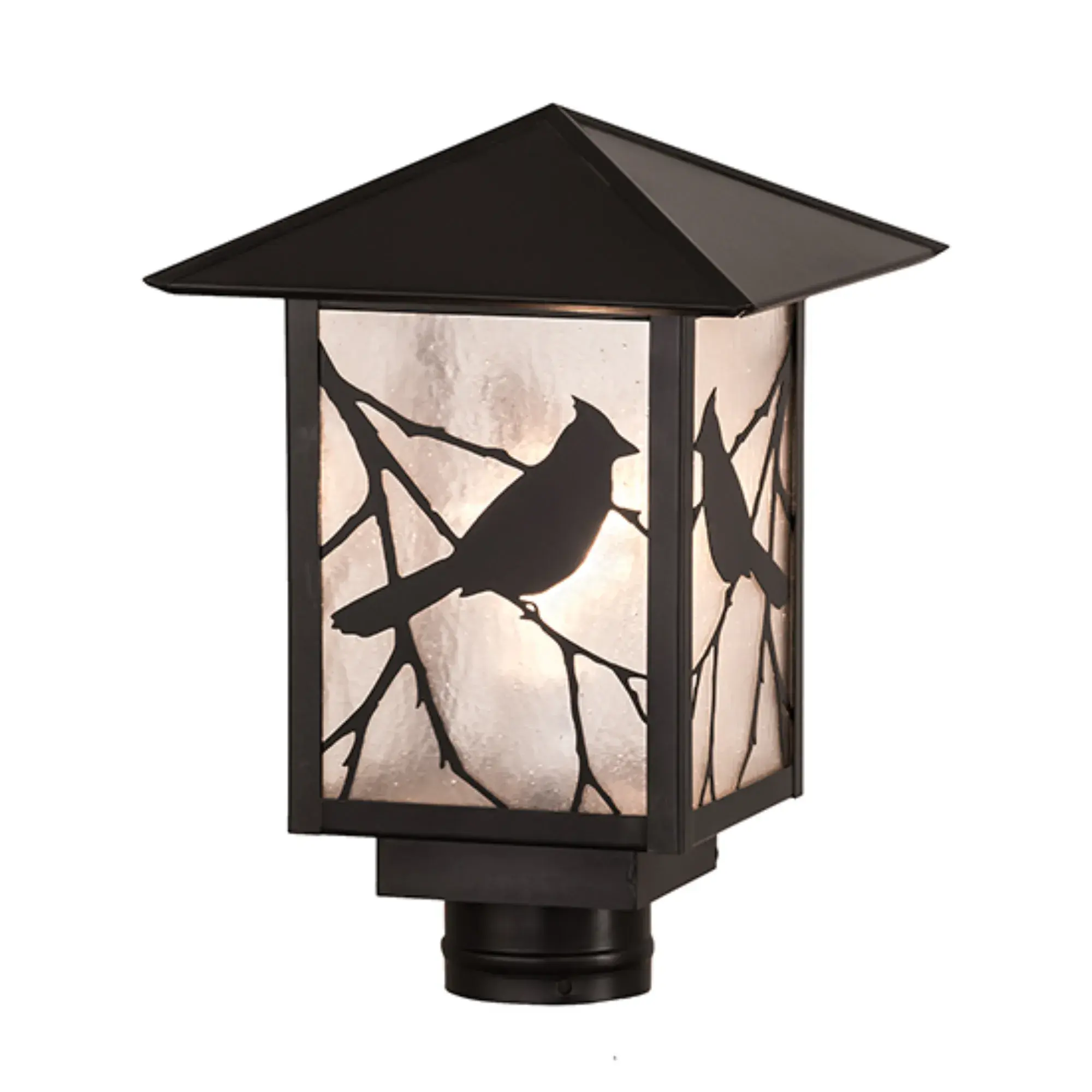
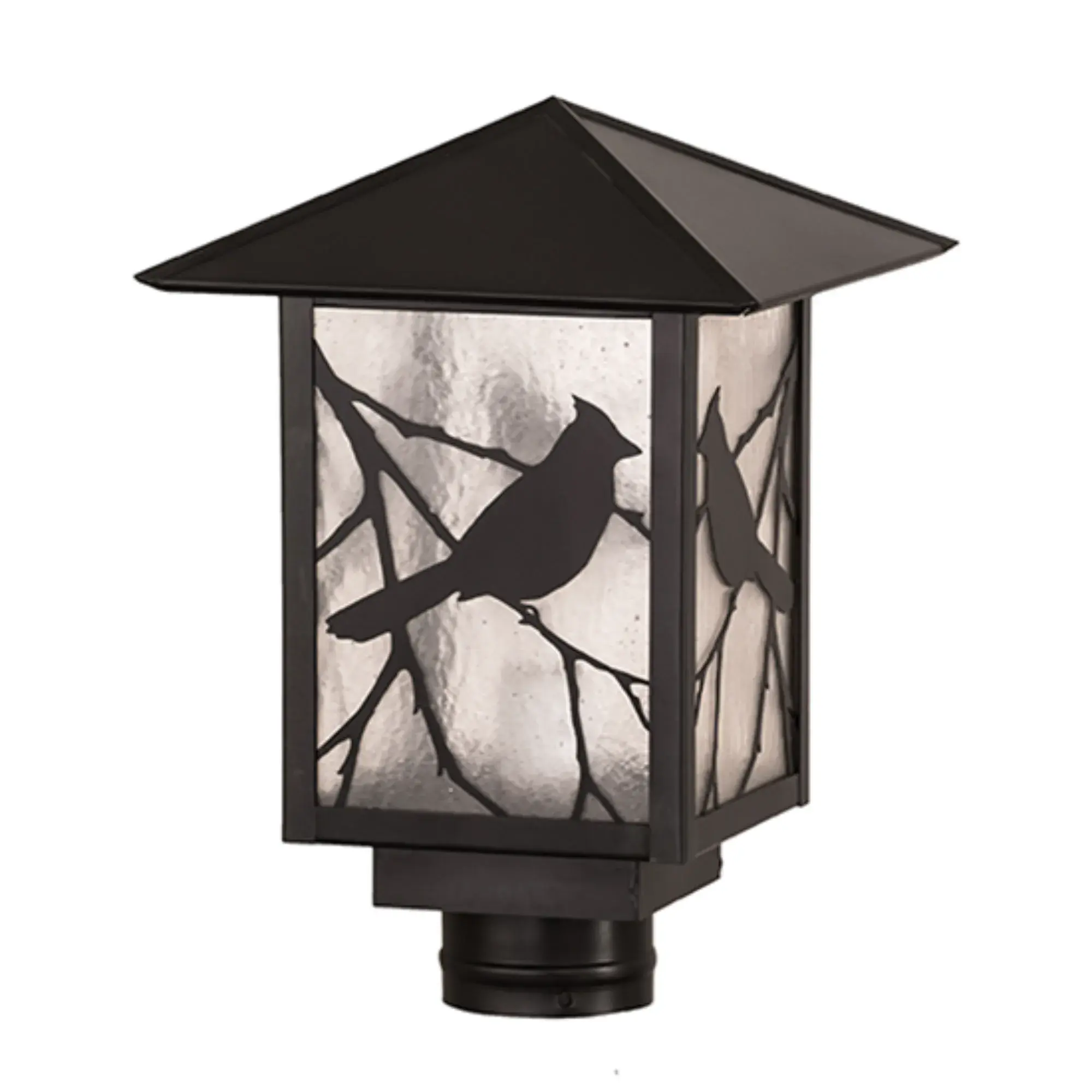
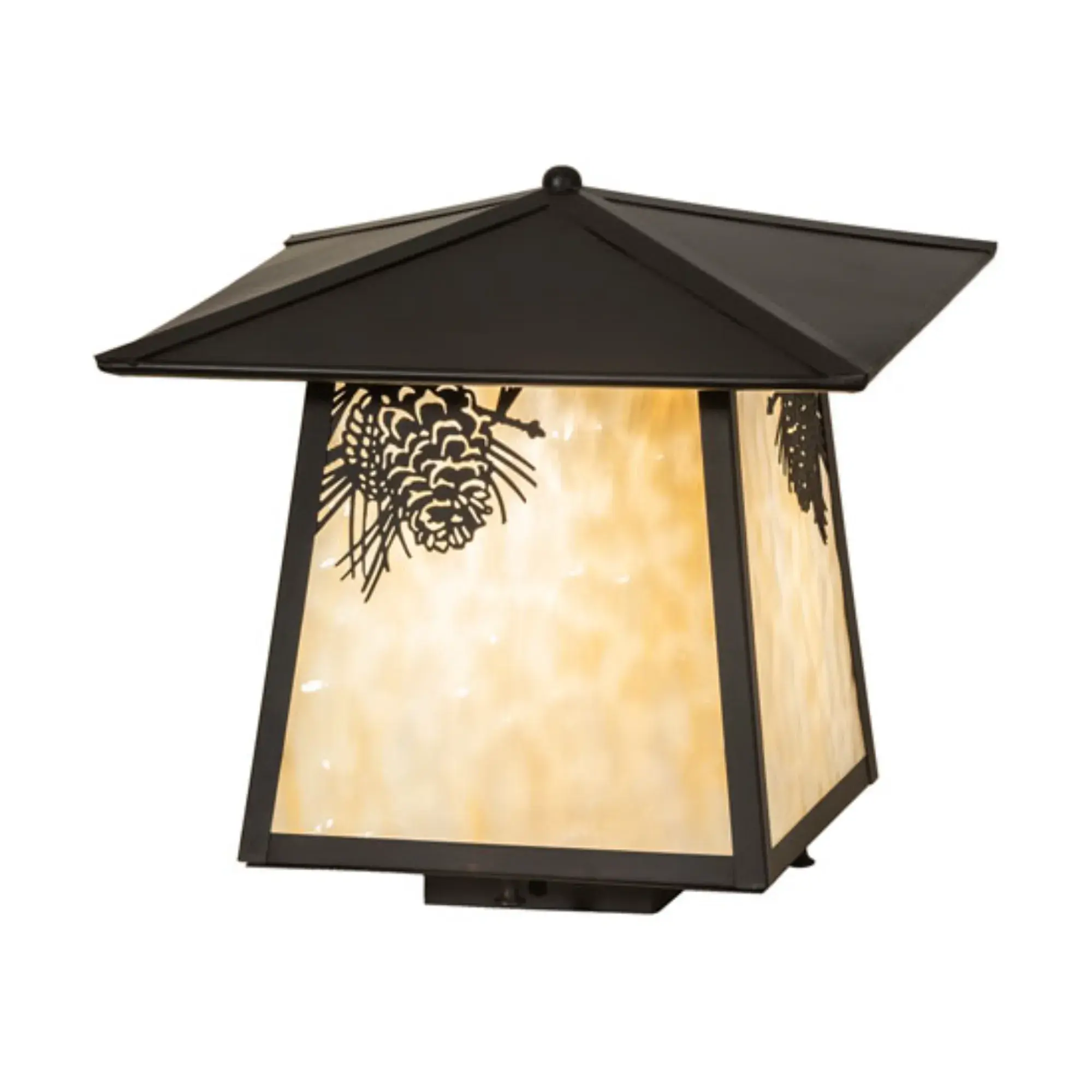
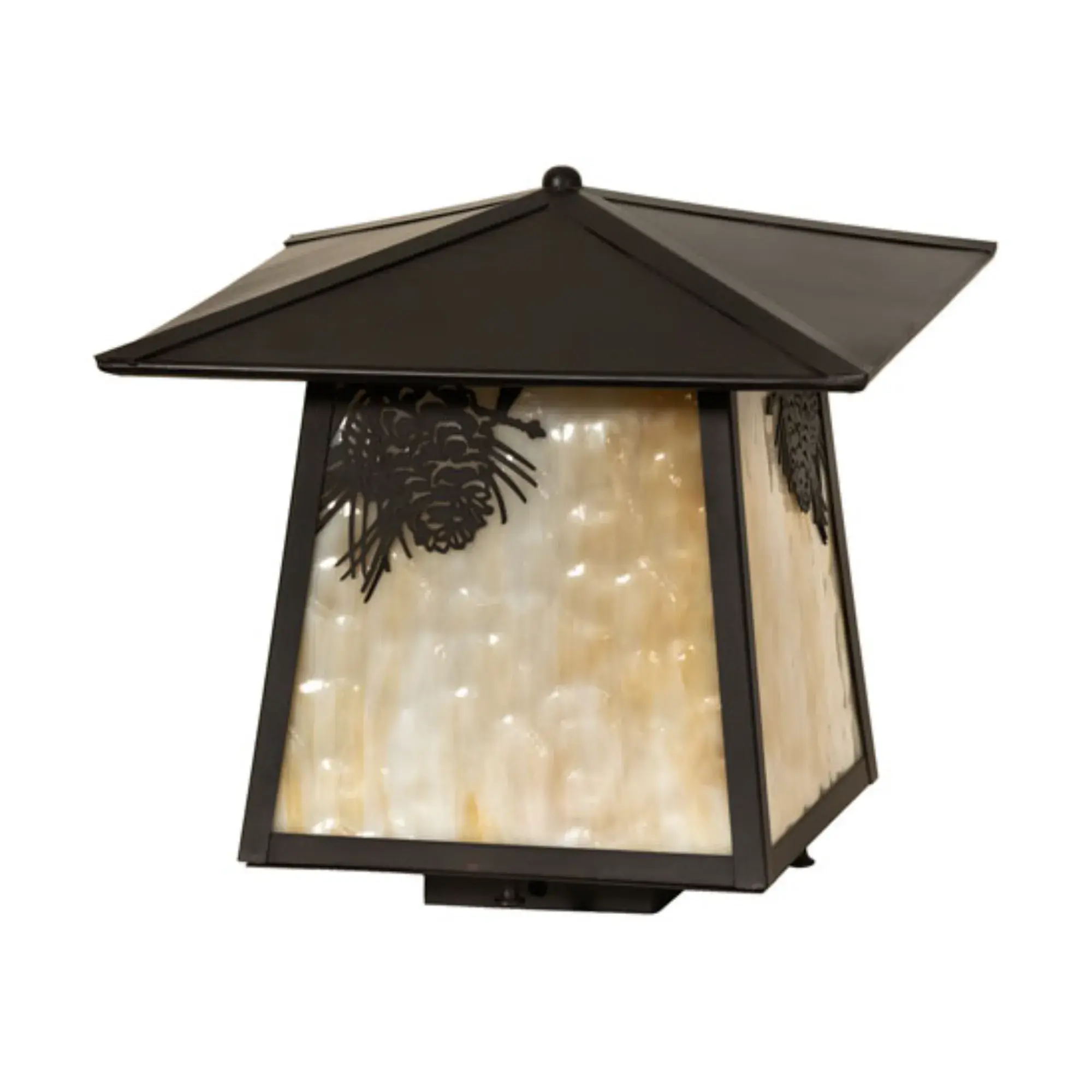
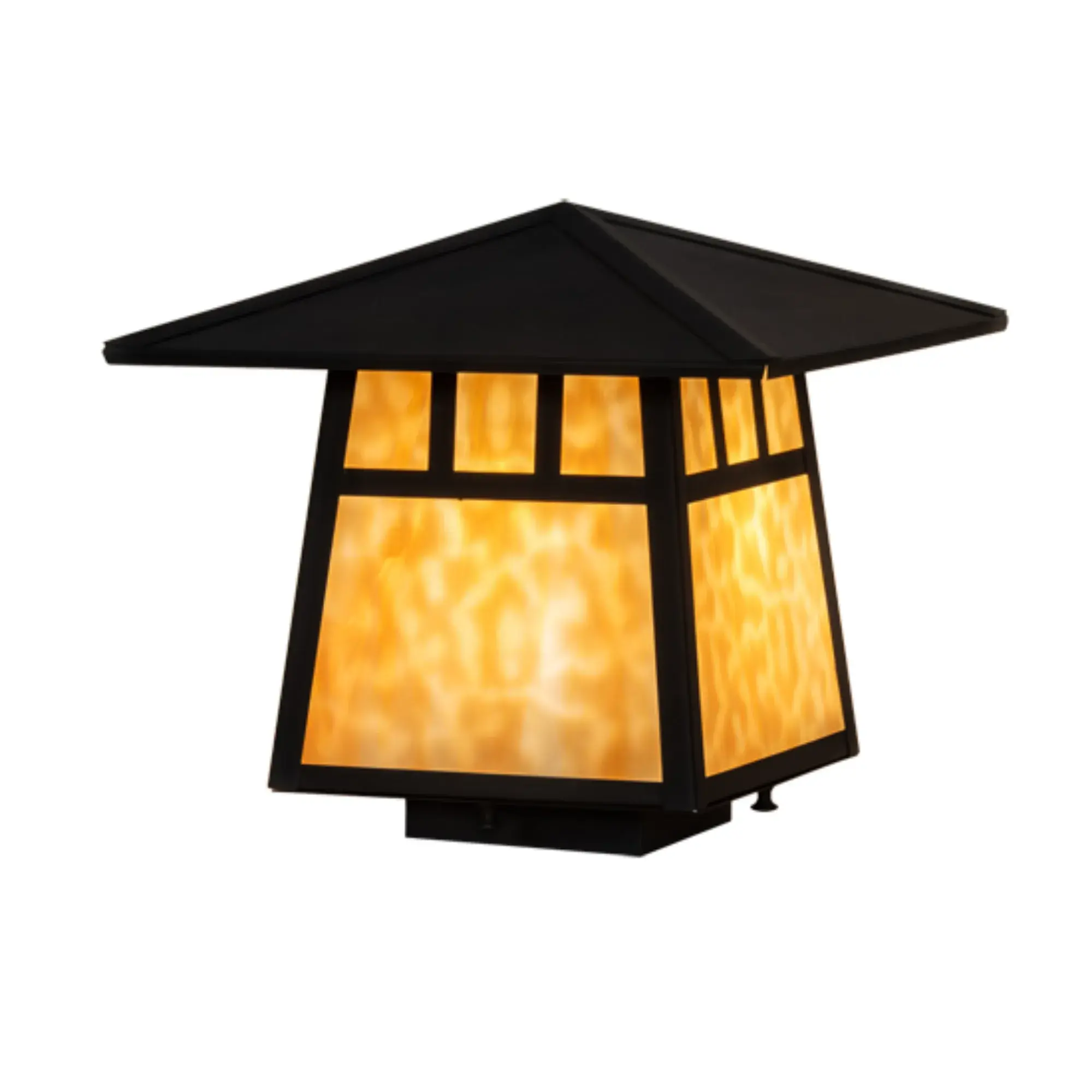
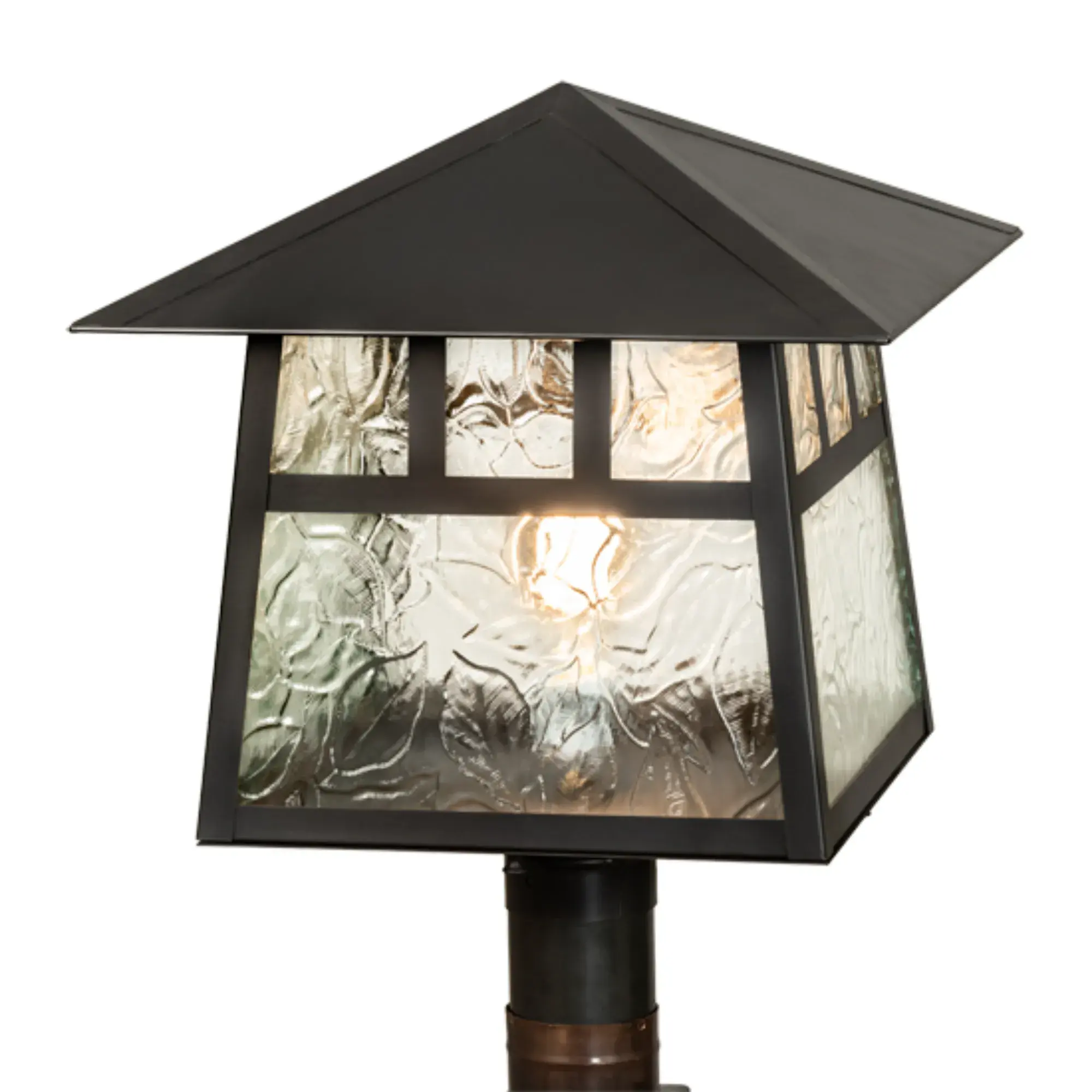
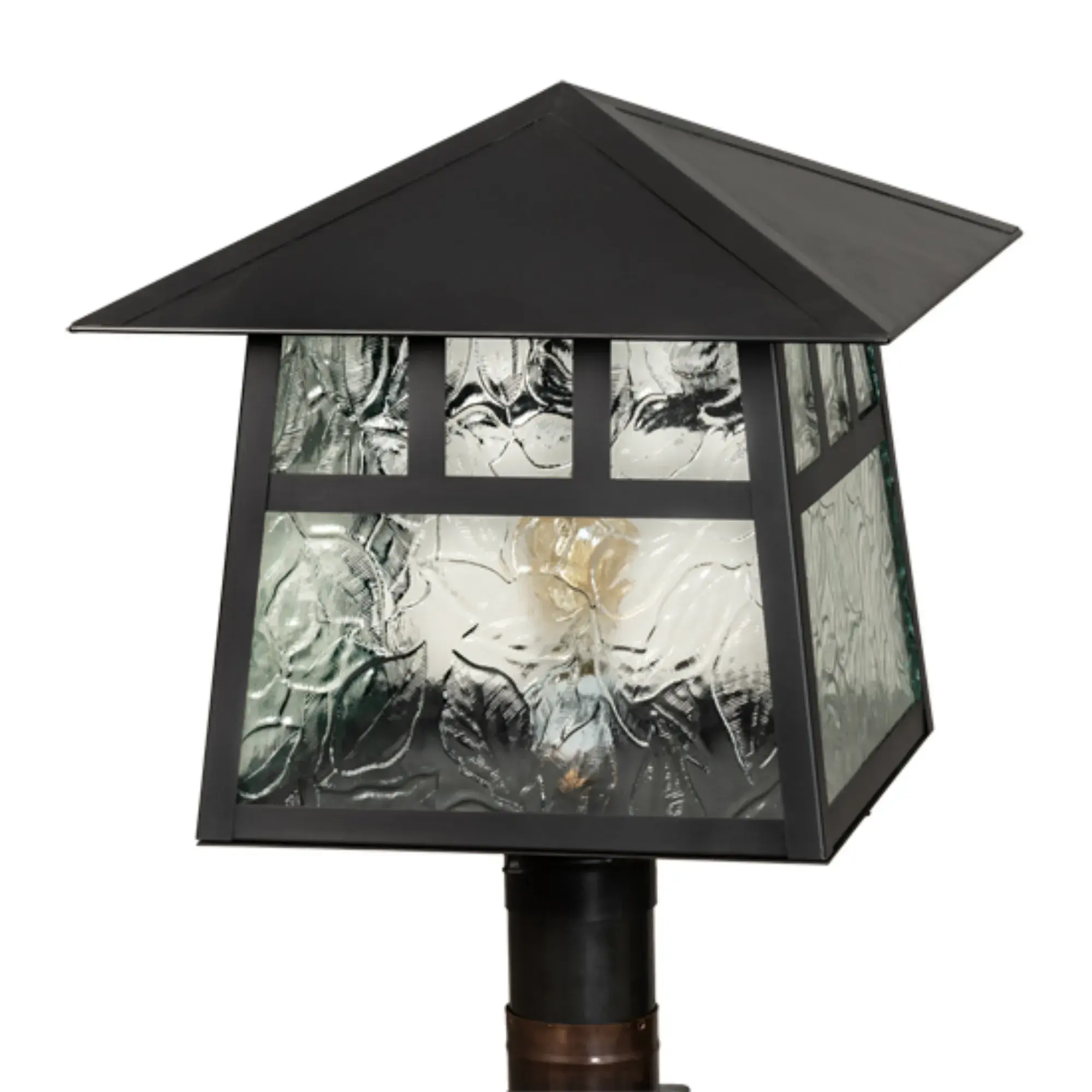
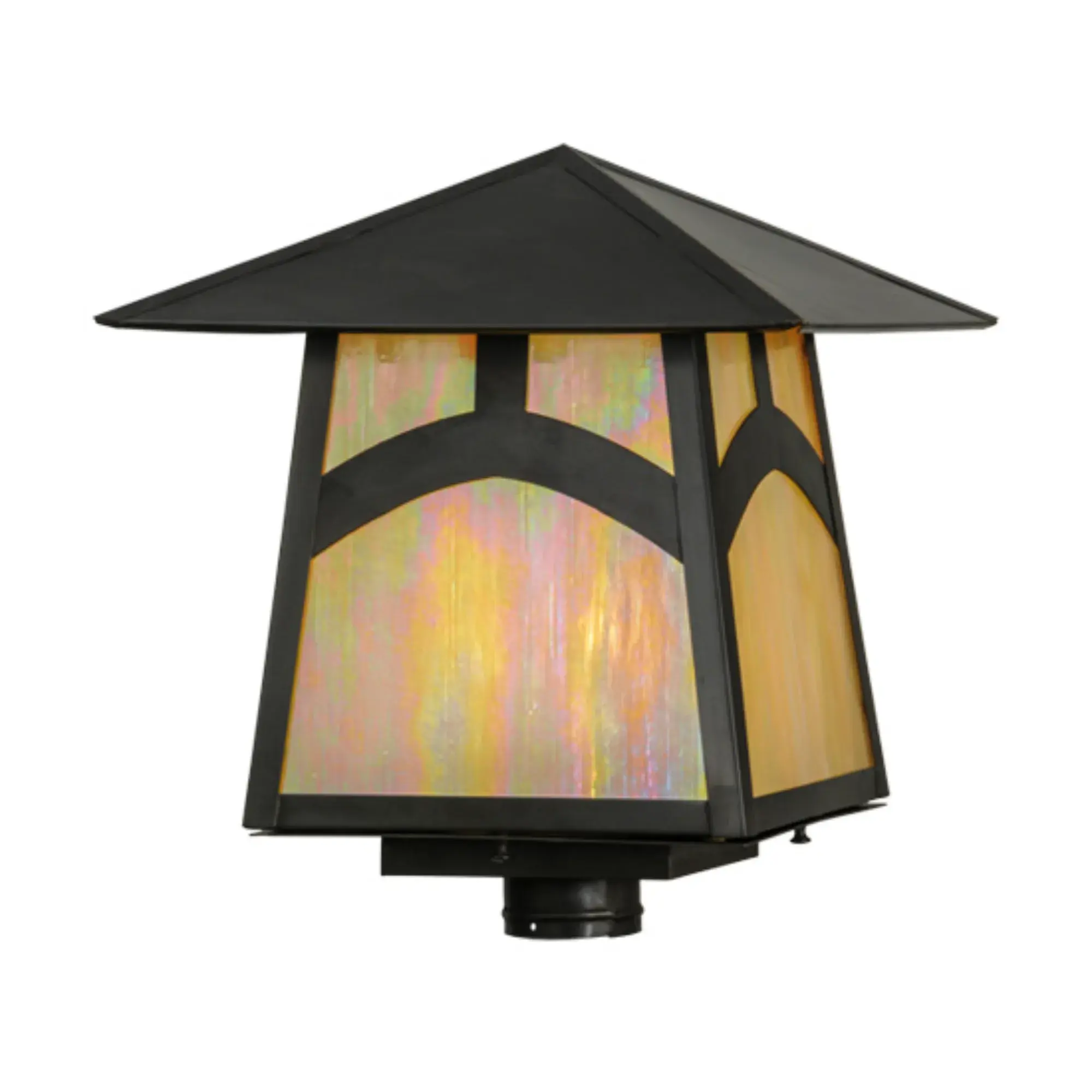
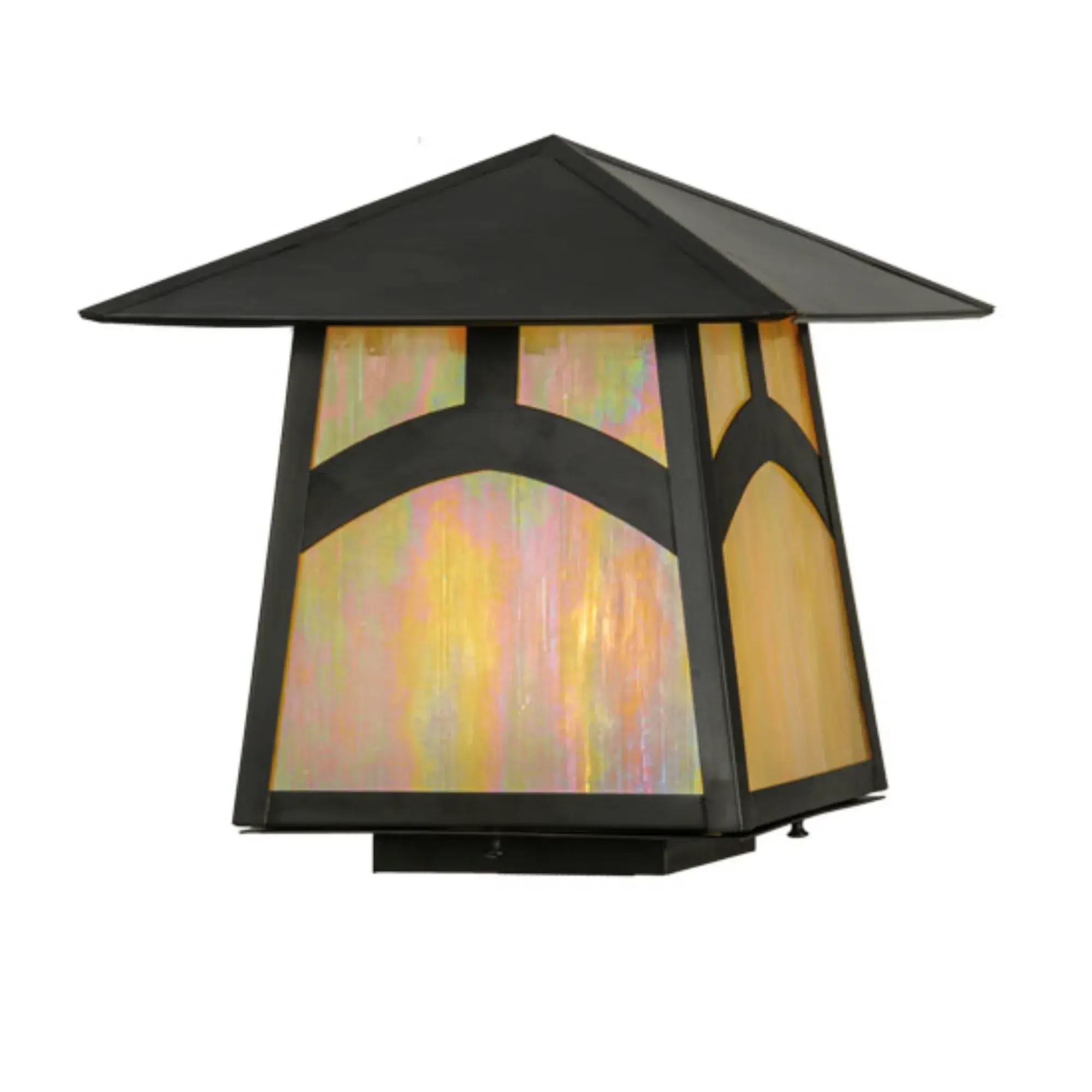
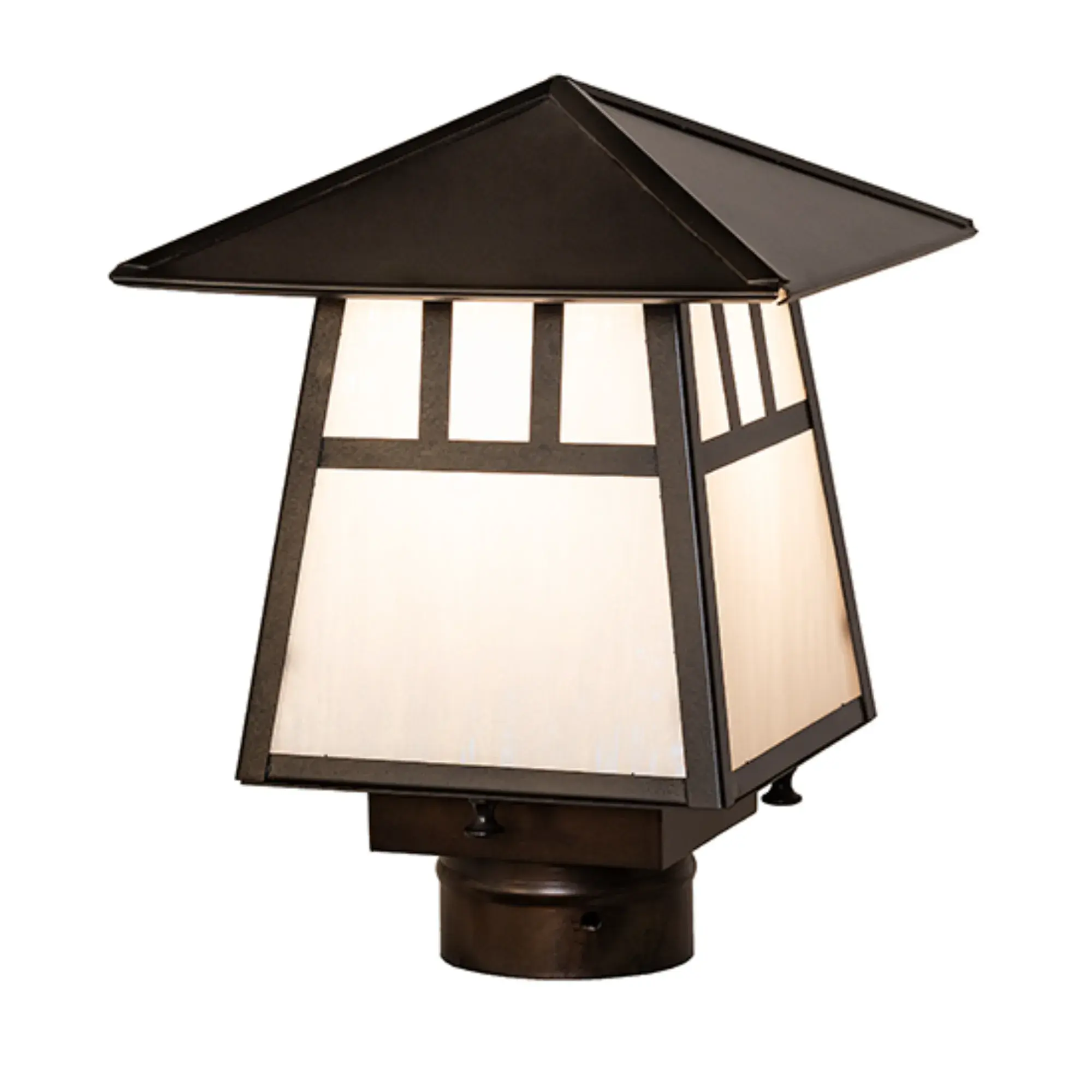
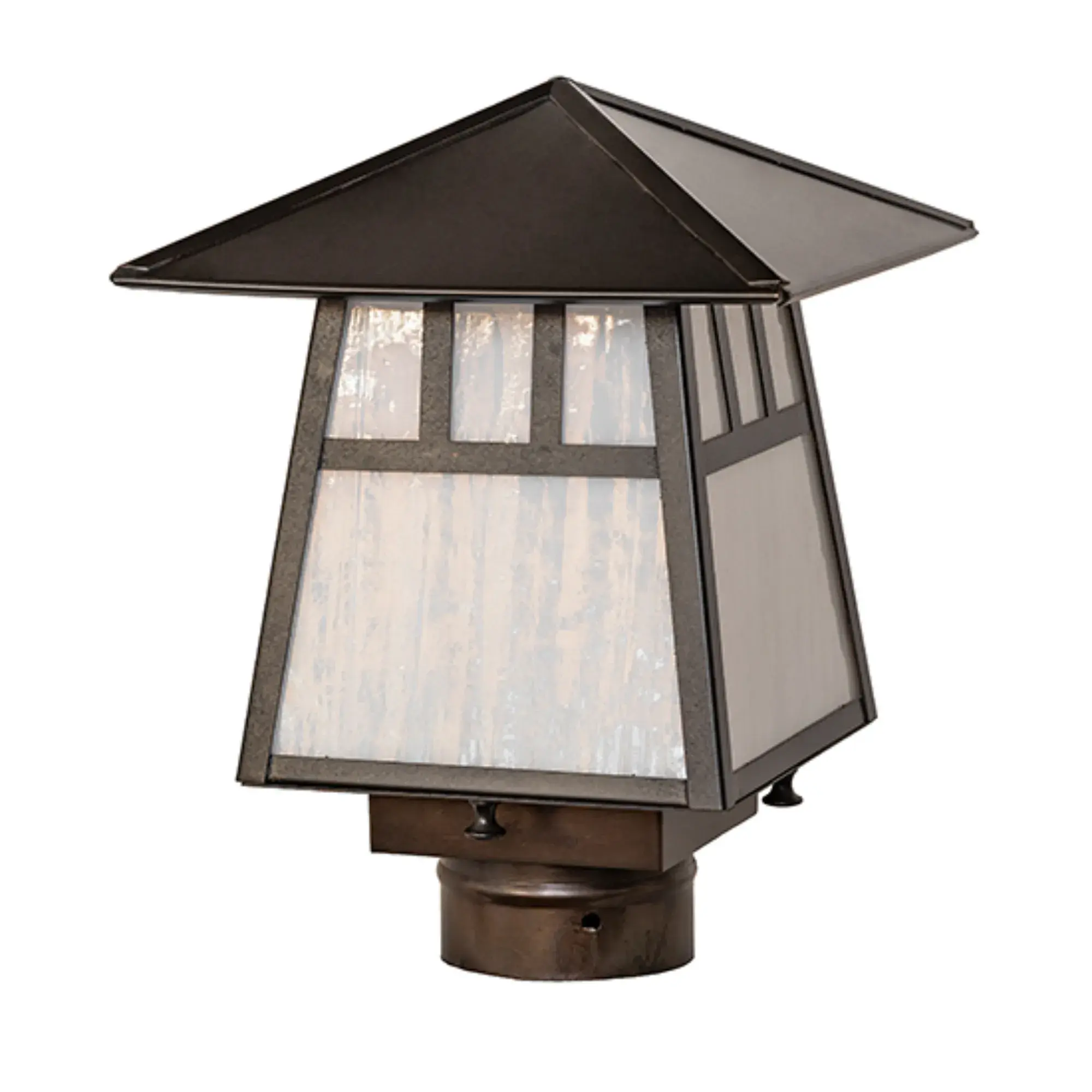
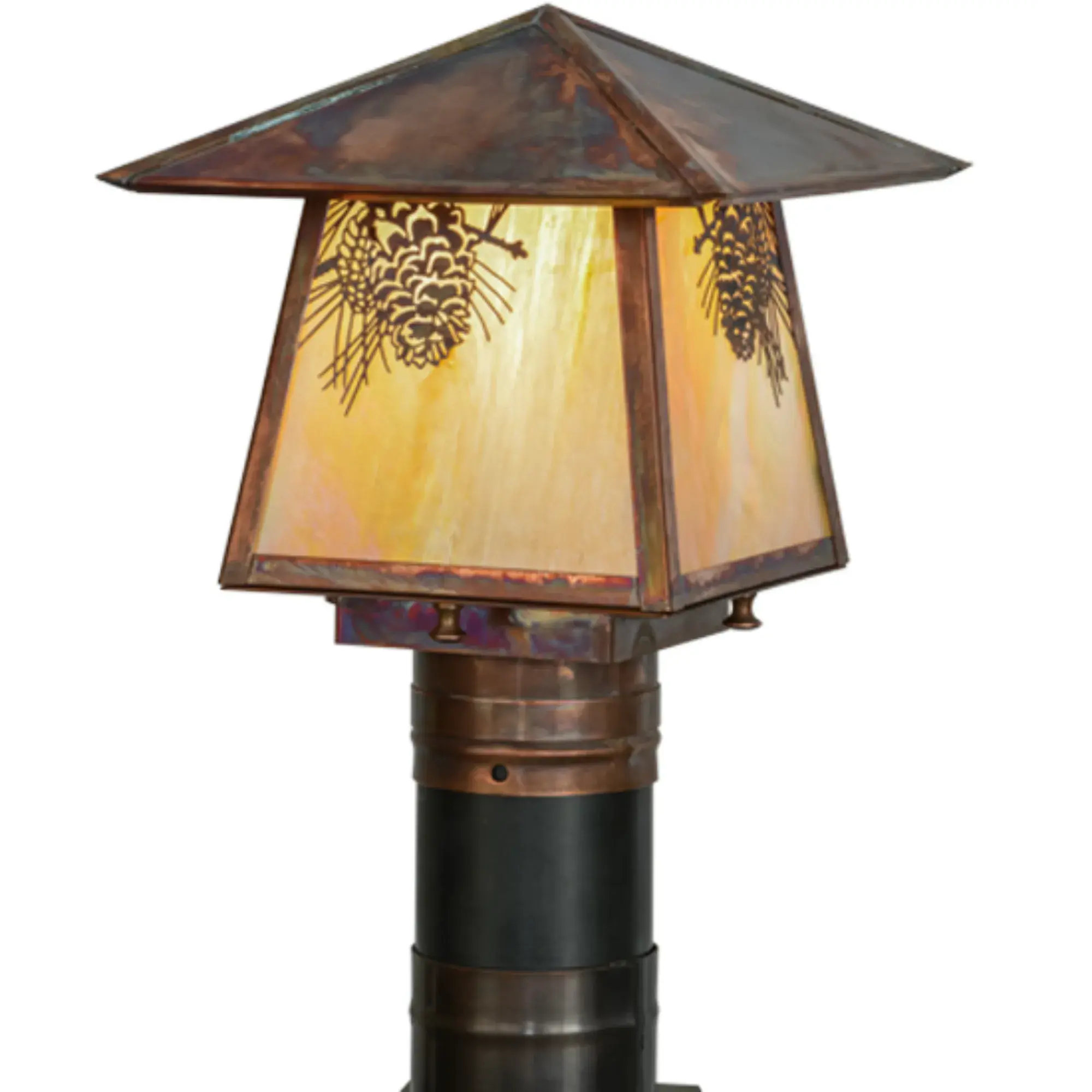
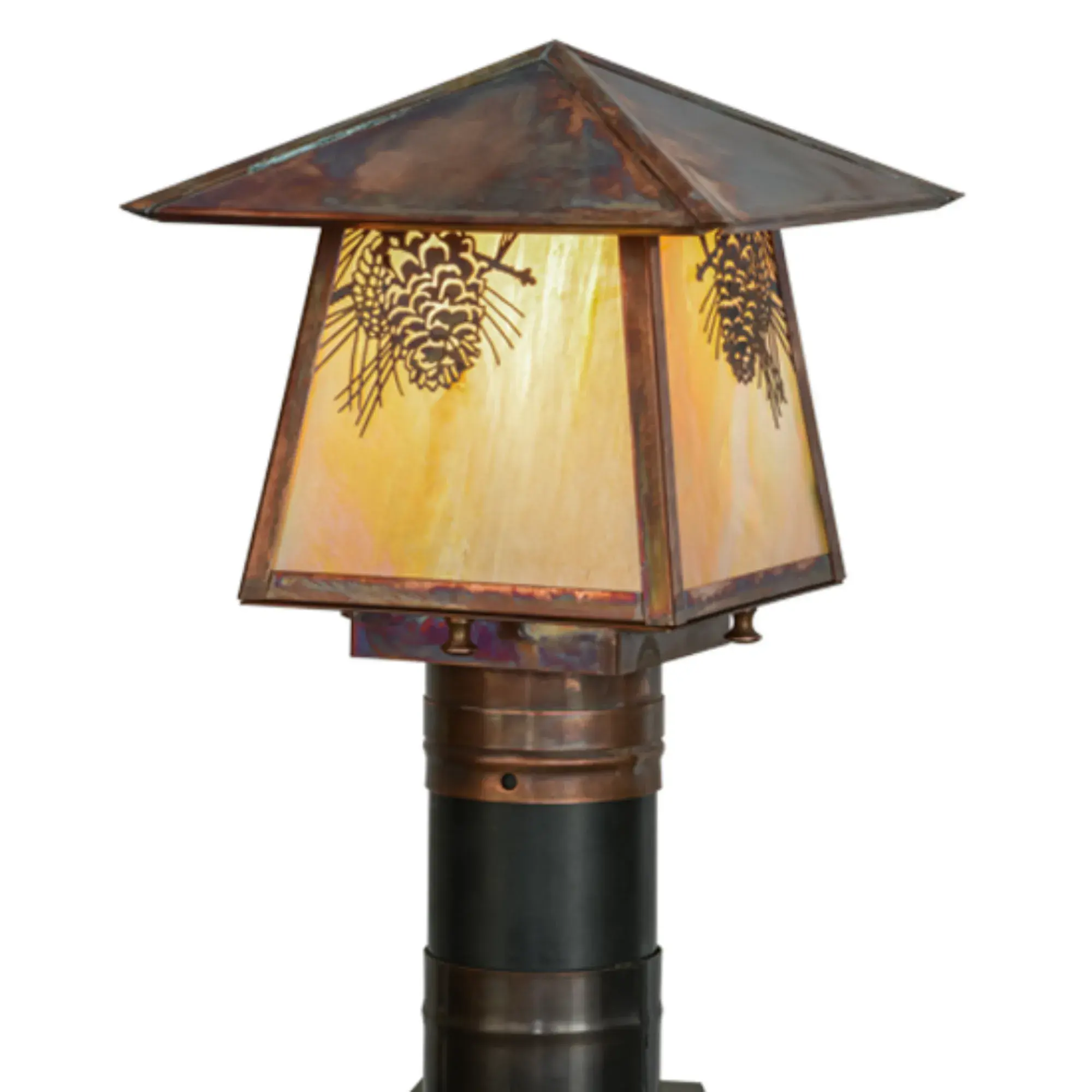
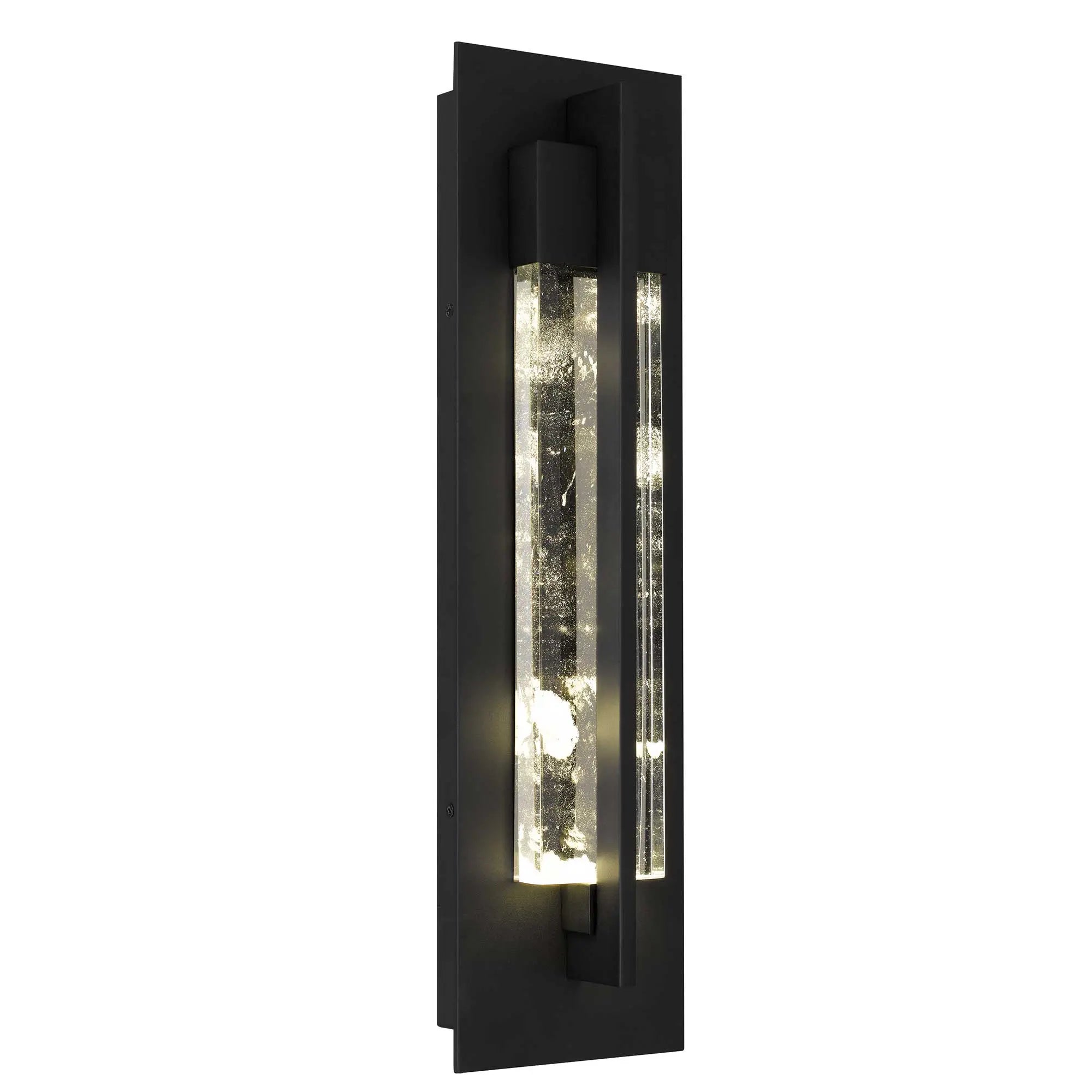
What works: Wall-mounted sconces by the door, post lights at the edges of the patio, low-voltage path lights along walkways, dimmable string lights overhead.
The mistake people make: Skipping ambient and relying only on a single overhead floodlight. That makes the patio feel like a parking lot. Multiple low-output sources beat one high-output source every time.
Layer 2: Task
Brighter, more focused light over the spots you actually do things — the grill, the dining table, the prep counter, the steps down to the lawn.

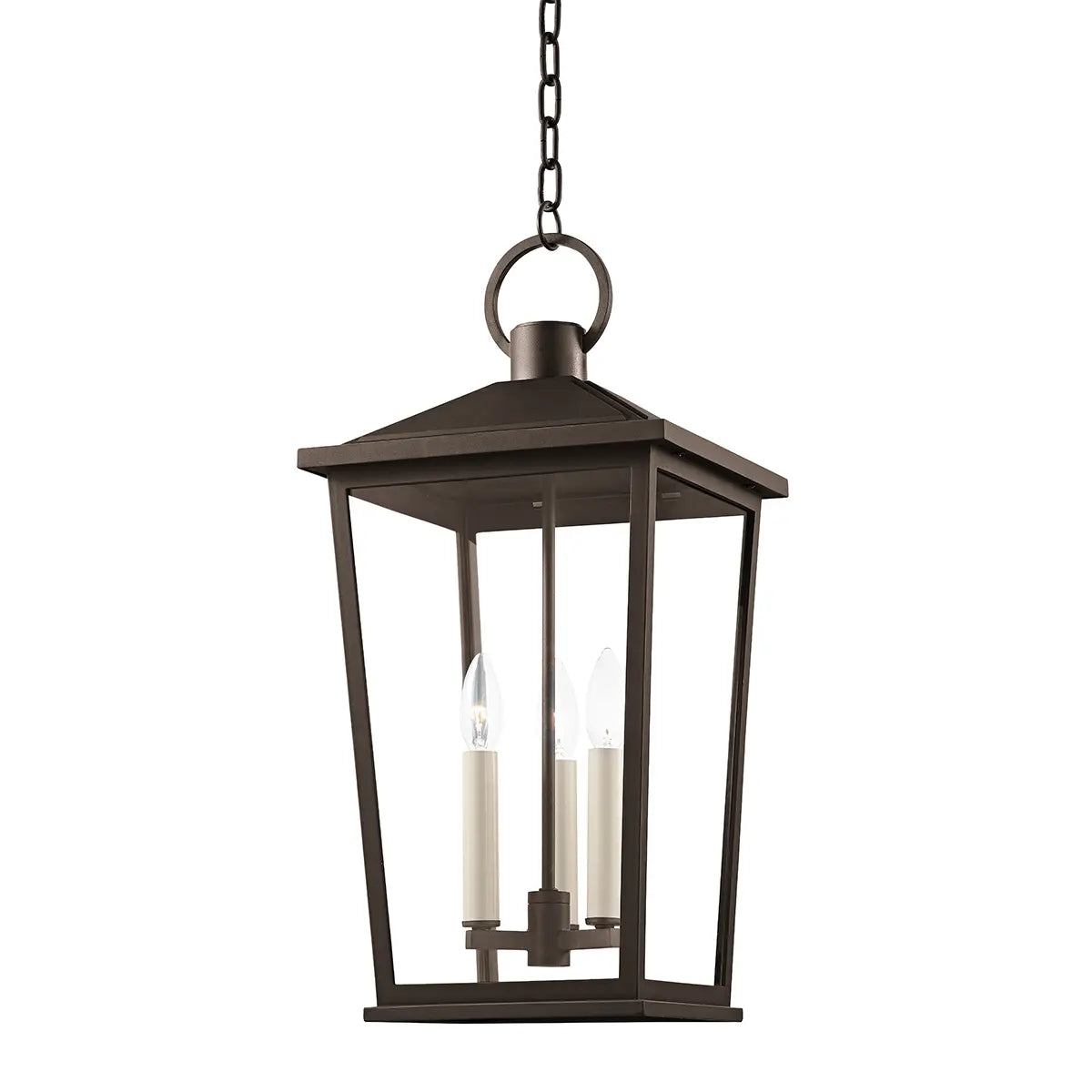
What works: Pendant lights over the dining table (hung 30–36" above the surface), under-counter LED strips at the outdoor kitchen, downlights mounted in a pergola or roof overhang, brighter step lights on stairs.
The principle: Task light is brighter than ambient, but only where you need it. The grill area should be well-lit; the conversation area shouldn't be.
Layer 3: Accent
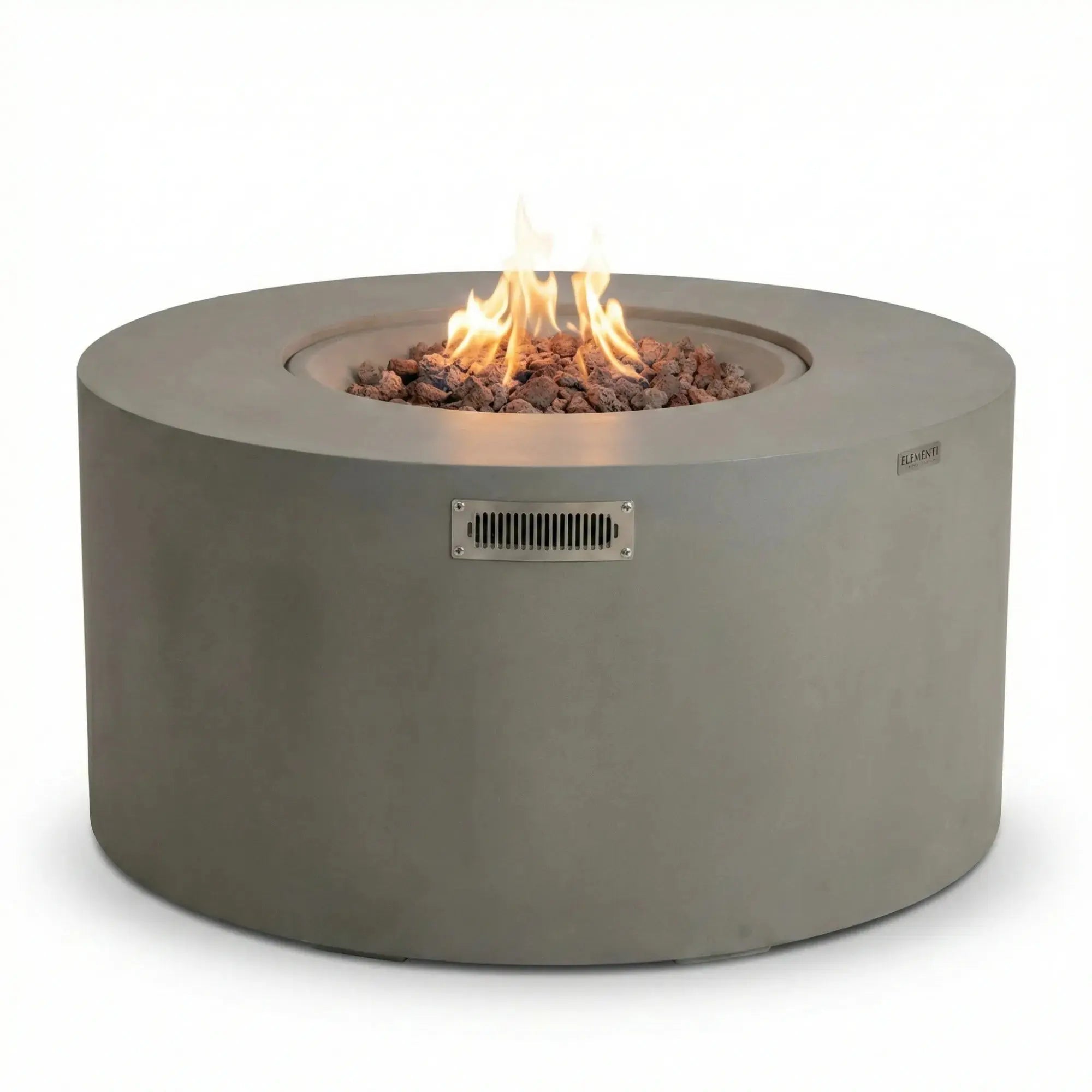
Decorative or directional lighting that adds depth and atmosphere — uplighting on a tree, lights inside a pergola structure, candles or fire features, glowing pots or bollards along a planting bed.

What works: In-ground uplights on architectural trees, low bollards along plantings, deck lights set into railings, fire pit (yes, fire is a light source), candles in lanterns.
The role: Accent layer is what makes a patio feel designed instead of utilitarian. It's also the layer most people skip — and the absence is what makes a "nice" patio feel "fine."
Color temperature — get this right
Color temperature is measured in Kelvin (K). Lower numbers are warmer (yellow-orange); higher numbers are cooler (blue-white). For outdoor patios, almost always go warm:
- 2200–2700K (warm white): What you want for residential patios. Looks like incandescent or candlelight. Flattering, relaxed, draws people in.
- 3000K (soft white): Acceptable for task areas where you need more visibility. Slightly less cozy.
- 4000K+ (cool white / daylight): Avoid for residential outdoor use. This is parking-lot lighting. Looks clinical and uninviting.

If you have a mix of fixtures already, check the bulb specs. A single cool-white bulb in a setup of warm-white fixtures will visually stick out and ruin the cohesion. Match your bulbs.
Dimmers — non-negotiable
The single biggest improvement you can make to outdoor lighting is putting it on dimmers. The same fixture that's perfect for dinner at 100% looks completely wrong for late-night conversation at 100%. Dimmers let one fixture do multiple jobs.
Modern smart dimmers (Lutron Caseta, Leviton Decora Smart) work with low-voltage outdoor lighting and let you set scenes — "dinner," "late night," "off" — on a phone or wall switch. Worth the small premium.
Power: low-voltage vs. line-voltage vs. solar
Low-voltage (12V)
The standard for landscape and patio lighting. A transformer steps household power down to 12V; thin cable runs to fixtures. Safe to install yourself, no electrician required for the fixtures themselves (though you do need an exterior outlet for the transformer). Easy to expand and rearrange.
Line-voltage (120V)
Standard household power, used for wall sconces, post lights, anything hardwired into the house. Requires an electrician for new circuits. More powerful, harder to change later.
Solar
The convenient option for path lights and small accent fixtures. The catch: brightness varies by season and weather, and the lithium batteries inside die after 2–3 years and aren't worth replacing. Treat solar as semi-disposable, not as a permanent install.
Common mistakes

- Over-lighting. More light isn't better light. Patios should feel softly lit, not floodlit. Aim for "see your feet" not "read a book."
- Mounting fixtures too high. Patio sconces work best mounted 60–66 inches off the ground, not at 8 feet. Pendants over a table should be 30–36" above the surface, not at ceiling height.
- Cheap string lights with no plan. A single string of café lights strung in a straight line looks lazy. Crisscross at angles, span between posts, frame a space. Lighting designers call this "drape."
- Forgetting the steps. Stair lighting is a safety thing more than a design thing. Recessed step lights are cheap and prevent injuries. Don't skip.
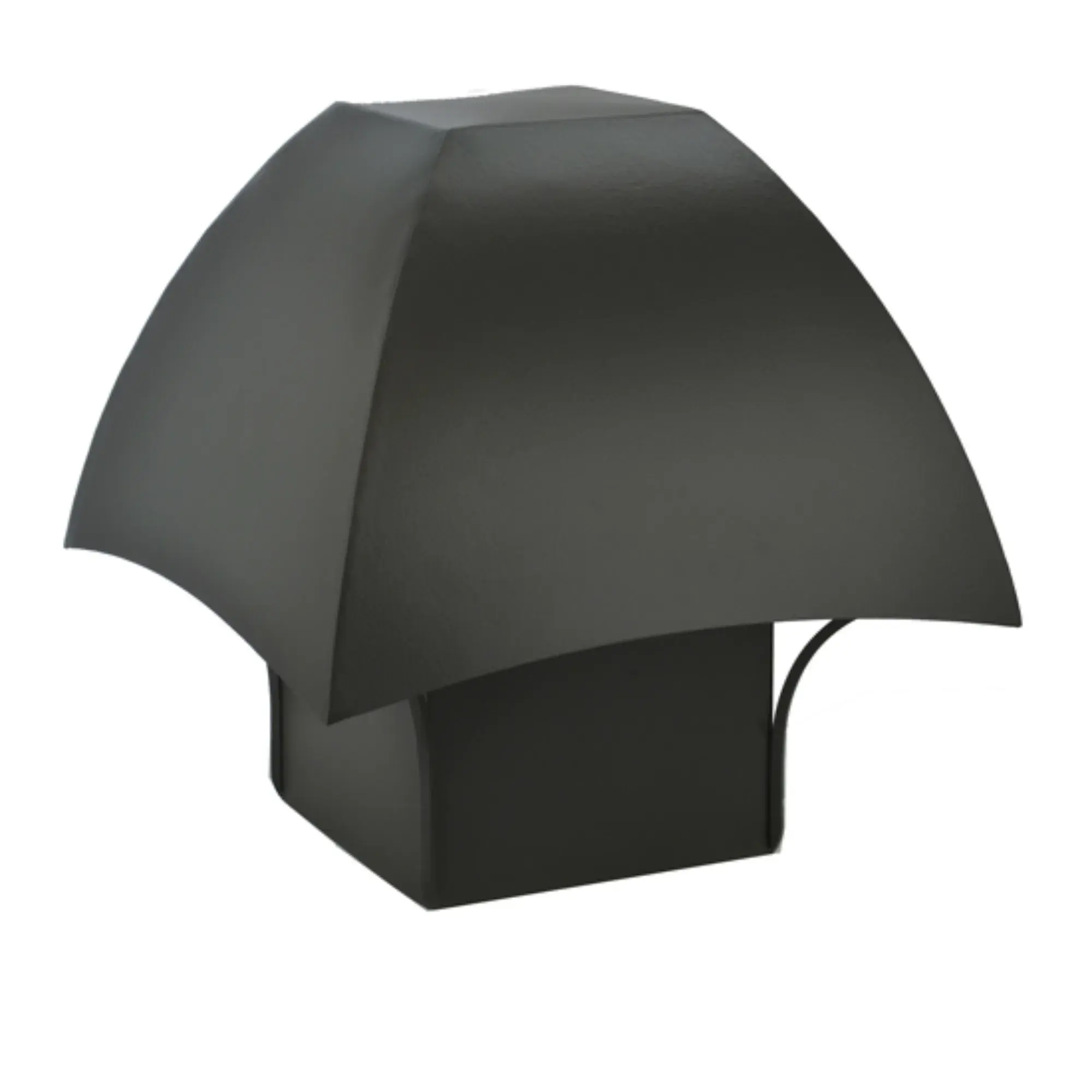
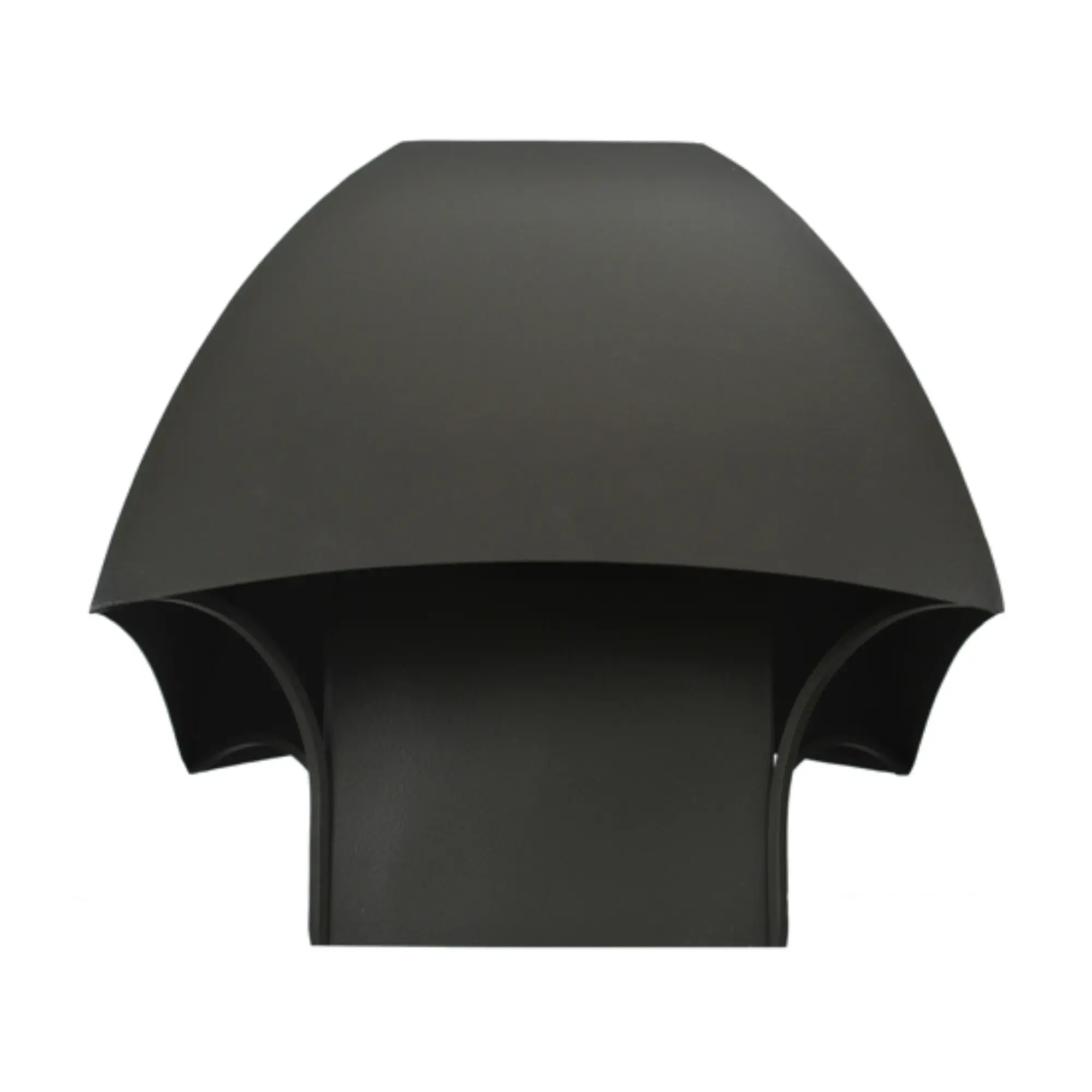
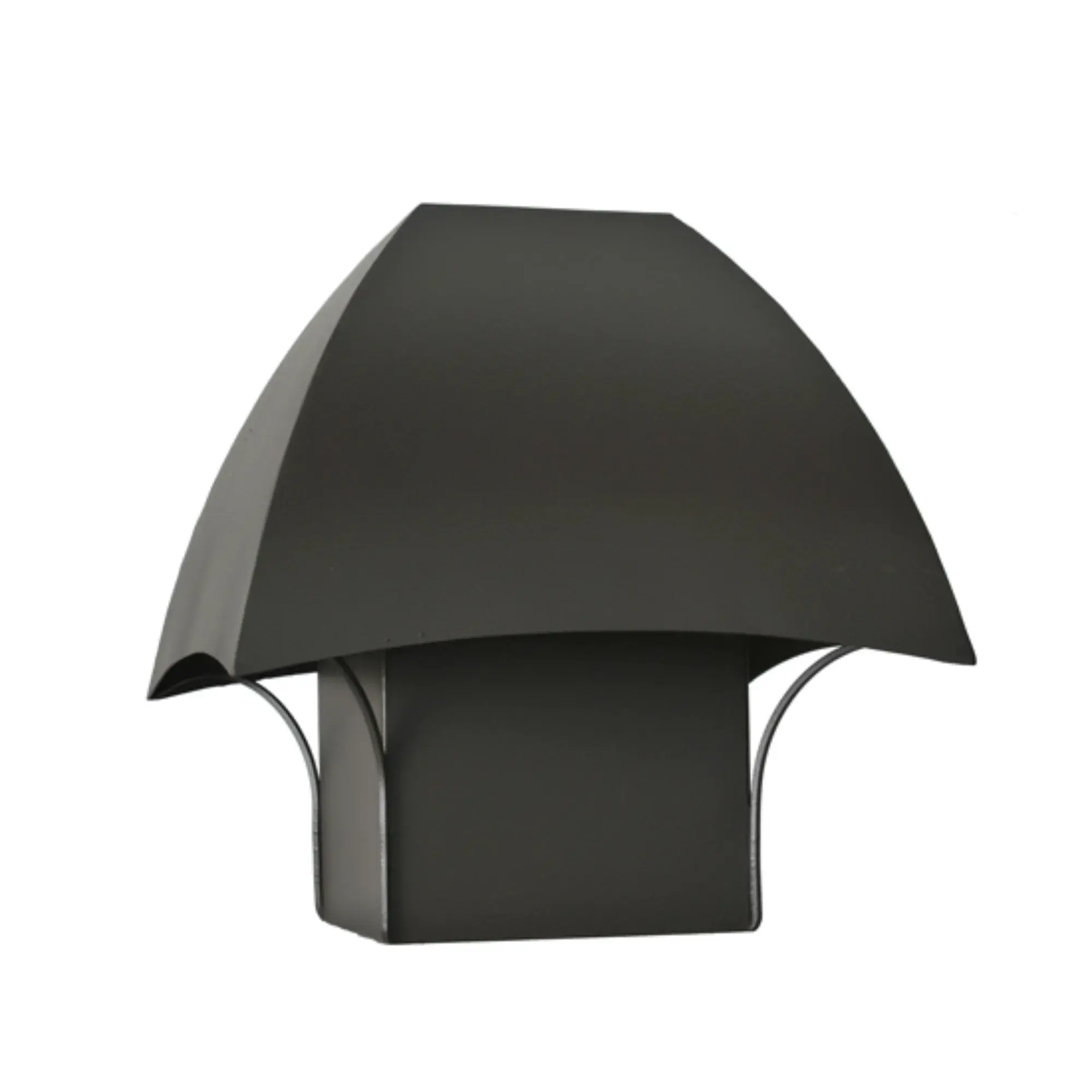
- No dark sky consideration. Outdoor light pollution affects neighbors and wildlife. Use shielded fixtures (light points down, not out) where possible.
Next step
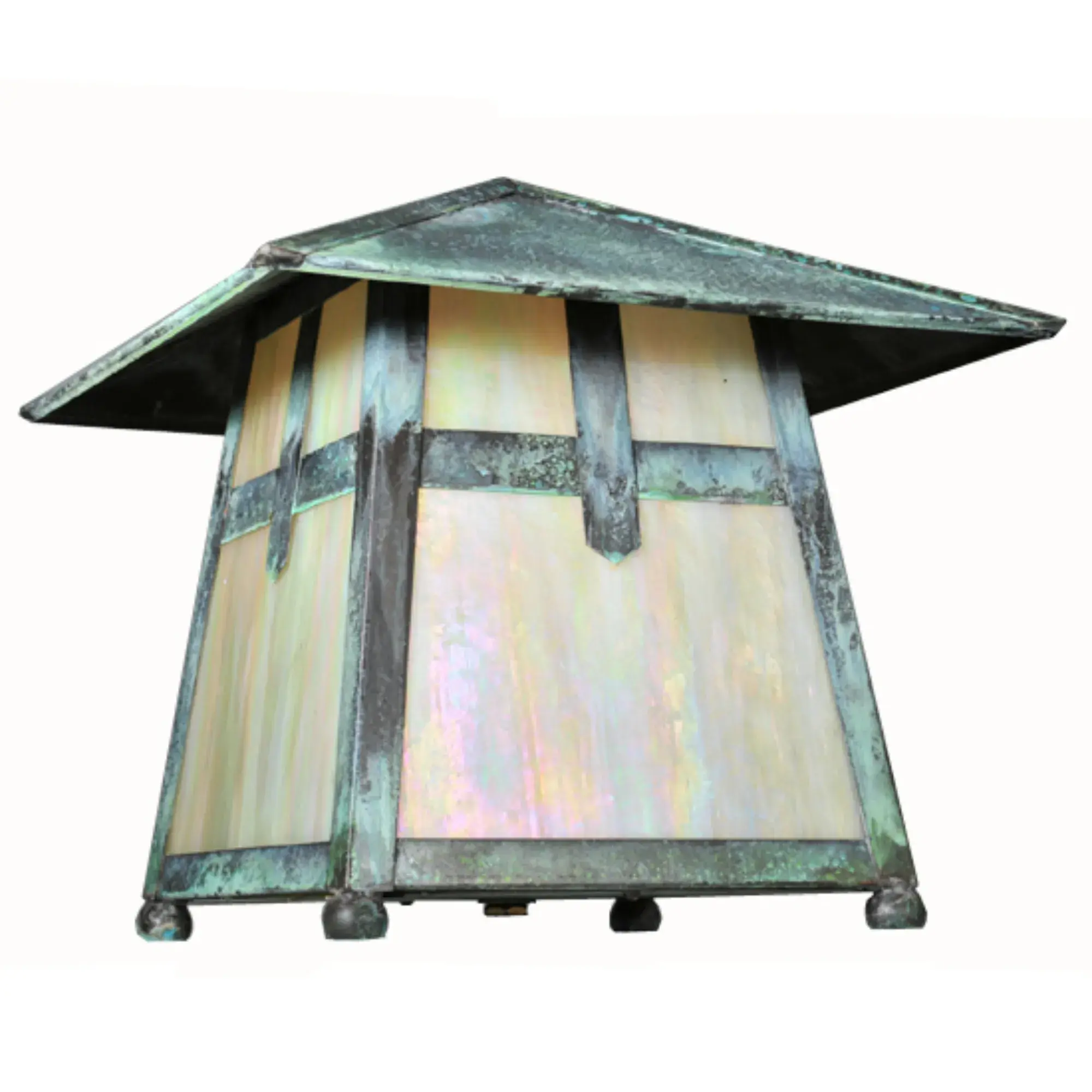
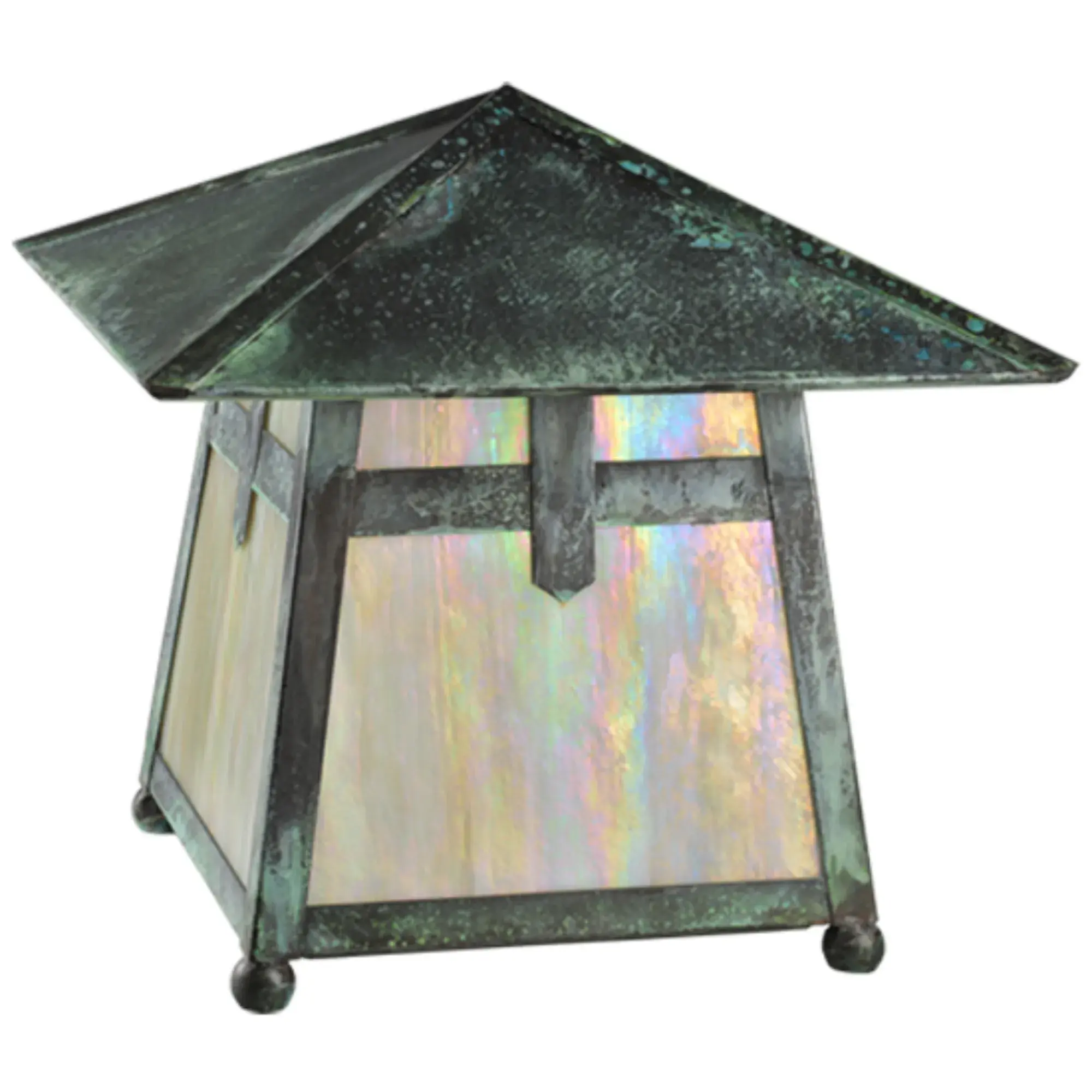
Start layering — explore wall lights, pendants, and post lights to build out your system.
Shop Outdoor Lighting Talk to a Specialist