Patio Heater vs Fire Pit: Which Fits Best?
A lot of outdoor spaces look great on paper until the temperature drops and nobody wants to sit outside. That is where the patio heater vs fire pit decision gets real. Both can extend your season, but they do it in very different ways, and the better choice usually comes down to how you use your patio, how your space is laid out, and what kind of experience you want people to have once they are there.
If you want the short version, patio heaters are usually better for consistent, directional warmth and cleaner operation. Fire pits tend to win on atmosphere, social appeal, and that natural gathering-point feel. But that simple answer leaves out the details that matter when you are making a higher-ticket purchase for a space you want to enjoy for years.
Patio heater vs fire pit: the real difference
The most useful way to compare these two is not just by heat output. It is by function. A patio heater is primarily a comfort tool. A fire pit is part heat source, part design feature, and part social anchor.
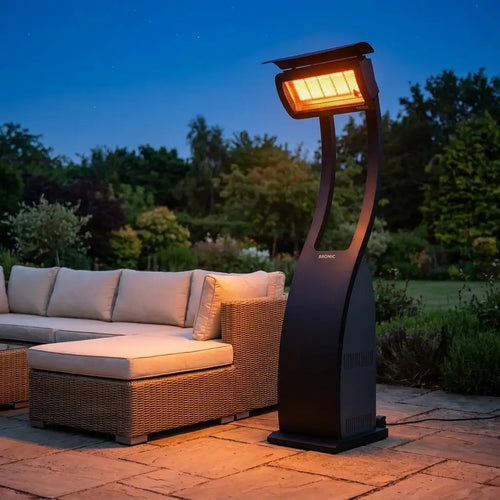
A patio heater pushes warmth outward in a more predictable way. Depending on the style, it may radiate heat over a dining table, lounge seating area, or poolside zone with less smoke, less cleanup, and less visual interruption. That makes it a strong fit for homeowners who want to entertain regularly and keep guests comfortable without much effort.
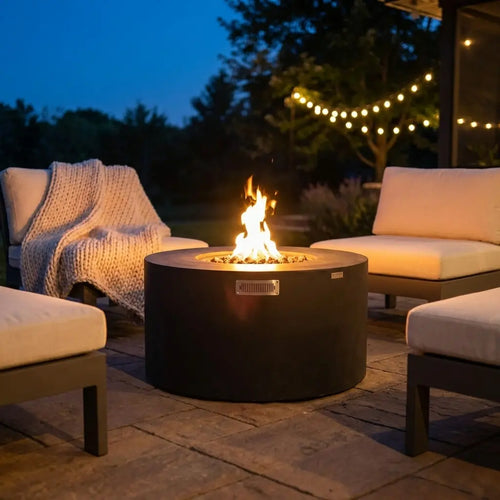
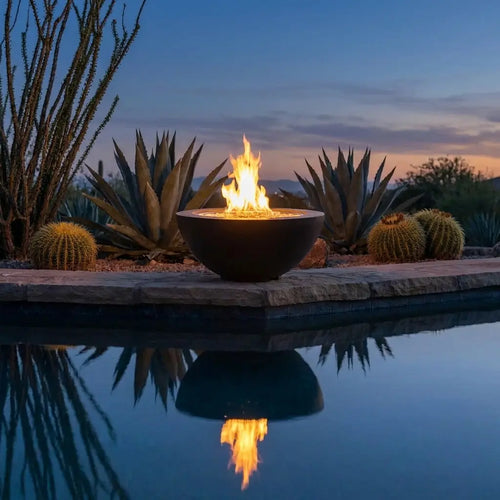
A fire pit changes the whole mood of a space. People naturally circle it. Conversations slow down around it. It gives you warmth, but it also creates a focal point that often becomes the center of the patio. If your goal is to build a backyard that feels inviting and layered rather than simply functional, a fire pit often carries more design value.
When a patio heater makes more sense
Patio heaters are often the better answer when your outdoor space needs practical heat coverage more than ambiance. Think dining patios, covered outdoor rooms, or seating areas where people stay in place rather than move around the yard.

The biggest advantage is convenience. Many gas and electric patio heaters start quickly, shut off cleanly, and do not leave ash, soot, or wood debris behind. If you entertain on weeknights, host dinner outdoors, or want to warm the patio without turning it into an event, that matters.
They also tend to fit better in spaces where furniture is already doing the heavy lifting visually. If you have a polished outdoor dining setup, a grill island, or a more architectural backyard layout, a heater can support the space without becoming the center of attention.
There is also a safety and maintenance angle. While every heating product requires clearance and proper placement, many homeowners prefer the cleaner operation of a patio heater, especially in households with kids, tighter seating arrangements, or a desire for less hands-on upkeep.
That said, patio heaters can feel more utilitarian. Even premium models usually do not create the same emotional pull as a live fire feature. If your patio feels a little too structured already, a heater may solve the temperature problem without adding much character.
When a fire pit is the better fit
A fire pit is often the stronger choice when the patio is meant to feel like a destination. It gives people a reason to gather, stay longer, and use the space in a more relaxed way. For many homeowners, that is the whole point of investing in an outdoor living area.

A well-placed fire pit works especially well in lounge layouts. Deep seating, Adirondack chairs, conversation sets, and open patio zones all benefit from having a central fire feature. It brings shape to the layout and gives the space an obvious purpose after sunset.
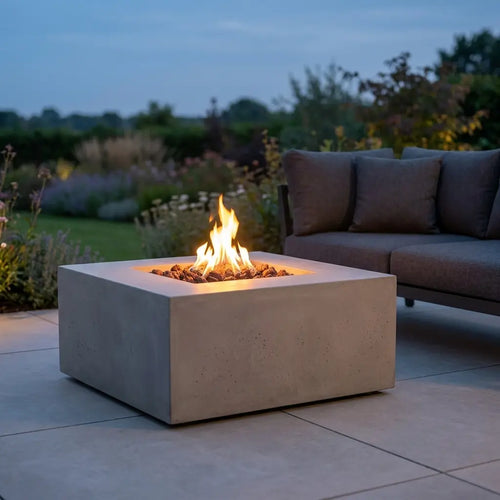
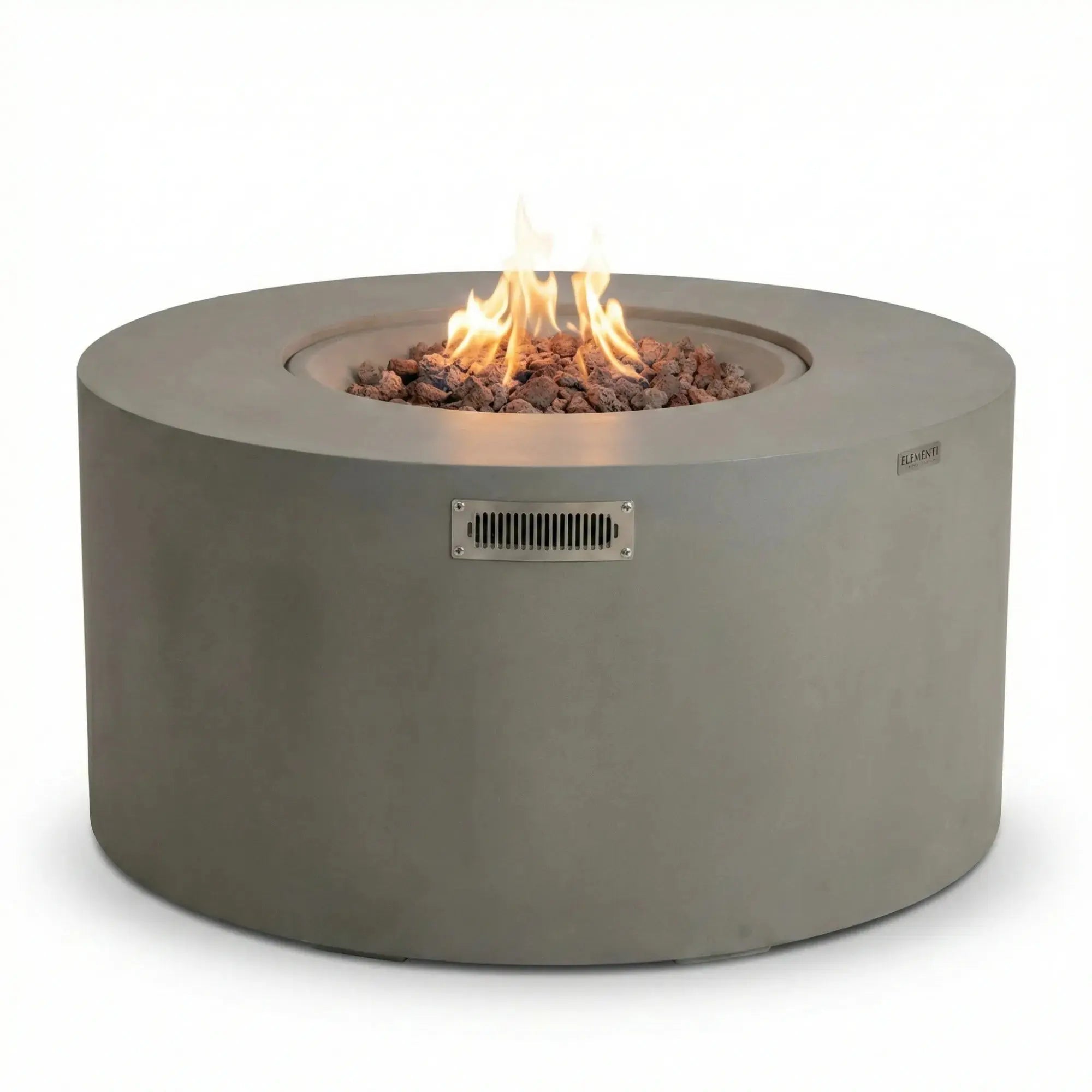
Fire pits also pull more visual weight. If you are building out a backyard in stages, a fire pit often makes a bigger impact than a heater because it functions as both utility and statement piece. Fire pit tables in particular can help bridge the gap between warmth and furniture, giving you a more polished and integrated look.
The trade-off is that fire pits ask more from the space and from the owner. You need to think harder about surrounding materials, seating distance, clearances, fuel type, and how the fire feature will actually be used. Some people love that ritual. Others just want to press a button and be warm.
Heat performance is not as simple as BTUs
Buyers often start with heat output, and that makes sense, but real-world comfort depends on more than specs. A patio heater may have strong BTU numbers and still feel limited if the heat is rising above seated guests or getting pushed around by wind. A fire pit may feel warm and inviting in a tight seating arrangement, but less effective if the chairs are set too far back.
This is why layout matters so much. Patio heaters are often better for targeted heating in spaces with a clear seating or dining zone. Fire pits work best when seating is intentionally arranged around the source of heat.
Covered patios complicate the decision in a good way. In some covered setups, especially with the right clearances and product type, a heater can provide more efficient comfort because the space retains warmth better. A fire pit in that same environment may be less practical depending on ventilation, overhead structure, and room dimensions.
In open, breezy yards, neither option is magic. Wind can reduce the effectiveness of both, but patio heaters can feel more directional while fire pits may lose some comfort if the flame is inconsistent or the seating plan is too spread out.

Cost, fuel, and upkeep
The purchase price is only part of the equation. Operating cost, installation, and maintenance all affect long-term satisfaction.
Freestanding patio heaters can be relatively straightforward, especially propane models, but that simplicity comes with fuel replacement and sometimes a more commercial look. Natural gas options can be more convenient over time if you already have the line available. Electric heaters can be appealing for cleaner operation and less maintenance, though performance depends heavily on placement and the conditions of the space.

Fire pits also vary widely. Wood-burning units deliver a classic experience, but they require the most cleanup and the most tolerance for smoke, sparks, and storage of fuel. Gas fire pits and fire pit tables are far easier to live with and tend to fit better with premium patio designs, but installation can be more involved if you want a permanent setup.
Over time, many homeowners find that ease of use determines value more than the initial sticker price. A feature that looks great but feels inconvenient often gets used less than expected. That is one reason curated, well-built models usually outperform bargain options. Reliability matters more when the goal is to use the space regularly, not just admire it.
Design and layout should drive the choice
This is where many buying decisions get clearer. Ask what role the heating feature is supposed to play in the overall plan.
If your patio already has a defined dining area, outdoor kitchen, or modular lounge setup and you simply want to make it more comfortable in cooler weather, a patio heater often supports that goal with less disruption. It lets the furniture arrangement stay intact and does not require everyone to orient around a flame.
If the space feels unfinished or lacks a focal point, a fire pit can solve more than one problem at once. It adds warmth, shape, and visual interest. It can make a broad patio feel intentional or turn an underused corner of the yard into a gathering zone.
For homeowners designing a complete backyard rather than making a one-off purchase, this matters. The best outdoor spaces tend to feel coordinated, with heating chosen to match how the patio flows from cooking to dining to lounging. That is often where expert guidance helps, especially when comparing premium options across categories.
Patio heater vs fire pit for different lifestyles
If you host a lot of dinners, want quick warmth, and prefer lower-maintenance operation, a patio heater usually lines up better with daily use. It is practical, predictable, and easier to integrate into structured entertaining.
If your favorite evenings involve a drink outside, longer conversations, and a patio that feels more like a retreat than an extension of the kitchen, a fire pit often delivers more satisfaction. It brings people together in a way a heater usually does not.
Families often land somewhere in the middle. Some want the atmosphere of a fire pit but prefer gas for simpler startup and cleaner use. Others prioritize safe, reliable comfort near a table or under a covered patio and choose a heater. Neither approach is wrong. It depends on whether you are trying to warm a zone or create a destination.
Which one should you choose?
Choose a patio heater if your top priority is efficient comfort, simple operation, and heating a specific area where people sit or dine. Choose a fire pit if you want warmth plus atmosphere, a stronger design feature, and a natural social center for the backyard.
For many premium outdoor spaces, the better question is not which product is universally better. It is which one fits the way you actually live outside. At All Season Patio, that is usually the difference between a purchase that looks good online and one that keeps getting used season after season.
The right choice should make your outdoor space easier to enjoy, not harder to manage, and that is usually the clearest sign you are buying the right kind of heat.