
Can Outdoor Furniture Stay Outside Year Round?
A patio set that looks great in May can look tired by October if it was never meant to handle full-time exposure. So, can outdoor furniture stay outside year round? The honest answer is yes - some can - but the real question is whether your specific furniture, cushions, and local weather make that a smart long-term choice.
This is where a lot of homeowners get tripped up. "Outdoor" does not always mean "built for every season in every climate." A covered patio in Arizona puts very different stress on furniture than an open deck in Minnesota or a humid backyard in Florida. If you want your investment to hold up, material quality matters, but so does placement, maintenance, and knowing which parts of a setup can stay out and which parts should come in.
Can outdoor furniture stay outside year round in every climate?
Not equally, and that distinction matters.
In mild, dry climates, many premium outdoor furniture frames can stay outside all year with relatively little trouble. Powder-coated aluminum, teak, all-weather wicker over an aluminum frame, and marine-grade polymers tend to perform well when they are built properly. Even then, sun exposure can fade finishes and fabrics over time, especially if the furniture sits in direct afternoon sun.
In four-season climates, winter changes the equation. Snow load, freeze-thaw cycles, ice, and long periods of moisture are harder on furniture than occasional summer rain. Materials that resist corrosion in normal conditions may still wear faster when water gets into joints, fasteners, and small cracks, then freezes repeatedly. Cushions are the weak point almost everywhere. Even quick-dry foam and performance fabrics benefit from being stored during long wet or freezing stretches.
In coastal areas, salt air is often the biggest problem. It accelerates corrosion, dulls finishes, and settles on metal surfaces even when the furniture is under cover. A frame that performs well inland may need more frequent cleaning near the ocean.
So yes, outdoor furniture can stay outside year round, but climate is not a small detail. It is one of the main factors that determines whether year-round exposure is reasonable or expensive.
Which outdoor furniture materials hold up best year round?
If you are buying with full-time outdoor use in mind, start with frame material before you think about style.
Aluminum
Powder-coated aluminum is one of the safest bets for year-round outdoor use. It is lightweight, rust-resistant, and generally low maintenance. Quality matters, though. A thicker frame with a durable finish will outlast lightweight, lower-cost sets that may dent, wobble, or show finish wear faster.
For many homeowners, aluminum hits the best balance of durability, clean design, and manageable upkeep. It performs especially well in wet climates compared with steel or iron.

Teak
Teak is one of the strongest natural choices for outdoor furniture. Its natural oils help it resist moisture, insects, and decay better than many other woods. Left outside year round, teak usually weathers to a silvery gray patina. Some people love that look. Others prefer to maintain the original warm tone, which requires periodic cleaning and treatment.
Teak is durable, but it is not maintenance-free. It also carries a higher upfront cost. Still, for buyers who want premium furniture chosen for long service life, teak remains a practical investment.

All-weather wicker
Good all-weather wicker can stay outside year round if it is built on an aluminum frame and made from high-quality resin wicker. Cheap wicker is where people get disappointed. It can crack, fade, or become brittle with sun and temperature swings.
This material works well for lounge seating because it brings a softer look than metal, but construction quality matters more than the woven appearance alone.

Steel and wrought iron
These can be durable, stable, and visually substantial, but they are more vulnerable to rust if the finish gets chipped or worn. In dry climates or covered spaces, they can last well. In wet or coastal environments, they usually require more attention.
If you prefer the heavier feel of steel or iron, look closely at protective coatings and be realistic about maintenance.
Poly lumber and marine-grade polymer
These materials are built for exposure. They resist moisture, insects, and rot, and they are especially useful around pools, in humid climates, and in homes that want minimal upkeep. They are not always the lightest or most refined-looking option, depending on the brand, but performance is often excellent.
The part that usually should not stay outside
Frames are one thing. Cushions, pillows, and covers are another.
Even when a cushion is marketed for outdoor use, that usually means it can handle regular exposure - not that it should sit through every storm, freeze, or weeks of damp weather without consequences. Outdoor fabrics like solution-dyed acrylic perform well, but constant moisture can still lead to mildew, staining, or shortened lifespan if airflow is poor.
If you want your seating to look better longer, store cushions in a deck box, garage, or covered storage bench when they are not being used for extended periods. The same goes for throw pillows. These accessories age much faster than frames, and replacing them adds up.
Furniture covers help, but they are not a perfect substitute for storage. A poorly fitted cover can trap condensation underneath, which is its own problem. Breathable covers designed for your furniture size work better than generic ones that sag or pool water.
What "year round" really means for outdoor furniture
For most premium setups, year-round use means the frame can remain outdoors, while the softer components get at least some seasonal protection.
That distinction is worth making because buyers often expect an all-or-nothing answer. In real-world use, the smartest approach is more selective. Leave the dining table and aluminum chairs outside. Bring in cushions before a snowstorm. Cover the teak sectional frame during a long wet season. Clean coastal furniture more often. That is still year-round outdoor ownership. It is just a practical version of it.
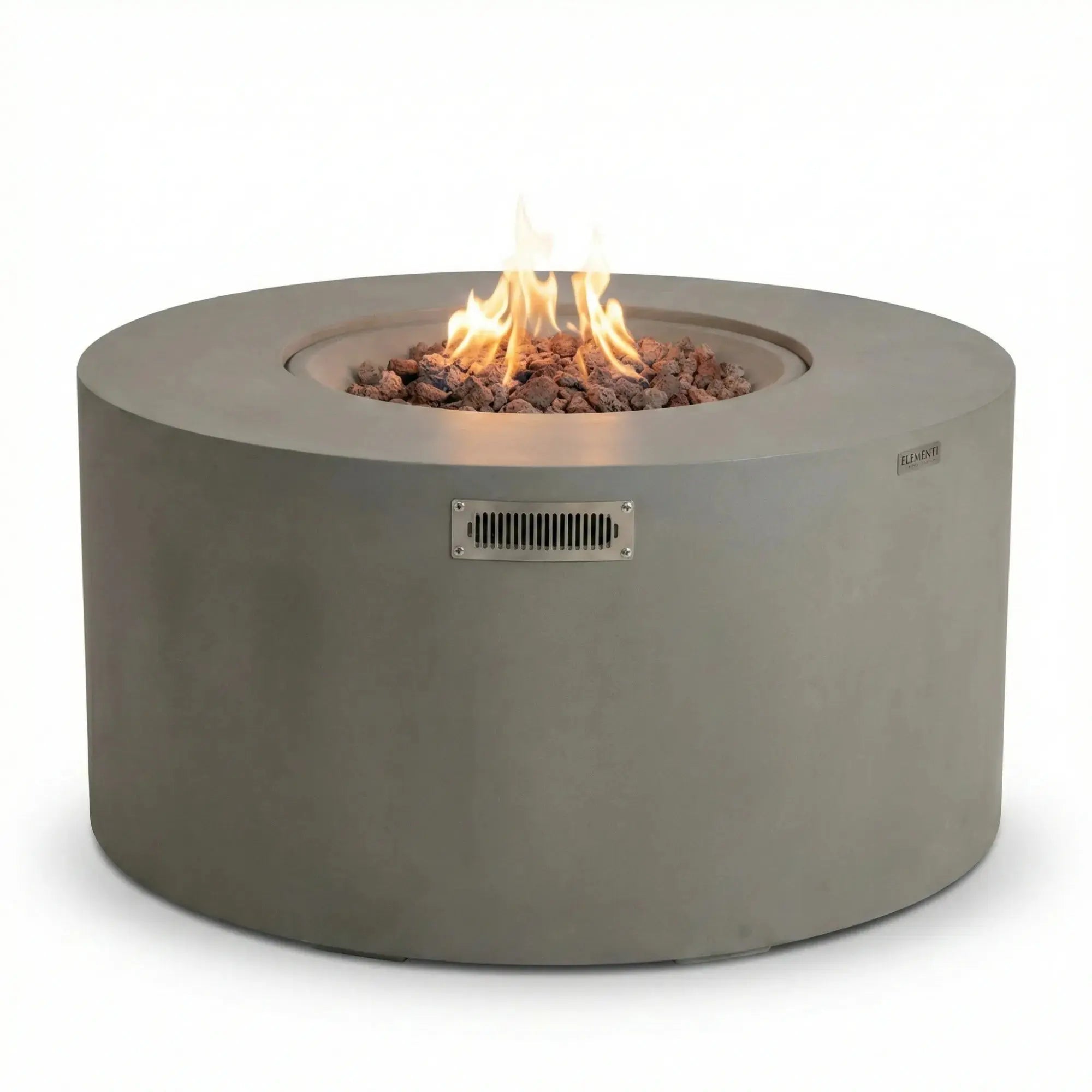
This is also why expert guidance matters when choosing furniture for a full backyard plan. A fire pit table, outdoor kitchen, and lounge seating may all share the same space, but they do not all respond to weather in the same way. Materials should match not only your design goals, but also your actual use patterns.
How to make outdoor furniture last if it stays outside year round
The biggest gains usually come from a few simple habits.
Start by placing furniture on a well-draining surface. Standing water under chair legs or table bases increases wear and can stain decking or stone. If your patio gets poor drainage, solve that first.
Clean furniture seasonally, and more often in dusty, humid, or coastal areas. Dirt and pollen are not just cosmetic. They hold moisture and can wear on finishes. Mild soap, water, and a soft cloth are usually enough for routine cleaning.
Inspect hardware a couple times a year. Screws, bolts, and joints can loosen with temperature changes and regular use. Catching that early prevents wobble and frame stress.
Use covers when weather is prolonged, not just occasional. A one-night rain is usually not the problem. Three weeks of winter sleet or a month of spring pollen is where covers earn their keep.
And if severe weather is on the way, move what you can. Wind can do as much damage as moisture. Lightweight chairs and loose accessories are easy to protect if you act before the storm, not after.
When outdoor furniture should not stay outside year round
There are a few cases where the answer is simply no.
If the furniture is made from untreated wood, low-grade steel, cheap resin, or indoor-outdoor crossover materials, full-time exposure is likely to shorten its life fast. The same goes for furniture with exposed particleboard cores, weak welds, thin finishes, or cushions that never fully dry.
You should also think twice if your space gets extreme winter accumulation, heavy coastal exposure, or intense sun with no shade at all. In those cases, even good furniture may benefit from off-season storage, or at least partial disassembly and protection.
This is where a curated product selection matters. Furniture chosen by people who actually use this stuff tends to be built with these conditions in mind. At All Season Patio, that is often the difference between buying something that looks good online and buying something that keeps performing after a few hard seasons.
A better question than can outdoor furniture stay outside year round
A better question is whether your furniture is built for your climate, your patio layout, and your maintenance habits.
If you want a low-effort setup, prioritize aluminum, teak, marine-grade polymer, and high-end all-weather wicker. If you want the look of deep cushions and soft textures, plan for storage. If your winters are harsh or your air is salty, expect a little more upkeep. None of that means you cannot create an outdoor space that works beautifully across seasons. It just means durable outdoor living starts with realistic expectations, not marketing labels.
The best patio furniture is not the set that claims it can handle everything. It is the one that fits how and where you actually live.