
Luxury Patio Furniture That Earns Its Place
A beautiful patio can still feel unfinished when the seating is undersized, uncomfortable, or built for a season rather than years. Luxury patio furniture is not simply furniture with a higher price tag. It is furniture designed to carry the weight of real outdoor living: hot afternoons, surprise rain, dinner parties, kids climbing onto lounge chairs, and the regular use that turns a backyard into part of the home.
The right pieces should make the space easier to use, not harder to maintain. That means looking beyond a product photo and evaluating materials, proportions, cushion construction, layout, and the level of care a collection requires in your climate.
What Luxury Patio Furniture Should Do
Premium outdoor furniture has three jobs. It should be comfortable enough to use for hours, durable enough to justify the investment, and cohesive enough to support the overall design of your outdoor space. If one of those pieces is missing, even an expensive set can become a frustrating purchase.
Comfort is often the first difference people notice. Better seating usually has deeper cushions, supportive construction, sensible seat heights, and armrests that feel natural rather than decorative. A lounge chair may look clean-lined online, but if it sits too low for the people using it or has a rigid back angle, it will not get much use.

Durability is less obvious at first, but it matters more over time. Quality frames resist corrosion, joints stay stable, and performance fabrics hold their color and shape through changing weather. Premium materials cannot eliminate maintenance altogether, especially in harsh sun, coastal air, or freezing winters. They can, however, greatly reduce the cycle of replacing faded, cracked, or unstable furniture every few years.
Finally, luxury patio furniture should help create a complete setting. A dining table, sectional, fire feature, grill island, lighting, and heater do not need to come from one collection. They do need to feel intentional together in scale, finish, and function.
Start With the Way You Actually Use the Patio
Before choosing colors or cushion styles, decide what the space needs to do most often. A patio used for Saturday grilling and family dinners needs a different layout than a poolside retreat or a quiet morning coffee spot. Trying to force one small area to serve every possible purpose is a common reason outdoor spaces feel crowded.
Think in zones. A dining zone needs enough clearance for chairs to pull out comfortably. A conversation zone needs seats close enough for people to talk without leaning forward. A fire pit area needs circulation room and a safe, comfortable distance between the heat source and upholstery.
Measure the patio itself, then measure the usable footprint after accounting for doors, steps, grills, planters, and walkways. As a practical rule, leave roughly 30 to 36 inches behind dining chairs where possible. For a lounge arrangement, keep a clear route through the space rather than placing a coffee table or chaise directly in the traffic path.
Scale is where many otherwise good purchases go wrong. A large sectional can overwhelm a compact patio, while a tiny bistro set can disappear on a broad covered porch. If you entertain frequently, prioritize enough individual seating over a single oversized statement piece. People tend to spread out when they are comfortable.
Choose Materials for Your Climate, Not Just the Look
Material choice should be based on exposure. Is the furniture fully exposed to rain and afternoon sun? Is it on a covered porch? Do you live near the coast, where salt air can accelerate corrosion? These answers should guide the shopping process more than a trend-driven finish.
Aluminum: Lightweight and Low-Maintenance
Powder-coated aluminum is a strong choice for many homeowners because it resists rust, is easy to move, and works in a broad range of styles. It is especially practical for dining chairs, loungers, and modular seating. Look for a quality finish and substantial frame construction, since thin aluminum can dent or feel unstable.

Aluminum can get warm in direct sun, although cushions and outdoor rugs help. It is also worth checking how the manufacturer handles touch-up paint for inevitable scratches. A small repair done early can protect the finish and keep the furniture looking cared for.
Teak: Warm, Durable, and More Hands-On
Teak brings natural warmth that metal frames cannot replicate. Its oils help it handle moisture, and its visual character works especially well beside stone, brick, outdoor kitchens, and lush landscaping. High-quality teak is a long-term material, but it is not maintenance-free.
Left untreated, teak typically develops a silvery gray patina. Many homeowners like that look; others prefer the original honey tone and are willing to clean and protect it regularly. Neither choice is wrong. The key is buying teak because you appreciate natural variation, not because you expect it to look identical year after year.
Woven Materials: Pay Attention to the Details
Woven outdoor furniture can provide the relaxed look of wicker with much better durability when it uses high-density synthetic fiber over a quality frame. It is comfortable visually and works well in conversation sets, porch seating, and casual dining areas.
Not all resin wicker performs the same. Cheap weaves can become brittle, fade quickly, or loosen under regular use. Better collections use UV-resistant materials, consistent weaving, and frames that support the seat properly. Look closely at corners, edges, and areas where the weave meets the frame.
Cushions Are Where Comfort Meets Performance
A well-built frame is only half the purchase. Outdoor cushions determine whether a sofa becomes everyone’s favorite place to sit or a piece that looks good but gets avoided.
For exposed patios, prioritize quick-drying cushion construction and performance fabric designed for outdoor use. Solution-dyed acrylic fabrics are a popular premium option because color is integrated into the fiber rather than applied only to the surface. That generally improves fade resistance and makes routine cleaning easier.
Foam density, fill material, and drainage all matter. Plush cushions may feel great in a showroom but can retain water if they are not designed for outdoor conditions. Conversely, a thin cushion may dry quickly but offer little support. The best choice balances comfort with the amount of weather exposure your patio receives.
Color deserves a practical conversation, too. Pale fabrics look crisp and help brighten a shaded porch, but they show spills and pollen more readily. Dark colors can ground a large space but may become hot in full sun. Mid-tone neutrals, textured fabrics, and removable covers often provide the easiest balance for active households.
Build a Layout Around Real Conversation
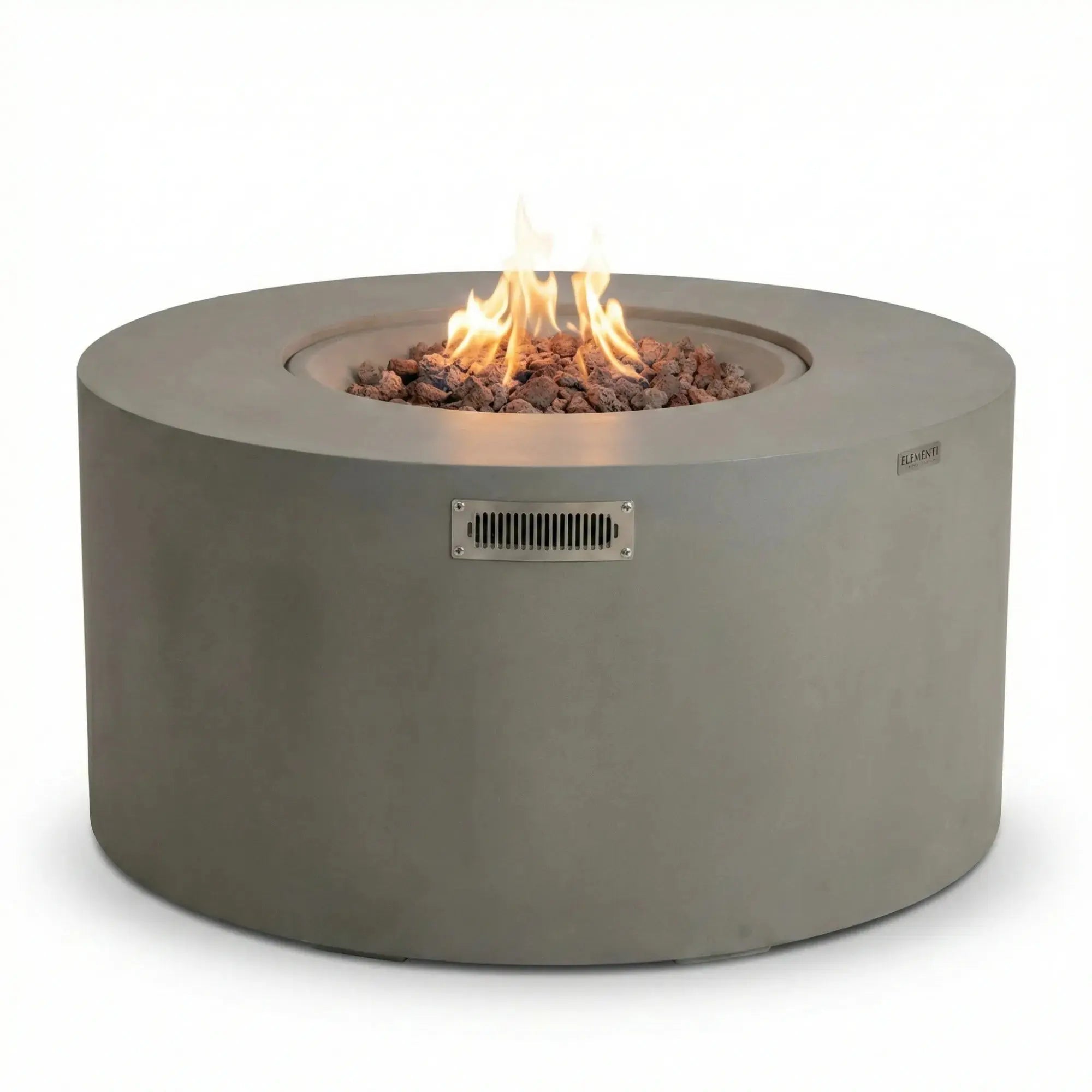
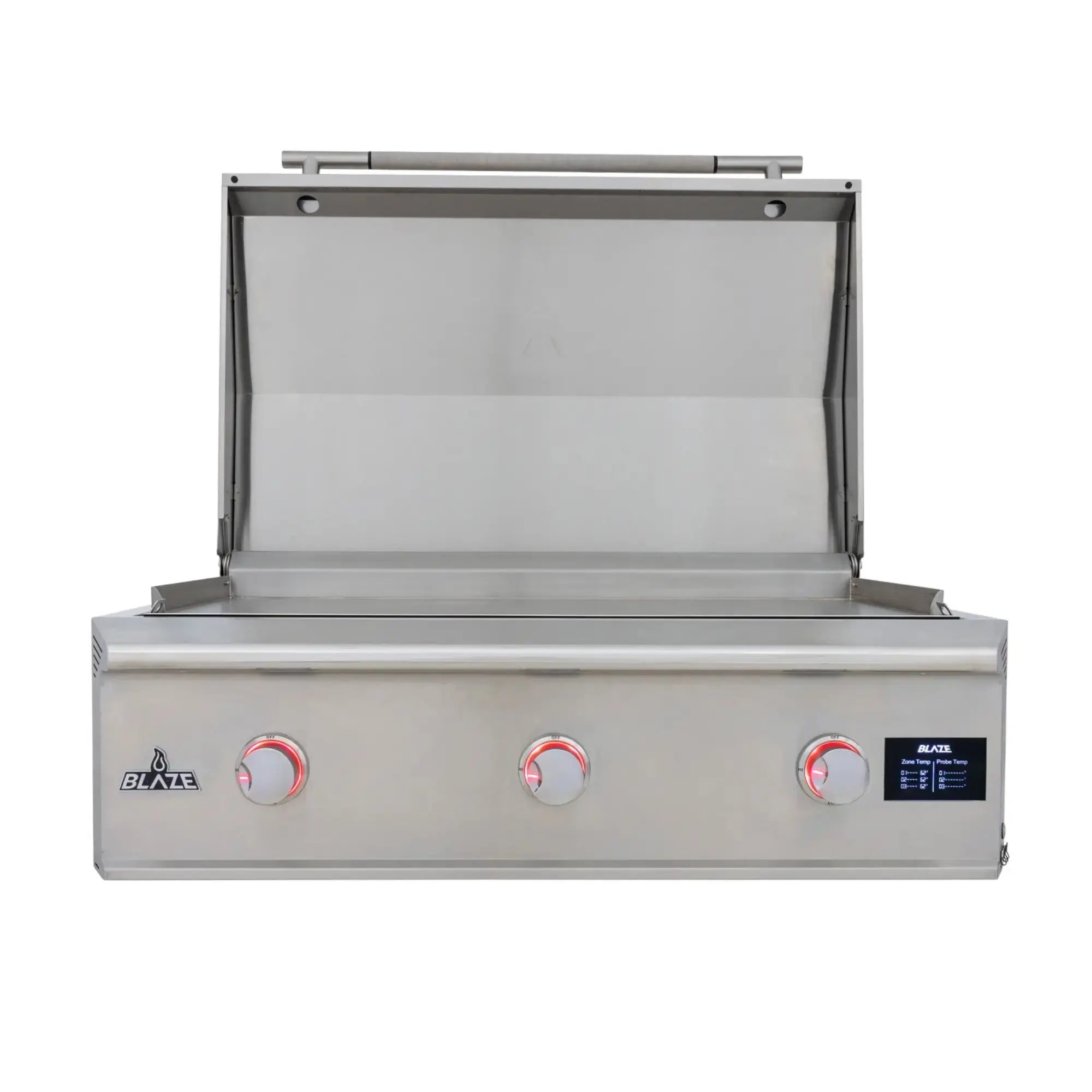
The most successful outdoor rooms have a clear reason to gather. For some homes, that is a fire pit table surrounded by deep seating. For others, it is a dining table near the grill and outdoor kitchen. The furniture should support that focal point instead of competing with it.
A conversation set usually works best when the seats face one another and the coffee table is close enough for drinks and snacks. Modular sectionals are useful for larger families because they can define an outdoor room and offer flexible seating. Their trade-off is scale: they need enough open area to avoid making the patio feel like a maze.
Dining furniture should reflect the way you host. If most meals are family dinners, choose a table that fits your everyday group comfortably and can expand or accommodate a few extra chairs when needed. If you host larger gatherings only once or twice a year, it may be smarter to keep the dining footprint manageable and add flexible lounge or bar seating nearby.

Do not overlook side tables. A chair without a nearby surface for a drink, phone, or book is less functional than it appears. Small tables also make a seating arrangement feel finished without taking up much room.

Buy for the Long Term, Not the Biggest Set
When comparing luxury patio furniture, focus on the components that are difficult or expensive to replace: the frame, the fabric, the cushion inserts, and the collection’s ability to provide replacement parts. A lower-priced set may seem appealing until a damaged chair, faded cushion, or broken component means replacing the entire arrangement.
Ask practical questions before buying. Can cushions be ordered again if one is damaged? Are replacement glides, hardware, or slings available? What does the warranty cover, and what maintenance is expected to keep it valid? These are the details chosen by people who actually use this stuff, not just people styling a patio for a photo.
It also helps to invest in stages. Start with the main seating or dining area, then add a fire feature, patio heater, shade solution, and lighting as the space takes shape. At All Season Patio, that kind of planned approach helps homeowners create an outdoor area that feels coordinated without forcing every purchase into one project or one budget.
Quality outdoor furniture should invite you outside more often. Choose the pieces that fit your weather, your available space, and the people who will use them most. The best final test is simple: picture an ordinary Tuesday evening, not just a holiday gathering. If the setup makes that evening more comfortable, useful, and enjoyable, it has earned its place on the patio.