8 Luxury Backyard Design Trends for 2026
A high-end backyard used to mean a nice grill, a dining set, and maybe a fire pit. Now, luxury backyard design trends are moving toward something more complete - spaces that cook well, light well, handle weather, and feel comfortable enough to use far beyond a single season.
That shift matters if you're planning a serious upgrade. Premium outdoor spaces cost real money, and the best results usually come from choosing features that work together instead of buying standout pieces one at a time. The trend line is clear: homeowners want outdoor areas that look refined, perform reliably, and support how they actually live.
Luxury backyard design trends are getting more functional
The biggest change is that luxury is no longer defined by appearance alone. Homeowners are putting more value on layouts that solve real use cases: weeknight cooking, larger weekend gatherings, quiet morning coffee, cold-weather lounging, and even post-work wellness routines.
That means design decisions are becoming more architectural. Instead of asking, "What furniture should go here?" people are asking, "How should this backyard function in zones?" A dining area may sit next to an outdoor kitchen, while a separate lounge space is anchored by a fire table and layered lighting. A side yard that used to be wasted space might become an outdoor shower or sauna area.
This is one of those trends that looks simple from a distance but makes a big difference in the final result. A backyard feels more luxurious when each area has a clear purpose and enough support elements around it, like heat, storage, shade, and lighting.
Outdoor kitchens are replacing the basic grill setup
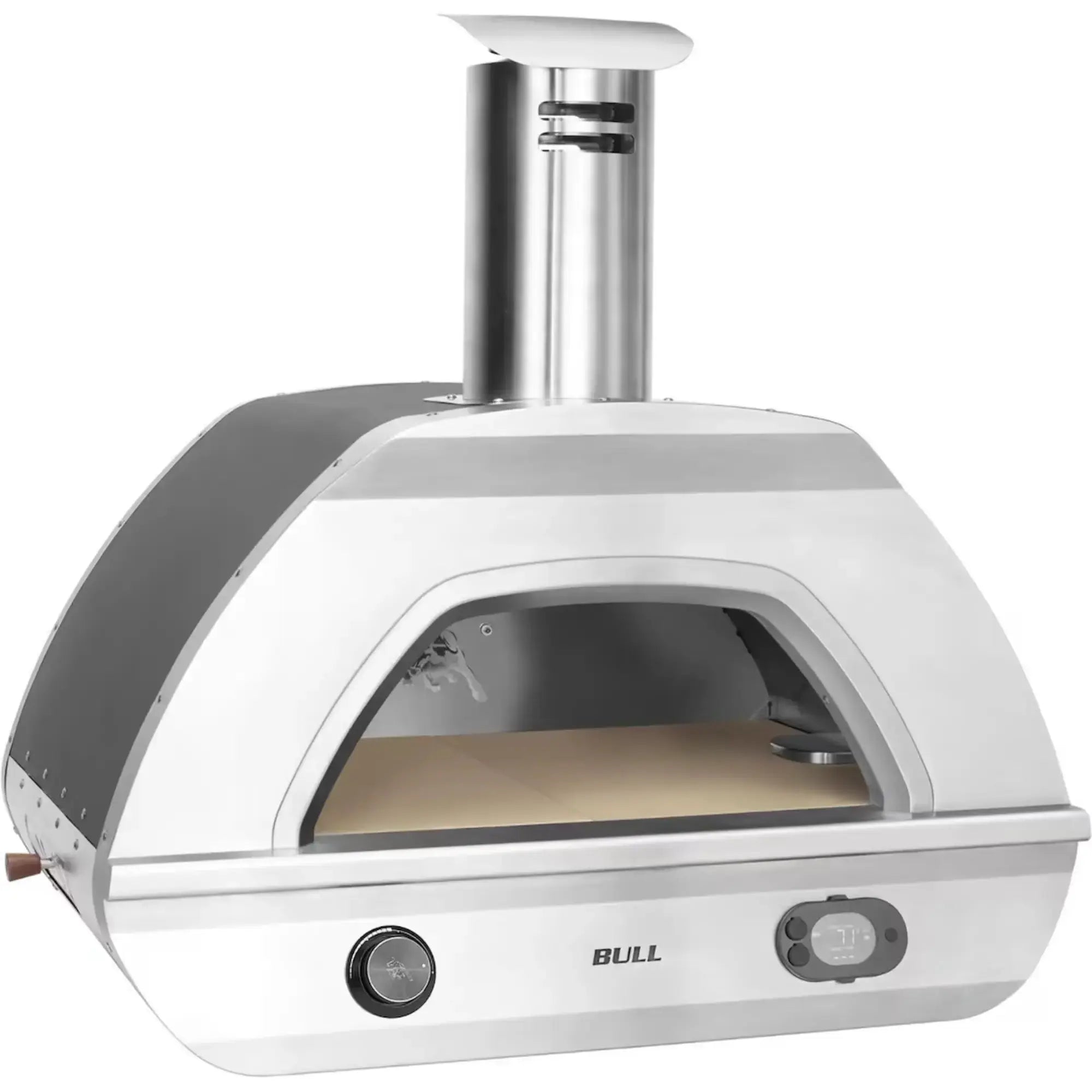
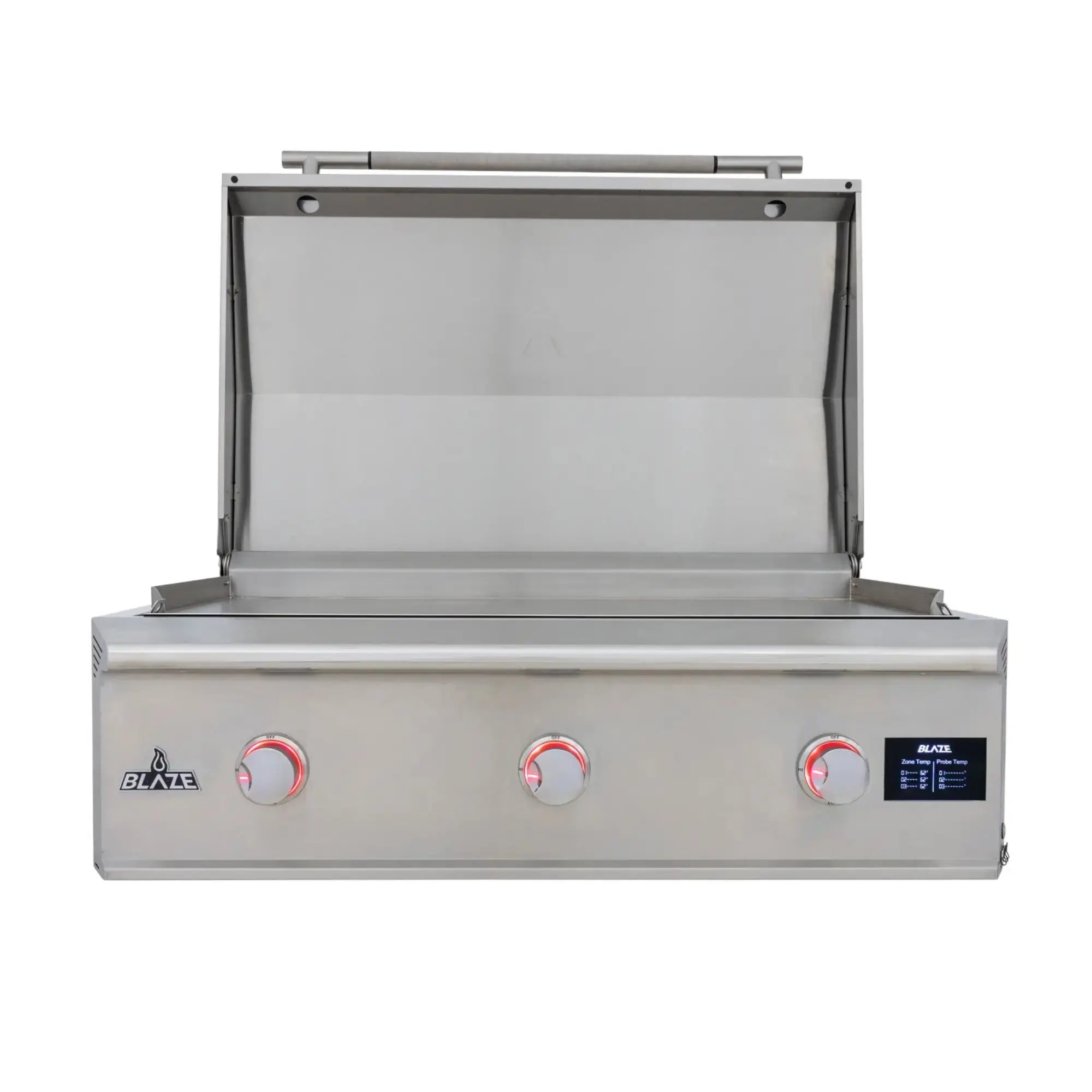
One of the strongest luxury backyard design trends is the move from standalone grills to more complete outdoor kitchen configurations. That does not always mean a massive built-in project. In many cases, it means adding the right components in stages so the space works better over time.

For homeowners who entertain often, a grill by itself can start to feel limiting. Prep space matters. Cold storage matters. Trash access matters. Even simple upgrades, like adding proper counter space or creating a more deliberate cooking zone, can make the whole backyard function better.
The practical trade-off is cost and planning. A fully built outdoor kitchen adds convenience and resale appeal, but it also asks more from the layout, utility planning, and material selection. If your climate is harsh or your cooking style is occasional, a modular or phased approach may make more sense than going all-in at once.
The most successful setups tend to reflect real habits. If you host family meals every weekend, invest in workflow. If you mostly grill for two and want flexibility, keep it compact and choose durable components that can anchor a future expansion.
Fire features are becoming design anchors, not accessories
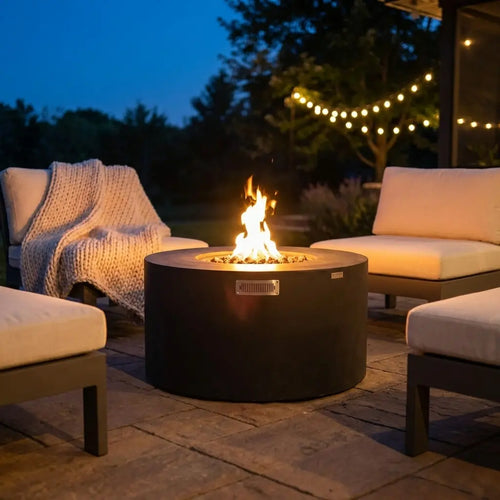
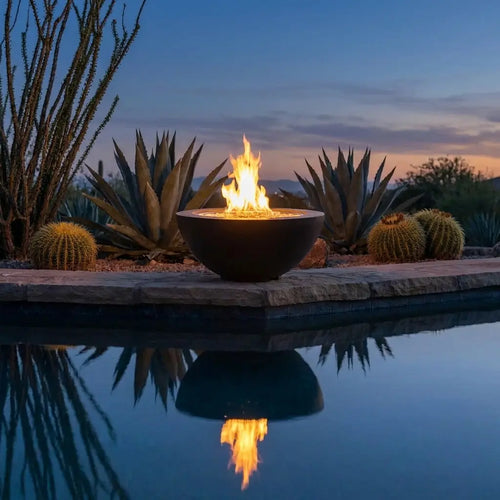
Fire pits and fire pit tables have moved into a central role in outdoor design. They are no longer an extra item added at the end of the project. In many luxury spaces, they define the gathering zone from the start.

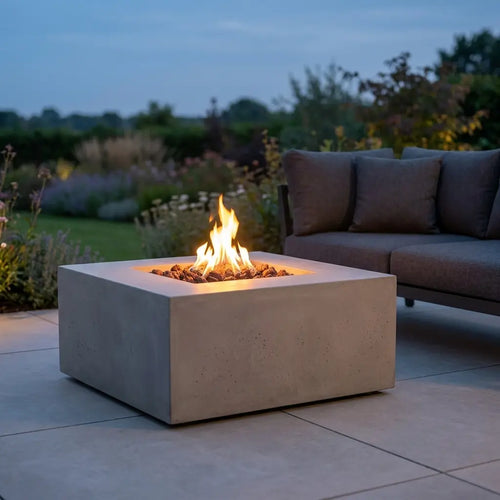
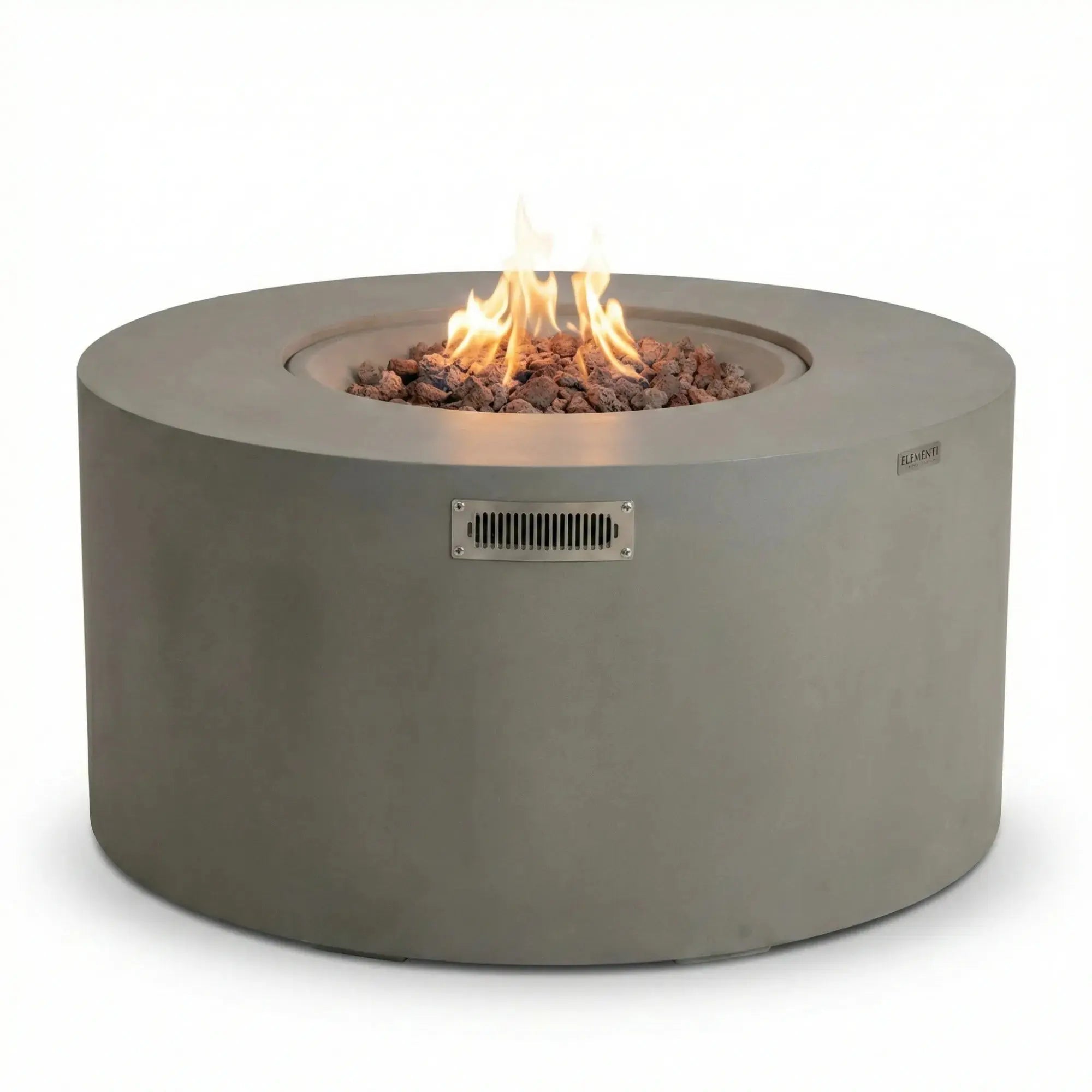
There are good reasons for that. Fire extends seasonal use, adds visual warmth, and gives a seating area a natural focal point. It also works across different backyard styles. A clean-lined gas fire table can support a modern patio, while a more substantial fire pit can fit a transitional or rustic design.
What matters most is scale and placement. A fire feature that is too small for the seating area can feel like an afterthought. One that is oversized can make circulation awkward or overwhelm the patio. Fuel type matters too. Wood offers a traditional feel, but gas is often easier for homeowners who want cleaner operation and less maintenance.
This is where premium curation matters. A fire feature is a visual centerpiece, but it also has to perform safely and reliably. The best choices balance heat output, proportions, finish durability, and how the piece fits with surrounding furniture.
Layered lighting is replacing the single bright floodlight
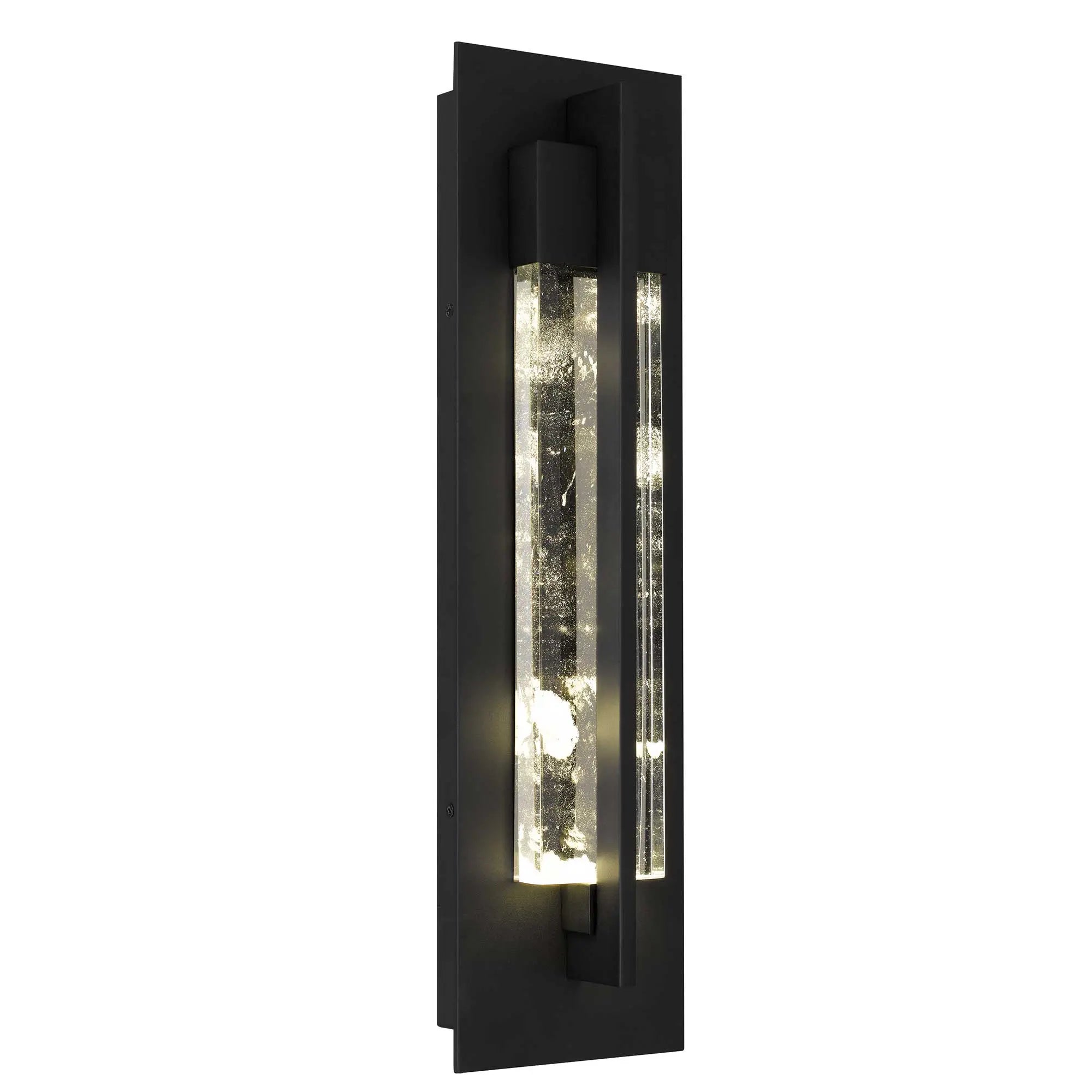
If there is one upgrade that consistently makes a backyard feel more expensive, it is better lighting. One of the most practical luxury backyard design trends is the move toward layered exterior lighting instead of relying on a few overly bright fixtures.

Well-designed outdoor lighting does several jobs at once. It improves safety on paths and steps. It supports cooking and dining after dark. It highlights architectural features, plantings, or stonework. Just as important, it changes the mood of the space.
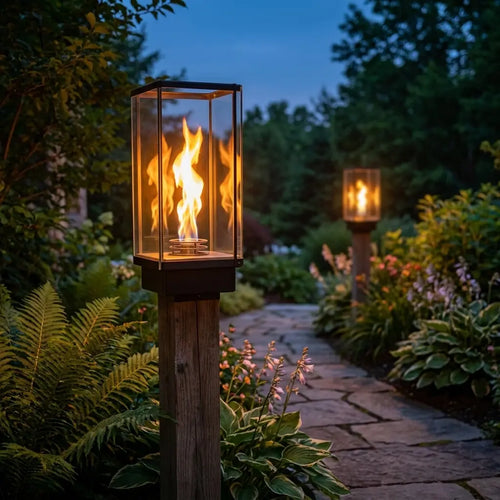
The mistake many homeowners make is treating all lighting as task lighting. In a premium backyard, you usually want multiple layers: functional light around cooking areas, softer ambient light in seating zones, and accent lighting to add depth. That layered approach feels more intentional and helps the yard stay usable without looking harsh.
There is also a durability angle here. Outdoor lighting has to deal with moisture, heat, debris, and temperature swings. Choosing fixtures that look good is only part of the job. They also need to hold up over time and make sense for the level of maintenance you want.
Wellness zones are becoming part of the backyard plan
Backyards are no longer just for entertaining. More homeowners are carving out private spaces for recovery and routine, which is why saunas, outdoor showers, and quieter retreat areas are showing up more often in premium designs.

This trend is especially strong among buyers who want their home to support daily habits, not just occasional hosting. A sauna can create a year-round wellness ritual. An outdoor shower can make sense near a pool, but it also works as part of a spa-style zone or even a practical rinse-off area after yard work or exercise.
The key is placement. Wellness features need a little privacy and usually work best when they feel separate from the main entertaining area. They do not have to be far away, but they should not feel exposed or squeezed in. Materials matter too. These spaces often face more moisture and more direct wear, so shortcuts tend to show up quickly.
For the right homeowner, this kind of zone adds real value to daily life. For others, it may be more of a nice-to-have than a priority. If your budget is limited, it often makes more sense to get the core entertaining and seating areas right first, then add wellness elements once the foundation is in place.
Mixed materials are making backyards feel more custom
Luxury outdoor spaces are moving away from the flat, matching patio-set look. More homeowners are combining materials to create a backyard that feels layered and designed rather than purchased all at once.
That can mean pairing powder-coated aluminum with teak, mixing stone surfaces with upholstered seating, or using concrete, metal, and warm wood tones in the same visual field. The goal is not variety for its own sake. It is contrast with control.
This trend works best when there is still a clear palette. Too many finishes can make a space feel busy, especially outdoors where landscaping, hardscaping, and architecture already add visual information. A practical breakdown is to choose one dominant material, one warmer accent, and one grounding tone that can repeat across the space.
Durability should lead the conversation here. Some materials age beautifully with exposure, while others need more upkeep to maintain their appearance. There is no perfect answer for every homeowner. It depends on your climate, how much direct sun the area gets, and whether you want a polished look year-round or are comfortable with natural weathering.
Comfort is becoming a four-season priority
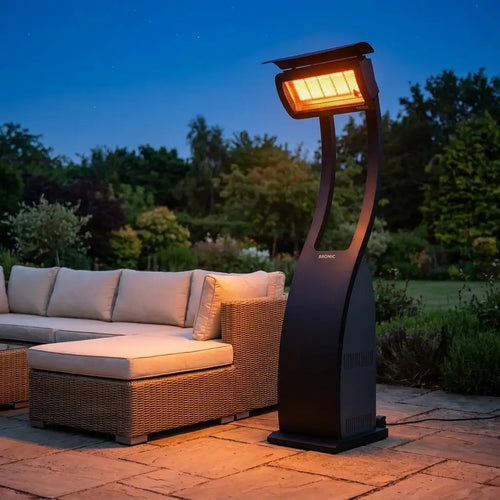
Luxury buyers are paying closer attention to how outdoor spaces perform beyond peak summer months. Patio heaters, covered zones, deeper seating, and better wind protection are all part of a broader push toward longer seasonal use.

This trend is practical, especially in regions where evenings cool down quickly or shoulder seasons are some of the best times to be outside. A beautiful backyard that only feels usable a few months a year leaves value on the table.
Heating options are not one-size-fits-all. A compact seating area may work well with a fire table as the heat source and focal point. A larger dining or lounge setup may benefit from dedicated patio heaters that distribute warmth more broadly. The right answer depends on layout, climate, and how you use the space after dark.
Comfort also includes furniture depth, cushion performance, and shade planning. People notice when a chair looks good but is not actually pleasant to sit in for an hour. High-end design is increasingly judged by that real-world test.
The best trend is cohesion
The most valuable takeaway is that luxury is becoming less about individual statement pieces and more about how the whole backyard works together. A premium grill, a strong fire feature, or beautiful lighting can all elevate a space, but the real payoff comes when each piece supports the next.
That is why curated product selection matters so much in this category. Homeowners making higher-ticket decisions need more than inspiration. They need products chosen by people who actually use this stuff, understand material performance, and can help build a backyard in phases without losing the bigger picture.
If you're planning a premium upgrade, start with how you want the space to function on an ordinary Tuesday, not just a holiday weekend. That approach tends to lead to a backyard you will use more, enjoy longer, and keep appreciating after the new-project excitement wears off.