

How to Plan Patio Furniture Layout Right
A patio can look generous on paper and still feel cramped the moment the furniture arrives. That usually happens when people shop by piece instead of by layout. If you want to know how to plan patio furniture layout in a way that actually works, start with movement, use, and scale before you think about colors or cushions.
The best outdoor spaces are not packed with furniture. They are organized around what the space needs to do. A patio for quiet morning coffee should not be laid out like a patio built for weekend grilling, and a narrow side-yard lounge needs a different plan than a broad pool deck. Good layout decisions make every later purchase easier, especially when you are investing in premium pieces meant to last.
Start with how the patio will be used
Before you measure anything, decide what the patio is supposed to support most often. Not occasionally, but most often. For many homeowners, that means one primary use and one secondary use. Maybe it is family dining first and fireside lounging second. Maybe it is outdoor cooking first and casual seating second.
That distinction matters because the biggest mistake in patio planning is trying to force every activity into one footprint. A six-seat dining set, deep lounge chairs, a fire pit table, and a grill station can all sound reasonable until they are competing for the same square footage. Strong layouts come from priorities.
If you entertain often, think about where guests gather naturally. People tend to cluster near heat, food, and shade. If you mostly use the patio with immediate family, the layout can be more intimate and less flexible. If you want the space to work across seasons, you may need room around heaters, fire features, or covered areas.

Measure the real usable space
Patio dimensions alone do not tell the whole story. You need the usable footprint after accounting for doors, stairs, grill clearance, planters, support posts, and traffic paths. A sliding door that opens directly into a dining chair can make an otherwise nice setup frustrating to use.
Measure width and depth, then mark fixed elements on a simple sketch. Include the swing of doors, the location of railings, and any edges where you do not want furniture pushed too close. If the patio connects to a yard, pool, or outdoor kitchen, draw those access points too.
This is where people usually realize they have less room than they thought. That is not bad news. It is better to know early than to buy oversized seating that never quite fits.
How to plan patio furniture layout with zones
Once you know the patio's main jobs and real dimensions, divide it into zones. Even a modest patio usually benefits from this approach. Zoning helps furniture feel intentional instead of scattered.
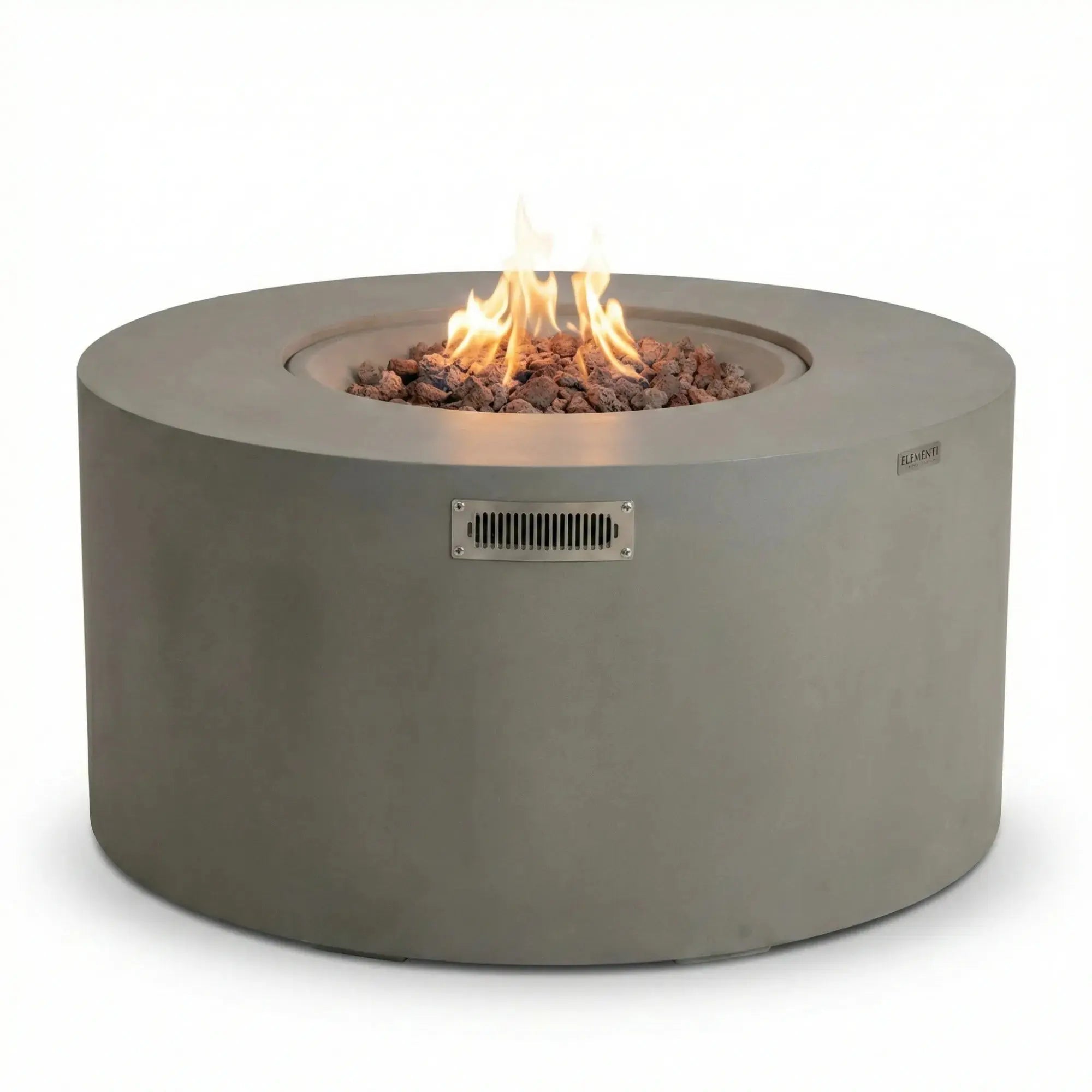
A dining zone works best when it sits close to the door leading to the kitchen or grill area. A lounge zone usually feels better slightly removed from traffic, where people can sit without being in the main pass-through route. If you have a fire feature, treat it as an anchor, not an add-on. Seating should gather around it with enough space for comfort and safety.
On larger patios, zoning can make the space feel cohesive rather than empty. On smaller patios, it keeps you from overfurnishing. The key is to let each zone breathe. If every piece sits edge to edge, the patio will feel like a showroom floor rather than a place to relax.
Leave enough room for movement
This is the part that makes or breaks usability. Furniture can technically fit and still be wrong if people cannot move around it comfortably.
As a general rule, keep major walking paths clear and direct. Aim for about 36 inches for primary traffic routes when possible. Around dining tables, allow enough room for chairs to pull out without blocking circulation. Around lounge seating, leave enough space for people to step in and out naturally without turning sideways.
There is some flexibility here. A compact urban patio may require tighter spacing, while a large backyard patio can afford more generous clearances. But if guests need to squeeze between a sectional and a railing, the layout needs work.
Comfort also changes by furniture type. Deep seating has a bigger visual and physical footprint than a simple dining chair. A fire pit table requires extra setback compared with a standard coffee table. Chaise lounges look clean in a row, but they consume more length than many homeowners expect.
Match furniture scale to the patio
One oversized sectional can make a medium patio feel finished, or it can overwhelm the whole space. It depends on the shape of the patio and how many other functions need to fit.

Scale is not just about whether a piece fits. It is about visual balance and practical use. On a smaller patio, a pair of lounge chairs with a side table may outperform a loveseat because they create flexibility and preserve openness. On a wide rectangular patio, a larger sectional might define the lounge area well, especially if the dining zone sits separately.
Pay attention to height, too. Low-profile furniture can make a space feel more open. Taller backs and bulkier frames can feel substantial and comfortable, but they may visually crowd tighter layouts. This is one reason curated outdoor furniture tends to perform better than commodity sets - proportions, materials, and intended use are usually more thoughtfully considered.
Anchor the layout around one focal point
Most patios need a visual center. That might be a fire pit, dining table, outdoor kitchen, view line, pool edge, or even a statement sofa arrangement. Without an anchor, layouts can feel random.

In lounge areas, the focal point often determines how seats should face. If the goal is conversation, angle seating toward each other. If the space is built around a fire table, make that the center and keep seating within a comfortable conversational distance. If you are working with a view, avoid turning every chair away from it just because the set looked that way in a product photo.
Dining layouts are simpler, but they still benefit from orientation. Consider where the host will approach from, where serving paths run, and whether diners will be sitting in direct sun at peak use times.
Think beyond furniture alone
Patio layout is also shaped by the pieces around the furniture. Shade structures, heaters, lighting, and cooking equipment affect placement more than people expect.

A dining table under a pergola can feel settled and useful. The same table placed too close to a grill can create heat, smoke, and crowding. A lounge setup that looks great in spring may go unused in fall if there is no heat source nearby. If you plan to add a fire feature later, leave room for it now instead of treating it as a future problem.
This is especially true for premium outdoor spaces built in stages. Many homeowners start with seating, then add a fire table, then a grill island, then lighting. That approach is fine, but the original layout should anticipate growth. Otherwise, each new addition forces a compromise.

Use a simple mock-up before buying
One of the most practical ways to test how to plan patio furniture layout is to mock it up at full size. Use painter's tape, cardboard, or even moving boxes to represent the footprint of major pieces. It sounds basic, but it works.
A sketch can tell you dimensions. A mock-up shows you how the space feels. You will notice whether a dining chair blocks the walkway, whether a sectional leaves no room for side tables, or whether the lounge zone sits too far from the fire feature to feel connected.
This step is especially useful when buying larger, higher-ticket furniture online. Product dimensions are accurate, but scale can still surprise you. Testing the layout first reduces the chance of expensive mistakes.
Plan for the way people actually gather
Patio layouts succeed when they support real behavior. People set down drinks, pull chairs around, move toward warmth, and avoid glare. They do not sit perfectly still in staged arrangements.
That means side tables matter. Flexible extra seating matters. So does access to food, lighting, and storage. A patio designed only for appearance may photograph well and underperform every weekend after that.
The strongest layouts usually feel easy. There is a clear place to walk, a clear place to sit, and enough room to use the patio without constantly adjusting furniture. That is the standard worth aiming for.
At All Season Patio, we see the best results when homeowners treat layout as the foundation of the purchase, not the last step. Buy for the space you actually have, the way you actually live, and the seasons you want to enjoy it in. A well-planned patio does not just hold furniture - it gives the whole backyard a reason to be used.