Electric vs Gas Patio Heaters: Which Is Better?
Electric patio heaters warm people directly with infrared, switch on instantly, run clean and quiet with no fumes, and are ideal for covered patios where you have power. Gas heaters (propane or natural gas) put out more raw heat, work well in larger or more open and exposed areas, and run without electricity, but they need fuel, ventilation, and more clearance. In short: choose electric for covered, low-fuss, tidy heating, and choose gas for maximum output in bigger or open spaces. Here is how to decide.
In this article
- Electric vs gas: the quick answer
- Electric vs gas: side by side
- When to choose electric
- When to choose gas
- Compare an electric and a gas heater
- Frequently asked questions

Electric vs gas: the quick answer
Electric infrared heaters are clean, quiet, and fume-free, switch on instantly, and need no fuel beyond a power connection, which makes them the natural pick for covered patios and porches. Gas heaters burn propane or natural gas to deliver more total heat, so they cover larger and more exposed areas and keep working in a power outage, but they require fuel, more clearance, and proper ventilation. Neither is better overall. The right choice depends on whether your space is covered or open, how big it is, and whether you have power or a gas line available.
Electric vs gas: side by side
| Factor | Electric | Gas (propane / natural gas) |
|---|---|---|
| Heat output | Strong, focused infrared | Higher total heat |
| Best space | Covered patios, porches, pergolas | Larger, open, or exposed areas |
| Fumes & flame | None | Open flame, needs ventilation |
| Clearance needed | Less | More |
| Running need | Power connection | Propane tank or gas line |
| Maintenance | Very low | Fuel swaps, more upkeep |
| Works in a power outage | No | Yes |
When to choose electric
Electric is the better tool for covered patios, porches, and pergolas, and anywhere you want a clean, quiet, low-maintenance heater that switches on instantly. With no flame or fumes it is safer in sheltered spaces, it needs less clearance, and a slim mounted unit all but disappears into the ceiling. If you have power available and your space is at least partly covered, electric is usually the simplest, tidiest answer.
When to choose gas
Gas is the better tool for larger, more open, or exposed areas where you need maximum heat output, and for places without easy access to a suitable electrical supply. Propane models go anywhere a tank can, while natural gas models tap a fixed line for unlimited runtime. Gas does require proper ventilation, more clearance to combustibles, and fuel management, so it is best suited to open patios and big gathering spaces rather than tightly enclosed ones.
Compare an electric and a gas heater
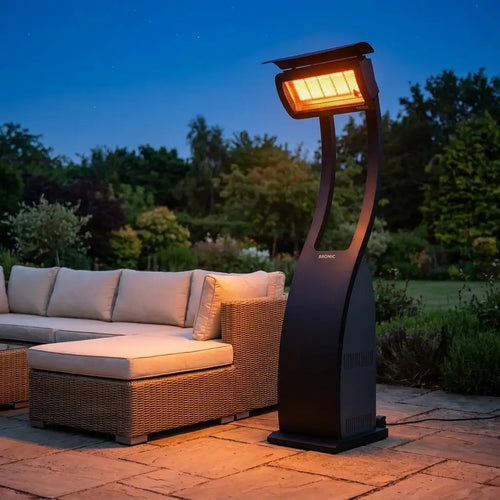
One of each from Bromic so you can see the difference. Both link to their live product pages for the current price, and both ship free.

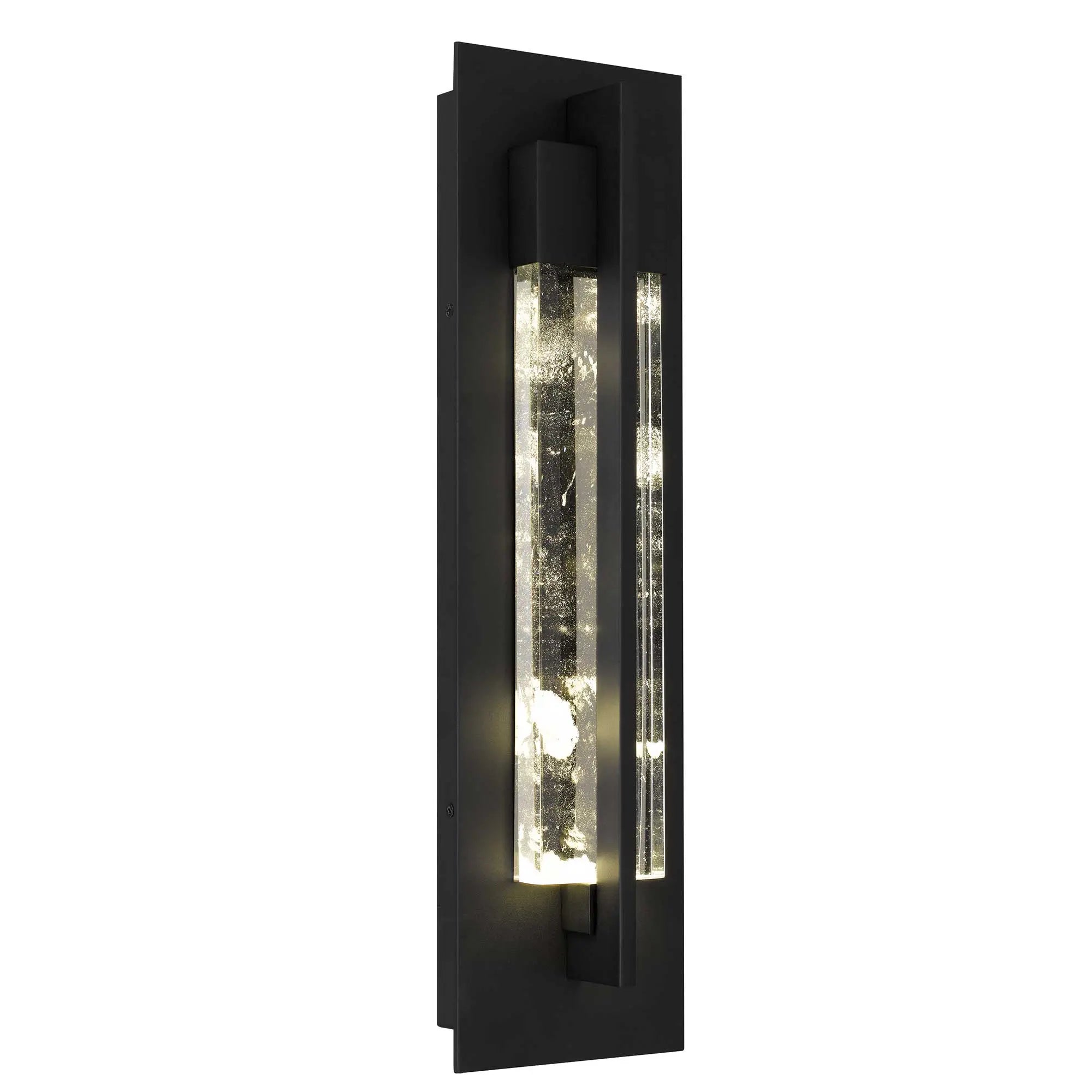
Clean, quiet, fume-free infrared for covered patios, with wide coverage and a slim mounted profile.

High-output gas heat for larger or open areas, available for propane or natural gas, wall or ceiling mounted.
Frequently asked questions
Are electric or gas patio heaters better?
Neither is better overall. Electric is cleaner, quieter, and ideal for covered patios with power; gas puts out more heat and suits larger, open, or exposed spaces and works without electricity. Choose based on your space and fuel access.
Do electric patio heaters heat as well as gas?
For focused, spot heating of a seating area, electric infrared is very effective and feels warm instantly. Gas produces more total heat, which matters most in big or windy open areas.
Which is cheaper to run, electric or gas?
It depends on local energy prices and how you use the heater. Electric infrared heats people directly and only runs when on, while natural gas is often economical for frequent use; propane costs vary with tank prices. Match the type to your space first, then weigh running costs.
Is gas or electric safer under a covered patio?
Electric is the safer, simpler choice for covered and sheltered spaces because it has no flame or fumes. Gas heaters can be used in well-ventilated covered areas but need more clearance and airflow. See our covered patio guide.
What is the difference between propane and natural gas heaters?
Propane heaters run from a refillable tank and can go anywhere, while natural gas heaters connect to a fixed line for unlimited runtime but stay in one place. Many Bromic gas heaters are available for either fuel.
Shop patio heaters
Premium Bromic electric and gas heaters for every kind of patio, with free shipping.
Shop patio heaters →More patio heater guides: best electric patio heaters, the best patio heaters, what size you need, mounted vs freestanding, and using one under a covered patio.