Are Fire Pit Tables Worth It for Your Patio?
A patio can look finished on a sunny afternoon and still sit empty after dinner. That is where a fire feature can change how often the space gets used. But are fire pit tables worth it, or are they simply an attractive upgrade that takes up room and adds another outdoor appliance to maintain? For many homeowners, the answer comes down to whether they want a patio centerpiece that serves a purpose before, during, and after the flame is on.
A fire pit table combines two useful things: a gathering surface and a controlled source of warmth. It can anchor a seating area, make shoulder-season entertaining more comfortable, and give a patio a clear focal point. It also costs more than a basic portable fire pit and will not replace a patio heater when the goal is to warm a large group. A practical decision starts with how you plan to use the space.
Are Fire Pit Tables Worth It for Everyday Outdoor Use?
Fire pit tables are often worth the investment for homeowners who regularly eat, relax, or entertain outdoors. Unlike a standalone fire bowl that is mainly useful once the fire is lit, a table-style fire feature earns its footprint throughout the day. With the burner covered, it becomes a place for drinks, serving trays, cards, or a casual meal.
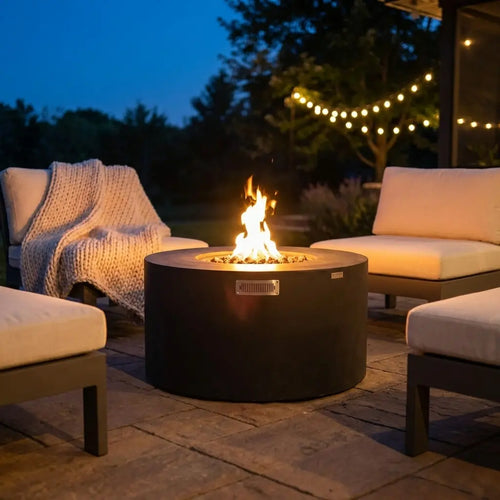
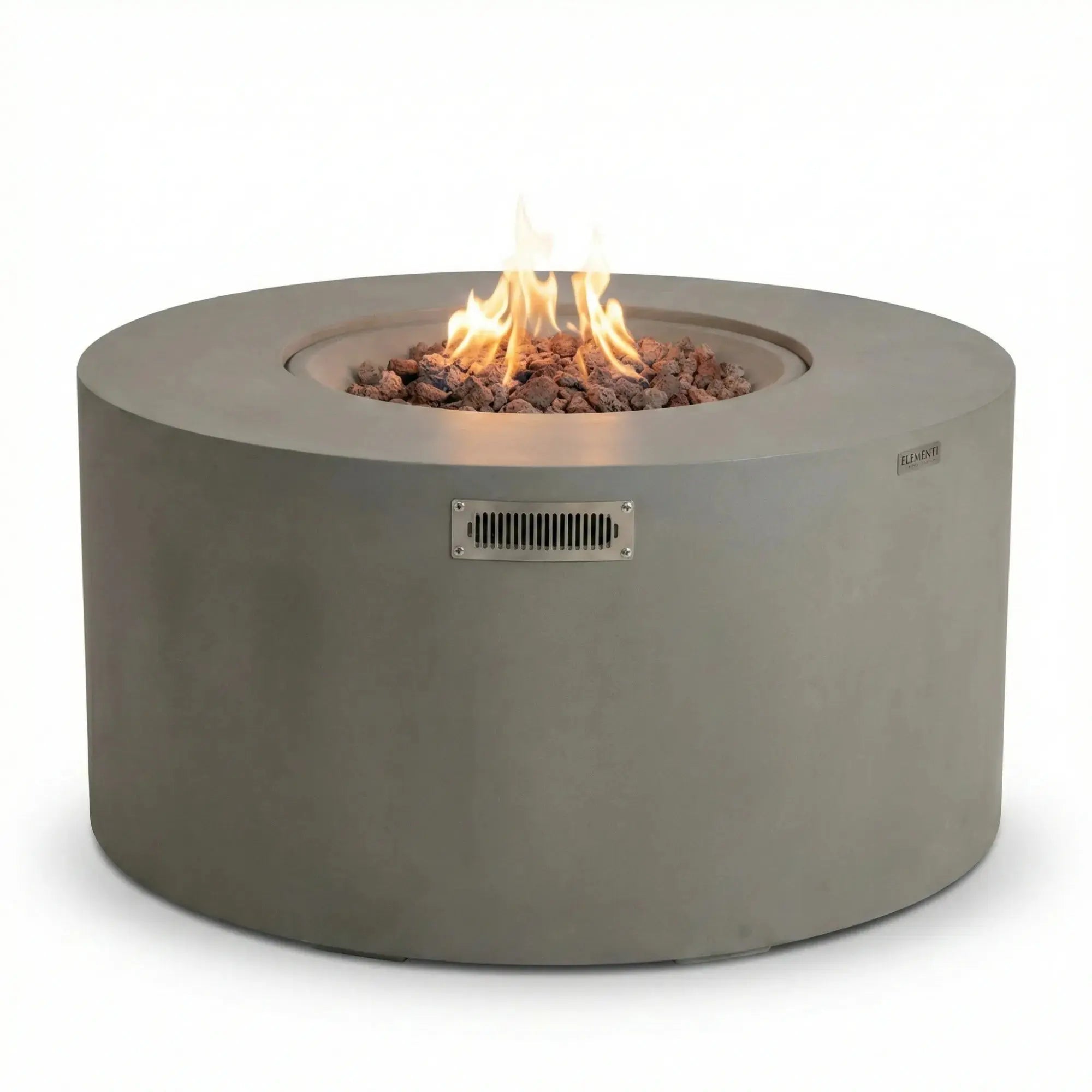
That dual-purpose design matters on compact patios. A traditional fire pit may require a dedicated zone and leave little room for a coffee table. A fire pit table can fill the coffee-table role in a lounge arrangement, or work as a dining-height centerpiece when paired with the right chairs. The best choice depends on the height of your seating and how you actually gather outside.

For example, a low fire pit table generally works best with deep seating, sectionals, Adirondack chairs, and relaxed conversation areas. A dining-height model makes more sense beside dining chairs or counter-height stools. Buying the wrong height is one of the fastest ways to end up with a feature that looks good but feels awkward to use.
Convenience is another major part of the value. Most premium fire pit tables use propane or natural gas, allowing you to start a flame quickly without hauling wood, tending a fire, or dealing with smoke. That convenience makes a difference on a weeknight when you want to spend an hour outside, not build a fire from scratch.
What You Get Beyond the Flame
A quality fire pit table is not just a burner set into a box. Its value is in the complete outdoor-living function it provides. It creates an obvious place for people to sit, helps define an open patio, and gives an outdoor room a warmer atmosphere after sunset.
For households that entertain, the flame changes the rhythm of a gathering. Guests tend to stay outside longer when there is light and some localized warmth. A fire table also gives people a natural place to gather without asking everyone to crowd around an open wood fire.
The fuel choice affects the experience. Propane models are flexible because they do not need a gas line. Many hide a standard propane tank inside the base, which keeps the setup tidy and makes placement easier. Natural gas models have a continuous fuel supply and eliminate tank exchanges, but installation usually requires a licensed professional and a planned gas connection.
Wood-burning fire pits have their own appeal, especially for homeowners who enjoy the ritual, smell, and larger flame of a real wood fire. Yet they produce smoke, ash, sparks, and cleanup. If the priority is frequent, low-effort use near upholstered patio furniture, a gas fire pit table is usually the more practical fit.
The Trade-Offs: Cost, Heat, and Maintenance
Fire pit tables are a premium purchase, so the drawbacks deserve a direct look. Price varies widely based on size, burner output, materials, ignition system, and whether the unit is built for propane or natural gas. A well-made table typically costs more than a basic fire bowl because it includes a finished base, tabletop surface, burner system, and often a tank-storage compartment.
That higher upfront cost can be justified when the piece replaces both a coffee table and a fire feature. It is less compelling if you only expect to use it a few times each year or already have a patio layout that works better with a standalone fire pit.
Heat output is another common misunderstanding. A fire pit table creates comfortable radiant warmth for people seated nearby, particularly on cool spring and fall nights. It is not designed to heat an entire deck or keep guests warm in freezing weather. Wind, open sides, ceiling height, and the table's BTU output all affect what you feel.
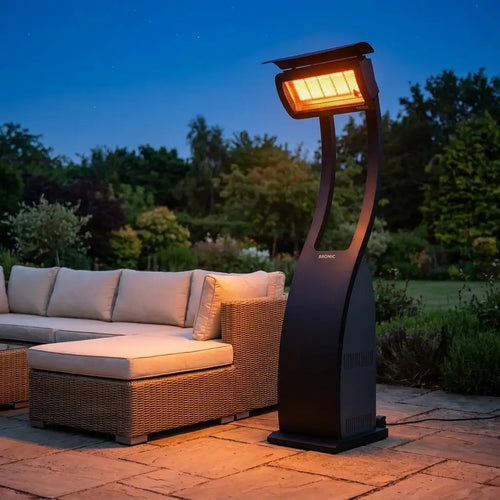
If your primary goal is warmth across a large dining area, consider pairing a fire table with a patio heater rather than expecting one product to do both jobs. The fire table provides ambience and close-range comfort. The heater covers more area.
Maintenance is manageable, but it is not zero. You will need to keep the burner ports clear, inspect the ignition and gas connections, protect the unit with a properly fitted cover, and clean the tabletop as recommended for its material. Propane users also need to monitor fuel levels and keep a spare tank available for gatherings.

Material quality matters here. Powder-coated aluminum is relatively light and corrosion-resistant. Stainless steel can be durable but may show discoloration or surface changes in harsh coastal conditions if it is not the right grade. Concrete and GFRC tables offer substantial visual presence, though they are heavy and need care to avoid staining, chips, or freeze-thaw damage. The right material is the one that suits your climate and your willingness to maintain it.
When a Fire Pit Table May Not Be Worth It
A fire pit table is not the right answer for every backyard. If you have a very small balcony, rental restrictions, limited clearances, or a local rule that prohibits open-flame features, it may not be usable. Always check local codes, HOA requirements, and the manufacturer's clearance guidelines before purchasing.
It may also be the wrong fit if you want a campfire-style experience. Gas flames are clean and easy, but they do not deliver crackling logs, wood smoke, or the same cooking possibilities as a wood-burning fire pit. Some gas models can accommodate roasting accessories, but they should not be treated as a grill unless the manufacturer specifically says they are designed for that use.
Homeowners with young children or active pets should think carefully about the patio layout. A fire table can be used safely when installed and operated correctly, but the surface, glass media, and surrounding area can become hot. A layout with clear walkways and enough space between the feature and seating makes supervision easier.
Finally, skip the purchase if it will become an obstacle. A large rectangular table can overwhelm a narrow patio, while a round model may improve circulation in a compact conversation area. Measure the footprint, then account for chairs, foot traffic, and required clearances. The flame needs room, but so do the people using it.
How to Choose a Fire Pit Table That Earns Its Place
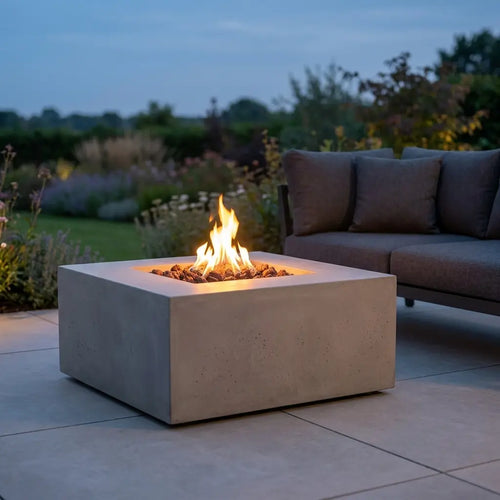
Start with the seating arrangement, not the product photo. Measure the area where people will sit and decide whether the feature needs to function as a coffee table, dining table, or central accent. Then choose a shape that works with the traffic pattern. Rectangular models pair naturally with sectionals, while round and square options suit more balanced chair groupings.
Next, choose fuel based on permanence. Propane is a strong option for flexibility and simpler setup. Natural gas is ideal when you know the table will stay in one location and you want the convenience of uninterrupted fuel. For either option, confirm the table's BTU rating, ignition type, and whether the fuel source is concealed in the base.
Pay attention to the usable tabletop area. Some designs leave plenty of ledge space around the burner for glasses and small plates, while others prioritize a wider flame display. A burner lid can be particularly useful because it turns the full surface into a table when the fire is off.

Also consider the accessories that protect the investment. A weather-resistant cover, wind guard, burner lid, and appropriate fire media can improve day-to-day use and help the table look better over time. These details are not glamorous, but they often separate a feature that gets used for years from one that becomes a maintenance project.
A fire pit table makes the most sense when it solves more than one problem: it gives your patio a center, adds usable surface space, and makes cool evenings more inviting. Choose the right scale, fuel type, and material for your setting, and it can become the piece that turns an attractive backyard into a place people actually use after the sun goes down.