Why People Are Putting Saunas in Their Backyards
Outdoor saunas have moved from "thing you saw at a Finnish friend's cabin" to "thing your neighbor is putting in." If you're curious about adding one, here's what they actually do, the two main types, what they cost to install and run, and what to think about before buying.
What's actually driving the trend
Three things, in roughly equal measure:
- The wellness conversation. Cold plunge plus sauna ("contrast therapy") got popular through the Huberman Lab podcast and similar long-form content over the last few years. Researchers like Jari Laukkanen at the University of Eastern Finland have published longitudinal studies linking regular sauna use to lower cardiovascular disease, lower stroke risk, and better sleep.
- Backyard upgrades during and after COVID. A lot of people invested in their outdoor space and never stopped. Sauna is the next addition after fire features and outdoor kitchens for people who already have those things.
- Better, cheaper units. Five years ago, an outdoor sauna meant a $30,000 custom build. Today, modular barrel saunas and cabin-style kits start around $5,000 and ship to your driveway.
Traditional vs. infrared — the real difference
Traditional sauna (Finnish-style)

A wood or electric stove heats stones; you pour water on the stones to create steam ("löyly"). The cabin reaches 175–200°F. The heat is intense but the air is dry except in the moments after you add water.
What it feels like: Hot, intense, the kind of heat that demands you sit and breathe slowly. The water-on-stones moments are euphoric. Sessions are typically 8–15 minutes, sometimes broken up with a cold plunge or shower in between.
Best for: People who want the real, traditional experience. Higher peak heat means more vasodilation and (per most research) more of the cardiovascular benefits associated with sauna use.
Infrared sauna
Infrared panels heat your body directly rather than heating the air around you. The cabin reaches only 120–140°F. You sweat at lower air temperatures because the radiant heat is being absorbed by your skin and tissue.
What it feels like: Gentler. You can carry on a conversation, read, even watch something. Sessions tend to be longer — 30–45 minutes.
Best for: People who find traditional saunas overwhelming. Better for sensitive lungs, easier entry point. The research base is smaller than for traditional sauna but generally positive.
Heat source for traditional saunas
Wood-fired
The classic. Real fire, real smell, no electrical infrastructure required. Off-grid capable. The downside is you tend the fire — split wood, build it up, manage the chimney. Sauna is something you commit to, not something you turn on.
Electric

Push a button, 30–45 minutes later it's ready. Requires a 220V/240V dedicated electrical run from your panel. The convenient choice for people who want sauna a few times a week without the wood ritual.
Most people who want a sauna lifestyle prefer electric for the convenience. Most people who want the experience as a ritual prefer wood. There's no wrong answer.
Sizing and form factors

- 1–2 person: Indoor cabinet style or small barrel. ~$3,000–$8,000.
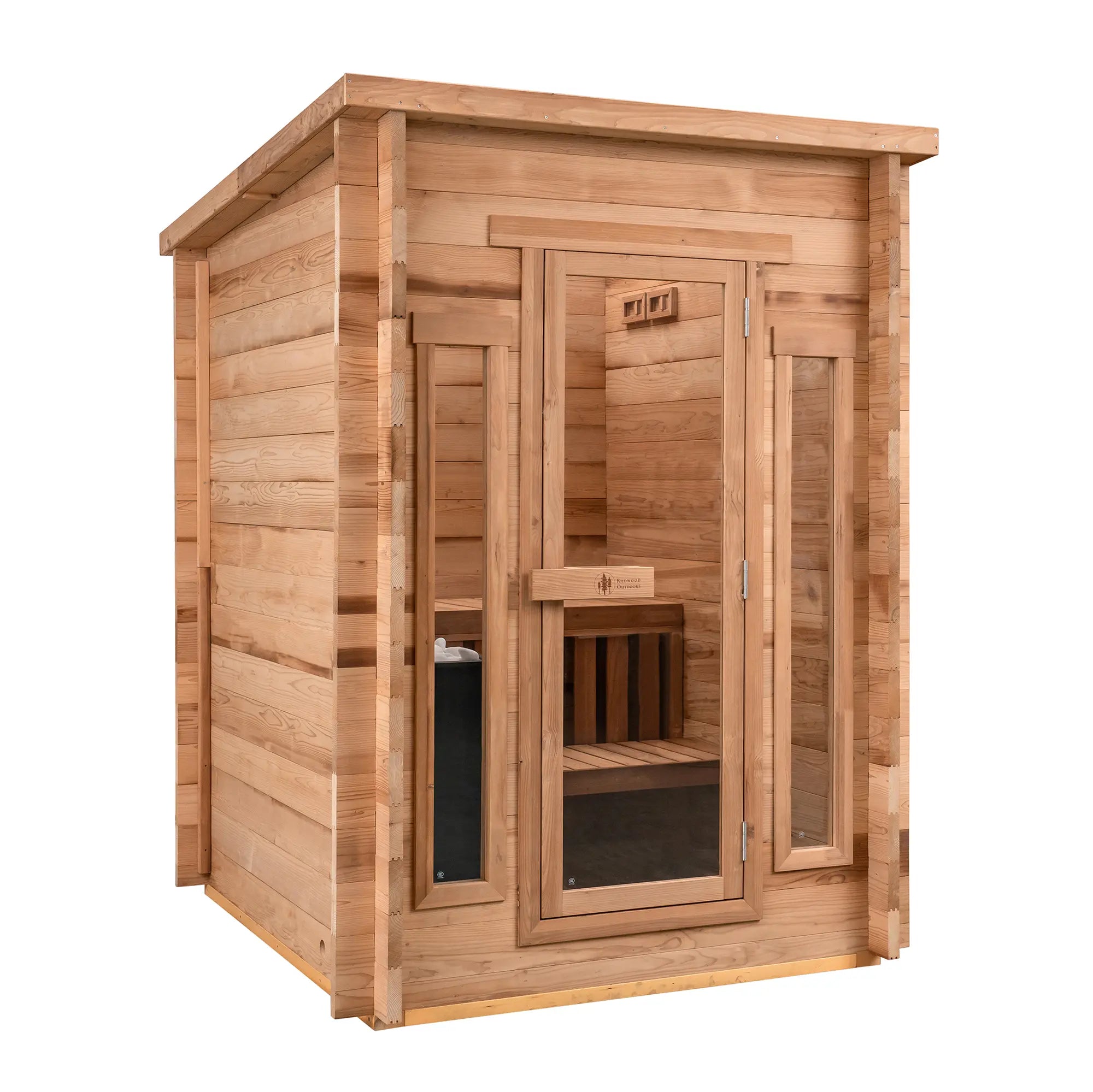
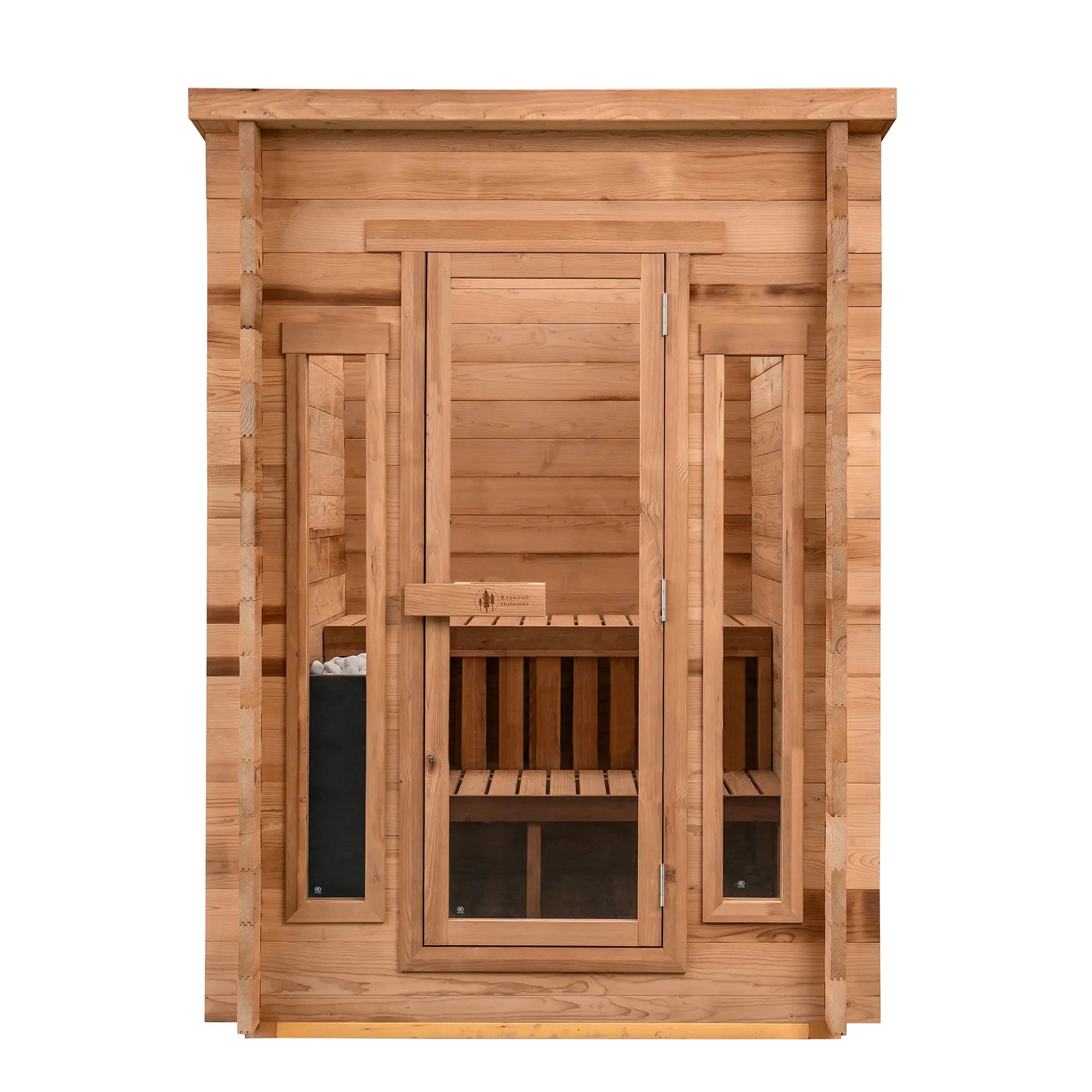
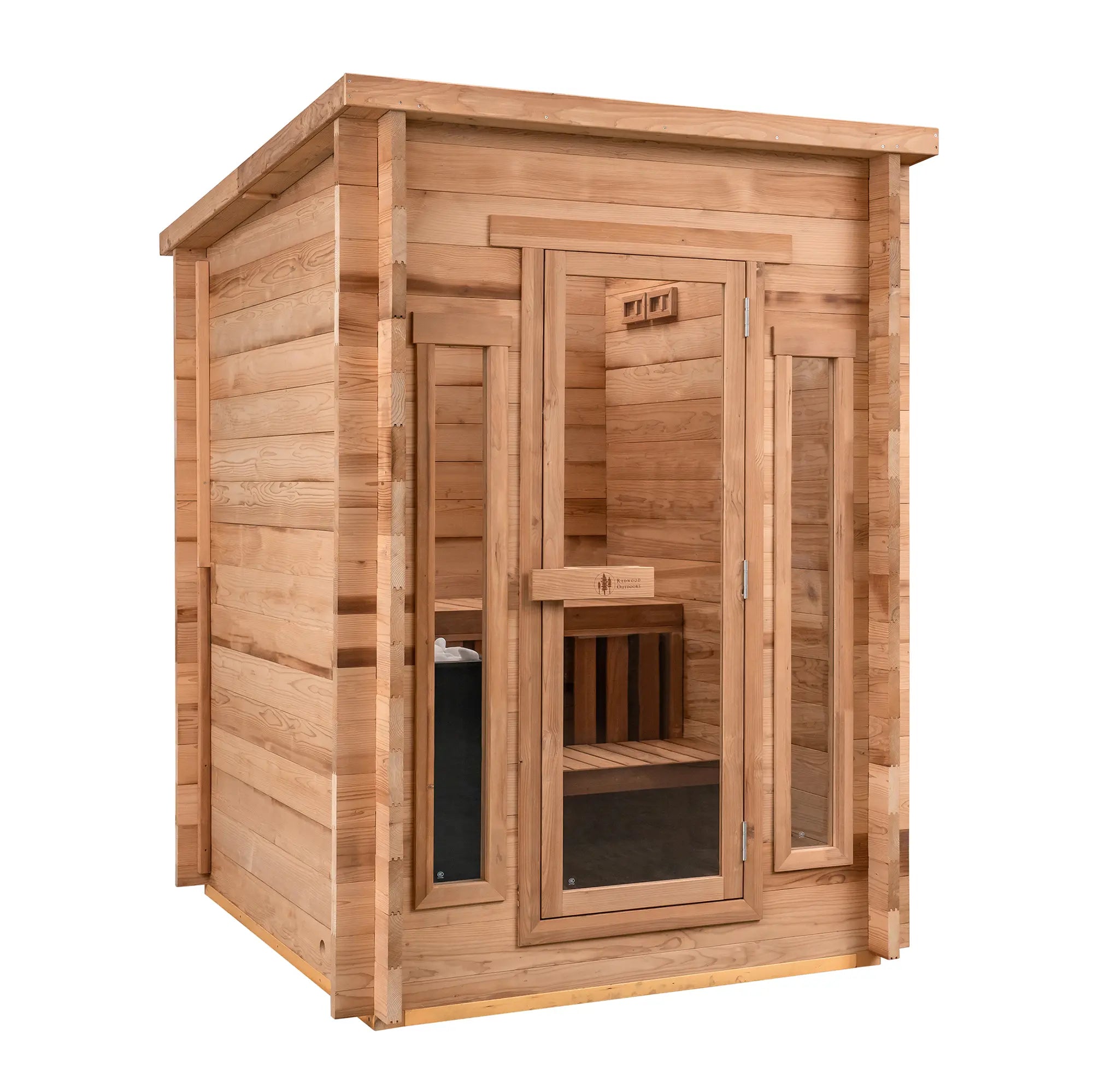
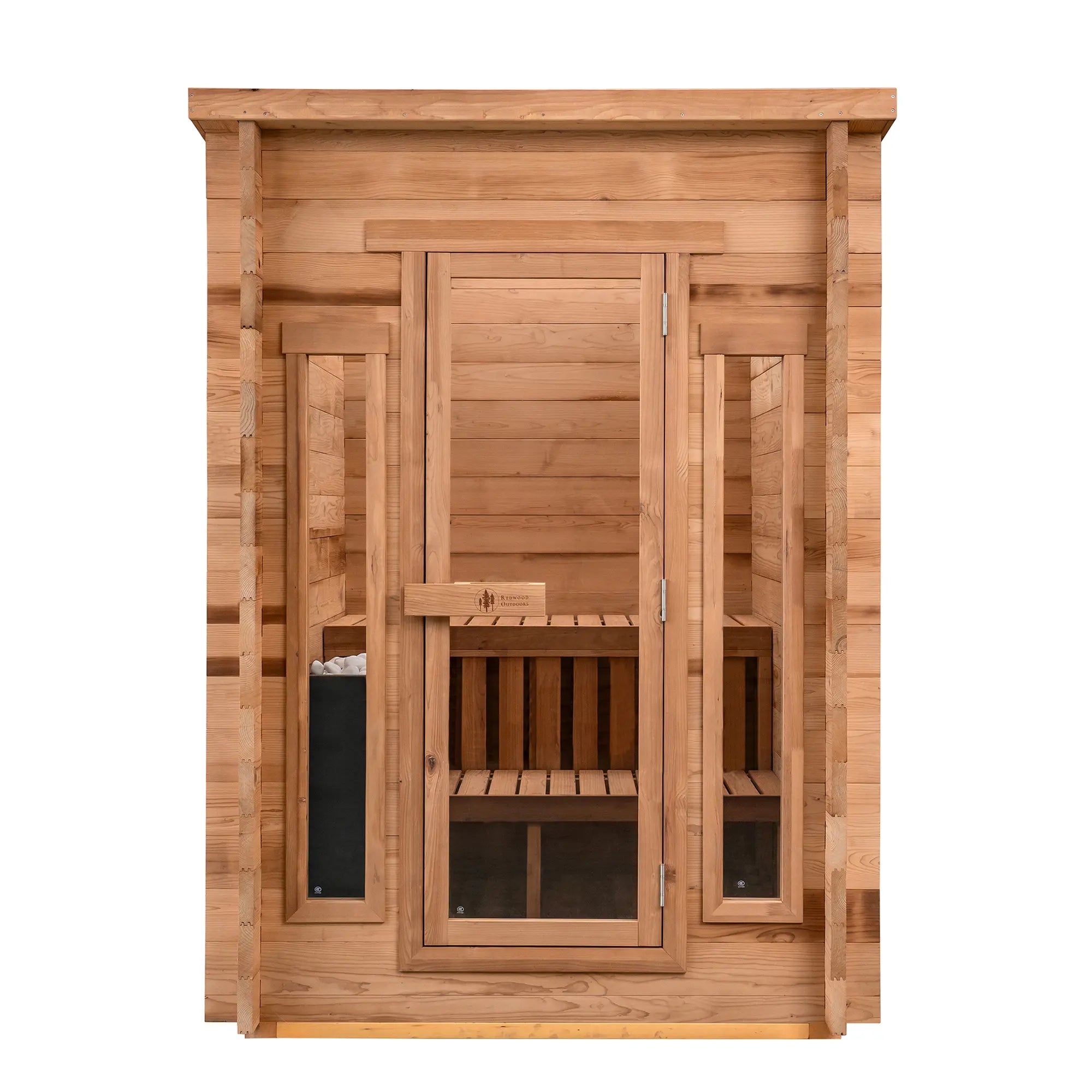
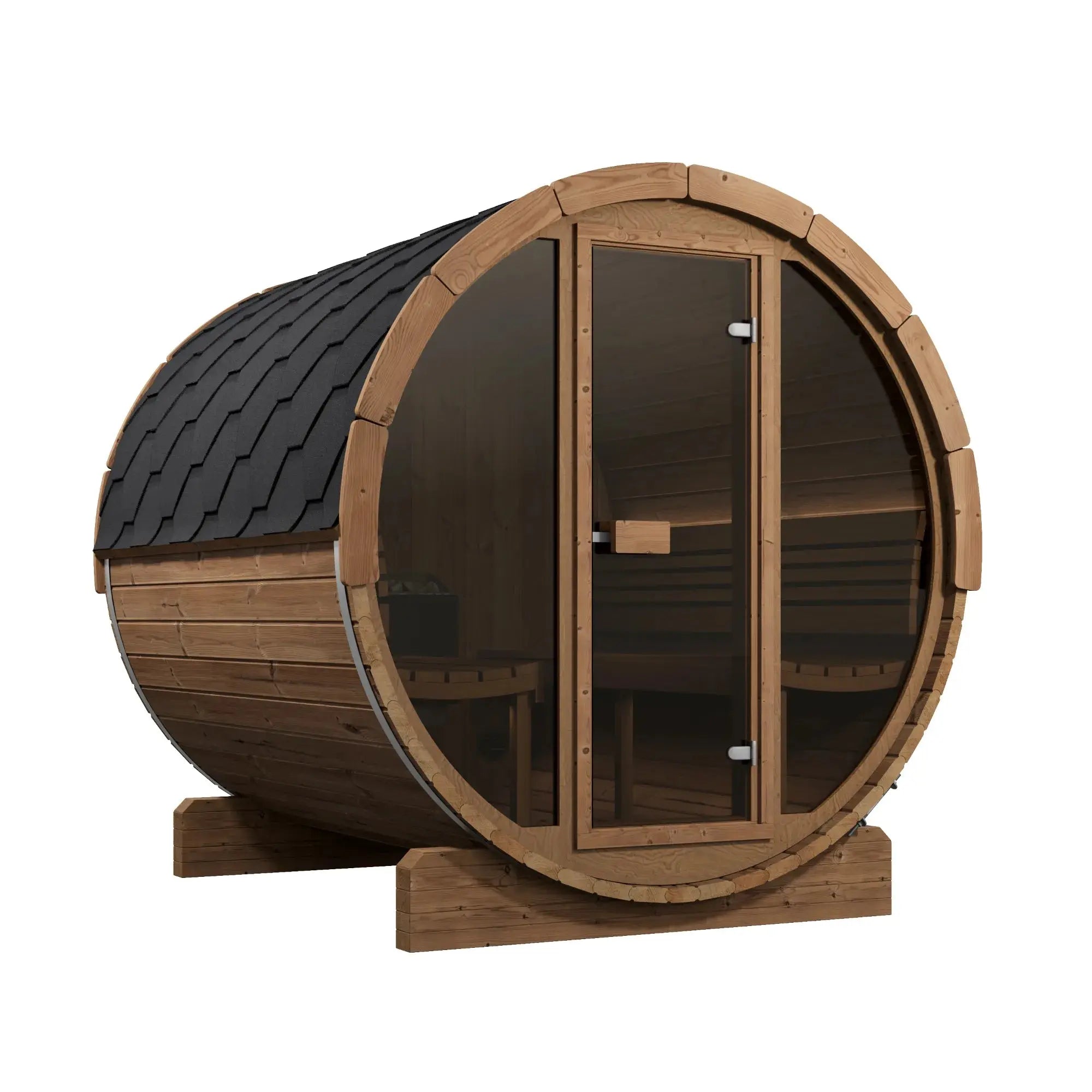
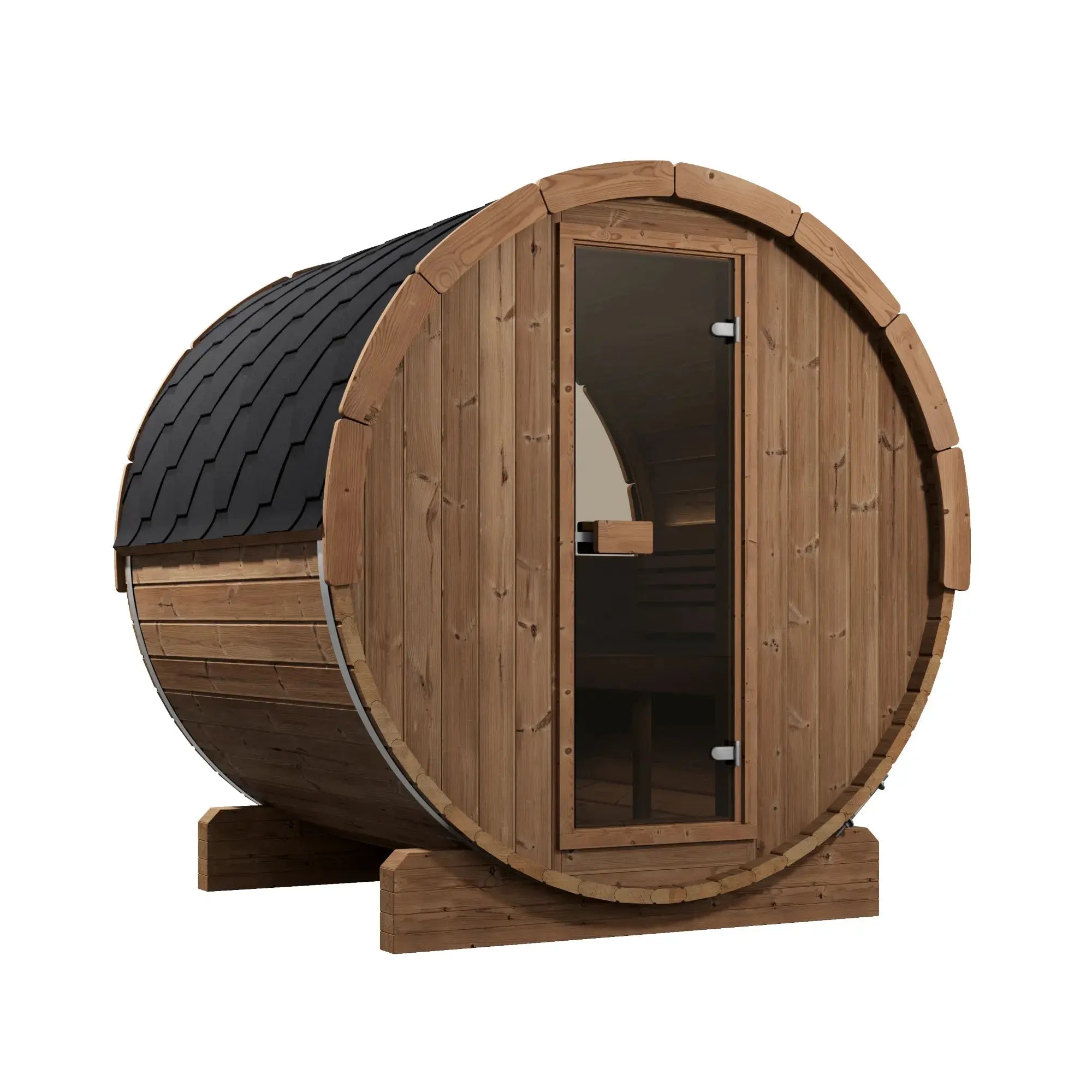
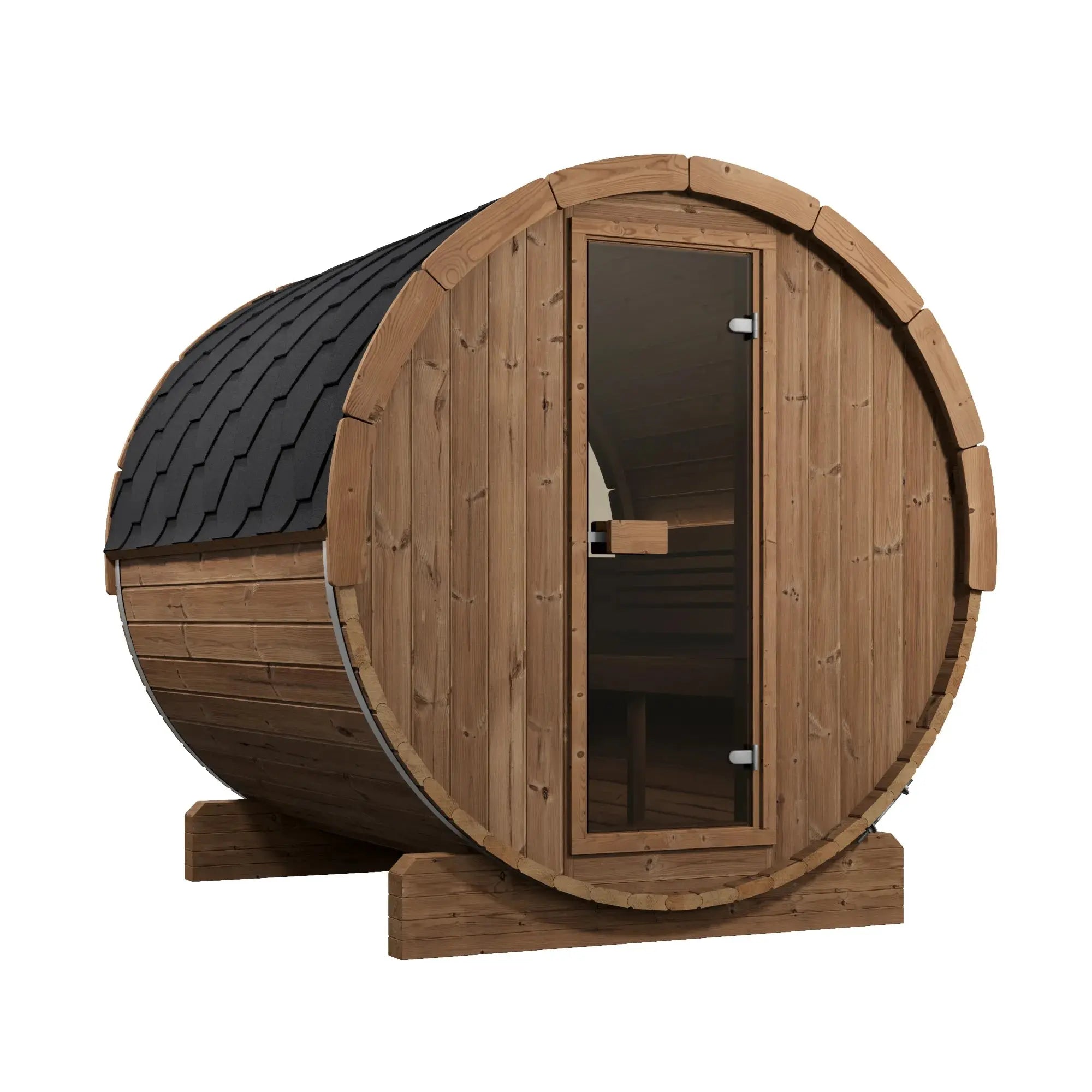
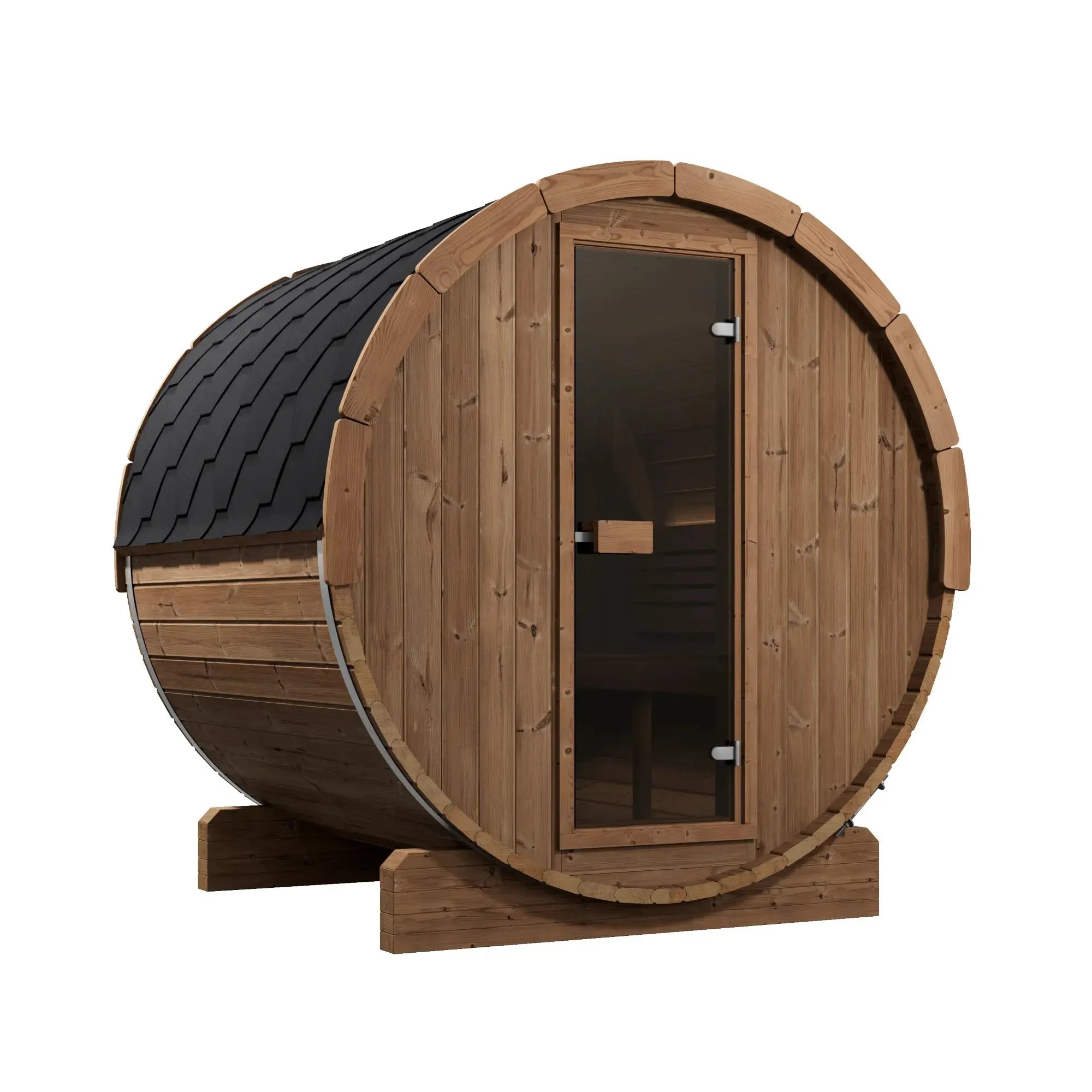
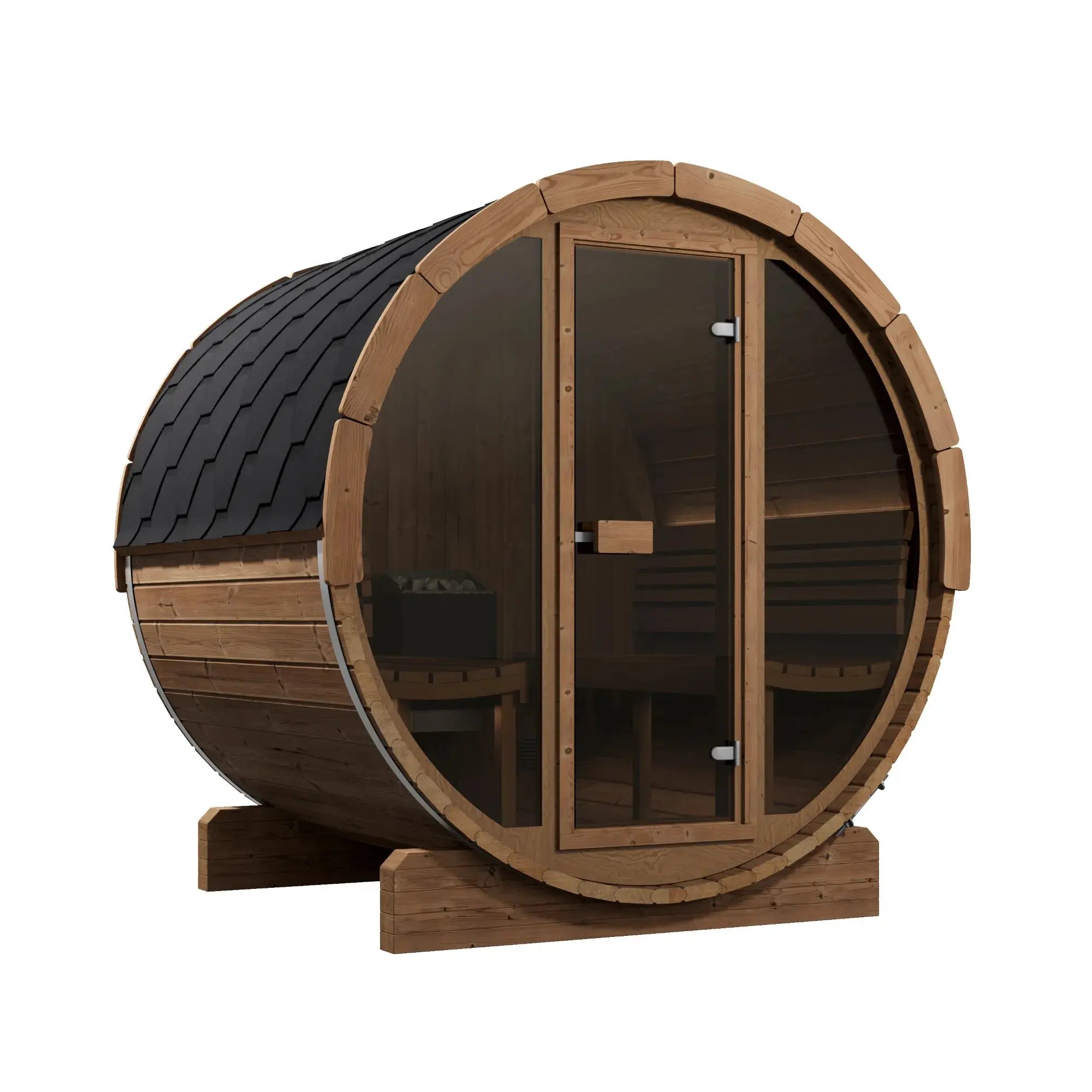
- 2–4 person: Most common backyard size. Barrel sauna or small cabin. ~$5,000–$15,000.
- 4–6 person: Larger cabin saunas, often with changing room. ~$12,000–$30,000.
- Custom builds: Architectural saunas with multiple rooms, cold plunge integration. $25,000+.
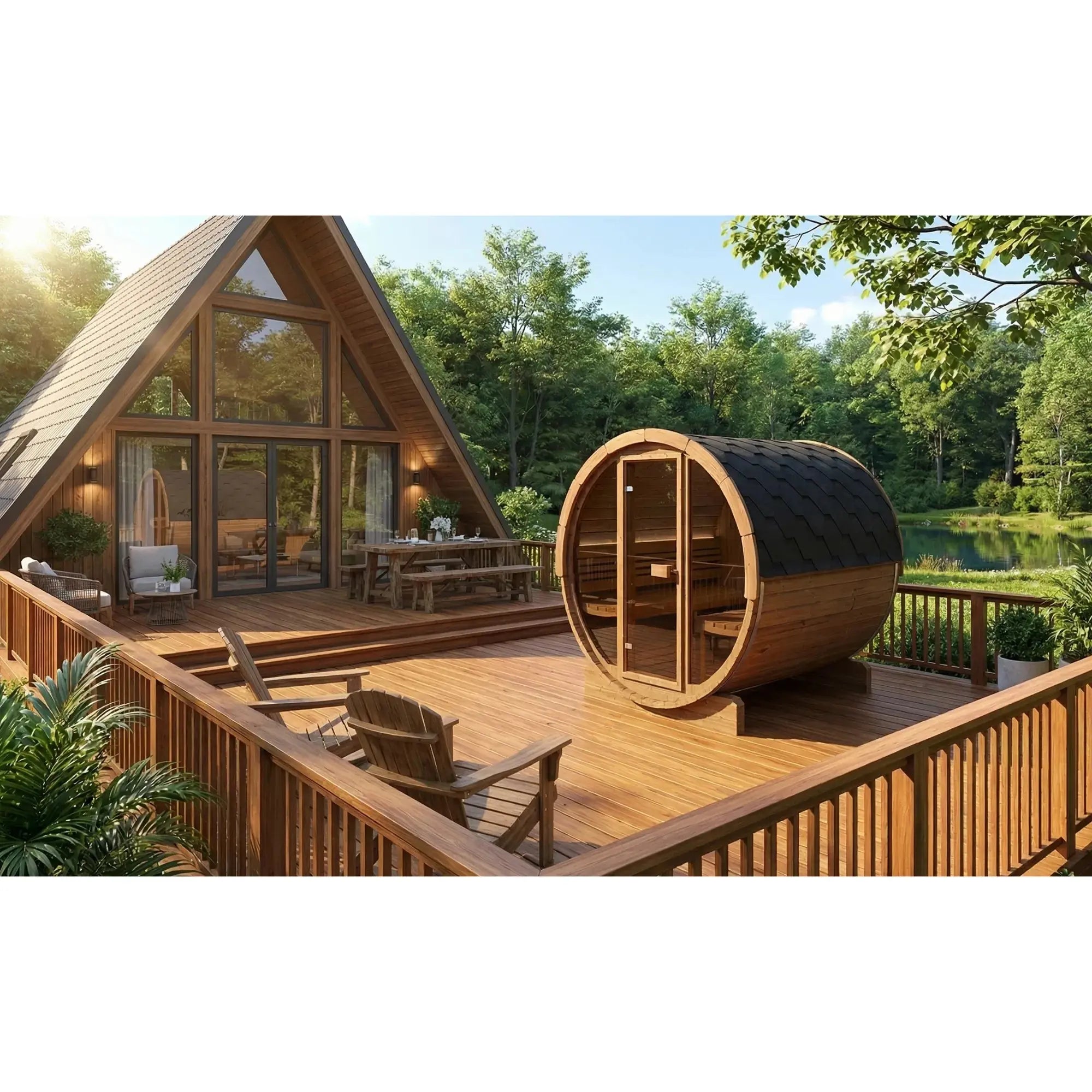
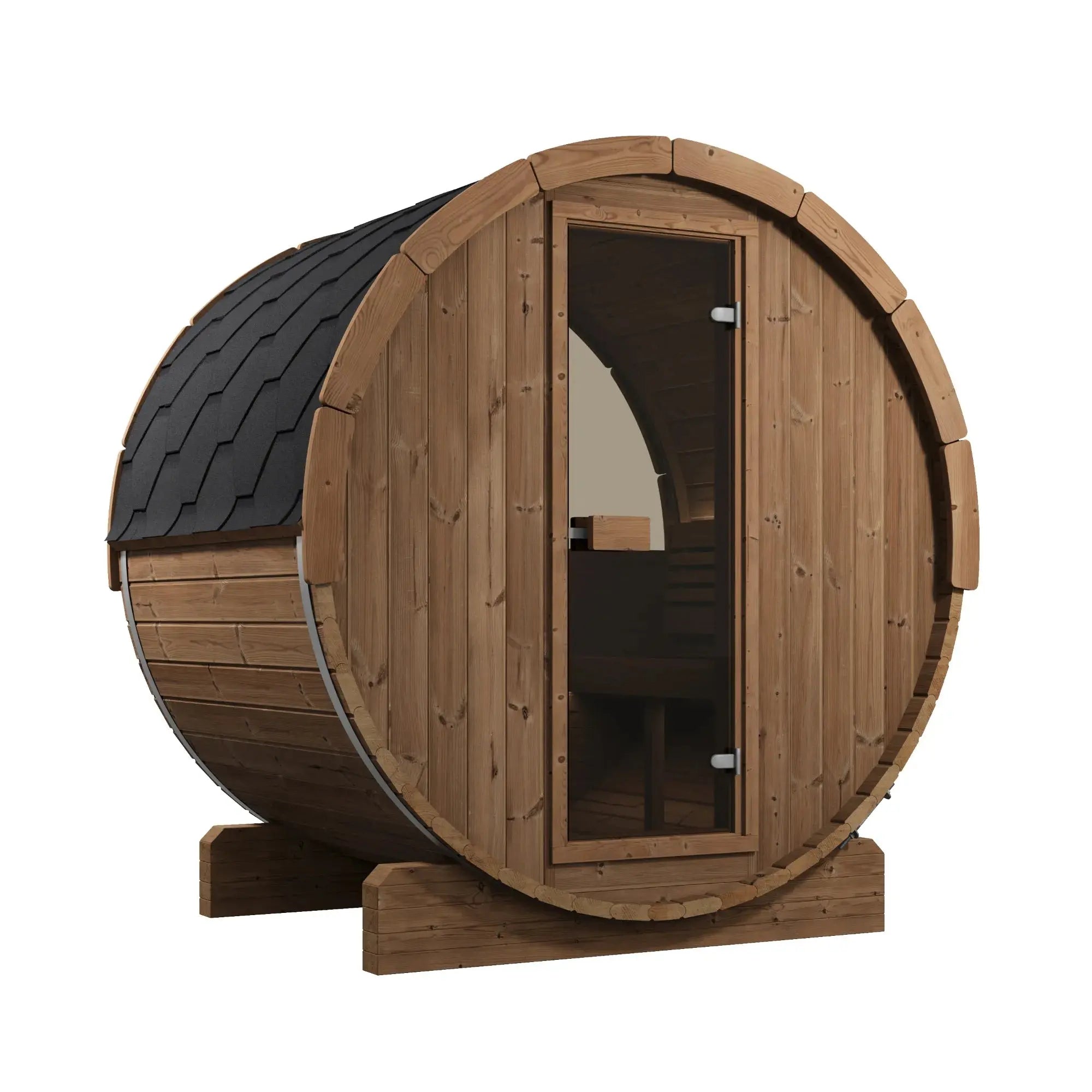
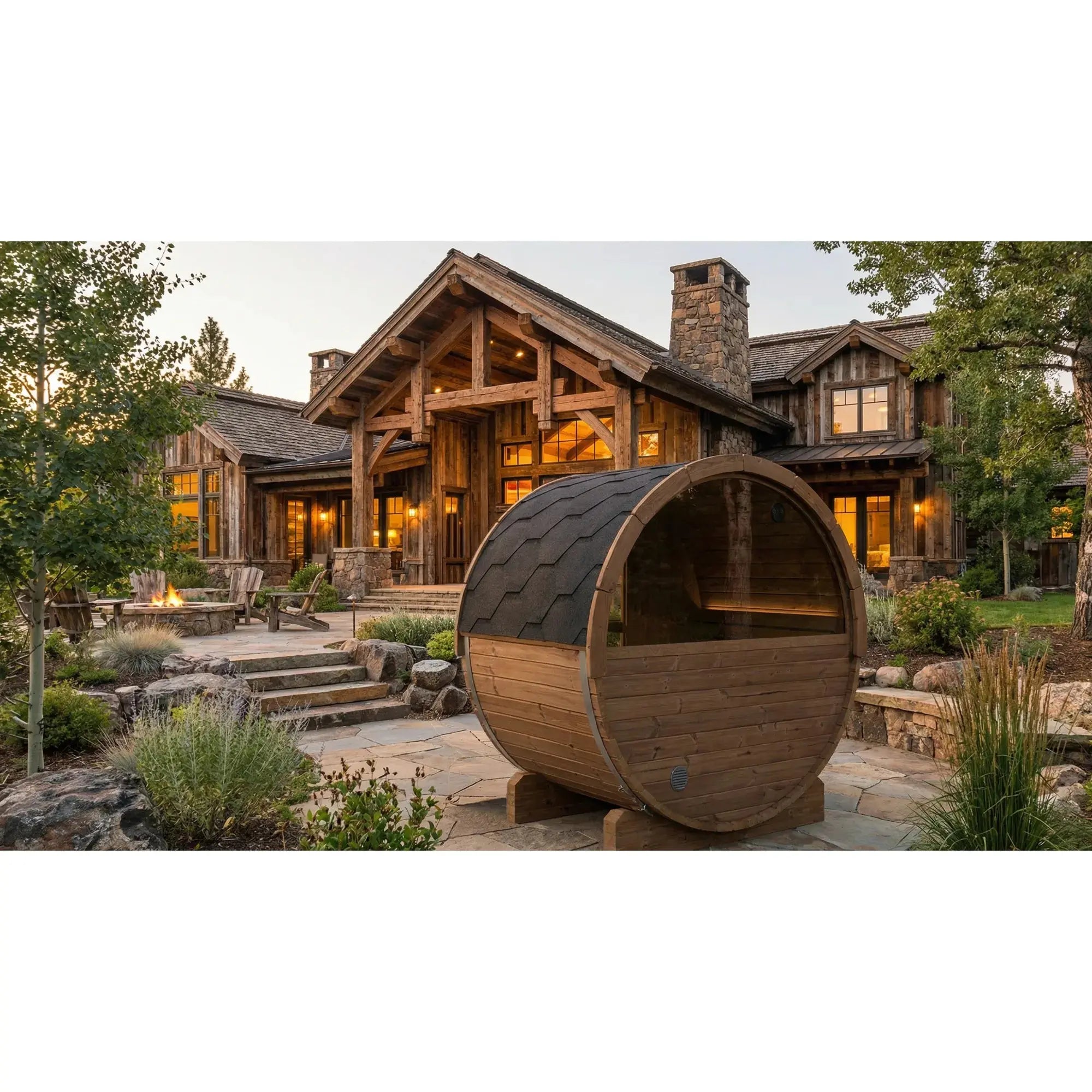
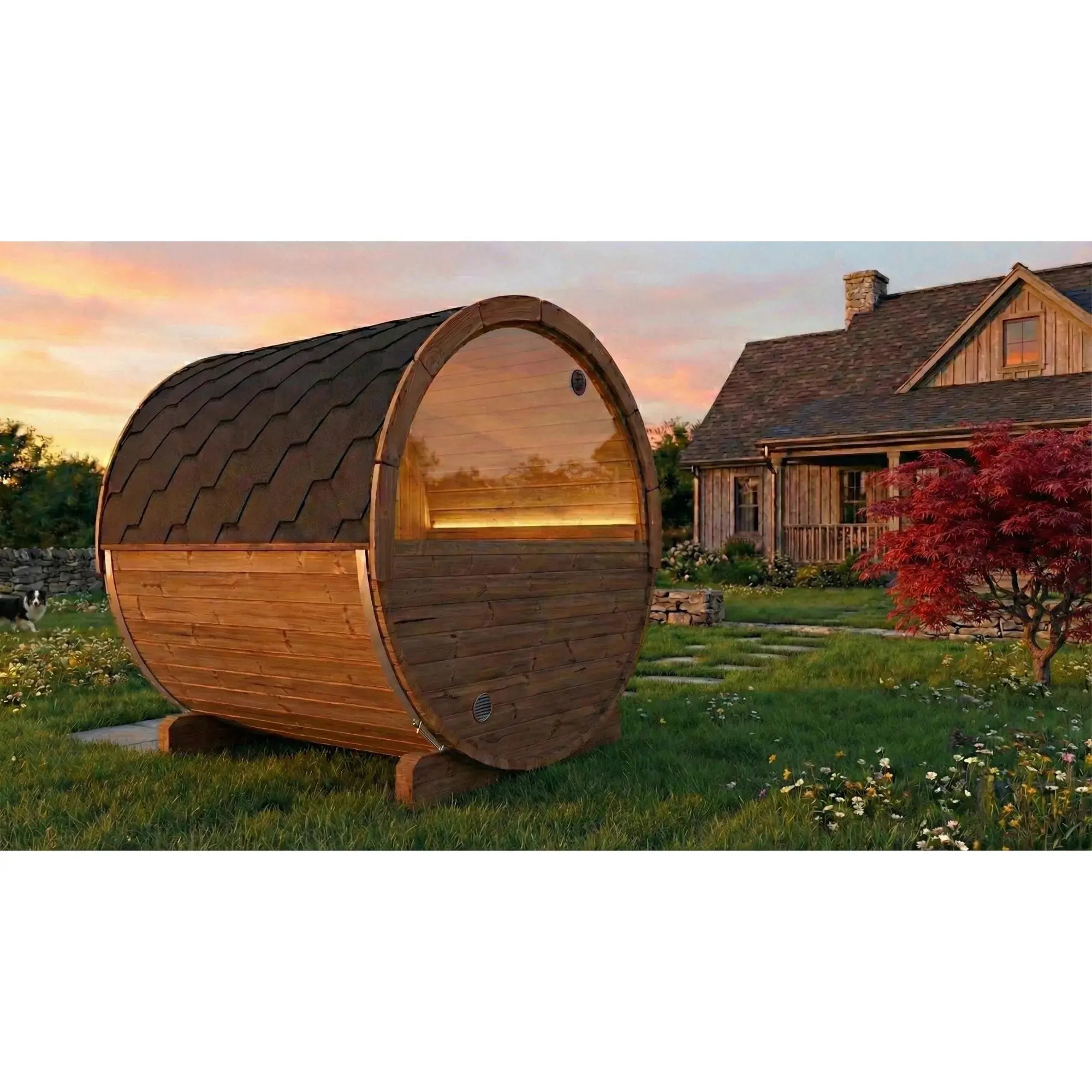
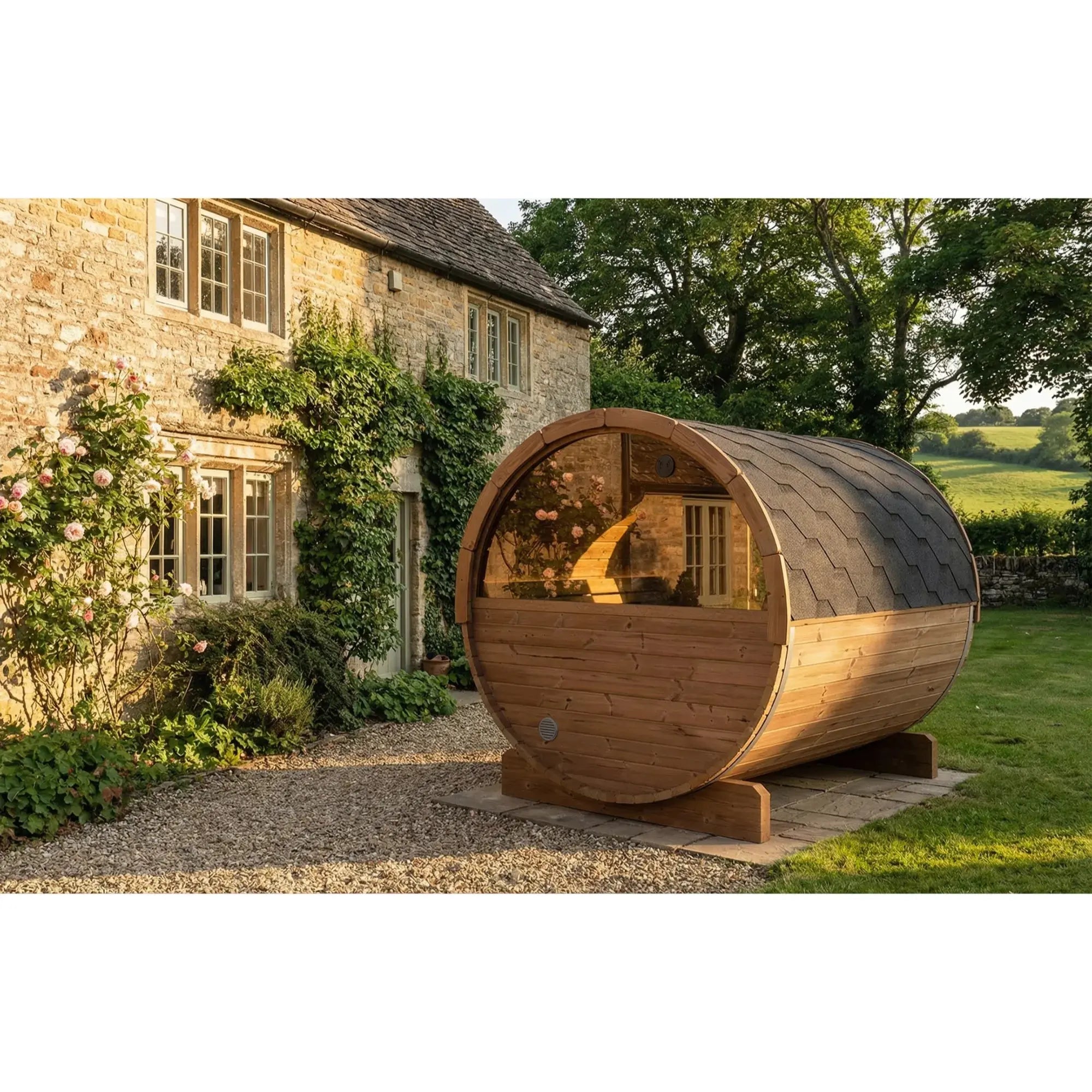
Barrel vs. cabin is mostly aesthetic. Barrels are cheaper to ship and assemble; cabins look more architectural and offer changing room space.
Site requirements — what to know before buying
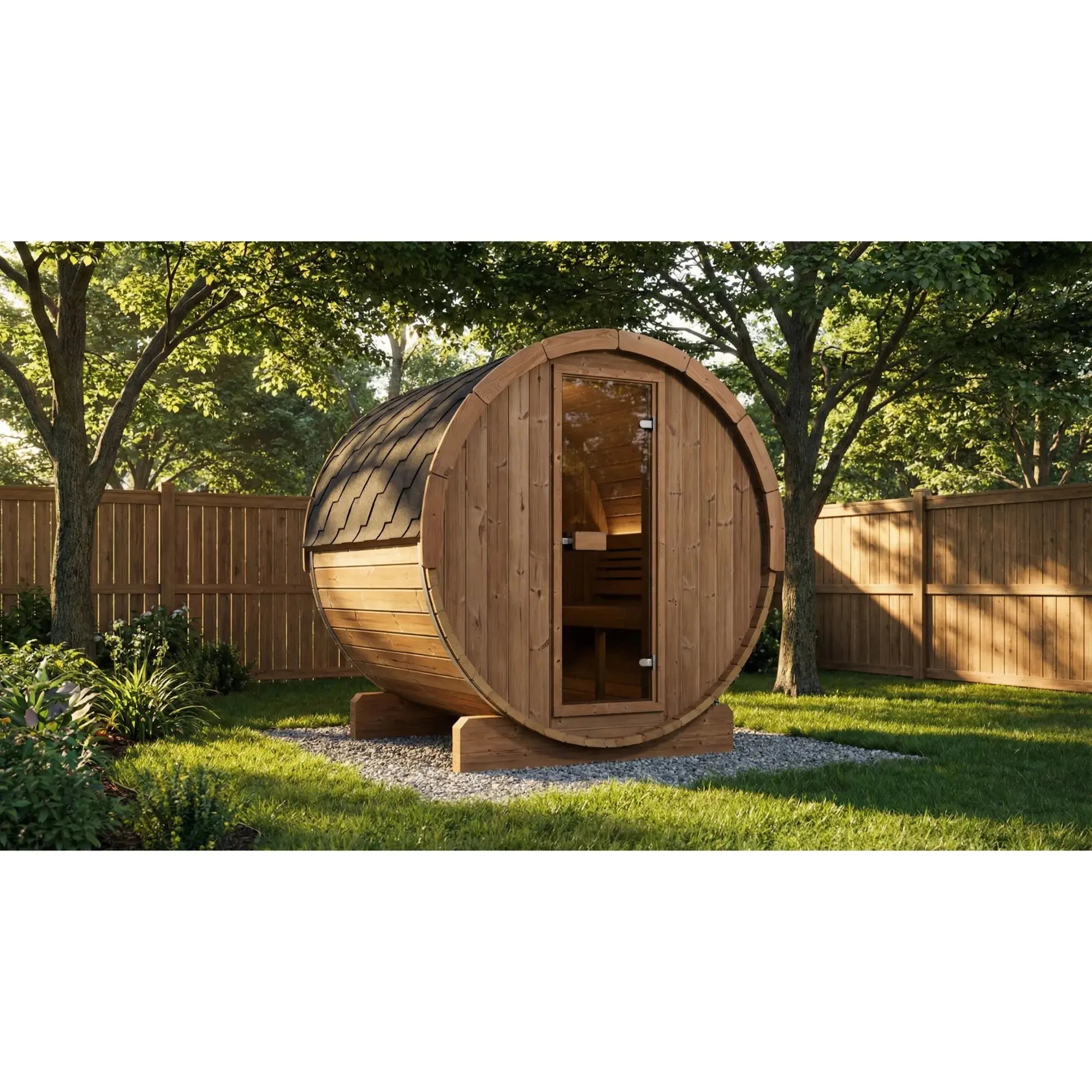
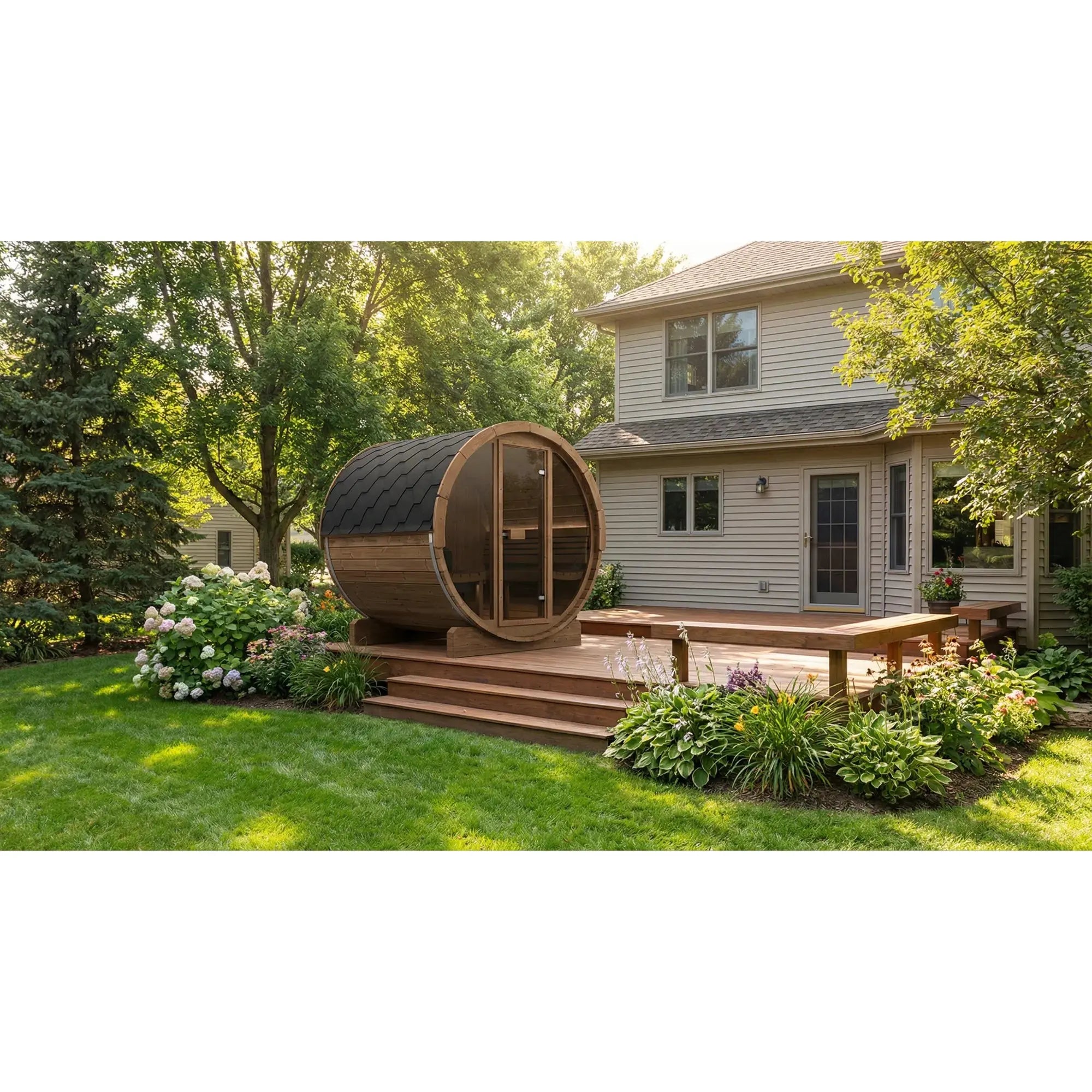
- Foundation. Concrete pad, gravel base, or paver base — saunas can't sit on grass. Most kits require a level surface within 1 inch over the unit's footprint.
- Electrical (if electric heater). 220V/240V, dedicated circuit. Hire an electrician — this isn't DIY territory.
- Clearance. 18–24 inches from any combustible structure (fence, house wall, dry vegetation). More for wood-fired.
- Permits. Most municipalities require a permit for permanent outdoor structures over a certain size, plus electrical permits for the wiring. Check before ordering.
- HOA / setbacks. Some HOAs restrict accessory structures. Check.
What it costs to run

An average 6kW electric sauna heater used 3 times a week for 1 hour: roughly $15–$25/month in electricity, depending on local rates.
Wood-fired runs on the cost of firewood and your willingness to maintain it. Figure $30–$50 per cord of seasoned hardwood; a cord lasts most users a full season of regular use.
Cold plunge — do you need one?

If you're building toward contrast therapy, yes. The hot-cold-hot cycle is most of the experience. If you're just adding a sauna, no — sauna alone is its own complete thing.
Cold plunges range from a $300 stock tank with ice you add manually to $5,000+ chiller systems that hold water at 39°F automatically. Start with the cheap option and upgrade only if you find yourself using it consistently.
Next step
Browse outdoor saunas, or get help spec'ing one for your space.
Shop Saunas Talk to a Specialist