
IP65 Outdoor Lighting Guide for Patios
A light fixture can look perfect on a product page and still be the wrong choice for your patio. The problem usually comes down to exposure. This IP65 outdoor lighting guide is here to help you sort out what that rating actually means, where it makes sense, and when you may need more protection than IP65 can offer.
If you're building an outdoor space with premium furniture, a fire feature, or a full outdoor kitchen, lighting should hold up to the same standard. Good exterior lighting is not just about style. It has to deal with rain, dust, temperature swings, and the way your patio is actually used at night.
What IP65 actually means
IP stands for Ingress Protection. It is a standardized rating that tells you how well a fixture resists solid particles and water. The first number refers to protection against dust and debris. The second number refers to protection against moisture.
In an IP65 rating, the 6 means the fixture is dust-tight. That is the highest level for solids, which matters more than many people realize in outdoor settings. Wind carries grit, pollen, mulch dust, and fine debris into places that seem protected.
The 5 means the fixture can handle water projected from a nozzle from any direction. In practical terms, IP65 outdoor lighting is built to withstand rain, splashing water, and general weather exposure. It is not designed to be submerged, and it is not the same as something made for standing water or direct pool-zone use.
That distinction matters because many homeowners hear “weather resistant” and assume all outdoor fixtures are interchangeable. They are not. IP65 is a strong rating for many residential applications, but the right choice depends on placement.
Where IP65 outdoor lighting works best
IP65 is a very good fit for a lot of backyard lighting plans. If you are lighting a covered patio edge, a pergola, an exterior wall, a grill station backsplash, or pathway zones with normal weather exposure, IP65 is often the sweet spot. It gives you meaningful protection without forcing you into more specialized fixture categories that may cost more or limit your design options.

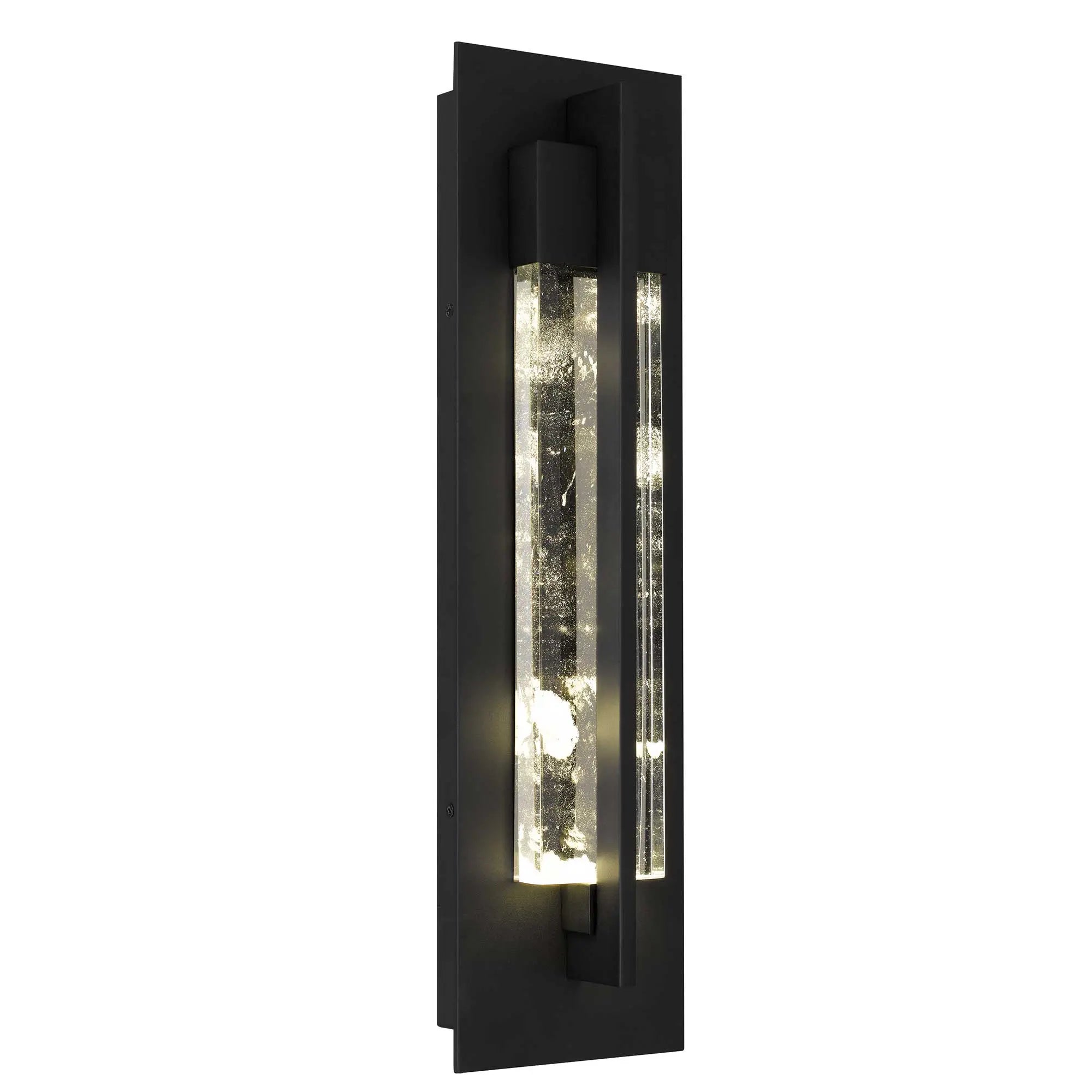
For wall sconces near seating areas, downlights mounted under eaves, and many hardscape accent lights, IP65 is usually a practical target. It is especially useful in spaces where wind-driven rain is possible, even if the fixture is not fully exposed all the time.
It also makes sense for homeowners who want fewer maintenance headaches. A properly built IP65 fixture is less likely to collect damaging dust internally or fail early because moisture found its way into the housing.
When IP65 is not enough
This is where outdoor lighting gets more specific. IP65 is not the answer for every location.
If a fixture is installed where it may sit in pooled water, face heavy wash-downs, or live close to a pool, spa, fountain, or outdoor shower, you may need a higher water-resistance rating. In those cases, IP67 or IP68 may be more appropriate depending on the exact environment and local code requirements.
The same goes for some landscape applications. An in-ground well light in a drainage-prone area deals with different conditions than a sconce mounted under a covered patio roof. Both are technically outdoors, but they are not exposed in the same way.
This is one of the most common buying mistakes we see across premium exterior products. People shop by category first and environment second. The better approach is to start with the actual installation conditions, then narrow the fixture style.
Why the rating matters more in premium outdoor spaces
When you invest in a finished patio, outdoor kitchen, or entertaining area, lighting becomes part of the long-term build rather than a quick accessory purchase. That changes the stakes.
A failed fixture does more than leave a dark corner. It can interrupt the look of the space, create inconsistency across your lighting plan, and lead to replacement work that is more annoying than it should be. If wiring access is limited or the light is integrated into a structure, replacing the wrong fixture later can become an expensive inconvenience.
That is why we usually recommend choosing lighting the same way you would choose a fire pit burner or outdoor cabinetry material. Start with performance requirements. Style comes next, not the other way around.
How to choose the right IP65 fixture
The rating is only one part of the decision. A smart purchase also looks at construction quality, finish durability, beam behavior, and serviceability.
Material matters. Powder-coated aluminum, marine-grade metals, and corrosion-resistant hardware generally hold up better than lower-cost alternatives, especially in humid or coastal regions. A fixture can carry an IP65 rating and still age poorly if the finish breaks down fast.

Lens quality matters too. Cheap plastics can haze over time, which affects both appearance and light output. If you are lighting a dining patio or outdoor kitchen, clarity and color consistency make a visible difference.
Then there is the light itself. Think about color temperature before you buy. Warmer light, often in the 2700K to 3000K range, tends to feel better in lounge and dining zones. Cooler light can make a prep area more functional, but it may feel harsh around seating. The best outdoor lighting plans usually mix task lighting with softer ambient lighting rather than using one fixture type everywhere.
Integrated LED fixtures can look clean and perform well, but replacement is different from changing a bulb. If long-term serviceability is a priority, pay attention to whether the fixture uses replaceable lamps or a sealed integrated light source.
Installation details that affect performance
Even the right fixture can underperform if installation is sloppy. An IP65 rating applies to the fixture as designed and assembled. It does not automatically cover poor wiring connections, bad mounting practices, or incompatible accessories.
Outdoor-rated junction boxes, proper gaskets, sealed cable entries, and correct orientation all matter. If a manufacturer specifies a mounting position, follow it. Some fixtures shed water correctly only when installed exactly as intended.
This is also why it is worth paying attention to who made the product and how clearly the specs are documented. Brands that are chosen by people who actually use this stuff tend to give better guidance on where and how a fixture should be installed.
If you are planning multiple fixture types across one backyard, consistency matters. Your wall lights, hardscape lighting, and outdoor kitchen task lights should work together visually and electrically. That does not mean everything has to match exactly, but it should feel intentional.
IP65 outdoor lighting guide for common backyard zones
For covered patios and seating areas, IP65 is usually a strong choice. It protects against drifting dust and blowing rain while giving you access to a broad range of styles.
For outdoor kitchens, IP65 often makes sense around the perimeter, backsplash areas, and nearby walls, especially where grease, steam, and weather mix. Just be realistic about fixture placement. A light directly over a high-heat grill zone may need more careful product selection than one mounted a few feet away.
For pathways and garden borders, IP65 can work well if the fixtures are elevated and not sitting in water-prone soil. In-ground or low-set fixtures in wet areas may call for a higher rating.
For pergolas and open-roof structures, IP65 is often appropriate because the fixtures still face rain and airborne debris even if they are partially sheltered by beams or slats.
For pool and spa environments, slow down and verify the exact requirements. This is where location-specific exposure and code considerations become more important than a general rule of thumb.
The trade-off between overbuying and underbuying
Some homeowners assume higher IP ratings are always better. Not necessarily. More specialized fixtures can cost more, narrow your style options, and sometimes solve a problem you do not actually have.
At the same time, going too low is a false economy. Saving a little on a fixture that is not suited for your patio usually shows up later as corrosion, moisture issues, or early replacement.
The goal is not to chase the highest number. It is to match the fixture to the environment honestly. That is the practical breakdown most buyers need.
A smarter way to shop for outdoor lighting
Before you compare finishes or fixture shapes, stand in the exact spot where the light will go. Ask a few simple questions. Will it get direct rain? Is it near cooking moisture or irrigation spray? Could debris build up there? Might water pool around it? Is this ambient lighting, task lighting, or both?
Once you answer those questions, IP65 becomes much easier to evaluate. For many patios, entertaining areas, and outdoor kitchen layouts, it is a dependable middle ground that balances durability, appearance, and product choice. At All Season Patio, that kind of practical fit matters more than chasing specs for their own sake.
The best lighting decision usually feels a little less exciting in the moment than picking a finish or fixture shape. A year later, when your patio still looks sharp after storms, dust, and heavy use, it feels like exactly the right call.