How to Design an Outdoor Wellness Space
The best outdoor wellness spaces do not start with furniture. They start with a question most homeowners skip: what do you want this area to help you do on a regular Tuesday? Reset after work, stretch in the morning, cool down after a sauna, sit quietly with coffee, or host a low-key evening by the fire? If you are figuring out how to design an outdoor wellness space, that answer matters more than any single product.
A wellness space works when it supports repeat use, not just a good photo. That means comfort, privacy, weather planning, and a layout that feels easy to move through. It also means choosing products that can handle real outdoor conditions and still look right as part of a complete backyard plan.
How to design an outdoor wellness space that gets used
Start by defining the primary purpose of the space, then build around one or two supporting functions. Most homeowners get better results when they stop trying to make one zone do everything. A space meant for sauna sessions and cool-down recovery will be planned differently than one centered on meditation, reading, or evening conversation around a fire pit table.
Think in terms of routines. If you want a morning reset area, you may care most about sunrise light, a quiet seat, and enough open surface for yoga or mobility work. If your goal is stress relief at night, warmth, privacy, low-glare lighting, and soft seating become more important. The design choices are different because the use case is different.
That may sound obvious, but it is where smart planning starts. Premium outdoor products perform best when they are part of a clear layout instead of a collection of disconnected purchases.
Choose the right location first
Before selecting materials or features, study the site. Watch how sun, wind, drainage, and noise affect the area at different times of day. A beautiful wellness corner will not feel restorative if afternoon heat is excessive, the wind cuts through every seat, or standing water collects after rain.
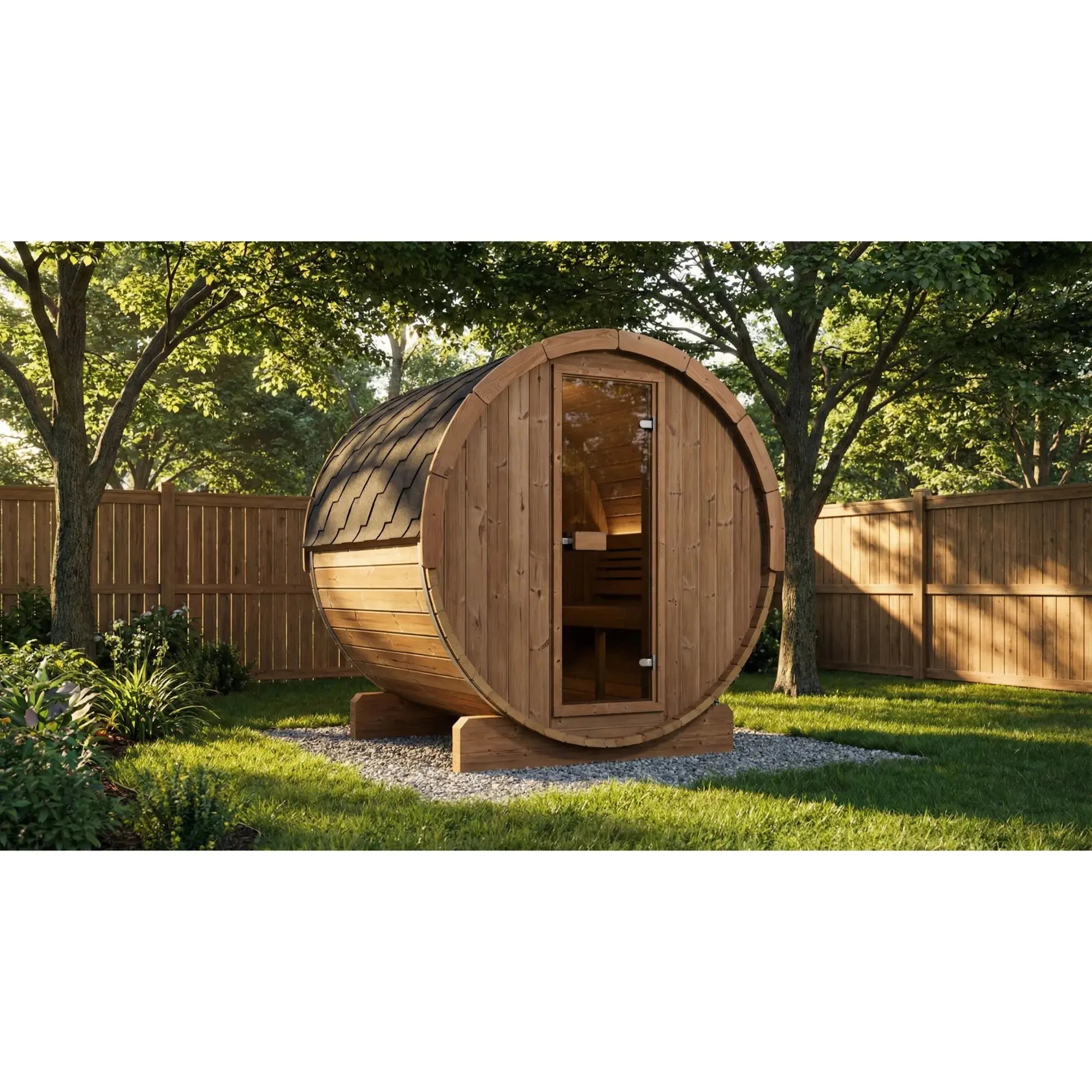
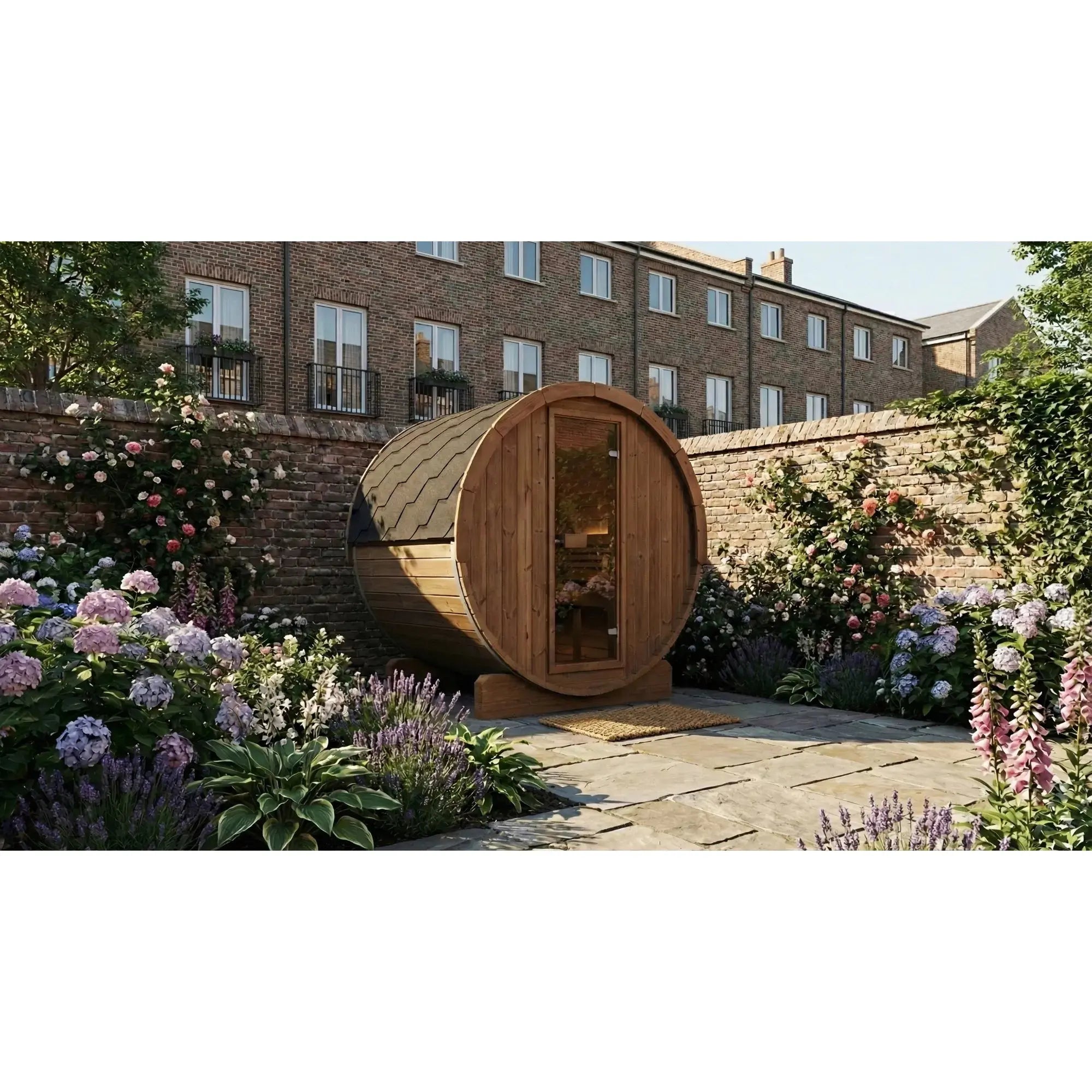
Privacy is usually the first real design constraint. Some homes naturally have a protected side yard, pool terrace, or rear patio that feels tucked away. Others need screening through planters, fencing, slatted panels, or strategic furniture placement. Privacy should feel intentional, not boxed in. You want enough enclosure to relax without making the space dark or cramped.
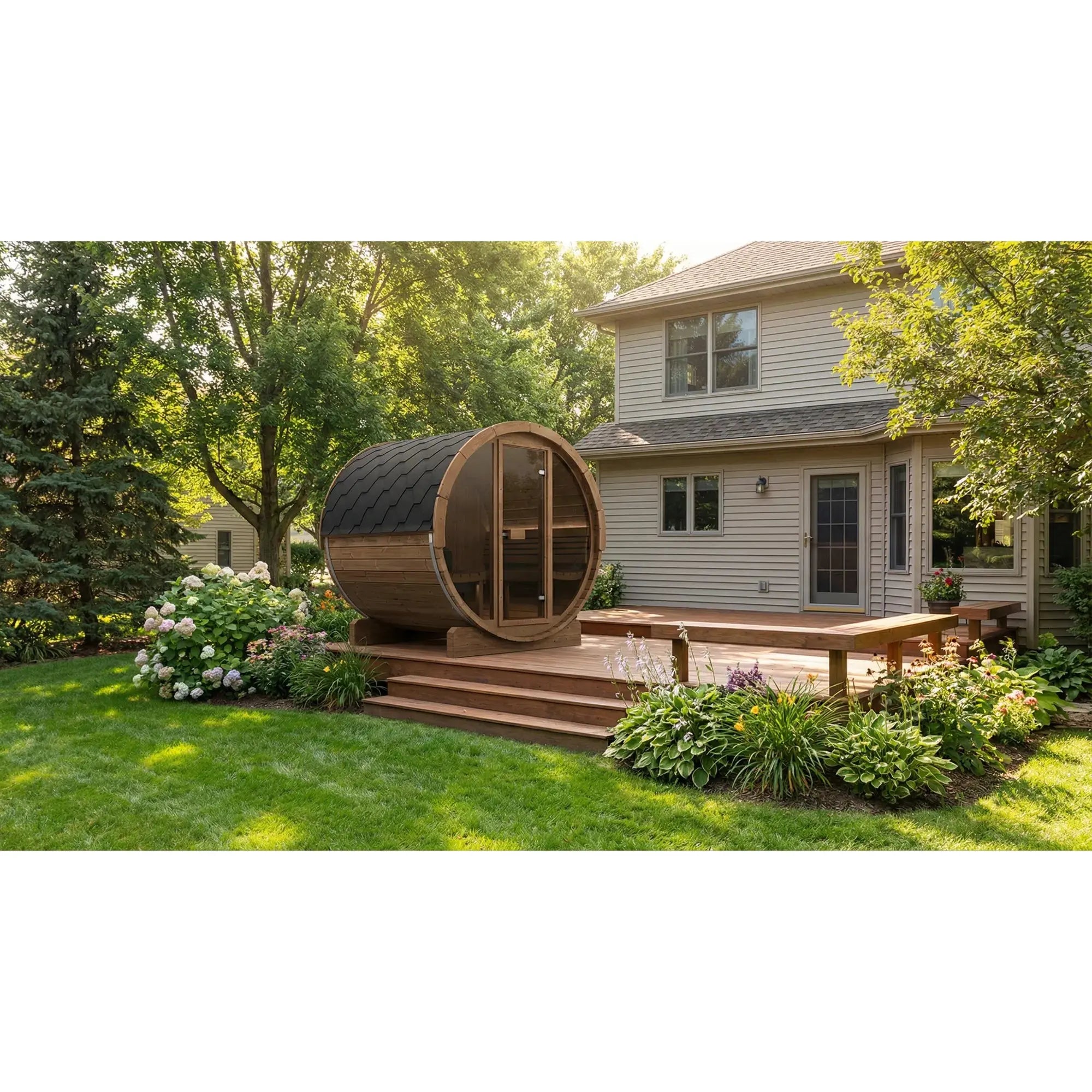
Surface conditions matter too. If you plan to add a sauna, outdoor shower, plunge element, or even just a dedicated lounge area, the base needs to be stable, level, and appropriate for moisture. Hardscape is often the right foundation because it creates a clean, durable platform and makes the zone feel permanent.
Build the layout around movement and transition
A good wellness space has flow. You should be able to move from one activity to the next without awkward steps, clutter, or tight clearances. That is especially true if the space includes heat and cool-down features, such as a sauna and shower, or lounging and fire elements used in sequence.
Create simple zones rather than hard separations. A common layout might include a heat zone, a rinse or refresh zone, and a lounge zone. Another might pair an open movement area with a shaded seating area and soft perimeter lighting for evening use. The point is not to fill every inch. The point is to make each part of the space feel easy to use.
Leave more open space than you think you need. Wellness areas benefit from visual calm, and crowded layouts work against that. If every corner is occupied by a product, the result feels more like a showroom than a retreat.
A practical zoning approach
Most homeowners do well with three layers: a functional anchor, a comfort layer, and an atmosphere layer. The anchor might be a sauna, outdoor shower, fire feature, or primary seating set. The comfort layer includes things like lounge chairs, side tables, shade, and heating. The atmosphere layer is lighting, greenery, texture, and privacy screening.
That order helps control budget and keeps the design grounded. If you start with accessories before defining the anchor, it is easy to overspend and still end up with a space that lacks purpose.
Pick materials that hold up outdoors

Wellness spaces should feel calm, but they also need to work hard. Sun, moisture, heat, freeze-thaw cycles, and heavy use will expose weak materials quickly. This is one of the main reasons homeowners regret cheaper outdoor purchases.
For furniture, focus on weather-resistant frames, performance fabrics, and finishes that are meant for sustained outdoor exposure. For surfaces near water or sauna use, prioritize slip resistance and low maintenance. If wood is part of the design, make sure it is suitable for exterior conditions and fits the upkeep you are realistically willing to do.
There is always a trade-off between appearance, maintenance, and cost. Natural materials can look excellent, but some need more care. Powder-coated aluminum is often easier to live with than heavier materials that rust or degrade. Teak can age beautifully, but only if you are comfortable with how it changes over time. The right choice depends on your climate and expectations, not just style.
Plan comfort for more than one season
A wellness space that only works six weeks a year is not a great investment. If you want real use, design for shoulder seasons and cooler evenings from the beginning.
Shade is one side of the equation. Depending on your yard, that may mean a pergola, umbrella, covered patio section, or simply choosing a location that avoids the harshest afternoon sun. The other side is warmth. Patio heaters and fire features can extend use significantly, but they need to be placed with clearance, wind exposure, and seating distance in mind.
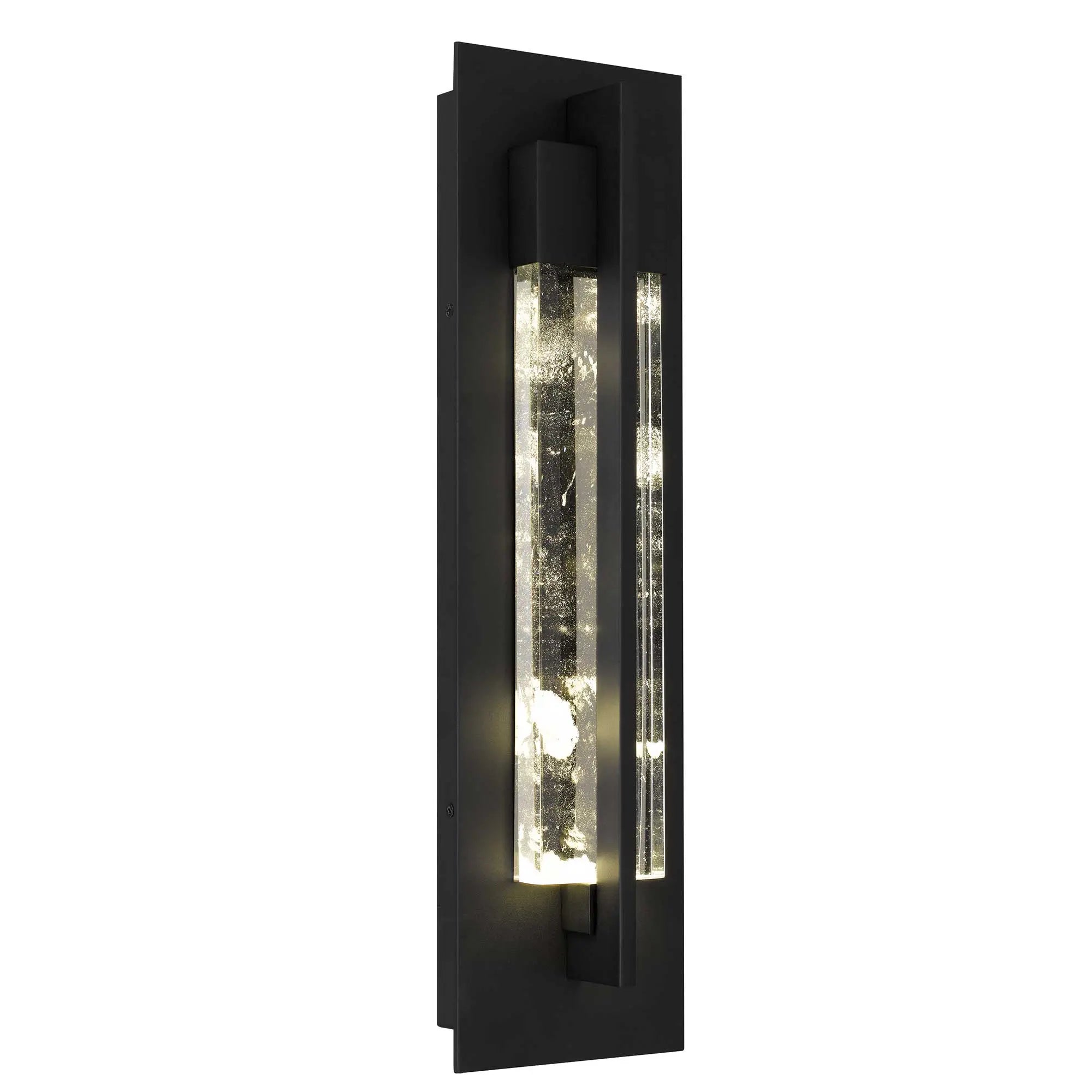
The same goes for lighting. Bright flood-style light is useful for security, but not for relaxation. Wellness zones usually benefit from layered lighting that makes movement safe while keeping the mood calm. Exterior lighting near pathways, step transitions, seating, and feature areas will do more for the experience than a single harsh overhead fixture.
Add wellness features with intent
This is where many projects either become excellent or become expensive. The key is to choose features that support how you actually want to use the space.
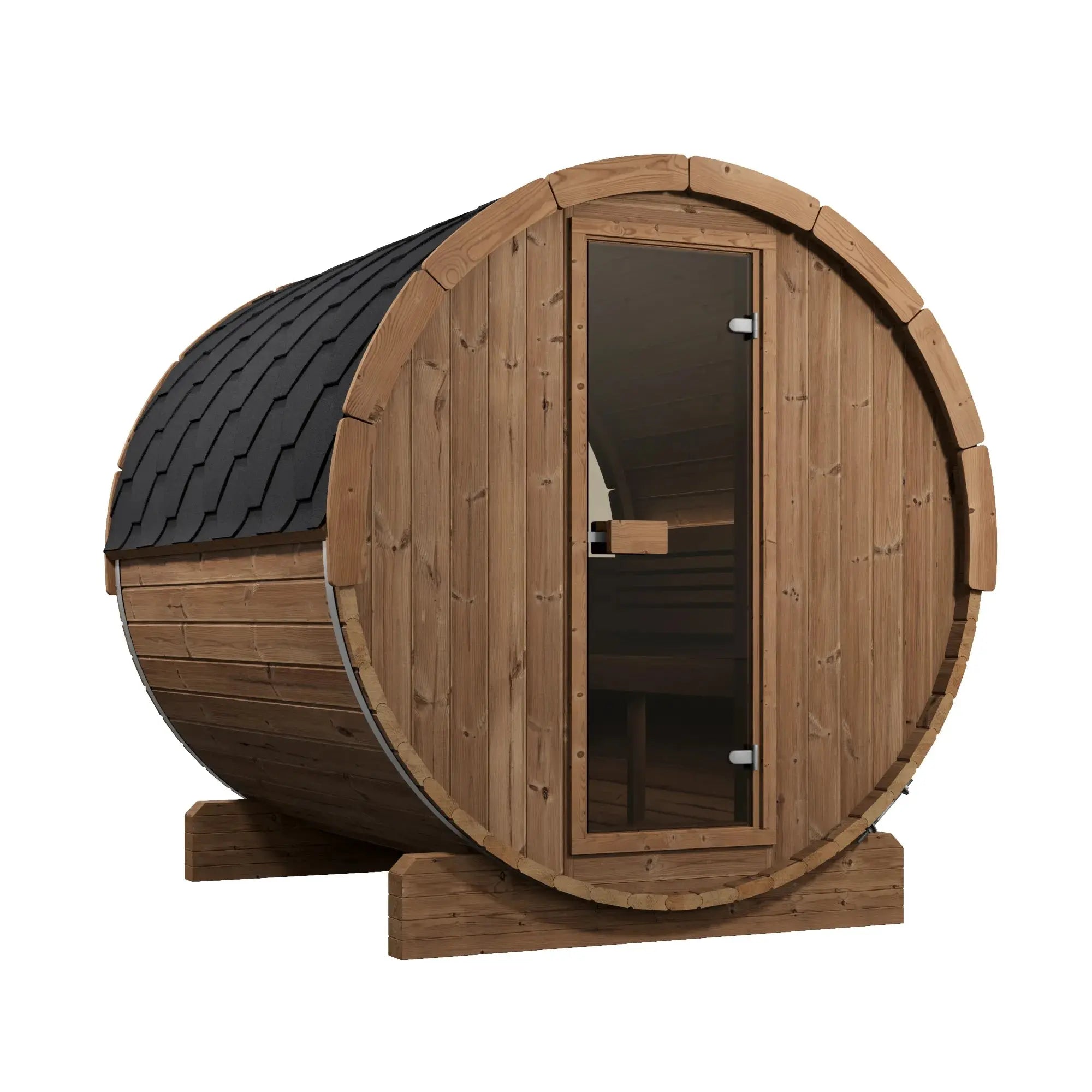
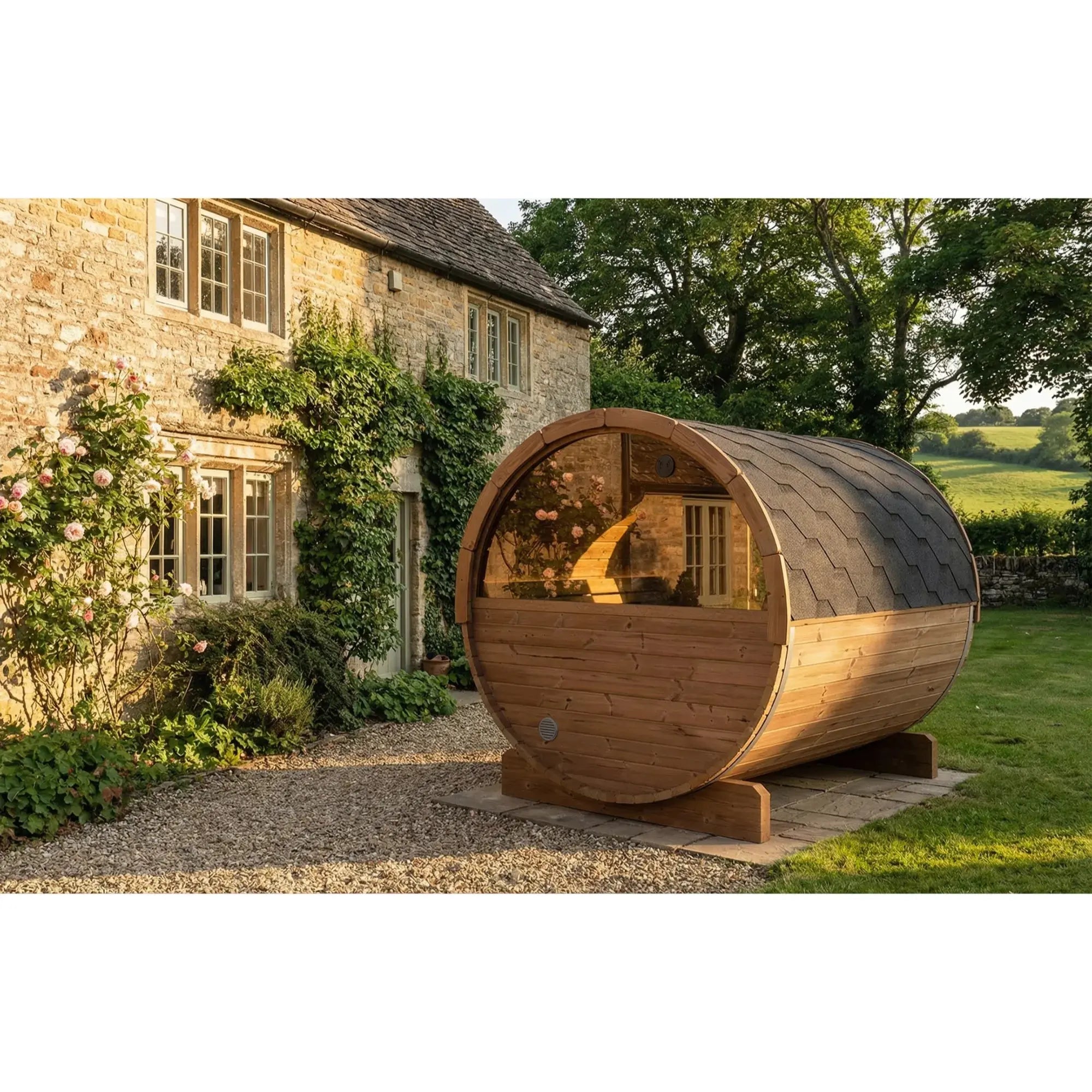
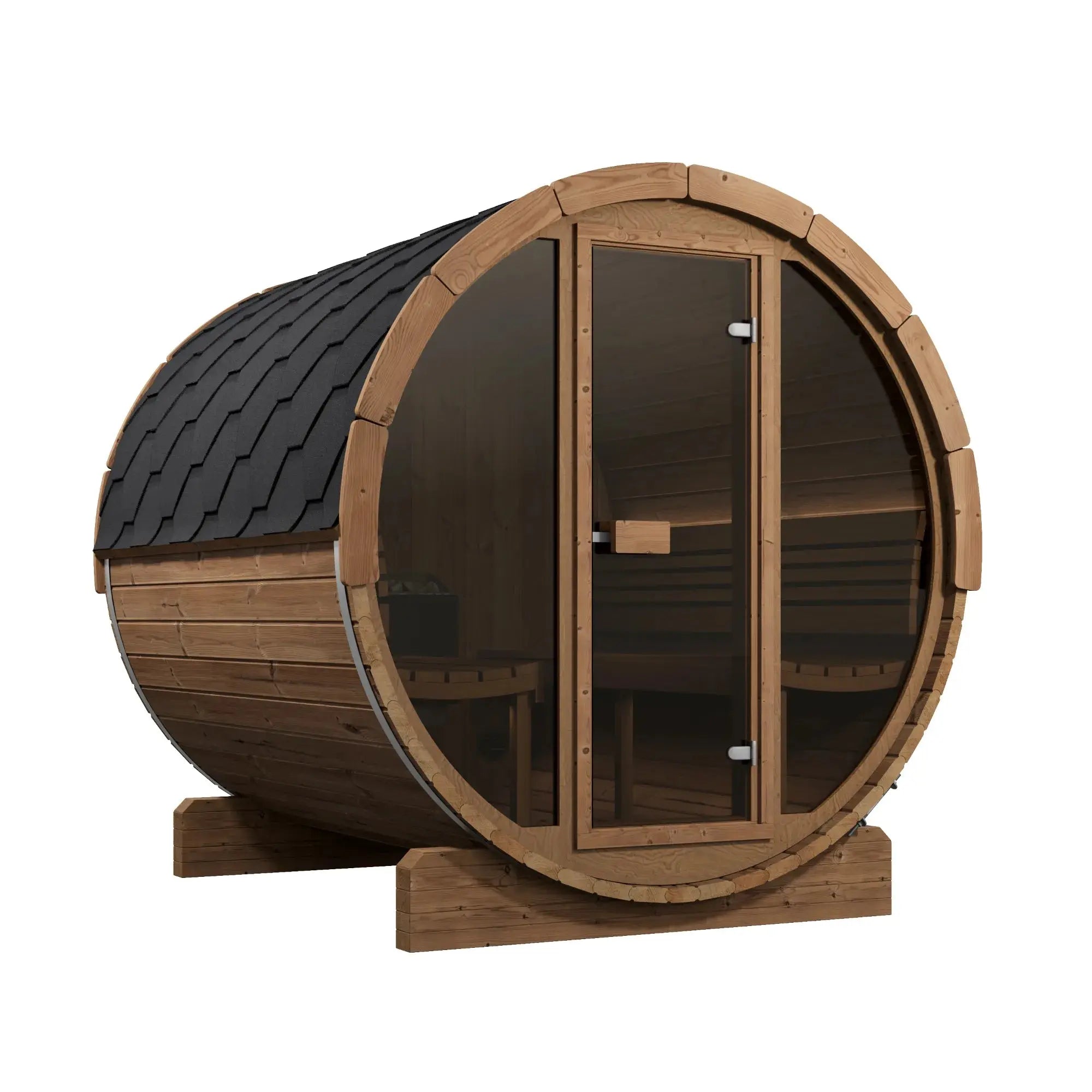
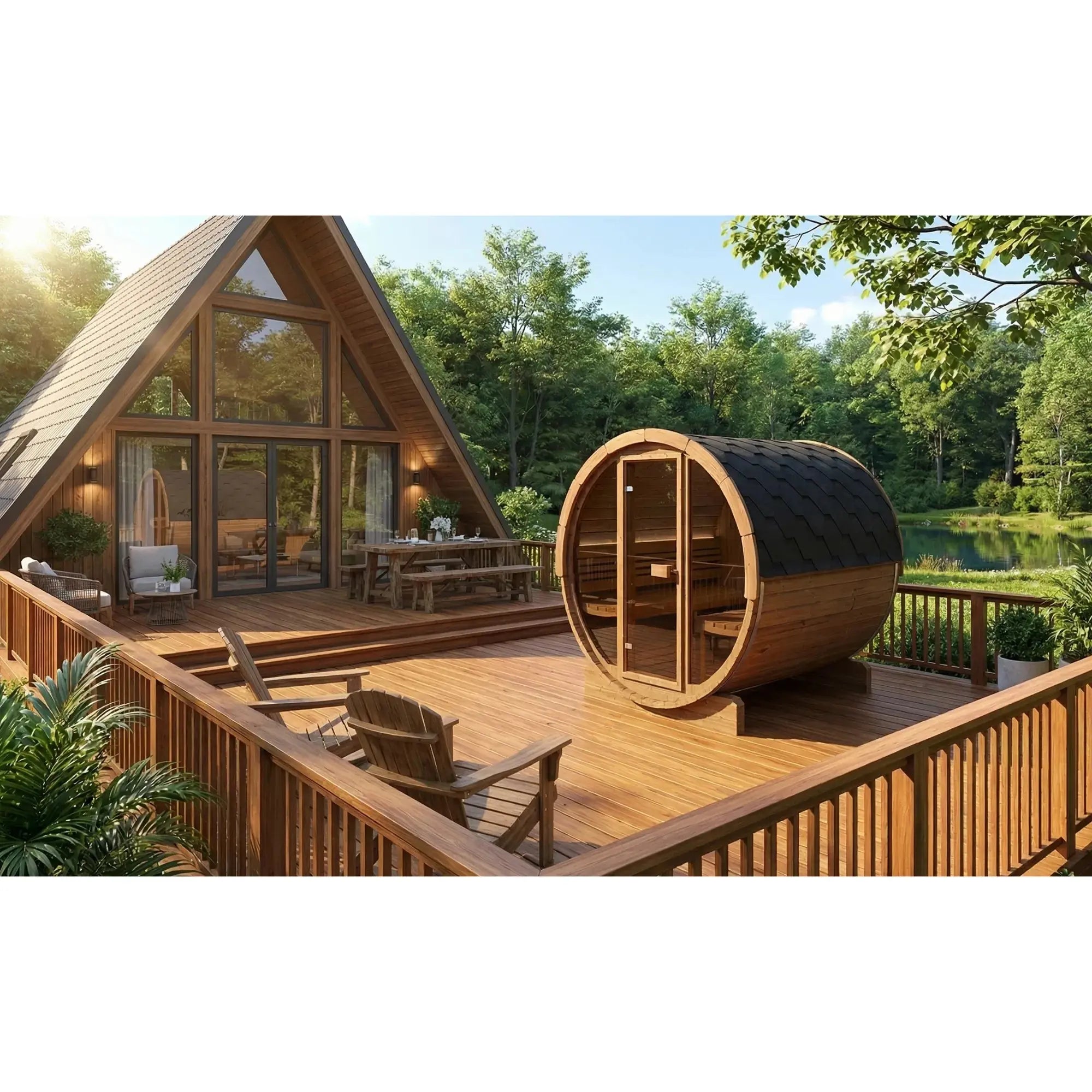
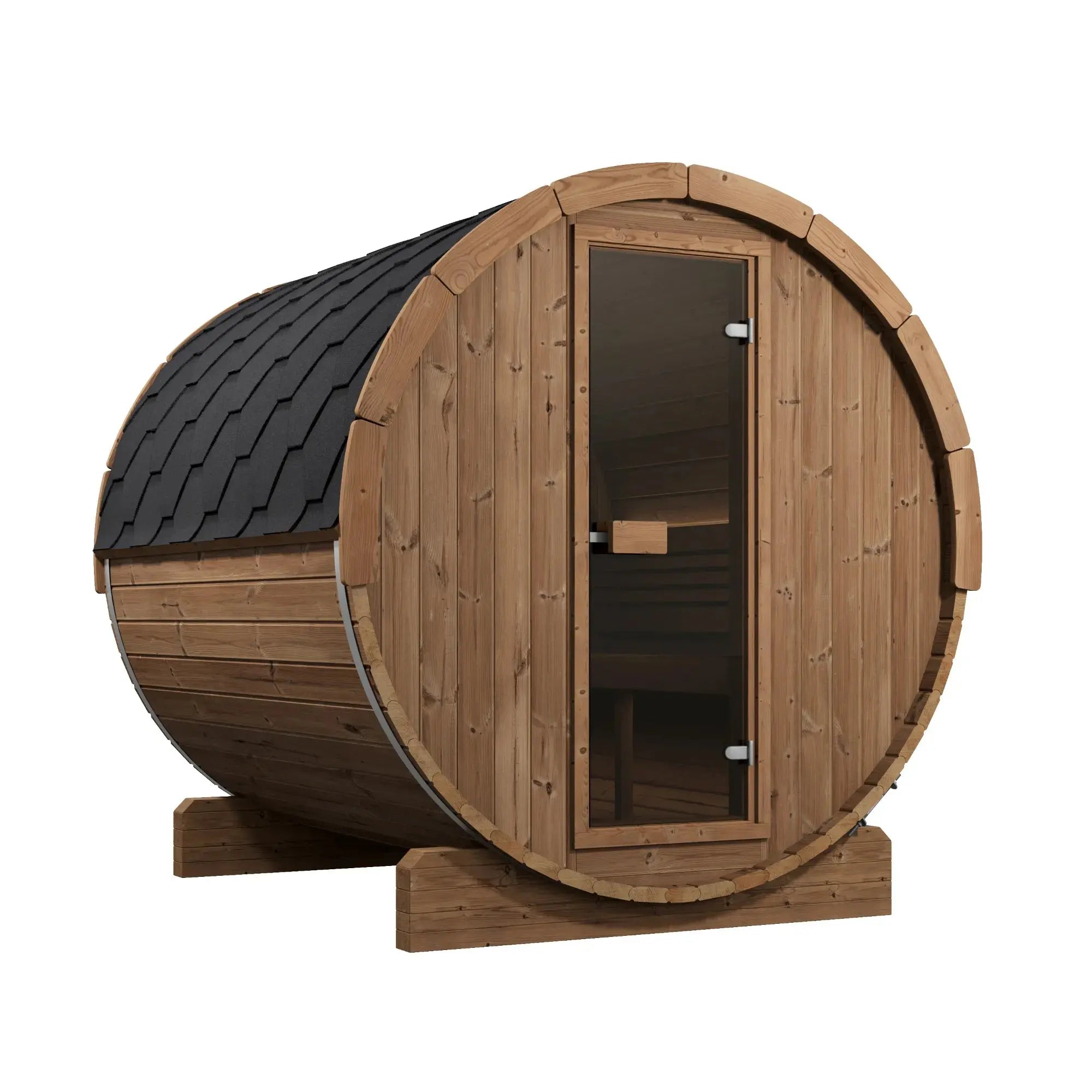
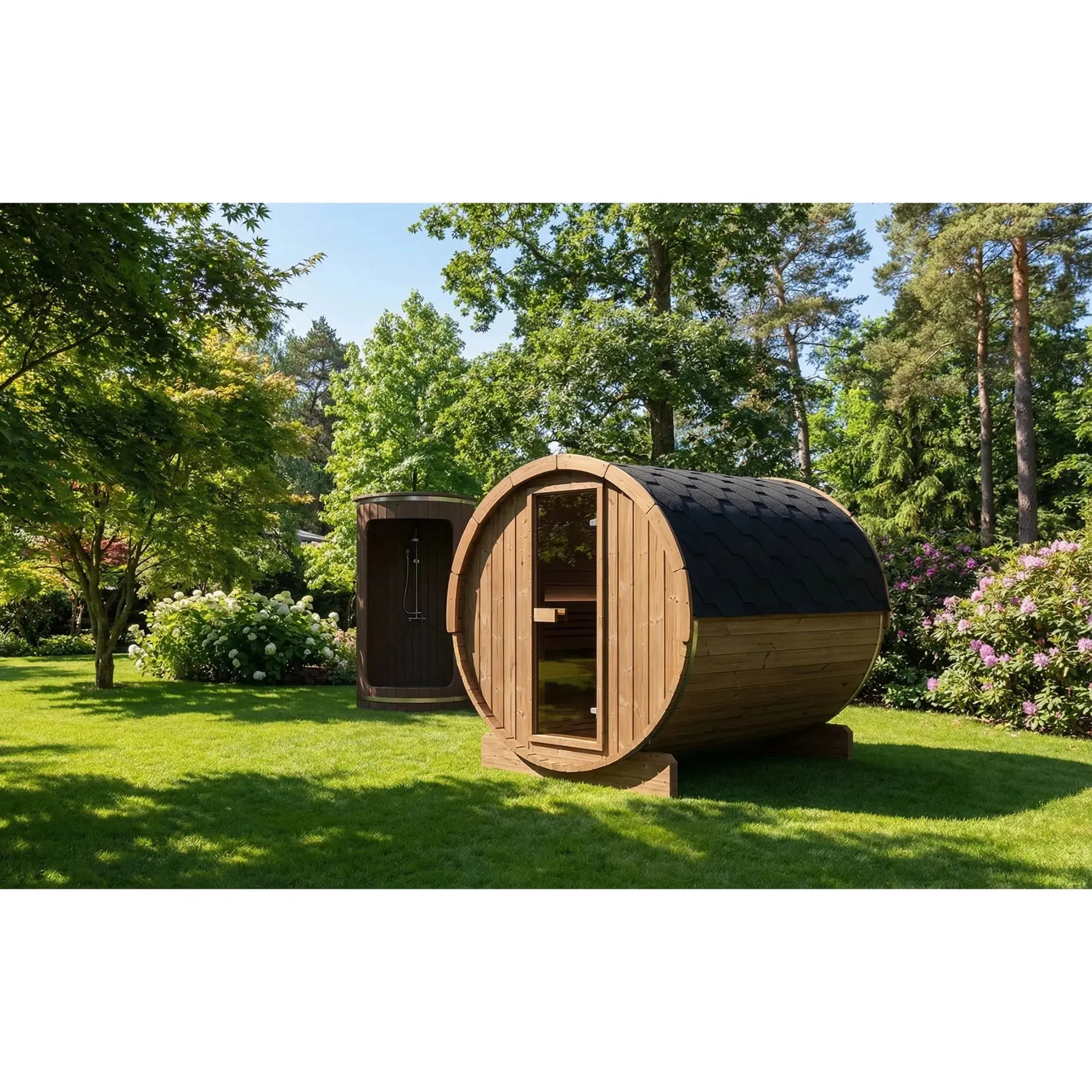
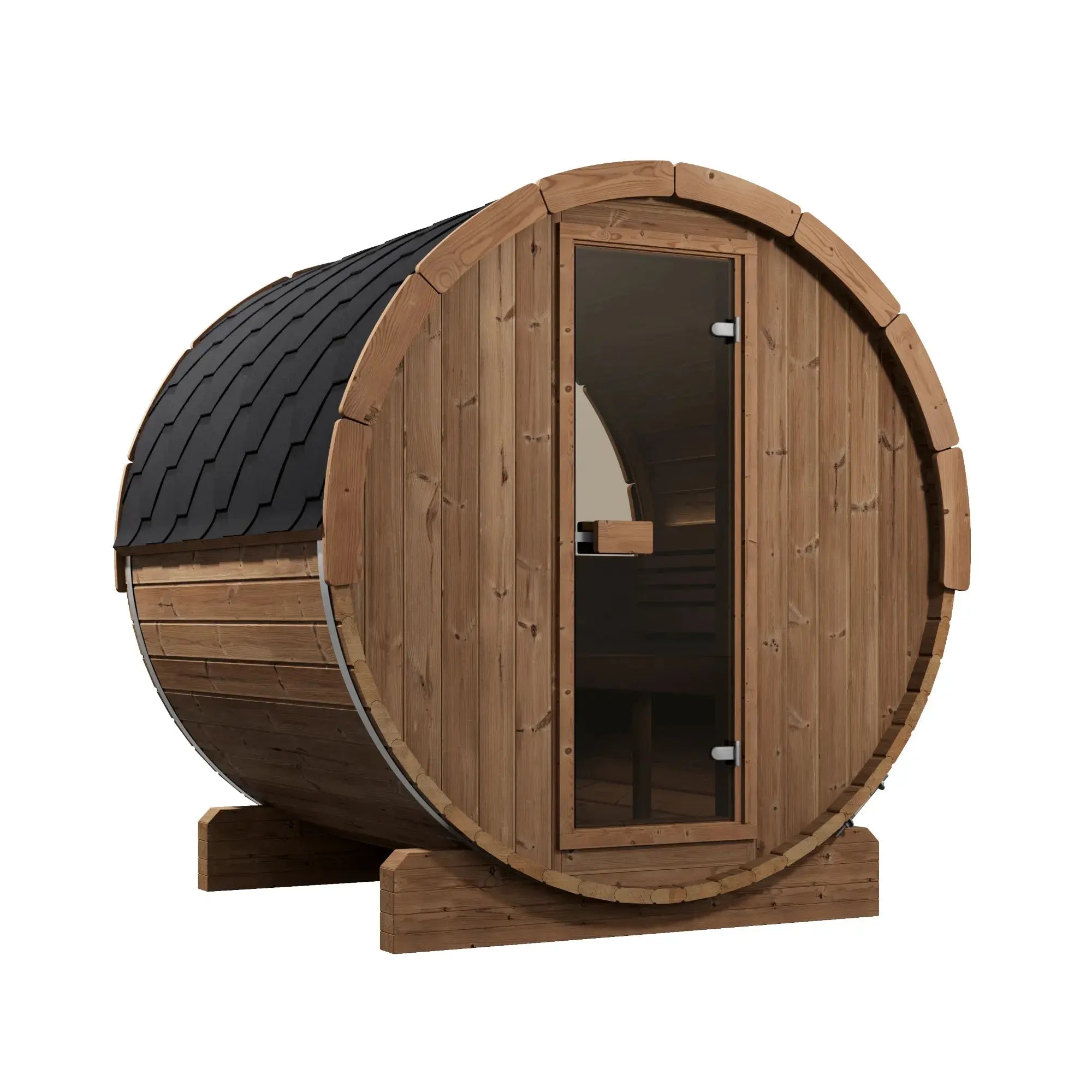
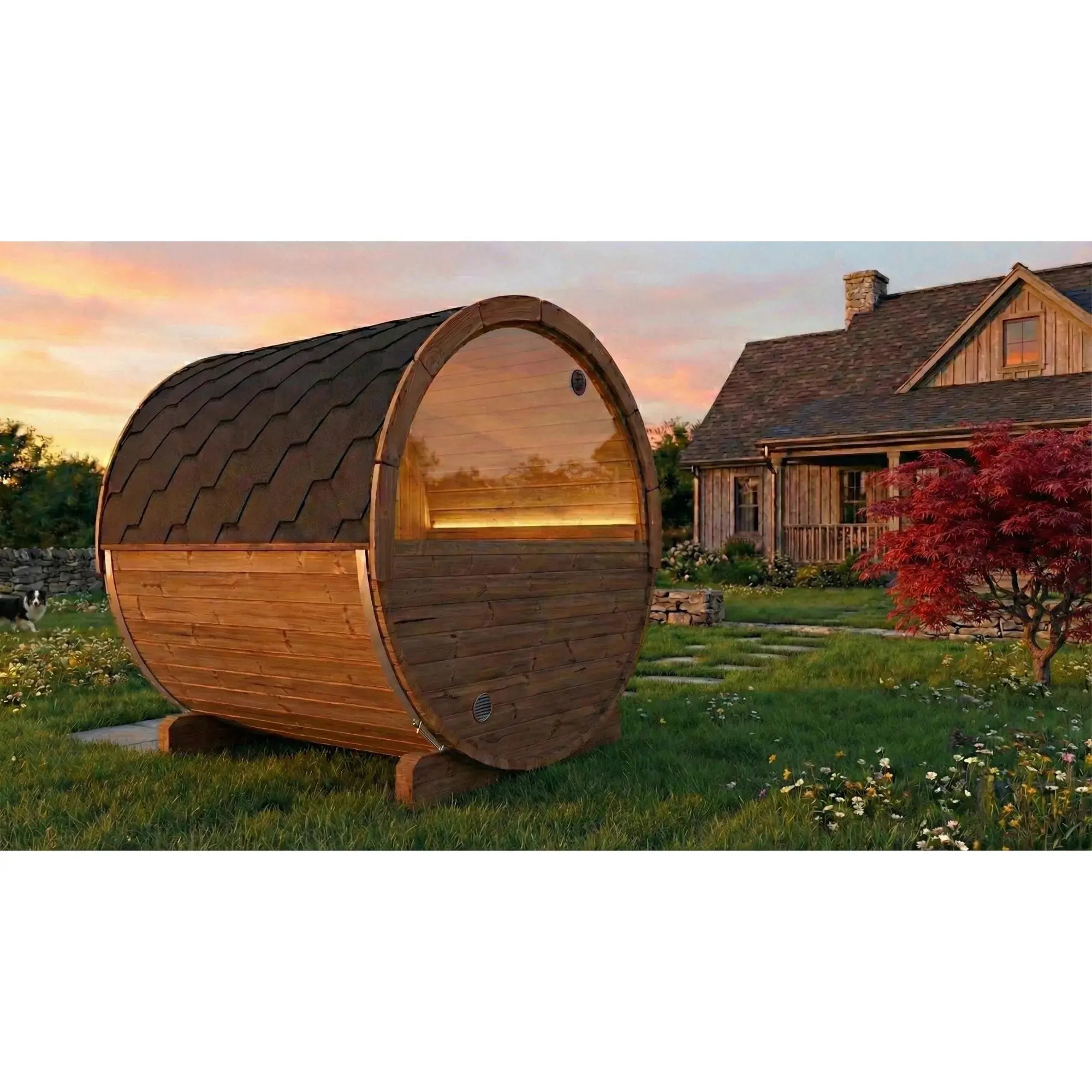
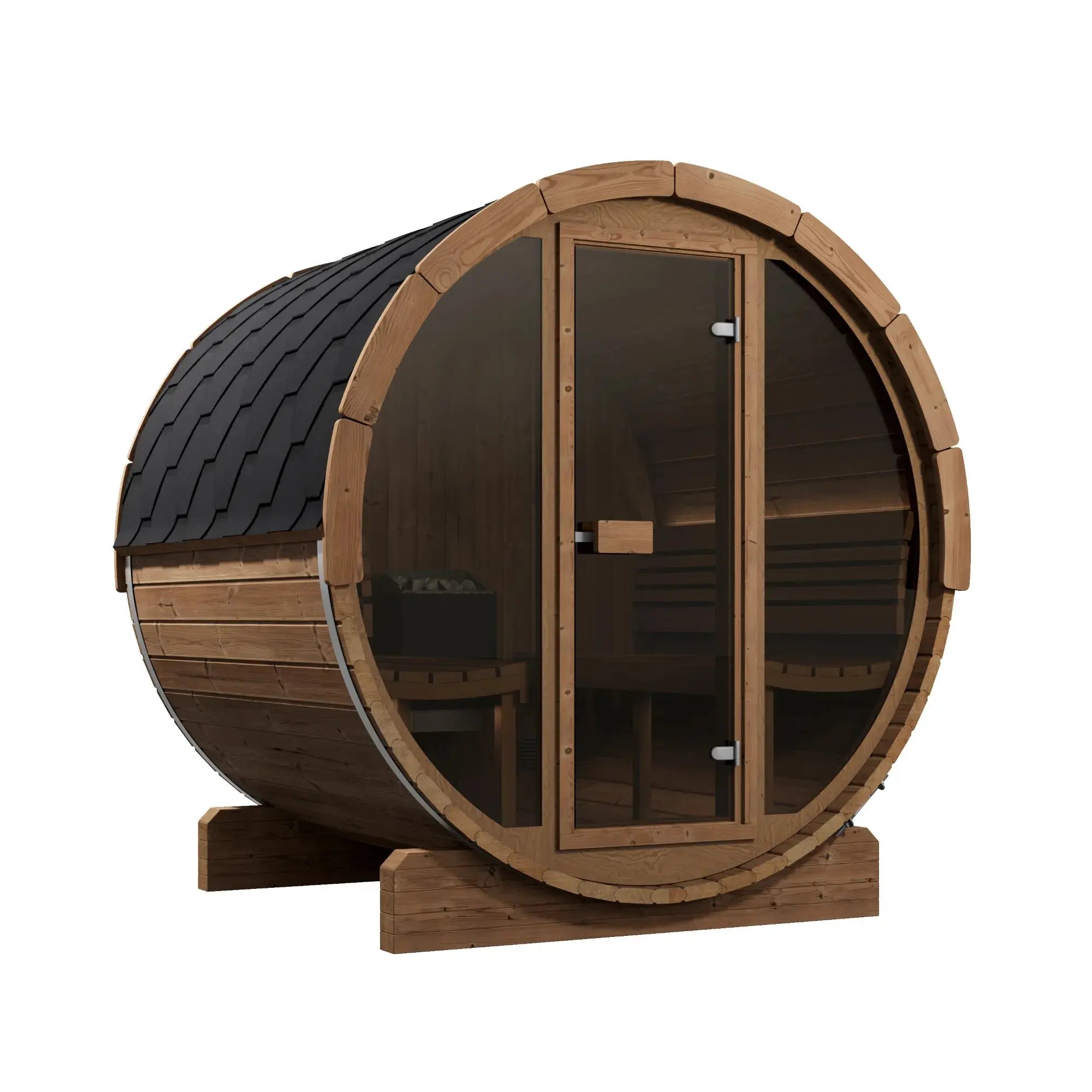
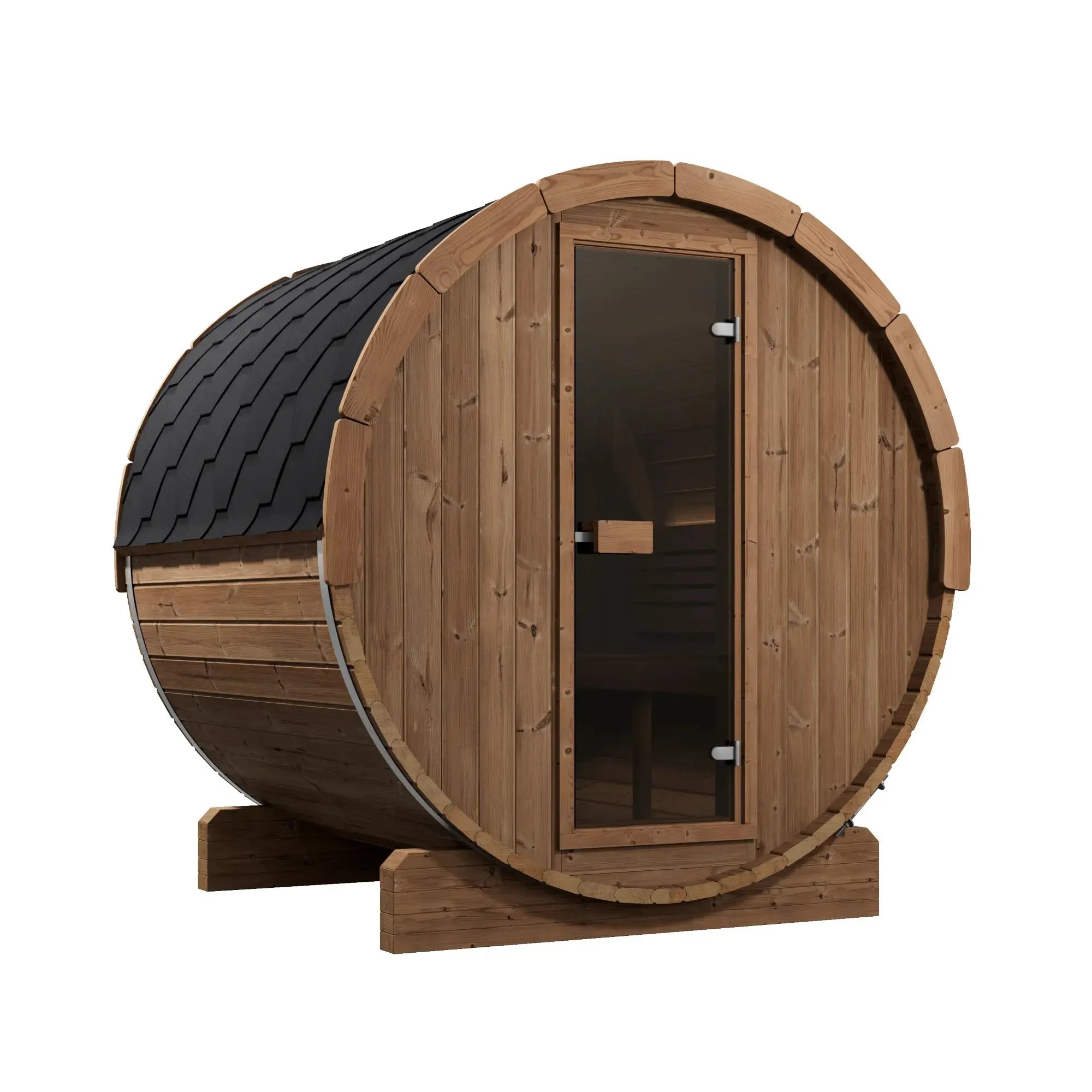
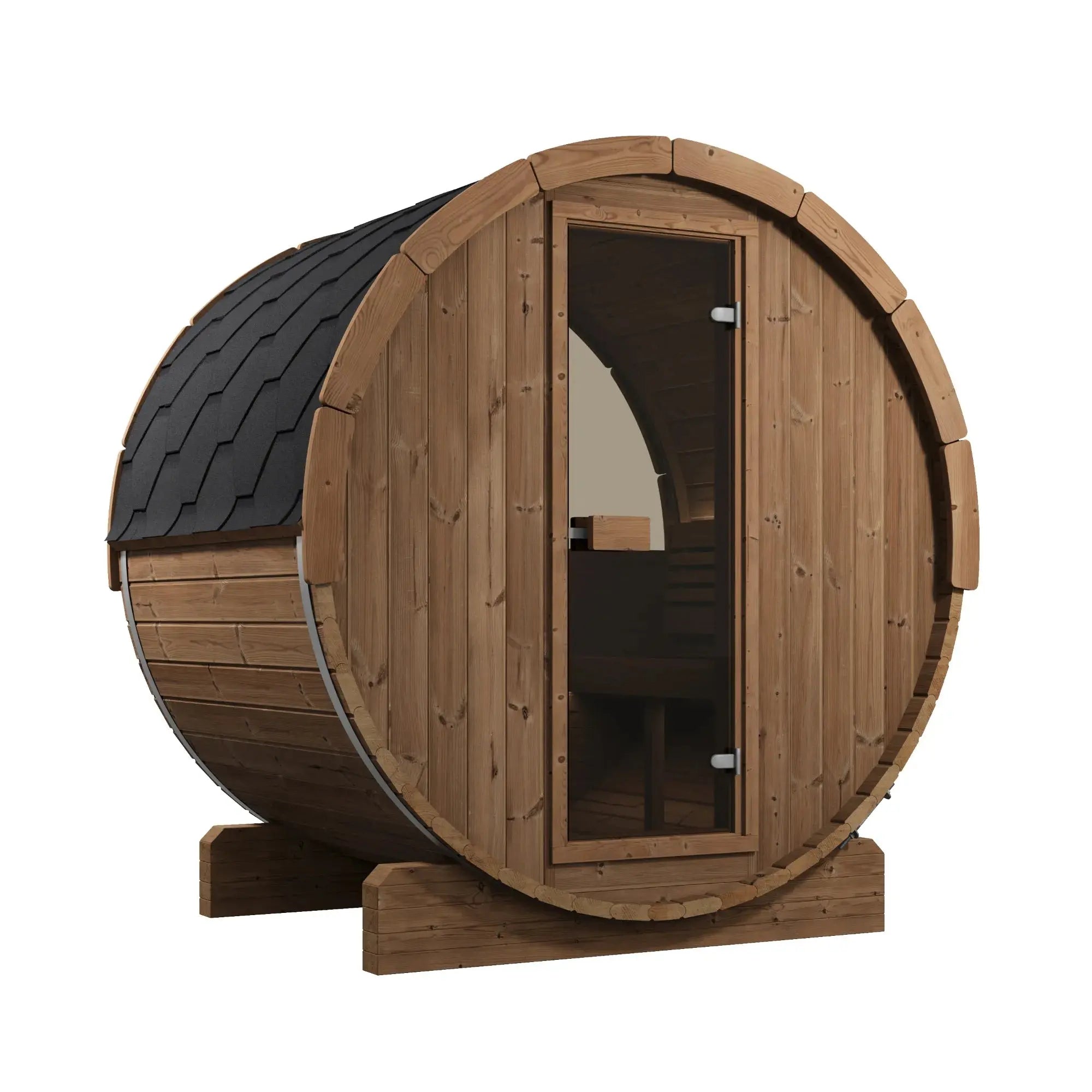
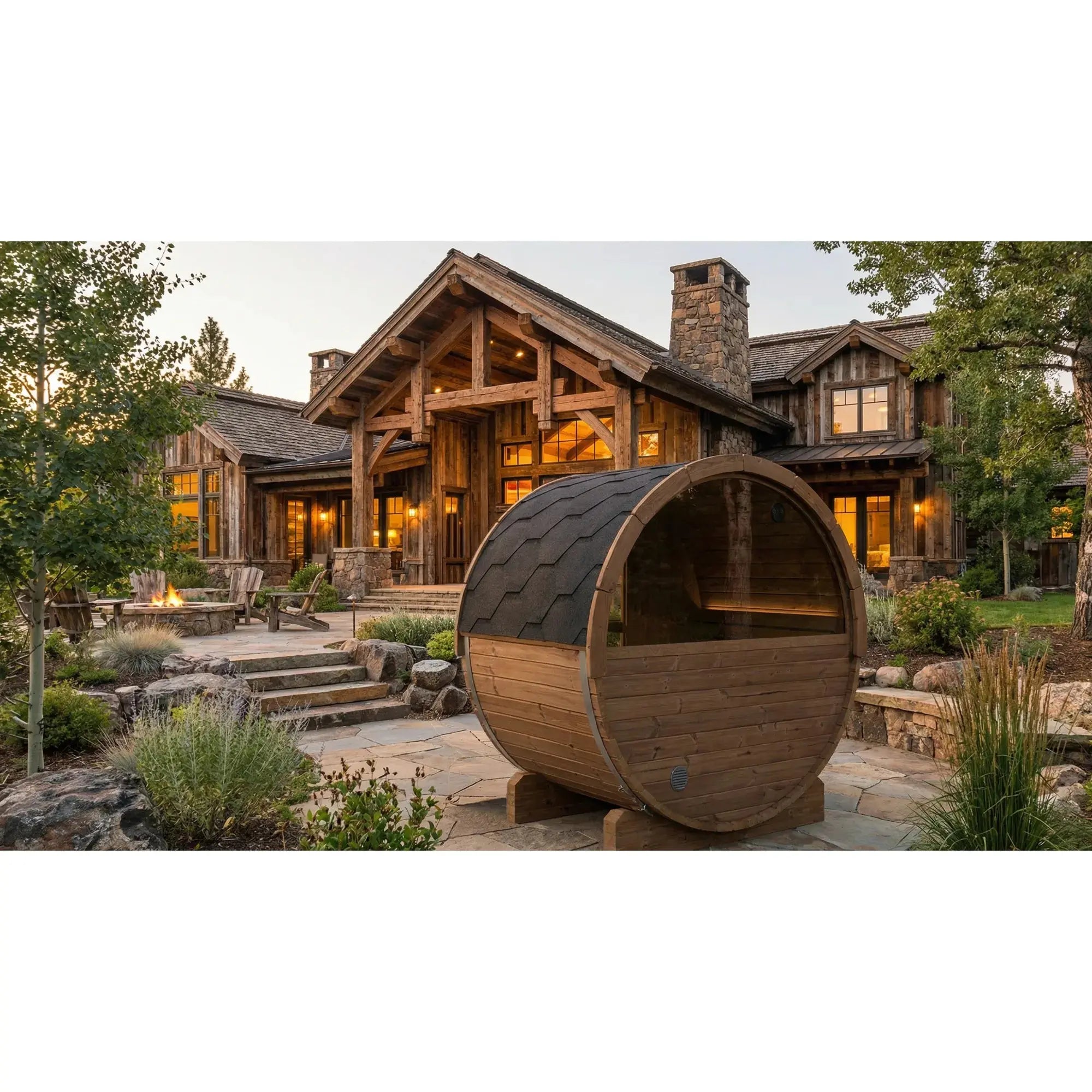
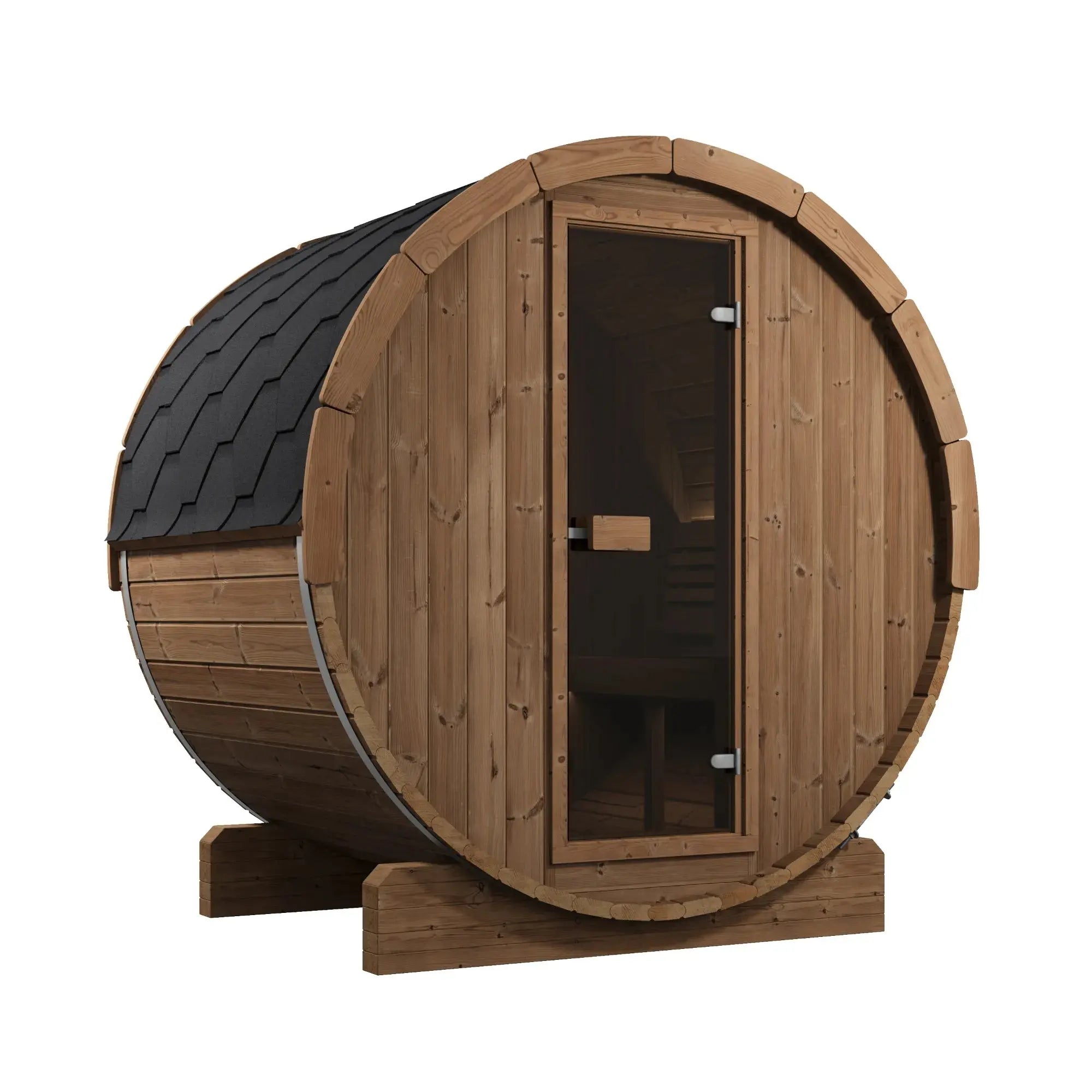
Saunas are one of the strongest anchors for an outdoor wellness zone because they create a reason to use the space regularly. But they also require planning for footprint, power, ventilation, and the transition in and out of the unit. Pairing a sauna with a nearby outdoor shower or cool-down area makes the whole setup feel more complete and more usable.
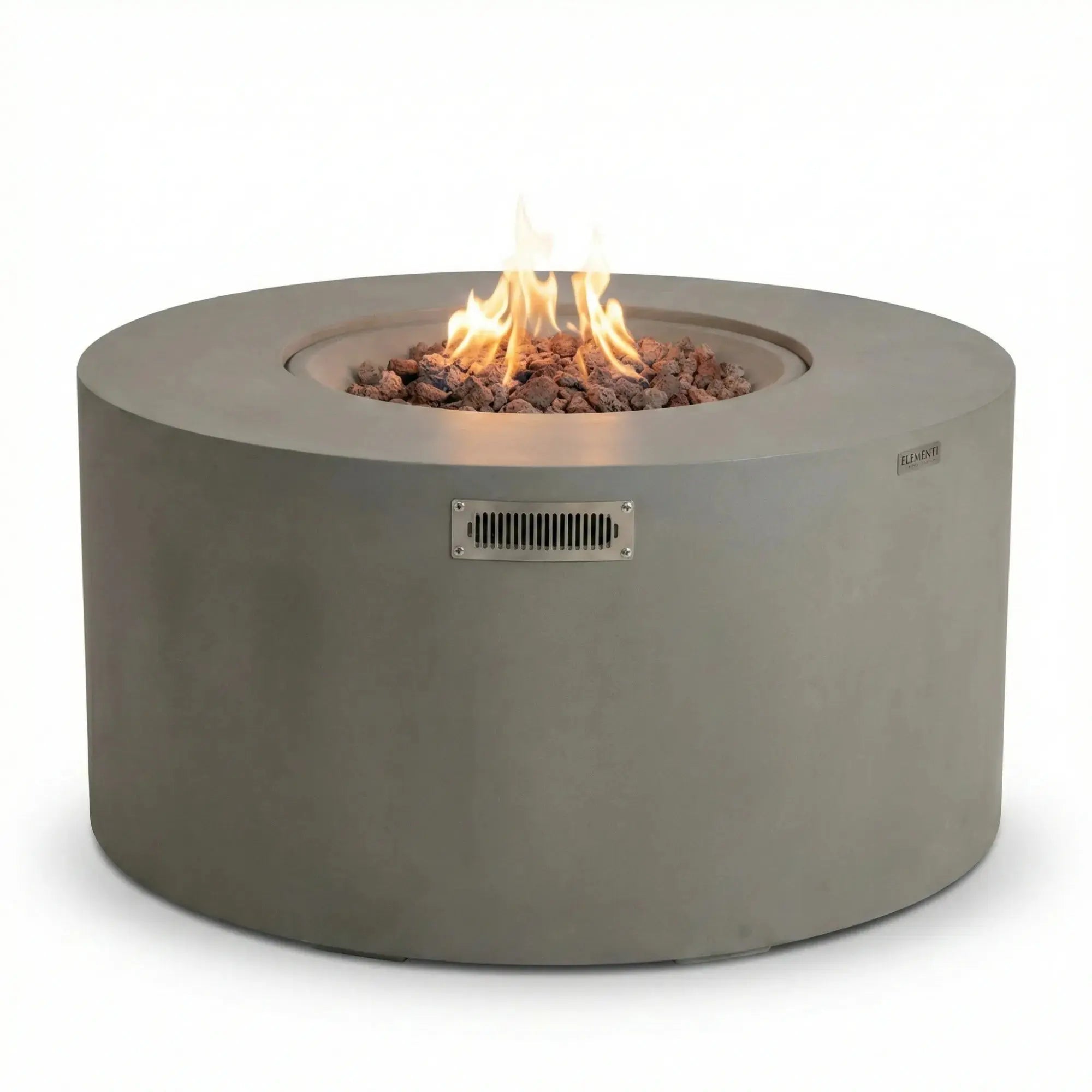
Fire features can play a different role. They are not a wellness product in the same way a sauna is, but they are highly effective for making a space feel grounded and worth using in the evening. For some homeowners, a fire pit table becomes the social side of a wellness zone - a place to decompress after a session, sit with family, or simply stay outside longer.
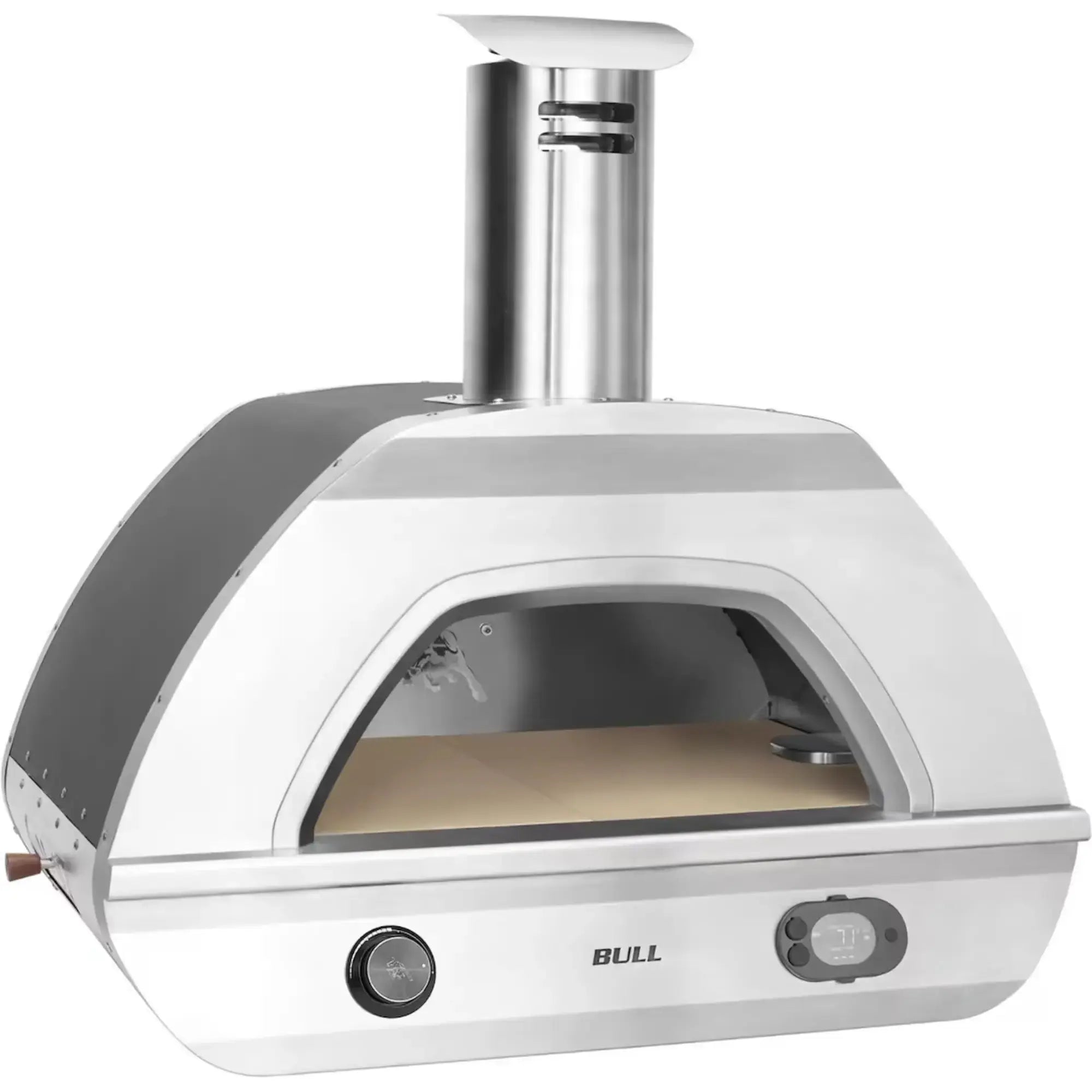
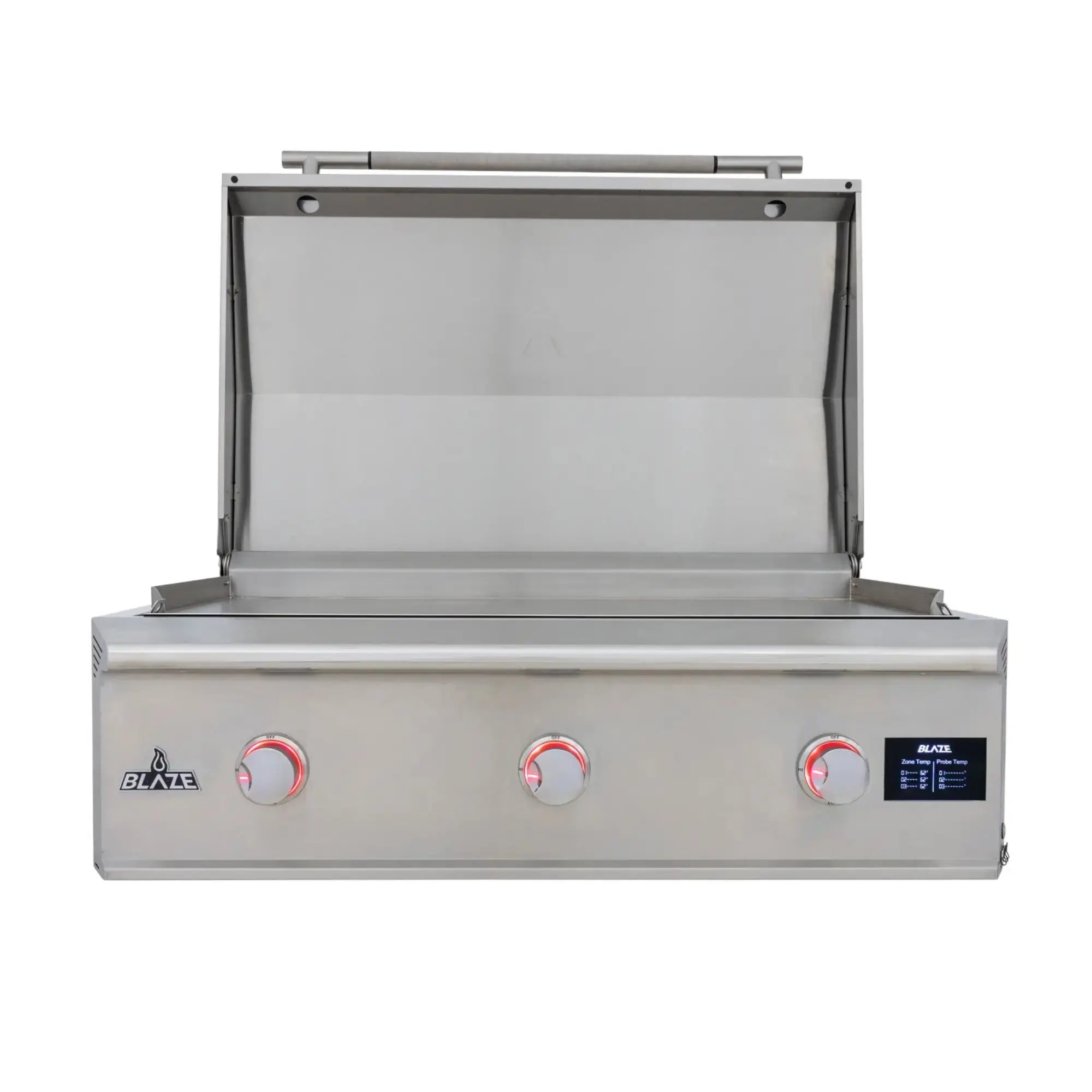
If outdoor cooking is nearby, keep the wellness area distinct enough that it still feels restorative. There is nothing wrong with placing a wellness space within a broader outdoor living plan, but it helps to maintain some separation from high-traffic entertaining zones.
How to design an outdoor wellness space on a realistic budget
You do not need to build everything at once. In fact, staged projects often produce better results because each layer gets more thought. Start with the site work and core layout, then invest in one strong anchor product and the supporting essentials that make it usable.
For example, a first phase might include hardscape, privacy screening, lighting, and a primary lounge setup. A second phase could add a sauna or fire feature. A third could bring in an outdoor shower, upgraded planters, or more tailored heating for year-round use.
This approach reduces rushed decisions and helps you buy better products the first time. It also keeps the overall design more cohesive. At All Season Patio, that is usually the difference between a backyard that looks pieced together and one that feels intentionally built.
Keep maintenance simple
The more complicated the upkeep, the less restorative the space becomes. That does not mean choosing the most basic option everywhere. It means being honest about what you want to maintain.
If cushions need to be moved constantly, wood needs frequent treatment, or water features require more attention than you expected, your wellness area starts to feel like another task. Simplicity has value. Easy-clean surfaces, durable finishes, good storage, and smart product placement make a real difference over time.
It is also worth considering how the space looks in the off-season. Premium outdoor areas should still feel composed when not in active use. That comes down to strong furniture lines, quality materials, and enough structure in the layout that the space does not rely on accessories to look finished.
Designing an outdoor wellness space is less about chasing a spa look and more about building a place you will return to without thinking twice. If it feels comfortable, private, durable, and easy to use, it will earn its place in your daily routine - and that is what makes the investment worth it.