How to Compare Premium Grill Brands
You usually notice the difference between premium grill brands after the honeymoon period. Six months in, one grill still lights fast, holds temperature, and wipes down without a fight. Another already has hot spots, flare-up issues, or finish wear that makes an expensive purchase feel less impressive. That is why knowing how to compare premium grill brands matters before you buy, not after the first season.
At the premium level, most grills look good in product photos. The real differences show up in construction, cooking performance, long-term maintenance, and how well a brand supports you once the grill is in your backyard. If you are shopping for a built-in centerpiece for an outdoor kitchen or a freestanding grill that needs to perform for years, a practical breakdown beats marketing language every time.
How to compare premium grill brands without getting distracted
The easiest mistake is comparing headline features instead of ownership experience. A brand may advertise high BTU output, heavy stainless steel, or luxury styling, but those points only matter if they translate into better cooking and better durability.
Start by narrowing your comparison to the factors that affect daily use. How evenly does the grill heat? How solid are the burners and grates? Does the hood feel substantial and seal heat well? Are the knobs, ignition system, and interior components built to handle repeated use in real weather conditions? Premium buyers are usually not looking for the cheapest path to grilled burgers. They are paying for consistency, longevity, and a better overall outdoor cooking setup.
That also means resisting the idea that the most expensive brand is automatically the best fit. Some brands are stronger in high-heat searing. Others stand out for low-and-slow control, rotisserie performance, or modular outdoor kitchen compatibility. The right choice depends on how you actually cook.
Compare the build before the feature list
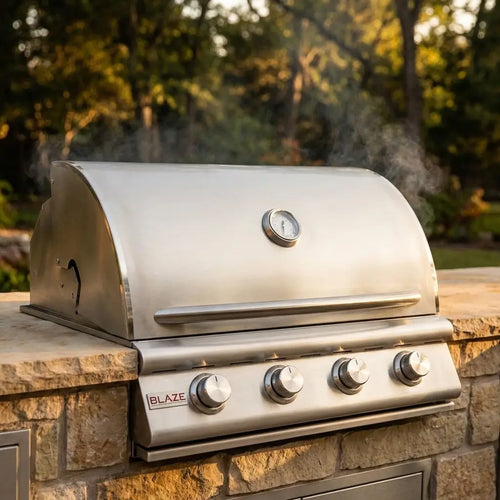
When people ask how to compare premium grill brands, build quality should come first. This is the part that determines whether the grill will still feel premium after years of use.

Stainless steel grade matters, but so does execution. A thicker body, cleaner welds, sturdier hood, and better fit between components often tell you more than a spec sheet alone. Two grills can both claim stainless construction, yet one may feel rigid and refined while the other has more flex, thinner panels, and more exposed weak points.
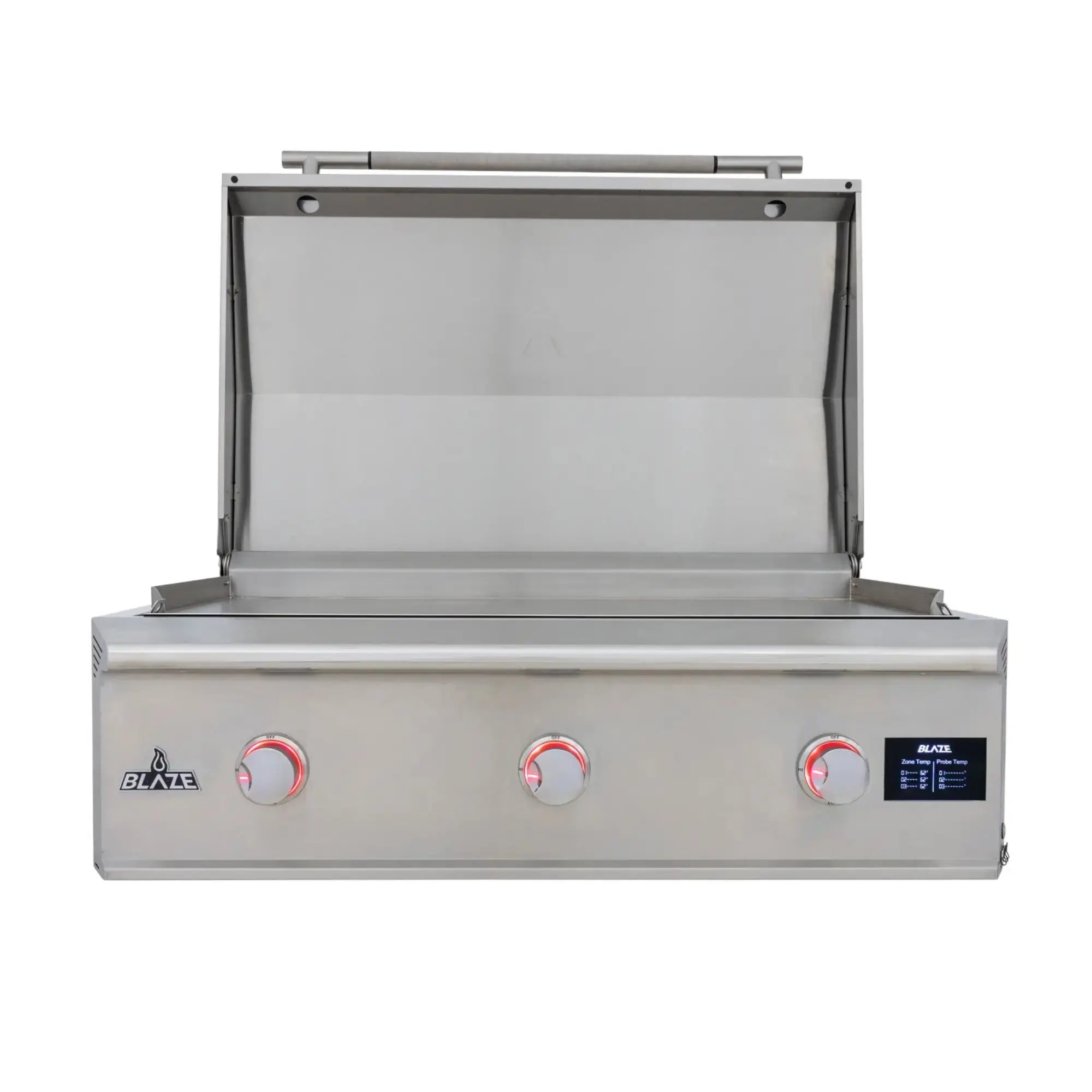
Look closely at the grates, burners, flame tamers, warming rack, and internal supports. These are wear areas. Cast stainless grates generally feel more substantial than lighter rod-style options. Burners should look durable, well-mounted, and replaceable if needed down the line. A premium grill should not just look polished from the outside. It should be thoughtfully built where heat, grease, and moisture do the most damage.
If you live in a coastal area or a region with heavy humidity, construction deserves even more weight in your decision. Salt air, rain, and seasonal swings expose shortcuts fast. In those settings, the better-built grill often ends up being the better value even if the upfront price is higher.

Heat control matters more than raw power
High BTU numbers can be useful, but they are often overemphasized. More power is not the same as better performance. A premium grill should preheat efficiently, recover heat when the lid opens, and maintain steady temperatures across different cooking zones.
This is where burner design and firebox engineering matter. Some brands create more even heat across the surface. Others intentionally provide strong zoned cooking so you can sear on one side and roast on the other. Neither is automatically better. It depends on whether you want flexibility for weeknight cooking, entertaining, or more specialized grilling.
Low-temperature control is another good test. Many shoppers focus on steakhouse sear potential, but a grill that can also handle chicken, fish, vegetables, and longer cooks without running too hot is usually more versatile. Premium performance should mean range, not just intensity.
Infrared, rotisserie, and extras should earn their place
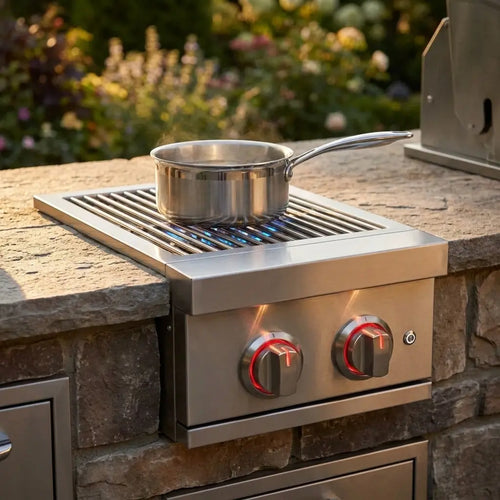
Special features can be worthwhile, but only if they align with your habits. Infrared burners are great for intense searing and can be a real advantage for people who cook steaks often. Rotisserie systems are valuable if you actually plan to use them. Interior lighting, smoker trays, side burners, and app-connected controls can all be useful, but none should distract from the core grill.
A good way to judge extras is simple: would you still buy this grill if those features were removed? If the answer is no, make sure you are not paying for novelty over fundamentals. The best premium brands usually get the basics right first and add features second.
Compare premium grill brands by cooking style
A grill that is perfect for one homeowner can be the wrong fit for another. That is why comparing premium brands by your cooking style is more useful than chasing a single "best" option.
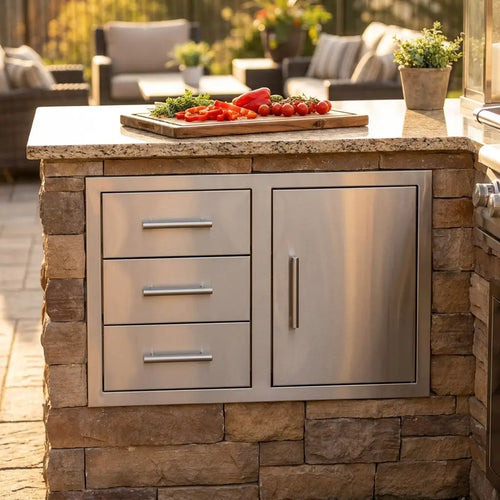
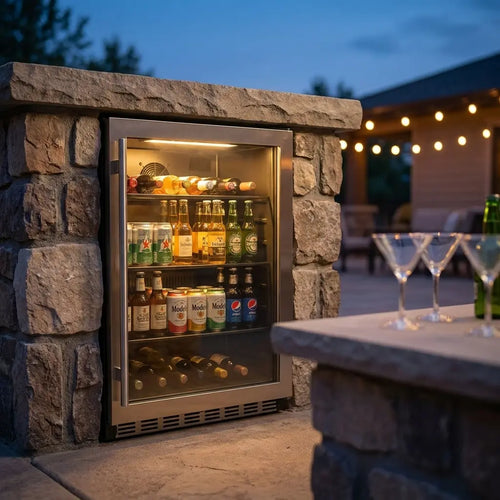
If you grill two or three nights a week for family dinners, reliability and fast temperature control may matter more than showpiece features. If you entertain often, cooking surface area, zone flexibility, and warming capacity become more important. If you are building a full outdoor kitchen, then the brand's built-in lineup, matching storage components, and finish consistency may deserve more attention.

Think about the foods you cook most. Someone who mostly grills burgers, chicken, vegetables, and the occasional steak may not need the same burner configuration as someone who regularly cooks thick cuts, seafood, pizzas, and rotisserie chicken. Premium grills are not interchangeable once you match them against real use.
This is also where fuel type affects the comparison. Natural gas offers convenience for frequent grillers with a fixed setup. Propane gives more flexibility if your layout may change. If one brand handles your preferred fuel configuration more cleanly or offers better built-in support for it, that can tip the scale.

Warranty tells a story, but not the whole story
A strong warranty can signal confidence in the product, but it should be read carefully. Premium brands often advertise impressive coverage, yet the important details are in what is covered, for how long, and under what conditions.
Some warranties are generous on major components but shorter on ignition systems, electronics, or finish-related issues. Others may be prorated or limited in ways that reduce practical value. Compare not just the headline promise, but the fine print around burners, cooking grates, and the parts most likely to need attention over time.
Equally important is support. A grill warranty is only as useful as the brand's ability to provide parts and responsive service. This is one reason many buyers prefer shopping through established authorized dealers. Good support reduces friction if you need replacement parts, setup help, or guidance after the sale. With premium grills, reassurance matters because these are long-term purchases, not impulse buys.
Brand reputation should be specific, not vague
A strong reputation helps, but try to define what a brand is actually known for. Is it respected for commercial-grade construction? For polished design? For exceptional searing? For dependable outdoor kitchen integration? Broad praise is less helpful than knowing a brand's real strengths.
It also helps to separate reputation from visibility. Some brands have bigger marketing footprints, but that does not always mean they are better for your needs. Others have loyal followings because they perform well year after year with less noise around them. Chosen by people who actually use this stuff is a better standard than chosen by the loudest ad campaign.
For many homeowners, the smartest path is comparing a short list of reputable brands through a specialist retailer that understands the category. At All Season Patio, that kind of practical guidance matters because premium outdoor products are easier to buy confidently when someone helps you compare what will matter three years from now, not just on delivery day.
How to compare premium grill brands side by side
Once you have narrowed your options, compare them in plain terms. Put three or four brands next to each other and evaluate build, burner design, grate quality, temperature range, usable cooking area, available accessories, warranty coverage, and support. That process quickly exposes where one grill is genuinely better and where differences are mostly cosmetic.
You should also weigh design fit. A premium grill lives in view. If you are creating a cohesive patio or outdoor kitchen, finish quality, proportions, and compatibility with surrounding components can matter almost as much as specs. A grill can be technically excellent and still feel out of place if it does not match the rest of the space.
Price should be the final filter, not the first one. If one model costs more, ask why. Sometimes the answer is thicker materials, better burners, stronger heat control, or more durable internals. Sometimes you are paying mostly for branding or extras you may never use. That difference is exactly what a careful comparison is meant to uncover.
The right premium grill brand is the one that fits how you cook, where you live, and how long you expect the investment to last. Buy for the ownership experience, not the showroom moment, and you will feel better about the decision every time you lift the lid.