

Backyard Sauna Installation Guide
A backyard sauna usually looks simple once it is in place. The hard part is everything that happens before the first session - choosing the right location, preparing the base, planning power, and making sure the sauna fits how you actually use your outdoor space. This backyard sauna installation guide is built for homeowners who want to get those decisions right the first time.
Part of our Backyard Sauna Guide: How to Plan & Install One.
If you are investing in a premium sauna, the installation matters almost as much as the unit itself. A well-built sauna on a poor base or in the wrong location will create avoidable problems, from door clearance issues to moisture trouble and expensive electrical rework. A smart setup feels natural in the yard, performs reliably, and still looks good years from now.

Start with the site, not the sauna
Most buyers naturally begin by comparing sauna sizes, wood types, and heater options. That makes sense, but the site should come first. Your backyard determines what is practical.
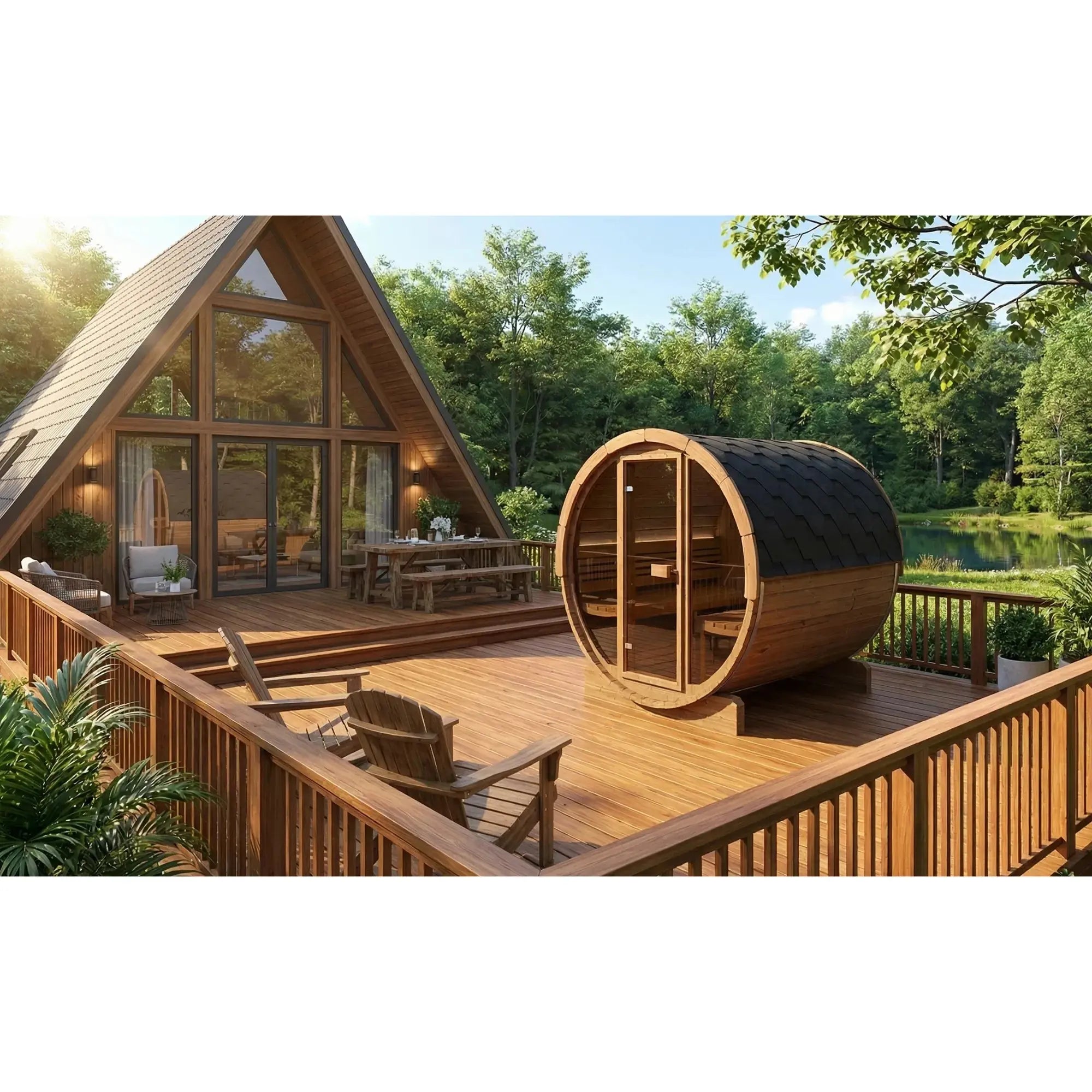
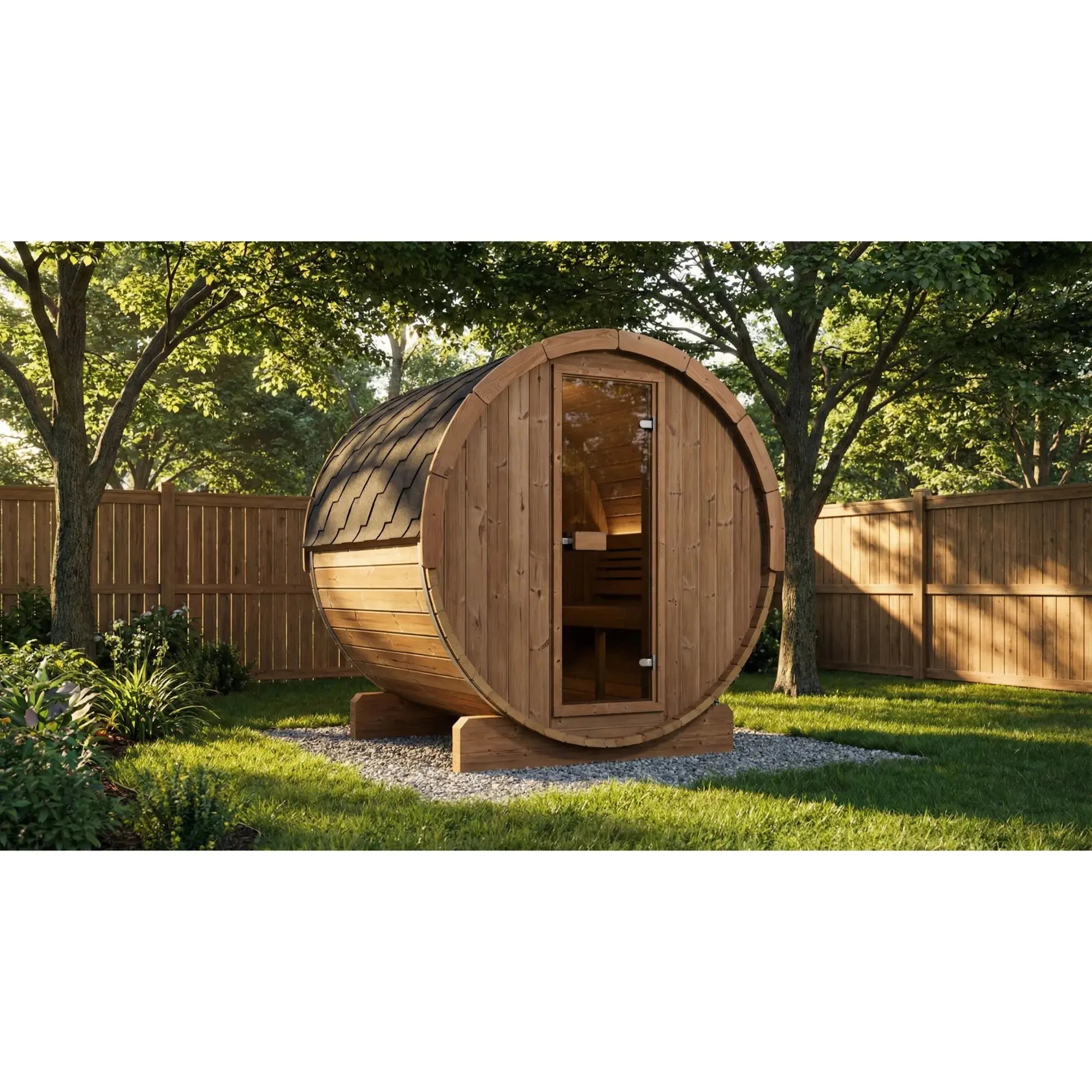
Look at how the sauna will relate to the rest of the yard. If it is too far from the house, winter use becomes less appealing. If it is too close to a seating area or dining zone, it may interrupt the layout you already enjoy. Many homeowners get the best long-term result by placing the sauna near a transition area - close enough to access easily, but with enough separation to create a dedicated wellness corner.
Privacy also matters more than people expect. A sauna door facing a neighbor's second-story window changes the feel. So does a unit placed directly beside a busy patio path. Even if the sauna itself is beautiful, the experience is better when the approach feels sheltered and intentional.
Before moving further, confirm the dimensions of the actual installation area, not just the sauna footprint. You also need room for clearance, delivery access, service access, and comfortable entry and exit.
Backyard sauna installation guide: location basics
A good sauna location balances convenience, stability, and utility access. Flat ground is ideal, but not every yard gives you that. Moderate slope can be managed, though it usually adds cost through grading or a more involved foundation.
Think through the practical details early. Will installers be able to get materials to the site without tearing up the yard? Will an electrician have a straightforward run from the panel? Is there a safe walking path from the house in rain, snow, or darkness? Those are not glamorous questions, but they directly affect cost and usability.
Sun and exposure are worth considering too. Full exposure is not always a problem, especially for quality outdoor-rated units, but intense afternoon sun can make the surrounding area less comfortable in warm climates. Wind exposure matters in colder regions. A slightly sheltered placement often feels better year-round.
Choose the right foundation
The base under your sauna needs to be level, stable, and suited to the unit's weight. This is one of the most common weak points in backyard installations because homeowners assume any hard surface will do. It will not.
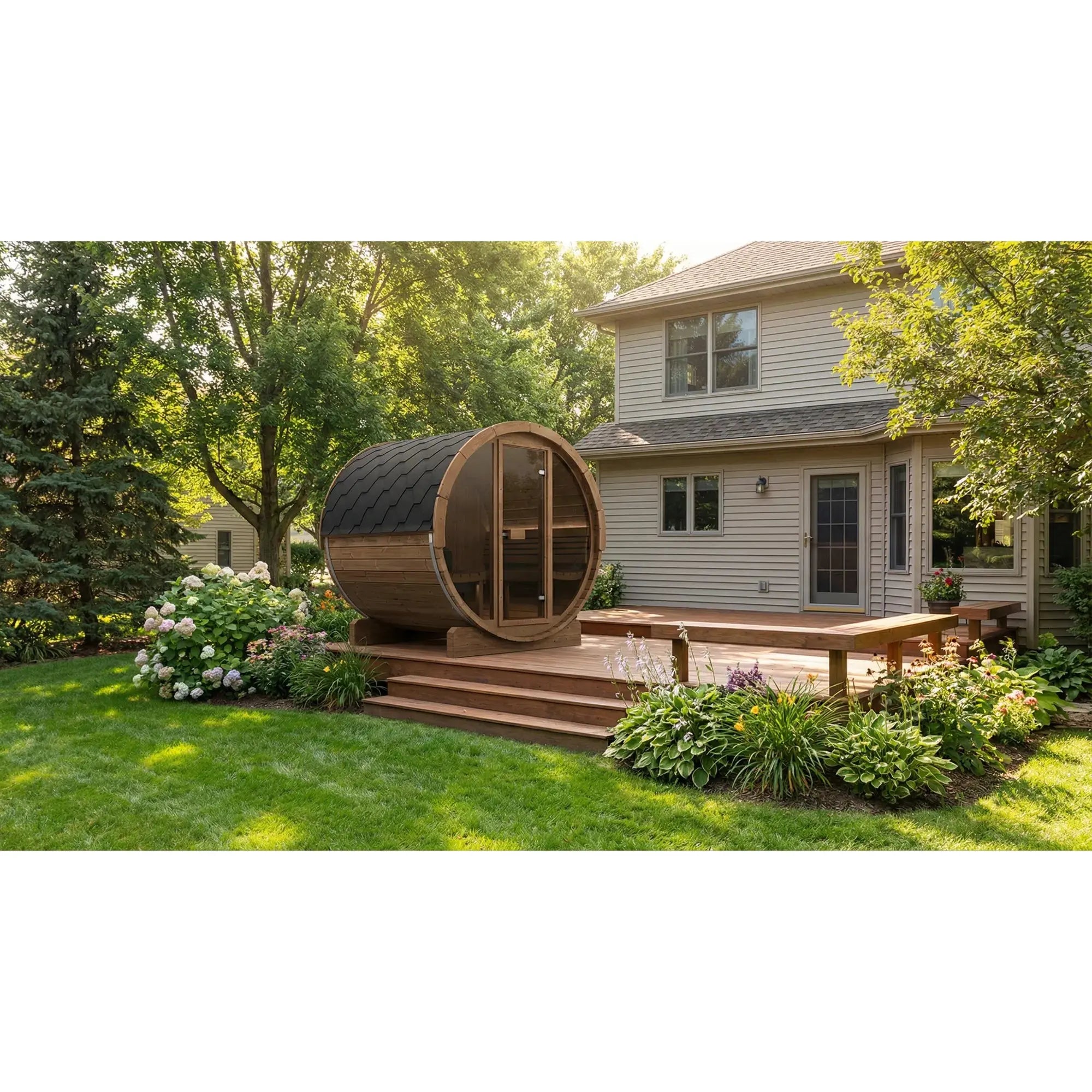
Concrete slabs are often the cleanest option for larger or more permanent saunas. They offer strong support and make leveling easier. Paver patios can work well too, but only if they were properly built with a compacted base and remain truly level over time. Gravel may be acceptable for certain models when paired with the manufacturer's requirements, but it is usually less forgiving.
The main issue is movement. A base that settles unevenly can affect door alignment, wall fit, and overall structural performance. That is especially frustrating on a premium sauna where the craftsmanship is part of what you paid for.
If you are adding a sauna to an existing patio, verify load capacity and surface condition first. Not every patio slab or deck was designed for that use. Wood decks deserve special caution. Some can support a sauna, but many require engineering review or reinforcement.

Power, heat, and utility planning
For many buyers, electrical planning is where the project becomes real. Outdoor saunas often require dedicated power, and the heater type determines much of the installation path.
Electric heater saunas are popular because they are clean, predictable, and relatively simple to operate. They also usually require a dedicated circuit and professional electrical work. The exact voltage and amperage depend on the heater and sauna size, so this is not a place for guesswork. Have the electrical requirements in hand before you finalize placement.
Infrared units can be more straightforward in some cases, but outdoor models still need proper power planning and weather-appropriate installation. Wood-burning heaters create a different set of considerations, including venting, fire safety clearances, and local code compliance. They can deliver a traditional sauna feel, but they are not the easiest path in every backyard.
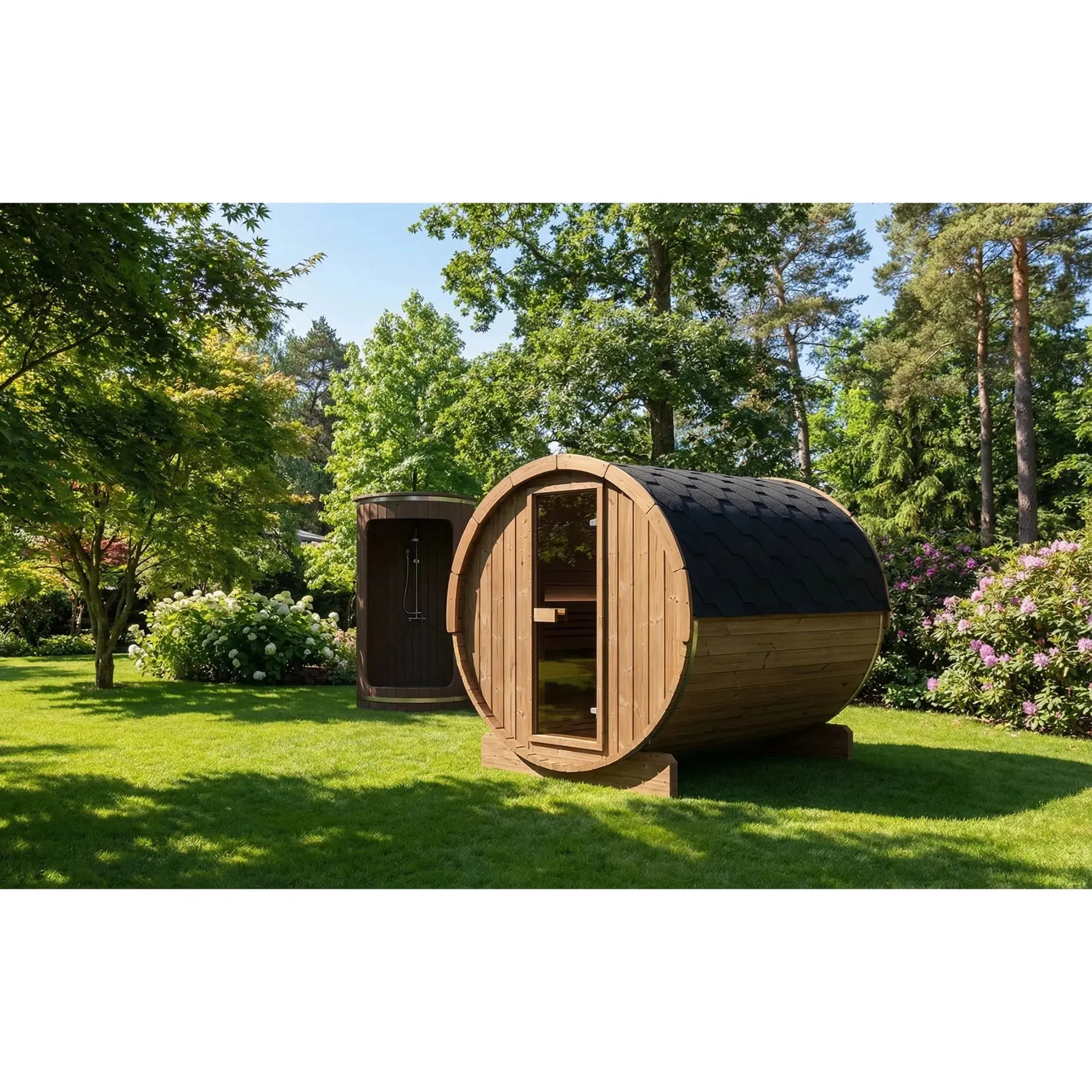
If the sauna will be near an outdoor shower, cold plunge, or changing area, think through the wider utility picture at the same time. A coordinated layout is easier and often more cost-effective than adding each feature in separate phases.
Permits and code questions
This is the part many homeowners want to skip. It is also the part that can create the biggest headache if ignored.
Permit requirements vary by location and by the type of sauna structure. In some areas, a smaller prefabricated unit may be treated differently than a larger structure with electrical work, plumbing, or a permanent foundation. Setback rules, accessory structure limits, electrical inspections, and fire safety requirements can all come into play.
A practical backyard sauna installation guide has to say this plainly: check local building and zoning requirements before purchase, not after delivery. It is much easier to adjust the plan early than to relocate a sauna or redo site work later.
HOA rules may matter too. Even when a city allows the structure, neighborhood restrictions can affect size, placement, screening, or exterior appearance.
Drainage and moisture control are not optional
Saunas create heat and moisture by design. Outdoors, that moisture has to go somewhere.
Good drainage starts under and around the sauna. Water should move away from the base rather than pooling beneath it. If the site stays wet after rain, fix that before installation. Otherwise, you risk premature wear, muddy access, and a setup that never feels quite finished.
Inside the sauna, moisture management depends on the model and how it is used. Some units are more forgiving than others, but all benefit from proper ventilation and a clean, dry environment between sessions. The surrounding area matters too. If you step out onto soaked ground or a slippery surface, the whole experience feels less safe and less premium.
Simple choices help here - stable pavers, a walkway from the house, exterior lighting, and enough airflow around the structure. These details do not sell saunas, but they absolutely shape ownership satisfaction.

Installation day and what to expect
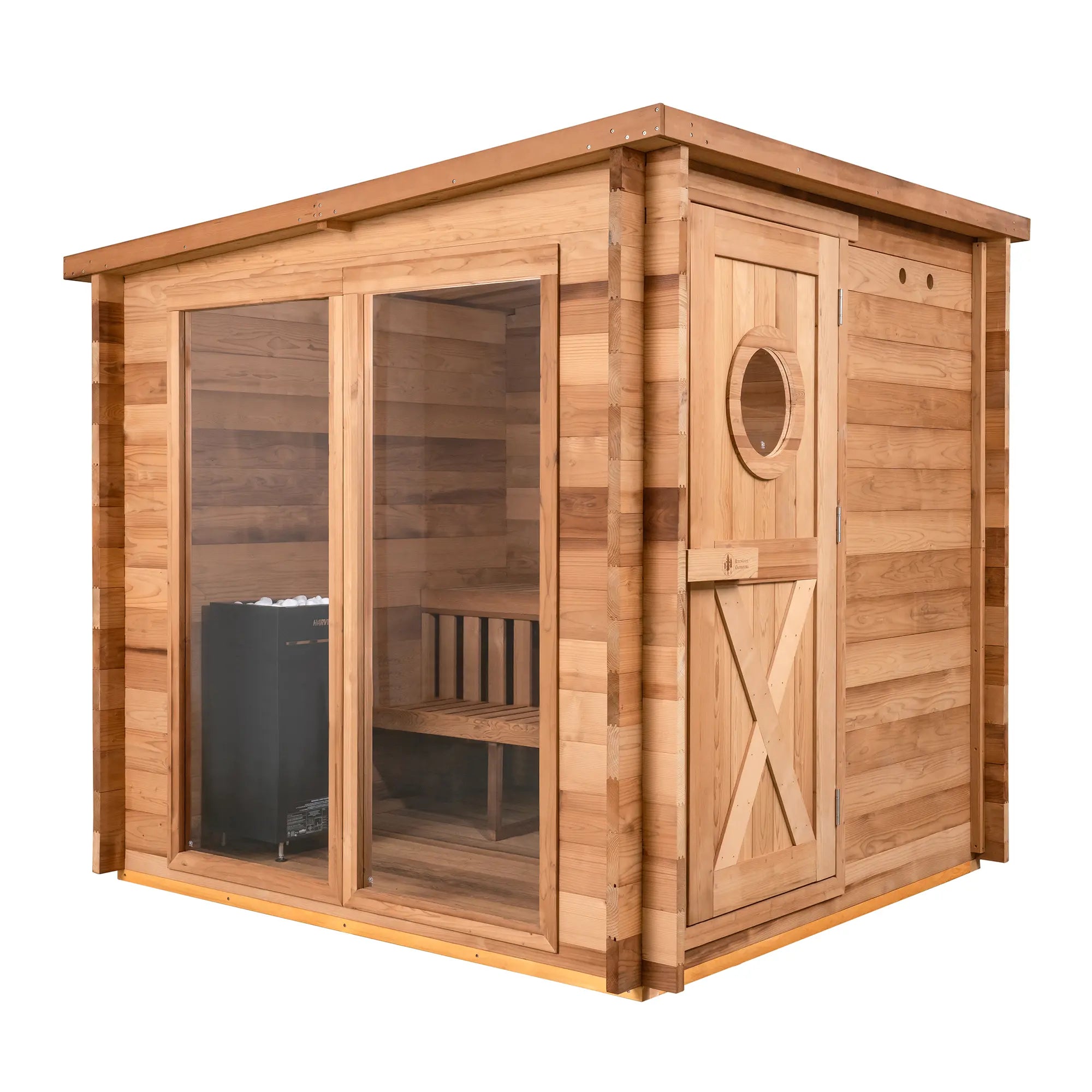
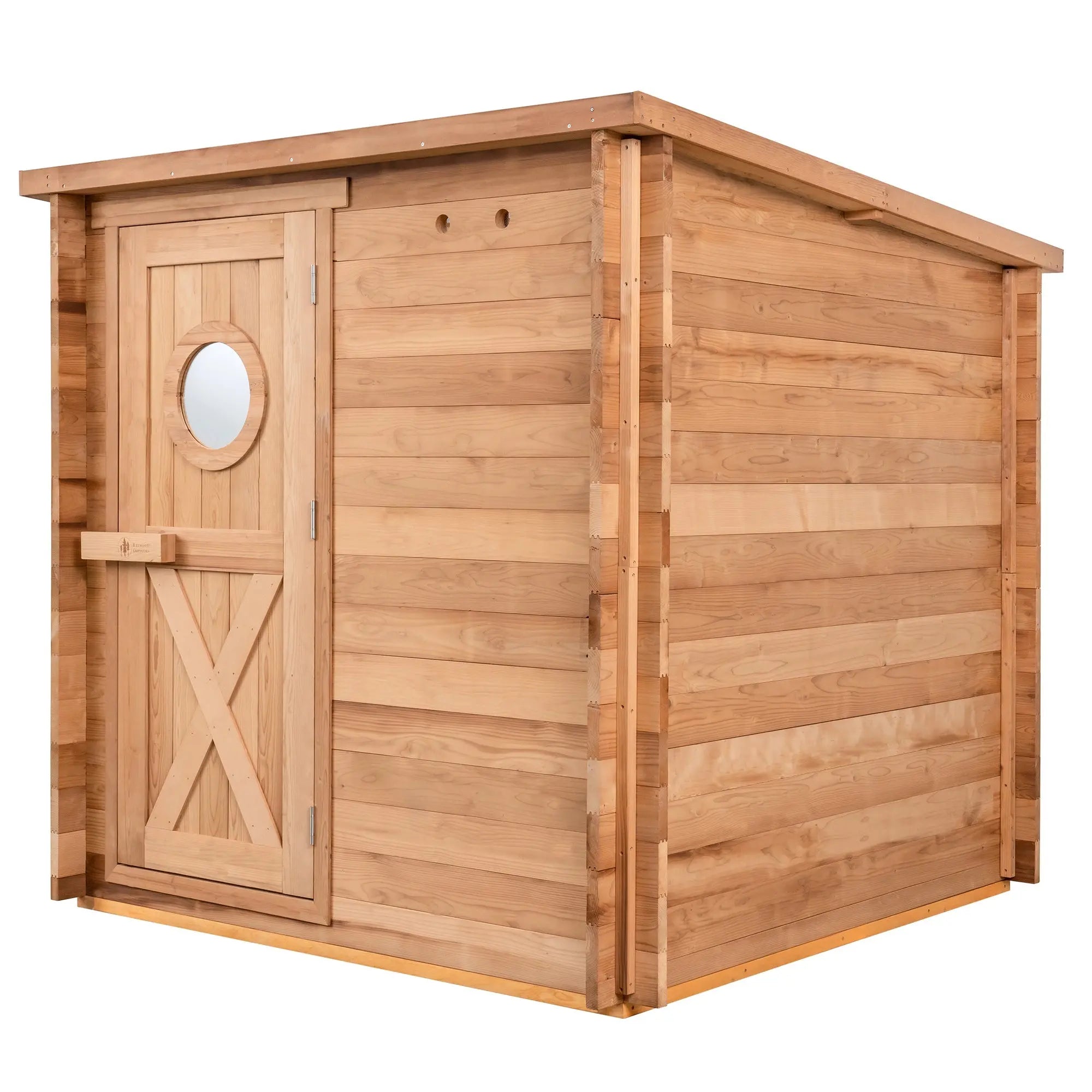
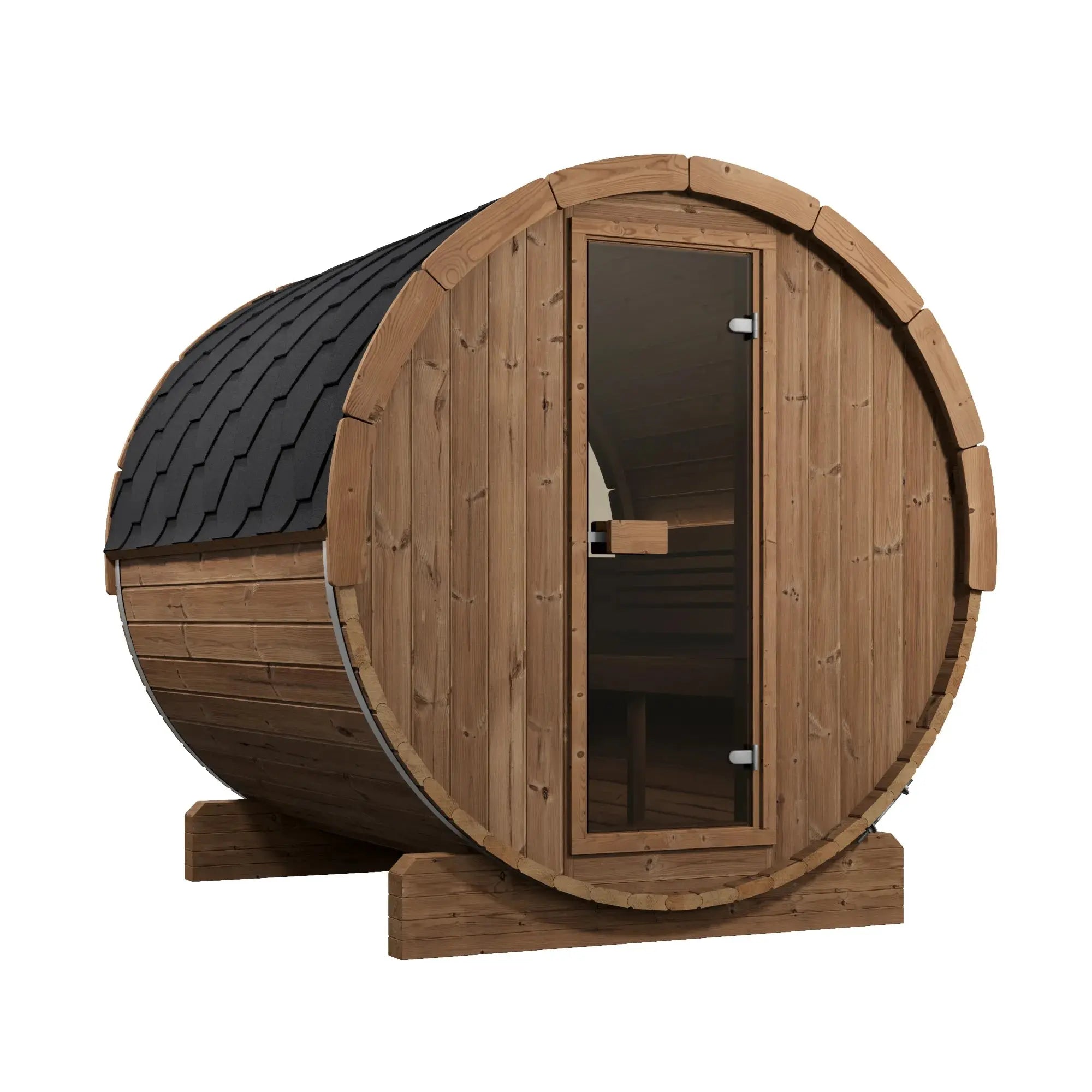
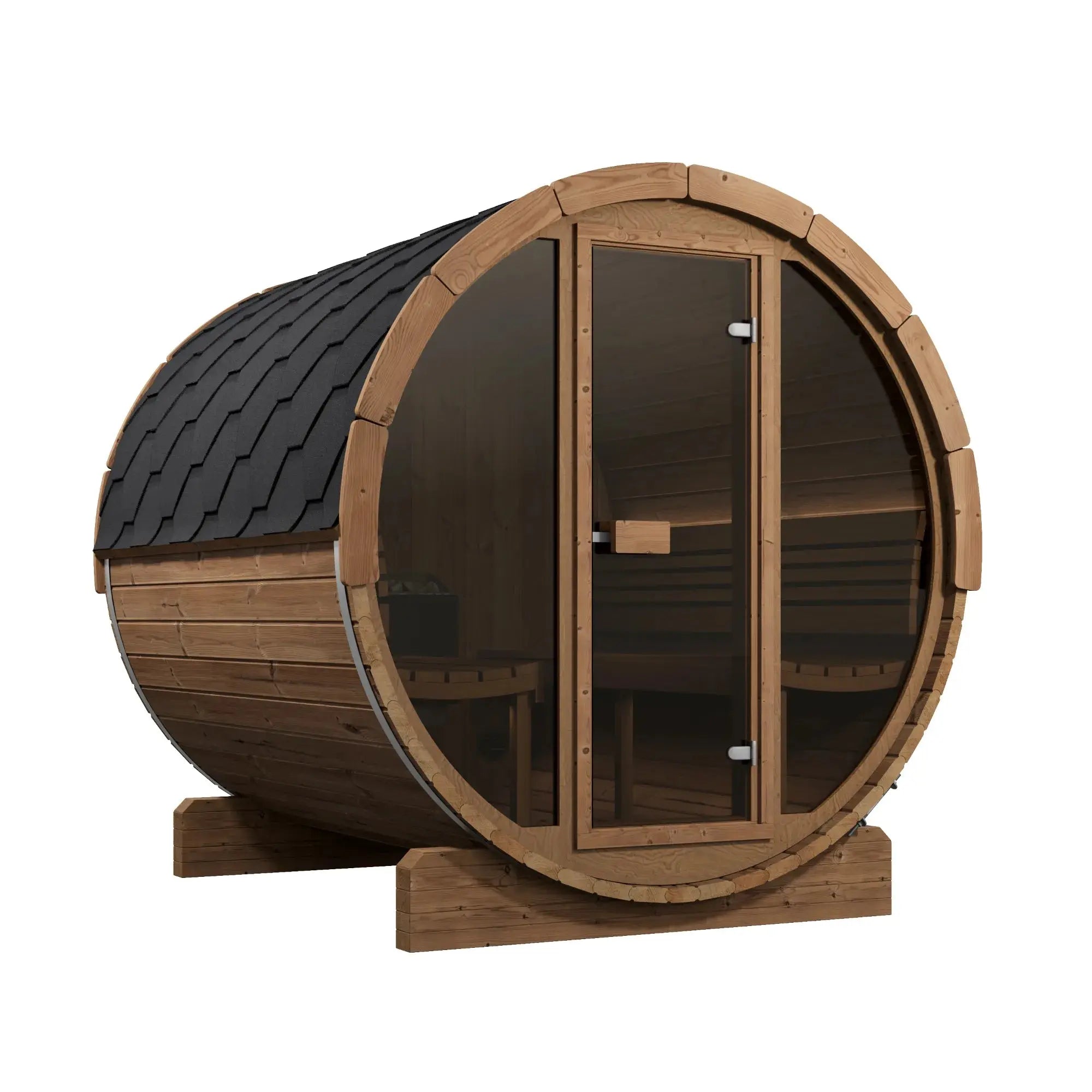
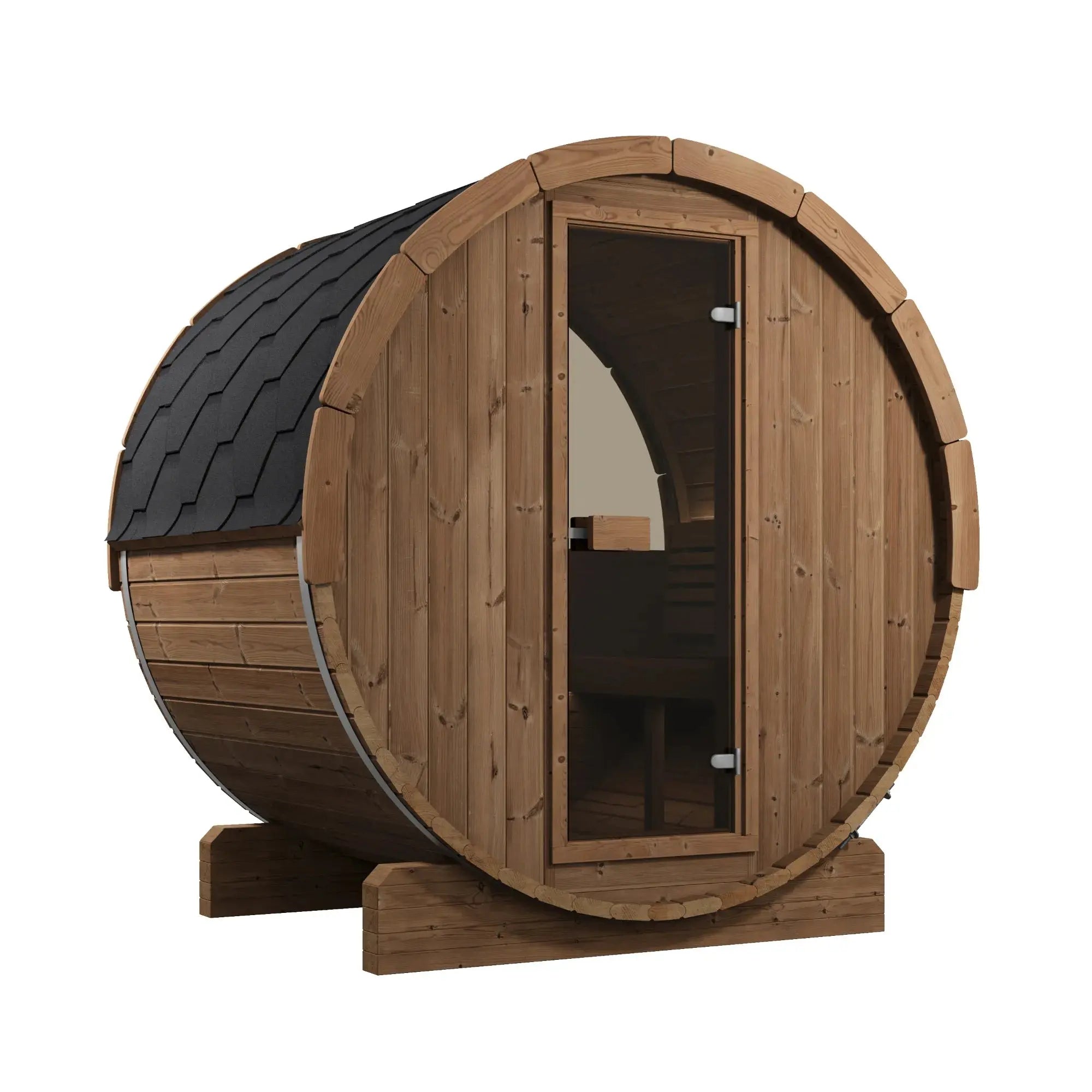
Some backyard saunas arrive as more complete modular units. Others are assembled on site. Either way, installation goes better when the site is fully ready before the crate arrives.
That means the foundation is finished, access is clear, and electrical rough-in is either complete or scheduled correctly. It also means you know who is handling each part of the process. In some projects, the sauna installer, electrician, and site contractor are all separate. Coordination matters.
Expect installation timelines to vary based on complexity. A simple setup on a prepared slab with nearby power is very different from a sauna going into the far corner of a yard with grading needs and a long electrical run. Neither is wrong. One just requires more planning.
This is where working with a specialist retailer helps. At All Season Patio, the value is not just the sauna itself. It is the practical support around product fit, installation considerations, and helping buyers avoid mismatches between the unit and the site.

Backyard sauna installation guide for layout and use
The best sauna installations do not stop at the box itself. They consider how people arrive, cool down, change, and move through the space.
If you have room, leave space for a bench, towel hooks, robe storage, or a small landing area outside the door. Think about where users will set drinks, sandals, or a phone. If nighttime use is likely, exterior lighting should be planned as part of the installation, not treated as an afterthought.
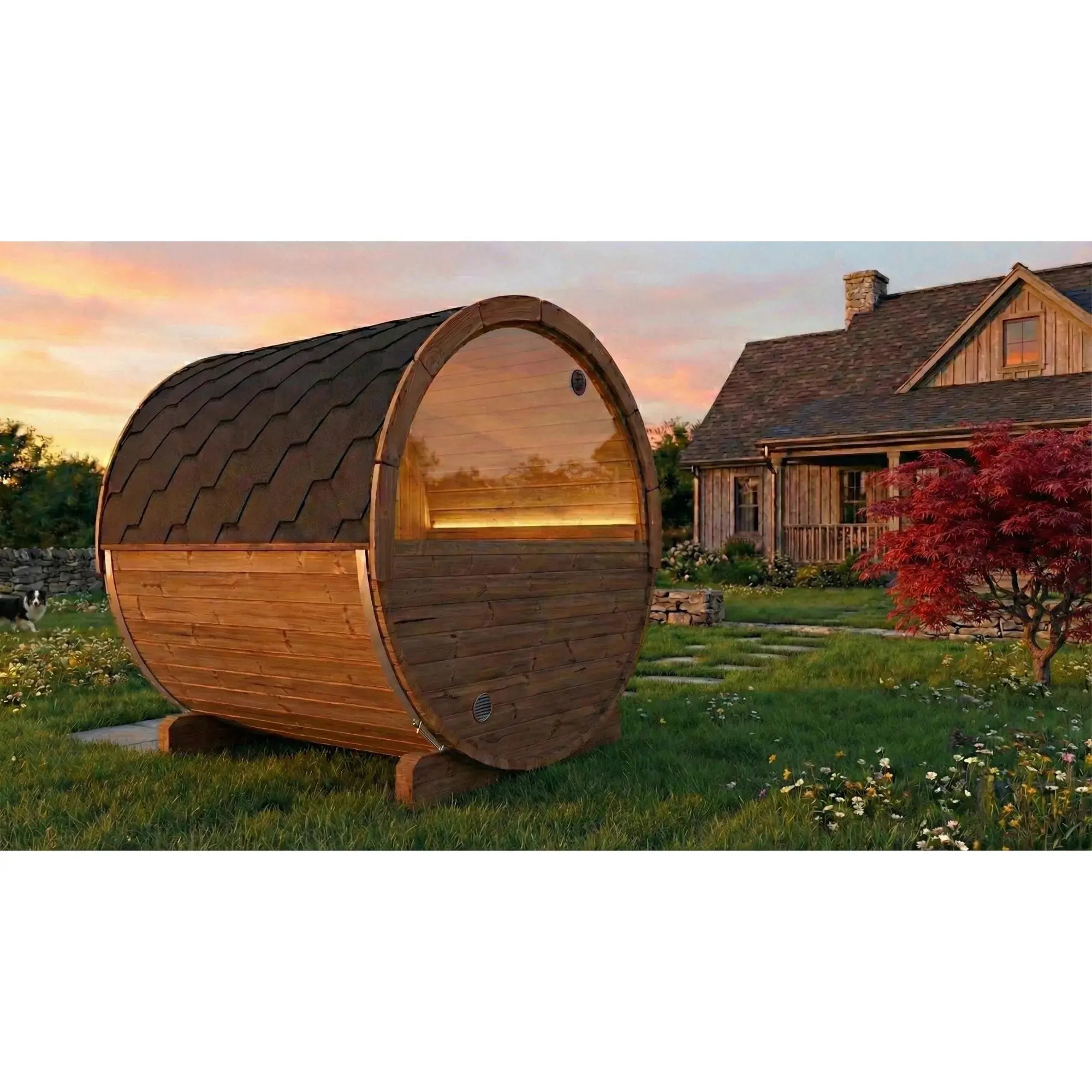
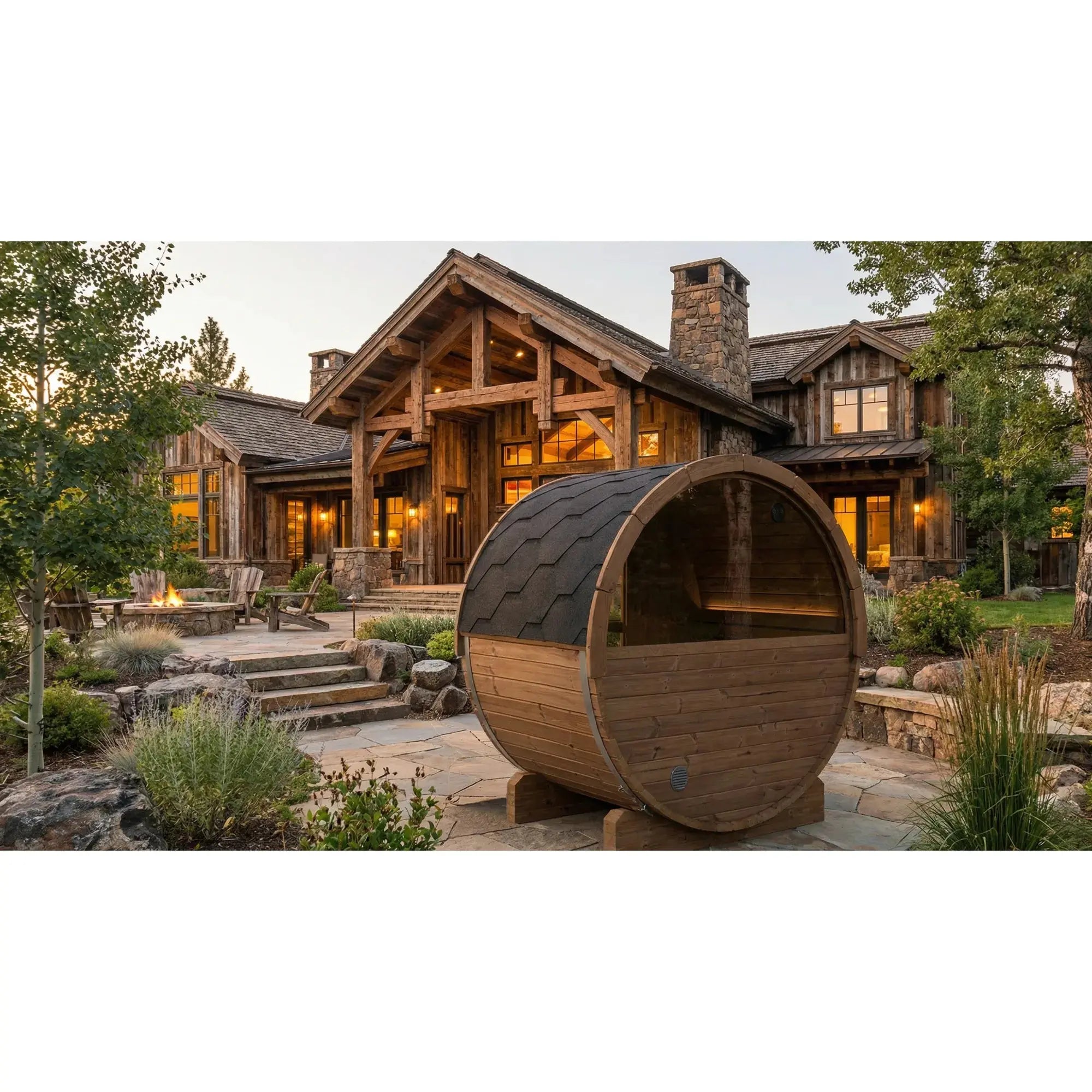
A backyard sauna also works better when it feels connected to the rest of the outdoor environment. That does not mean crowding it into an already busy patio. It means giving it enough design continuity to feel intentional. Matching hardscape materials, coordinated privacy screening, and a clear path from the house go a long way.
There is always a trade-off between squeezing the sauna into an available spot and creating a setup you will use often. If a slightly more involved installation gives you better access, privacy, and comfort, it is often money well spent.
Budget for the full project, not just the unit
Homeowners often price the sauna and underestimate the installation package around it. Depending on your site, the base, electrical work, permit fees, grading, screening, and access improvements can meaningfully affect the total budget.
That does not mean the project is getting out of hand. It means you are budgeting honestly. A premium outdoor upgrade should be evaluated as a complete system, not as a standalone product dropped into the yard.
The upside is that careful planning protects the investment. A sauna that is easy to reach, properly powered, and set on a stable base is more likely to deliver the experience you expected when you bought it.
The best backyard sauna projects are not usually the fastest ones. They are the ones where the homeowner took the time to match the sauna to the space, the utilities, and the way the family will actually use it. Get that part right, and the first session feels less like the end of a project and more like the start of a habit you will keep.