Outdoor Furniture That Actually Lasts
The cheapest outdoor furniture set is the one you replace twice. The right one lasts 15+ years and looks better with age. Here's the honest comparison: teak, aluminum, HDPE, wicker — what they're really made of, what they cost over a decade, and how to choose without overspending.
The four materials to know
Teak
The classic. A dense tropical hardwood that contains natural oils — meaning it weathers without cracking, splitting, or rotting, and doesn't need annual sealing. Left alone, it grays to a soft silver patina. Sealed, it stays warm honey-brown.
The pitch: Lifetime furniture. Teak chairs from the 1970s are still in use today.
The catch: Most expensive material upfront. Heavy. And "teak" is a generic term — a lot of cheap "teak" furniture is actually a softer Asian hardwood that won't last like real Burmese or Indonesian teak. Look for Grade A teak from FSC-certified sources.
Powder-coated aluminum

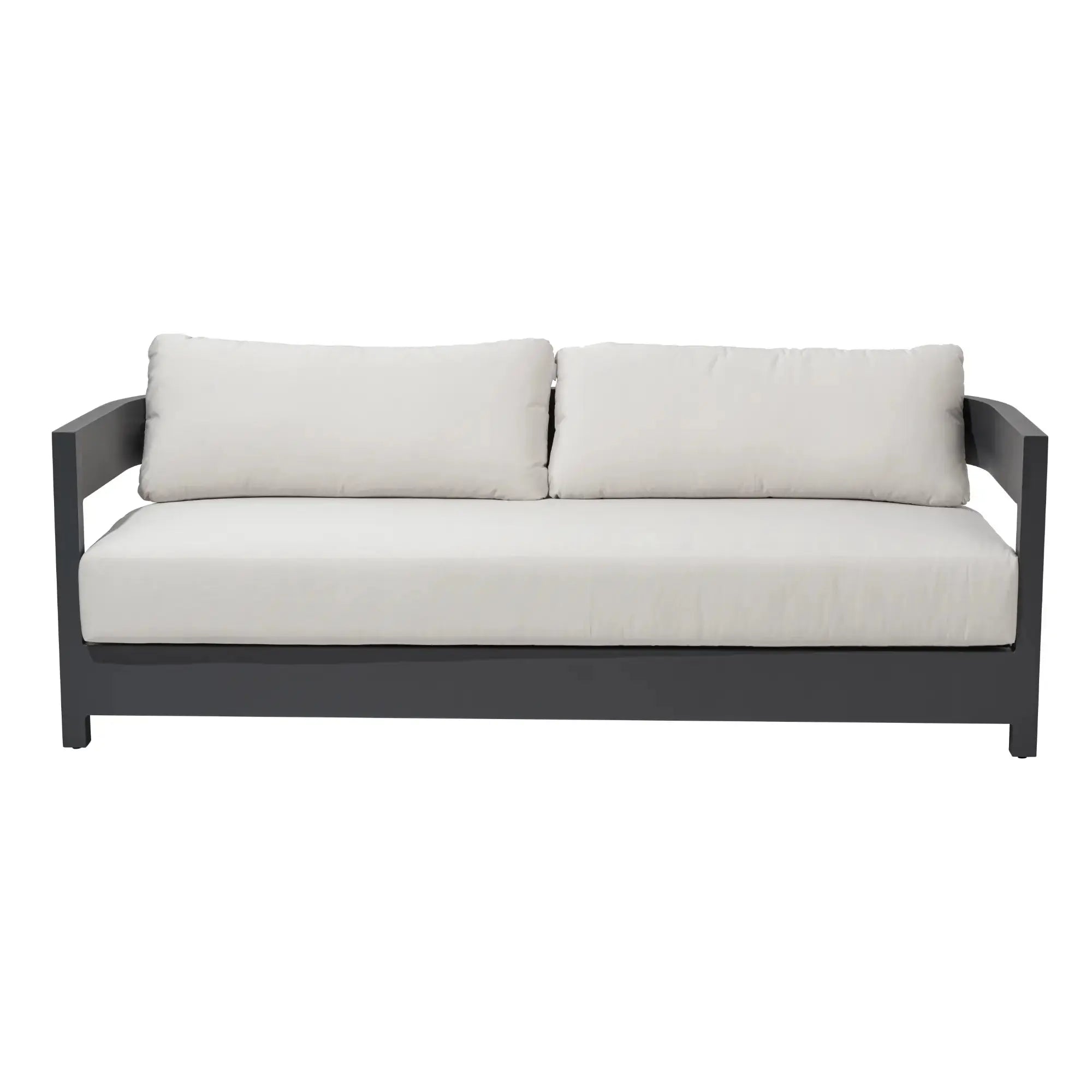
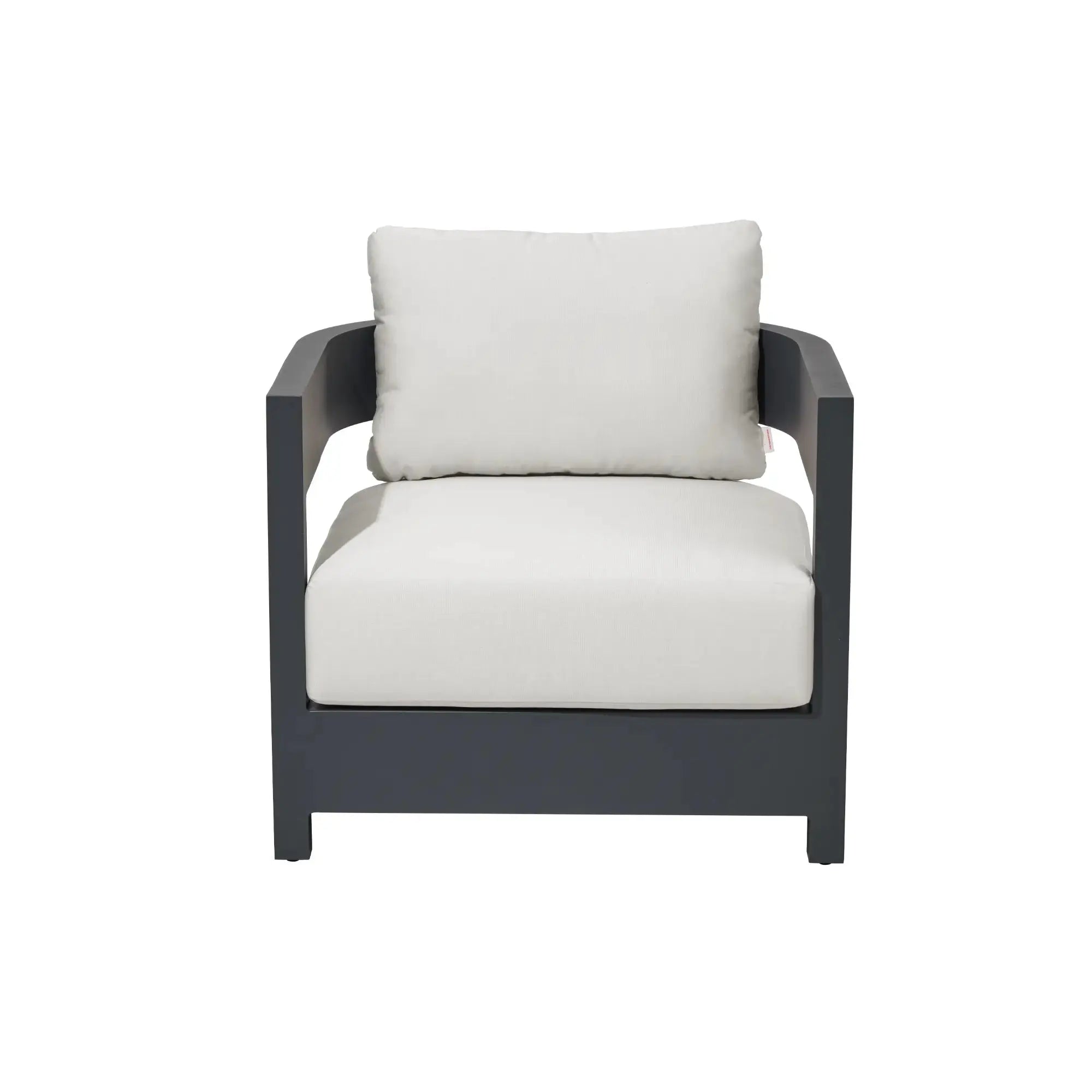
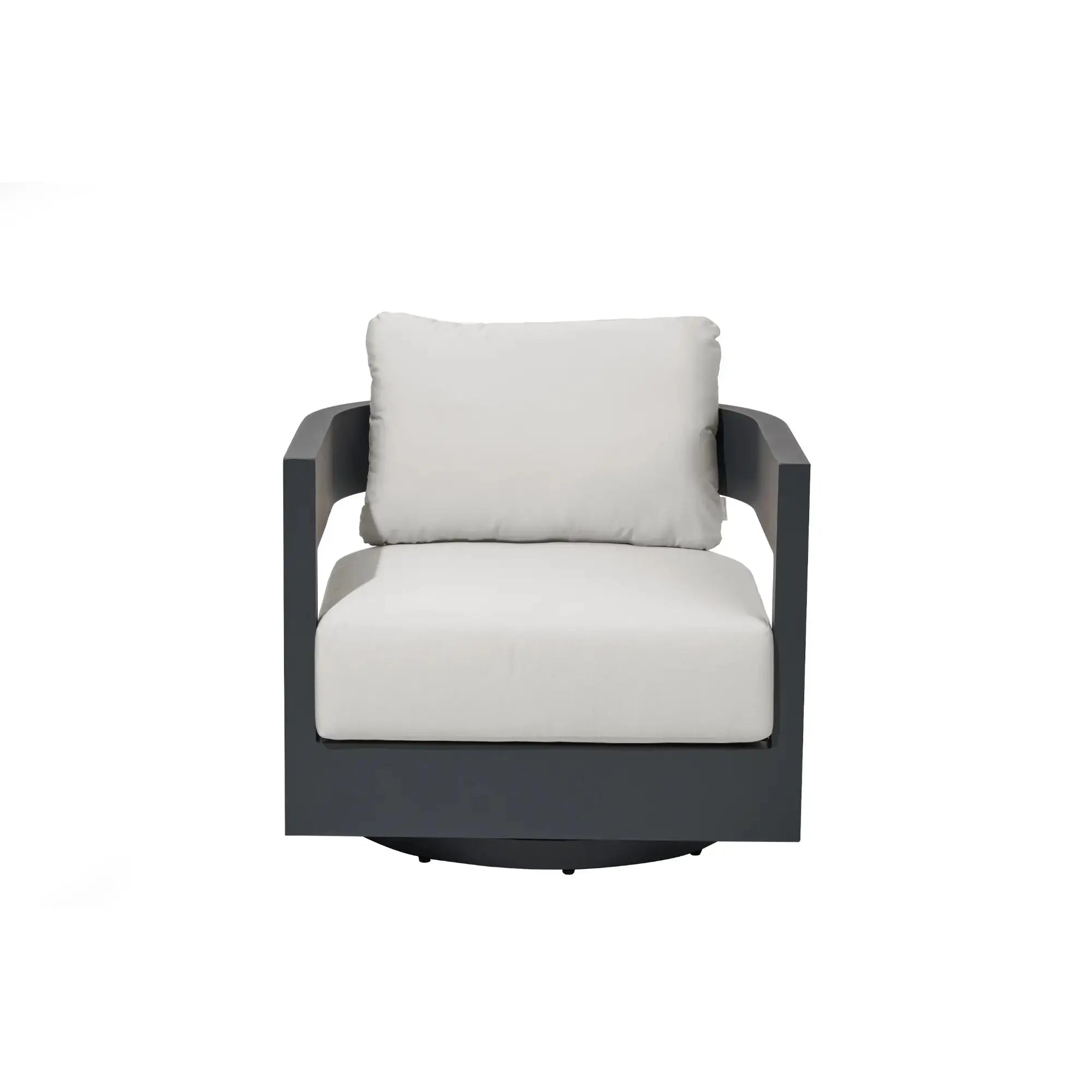
Lightweight, completely rust-proof, holds up to UV indefinitely. Modern aluminum frames are stronger than they look, and powder coating (a baked-on finish, not paint) resists chipping for years.
The pitch: Low maintenance, won't rust, light enough to rearrange easily.
The catch: Cushions are doing most of the comfort work. Bare aluminum is uncomfortable to sit on for any period of time. Budget for quality cushions; they'll be the failure point, not the frame.
HDPE (high-density polyethylene)

Recycled plastic resin lumber. Companies like POLYWOOD made this category — it looks like painted wood from 5 feet away but is fully synthetic, fade-resistant, and weather-proof. Comes in colors that don't change over time.
The pitch: Genuinely zero maintenance. Hose it off in spring, you're done. UV-stabilized so colors hold for 15+ years.
The catch: Heavy — really heavy. Not the furniture you rearrange. And the look is polarizing — some people love the clean lines, others find it looks "fake."
Wicker / resin wicker

Two very different things: natural wicker (rattan, willow) is gorgeous indoors, terrible outdoors — it falls apart in 1–2 seasons exposed to weather. Resin wicker is woven plastic over an aluminum frame, designed to look like wicker but survive outside.
The pitch (resin): The deepest, most lounge-like seating in outdoor furniture. Aesthetic warmth without sacrificing durability.
The catch: Quality varies massively. Cheap resin wicker fades in two seasons and the strands snap. Look for HDPE-based wicker (not PVC), aluminum frames (not steel), and a UV-rated finish. Pay for quality or skip the category.
Cost over 10 years (the honest math)
A 4-person dining set, including replacement cushions every 3 years for materials that need them:
- Cheap big-box steel set: $400 upfront. Replaced every 2–3 years. 10-year cost: $1,500–$2,000.
- Powder-coated aluminum: $1,500–$3,000 upfront. Cushion replacements ~$300 every 3 years. 10-year cost: $2,500–$4,000.
- HDPE resin lumber: $2,000–$4,000 upfront. Essentially zero ongoing cost. 10-year cost: $2,000–$4,000.
- Resin wicker (quality): $2,500–$5,000 upfront. Cushion replacements every 3 years. 10-year cost: $3,500–$6,000.
- Teak (Grade A): $3,500–$7,000 upfront. Negligible ongoing cost. 10-year cost: $3,500–$7,000.
The cheapest furniture on a 10-year horizon is usually NOT the cheapest furniture upfront. Big-box sets that need replacing twice cost more than mid-tier aluminum that lasts the whole decade.
Cushions: where most furniture actually fails

The frame might last 20 years; the cushions probably won't. Cushion fabric is the weak link in almost every outdoor furniture setup.
Three quality tiers:
- Standard polyester: 1–2 seasons. Fades, mildews, falls apart. Avoid for anything you're keeping.
- Olefin / PE: 3–5 seasons. Acceptable for budget setups. Lower water resistance than the premium options.
- Sunbrella (or equivalent): 8–10 seasons. Solution-dyed acrylic — the color goes through the fiber, doesn't fade like printed fabrics. Genuinely waterproof when paired with quick-dry foam.
The price difference between Sunbrella and standard polyester is significant — sometimes 2–3x. The longevity difference is more than 5x. For anything you'll have for years, Sunbrella pays for itself.
Storage and covers

Even durable materials last longer when they're protected during the off-season:
- Cushions: Store indoors over winter, or invest in waterproof cushion storage boxes
- Frames: Furniture covers help, but quality matters — a $30 cover that traps moisture is worse than no cover
- Wood furniture (teak, oak): Move under cover or apply a water-repelling sealer in fall
- HDPE / aluminum: Genuinely fine left out year-round in most climates
Next step
Browse the collection, or talk through your space with someone on our team.
Shop Patio Furniture Talk to a Specialist