
Filters
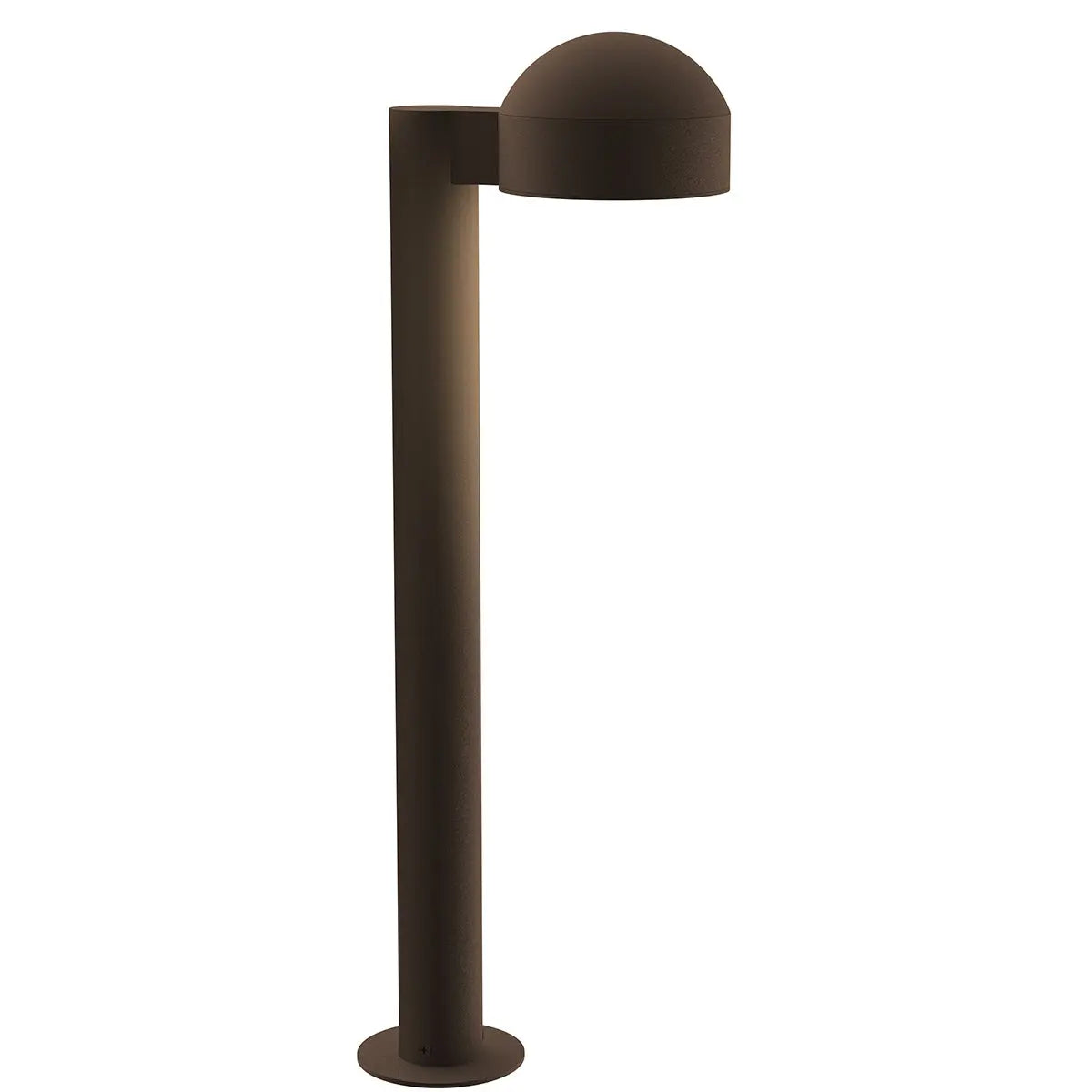
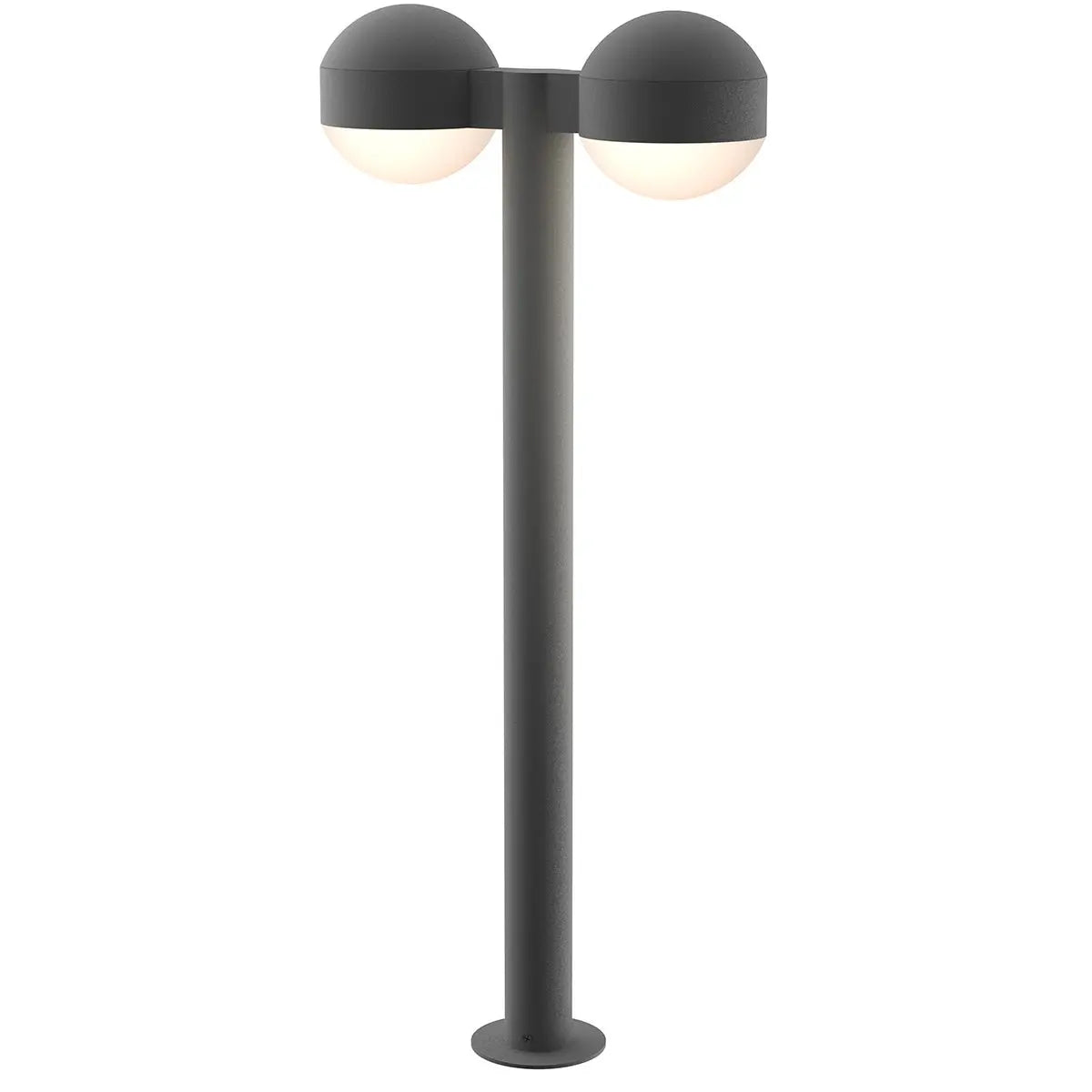
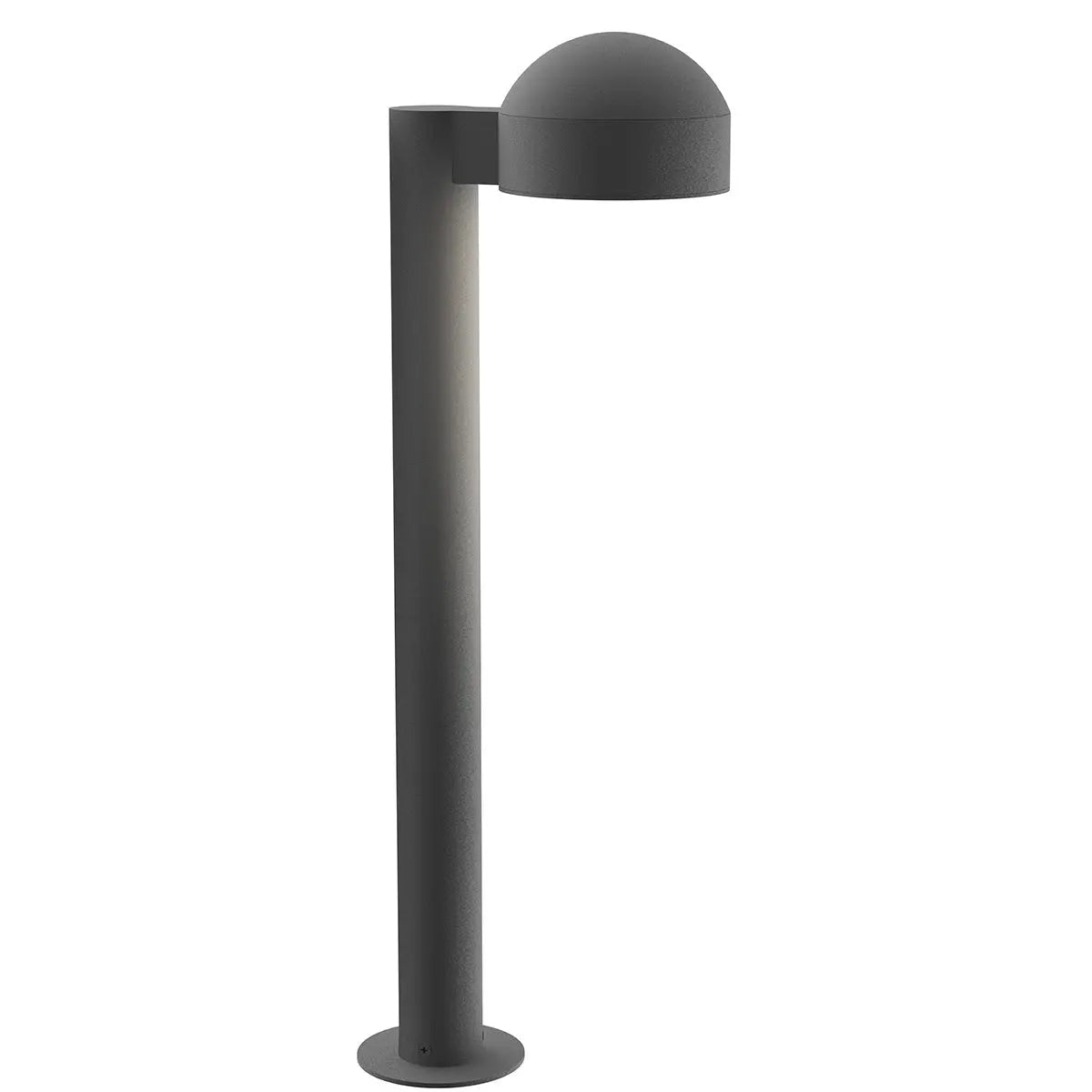
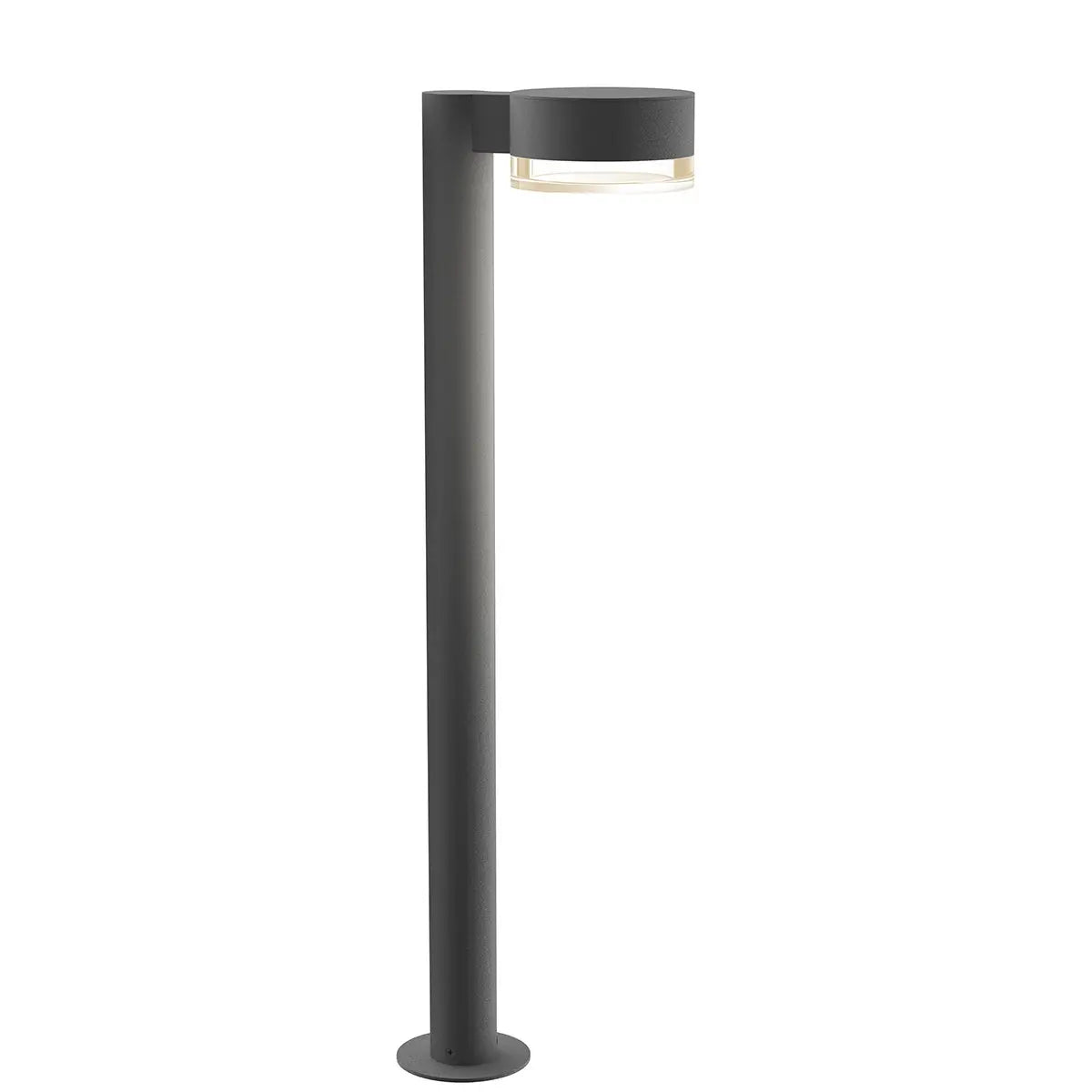
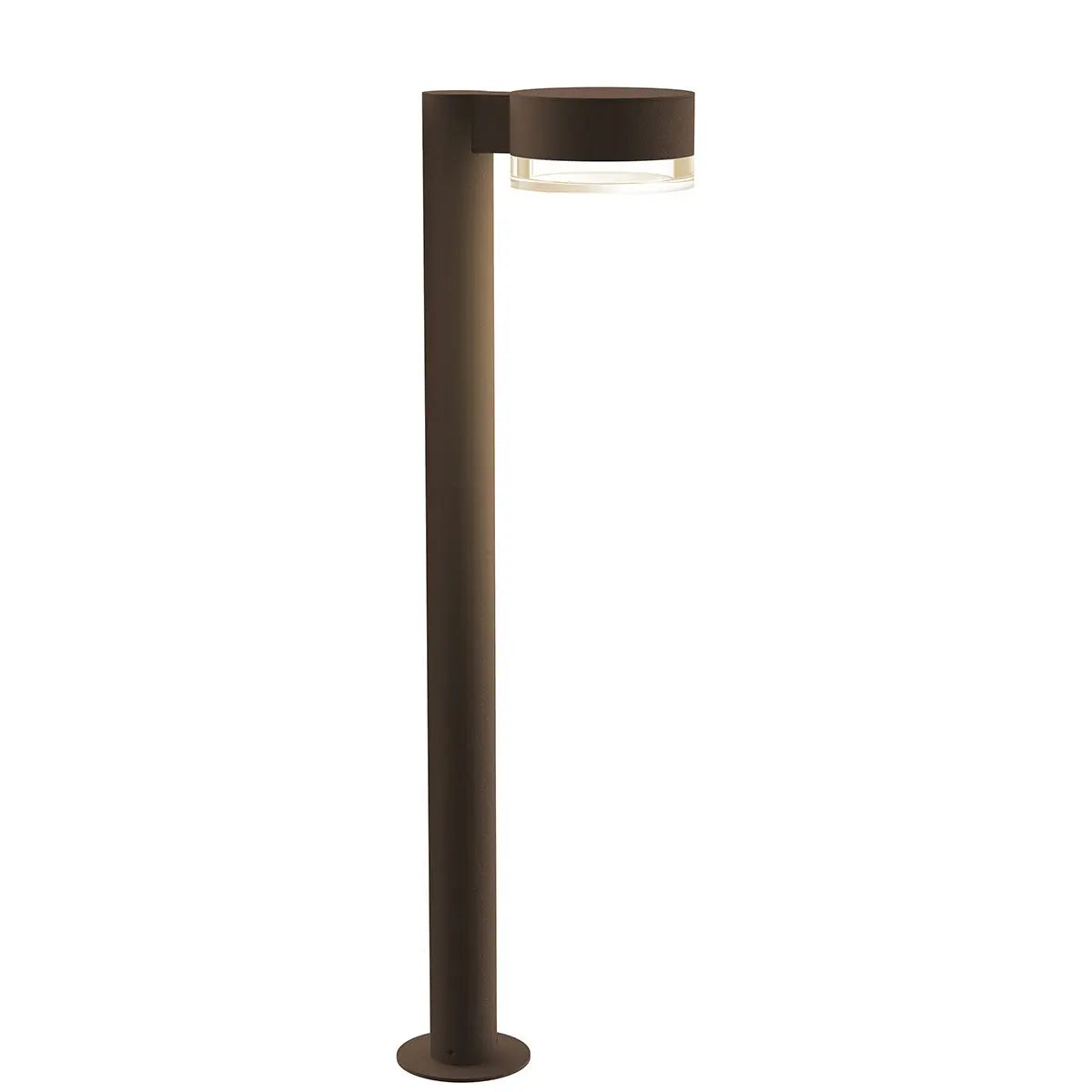
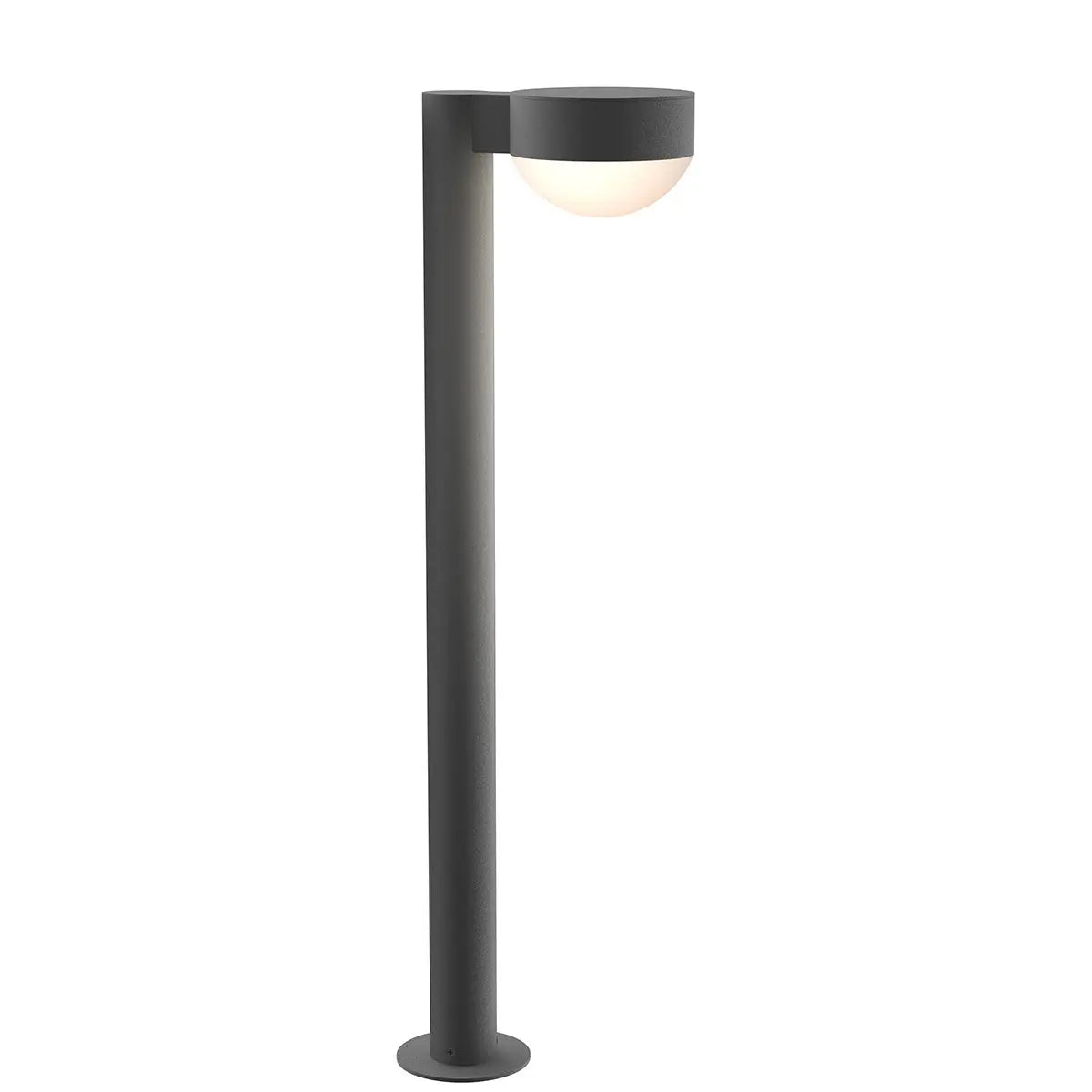
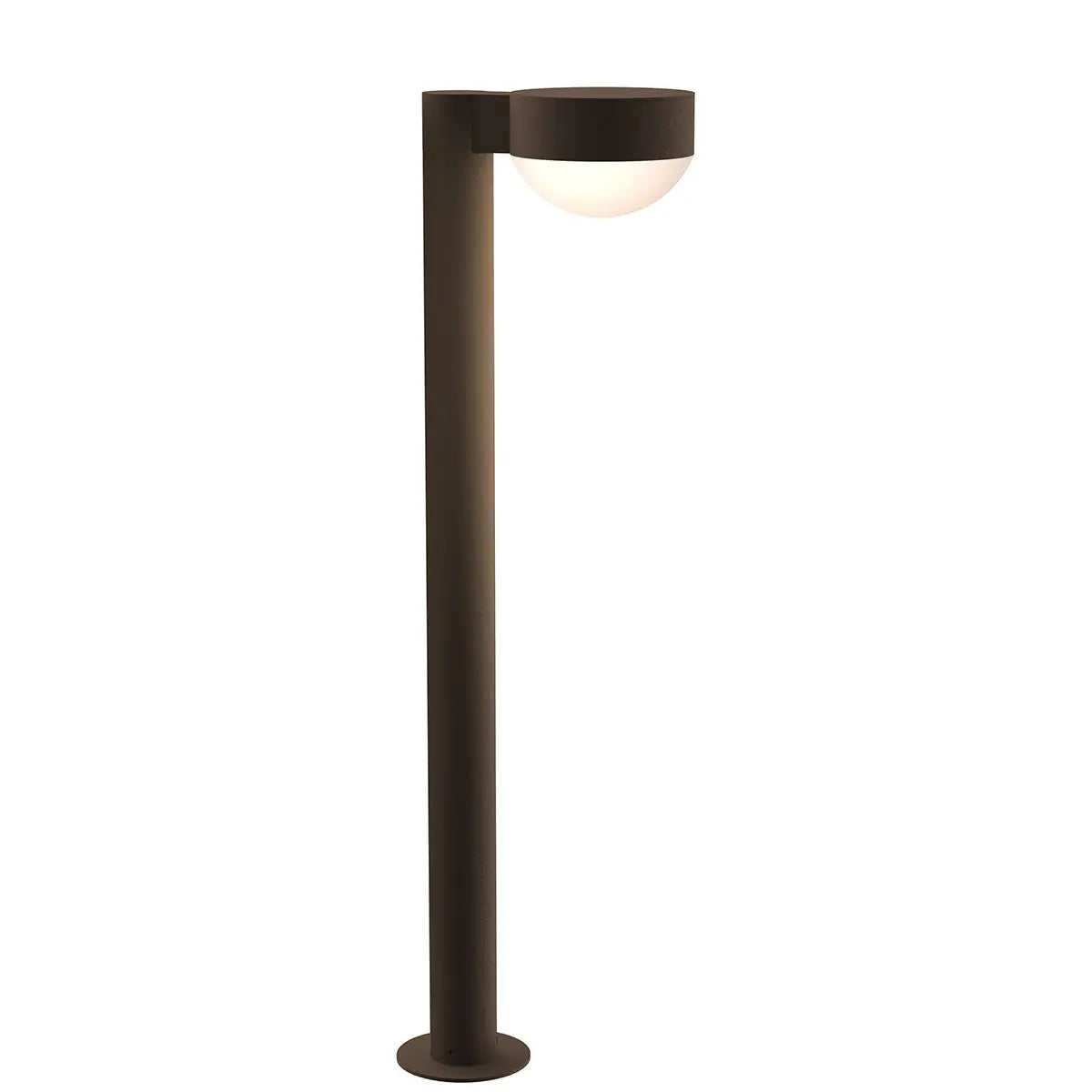
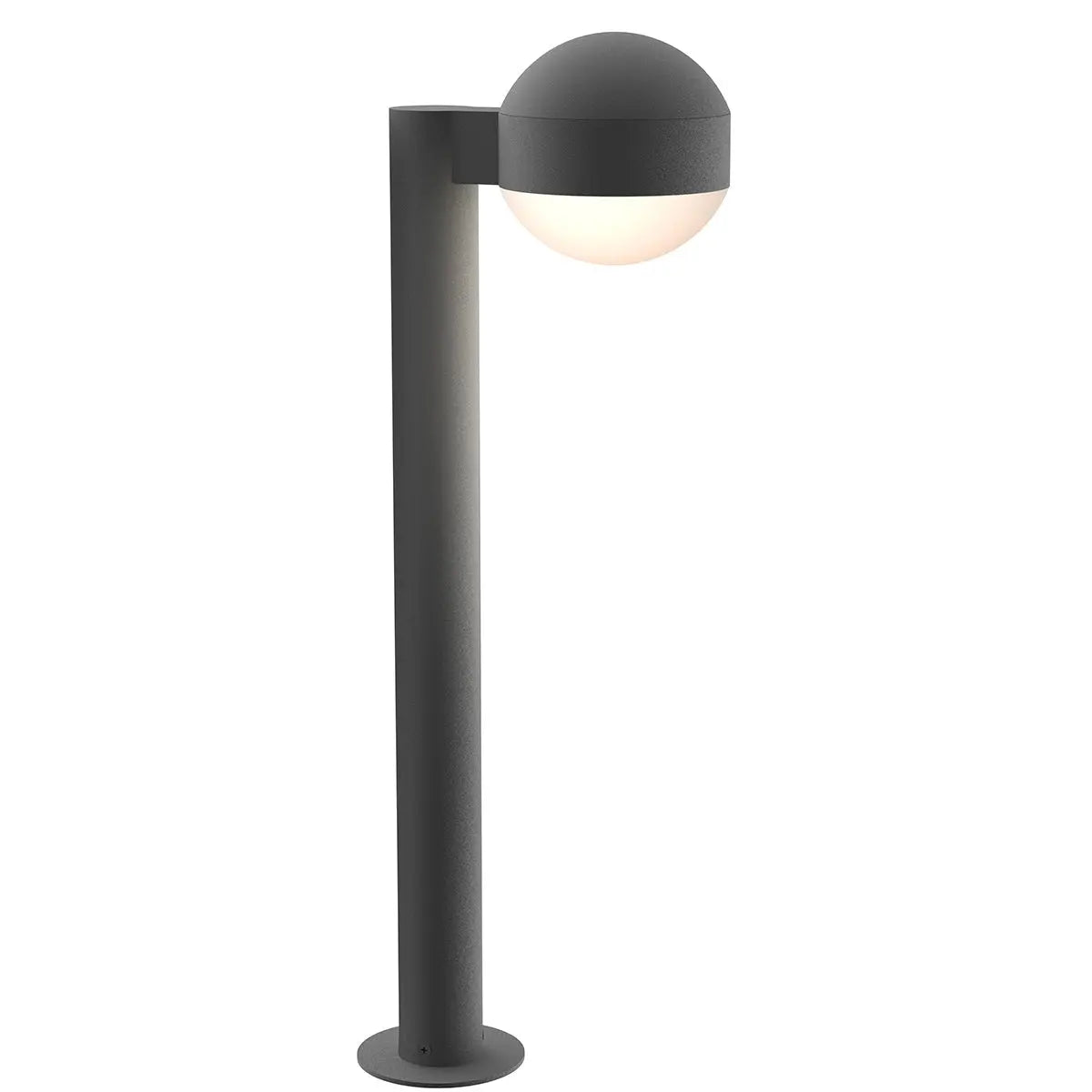
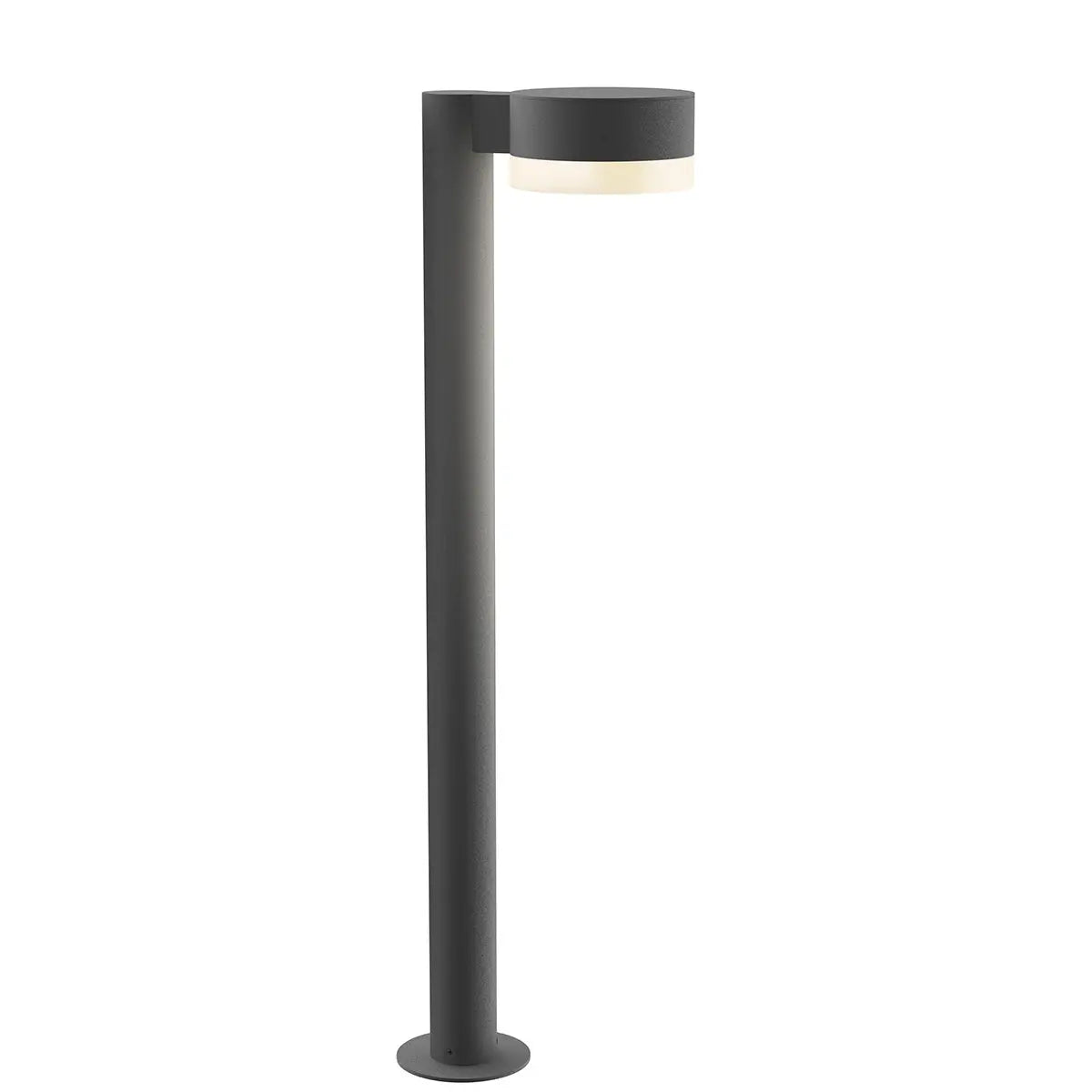
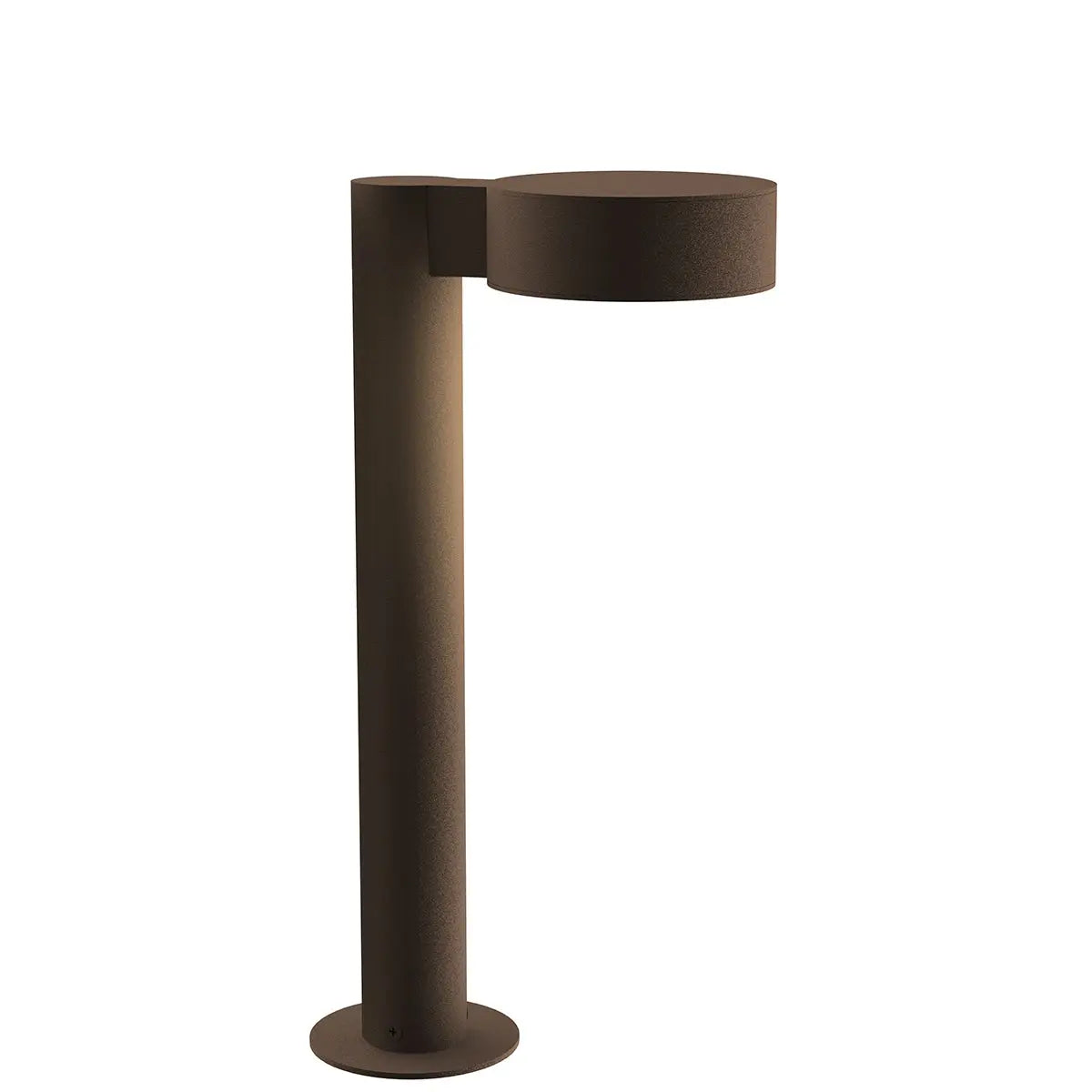
Outdoor bollard lights are short, freestanding posts that light driveways, walkways, garden borders, and entries from knee height — casting an even, downward wash that guides foot traffic and defines the edges of a landscape after dark. This collection is built around two design families: clean, modern LED bollards with an architectural profile, and handcrafted lanterns with art-glass detailing. Every fixture is wet-rated for direct exposure to rain, snow, and sprinklers.
Because these are premium, built-to-last fixtures rather than disposable path stakes, they hold up season after season on an exposed driveway or open garden run. Below, we break the range down by the way people actually shop for it — LED, by use (driveway, path, garden), by setting (residential vs. commercial), and by finish — followed by a practical buying guide and FAQ.

LED Bollard Lights
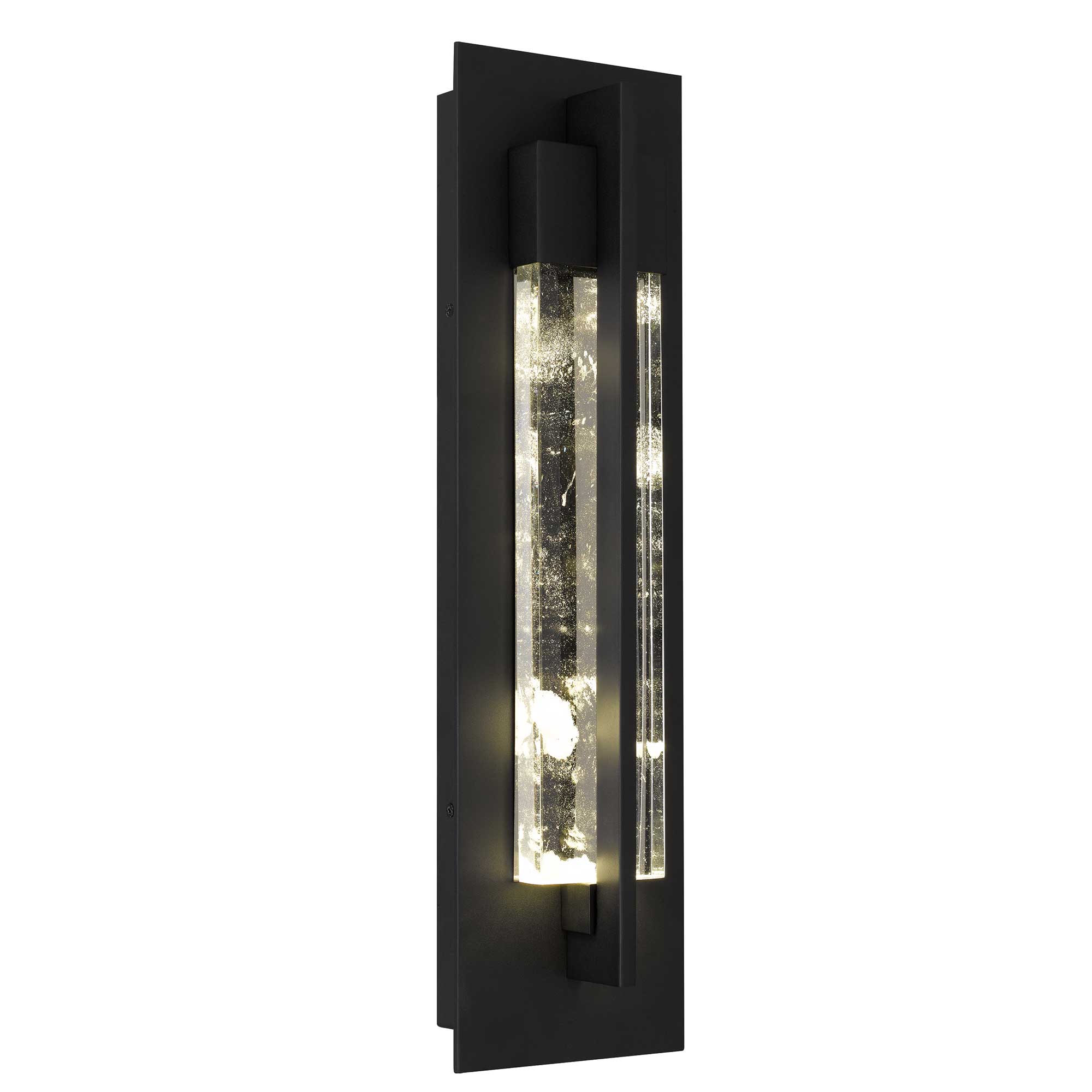
LED is the standard for modern bollard lighting, and most of this collection's contemporary fixtures are integrated-LED — efficient, long-lived, and cool-running, with no bulbs to swap on a fixture set in concrete. The architectural LED bollards here come in single- and double-sided versions and a range of heights, with crisp, minimal forms that suit modern homes, courtyards, and landscape-architecture projects. Their sealed housings and textured powder-coat finishes are made for full weather exposure.

Handcrafted & Decorative Bollards
For traditional and craftsman-style homes, the collection also includes handcrafted bollards with Mission and Arts-and-Crafts detailing — squared frames, hand-finished metalwork, and art-glass panels in amber, iridescent, and scenic designs. These decorative bollards read as garden focal points in daylight and glow softly at night, pairing naturally with brick, stone, and timber. They're a distinct alternative to the modern LED profiles for anyone who wants the fixture itself to be part of the landscape design.

Bollard Lights for Driveways, Paths & Gardens
The most common job for a bollard is wayfinding — a continuous line of low, glare-free light that marks a driveway edge, leads guests up a walkway, or traces a garden bed. For pathways, fixtures spaced evenly along the route create a even wash without dark gaps; for driveways, taller bollards spread light farther and stand up visually to the wider space. Garden runs sit somewhere in between, where shorter fixtures accent planting and define borders.
At a driveway entrance or gate, bollards along the drive often pair with taller fixtures on the entry columns or posts — see pier mount lights for column caps and post lights & lanterns for the gate posts, so the lighting reads as one coordinated scheme.

Commercial & Architectural Bollards
The same wet-rated build and architectural LED profiles that work on a residential driveway also suit commercial and landscape-architecture projects — campus walkways, hospitality grounds, courtyards, and entry plazas. Sealed, corrosion-resistant housings, consistent LED output, and clean lines make these fixtures specifiable where appearance and durability both matter. Single- and double-sided options let you light one side of a path or both, and matched heights keep a long run looking deliberate.
Finishes & Materials
Finish is what ties a bollard to the rest of your exterior. The modern LED fixtures use durable, textured powder-coat in tones like textured bronze and textured gray; the handcrafted bollards are offered in warm metal finishes such as Craftsman Brown, oil-rubbed bronze, and burnished brass, often paired with art glass. Brass and bronze develop a natural patina over years outdoors, while powder-coat holds its color and resists corrosion — both are built for permanent, exposed installation rather than a season or two.

How to Choose Bollard Lights
Height: Fixtures here run roughly 16" to 48". Shorter bollards (16"–24") suit garden beds and walkway edges; taller ones (28"–48") spread light farther for driveways, wider paths, and larger landscapes. Keep heights consistent along a single run for a clean, intentional look.
Light output & LED: Most modern fixtures are integrated LED — efficient and long-lived, with output tuned for path and area lighting rather than floodlighting. Match brightness to the job: a gentle wash for a garden path, more spread for an open driveway.
Wiring: Bollards run on either line voltage (120V) or low-voltage (12V) systems depending on the fixture; check each product's specifications. Either way, plan the cable run before paths or beds are finished, and have a licensed electrician handle any new line-voltage circuit.
Light direction: Downward and shielded designs put light on the ground and cut glare — best for walkways and dark-sky-conscious sites — while more open profiles cast a wider ambient glow for garden settings.
Color temperature: Warm white (around 2700K–3000K) is the most inviting for residential landscapes and flatters planting and stonework; cooler temperatures read more contemporary and are common on commercial sites.
Weather rating: Every fixture in this collection is wet-rated, the correct rating for ground-level installation exposed to rain, snow, and sprinkler spray. Lower-rated fixtures tend to fail early in those conditions.
Spacing: As a starting point, space bollards about 8–10 feet apart for a continuous path wash; widen to 10–15 feet for accent lighting along a driveway. Do a nighttime test before setting anything permanently.
Frequently Asked Questions
What are bollard lights?
Bollard lights are short, post-style outdoor light fixtures — typically knee- to waist-height — that mount to the ground to illuminate pathways, driveways, gardens, and entries. Unlike security bollards, which are physical barriers, lighting bollards are decorative and functional fixtures that provide low-level, glare-free illumination.
Are solar bollard lights worth it?
Solar bollards are easy to install and have no running cost, but their brightness varies with sunlight and tends to fade over the evening and in shaded or northern locations. For consistent, reliable output on a driveway or main path, hardwired LED and line- or low-voltage bollards — like the fixtures in this collection — are the more dependable, longer-lasting choice. We focus on wired fixtures for that reason.
How far apart should bollard lights be spaced?
For a continuous wash of light along a walkway, space bollards roughly 8–10 feet apart. For accent lighting along a driveway, 10–15 feet is usually enough. Tighter spacing gives a brighter, more even path; wider spacing creates pools of light with darker gaps between. A nighttime test before final placement is always worth it.
How tall should a bollard light be?
Most landscape bollards stand between 16 and 48 inches. Shorter fixtures (16"–24") work along garden beds and walkway edges; mid and taller heights (28"–48") suit standard paths, driveways, and larger landscapes. Consistent heights along a run look the most polished.
What's the difference between a path light and a bollard light?
Path lights are usually small, stake-mounted fixtures with a low "mushroom" cap, while bollards are taller, more substantial posts with a stronger architectural presence. Both light walkways, but bollards make more of a design statement and stand up better to driveways and open landscapes.
Are these bollard lights suitable for commercial use?
Yes. The wet-rated, corrosion-resistant build and clean architectural LED profiles suit commercial and landscape-architecture installations — campus walkways, courtyards, hospitality grounds, and entry plazas — as well as residential driveways and gardens.