Outdoor Sauna vs Indoor Sauna
If you are weighing outdoor sauna vs indoor sauna, the real question is not which one is better on paper. It is which one fits the way you live, the space you actually have, and the kind of sauna routine you will keep using a year from now.
We see this decision come up with homeowners who are already thinking beyond a single purchase. They are building a backyard retreat, finishing a basement, upgrading a primary bath, or creating a wellness zone that feels intentional instead of added on as an afterthought. In that context, sauna placement affects more than heat and square footage. It influences installation, maintenance, privacy, resale appeal, and how often you step inside.
Outdoor sauna vs indoor sauna: the big difference
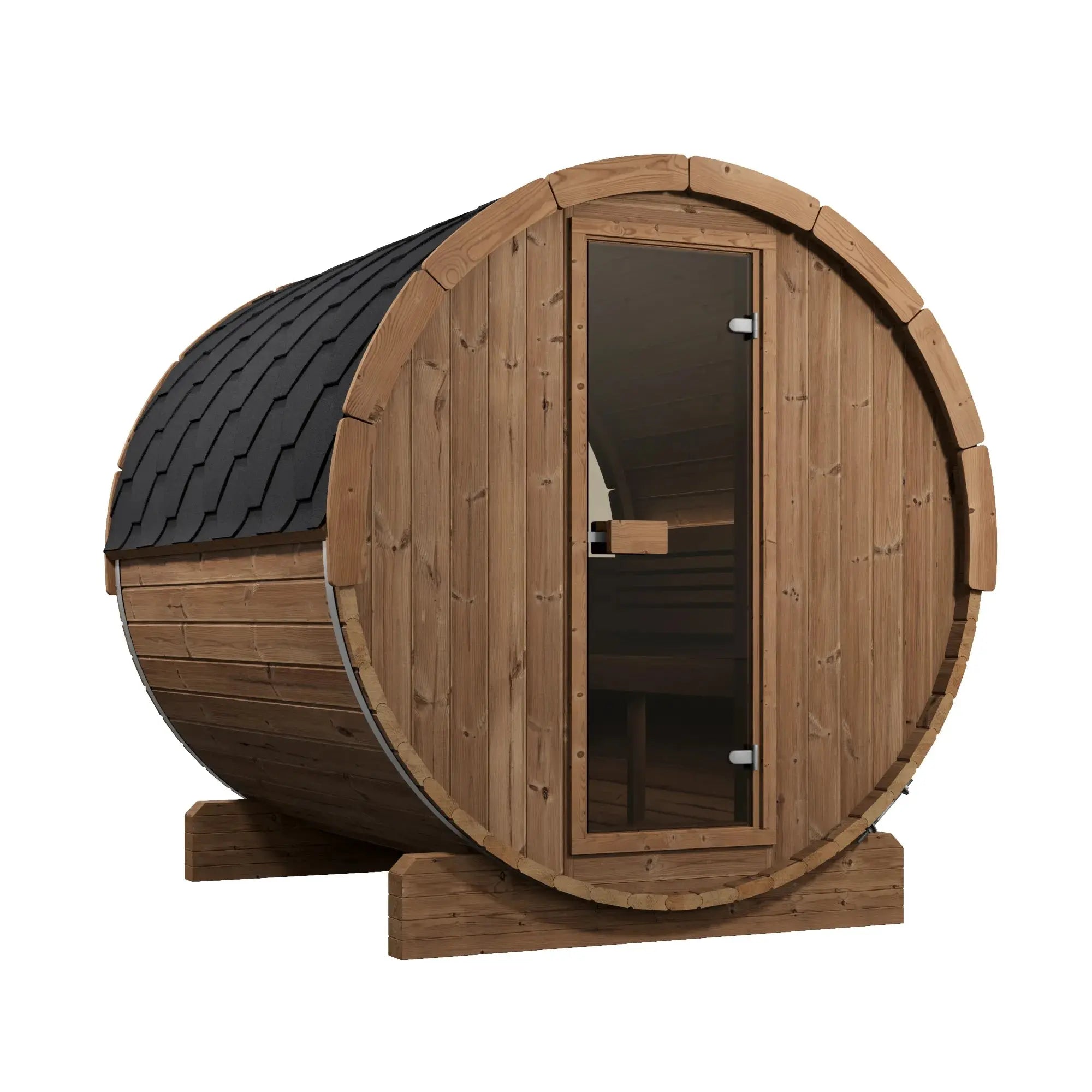
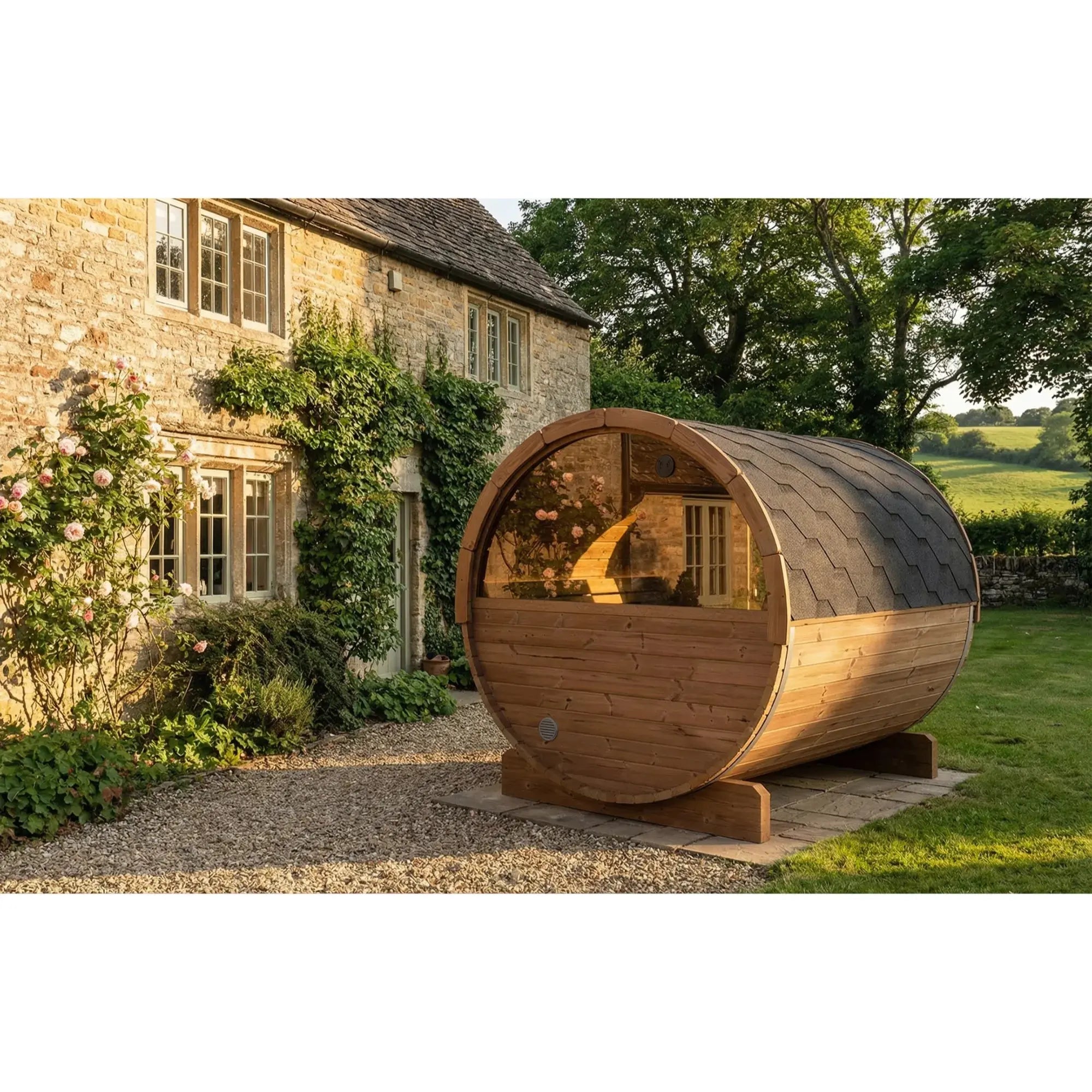
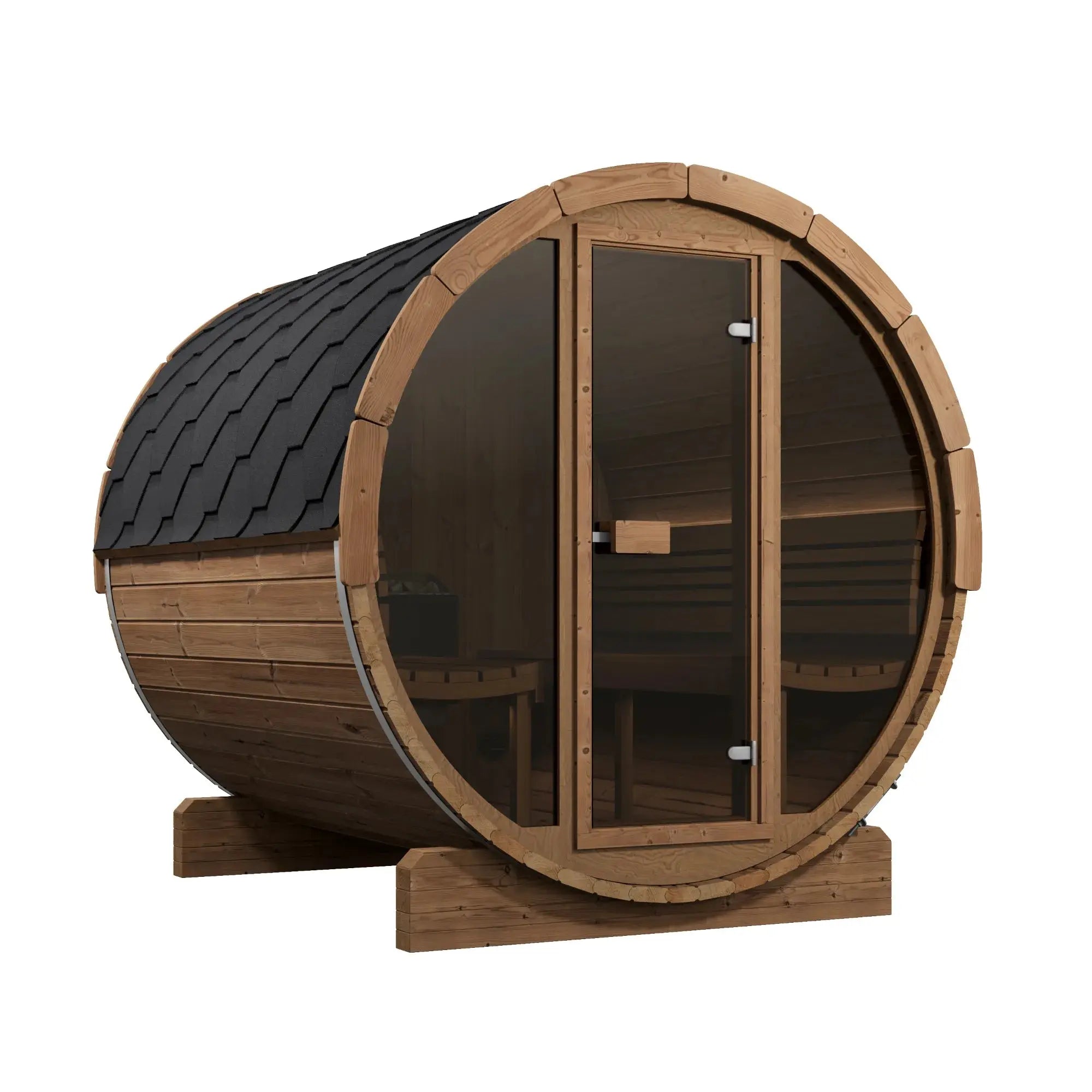
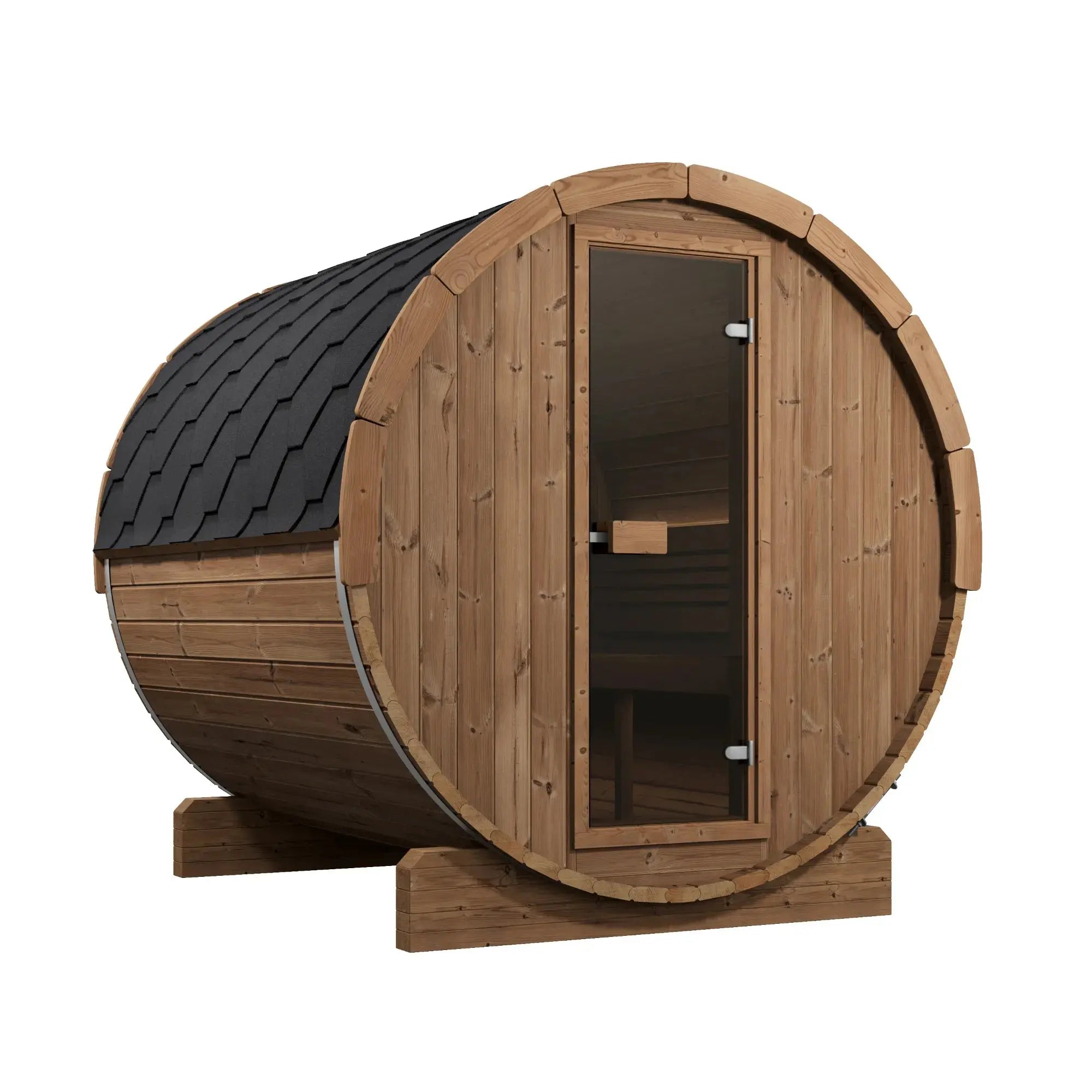
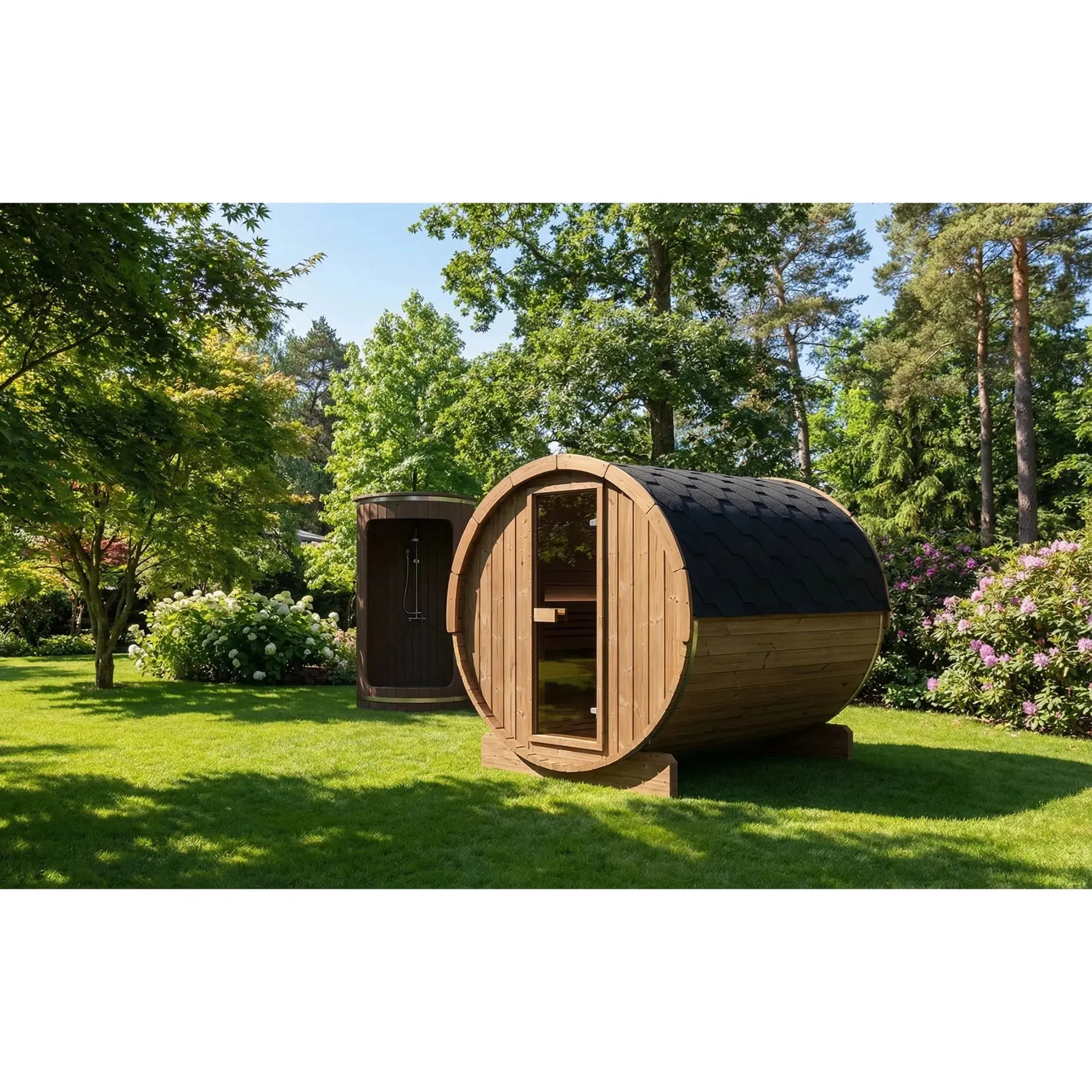
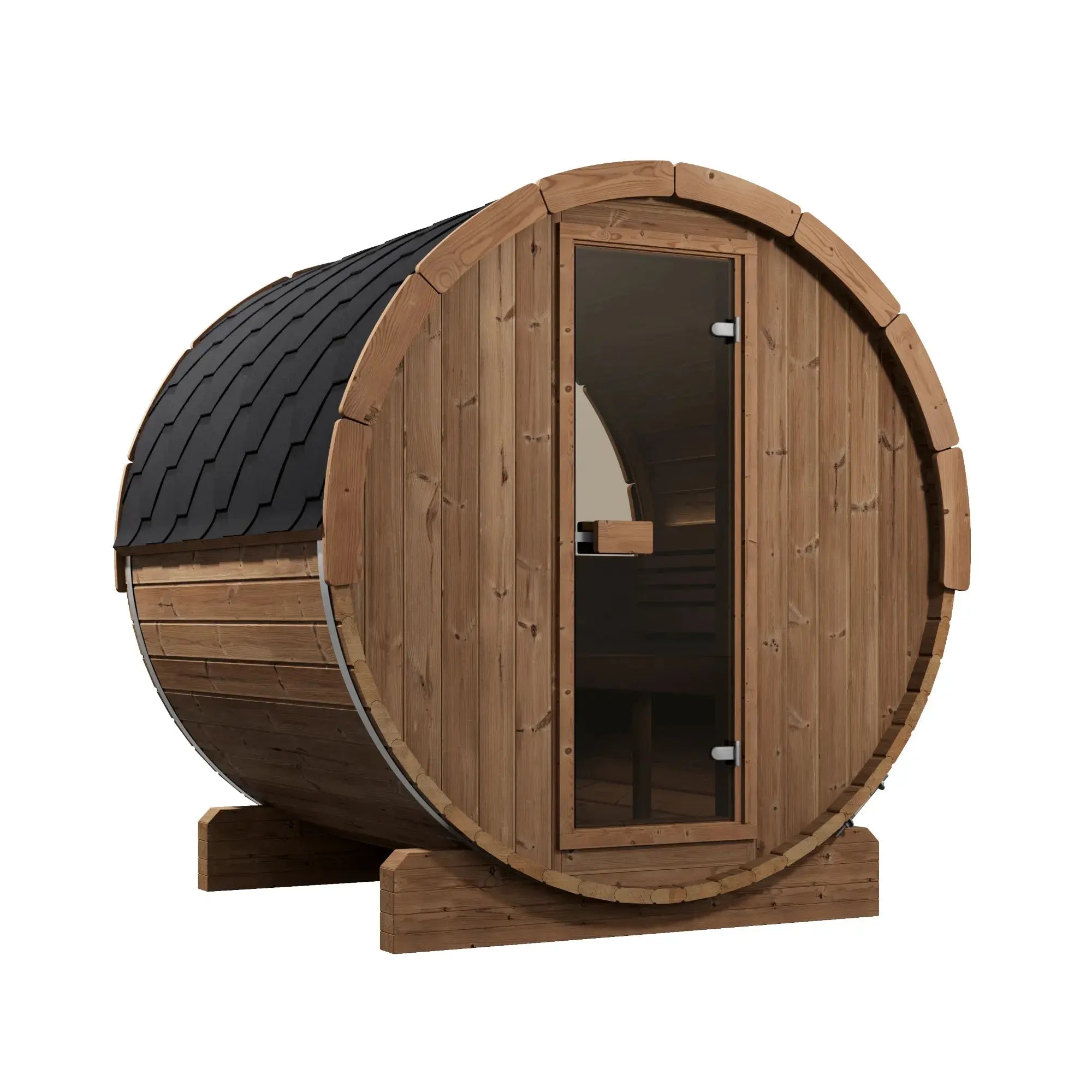
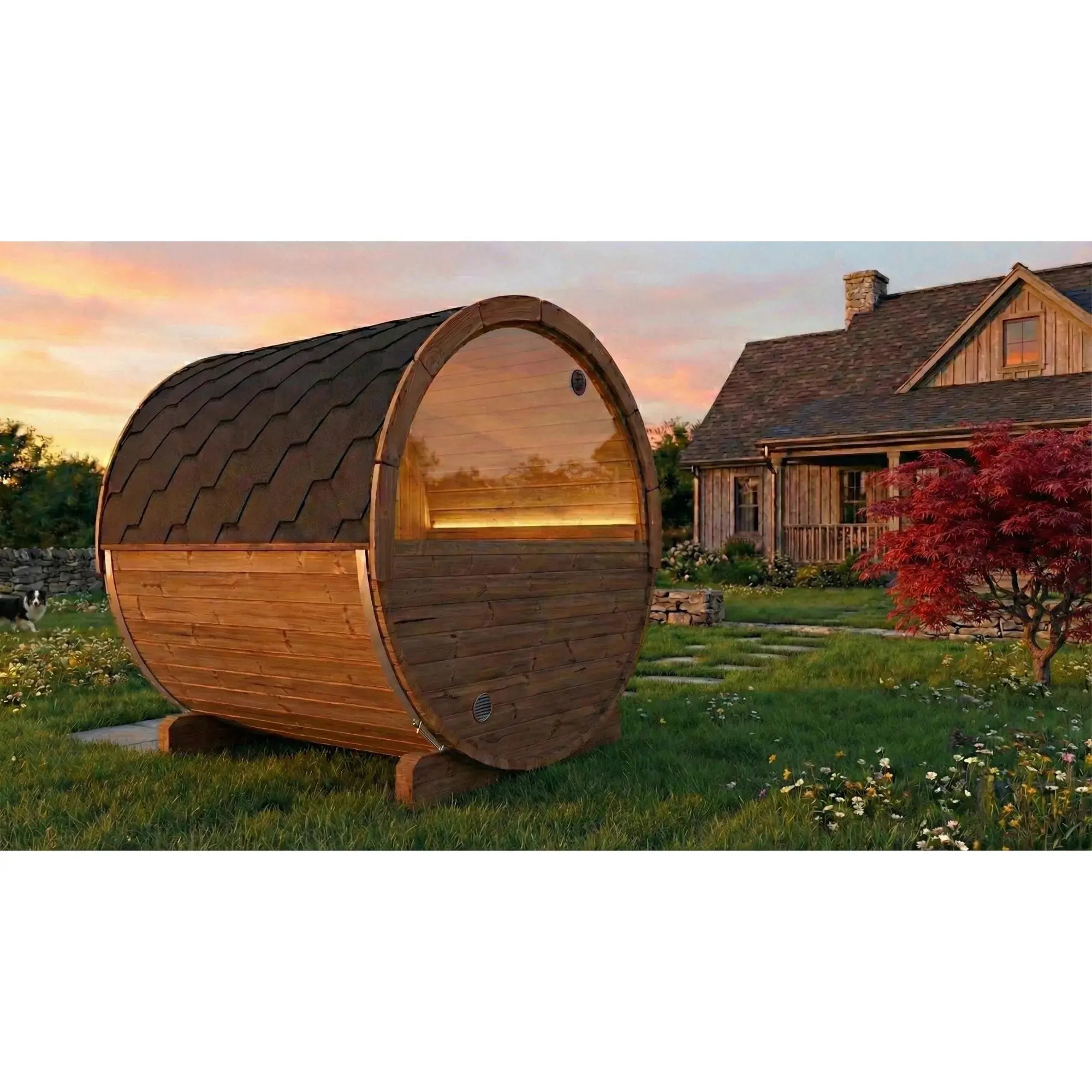
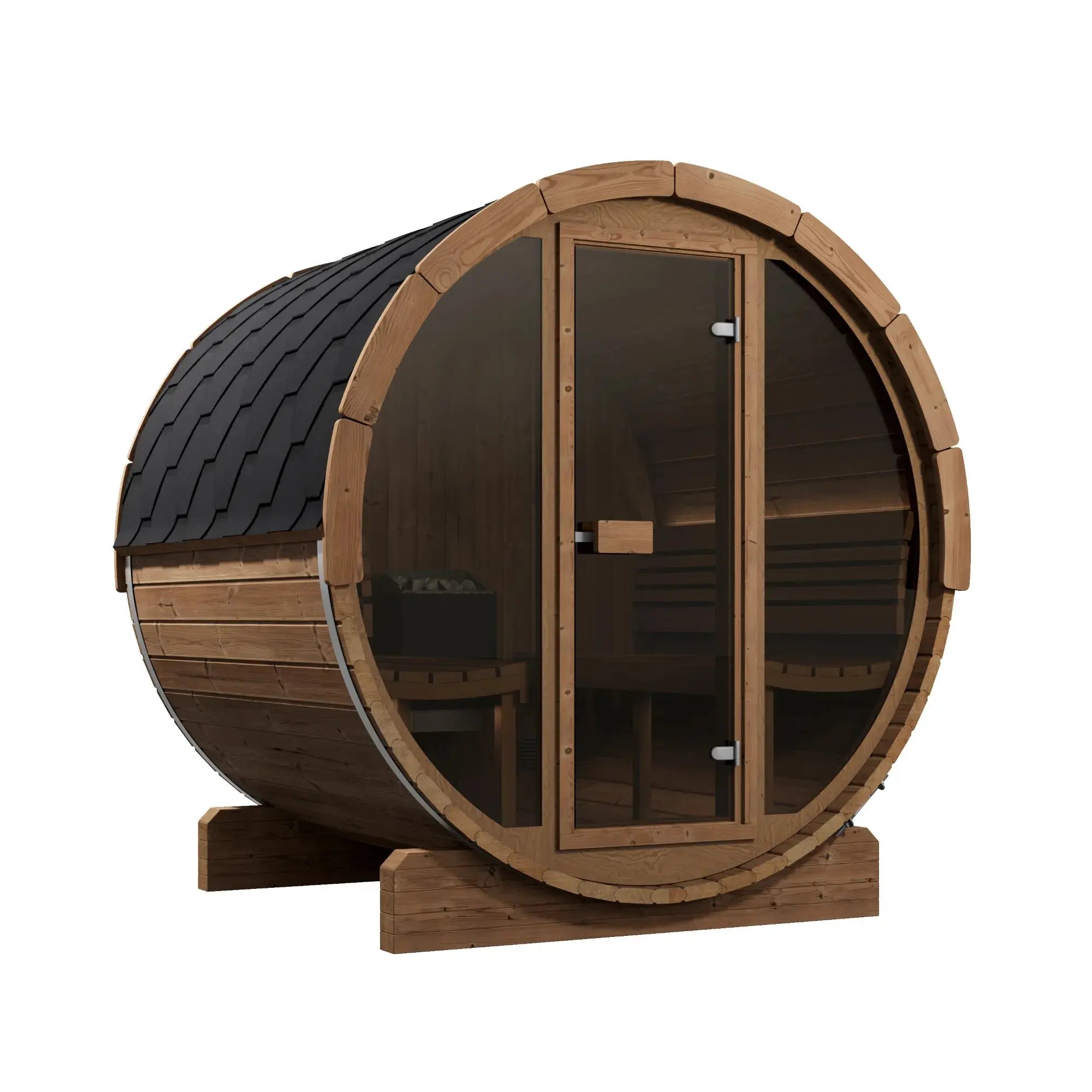
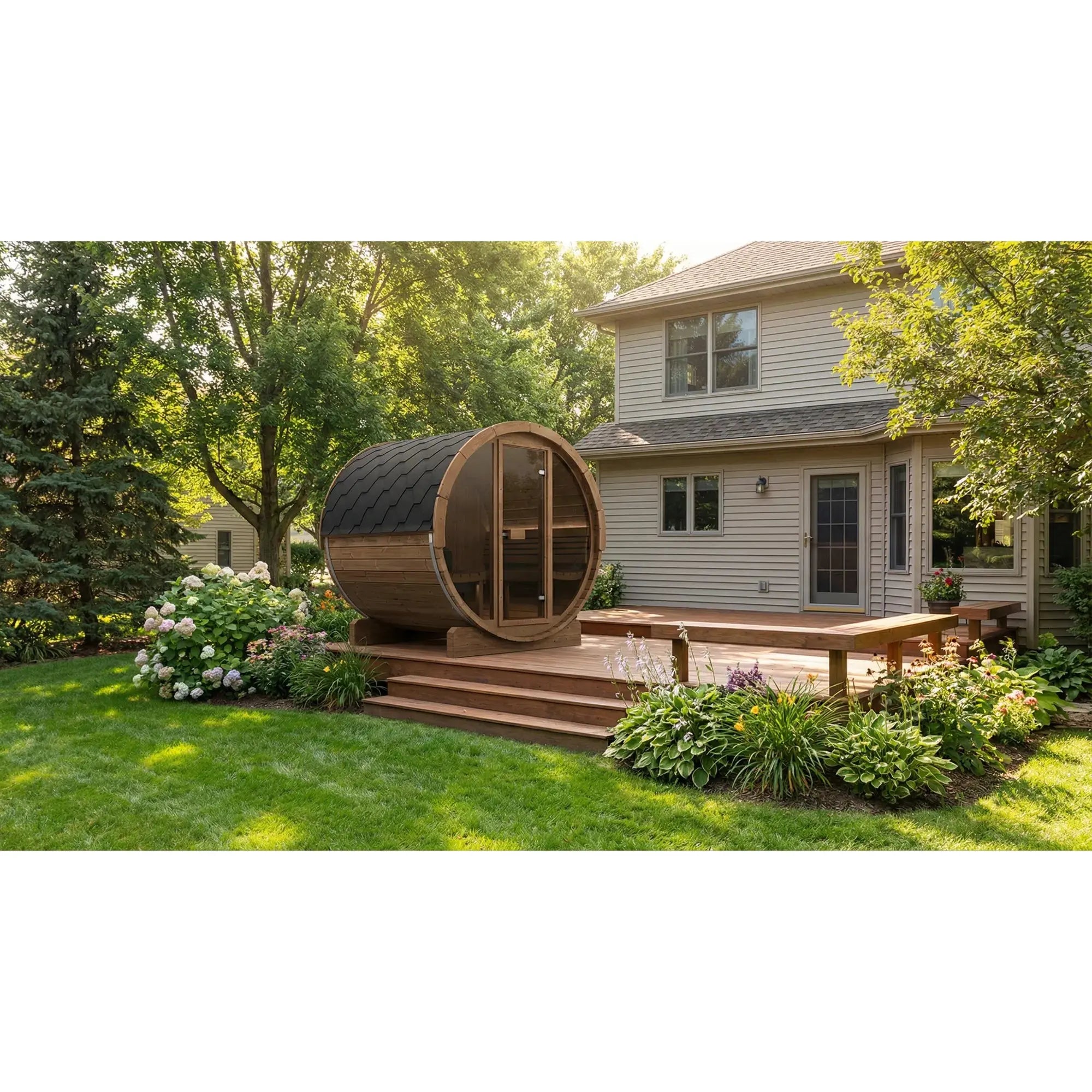
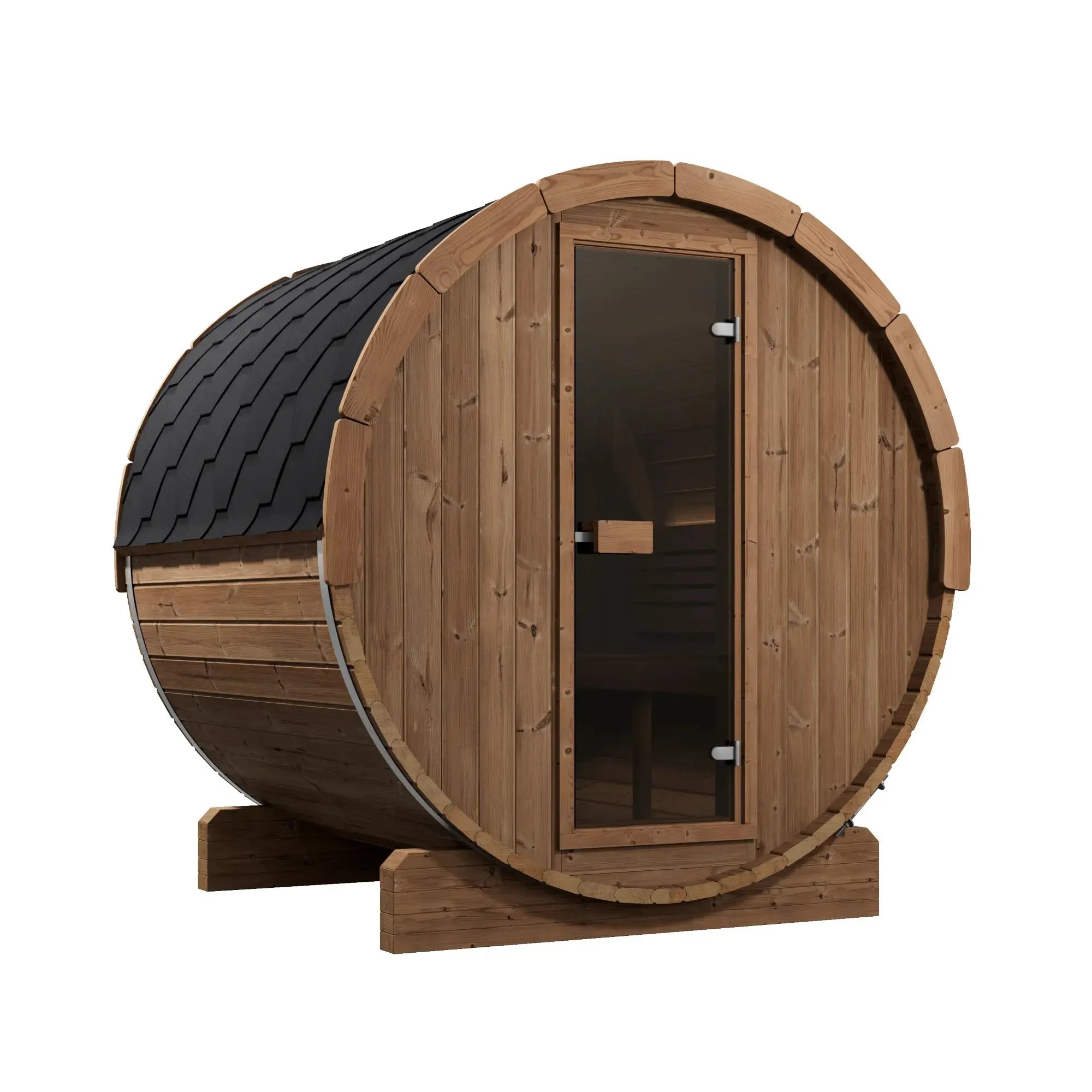
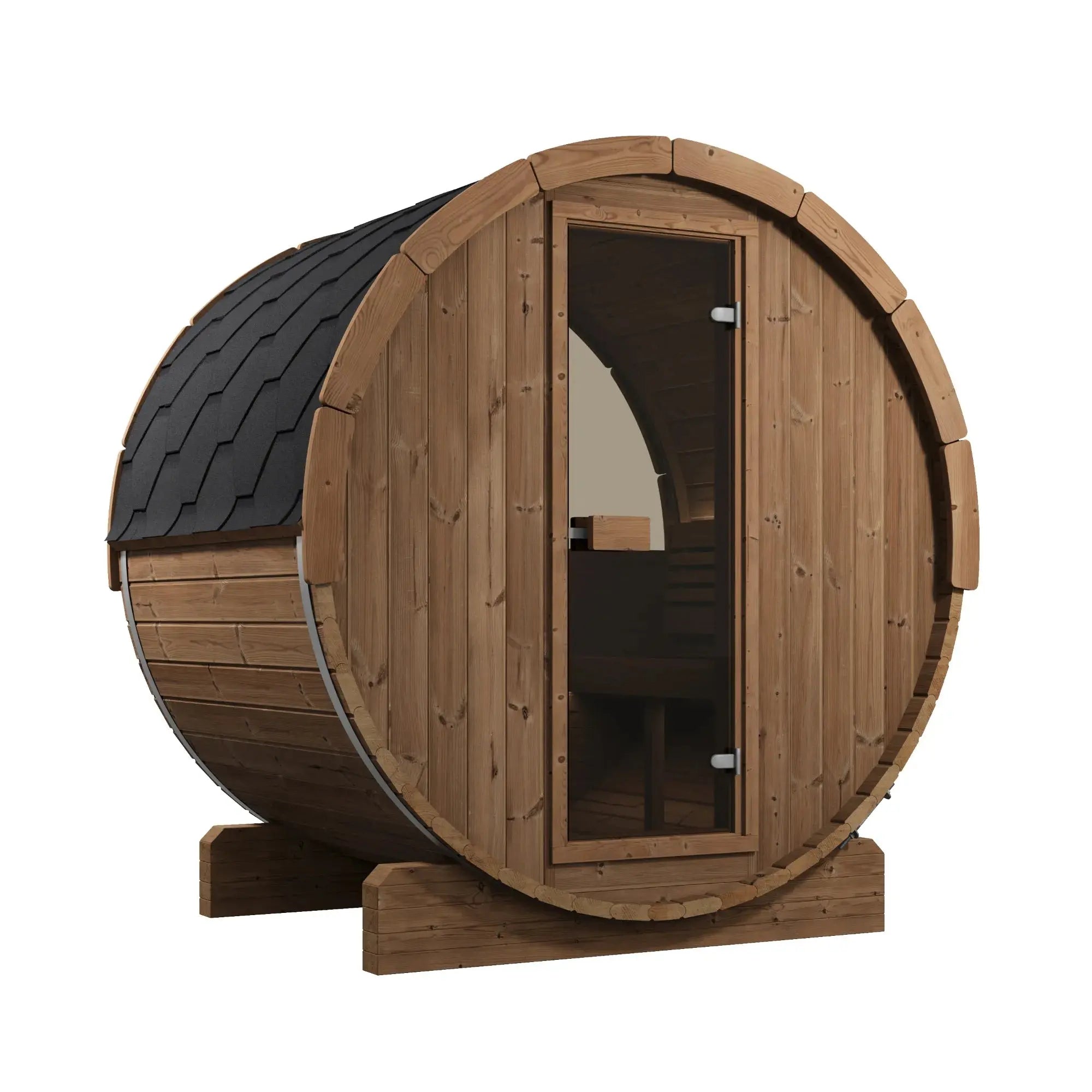
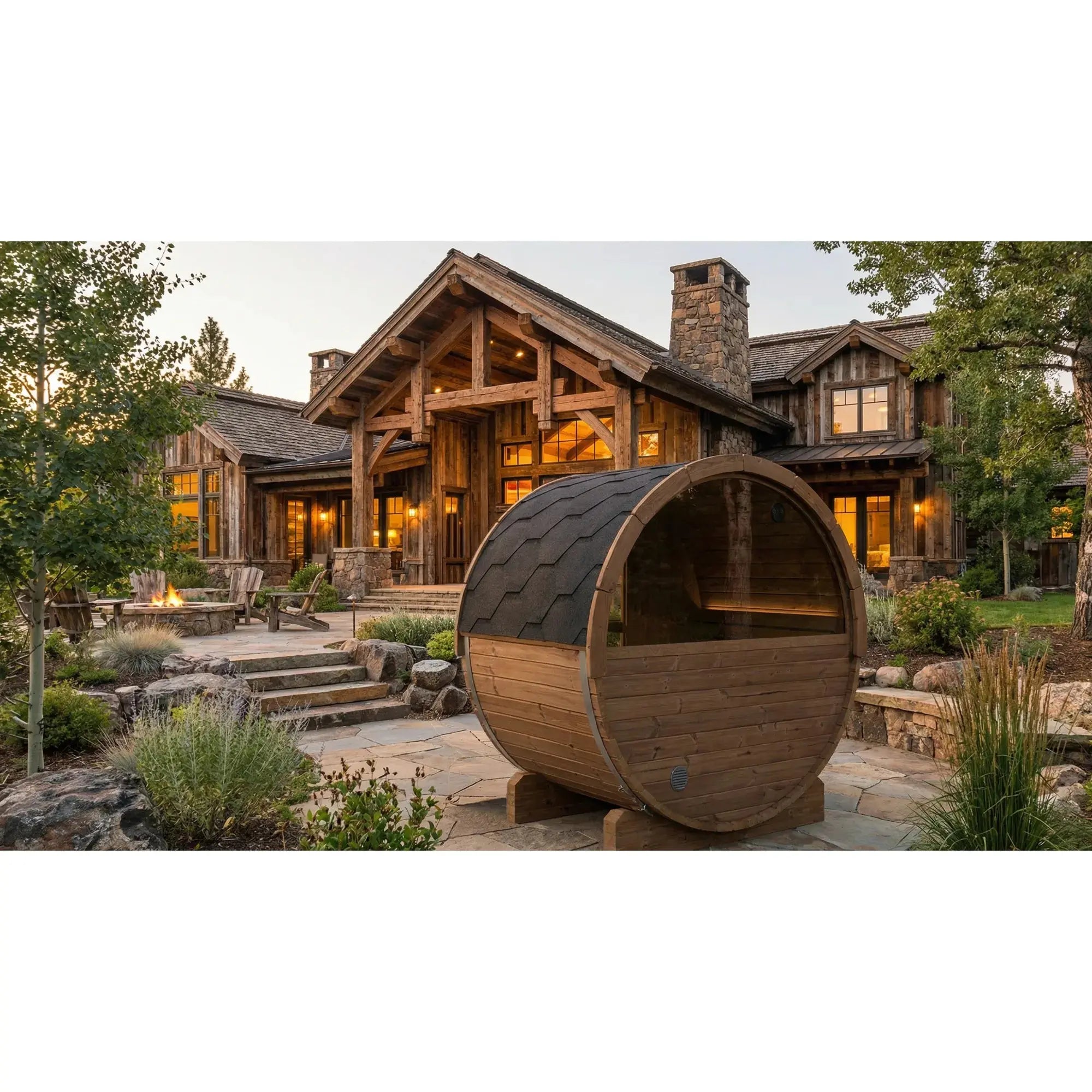
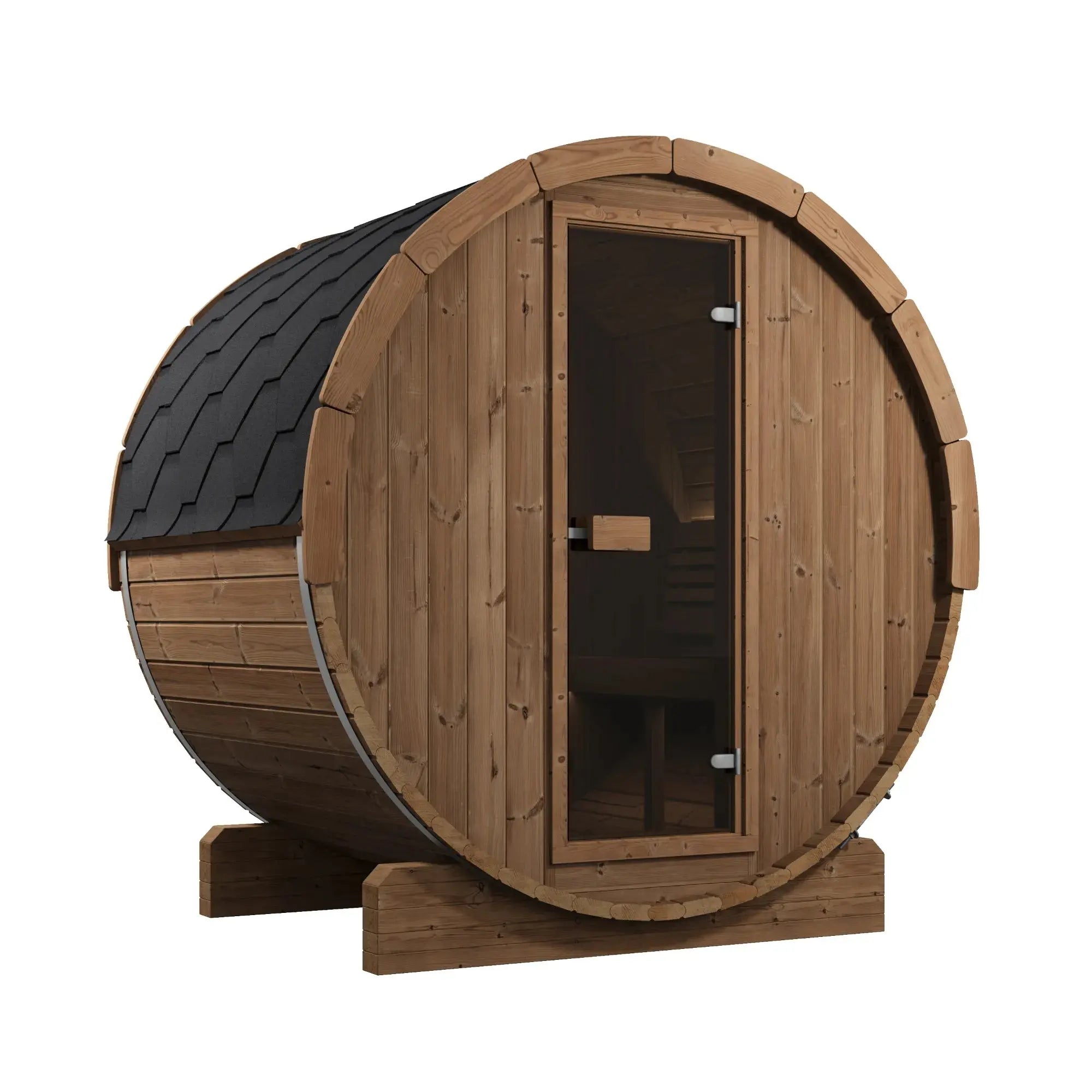
An outdoor sauna is a standalone feature placed in a backyard, on a patio, near a pool, or in a dedicated wellness area. An indoor sauna is built into the home, usually in a bathroom, basement, home gym, or spare room. That sounds simple, but the trade-offs are real.

Outdoor models usually give you more flexibility in size, design presence, and separation from the house. They can feel like a destination, which many buyers love. Indoor saunas tend to be easier to access, easier to use quickly, and less exposed to weather, which matters if convenience is your top priority.
The best choice often comes down to whether you want your sauna to be part of your backyard lifestyle or part of your indoor routine.
How you plan to use it matters more than specs
A lot of buyers start by comparing heater output, wood type, or footprint. Those details matter, but usage habits matter more.
If you picture yourself walking out after a workout, showering, and stepping into a sauna three or four times a week, an indoor setup may fit your routine better. You do not need to think about weather, footwear, or crossing the yard at night. It is close, quick, and easy to use even for shorter sessions.
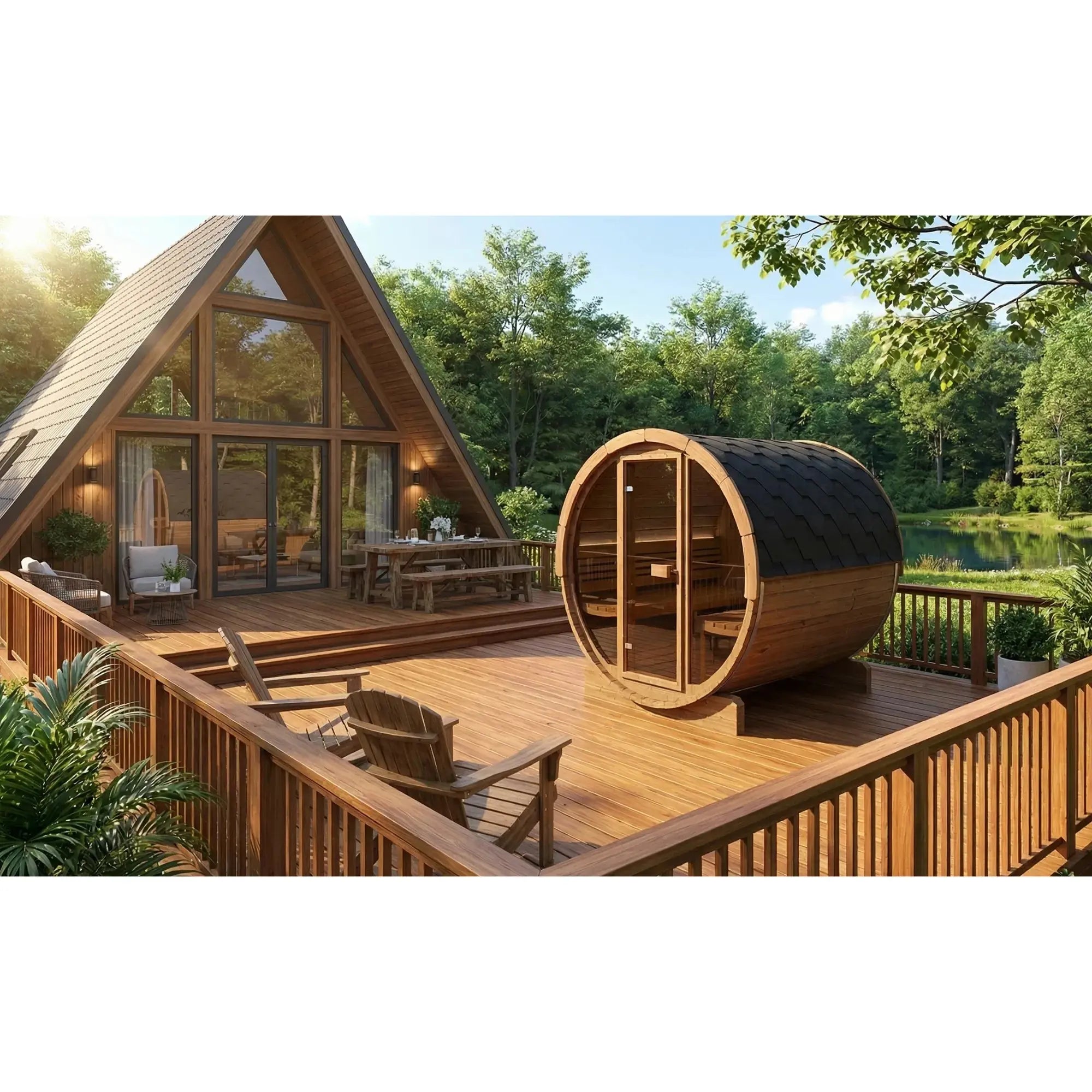
If the sauna is part of a broader outdoor experience, the equation changes. Maybe you want it near a cold plunge, outdoor shower, pool, or lounge area. Maybe you entertain and like the idea of a backyard setup that feels distinct from the main house. In that case, an outdoor sauna usually makes more sense because it works as a feature, not just an appliance.
This is one of those purchases where honest self-assessment saves money. The most impressive setup is not the right one if it does not match your habits.
Space and layout: where each option wins
Indoor saunas ask for usable square footage inside the home, and that space is rarely free. You may be taking part of a bathroom, a corner of a basement, or a section of a gym that already has competing needs. For many homeowners, the challenge is not whether an indoor sauna can fit. It is whether they want to give up interior space to make it happen.

That is where outdoor saunas have an advantage. They move the footprint outside and free up the home’s interior layout. If your yard already includes a patio, covered area, or underused corner, adding a sauna can feel natural. It can also help create zones across the backyard, especially if you are planning around seating, cooking, and relaxation.
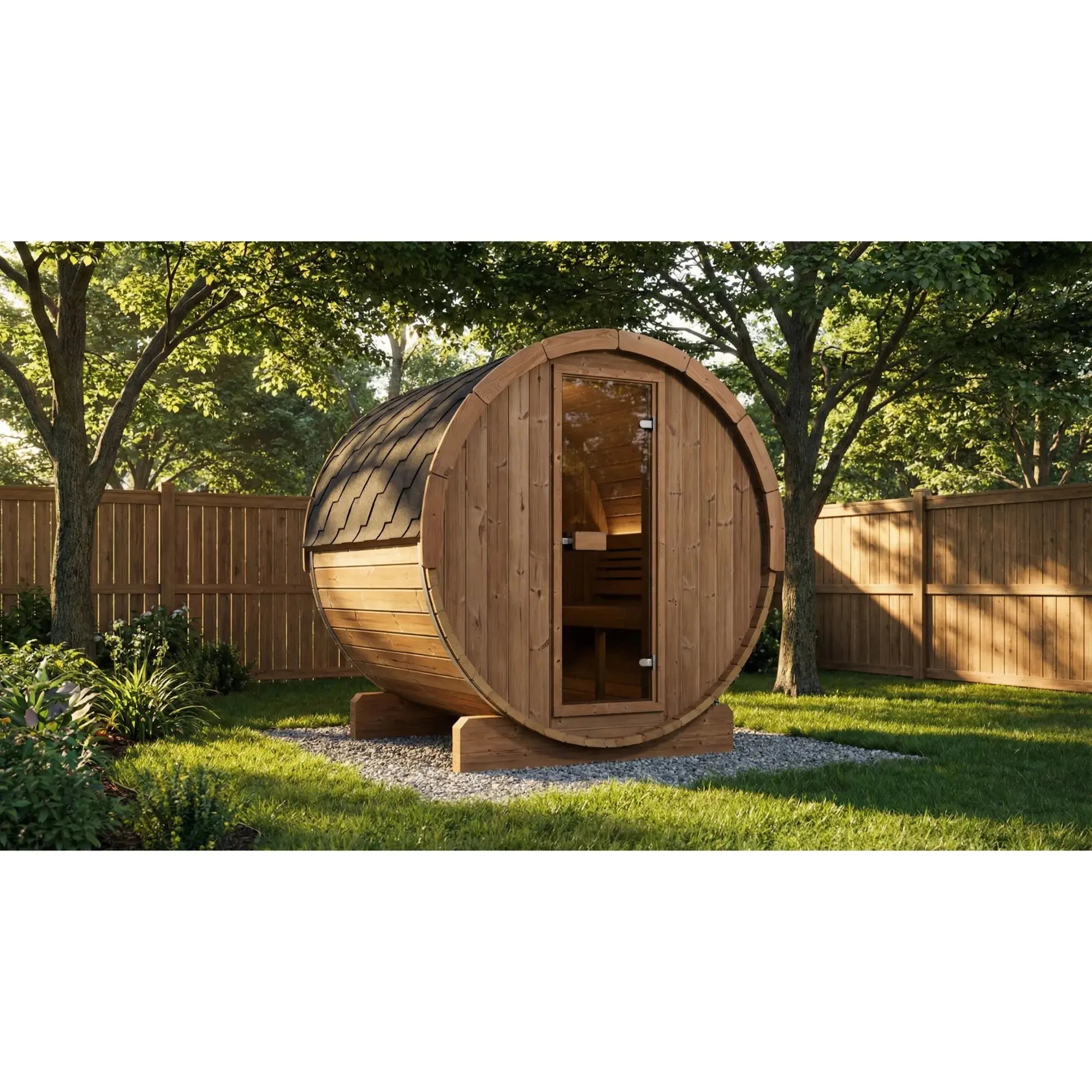
Still, outdoor space is not unlimited. You need clearance, a stable base, access to power, and a location that feels private enough to enjoy. In smaller suburban yards, an outdoor sauna can work well, but placement needs more thought than many buyers expect.
Privacy and sightlines
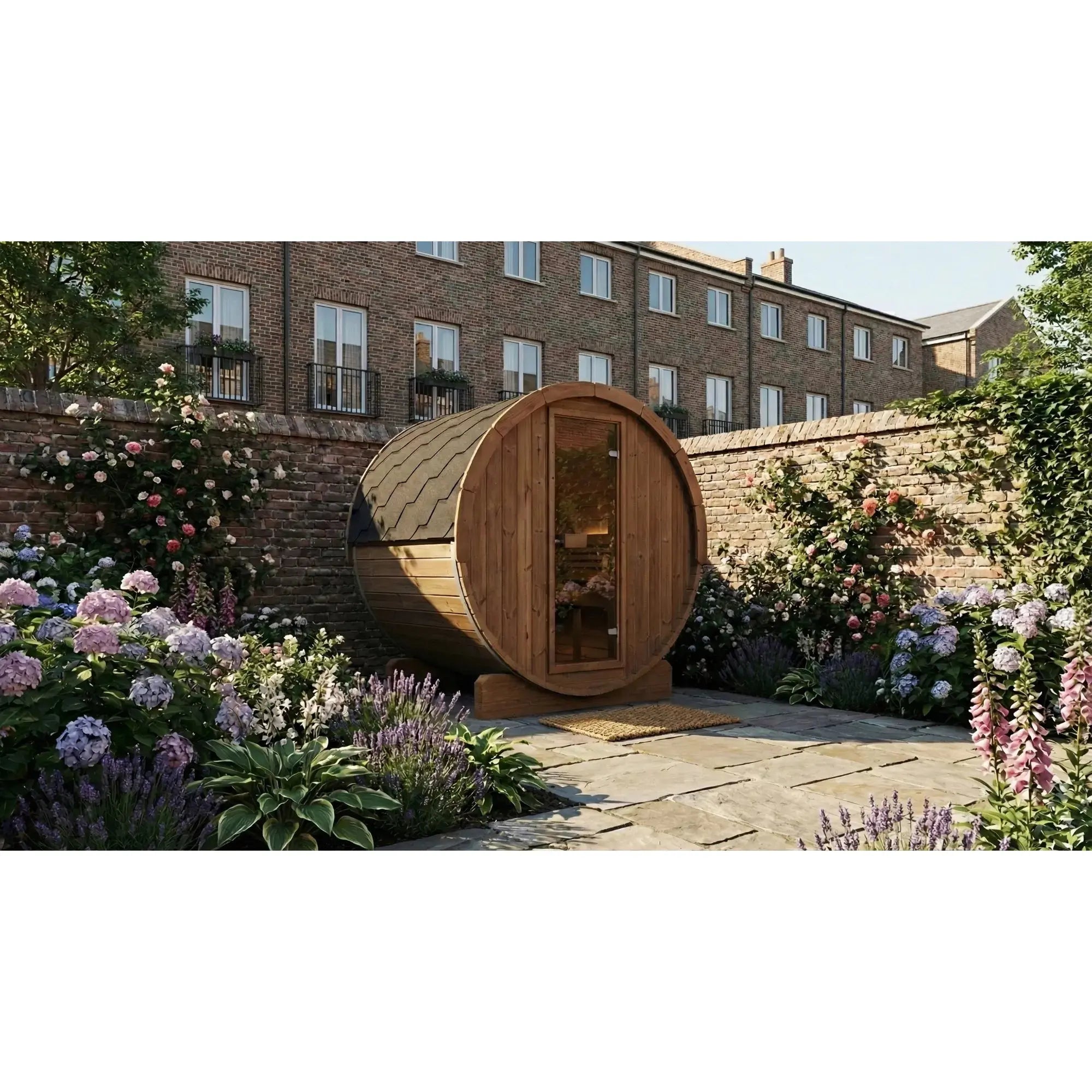
Privacy tends to be easier indoors because the walls already exist. Outdoors, privacy depends on fencing, landscaping, orientation, and distance from neighbors. If your yard is open or closely bordered, you may need to plan for screening.
That does not mean outdoor is inconvenient. It just means the sauna should be placed like any other premium exterior feature - with attention to views, traffic flow, and how the space feels when you are actually using it.
Installation and utility considerations
This is often where buyers shift from ideas to reality. Indoor saunas can seem simpler at first because they are inside the house, but they still require careful planning. You need the right electrical setup, proper ventilation, a surface that can handle heat and moisture, and enough room for safe clearances. Depending on the location, moisture management becomes a serious part of the decision.
Outdoor saunas also need electrical planning, and in some cases site preparation is more involved. You may need a concrete pad, pavers, or another stable foundation. Weather exposure affects placement, and depending on your climate, you may want the sauna near the house for easier access in winter.
Neither option is truly plug-and-play once you move into larger, premium units. The difference is where the complexity shows up. Indoors, it is often ventilation and moisture control. Outdoors, it is usually site prep, access, and weather-smart placement.
Permits and local rules
This varies by municipality, HOA, and utility requirements. Indoor projects may trigger electrical and remodeling considerations. Outdoor projects may trigger setback rules, accessory structure rules, or visibility restrictions. Before buying, it helps to confirm the basics rather than assuming a sauna is treated like standard furniture or decor.
Cost is not just the price tag
When comparing outdoor sauna vs indoor sauna, buyers sometimes focus too heavily on unit price and miss the installed cost.
An indoor sauna may cost less to protect over time because it is not sitting in rain, snow, or direct sun. But if you need to remodel a room, upgrade wiring, add ventilation, or rework finished interior space, the total can rise quickly.

An outdoor sauna may have a higher durability burden because it lives outside, yet it can be more efficient from a planning standpoint if you already have the right location and electrical access. It also avoids taking over finished interior square footage, which has value of its own.
Operating costs are usually influenced more by sauna size, insulation, heater type, and frequency of use than by indoor or outdoor placement alone. That said, outdoor units in colder climates may work a bit harder in winter, especially if the build quality is weak. This is one reason premium construction matters.
Maintenance and long-term wear
Indoor saunas generally have an easier life. They are protected from UV exposure, precipitation, wind-driven debris, and temperature swings. That usually means less exterior upkeep and fewer finish concerns over time.
Outdoor saunas demand more from materials and construction. The right unit should be built for exposure, not just placed outside and expected to cope. Roofing, exterior finishes, door seals, insulation, and wood quality all matter. If those elements are done well, an outdoor sauna can hold up beautifully. If they are not, you will feel it later in maintenance.
Inside the cabin, the care routine is fairly similar either way. Benches, floors, and interior wood still need basic cleaning and sensible use. The difference is that outdoor ownership includes another layer of site and exterior attention.
The experience feels different
This part is less technical, but it matters.
An indoor sauna is about convenience. It is easy to fold into everyday life. That matters for consistency, and consistency is what turns a sauna from a nice idea into something you actually use.

An outdoor sauna usually delivers more atmosphere. Walking into the yard, cooling off in open air, pairing the sauna with a shower or plunge, and creating a little separation from the house changes the feel of the experience. For many people, that is the whole point.
Neither feeling is superior. One is practical and integrated. The other is immersive and place-driven.
Which one tends to fit different homeowners
If you have limited indoor space, are building out a backyard wellness area, or want the sauna to contribute to the look and function of your exterior living space, outdoor is often the stronger fit. It also makes sense for buyers who view the sauna as part of entertaining or a larger outdoor investment.
If convenience is the priority, if winter access is a concern, or if you already have a logical interior location like a basement or home gym, indoor often wins. It is especially appealing for homeowners who want frequent use without extra setup.
At All Season Patio, this is usually where the conversation becomes most useful. Not around abstract feature comparisons, but around where the sauna will live, how it connects to the rest of the property, and what kind of ownership experience the customer actually wants.
A practical way to decide
Picture a Tuesday evening, not a perfect Saturday. If you want a fast session after work, an indoor sauna may get used more. If you want a dedicated retreat that elevates the backyard and gives you a real sense of separation, outdoor is hard to beat.
The right sauna is the one that fits your home without forcing the rest of your space to work around it. Choose the setup that makes regular use feel easy and the overall property feel better planned.