Natural Gas vs Propane Fire Pit: Which Fits?
A fire pit can become the spot where dinner runs long, friends gather after the grill cools down, and a chilly patio gets used more months of the year. But choosing between a natural gas vs propane fire pit changes more than the fuel source. It affects where the fire feature can go, what installation requires, how often you will use it, and how finished your outdoor space feels.
For most homeowners, the right choice is less about which fuel is objectively better and more about how permanent the patio plan is. Natural gas favors a built-in, ready-anytime fire feature. Propane favors flexibility, simpler setup, and the ability to place a fire pit where a gas line does not reach.
Natural Gas vs Propane Fire Pit: The Core Difference
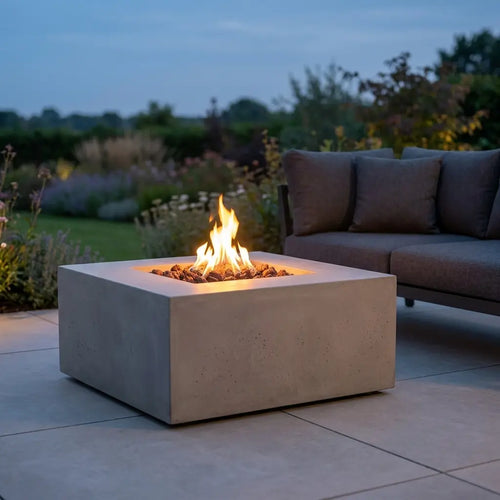
A natural gas fire pit connects to a home's existing natural gas supply through a professionally installed gas line. Once the line and shutoff valve are in place, the fire pit has a continuous fuel source. There are no tanks to exchange, refill, or conceal.
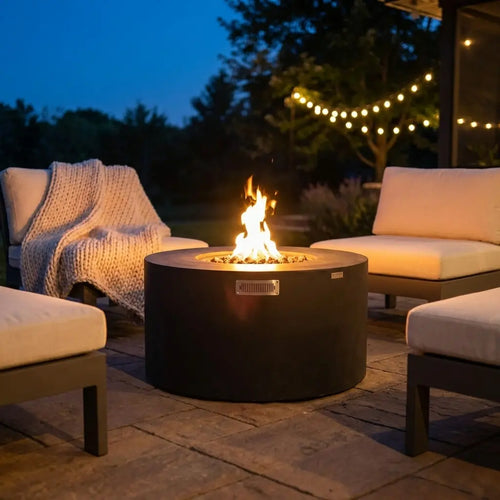
A propane fire pit runs from a portable liquid propane tank, most commonly a standard 20-pound cylinder. The tank may sit beneath a fire pit table, inside a matching tank enclosure, or in a nearby approved storage location, depending on the design. When the tank runs low, it needs to be refilled or exchanged.

Both fuel types offer clean-burning flames, quick ignition, and far less cleanup than a wood-burning fire pit. Neither produces the wood smoke, ash, sparks, or odor that can make a traditional fire less practical near seating, dining areas, and outdoor kitchens.
The key distinction is permanence. Natural gas becomes part of the patio infrastructure. Propane remains a self-contained system.
Choose Natural Gas for a Permanent Patio Plan
Natural gas is often the better fit when you are building or remodeling a patio, adding an outdoor kitchen, or creating a dedicated lounge area that will stay in one place for years. It is especially appealing for built-in fire pits, fire pit tables integrated into a hardscape, and larger fire features that would use through propane tanks quickly.

The everyday convenience is hard to overstate. Turn the key or press the ignition, enjoy the fire, then turn it off. There is no fuel-level guesswork before guests arrive and no mid-evening trip to find an open propane exchange location.
Natural gas also tends to cost less per unit of heat than propane in many parts of the United States, though local utility and propane pricing can change that calculation. If the fire feature will run several nights a week through fall and winter, the operating-cost advantage can add up over time.
The trade-off is upfront work. A licensed gas professional should size and install the gas line, confirm supply capacity, add the proper shutoff, and follow local code requirements. Depending on the distance from the meter, obstacles in the yard, whether trenching is needed, and local permit rules, that installation can be a meaningful part of the project budget.
Natural gas also limits relocation. You can replace the fire pit or redesign the furniture around it, but the fuel connection defines its practical location. That is not a drawback when the patio layout is settled. It is a reason to pause if you are still experimenting with how the space will function.
When natural gas makes the most sense
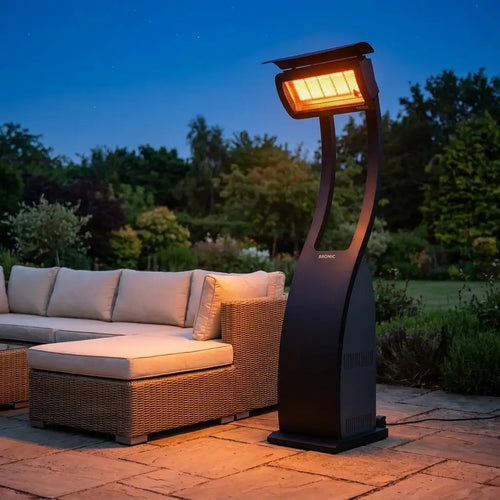
Choose natural gas if you already have gas service at the home, expect to use the fire feature frequently, and want a clean, built-in look without a visible tank. It is also a strong choice for homeowners coordinating a fire feature with a gas grill, outdoor kitchen, patio heater, or other permanent outdoor upgrades.
Before choosing a fire pit, verify the available gas pressure and the BTU capacity of the planned line. A beautiful unit will not perform properly if the gas supply is undersized. This is one of those details worth getting right before the hardscape is finished.
Choose Propane for Flexibility and Easier Setup
Propane makes sense when you want a premium fire feature without running a gas line across the property. It can be an excellent choice for an existing deck, a patio far from the home, a seasonal setup, or a backyard where the final furniture arrangement is still taking shape.

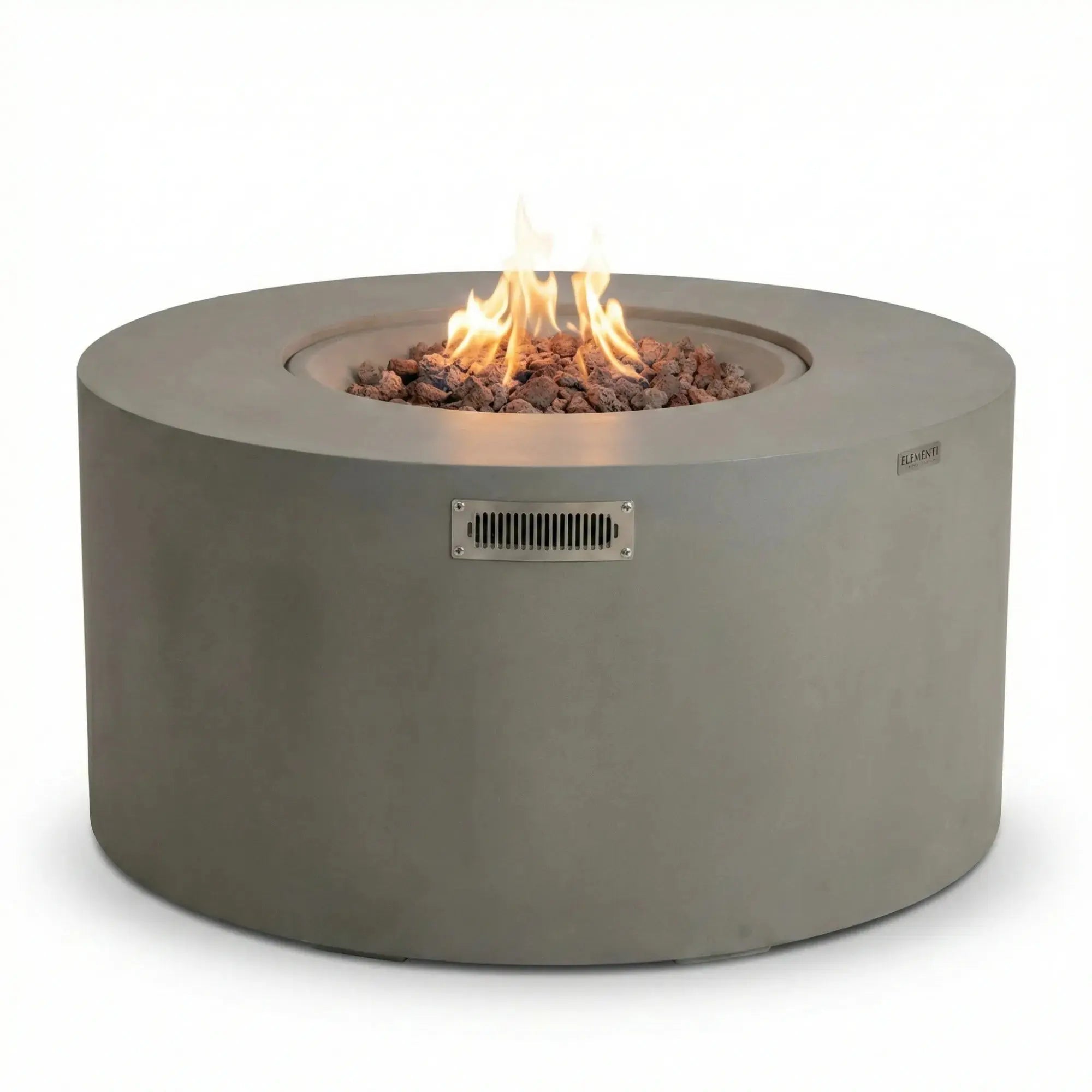
Many propane fire pit tables are designed to hide a standard 20-pound tank inside the base. That creates a polished look while keeping the installation straightforward. Other designs use a separate tank cover that can double as a small side table, which works well when the fire pit itself has a more open pedestal base.
The major advantage is mobility. While a fire pit should always be placed on a stable, approved surface with proper clearance from structures and combustibles, propane gives you more freedom to adjust the layout later. If the seating area moves to the other side of the patio next season, the fire feature can move too.
Propane typically delivers more heat per unit of fuel than natural gas, but that does not automatically mean every propane fire pit produces a larger flame or feels warmer. BTU output is determined by the burner and product design. Compare the listed BTU rating of specific models rather than assuming fuel type alone determines performance.

The practical downside is tank management. A 20-pound propane tank often provides roughly 8 to 10 hours of burn time at a moderate setting, though high-output fire pits can use fuel substantially faster. Keep a full spare tank available if your patio is used for longer gatherings or frequent entertaining.
When propane is the better call
Choose propane if convenience means avoiding construction, your fire pit may move, or you want a faster path from delivery to your first fire. It is also a sensible option for homeowners who do not have natural gas service or whose desired fire pit location would make a new gas line expensive.
For a refined setup, plan for tank placement from the beginning. A concealed-tank fire table is often the simplest option. If you use a separate tank cover, choose one that complements the fire feature and leaves a clear, safe path for the hose.

Installation, Safety, and Placement Matter More Than Most Shoppers Expect
Fuel choice should never override placement requirements. Check the manufacturer’s clearance guidelines for the fire pit you choose, including distance from walls, roof overhangs, trees, furniture, and other combustible materials. A fire feature that looks proportionate in a product photo may need more open space than expected on a compact patio.
Never use an outdoor gas fire pit in an enclosed or poorly ventilated space. Covered patios can work only when the specific fire pit is approved for that setting and all clearance and ventilation requirements are met. A roof, screened enclosure, or pergola changes the planning conversation.
Natural gas installations should be completed and tested by qualified professionals. With propane, inspect the regulator, hose, and tank connection regularly, and follow the manufacturer’s instructions for leak checks. Keep propane cylinders upright outdoors, away from heat sources, and never store them inside a house, garage, or enclosed shed.
It is also worth checking local fire regulations and HOA rules before buying. Some communities restrict open flames, set clearance requirements, or have seasonal burn limitations. Gas fire pits are often easier to use than wood-burning models under local rules, but the answer is not universal.
How to Compare Costs Without Guesswork
The cost conversation has two parts: initial setup and long-term use.
A propane fire pit generally has the lower starting cost because it does not require a dedicated gas line. The product, tank, and perhaps a tank cover are usually the primary expenses. That can make propane the practical choice when a patio upgrade is happening in stages.
Natural gas generally costs more at the beginning due to professional installation, permits where required, and possible trenching or masonry coordination. Its operating cost may be lower over time, particularly for frequent use, but savings will not always offset installation costs quickly. If the fire pit is used only a few times each season, the convenience of propane may outweigh the economics of a permanent line.
Instead of focusing only on fuel price, think about the total project. A natural gas fire pit is an investment in a fixed outdoor room. A propane fire pit is an investment in adaptable comfort. Both can be the right move when they match the way you actually use the yard.
The Best Choice for Your Backyard
If your patio plan is established and you want the fire pit to feel like a permanent part of the property, natural gas is usually the stronger long-term choice. It delivers the easiest ownership experience after installation and supports frequent use without fuel interruptions.
If you value placement flexibility, want to avoid gas-line work, or are furnishing an existing space without major construction, propane is often the better fit. A well-designed propane fire pit table can still look intentional, substantial, and fully at home in a premium outdoor setting.
The most satisfying fire feature is not necessarily the one with the highest BTU rating or the lowest fuel price. It is the one positioned where people naturally gather, sized for the seating around it, and simple enough that you will light it on an ordinary Tuesday night - not only when company is coming.