Infrared Sauna vs Steam Sauna
A lot of sauna decisions come down to one simple question: do you want dry heat that feels easier to settle into, or thick humidity that hits you the moment you open the door? When homeowners compare infrared sauna vs steam sauna, they are usually not choosing between a better option and a worse one. They are choosing between two very different experiences, two different installation paths, and two different ways a sauna will fit into everyday life.
If you are adding a sauna to a backyard retreat, pool area, or dedicated wellness space, that difference matters. The right choice is less about trends and more about how you want to use it a year from now, not just how it sounds on paper today.
Infrared sauna vs steam sauna: the core difference
An infrared sauna uses infrared heaters to warm your body more directly. The air inside still gets warm, but usually not as hot as a traditional steam-style setup. The result is a dry, penetrating heat that many people find more comfortable for longer sessions.
A steam sauna, often grouped with traditional sauna experiences in everyday buying conversations, relies on a heater to warm the room and create a much hotter, more humid environment. Depending on the setup, that humidity can range from moderate to intense. The sensation is fuller and heavier, and for some people, it feels more immersive right away.
That is the first real dividing line. Infrared tends to feel gentler at the start, while steam tends to feel more dramatic from the moment you step in.

Heat, humidity, and how each one feels
This is where personal preference takes over.
Infrared saunas usually operate at lower ambient temperatures, often in the 120 to 150 degree range, though exact performance varies by model. Because the heat is more direct, people often describe it as a deeper warmth without the shock of extremely hot air. If you dislike that hard blast of heat when you first enter a sauna, infrared can feel much more approachable.
Steam saunas generally create a hotter-feeling room because you are dealing with both elevated air temperature and humidity. That combination can make a short session feel intense in a good way if you enjoy a classic sauna environment. It can also feel overwhelming if you are heat-sensitive or if you want a longer, more relaxed session.
Neither feeling is universally better. Some homeowners want the ritual of visible steam, hotter benches, and a room that feels fully transformed. Others want a sauna they will actually use four or five times a week without needing to work up to it.

Which sauna is easier to use regularly?
For many buyers, infrared wins on convenience.
Infrared units often heat up faster, use straightforward controls, and fit well into a normal routine. That matters more than people expect. A sauna can sound appealing as a luxury feature, but if it takes too much setup, too much cleanup, or feels too intense for frequent use, it may become something you use occasionally instead of consistently.
Steam saunas can be incredibly satisfying, but they usually ask more from the user and the space. You are managing more moisture, more heat in the room, and often more planning around ventilation and finishes. If you love the experience, that trade-off is easy to justify. If you want low-friction wellness built into a busy week, infrared often has the edge.
A practical way to think about it is this: steam can feel more like an event, while infrared often feels easier to make into a habit.
Installation and space planning
This is often where the decision gets clearer.
Infrared saunas are generally simpler to install. Many are self-contained units that work well in a home gym, enclosed patio room, pool house, or other protected area. Electrical requirements still matter, and premium models deserve proper planning, but the overall setup is usually more straightforward than building out a steam environment.
Steam saunas need more attention to moisture management. Walls, ceilings, flooring, insulation, and ventilation all need to support regular high-humidity use. If the sauna is being integrated into a larger outdoor living project, that can absolutely be done well, but it is not something to treat casually. Materials and construction details matter if you want long-term performance.
For homeowners designing a complete backyard layout, this is a major consideration. An infrared sauna can be an efficient add-on. A steam sauna often works best when it is part of a more intentional build, especially if it connects to a shower area, changing space, or covered structure.
Maintenance and long-term upkeep
Maintenance is one of the least glamorous parts of the buying decision, but it has a direct effect on how satisfied you are later.
Infrared saunas are usually easier to keep clean and dry. Because there is less moisture in the environment, you are dealing with fewer humidity-related issues. Regular wipe-downs, good ventilation after use, and basic care of the wood interior typically cover most of what is needed.
Steam saunas require more vigilance. Moisture changes everything. Surfaces need to be maintained properly, ventilation has to do its job, and the environment has to be managed to avoid wear and hygiene issues over time. That does not make steam a bad choice. It just means the ownership experience is more involved.
For buyers focused on durability and lower-maintenance operation, infrared often feels like the more practical fit.
Energy use and operating cost
Homeowners shopping premium outdoor products usually want the same thing here that they want in patio heaters, grills, or fire features: performance that makes sense for the operating cost.
Infrared saunas are often more efficient to run because they typically heat smaller spaces and do not need to drive room air and moisture to the same level as a steam setup. That can make them appealing for frequent use.
Steam saunas can cost more to operate depending on size, heater output, session length, and how the room is built. If the enclosure is not designed well, efficiency suffers. In a properly planned installation, operating costs may still be perfectly reasonable, but they are less likely to be the lowest-cost option.
If your goal is a sauna that gets used often without much hesitation about energy consumption, infrared has an advantage.
Health goals and comfort preferences
People sometimes shop for saunas as if one type will solve every wellness goal better than the other. Realistically, comfort and consistency matter more.
If you prefer milder air temperatures, longer sessions, and a dry environment, infrared may be the better fit simply because you are more likely to use it consistently. If you love humidity, intense heat, and the traditional sensory experience of steam, that preference matters too. The best sauna for your routine is the one you look forward to using, not the one that wins a debate online.
This is also where household preferences come into play. If more than one person will use the sauna, think about the widest range of tolerance in the group. One family member may love a steam-heavy room, while another may avoid it entirely. Infrared can be the more flexible middle ground in shared-use settings.
Infrared sauna vs steam sauna for outdoor living spaces
For outdoor-focused homeowners, the choice is not just about heat. It is also about how the sauna fits with the rest of the property.
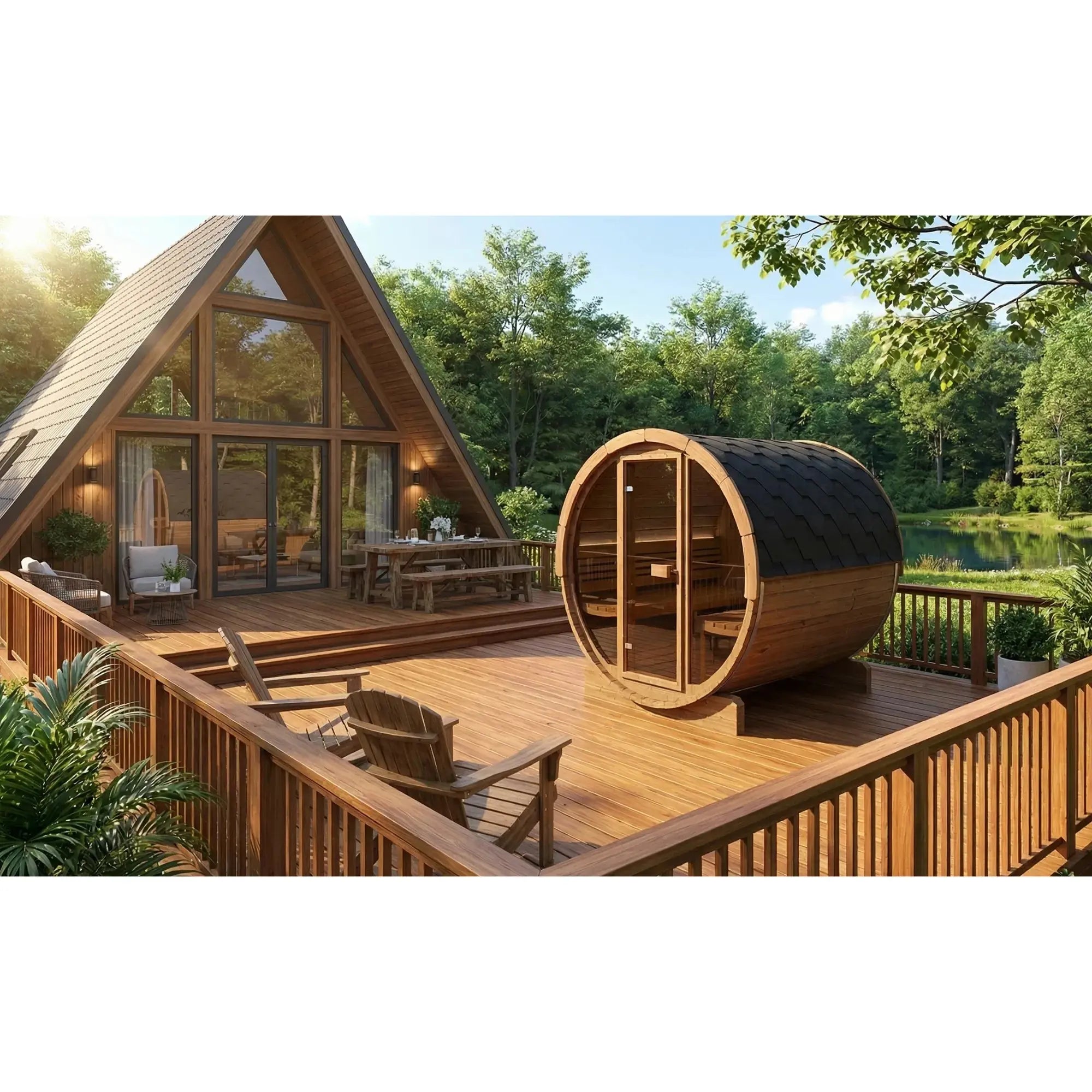
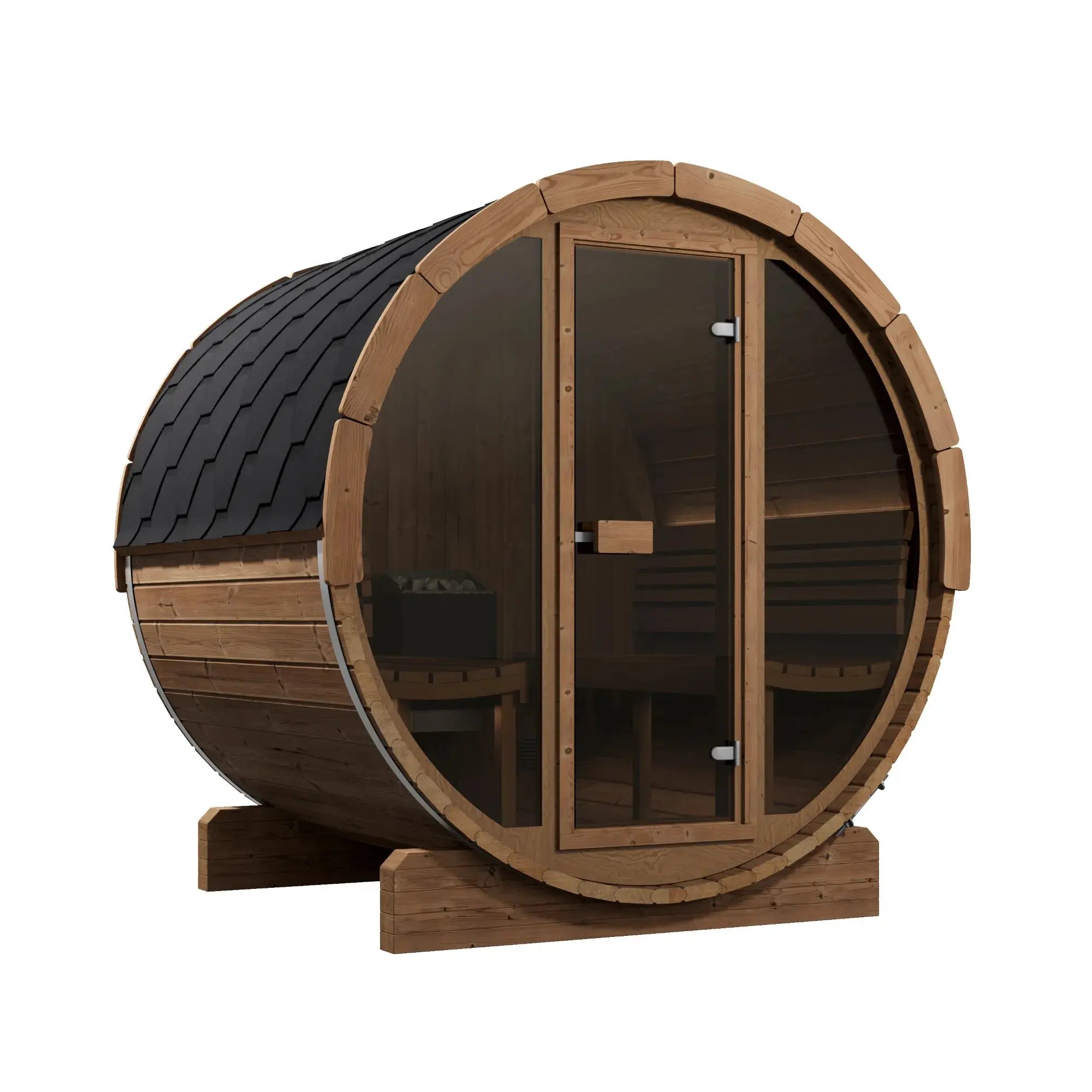
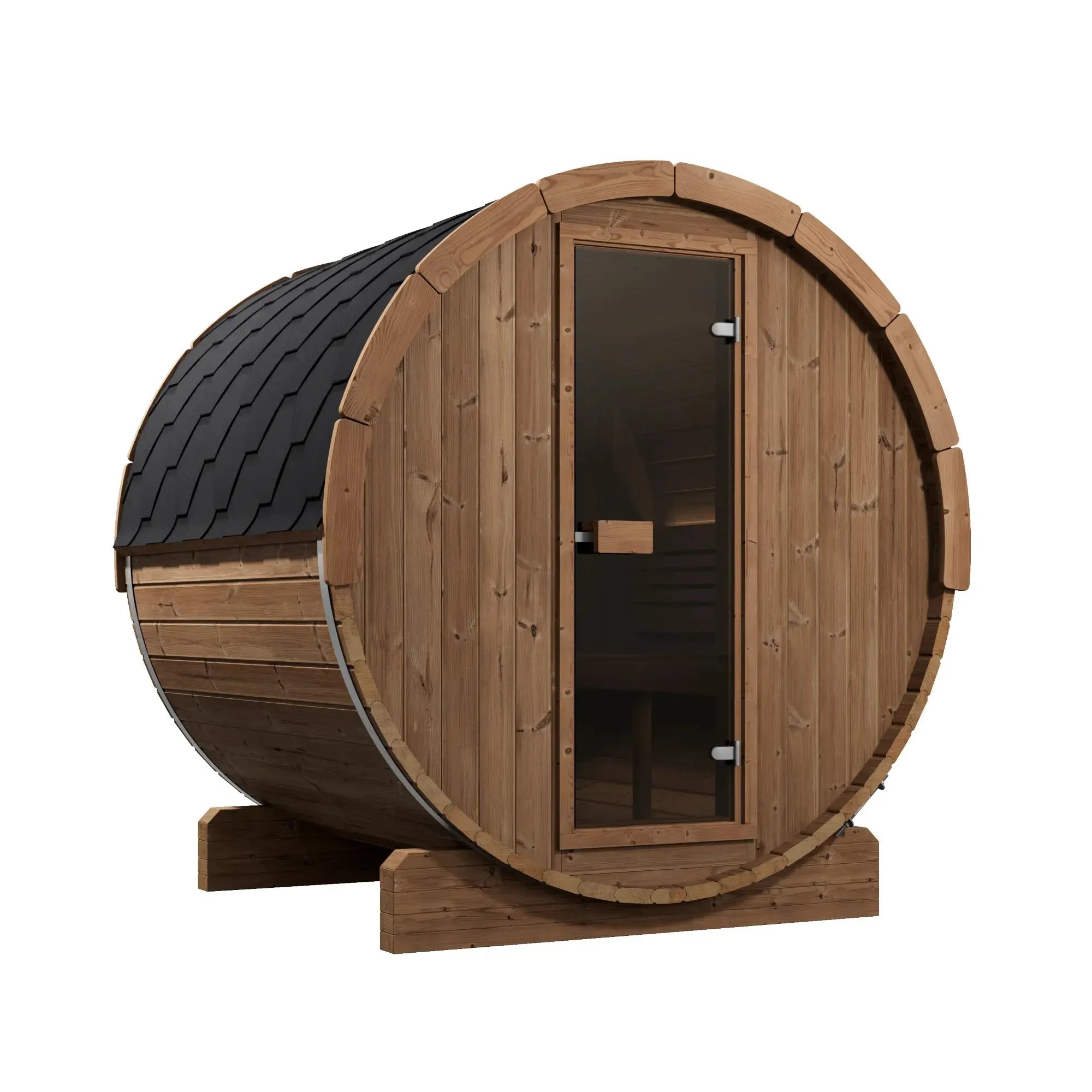
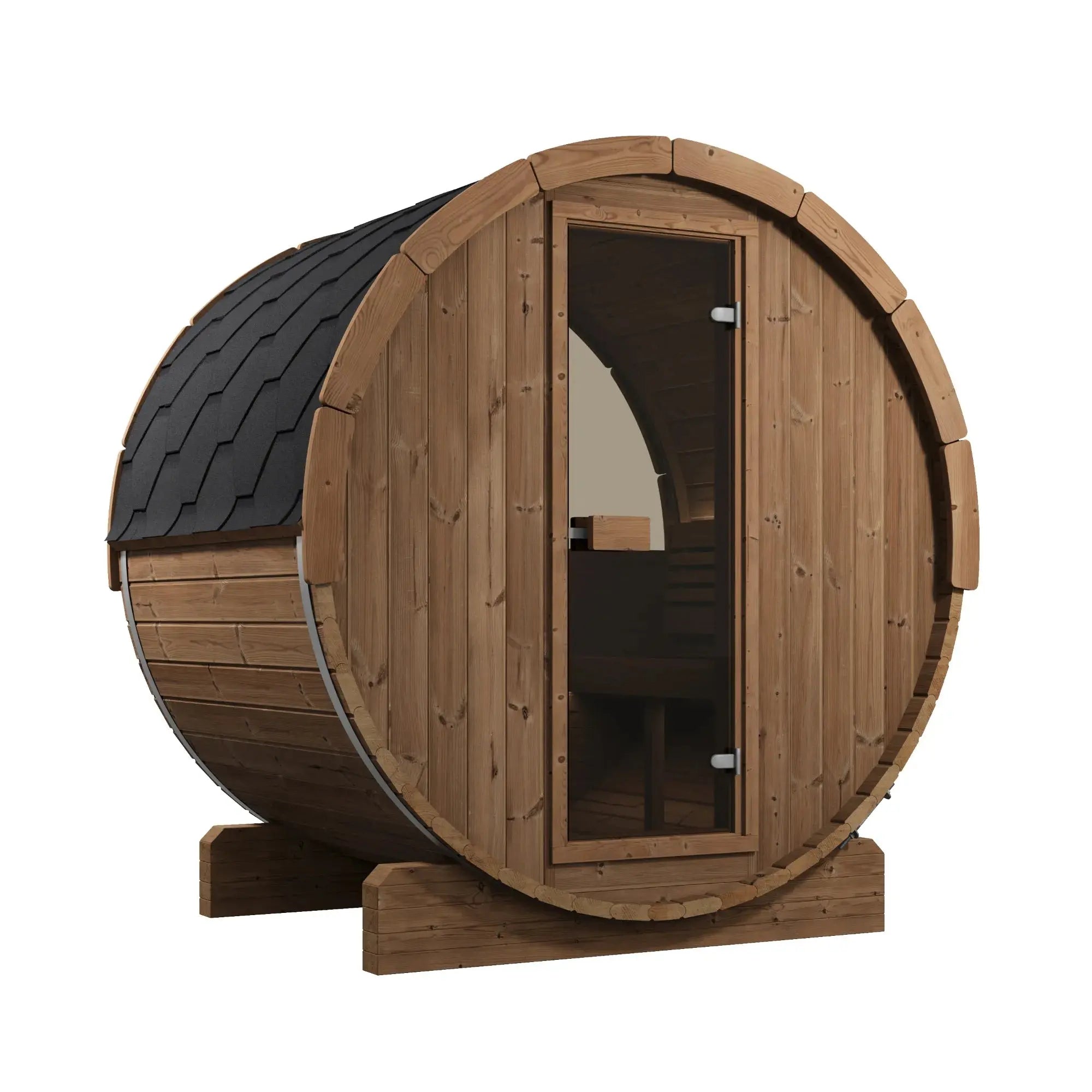
An infrared sauna often works well in a curated wellness corner alongside a cold plunge, outdoor shower, or covered lounge area. It is compact, clean-looking, and generally easier to integrate without major reconstruction. That makes it a strong option for homeowners building out a backyard in stages.
A steam sauna can be a standout feature in a larger, more dedicated setup. If you are designing a full spa-style zone and want a more traditional sauna feel, it can absolutely justify the extra planning. The key is to treat it like a serious installation, not a casual add-on.

At All Season Patio, this is usually where the conversation gets practical. The right sauna is not just the one with the most appealing heat profile. It is the one that matches your space, your maintenance tolerance, and how you actually plan to use your backyard.
So which one should you choose?
Choose infrared if you want easier everyday use, lower-maintenance ownership, faster warm-up, and a dry heat experience that more people find approachable. It is often the better fit for homeowners who want a sauna to become part of their regular routine.
Choose steam if you want a more traditional, high-humidity sauna feel and are willing to plan for the installation and upkeep that come with it. It makes the most sense when the experience itself is the priority and the space is built to support it.
A sauna is one of those purchases where the best answer is rarely the most dramatic one. It is the option that fits your home well enough, and your habits well enough, that you keep using it long after the novelty wears off. Buy for the routine you want to keep.